Your cart is currently empty!
5-Ingredient Homemade Spaghetti Sauce: The Definitive 2024 Guide
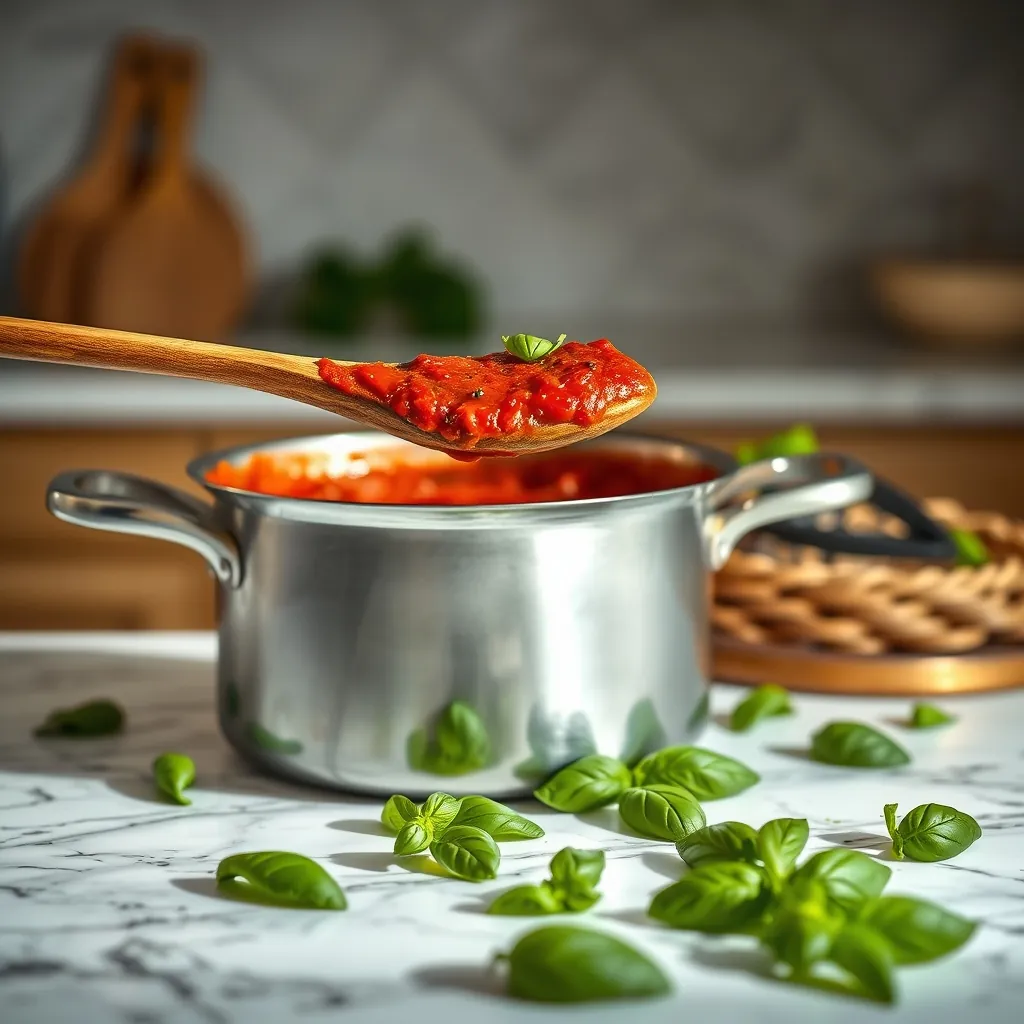
Why Ditch the Jar and Cook from Scratch
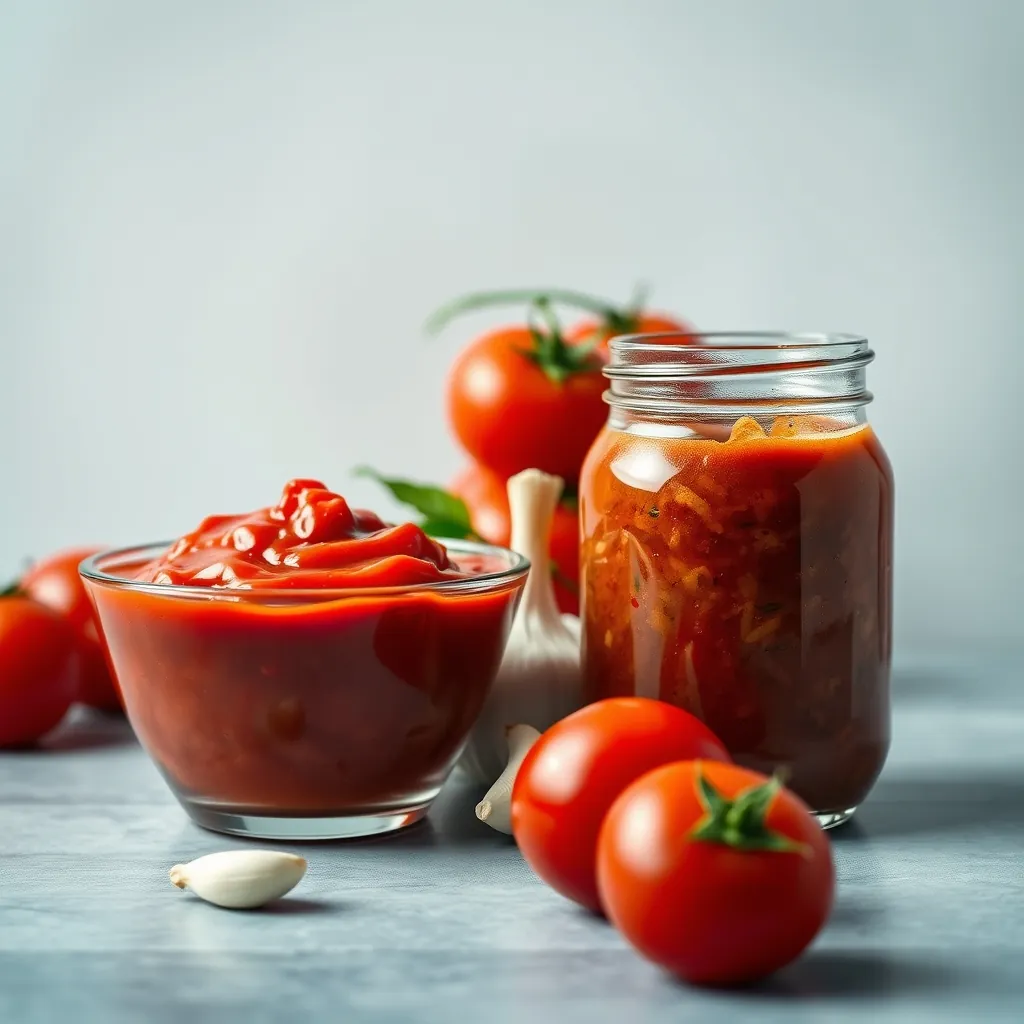
Most jarred sauces hide behind a label of convenience. They pack in added sugars, starches, and preservatives to extend shelf life. A homemade version uses only whole ingredients. You control what goes into the pot. The result is a cleaner taste and a sauce that actually tastes like tomatoes, not sugar and salt.
There is a financial angle too. A standard 24-ounce jar of premium sauce costs around $4.50. A batch of homemade sauce using canned San Marzano tomatoes, olive oil, and fresh produce yields roughly the same volume for about $2.75. That is a 40 percent savings per serving. The gap widens when you cook in bulk and freeze portions.
The Five Ingredients That Do All the Work
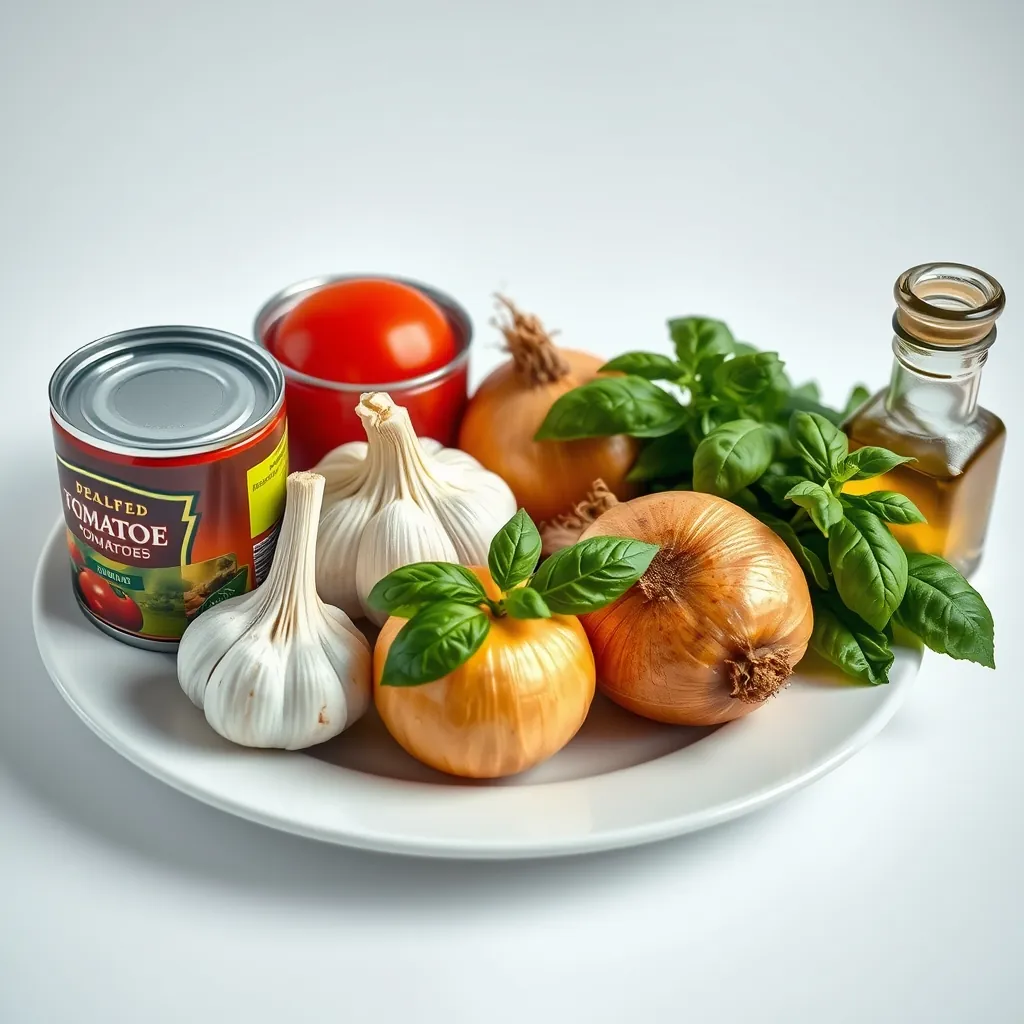
You do not need a pantry full of dried herbs and exotic spices. These five ingredients deliver a deep, balanced sauce:
- Canned whole tomatoes (preferably San Marzano). They offer a natural sweetness and lower acidity compared to standard plum tomatoes. Crush them by hand for a rustic texture.
- Extra virgin olive oil. Use a good quality oil. It forms the flavor base and helps bloom the aromatics.
- Fresh garlic. Four to five cloves, thinly sliced. Do not mince it too fine or it can burn.
- Yellow onion. One medium onion, diced small. It melts into the sauce and adds body without needing a thickener.
- Fresh basil. A handful of leaves, torn just before adding. Dried basil cannot replicate the bright, peppery note of fresh.
That is the complete list. No sugar. No tomato paste. No oregano. The magic comes from technique.
The Cooking Method That Builds Flavor
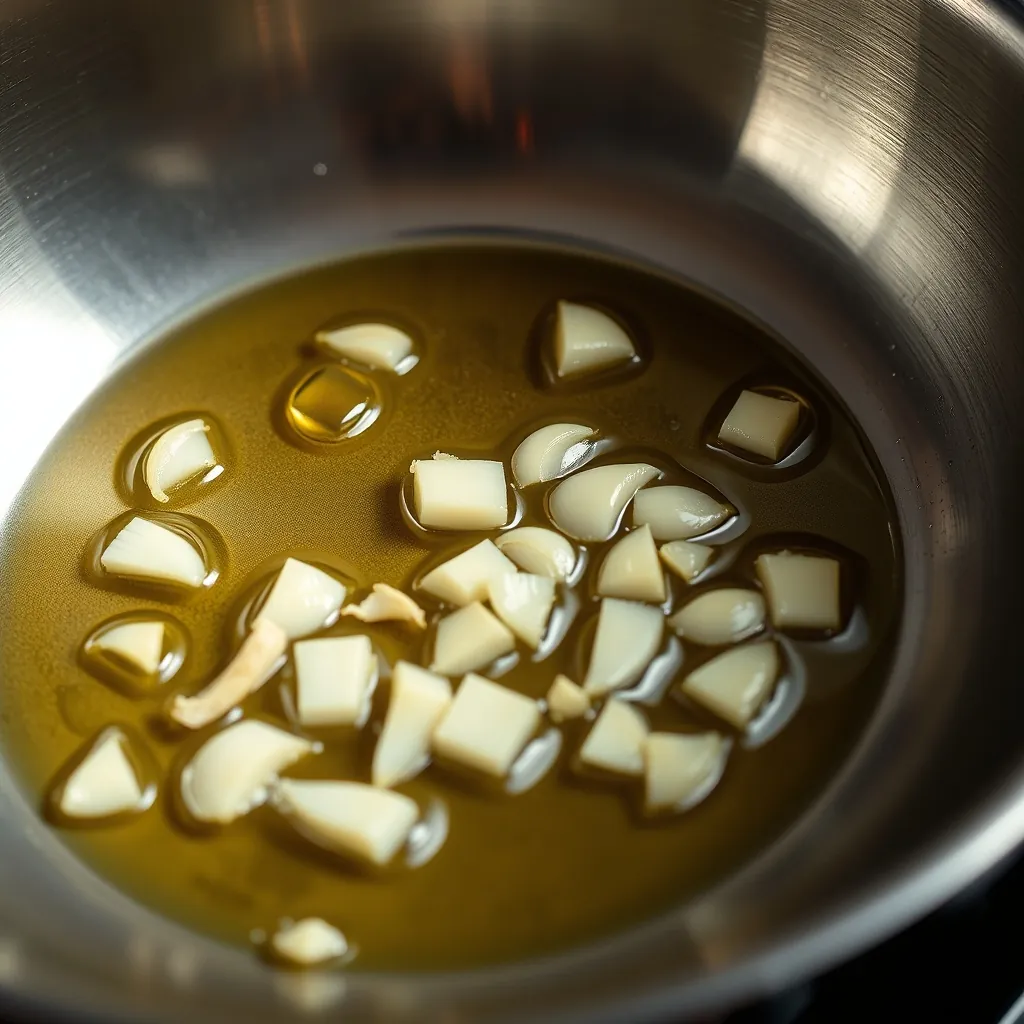
Start by heating three tablespoons of olive oil in a large saucepan over medium heat. Add the diced onion and cook for four minutes until it softens. Add the sliced garlic and cook for one more minute. Garlic burns fast. Keep it moving.
Pour in the whole tomatoes with their juices. Use your hands to crush each tomato as it goes into the pot. This gives you chunky pieces and a sauce with character. Stir everything together and bring it to a gentle simmer.
Reduce the heat to low. Let the sauce bubble softly for 30 minutes. Stir occasionally to prevent sticking. The long simmer concentrates the tomato flavor and allows the onion to break down completely. No need for sugar. The natural sweetness of the tomatoes and onion is enough.
After 30 minutes, tear the basil leaves directly into the sauce. Stir and cook for two more minutes. Taste and adjust with a pinch of salt and a crack of black pepper.
Fixing Consistency Problems
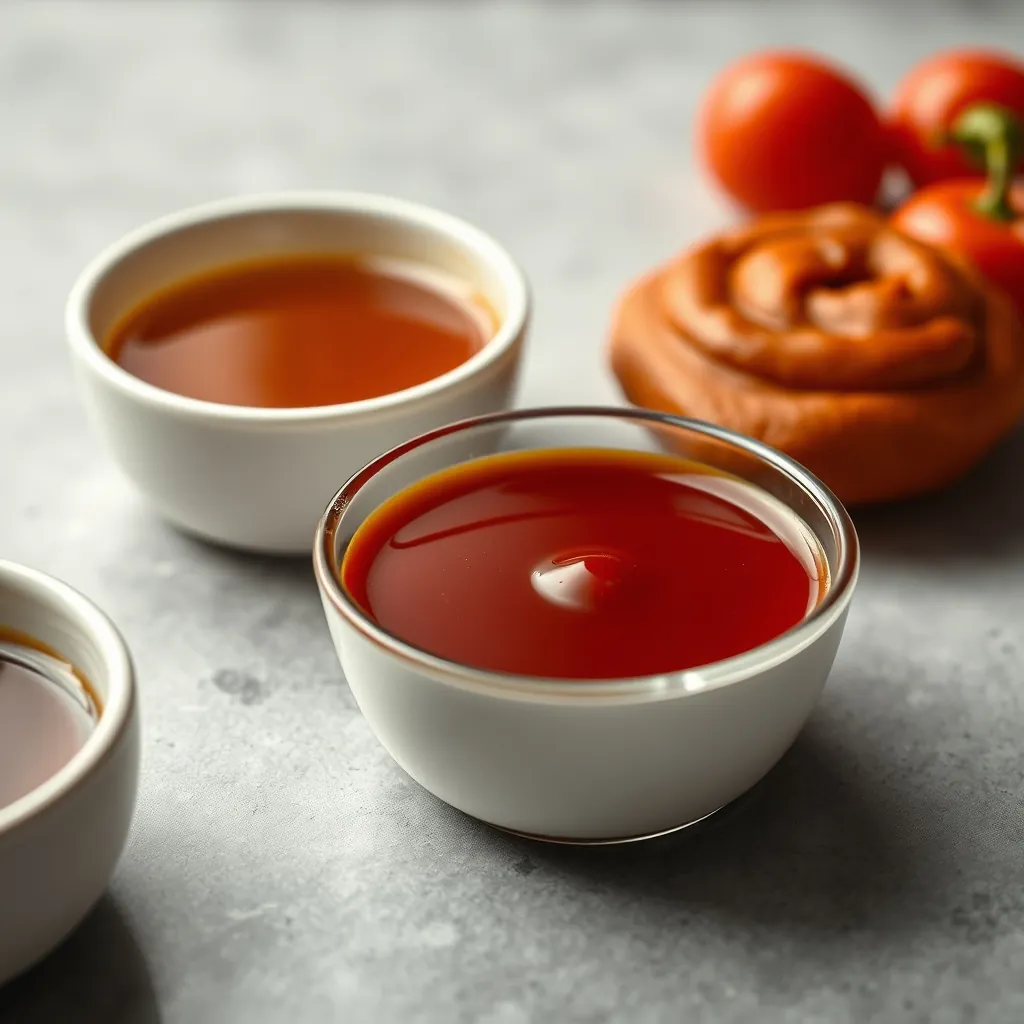
If the sauce is too thin: You likely added too much tomato juice or did not simmer long enough. Remove the lid and let it cook uncovered for an additional 10 to 15 minutes. The excess liquid will evaporate, and the sauce will thicken naturally. Do not add cornstarch or flour. It alters the texture and taste.
If the sauce is too thick: You may have used a very dense brand of tomatoes or simmered it too long. Stir in a splash of pasta cooking water, vegetable broth, or plain water. The starch in the pasta water also helps the sauce cling to the noodles.
Making It Work Without Onion
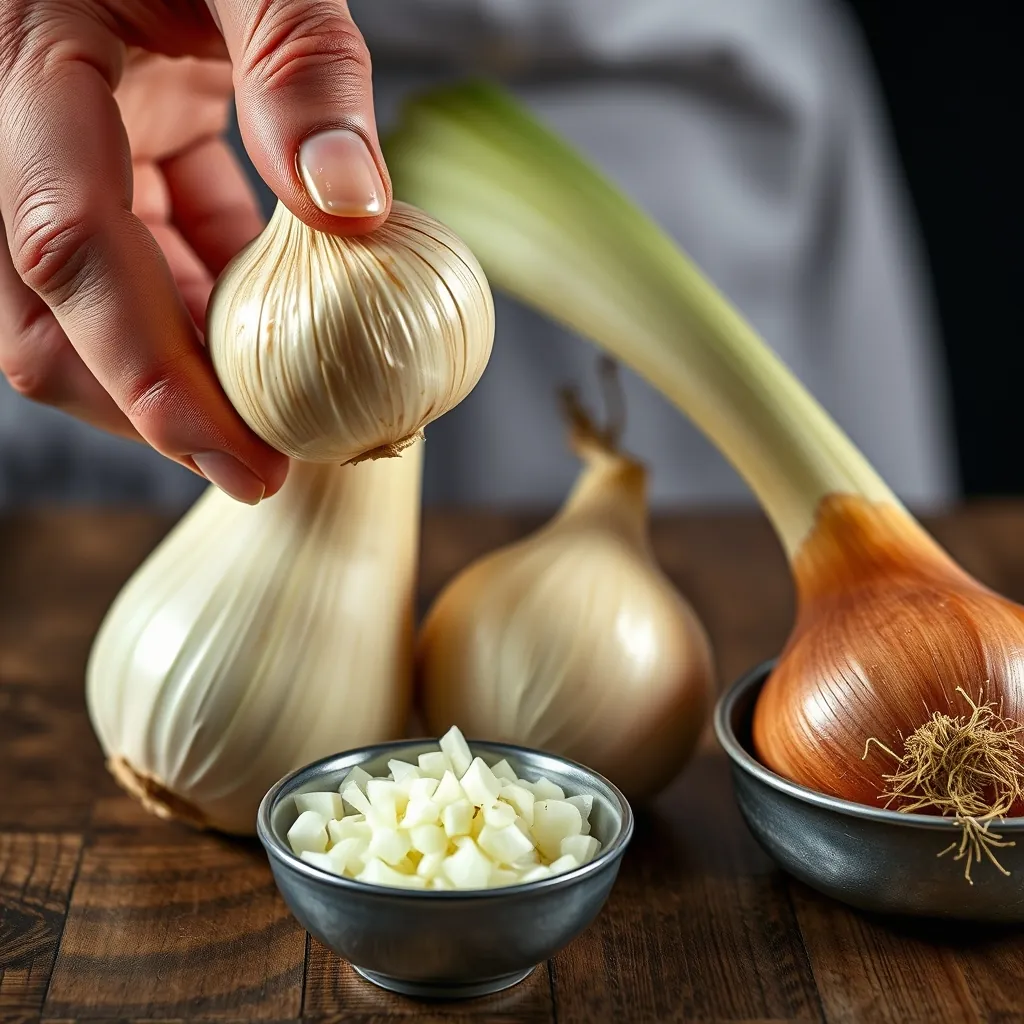
Onion allergies or strong dislikes are common. You can skip the onion entirely without sacrificing depth. Use one of these substitutions:
- Shallots: Two medium shallots, diced finely. They are milder than onion and dissolve into the sauce easily.
- Fennel bulb: Half a small fennel bulb, diced. It adds a subtle sweetness and a hint of licorice that pairs beautifully with tomatoes.
- Leeks: One small leek, white and light green parts only, sliced thin. Clean them thoroughly to remove grit.
Each option provides the aromatic base you need without triggering an onion reaction.
Common Mistakes That Kill a Good Sauce
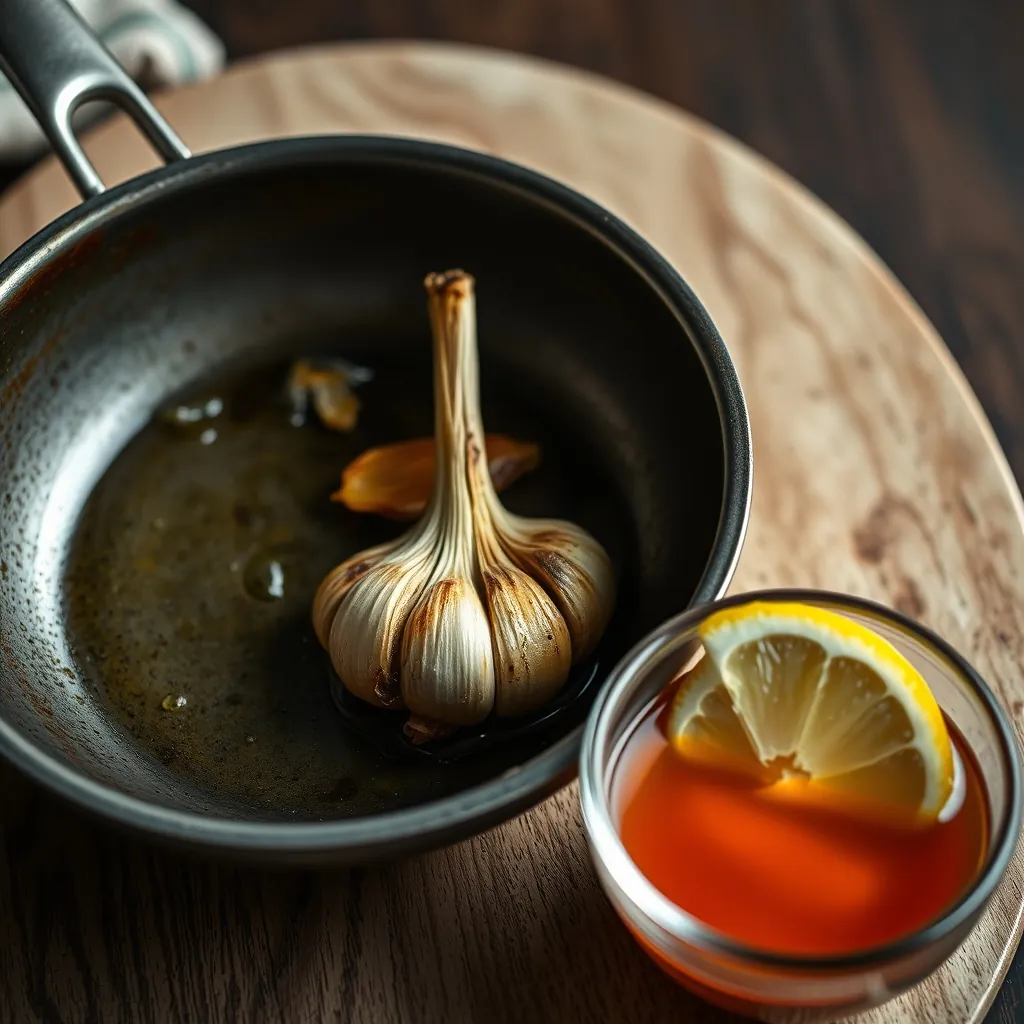
A few errors can turn a simple sauce into a disappointment. Avoid these:
- Burning the garlic. Burnt garlic turns bitter and ruins the entire batch. Keep the heat at medium and add garlic only after the onion softens.
- Skipping the simmer. A 10-minute sauce tastes flat. The 30-minute simmer is non-negotiable for depth.
- Over-seasoning early. Salt and herbs intensify as the sauce reduces. Season only at the end.
- Using pre-crushed or pureed tomatoes. They lack the texture and fresh flavor of whole tomatoes you crush yourself.
Storage and Freezing for Later
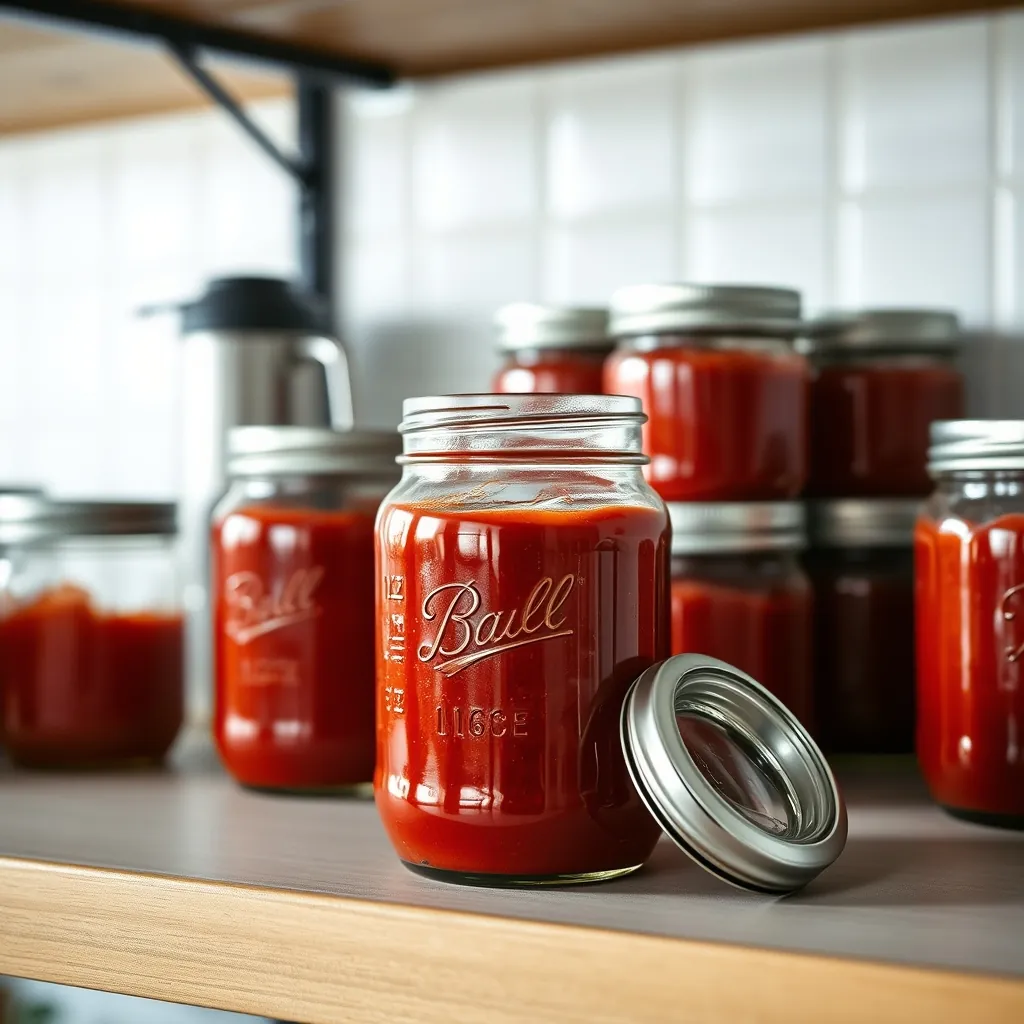
This sauce stores well. Let it cool completely before transferring to airtight containers. It keeps in the refrigerator for up to five days. For longer storage, freeze it. Portion the sauce into freezer-safe bags or jars, leaving an inch of headspace for expansion. Frozen sauce stays good for three months. Thaw overnight in the fridge or reheat directly from frozen in a saucepan over low heat.
Reheat gently. High heat can break the emulsion and make the sauce watery. Add a splash of water or pasta water if it seems too thick after thawing.
Putting It All Together
This five-ingredient recipe proves that homemade spaghetti sauce is not a project. It is a straightforward technique that delivers a cleaner, richer result than anything from a jar. You save money. You avoid additives. You gain control over flavor and texture. Use the substitutions and fixes above to tailor the sauce to your kitchen and your diet. Cook it once, and you will likely never reach for a jar again.
5-Ingredient Homemade Spaghetti Sauce
A rich, simple homemade spaghetti sauce made with only five whole ingredients. No sugar, no paste, just deep tomato flavor from a 30-minute simmer.
Ingredients
- 1 can (28 oz) whole San Marzano tomatoes
- 3 tablespoons extra virgin olive oil
- 4-5 cloves fresh garlic, thinly sliced
- 1 medium yellow onion, diced small
- 1 handful fresh basil leaves, torn
- Salt and black pepper to taste
Instructions
- Heat 3 tablespoons of olive oil in a large saucepan over medium heat. Add diced onion and cook for 4 minutes until softened.
- Add sliced garlic and cook for 1 more minute, stirring constantly to prevent burning.
- Pour in the whole tomatoes with their juices. Crush each tomato by hand as you add it to the pot.
- Stir everything together and bring to a gentle simmer. Reduce heat to low and cook for 30 minutes, stirring occasionally.
- Tear basil leaves directly into the sauce. Stir and cook for 2 more minutes. Season with salt and pepper to taste.
Leave a Reply