Your cart is currently empty!
15-Minute One-Pot Pasta Dinners: The Definitive Weeknight Guide
Busy weeknights call for smart solutions. One-pot pasta dinners cut your kitchen time in half and deliver big flavor with minimal mess. By cooking everything in a single pot, you reduce cleanup by up to 50% and save roughly 30% on energy costs. No draining. No extra pans. Just dinner on the table in 15 minutes flat.
This guide goes beyond basic recipes. It covers the science behind fast pasta cooking, essential techniques for gluten-free and whole-wheat varieties, and practical strategies for scaling meals or storing leftovers. You will find everything you need to make quick pasta dinners a reliable part of your routine.
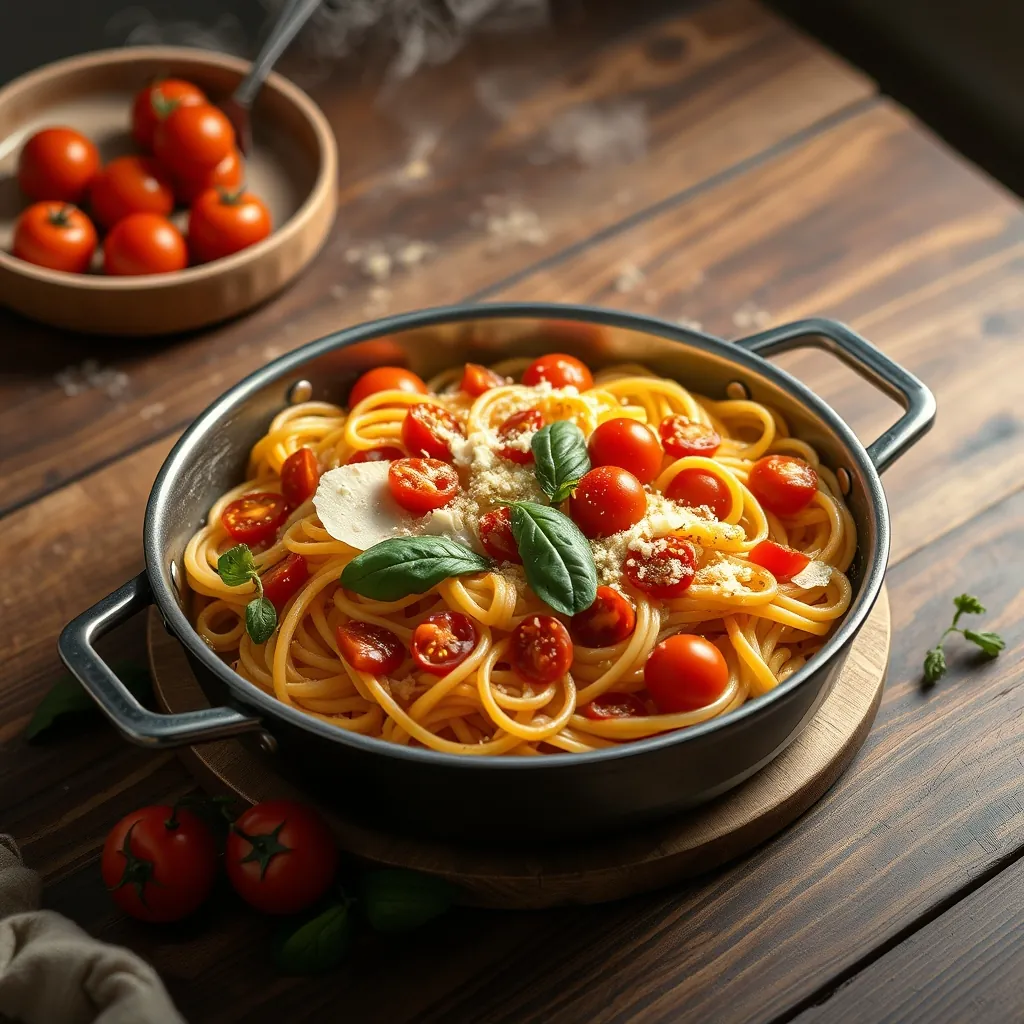
Why One-Pot Cooking Works for Pasta
The principle is simple. You cook the dry pasta directly in the sauce or broth instead of boiling it separately. The starch released from the pasta naturally thickens the liquid, creating a silky sauce that clings to every strand. This method also forces the pasta to absorb the flavors of garlic, herbs, and aromatics from the very first minute.
Thin pasta shapes like angel hair, capellini, or fresh fettuccine cook in under 10 minutes. That speed makes them ideal for a 15-minute total prep and cook window. For heartier shapes like penne or fusilli, look for quick-cook or small-cut versions. The key is matching your pasta choice to your available time.
Essential Ingredients and Ratios
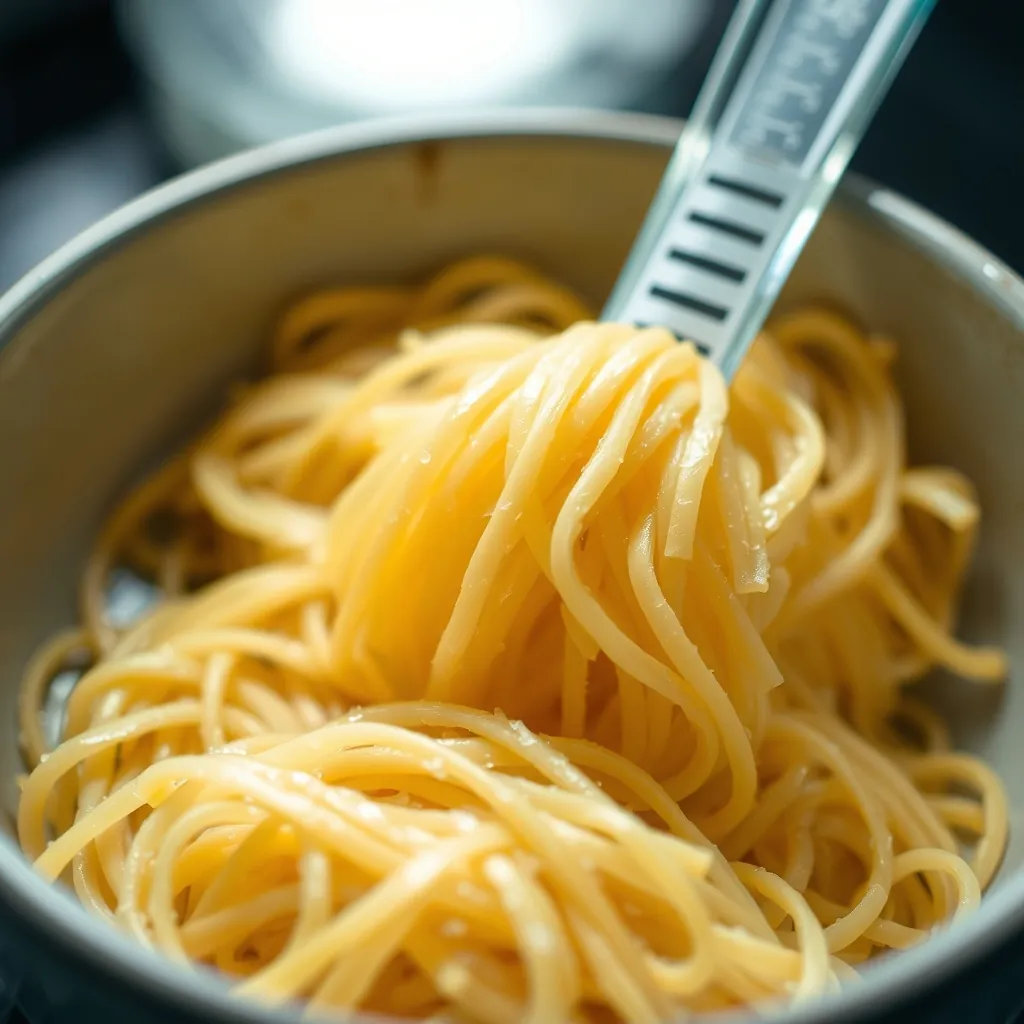
Getting the liquid ratio right is the difference between creamy pasta and starchy soup. For 8 ounces of dry pasta, use exactly 1.5 cups of liquid. This includes water, broth, canned tomatoes, or a combination. If you add dairy like cream or milk, reduce the water by the same amount to keep the balance.
Acidic ingredients such as lemon juice, white wine, or tomato puree can slow down the softening process. Add them after the pasta has cooked for at least 5 minutes. This small timing adjustment prevents crunchy pasta and ensures even cooking throughout.
Build flavor with a base of olive oil, minced garlic, and red pepper flakes. Sauté these in the pot for 30 seconds before adding any liquid. This simple step infuses the entire dish with aromatic depth without extra effort.
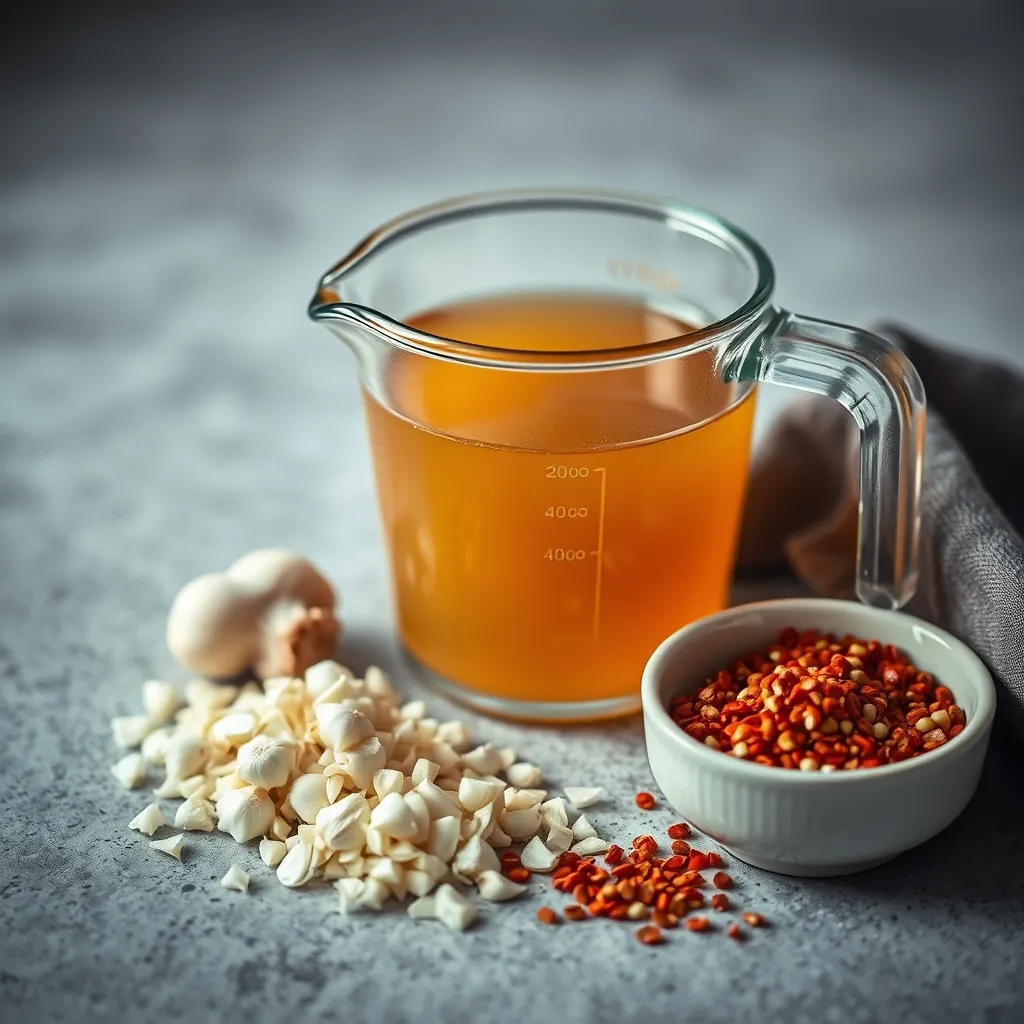
Three 15-Minute One-Pot Pasta Recipes
Each recipe below requires 5 to 7 minutes of active prep and finishes cooking in 8 to 10 minutes. Total time from start to table is 15 minutes or less. Nutritional estimates are included for each serving.
Creamy Lemon Garlic Angel Hair
This recipe delivers a bright, creamy sauce without heavy cream. The lemon zest adds freshness while the pasta starch creates the body.
- 8 oz angel hair pasta
- 1.5 cups water
- 2 tbsp olive oil
- 4 cloves garlic, thinly sliced
- Zest and juice of 1 lemon
- 1/2 cup grated Parmesan
- Salt and pepper to taste
Calories per serving: 420 | Protein: 14g | Carbs: 52g | Fat: 18g
Tomato Basil One-Pot Penne
A classic combination that works perfectly in a single pot. Use quick-cook penne or small shells for the best results.
- 8 oz quick-cook penne
- 1 cup vegetable broth
- 1/2 cup crushed tomatoes
- 2 tbsp olive oil
- 3 cloves garlic, minced
- 1/4 cup fresh basil, chopped
- Salt and pepper to taste
Calories per serving: 380 | Protein: 11g | Carbs: 58g | Fat: 12g
Spicy Sausage and Broccoli Rabe
For a heartier option, add protein and greens. The sausage releases fat that flavors the entire dish.
- 8 oz small shell pasta
- 1.5 cups chicken broth
- 2 Italian sausage links, casings removed
- 2 cups broccoli rabe, chopped
- 2 tbsp olive oil
- Red pepper flakes to taste
Calories per serving: 490 | Protein: 22g | Carbs: 50g | Fat: 22g
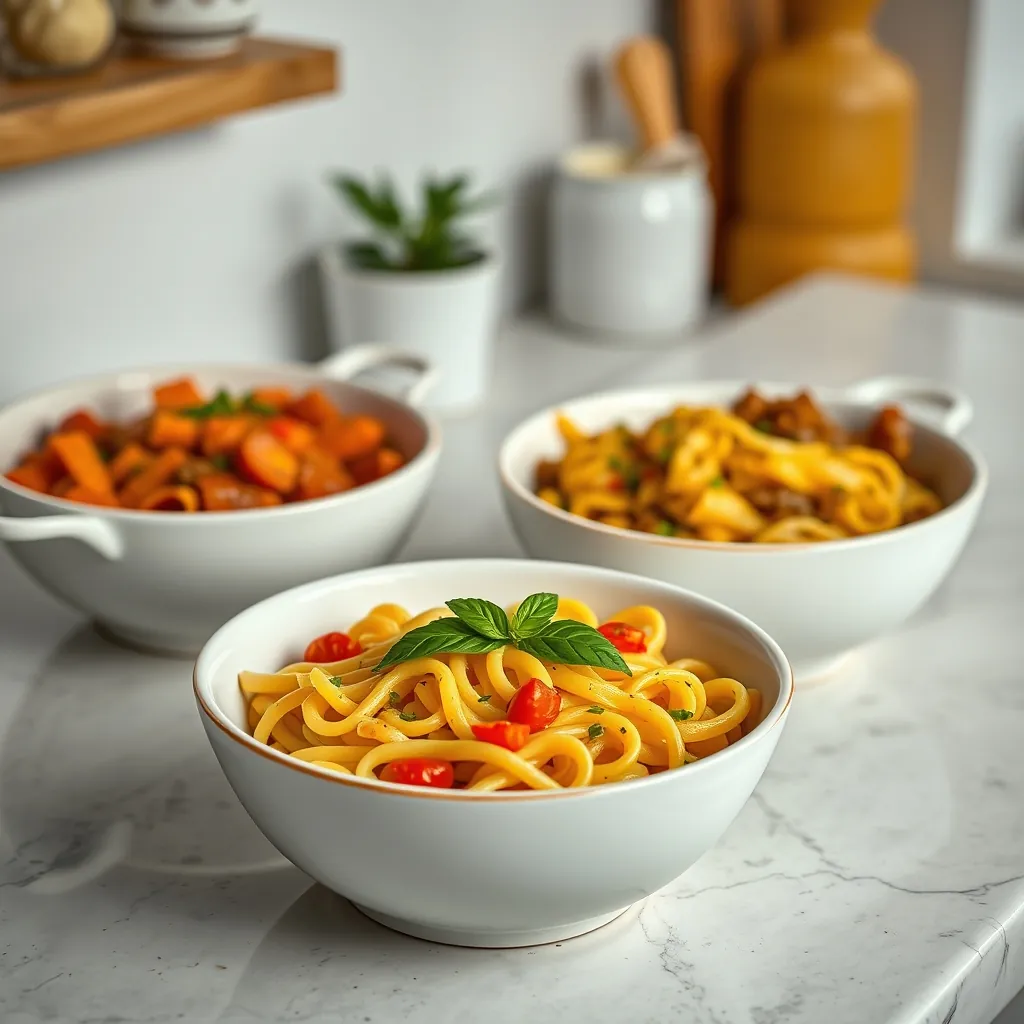
Adapting for Gluten-Free and Whole-Wheat Pasta
Gluten-free pasta behaves differently in a one-pot method. It releases more starch and can turn gummy if overcooked. Use 1.75 cups of liquid per 8 ounces of gluten-free pasta. Stir gently every 2 minutes to prevent sticking. Cook for 1 minute less than the package directions suggest, then let it rest covered for 2 minutes. The residual heat finishes the cooking without turning the pasta mushy.
Whole-wheat pasta requires a slightly longer cook time. Add an extra 2 minutes to your total. Increase the liquid by 1/4 cup to compensate for the extra absorption. The nutty flavor of whole-wheat pasta pairs well with robust sauces like marinara or pesto.
Scaling for Meal Prep and Larger Families
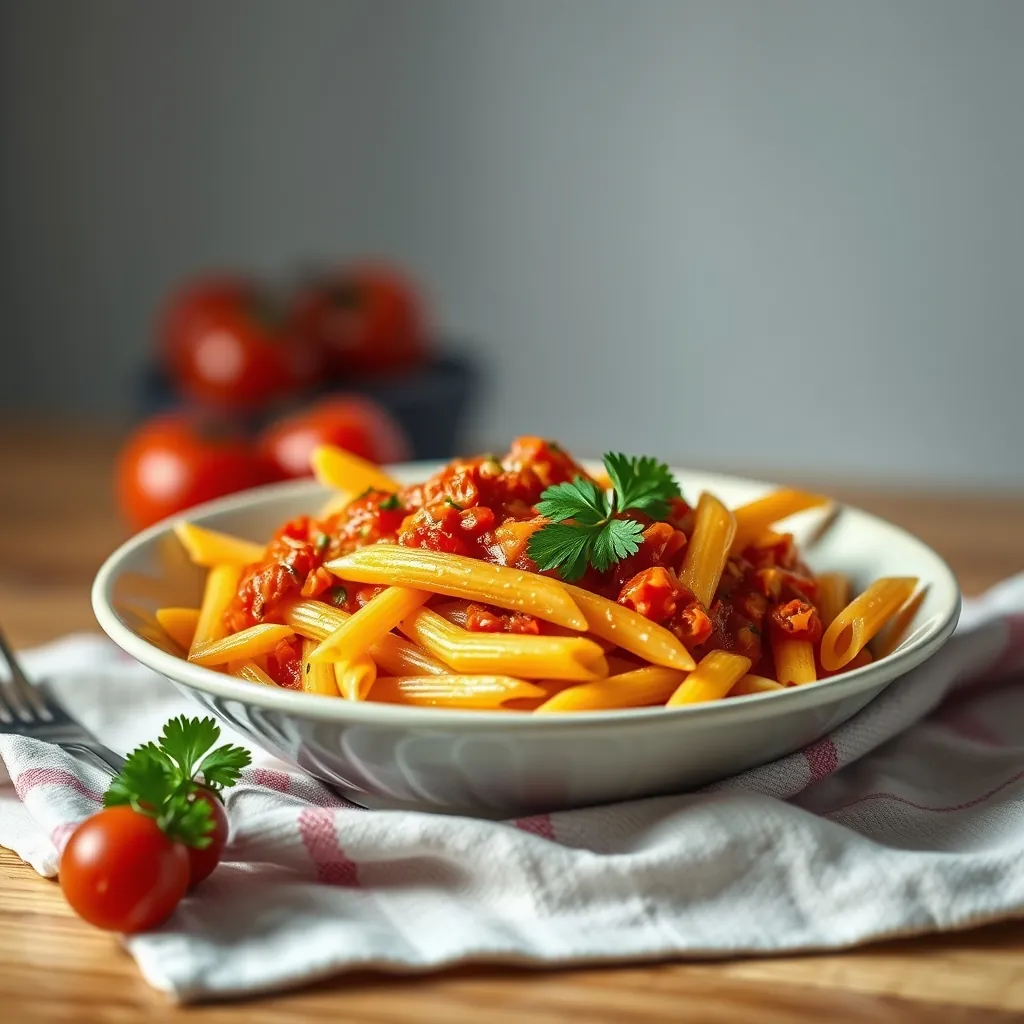
One-pot pasta recipes scale easily. For 4 servings, double all ingredients and use a 5-quart pot. The liquid ratio stays the same at 1.5 cups per 8 ounces of pasta. Cook time increases by about 2 minutes for the larger volume.
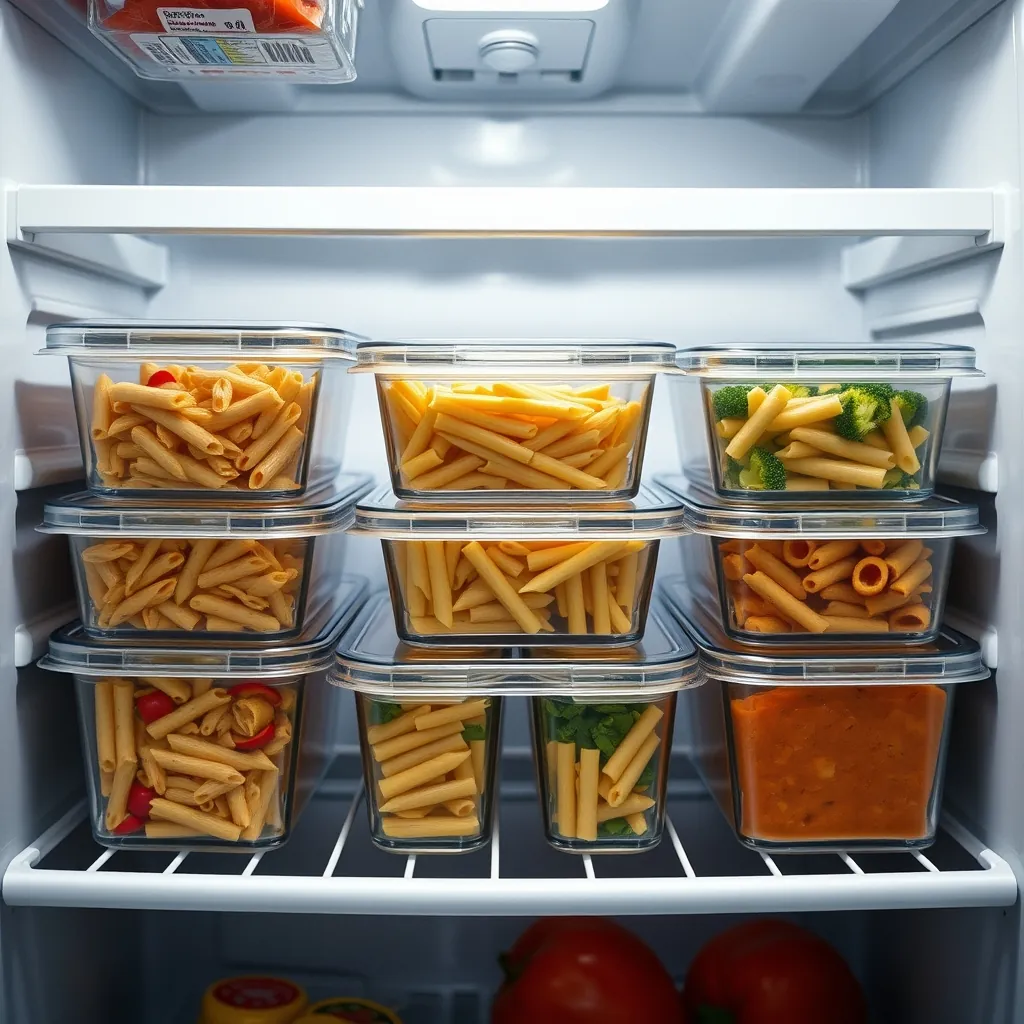
For meal prep, cook the pasta slightly al dente. It will continue to soften when reheated. Portion into airtight containers and refrigerate for up to 4 days. Add a splash of water or broth before reheating to restore the sauce consistency.
Bulk prep your vegetables on the weekend. Mince garlic, chop onions, and wash herbs. Store them in separate containers. This cuts your active prep time to under 3 minutes on a busy weeknight.
Storage and Reheating Best Practices
Leftover one-pot pasta stores well if handled correctly. Cool the pasta completely before sealing. Refrigerate in shallow containers for rapid cooling. Never leave pasta at room temperature for more than 2 hours.
Reheat on the stovetop for the best texture. Add 2 tablespoons of water or broth per serving. Warm over medium heat, stirring frequently, for 3 to 4 minutes. Microwave reheating works but tends to dry out the pasta. If using a microwave, cover the bowl with a damp paper towel and heat in 30-second bursts.
Freeze one-pot pasta for up to 3 months. Use freezer-safe containers and leave 1/2 inch of headspace. Thaw overnight in the refrigerator before reheating. Cream-based sauces may separate after freezing. Stir in a teaspoon of butter or cream while reheating to bring the sauce back together.
Common Mistakes and How to Avoid Them
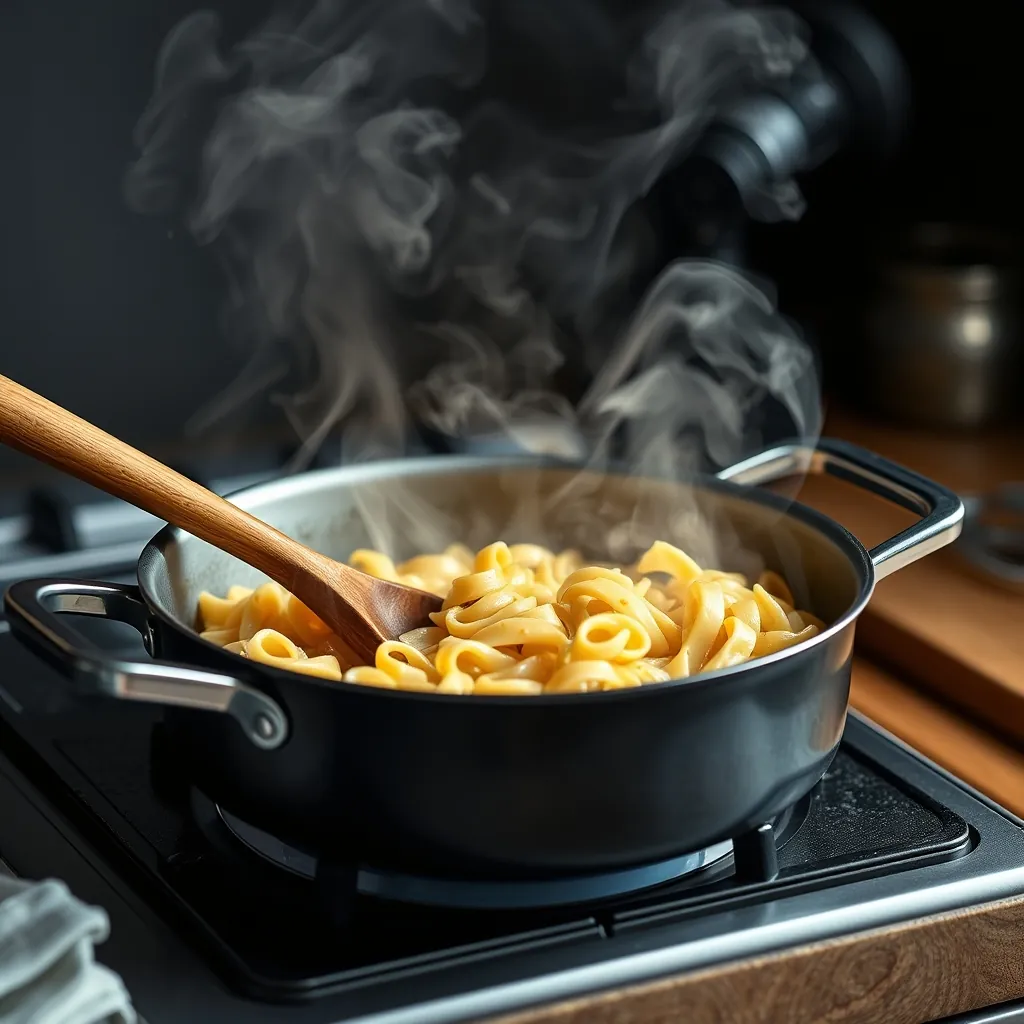
Even experienced cooks run into trouble with one-pot pasta. Here are the most frequent problems and their fixes.
- Mushy pasta: You added too much liquid or cooked too long. Stick to the 1.5 cup ratio and check doneness 1 minute before the package time.
- Undercooked pasta: Your liquid evaporated too quickly. Keep the pot covered for the first 8 minutes of cooking.
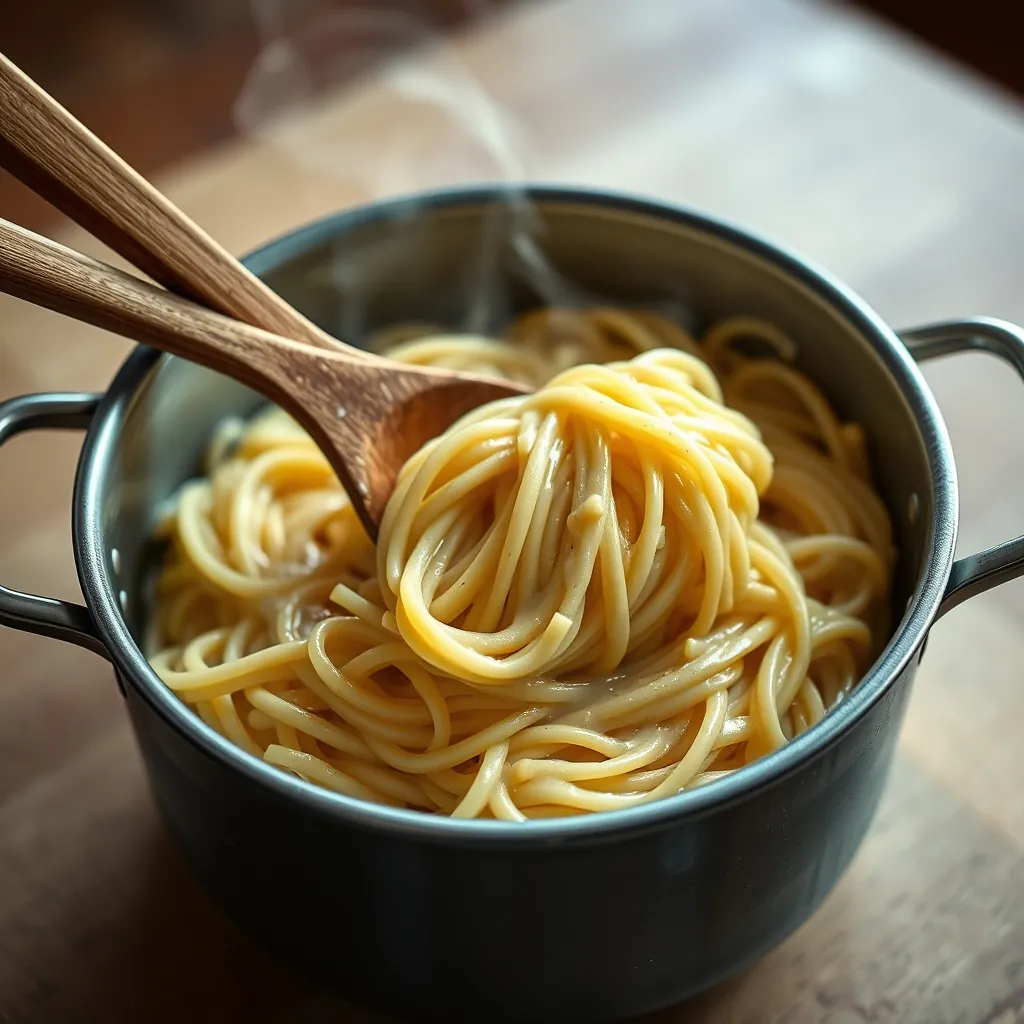
- Sticky pasta: You did not stir enough. Give the pot a gentle stir every 2 minutes, especially in the first 5 minutes.
- Thin sauce: The pasta did not release enough starch. Use a wider pot to allow more evaporation. Alternatively, mash a few pieces of cooked pasta against the side of the pot to release extra starch.
One more tip: add salt early. Pasta needs salted cooking water to taste good from the inside out. Use 1 teaspoon of salt per 8 ounces of pasta. This applies even when cooking directly in the sauce.
Frequently Asked Questions
Can I use frozen vegetables in one-pot pasta?
Yes. Add frozen vegetables during the last 3 minutes of cooking. They thaw quickly and retain their texture. Do not thaw them first or they will turn mushy.
What if my pasta absorbs all the liquid before it is done?
Add hot water or broth in 1/4 cup increments. Keep the pot covered between additions. This prevents the pasta from drying out while it finishes cooking.
Can I make one-pot pasta with a non-stick pot?
Non-stick pots work well. They reduce the need for extra oil and make cleanup even faster. Use silicone or wooden utensils to protect the coating.
How do I make one-pot pasta dairy-free?
Skip the cheese and cream. Use olive oil or coconut milk for richness. Nutritional yeast adds a cheesy flavor without dairy. Adjust the liquid ratio to account for the substitution.
One-pot pasta dinners are a reliable solution for busy weeknights. They save time, reduce waste, and deliver consistently satisfying meals. With the techniques and recipes in this guide, you can put a fresh, homemade dinner on the table in 15 minutes. No fuss. No mess. Just great food.
Leave a Reply