Your cart is currently empty!
Crispy Baked Chicken Breast: Juicy Inside, Golden Outside
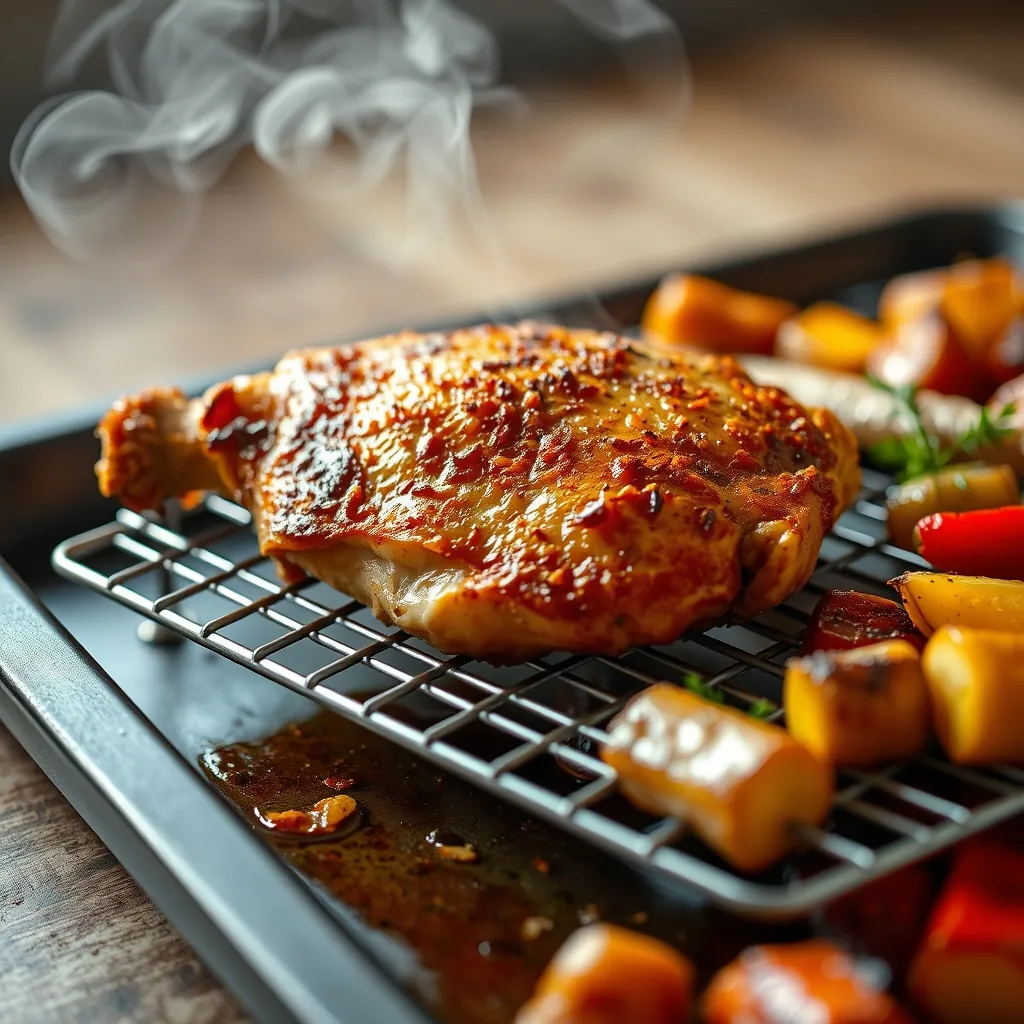
Why This Recipe Works Better Than Others
Most baked chicken breast recipes deliver dry, pale meat. This method fixes both problems. The secret lies in three distinct steps: a fast brine, an even thickness, and a superior crusting technique.
Brining for just 30 minutes in salt water (1/4 cup salt per 4 cups water) boosts moisture retention by up to 20 percent. That extra step alone prevents the dreaded dry bite. Pounding the breast to a uniform 1/2-inch thickness eliminates thin edges that burn and thick centers that stay raw.
The coating matters more than most cooks realize. A mix of panko breadcrumbs with 2 tablespoons of olive oil or melted butter creates a crust that stays crunchy even after baking. Plain breadcrumbs absorb moisture and turn soft. Panko stays rigid because of its larger, flakier structure. The oil helps those flakes toast evenly without burning.
Ingredients You Need
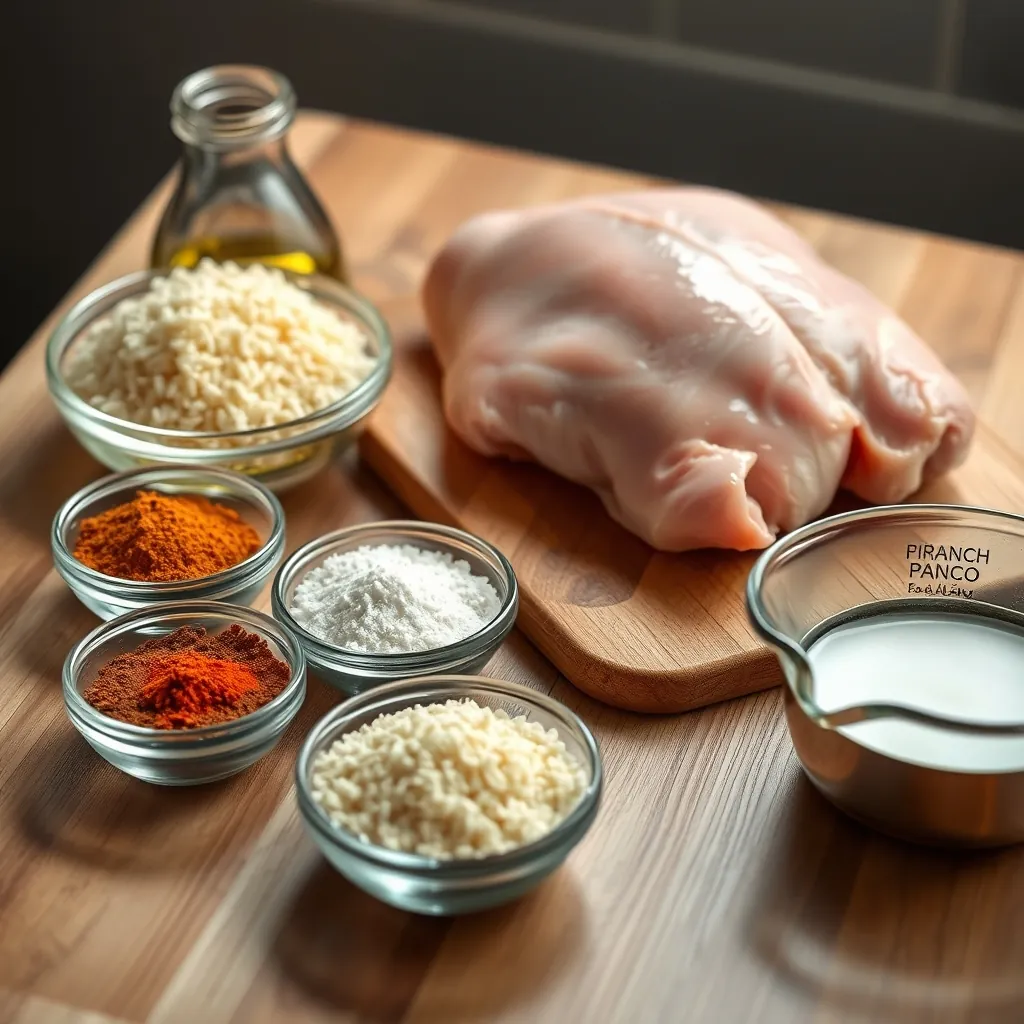
- 2 boneless, skinless chicken breasts (about 6-8 ounces each)
- 1/4 cup kosher salt for brine
- 4 cups cold water
- 1 cup panko breadcrumbs
- 2 tablespoons olive oil or melted unsalted butter
- 1 teaspoon cornstarch
- 1 teaspoon garlic powder
- 1 teaspoon paprika
- 1/2 teaspoon black pepper
- Non-stick cooking spray
These ingredients work together to build flavor and texture. The cornstarch pulls moisture from the chicken surface, giving the crust something to grip. Paprika adds color and a mild sweetness that balances the salt.
Step by Step Directions
Prepare the Brine
Dissolve 1/4 cup kosher salt in 4 cups cold water. Submerge the chicken breasts and refrigerate for exactly 30 minutes. Do not exceed this time. Over-brining makes the meat mushy.
Pound to Even Thickness
Remove chicken from brine and pat dry with paper towels. Place each breast between two sheets of plastic wrap. Use a rolling pin or heavy skillet to pound until 1/2-inch thick. Focus on the thicker end to create uniformity.
Build the Coating
Mix panko with olive oil, cornstarch, garlic powder, paprika, and pepper in a shallow dish. Press each chicken breast firmly into the mixture, coating both sides. Shake off excess.
Set Up the Rack
Place a wire rack inside a rimmed baking sheet. Spray the rack generously with non-stick cooking spray. This prevents the crust from sticking and tearing when you flip or remove the chicken.
Bake at High Heat
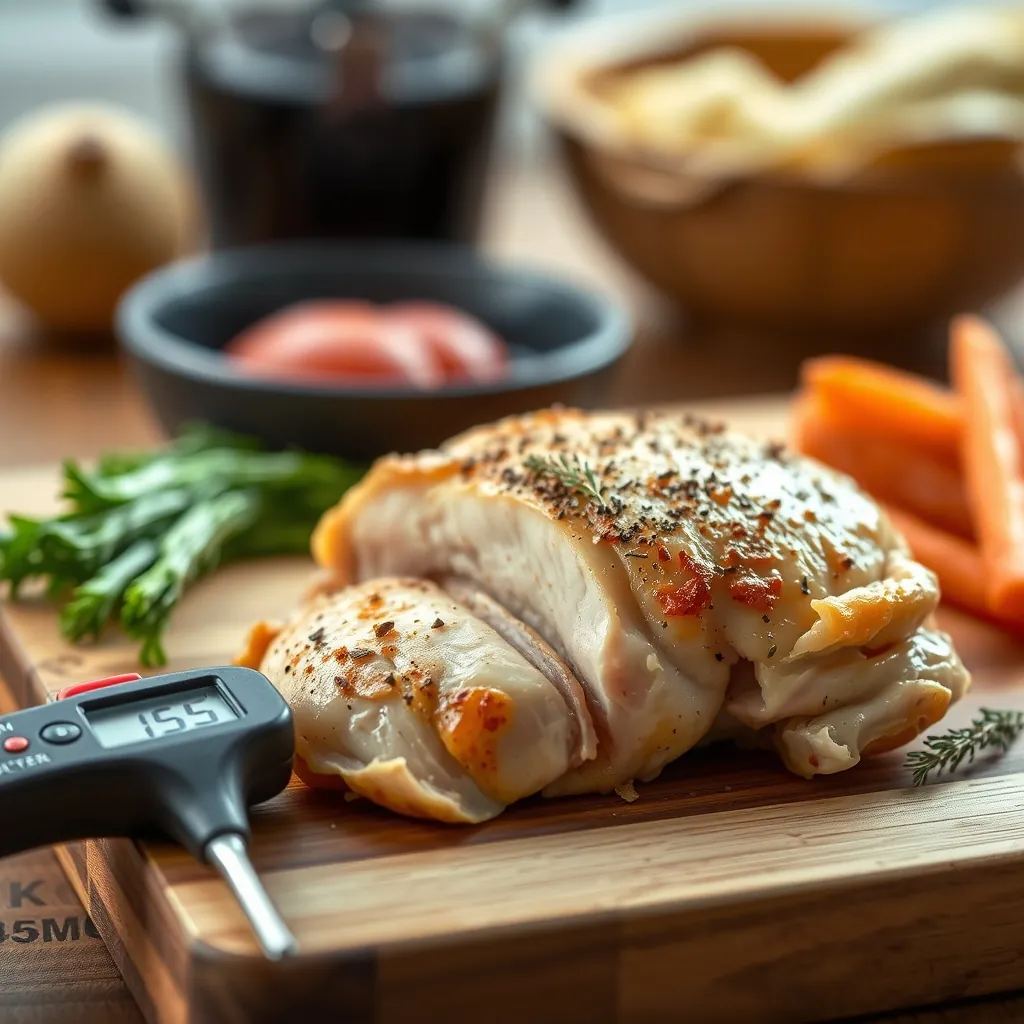
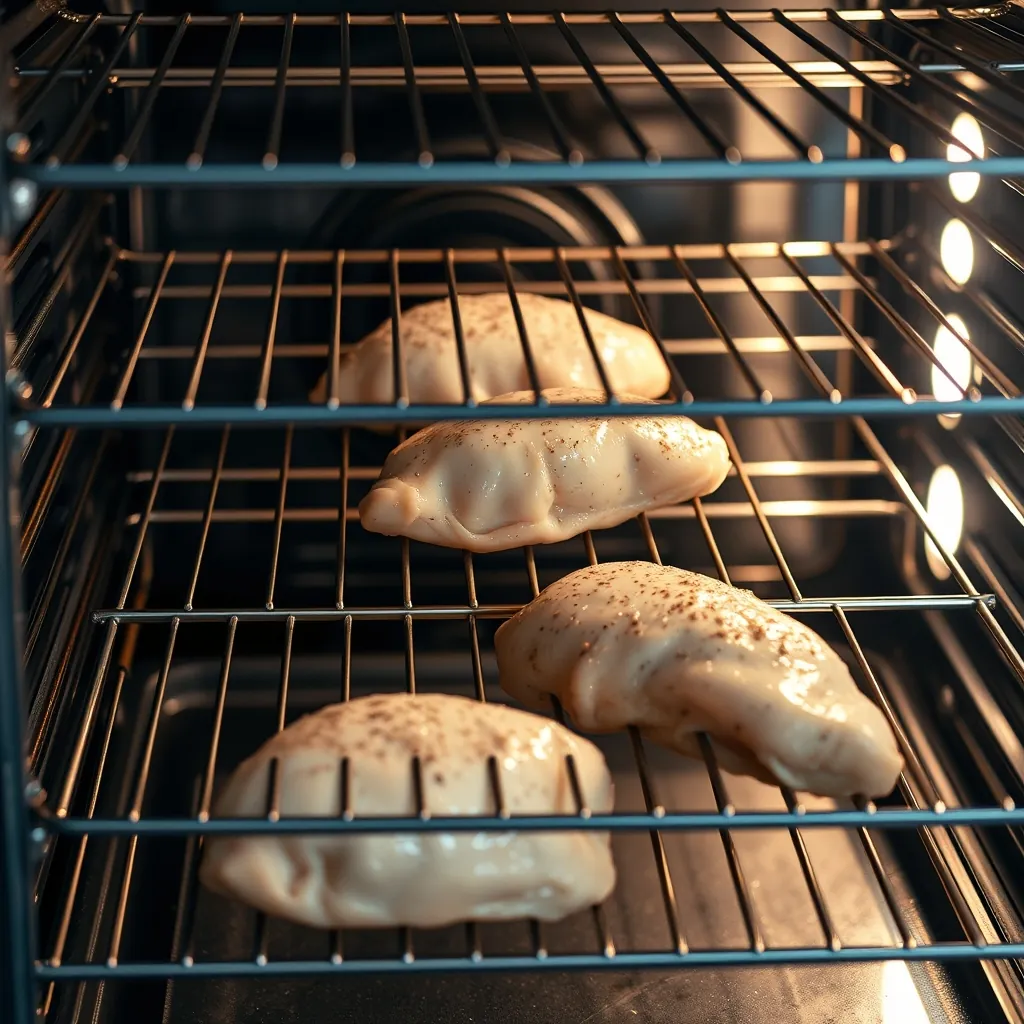
Preheat oven to 425°F (218°C). Arrange coated chicken on the prepared rack without touching. Bake for 18 to 22 minutes. Check internal temperature with an instant-read thermometer. The safe target is 165°F (74°C) in the thickest part.
For convection ovens, reduce temperature to 400°F (204°C) and check at 15 minutes. The circulating air cooks faster and creates an even crispier crust. For conventional ovens, stick with 425°F and the full time range.
Rest Before Serving
Transfer chicken to a clean plate. Let it rest for 5 minutes. This step redistributes the juices trapped inside the meat. Cutting too early releases those juices onto the cutting board instead of your plate.
Pro Tips for Perfect Results Every Time
Adjusting for Frozen Chicken
If you forgot to thaw the chicken, extend the bake time by 10 to 15 minutes. Use the same 425°F temperature. Check internal temperature early to avoid overcooking. The crust may brown faster than the center cooks, so tent loosely with foil if the top gets too dark.
Dealing With Humidity
High humidity days wreak havoc on crispy coatings. The moisture in the air softens panko during baking. Combat this by increasing the oven temperature to 435°F (224°C) for the first 10 minutes, then reducing to 425°F. The initial blast of heat sets the crust before humidity can attack it.
Preventing Sticking
A wire rack is essential for airflow, but chicken can weld itself to bare metal. Always spray the rack with non-stick spray before placing the chicken. If you do not have a rack, place chicken directly on a parchment-lined baking sheet. Flip halfway through baking to crisp both sides.
Storing and Reheating Leftovers
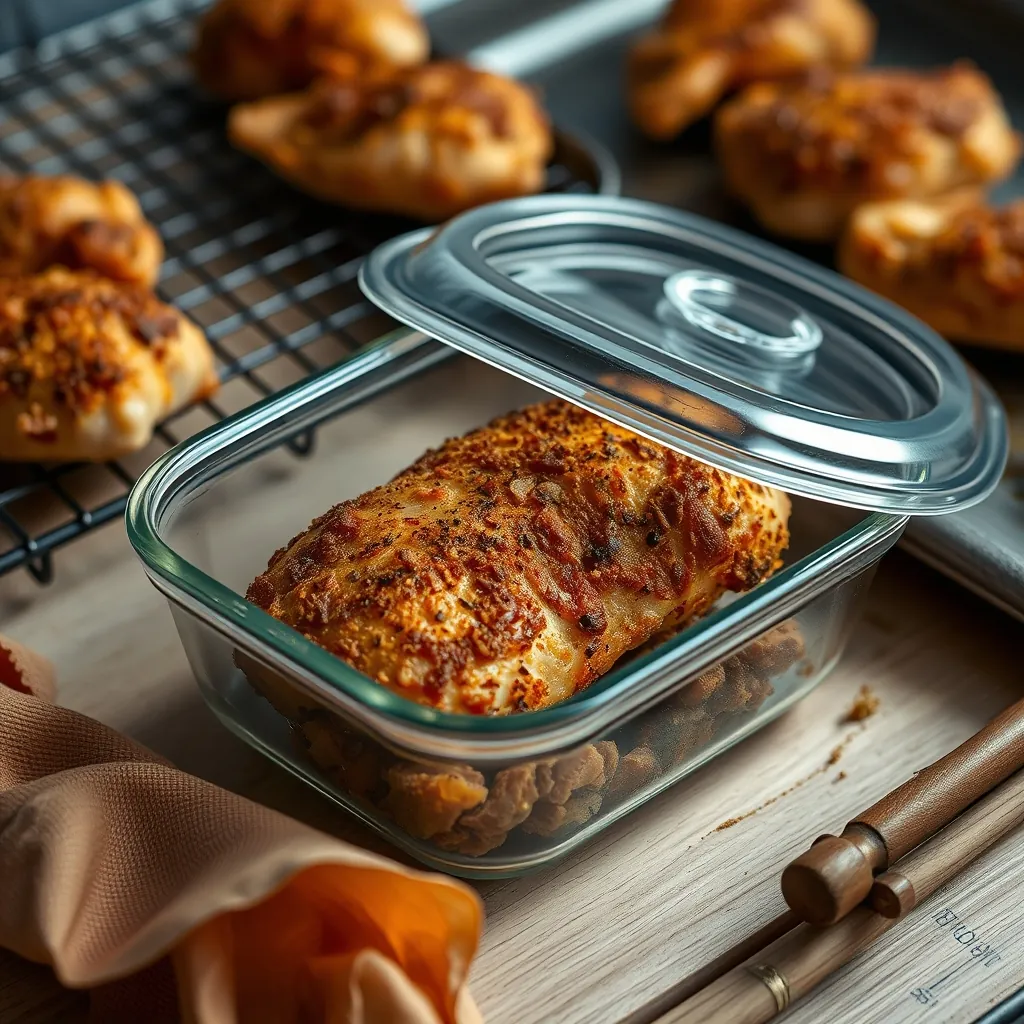
Store leftover chicken in an airtight container for up to 3 days. Reheat in a 375°F (190°C) oven on a wire rack for 8 to 10 minutes. The microwave destroys crispiness. Skip it entirely.
Frequently Asked Questions
Can I use regular breadcrumbs instead of panko?
You can, but the crust will be less crunchy. Regular breadcrumbs are finer and absorb more oil. They turn dense and soft. Panko stays light and shatter-crisp because of its larger surface area and lower density.
Why did my chicken stick to the rack?
Two reasons. Either you skipped the non-stick spray, or the chicken was not dry enough before coating. Pat the chicken extremely dry after brining. Wet surface steam lifts the coating away from the meat, causing it to stick to the rack.
Can I double the recipe?
Yes, but do not crowd the rack. Leave at least 1 inch between pieces. Overcrowding traps steam and ruins crispiness. Use two racks if needed, rotating halfway through baking.
Serving Suggestions
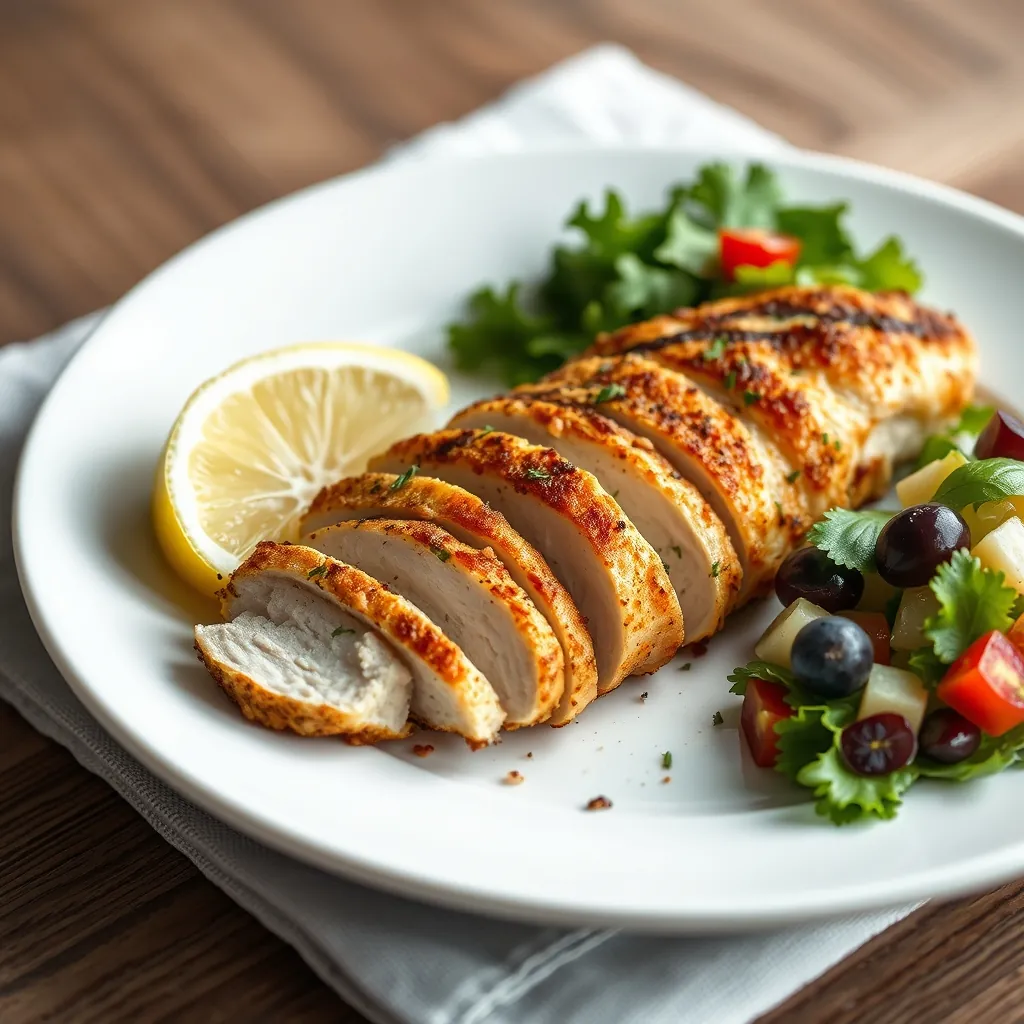
Pair this chicken with a crisp green salad tossed in lemon vinaigrette. Roasted asparagus or broccoli works well too. For a heartier meal, serve alongside roasted potatoes or wild rice. The neutral flavor of the chicken lets any side dish shine.
Slice the rested breast against the grain for tender strips. Use leftovers in sandwiches, wraps, or chopped over Caesar salad. The crust stays crunchy even after refrigeration if stored correctly.
Crispy Baked Chicken Breast
Master the perfect crispy baked chicken breast. Learn the science behind juicy meat, golden crust, and pro tips for foolproof results every time.
Ingredients
- 2 boneless, skinless chicken breasts (about 6-8 ounces each)
- 1/4 cup kosher salt for brine
- 4 cups cold water
- 1 cup panko breadcrumbs
- 2 tablespoons olive oil or melted unsalted butter
- 1 teaspoon cornstarch
- 1 teaspoon garlic powder
- 1 teaspoon paprika
- 1/2 teaspoon black pepper
- Non-stick cooking spray
Instructions
- Dissolve 1/4 cup kosher salt in 4 cups cold water. Submerge the chicken breasts and refrigerate for exactly 30 minutes. Do not exceed this time. Over-brining makes the meat mushy.
- Remove chicken from brine and pat dry with paper towels. Place each breast between two sheets of plastic wrap. Use a rolling pin or heavy skillet to pound until 1/2-inch thick. Focus on the thicker end to create uniformity.
- Mix panko with olive oil, cornstarch, garlic powder, paprika, and pepper in a shallow dish. Press each chicken breast firmly into the mixture, coating both sides. Shake off excess.
- Place a wire rack inside a rimmed baking sheet. Spray the rack generously with non-stick cooking spray. This prevents the crust from sticking and tearing when you flip or remove the chicken.
- Preheat oven to 425°F (218°C). Arrange coated chicken on the prepared rack without touching. Bake for 18 to 22 minutes. Check internal temperature with an instant-read thermometer. The safe target is 165°F (74°C) in the thickest part.
- Transfer chicken to a clean plate. Let it rest for 5 minutes. This step redistributes the juices trapped inside the meat. Cutting too early releases those juices onto the cutting board instead of your plate.
Leave a Reply