Your cart is currently empty!
How to Cook Banh Mi: The Definitive Guide to a Perfect Vietnamese Sandwich
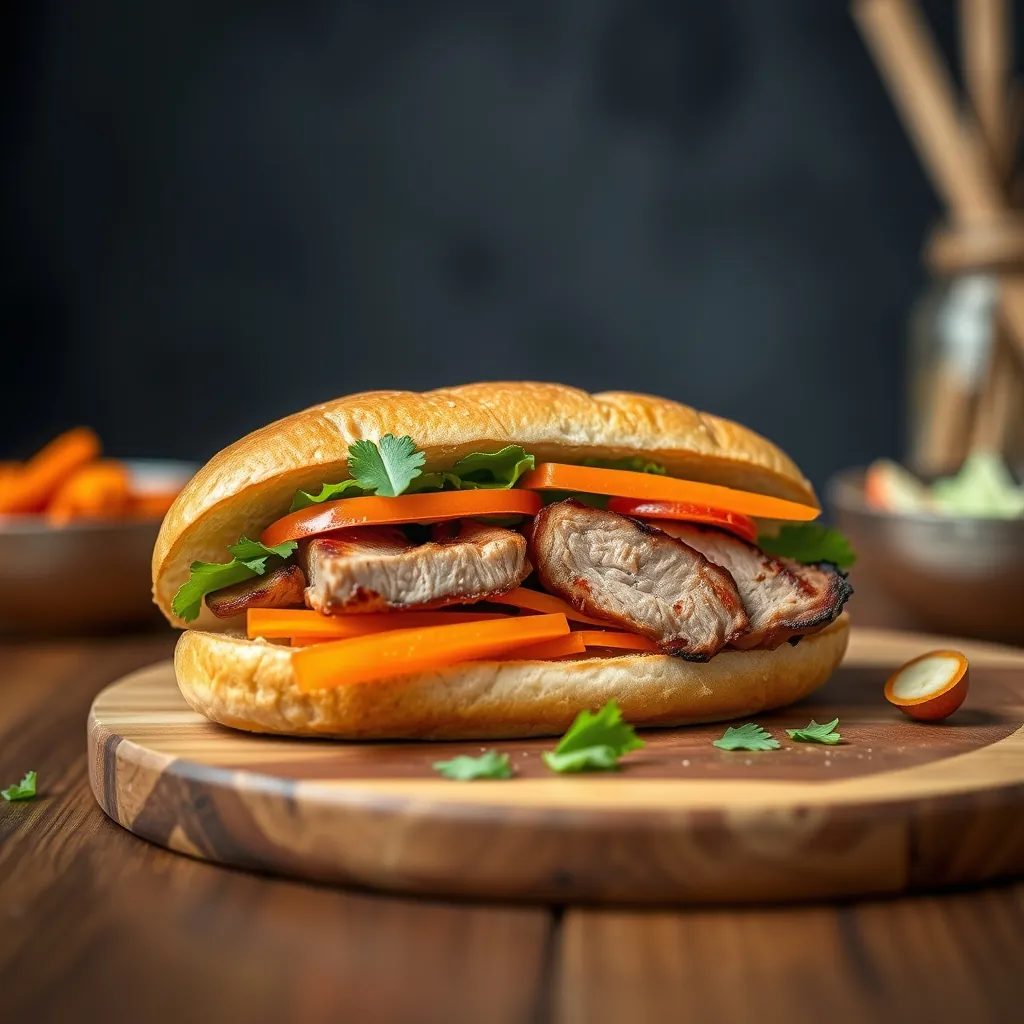
The Anatomy of a Banh Mi
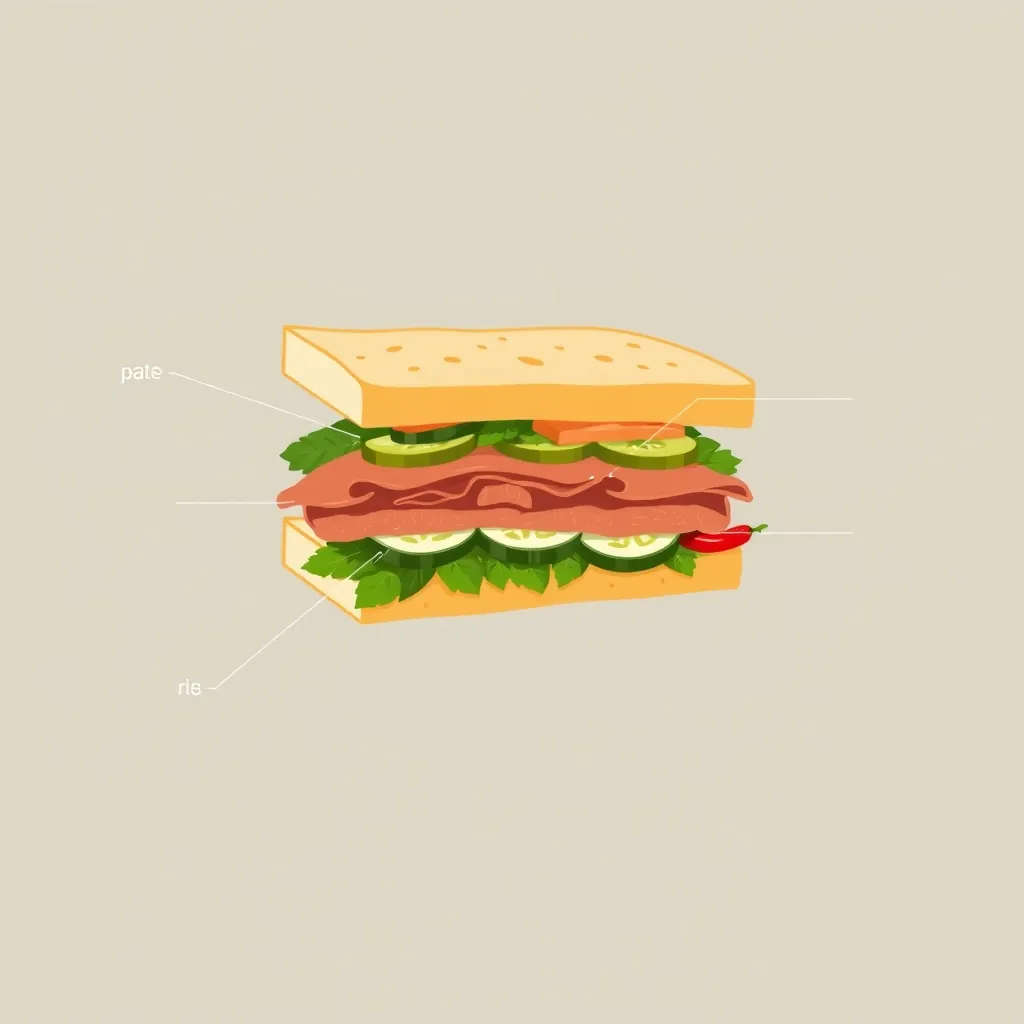
A banh mi is not just a sandwich. It is a symphony of textures and tastes. You get a crisp, airy baguette. You get rich, savory protein. You get tangy, crunchy pickles. Fresh herbs and spicy chilies cut through the richness. The result is a perfect balance of savory, sweet, sour, spicy, and fresh. This guide walks you through every step. You will learn to select ingredients, prepare each component, and assemble a banh mi that rivals your favorite Vietnamese shop.
Selecting and Preparing the Bread
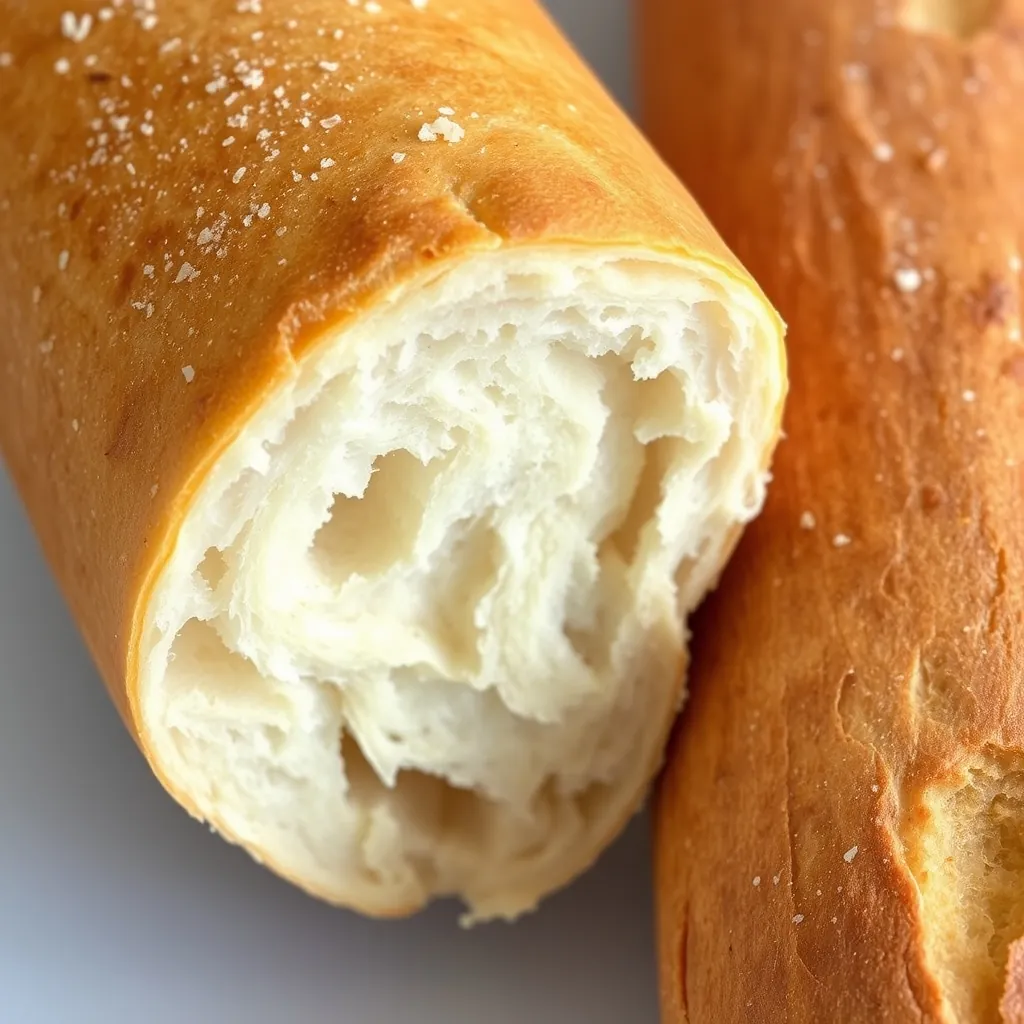
The baguette is the foundation. A traditional Vietnamese baguette is light and airy. It uses a mix of wheat and rice flour. This gives it a crackling crust and a soft, fluffy inside. If you cannot find one, do not worry. A standard French baguette works well. Look for a thin, crispy loaf. Avoid thick, chewy bread. Ciabatta is a solid alternative. Its open crumb and crisp crust mimic the texture well. For gluten-free diets, use a sturdy gluten-free baguette or even a rice paper wrap. The key is to warm the bread. Toast it in a 350°F oven for 5 minutes. Or heat it in a dry pan. This restores the crispness without drying out the interior. Do not microwave it. That makes the bread rubbery.
Making the Essential Pickles (Do Chua)
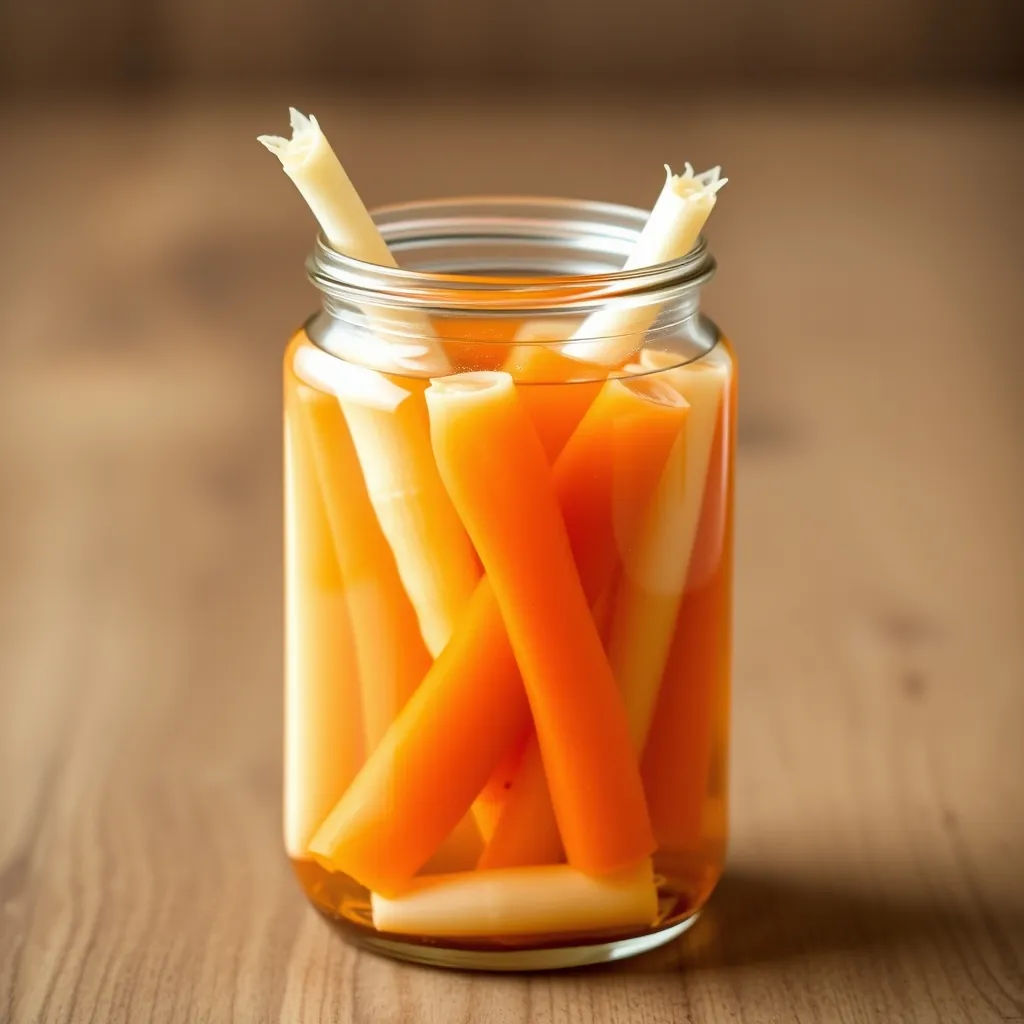
Pickled daikon and carrots are non-negotiable. They provide the signature tangy crunch. You need one daikon and one carrot. Cut them into thin matchsticks. In a bowl, mix 1 cup of water, 1 cup of white vinegar, 1/2 cup of sugar, and 1 teaspoon of salt. Stir until the sugar dissolves. Submerge the vegetables in the liquid. Let them sit for at least 30 minutes. They will keep in the fridge for up to a week. The longer they sit, the more flavor they absorb. Do not skip this step. The pickles are what make a banh mi distinct from any other sandwich.
Choosing and Cooking the Protein
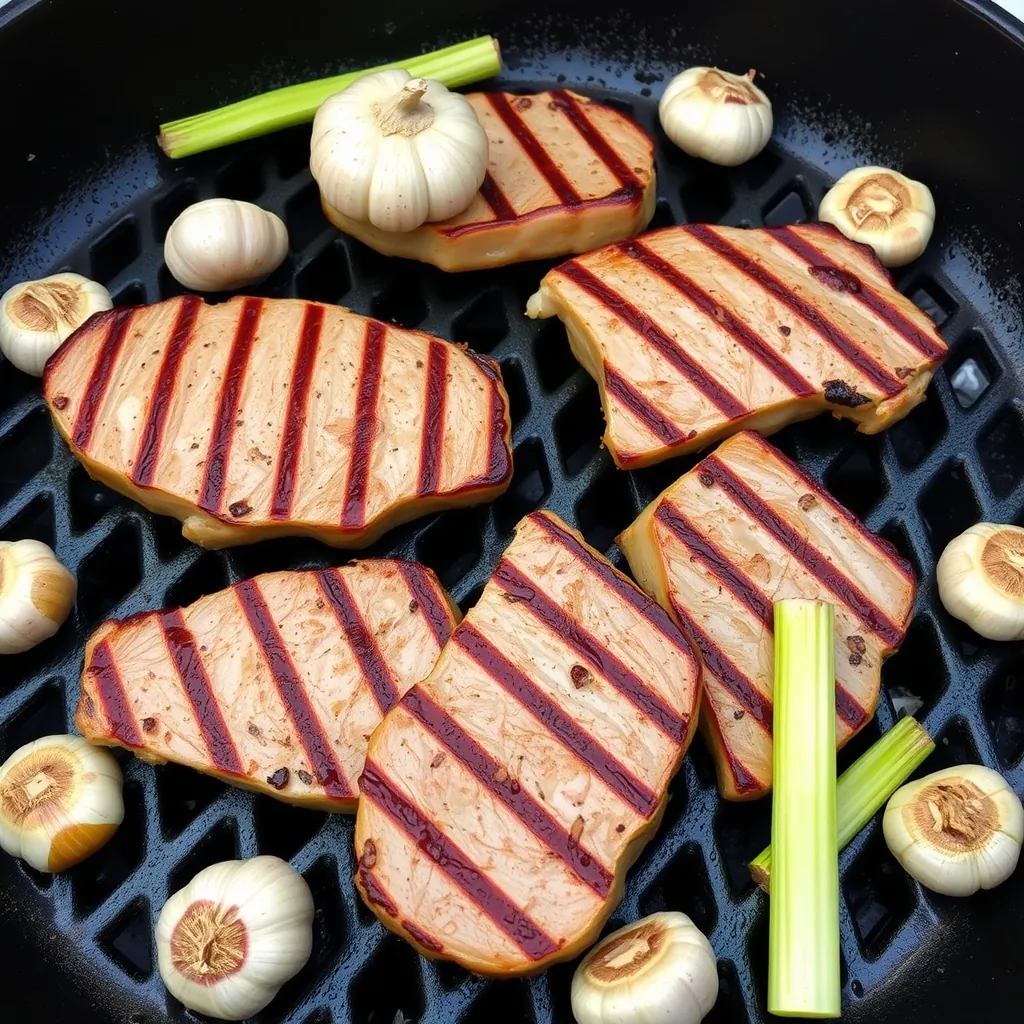
You have several protein options. Grilled pork (thit nuong) is a classic. Marinate thin pork slices in fish sauce, soy sauce, honey, garlic, and lemongrass. Grill or pan-fry until charred and juicy. Lemongrass chicken is another favorite. Use boneless thighs for the best flavor. Marinate them similarly. For a traditional cold cut version, use Vietnamese ham (cha lua) or head cheese. Slice them thin. For a vegetarian option, use firm tofu. Press it dry. Marinate it in soy sauce, sesame oil, and garlic. Pan-fry until golden and crispy. Cook the protein just before assembling. Warm protein makes the sandwich sing.
Layering to Prevent Sogginess
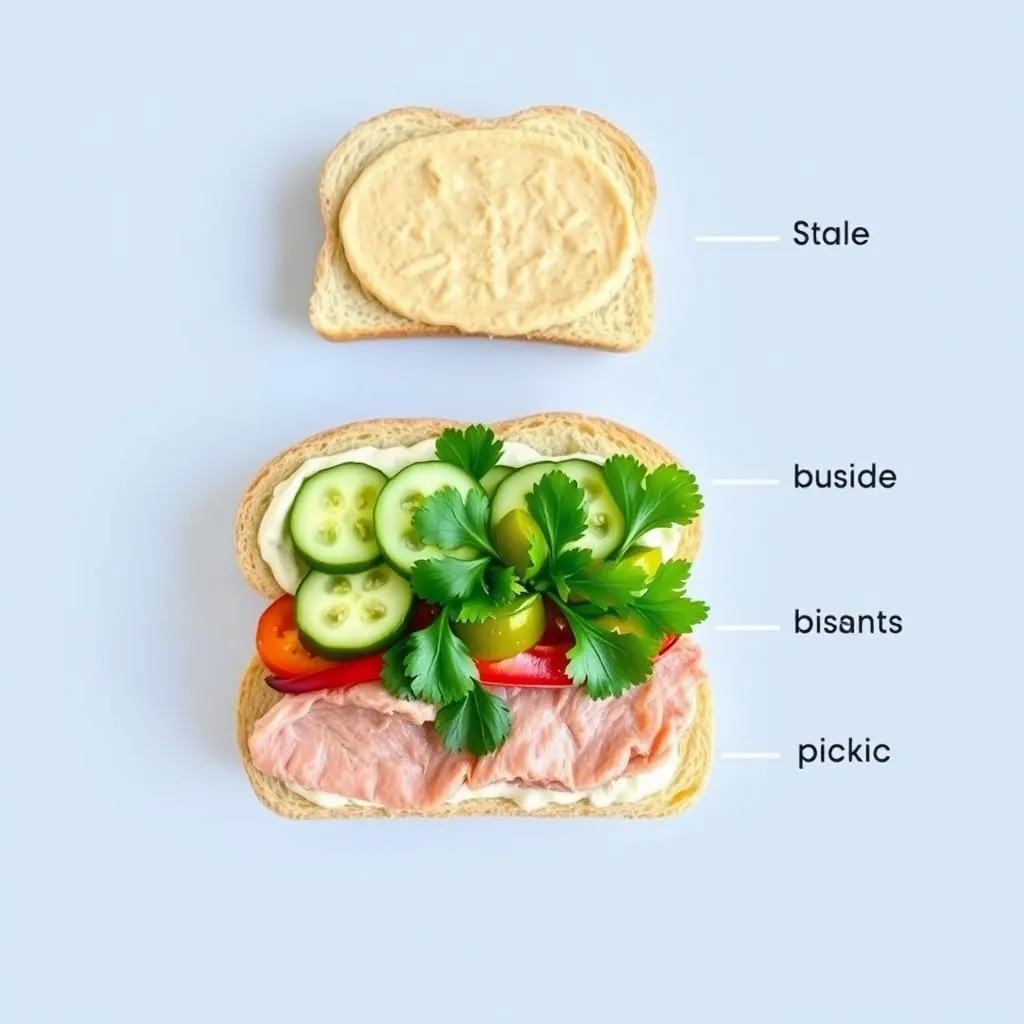
This is where most home cooks fail. The wrong order makes the bread soggy. Follow this exact sequence. First, split the warm baguette lengthwise. Do not cut all the way through. Leave a hinge. Spread a thin layer of butter on one side. Spread a thin layer of pate on the other side. Add a swipe of mayonnaise on top of the pate. This fat layer acts as a barrier. Next, add your warm protein. The heat from the meat will not soak through the fat. Then add the pickled daikon and carrots. Drain them well first. Pat them dry with a paper towel if needed. Add cucumber slices. They add freshness and crunch. Add cilantro sprigs. Add sliced jalapeño or chili. Finally, add a splash of soy sauce or Maggi seasoning. Close the sandwich gently. Press it down. The fat layers protect the bread. The pickles sit on top of the meat, not directly on the bread. This keeps the crust crisp until the last bite.
Dietary Adjustments and Substitutions
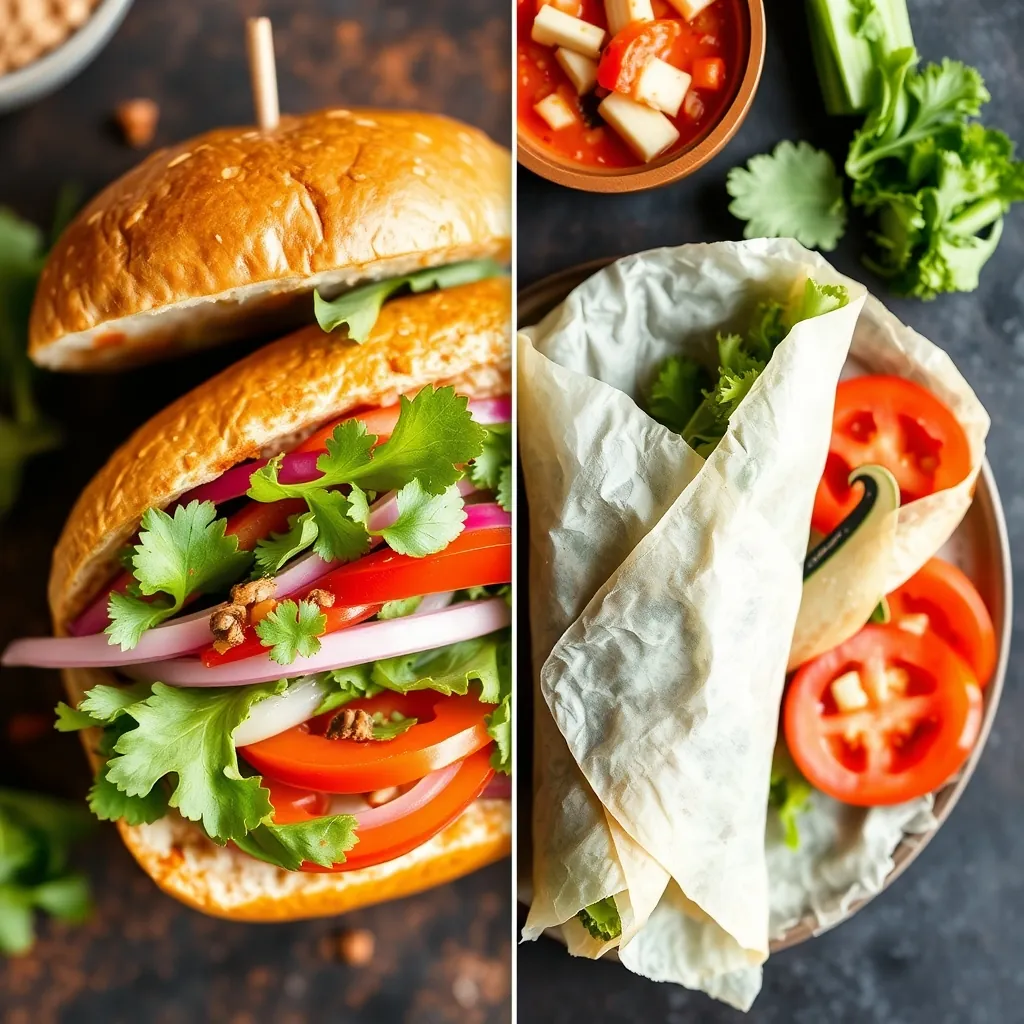
You can adapt this sandwich to almost any diet. For a vegan version, use vegan pate made from mushrooms or lentils. Replace mayonnaise with vegan mayo. Use tofu or tempeh as the protein. For a gluten-free version, use a sturdy gluten-free baguette. Or skip the bread entirely. Use large rice paper wrappers. Dip them in warm water. Lay them flat. Add the fillings. Roll them like a spring roll. This creates a fresh, light banh mi roll. For a low-carb option, use lettuce wraps. Use large romaine or butter lettuce leaves. Layer the fillings inside. The key is to keep the same flavor profile. The pickles, herbs, and protein are what matter. The bread is just a vehicle.
Final Assembly and Serving Tips
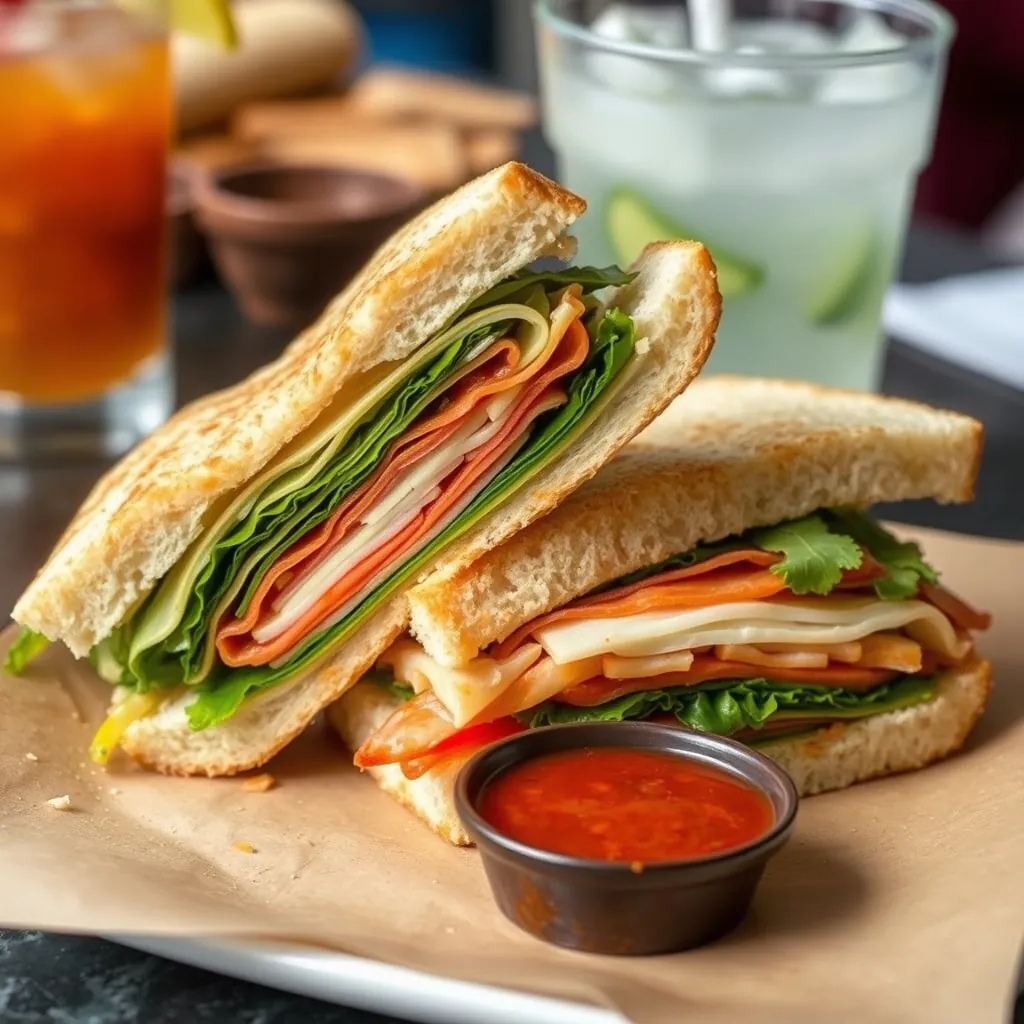
Serve the banh mi immediately. The bread is at its best right after toasting. Cut the sandwich in half on a diagonal. This makes it easier to eat. Serve with extra chili sauce or Sriracha on the side. A cold Vietnamese iced coffee or a beer pairs perfectly. Do not wrap it in foil. That traps steam and ruins the crust. If you must store it, keep the components separate. Assemble only when ready to eat. This sandwich is a complete meal. It has protein, vegetables, and carbohydrates. It is fast to prepare once you have the pickles and protein ready. Master this recipe. You will never buy a mediocre banh mi again.
Leave a Reply