Your cart is currently empty!
The Essential Guide to Cooking Beef with Flowers
Beef with flowers is a delicate dish that balances savory meat with the subtle fragrance of petals. To get it right, you need more than just a recipe. You need to know how to source safe flowers, prep the beef properly, and time the cooking so nothing turns to mush. This guide covers all of that and more.
Choosing and Sourcing Edible Flowers Safely
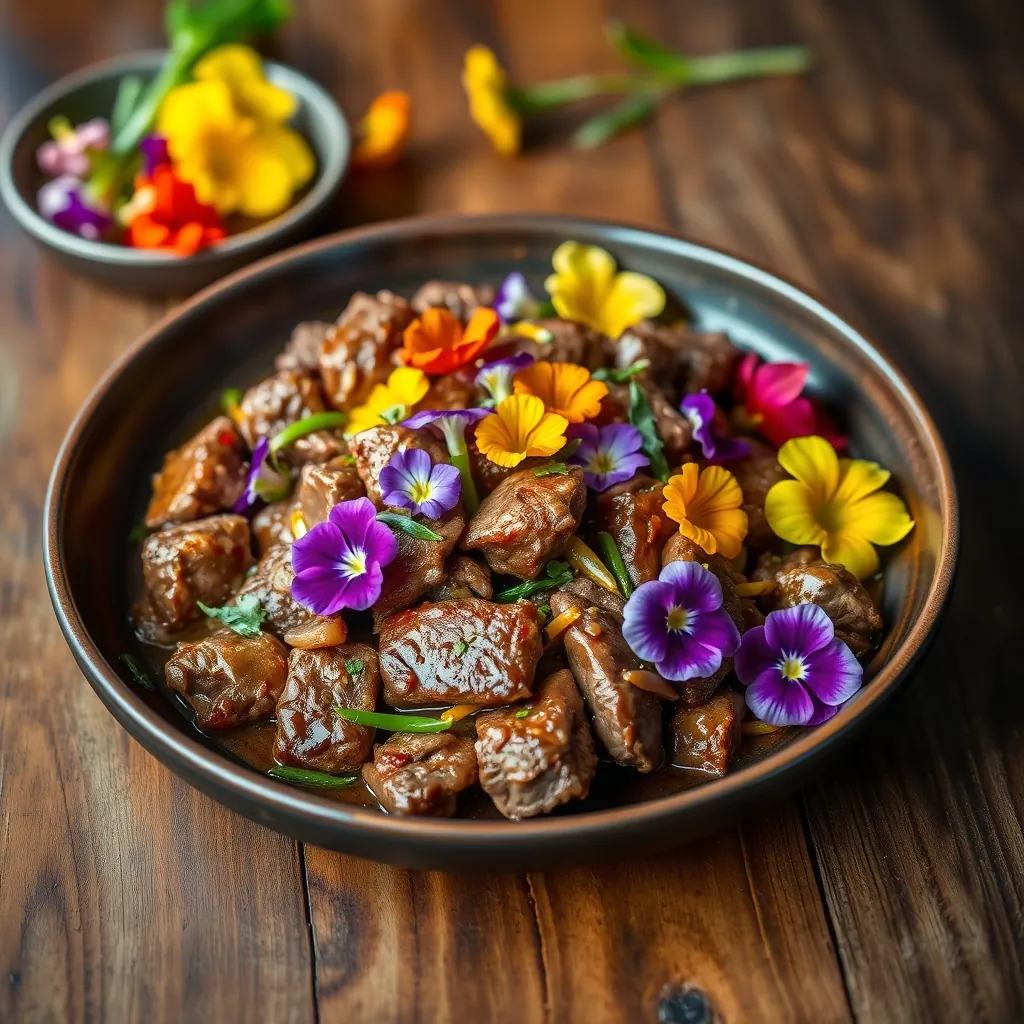
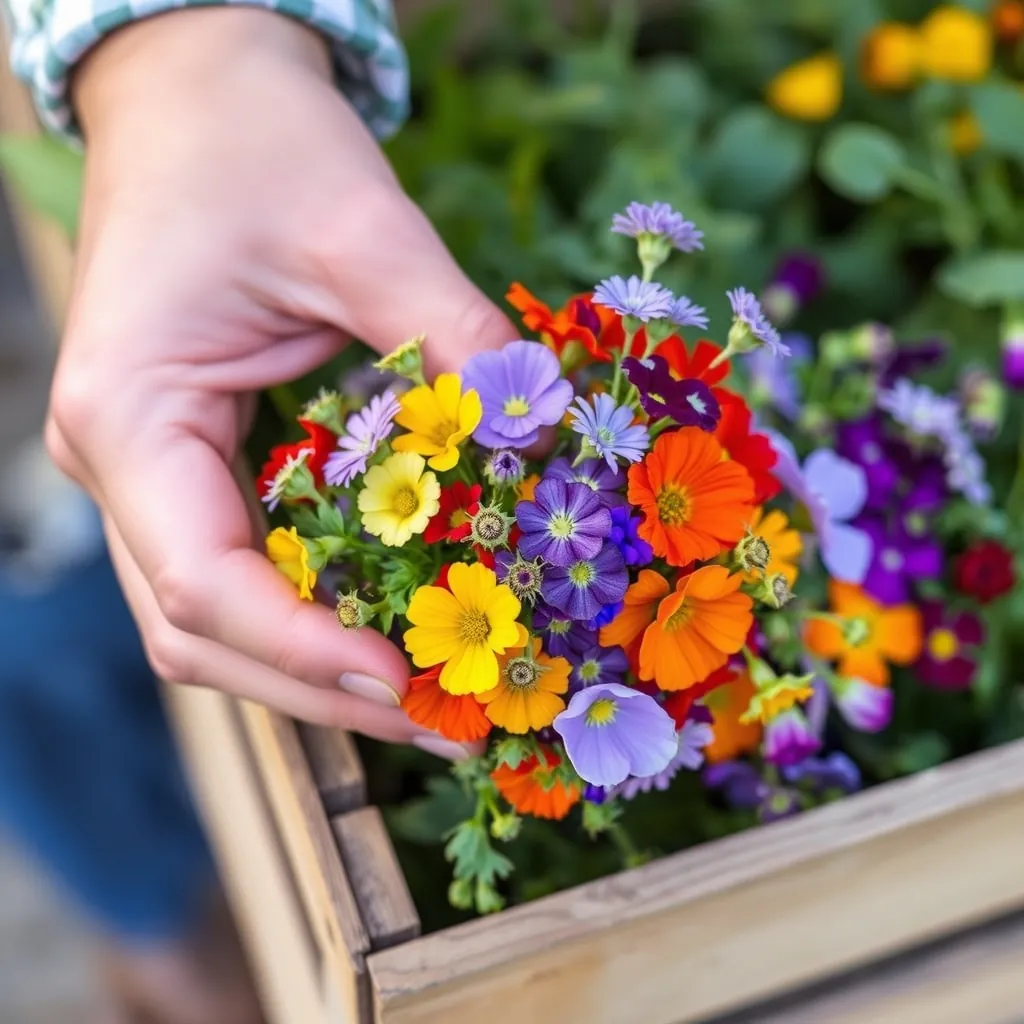
The first rule of cooking with flowers is absolute certainty about what you are eating. Many flowers are toxic. Stick to varieties known to be safe: chrysanthemum, nasturtium, borage, and pansies are excellent choices. Never pick flowers from roadsides, gardens treated with pesticides, or florist shops. Those are grown for looks, not for consumption.
Your best sources are farmers markets, specialty grocery stores, or your own organic garden if you can verify the soil and seed quality. If you are buying online, look for vendors that specifically label their products as “culinary grade.” When in doubt, ask the grower directly about their growing practices.
Nutritional Benefits and Allergy Warnings
Edible flowers are not just pretty garnishes. They offer real nutritional value. Nasturtiums are rich in vitamin C. Chrysanthemum petals contain antioxidants. Borage leaves and flowers are a source of essential fatty acids. Adding them to your beef dish boosts its micronutrient profile without adding calories.
But caution is necessary. Some people have pollen allergies that can be triggered by eating flowers. If you have known hay fever or oral allergy syndrome, start with a very small amount. Pregnant women should avoid certain flowers like calendula or yarrow unless cleared by a doctor. Always wash flowers gently and inspect them for insects or dirt.

Selecting and Preparing the Beef
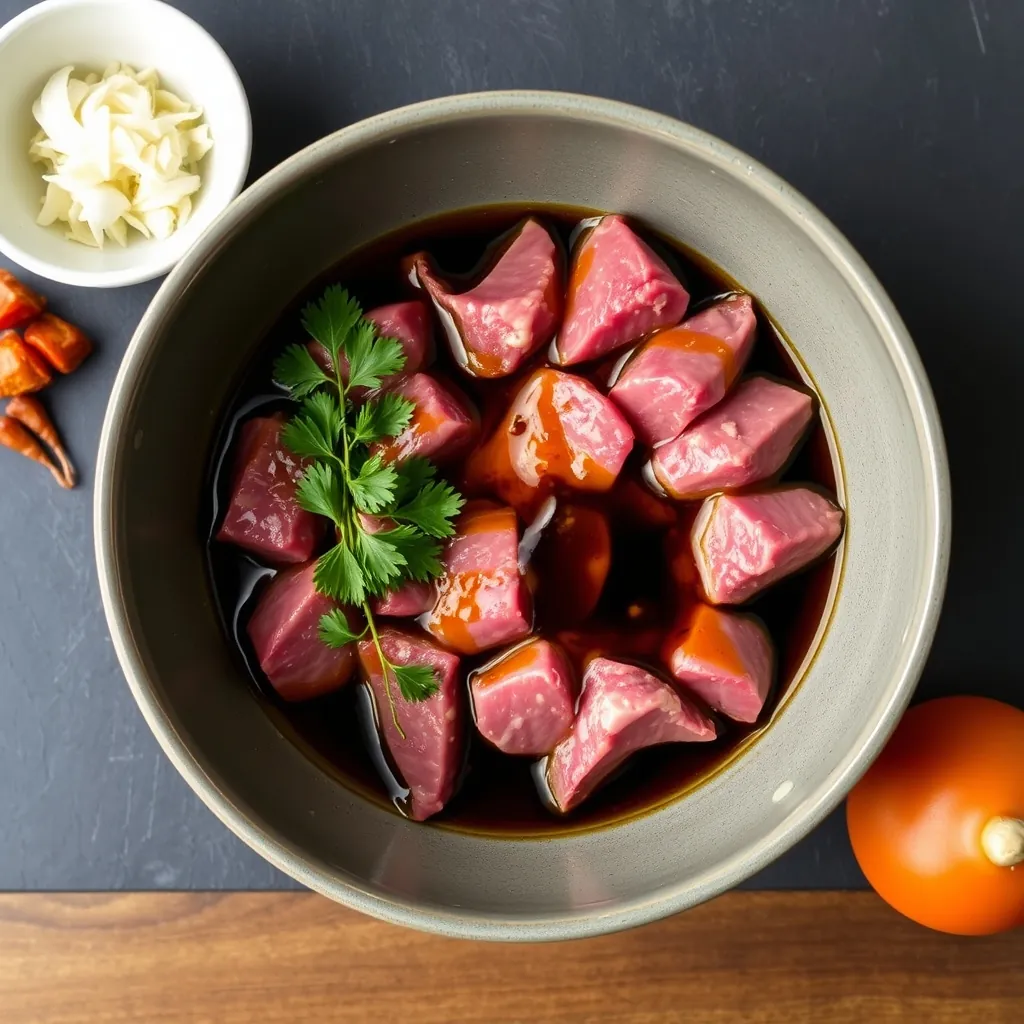
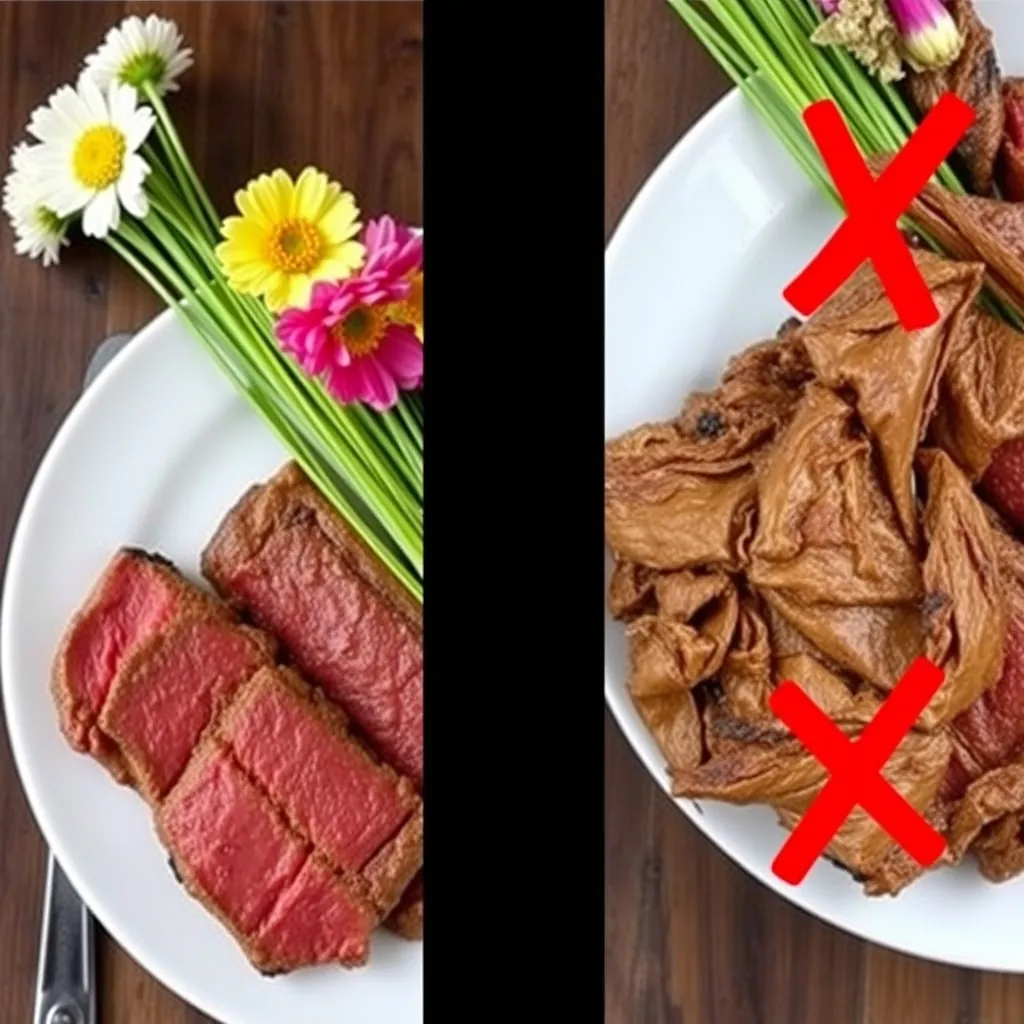
Beef with flowers works best with tender cuts. Sirloin, flank steak, or ribeye are ideal. The key step is slicing. Cut the beef across the grain into thin strips, about 1/8 inch thick. This shortens the muscle fibers, making every bite tender. If the beef is slightly frozen, it slices more easily.
Marinating is non-negotiable. A simple mix of soy sauce, minced ginger, crushed garlic, and a teaspoon of cornstarch does two things: it seasons the meat and creates a light coating that locks in moisture during high-heat cooking. Let it sit for at least 15 minutes, but no more than 30. Over-marinating can make the meat mushy.
Stir-Fry Technique: The Right Way
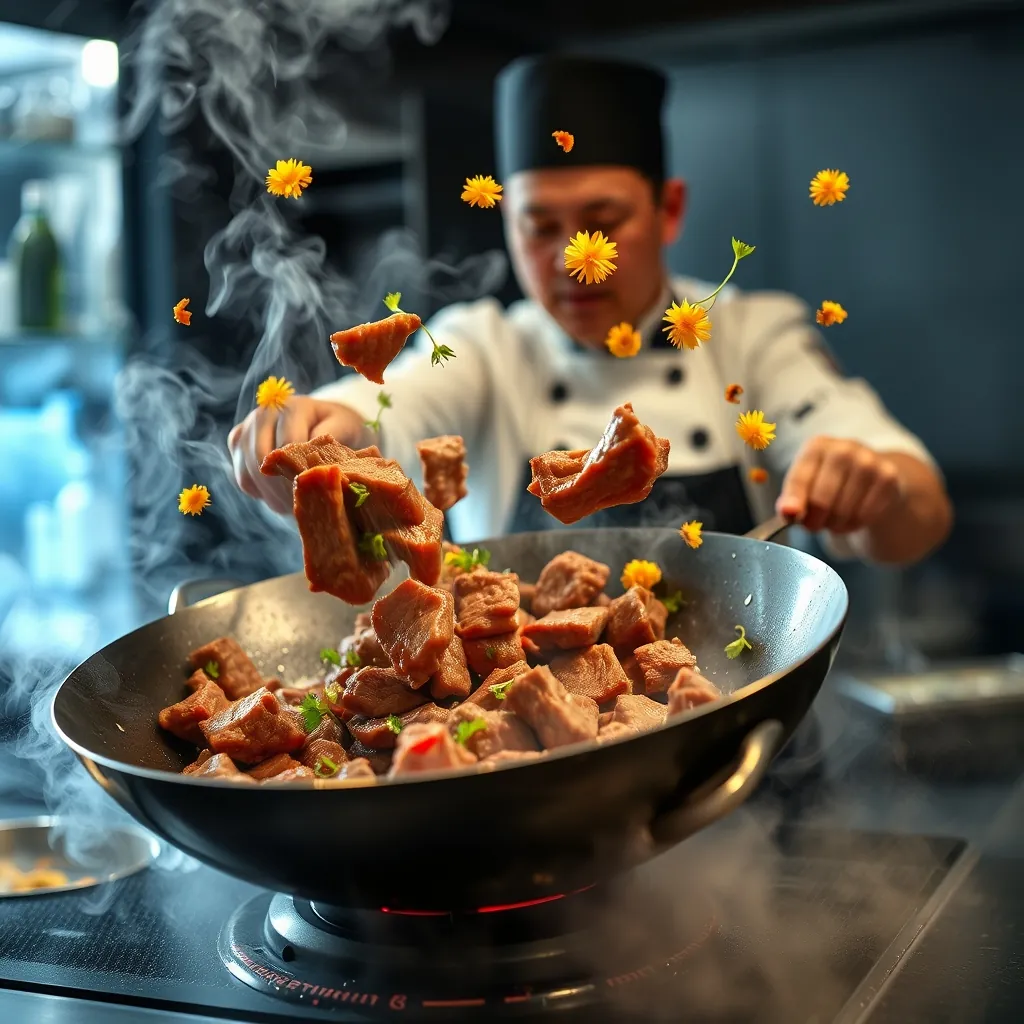
Stir-frying is the best method for this dish. It keeps the beef seared and the flowers bright. Heat a wok or large skillet over high heat until it smokes. Add a neutral oil with a high smoke point, like avocado or peanut oil. Sear the beef in a single layer. Do not crowd the pan. Cook for 1 minute per side, then remove it.
Reduce the heat slightly. Add aromatics like sliced shallots or more ginger. Toss for 30 seconds. Return the beef to the pan. Add a splash of chicken stock or water to create a light sauce. Now comes the critical moment: add the flowers. Toss everything together for no more than 30 seconds. The flowers should just wilt, not collapse. Serve immediately.
Common Mistakes and How to Avoid Them
Three errors ruin this dish. First, adding flowers too early. They will turn into a slimy mess. Always add them last. Second, using wet flowers. Pat them dry with a paper towel before cooking. Moisture creates steam, which makes the beef tough and the flowers soggy. Third, skipping the rest. Let the cooked beef sit for 30 seconds off heat before serving. This allows the juices to redistribute.
Another overlooked mistake is using the wrong oil. Olive oil has a low smoke point and will burn, creating bitter flavors. Stick to oils designed for high heat.
Vegetarian and Alternative Protein Substitutions
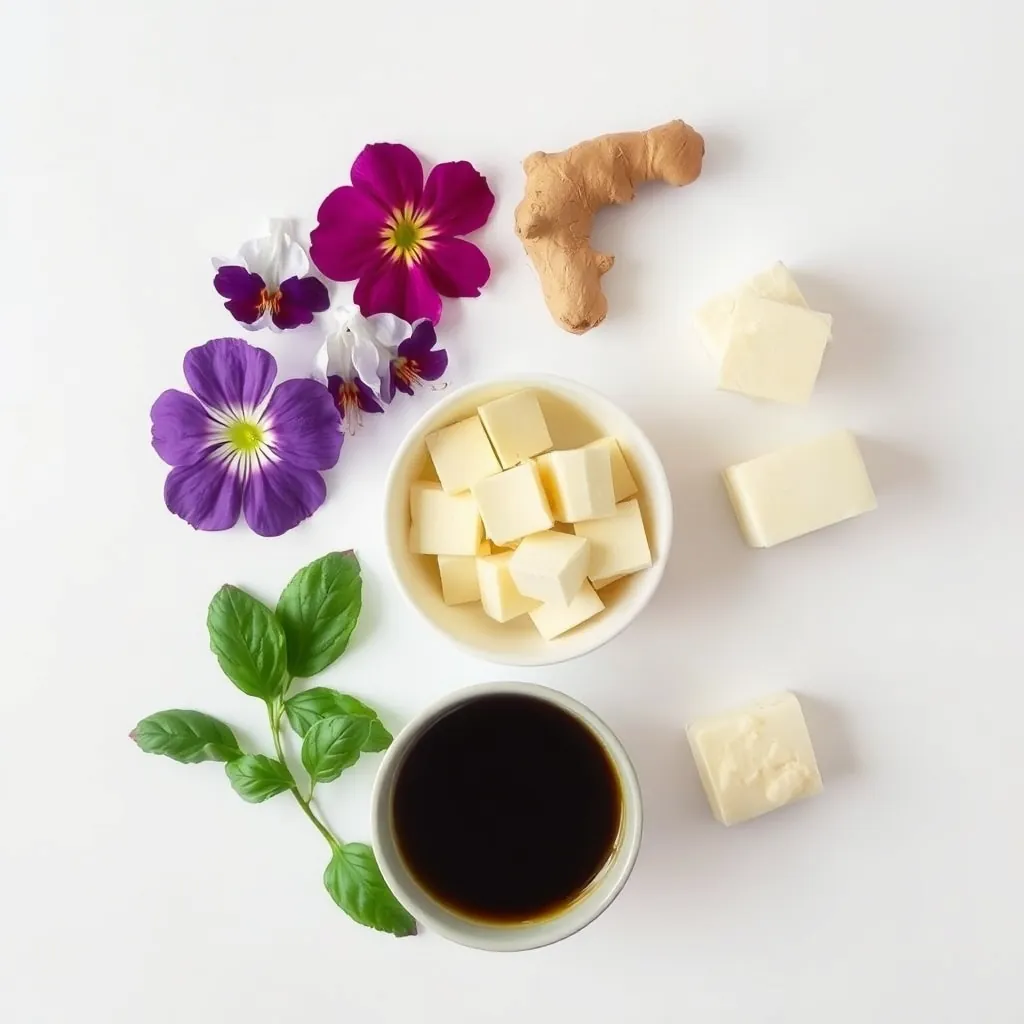
Not everyone eats beef. This dish adapts well. For a vegetarian version, replace beef with firm tofu or tempeh. Press the tofu to remove excess water, then cut it into cubes. Sear it the same way you would the beef. The marinade works perfectly with plant proteins.
For a lighter option, use chicken breast or shrimp. Chicken should be sliced thin and cooked through. Shrimp needs only 2 minutes total. The flower addition remains the same. The key is to adjust cooking times so the protein is done without overcooking the flowers.
Serving and Plating
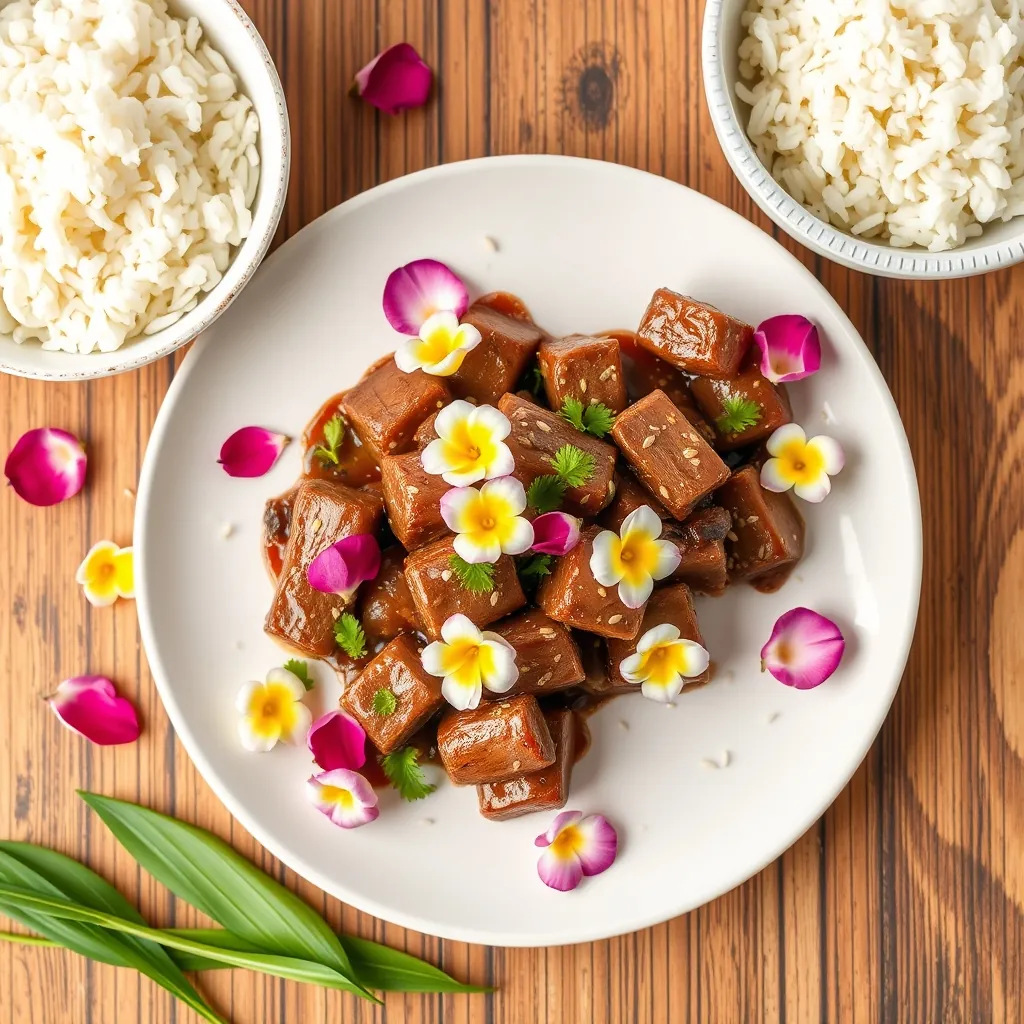
This dish is best served over steamed jasmine rice or rice noodles. The mild starch balances the savory beef and floral notes. Garnish with a few raw flower petals and a sprinkle of sesame seeds for texture. Eat it immediately. Leftovers do not keep well because the flowers will continue to wilt.
For a complete meal, pair it with a simple cucumber salad dressed with rice vinegar and chili flakes. The acidity cuts through the richness of the beef.
Leave a Reply