Your cart is currently empty!
The Definitive Guide to Cooking Perfect Rice at Home
Selecting Your Rice: The Foundation of Every Meal
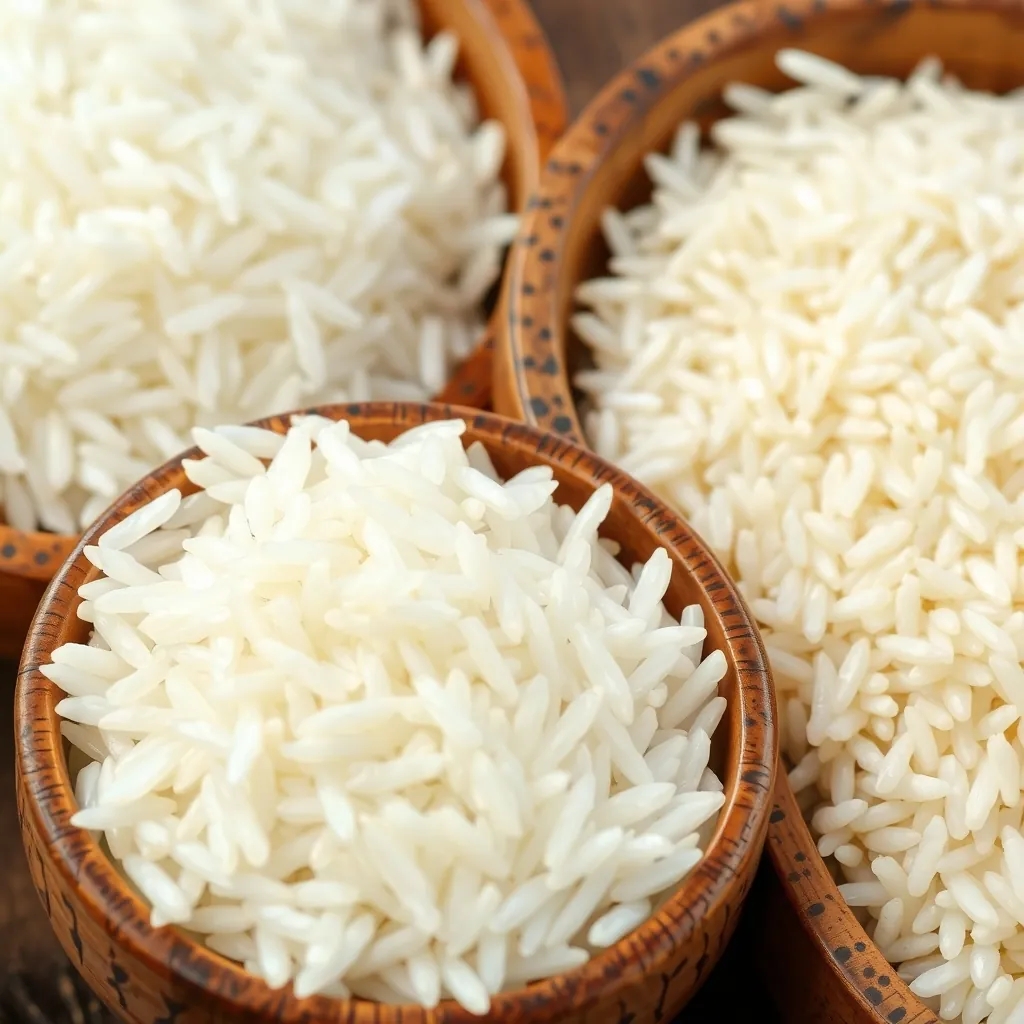
Rice is not a single ingredient. Each variety demands specific attention. Long-grain white rice needs a 2:1 water ratio. Jasmine and basmati rice respond better to soaking for 15 to 30 minutes before cooking. Short-grain rice, used in sushi, requires slightly less water and a longer resting period.
Your choice matters. Basmati offers a nutty aroma. Jasmine brings a floral sweetness. Short-grain provides a sticky texture ideal for Asian dishes. Pick the type that fits your recipe.
The Critical Step: Rinsing and Soaking
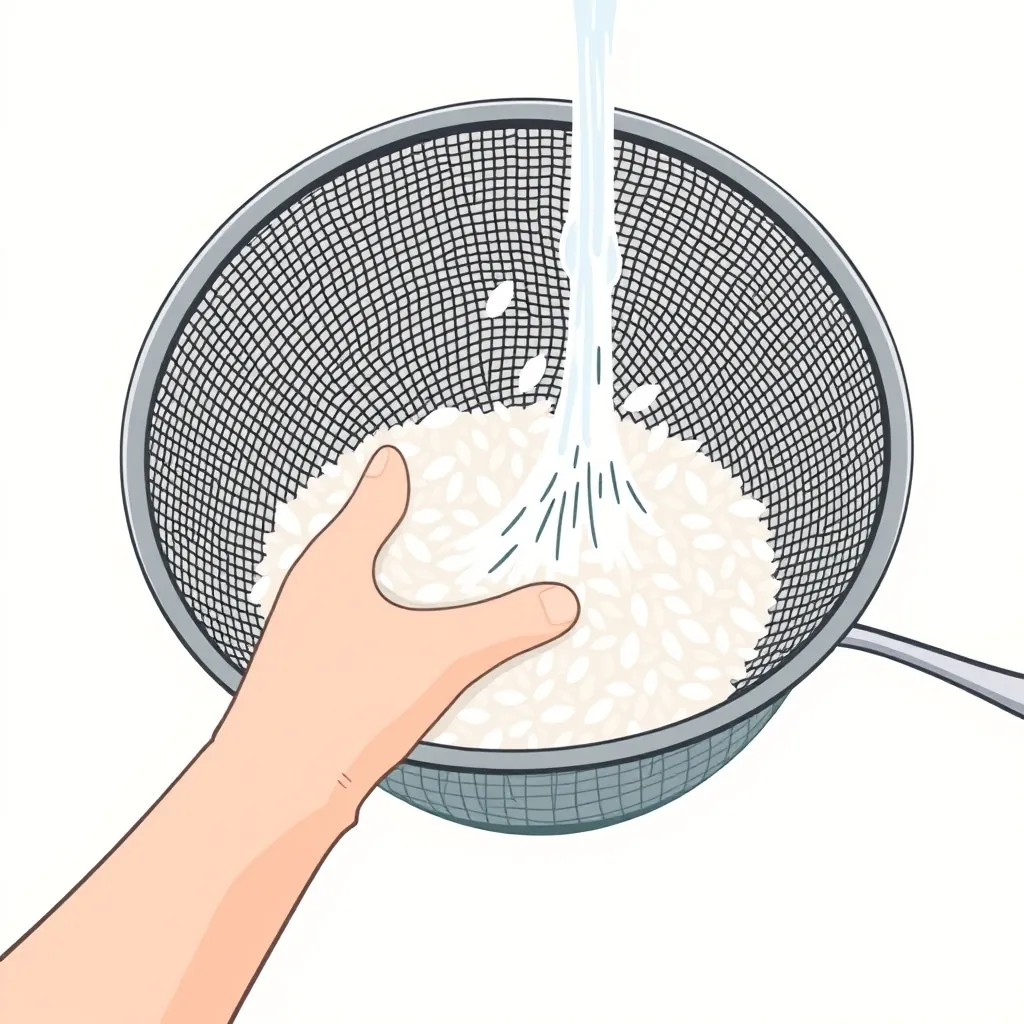
Rinsing removes excess starch. This prevents clumping and ensures each grain stays separate. Rinse under cold water until the water runs clear. For jasmine and basmati, extend the process with a 15 to 30 minute soak. This softens the outer layer and improves the final texture.
Do not skip this step. It takes less than two minutes. The difference in texture is substantial.
The Absorption Method: Precision on the Stovetop
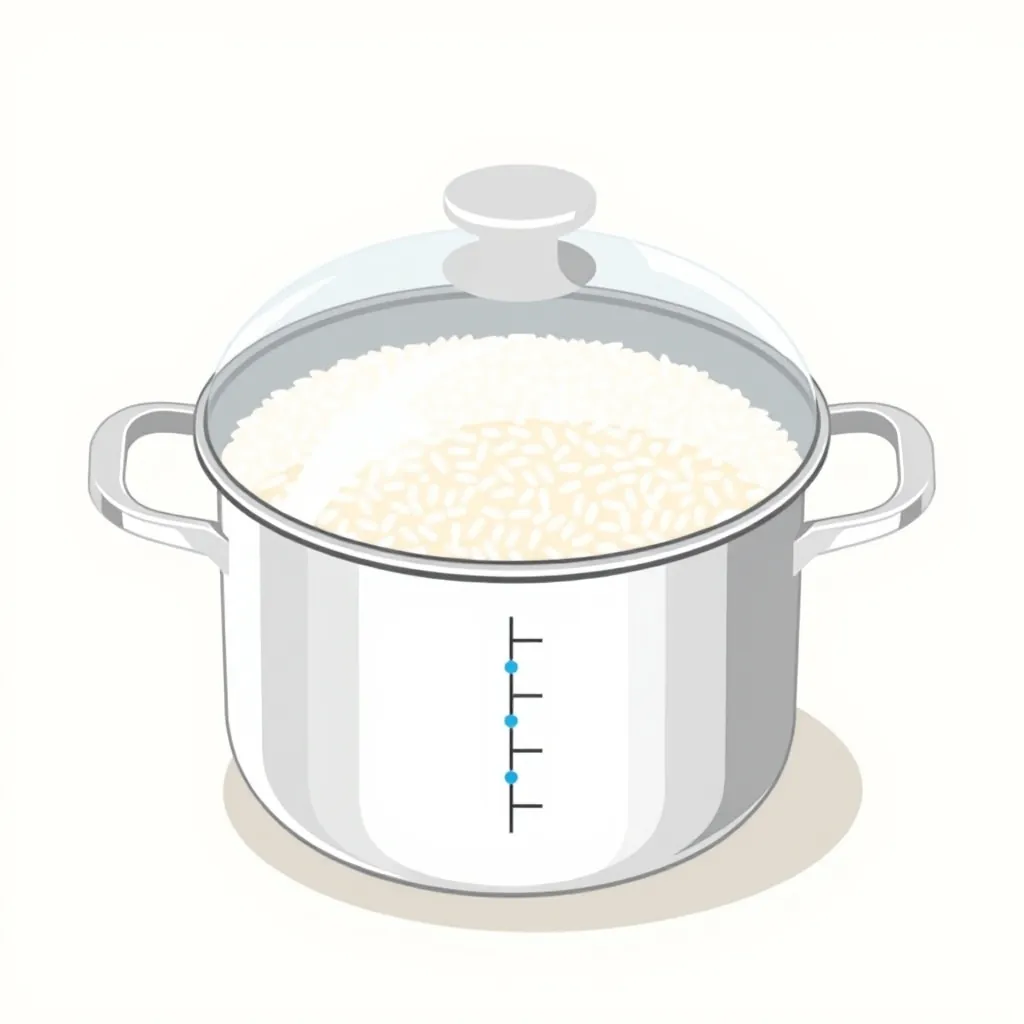
Use a heavy-bottomed pot. Stainless steel distributes heat evenly. Non-stick pots work but require lower heat to prevent burning.
Combine one cup of rinsed rice with two cups of water. Bring to a boil over high heat. Reduce heat to low, cover tightly, and simmer for 18 minutes. Do not lift the lid during cooking. The steam is essential.
After 18 minutes, turn off the heat. Let the pot sit covered for 10 minutes. This resting period allows the steam to redistribute moisture. Fluff with a fork before serving.
High Altitude Adjustments
At altitudes above 3,000 feet, water boils at a lower temperature. This changes cooking time. Add an extra 2 tablespoons of water per cup of rice. Increase simmering time by 3 to 5 minutes. The resting period remains the same.
Cooking Without a Lid
If your pot lacks a lid, use aluminum foil. Cover the pot tightly with foil and crimp the edges. Poke a small vent hole to release excess steam. The principle is the same: trap moisture inside.
Using a Rice Cooker: Consistency Without Effort
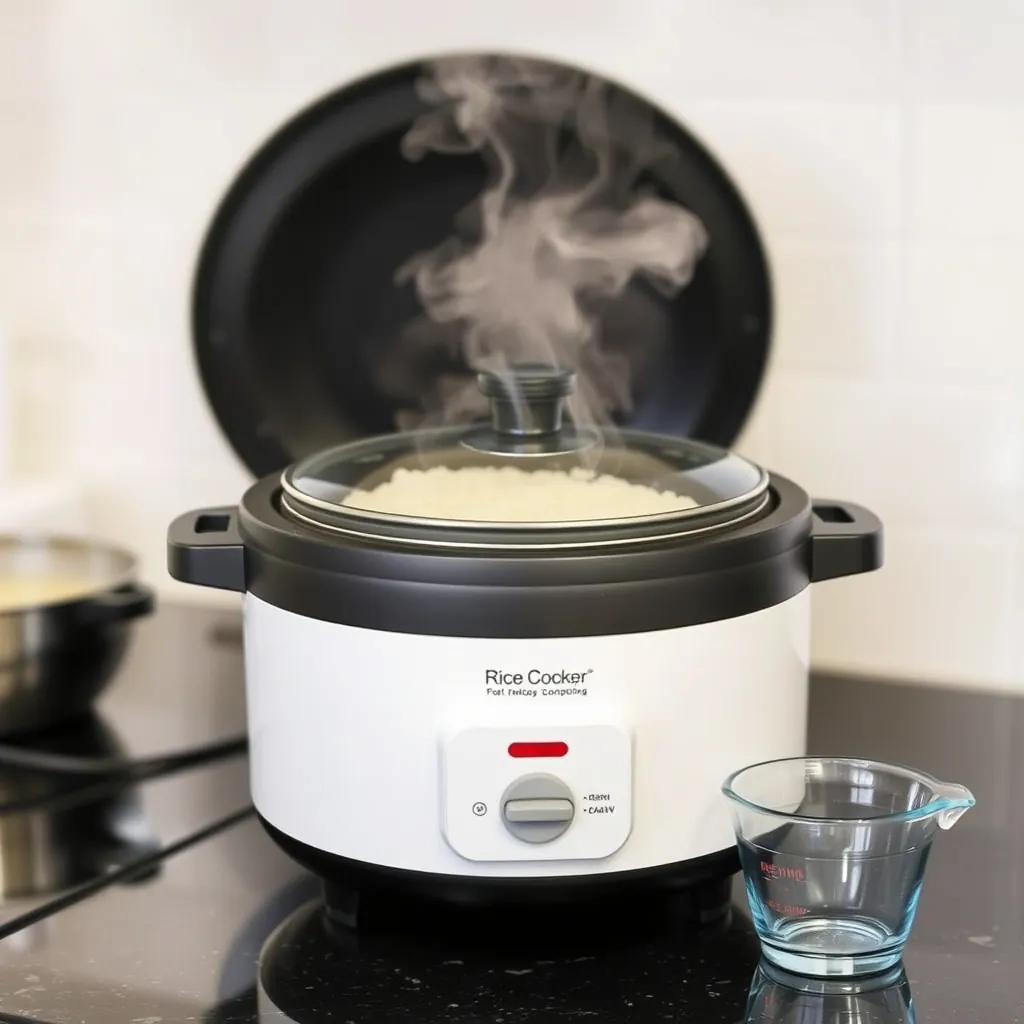
Rice cookers automate the process. Measure rice using the provided cup. Add water to the corresponding line inside the inner pot. Press start.
Modern cookers use fuzzy logic to adjust temperature and time. They handle white rice, brown rice, and sushi rice. Cleanup is simple because the inner pot has a non-stick coating.
Let the cooker finish its cycle. Open the lid, fluff the rice, and serve. Do not leave rice on the “Keep Warm” setting for more than four hours. It dries out.
Common Mistakes and How to Fix Them
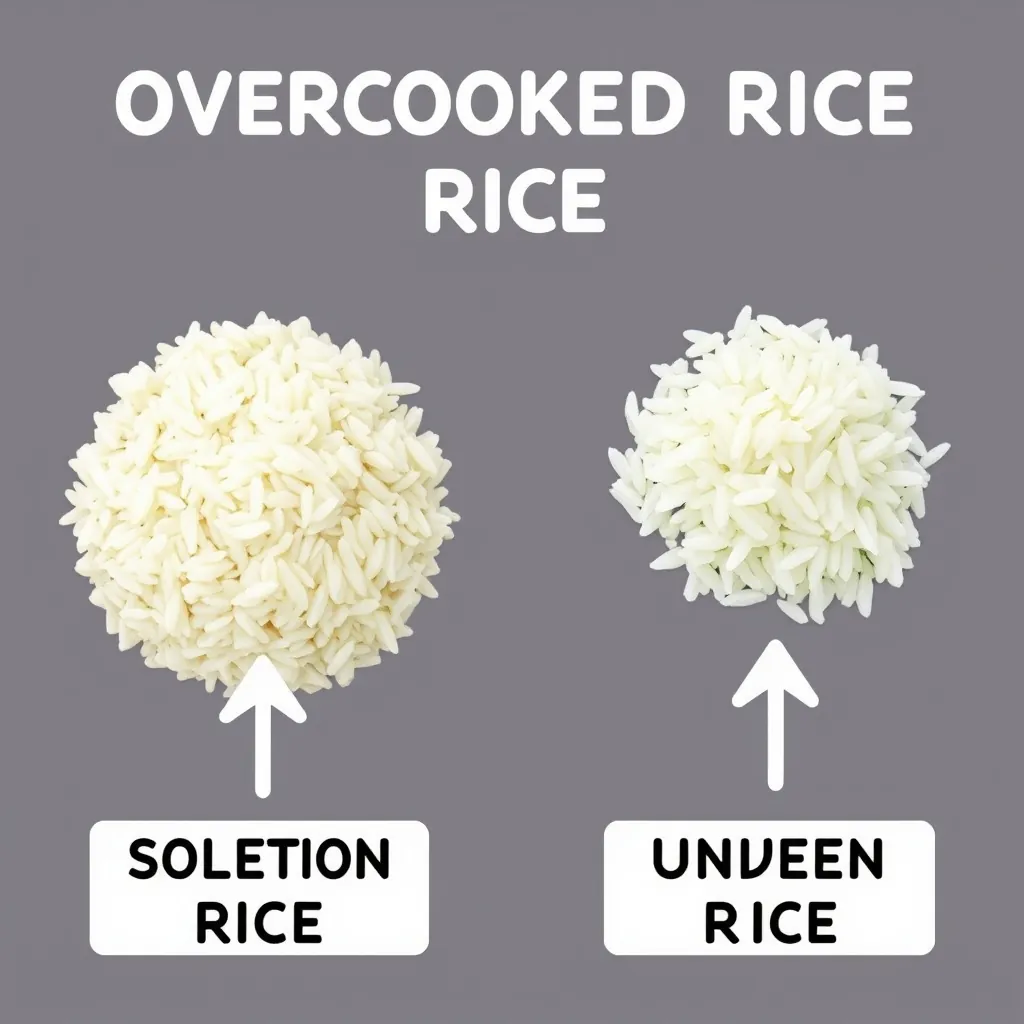
Overcooked rice is mushy. Undercooked rice is hard in the center. Both are fixable.
- Mushy rice: Spread it on a baking sheet. Place in a 300°F oven for 5 minutes to dry out excess moisture.
- Undercooked rice: Add 2 tablespoons of water per cup of rice. Cover and simmer for an additional 5 minutes. Let rest covered.
- Burnt bottom: Transfer the unburnt rice to a new pot. Do not scrape the burnt layer. Add a slice of bread to absorb the smoky flavor.
Prevention is better. Use the correct water ratio. Do not peek during cooking. Let the rice rest.
The Impact of Pot Materials
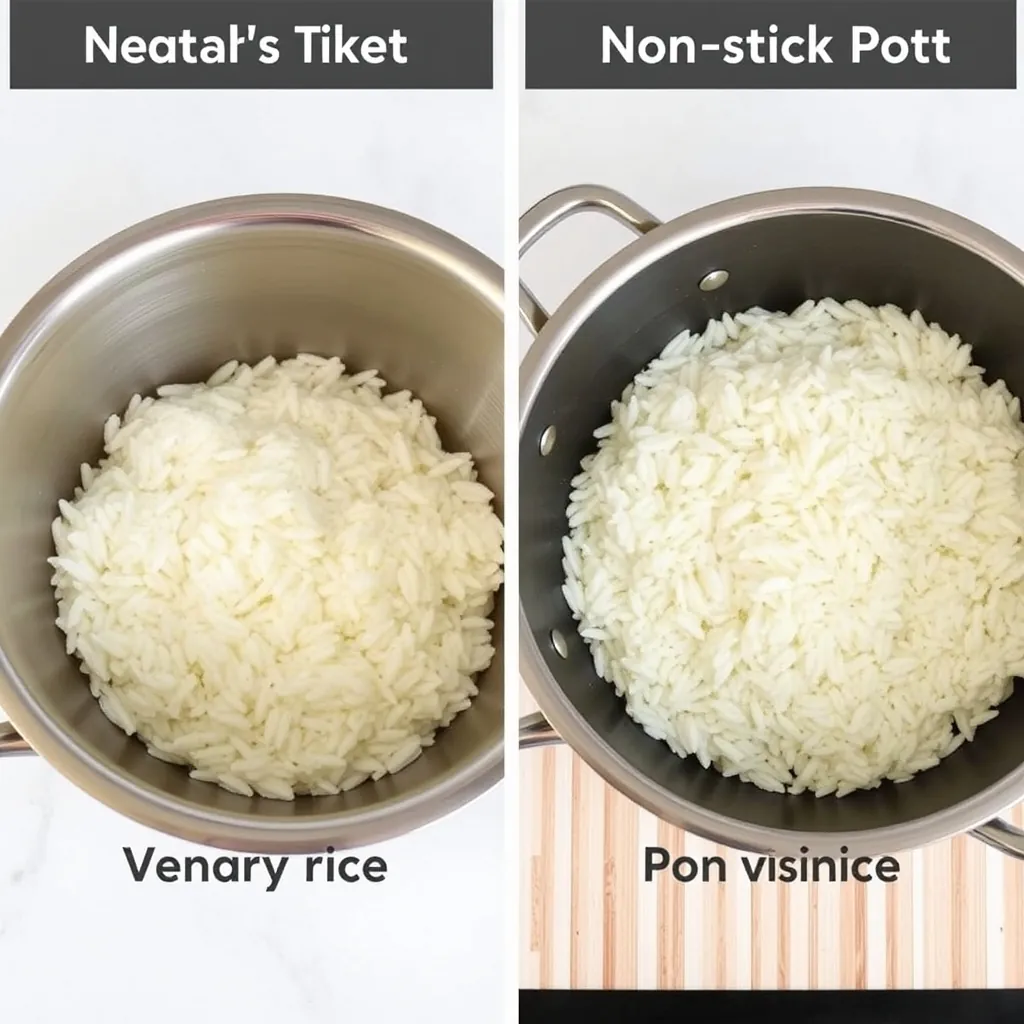
Stainless steel heats evenly. It holds temperature well. The rice cooks uniformly. Non-stick pots require lower heat. High heat damages the coating and causes uneven cooking.
Cast iron works for rice but requires careful heat management. Enameled cast iron is better. It distributes heat without hot spots.
Choose stainless steel for consistent results. Use non-stick only for short-grain rice where sticking is a concern.
Fluffing and Serving: The Final Touch
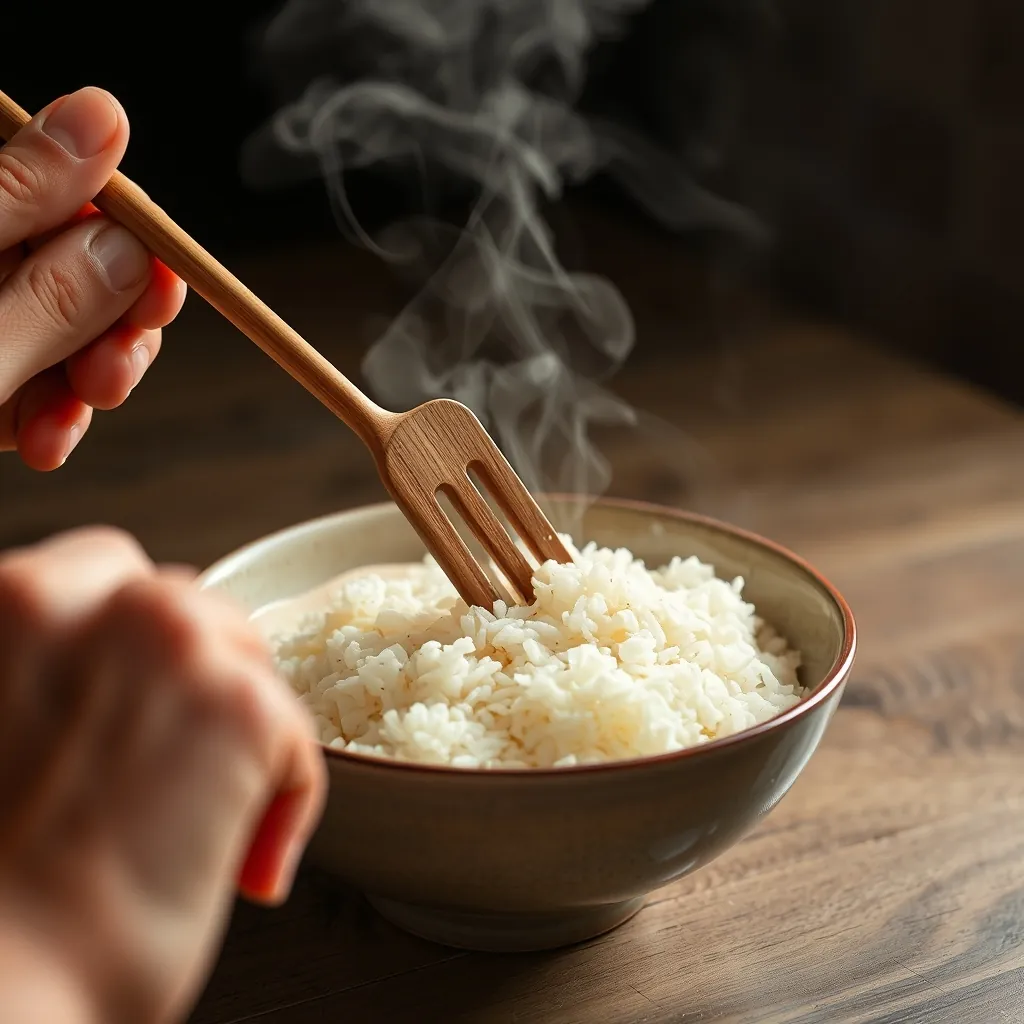
Use a fork or a rice paddle. Gently separate the grains. Do not stir aggressively. Stirring breaks the grains and releases starch.
Serve immediately. Leftover rice cools quickly. Store in an airtight container in the refrigerator for up to three days. Reheat in the microwave with a damp paper towel to restore moisture.
Perfect rice is achievable. Master these techniques. Adjust for altitude. Choose the right pot. Your rice will improve with each attempt.
Frequently Asked Questions
What is the best water-to-rice ratio for white rice?
For long-grain white rice, use a 2:1 water-to-rice ratio. For jasmine or basmati, soak first and use slightly less water.
Should you rinse rice before cooking?
Yes. Rinsing removes excess starch, preventing clumping and ensuring separate grains. Rinse until the water runs clear.
How do you fix undercooked rice?
Add 2 tablespoons of water per cup of rice, cover, and simmer for 5 more minutes. Let it rest covered.
Can you cook rice without a lid?
Yes. Cover the pot tightly with aluminum foil, crimp the edges, and poke a small vent hole to trap steam.
How long does cooked rice last in the refrigerator?
Cooked rice can be stored in an airtight container in the refrigerator for up to three days.
Leave a Reply