Your cart is currently empty!
The Definitive Guide to Cooking Authentic Pho Viet Nam
Pho is more than a soup. It is a cultural cornerstone of Vietnam. Originating from Nam Dinh province in the early 20th century, this dish has conquered global palates. The magic lies in the broth: a clear, aromatic, and deeply savory liquid that takes hours to build. This guide will walk you through every step from bone to bowl. It also covers gaps left by other recipes including dietary adjustments, troubleshooting, and cultural etiquette.
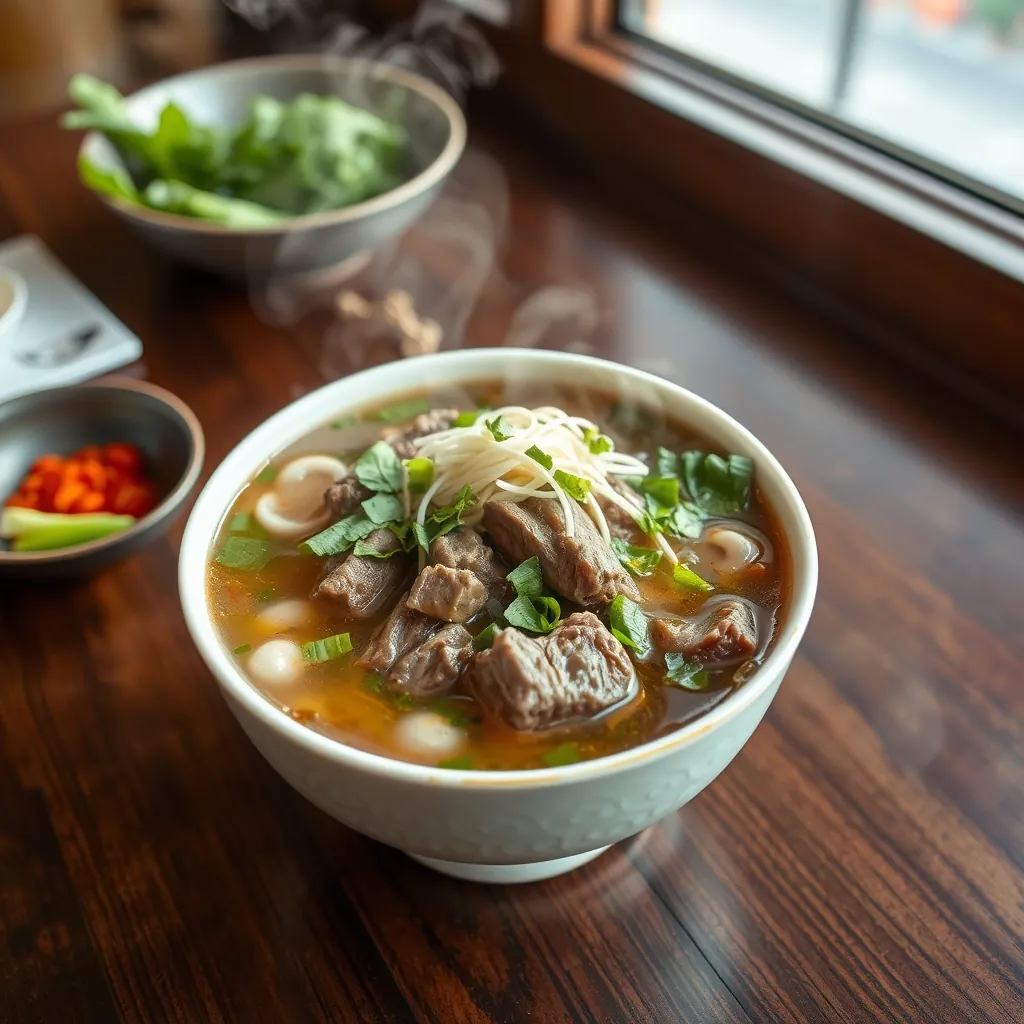
The Anatomy of a Great Bowl of Pho
Every great bowl of pho rests on four pillars: the broth, the noodles, the protein, and the garnishes. The broth is the soul. It must be clear and balanced. The noodles must be al dente. The protein must be fresh and thinly sliced. The garnishes must be abundant and crisp. Ignore any one element and the bowl falls flat.
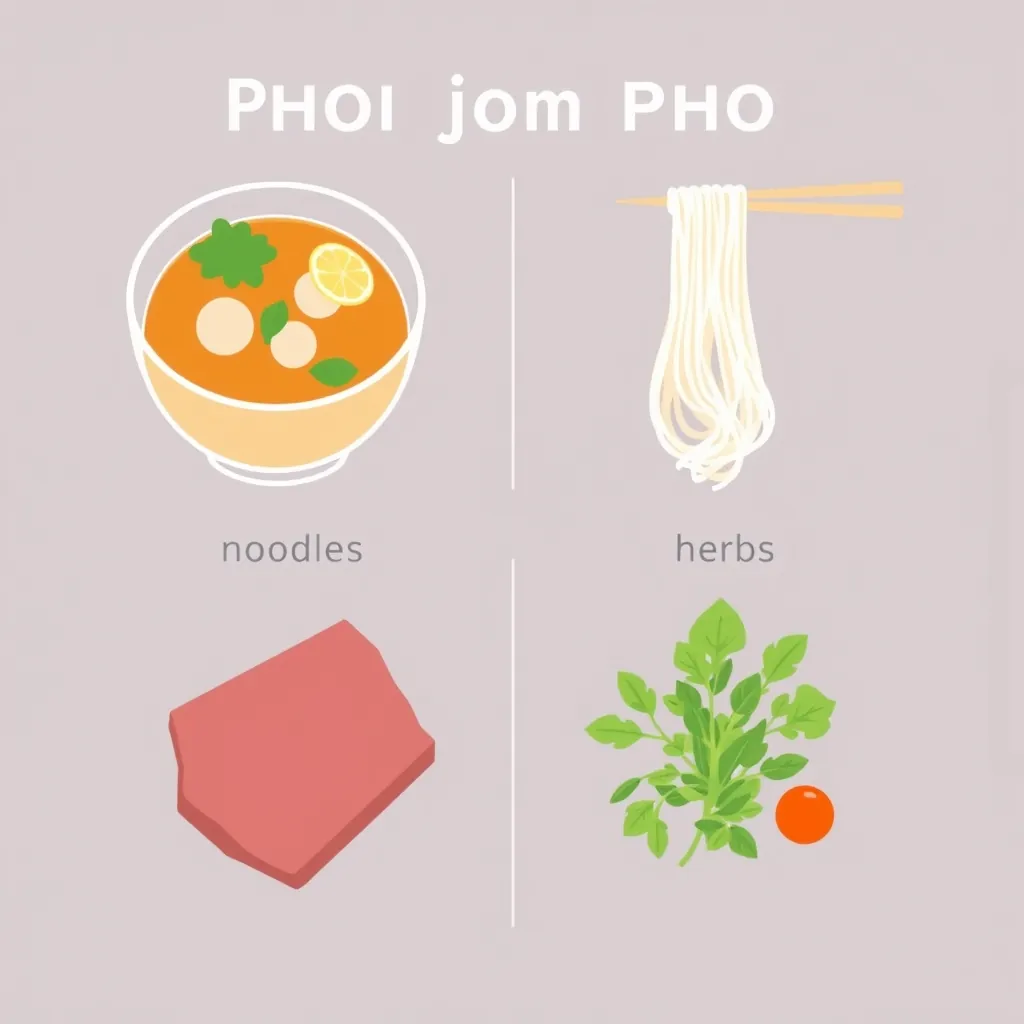
Ingredients: The Complete Shopping List
Gathering the right ingredients is half the battle. Do not substitute key aromatics. Here is what you need for a classic Pho Bo (beef pho).
For the Broth
- Beef bones: 2 kg of marrow bones and oxtail for richness.
- Beef cuts: 500g of brisket or flank for meat that will be sliced later.
- Aromatics: 2 large onions, a 10 cm piece of ginger, 6 star anise, 4 cloves, 1 cinnamon stick, 1 tablespoon coriander seeds.
- Seasoning: 3 tablespoons fish sauce (nuoc mam), 1 tablespoon rock sugar (or brown sugar), salt to taste.
For the Bowl
- Noodles: 500g dried flat rice noodles (banh pho).
- Raw beef: 300g eye round or sirloin, sliced paper-thin.
- Garnishes: Fresh bean sprouts, Thai basil, lime wedges, sliced red chili, hoisin sauce, sriracha.
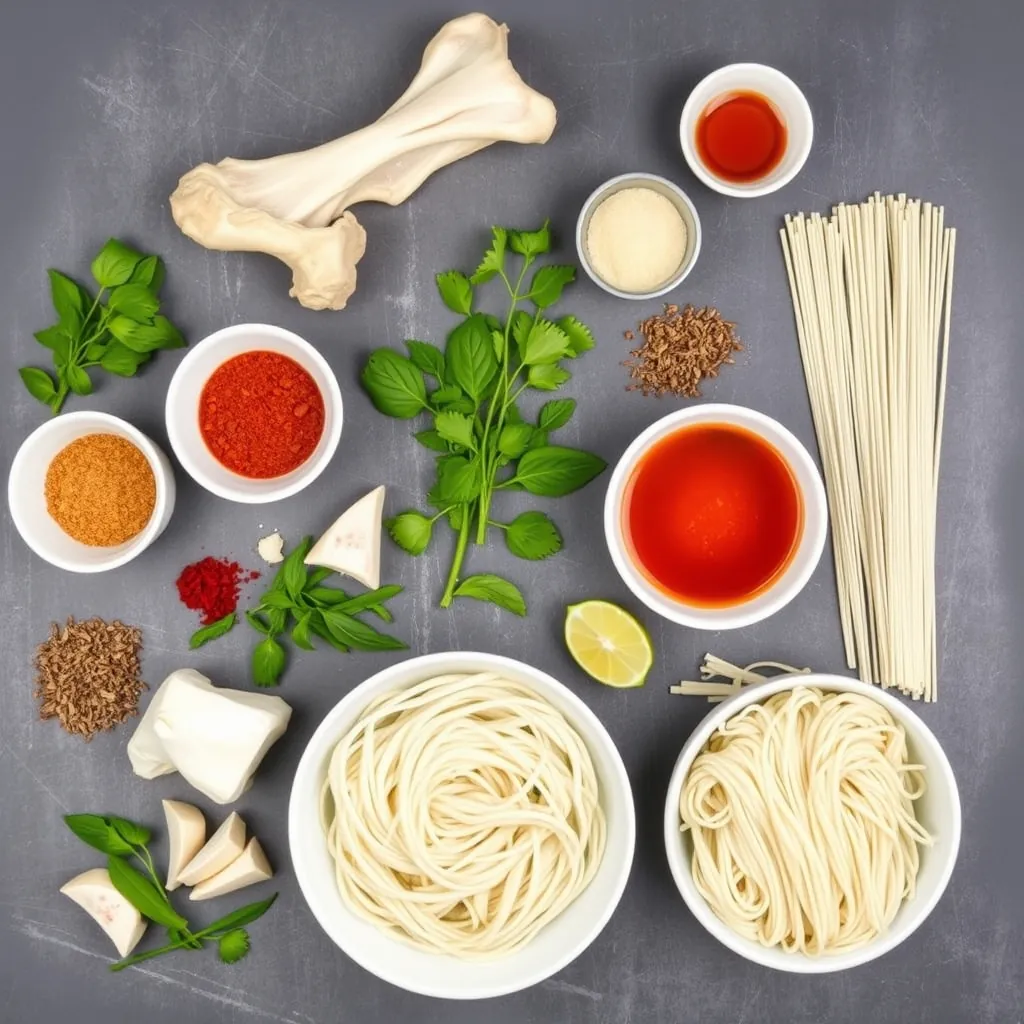
How to Make the Perfect Broth
This is the most critical phase. Patience is not optional. Skimming is mandatory.
Step 1: Blance the Bones
Place the beef bones and brisket in a large stockpot. Cover with cold water and bring to a boil. Boil for 5 minutes. This releases impurities. Drain the water and rinse the bones thoroughly under cold water. This step ensures a clear broth.
Step 2: Char the Aromatics
While the bones blanch, char the onions and ginger. Place them directly over a gas flame or under a broiler. Turn them until the skins are blackened and blistered. This imparts a deep, smoky sweetness. Do not skip this.
Step 3: Simmer the Broth
Return the bones and brisket to the cleaned pot. Add 4 liters of fresh water. Add the charred onions and ginger. Toast the star anise, cloves, cinnamon, and coriander seeds in a dry pan for 1 minute until fragrant. Tie them in a cheesecloth bag or add them directly. Bring to a gentle simmer. Do not let it boil vigorously. Simmer for 3 to 4 hours for a good broth, or up to 6 hours for an exceptional one.
Step 4: Skim and Season
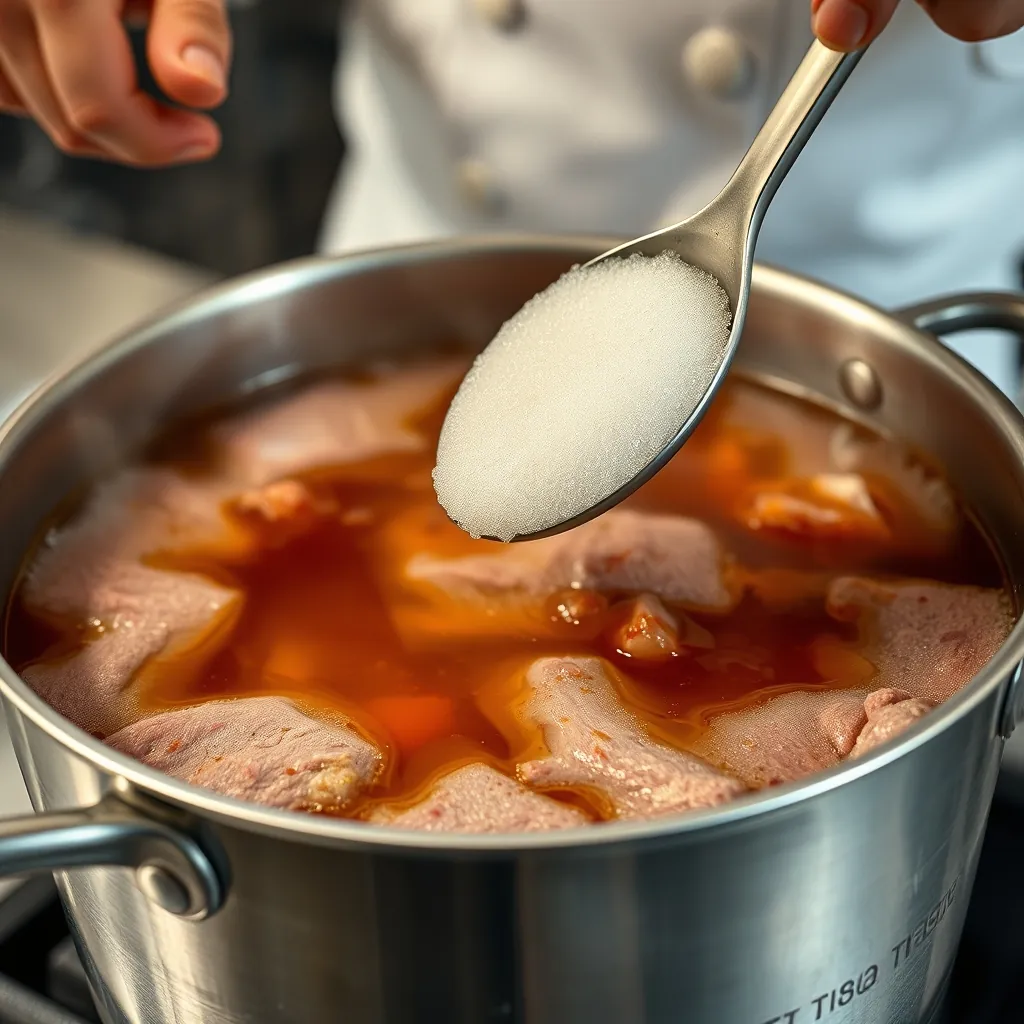
Every 30 minutes, use a ladle to skim off any foam and fat that rises to the surface. This is what keeps the broth clear. After 2 hours, remove the brisket. It should be tender. Let it cool, then slice it thinly. Continue simmering the bones. After 3 hours, strain the broth through a fine-mesh sieve. Discard the solids. Season the broth with fish sauce and rock sugar. Taste and adjust. The broth should be savory, slightly sweet, and deeply aromatic.
How to Slice Raw Beef Paper-Thin (No Meat Slicer)
This is a common hurdle. Raw beef must be thin enough to cook in the hot broth in seconds. Here is the trick. Place the eye round in the freezer for 45 to 60 minutes. It should be firm but not frozen solid. Use a sharp chef’s knife to slice across the grain. Aim for slices 1 to 2 millimeters thick. This method works reliably without expensive equipment.
Assembling the Bowl
Speed matters here. The broth must be boiling hot when it hits the bowl.
- Cook the noodles: Boil the rice noodles according to package directions. They usually need 3 to 5 minutes. Drain immediately and rinse with cold water to stop cooking. Divide into bowls.
- Add the cooked meat: Place slices of the cooked brisket on one side of the noodles.
- Add the raw meat: Arrange the paper-thin raw beef slices on the other side.
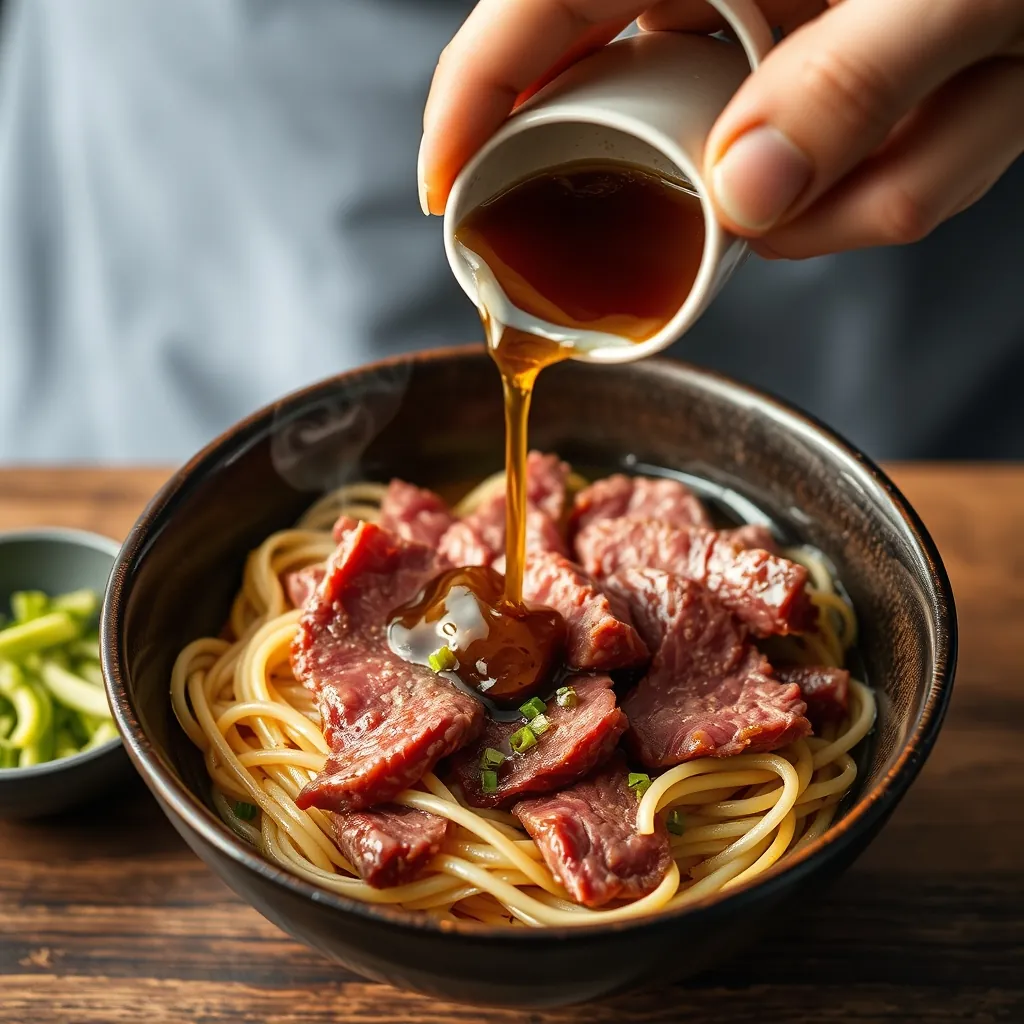
- Pour the broth: Bring the strained broth to a rolling boil. Ladle it directly over the raw beef. The heat will cook it instantly.
- Serve immediately: Present the bowl with a plate of garnishes: bean sprouts, Thai basil, lime wedges, and sliced chili. Offer hoisin sauce and sriracha on the side.
How to Make Pho Chay (Vegetarian/Vegan Pho)
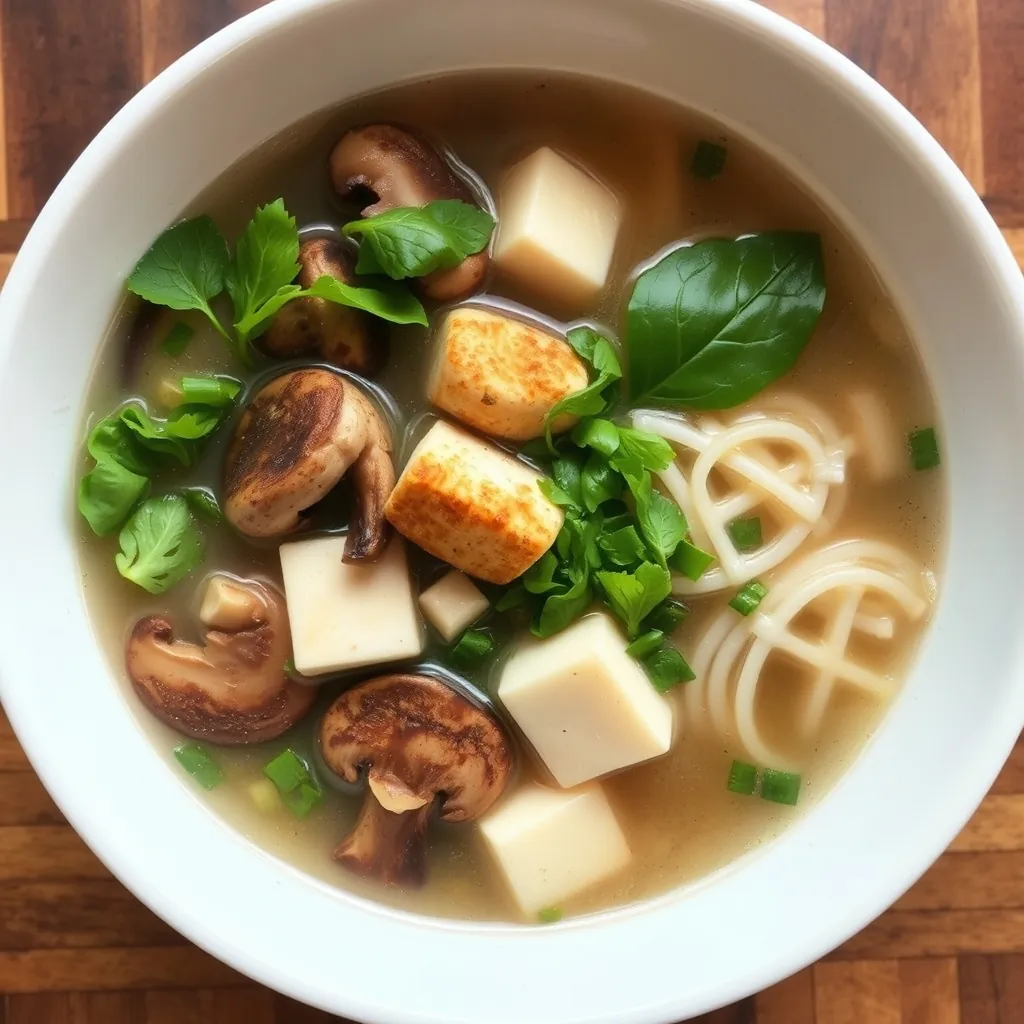
Most recipes ignore plant-based eaters. Here is how to adapt. Replace beef bones with a mix of dried shiitake mushrooms and king oyster mushrooms. Use a large piece of kombu (kelp) for umami. Char the onions and ginger as usual. Simmer the mushrooms and kombu in water for 45 minutes. Remove the kombu before it becomes slimy. Season with tamari or soy sauce instead of fish sauce. Add cubes of firm tofu or fried tofu puffs as the protein. The result is a clean, earthy broth that satisfies.
Broth Adjustments for Dietary Restrictions
You can tailor the broth to specific needs without losing flavor.
- Low-sodium: Use less fish sauce. Add a squeeze of lime juice and extra charred onion to boost flavor without salt.
- Gluten-free: Standard fish sauce is naturally gluten-free. However, some brands add wheat. Use Red Boat or a similar pure fish sauce. Replace hoisin sauce with a gluten-free version or skip it.
- Low-fat: After straining the broth, refrigerate it for 2 hours. The fat will solidify on top. Scrape it off. Reheat gently.
Troubleshooting Common Problems
Even experienced cooks hit snags. Here is how to fix them.
| Problem | Cause | Solution |
|---|---|---|
| Broth is cloudy | Boiled too hard, did not skim enough | Next time, keep a gentle simmer and skim frequently. For now, strain through a coffee filter. |
| Broth is too fatty | Too much marrow, not skimmed | Refrigerate and remove solidified fat. Or use a fat separator. |
| Broth is too salty | Too much fish sauce | Add a peeled potato and simmer for 20 minutes. The potato absorbs salt. Remove it before serving. |
| Noodles are sticking | Overcooked or not rinsed | Cook them al dente. Rinse with cold water immediately. Toss with a tiny bit of oil. |
Store-Bought vs. Homemade Broth: The Trade-Off
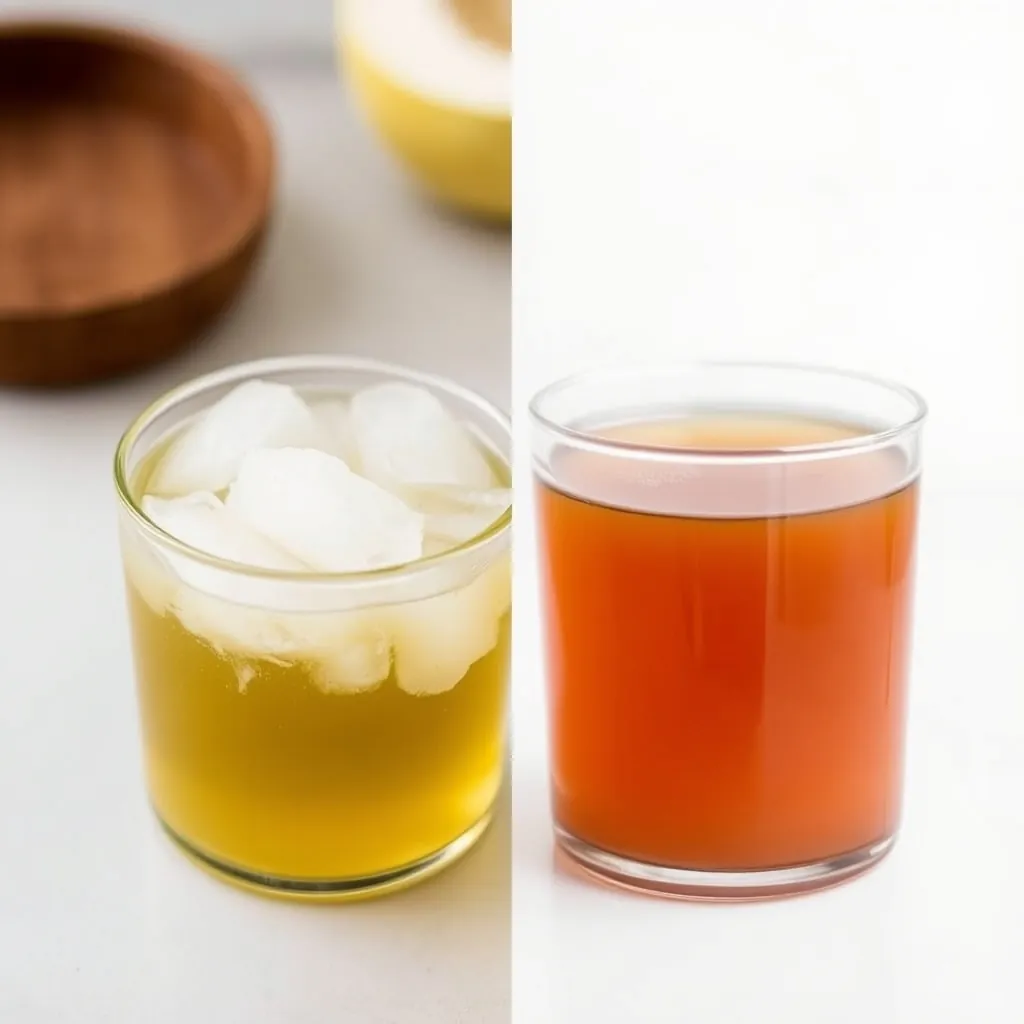
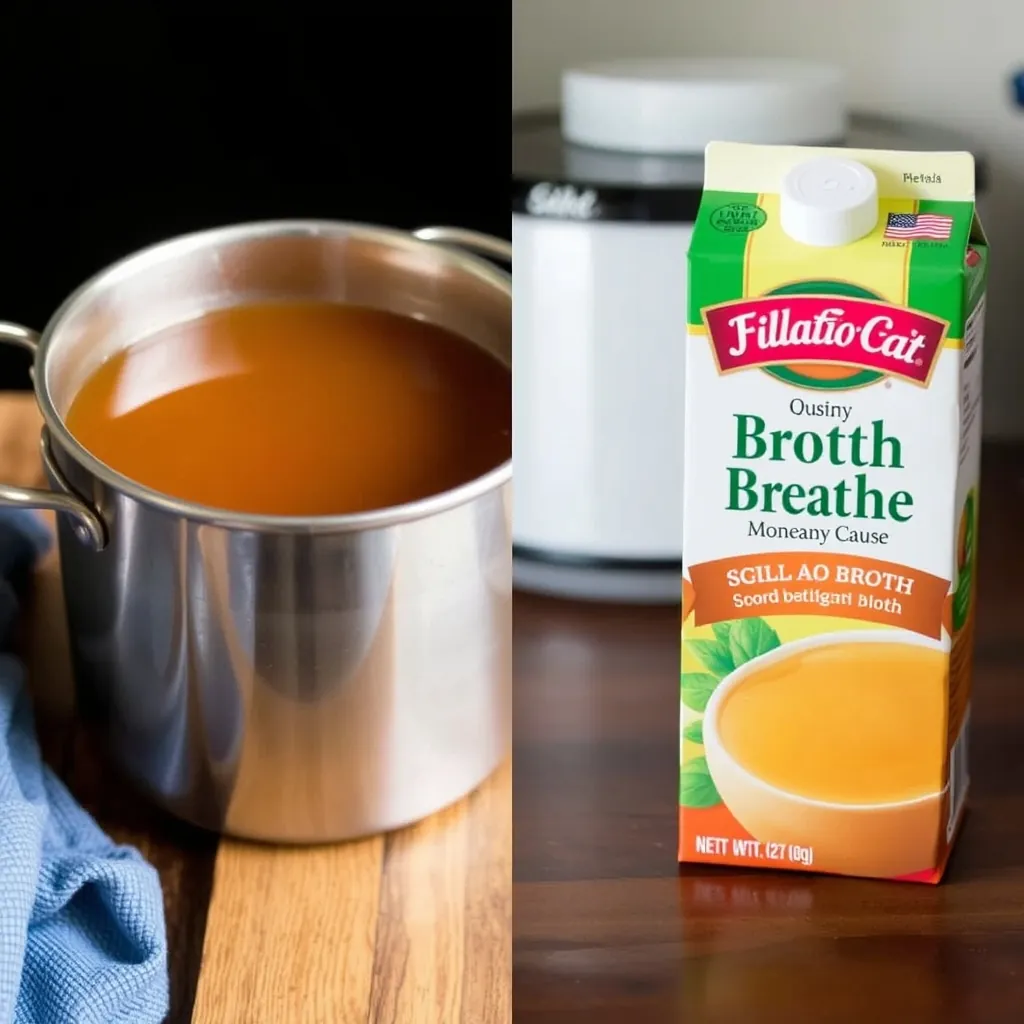
Homemade broth costs about $15 to $20 for a large batch. It takes 4 to 6 hours of active and passive time. The flavor is unmatched. High-quality store-bought pho broth (available at Asian markets) costs around $8 to $10 per liter. It saves time but often lacks depth and contains preservatives. For a quick weeknight meal, store-bought is acceptable. For a weekend project or special occasion, make your own. You will taste the difference.
Cultural Etiquette: How to Eat Pho
Understanding the customs enhances the experience. Here are the rules.
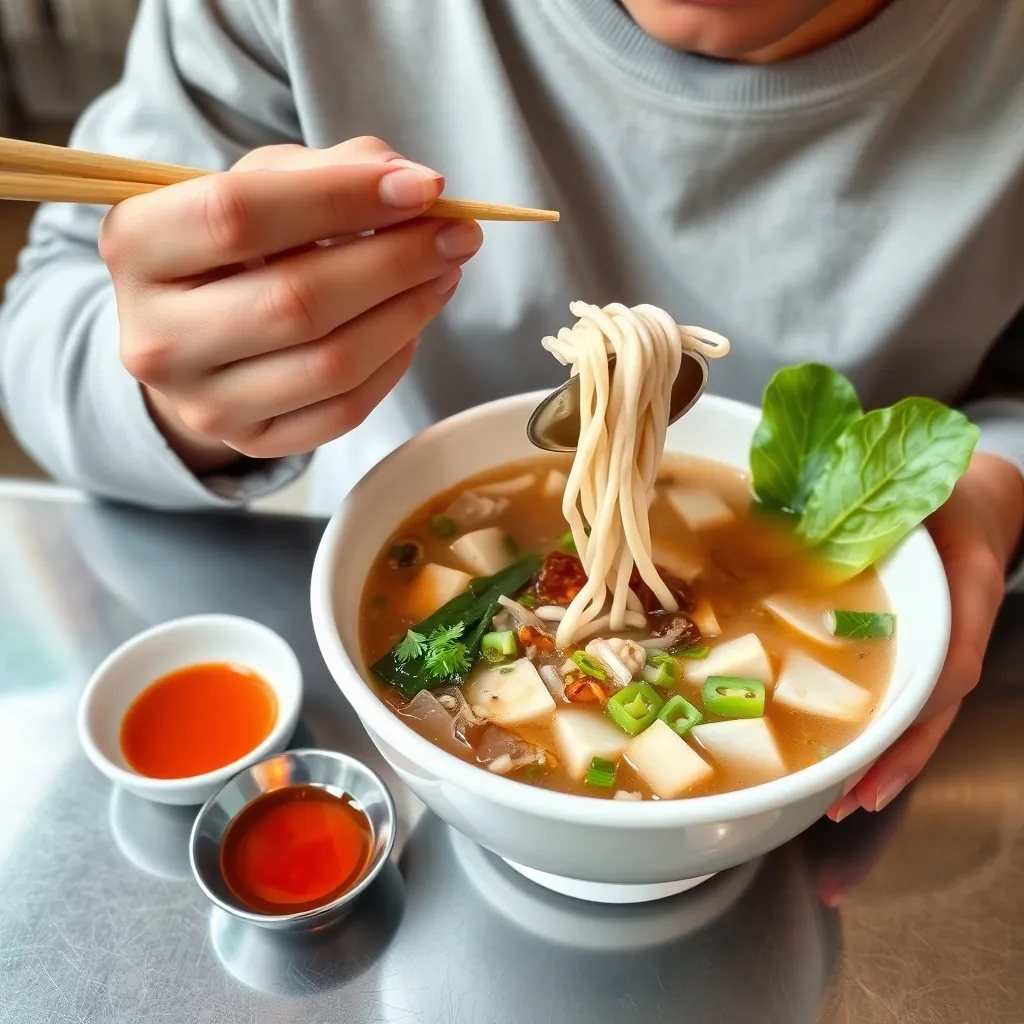
- Slurping is encouraged. It aerates the broth and cools it down. It also signals enjoyment to the cook.
- Do not dump all sauces in at once. Dip your beef into a small dish of hoisin and sriracha mixed together. Taste the broth first before adding chili or lime.
- Use chopsticks for noodles and meat. Use the porcelain spoon for the broth. Do not lift the bowl to your mouth.
- Eat the herbs. Tear the Thai basil leaves and add them to your bowl. They are not decoration.
Storage and Reheating
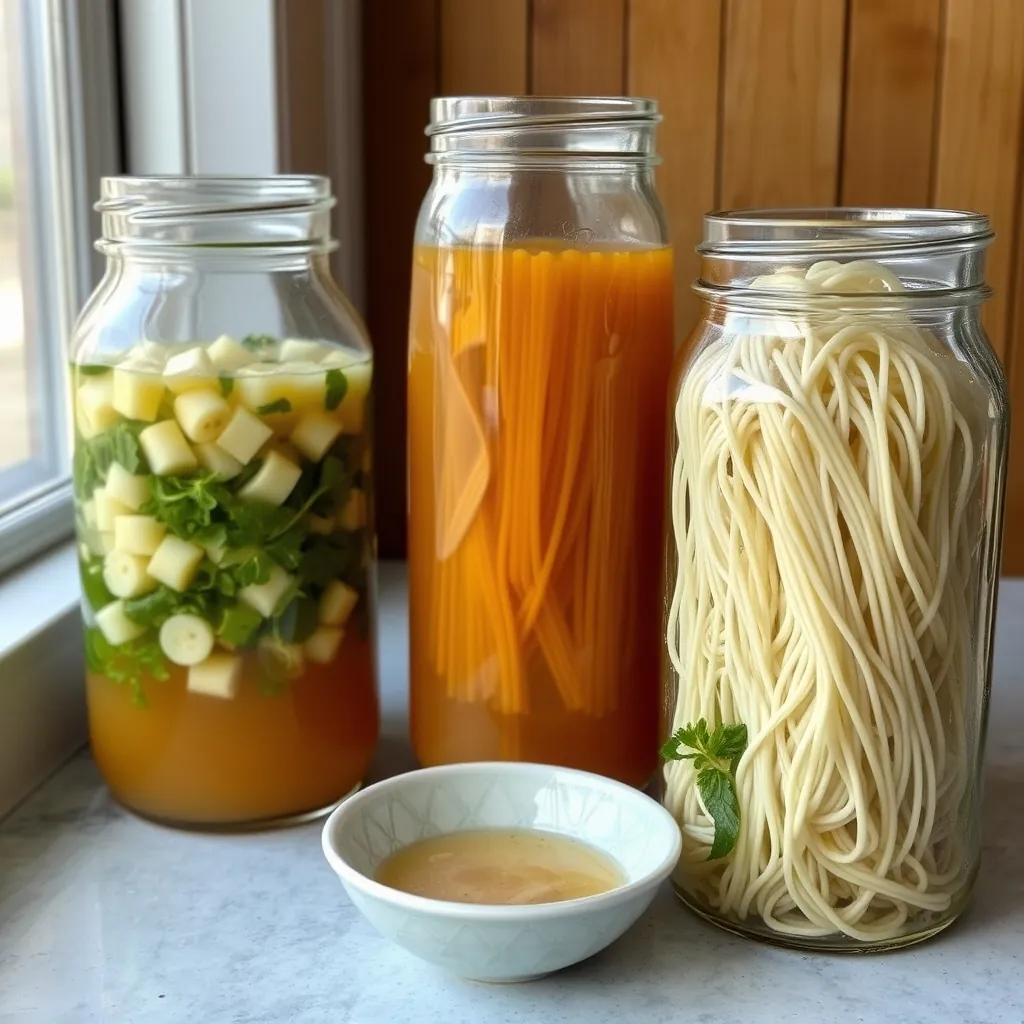
Store the broth and noodles separately. Broth keeps in the fridge for 4 days or in the freezer for 3 months. Noodles should be eaten fresh. If you must store them, toss them in a little oil and refrigerate. To reheat, bring the broth to a boil. Pour it over the noodles and raw beef as usual. Do not microwave the noodles. They will turn to paste.
Mastering pho requires practice. Focus on the broth. Respect the ingredients. Use the troubleshooting guide when things go wrong. With this knowledge, you can cook a bowl that rivals any restaurant in Hanoi or Ho Chi Minh City.
Leave a Reply