Your cart is currently empty!
The Definitive Kung Pao Chicken Guide (2024)
The Authentic Roots of Kung Pao Chicken
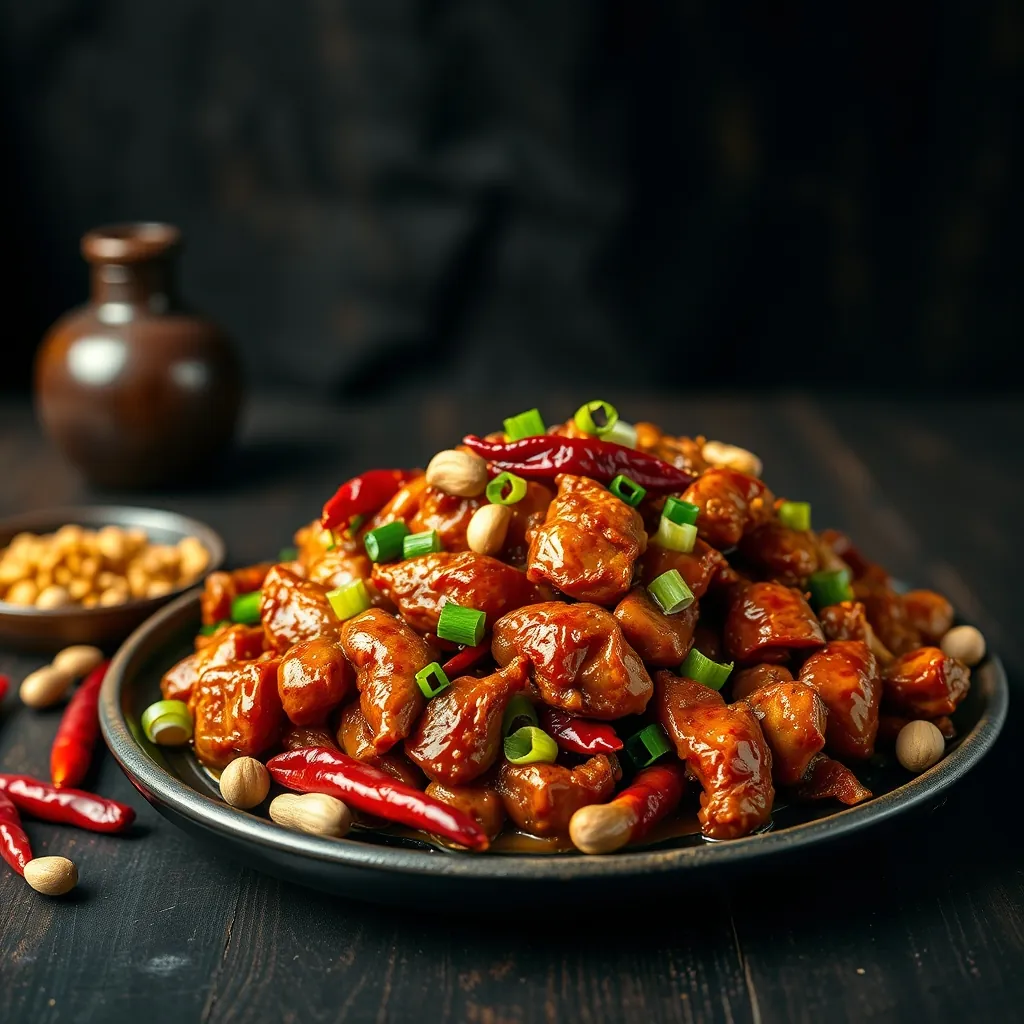
Kung Pao Chicken is a cornerstone of Sichuan cuisine. Its fame rests on a unique sensory experience: the numbing heat of Sichuan peppercorns paired with the fiery kick of dried red chilies. This dish is not just about heat. It is a study in balance. The sauce brings sweet, sour, and savory elements together. The chicken stays tender and juicy. The peanuts add a final, satisfying crunch. Understanding its origins helps you appreciate why each component is essential.
The dish hails from Sichuan province in southwestern China. It was named after Ding Baozhen, a Qing dynasty official known as “Gong Bao” (Palace Guardian). His love for spicy diced chicken led to the creation of this classic. Over time, it spread globally, but authentic versions always rely on two key ingredients: Sichuan peppercorns and dried chilies.
Essential Ingredients for the Perfect Dish
The Aromatics and Spices
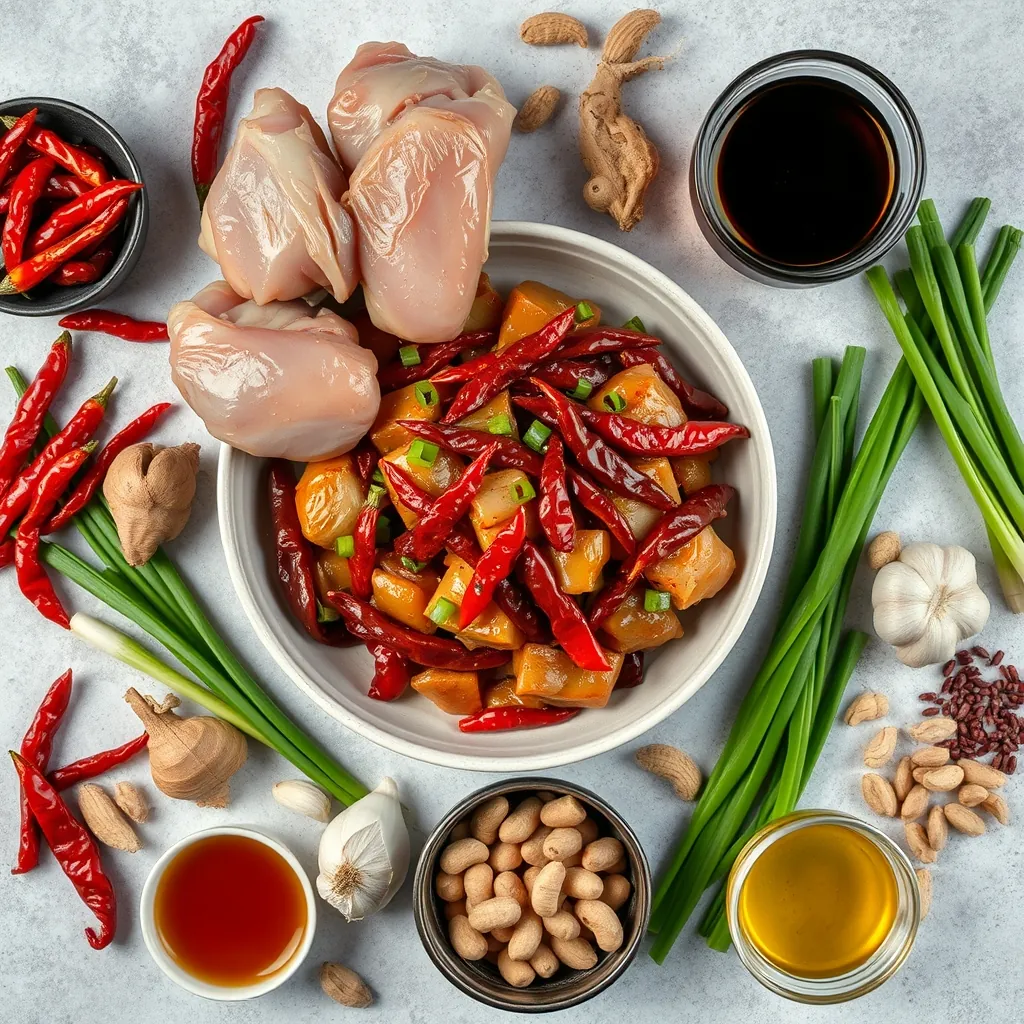
- Dried red chilies (干辣椒): Use small, fiery varieties like Tianjin or facing heaven chilies. Deseed them and cut them into 1-inch sections. Frying them releases their smoky heat without making the dish unbearably hot.
- Sichuan peppercorns (花椒): These tiny husks create the signature “ma la” (numbing and spicy) sensation. Toast them lightly before grinding or use them whole.
- Scallions, ginger, and garlic: Fresh aromatics are non-negotiable. Slice scallions into 1-inch pieces. Mince ginger and garlic finely.
The Protein
- Chicken thighs: Boneless, skinless thighs offer superior moisture and flavor compared to breasts. They hold up better to high-heat stir-frying.
The Sauce Components
- Light soy sauce: Provides saltiness and umami.
- Dark soy sauce: Adds color and a deeper, sweeter flavor.
- Chinkiang vinegar (Zhenjiang vinegar): A black rice vinegar with a complex, slightly sweet acidity. It is irreplaceable for authenticity.
- Sugar: Balances the heat and acidity. Use white or brown sugar.
- Cornstarch slurry: Thickens the sauce to a glossy finish.
The Crunch
- Roasted peanuts or cashews: Add them at the very end to preserve their texture. Unroasted nuts will become soggy.
Step-by-Step Cooking Method
Step 1: Velvet the Chicken
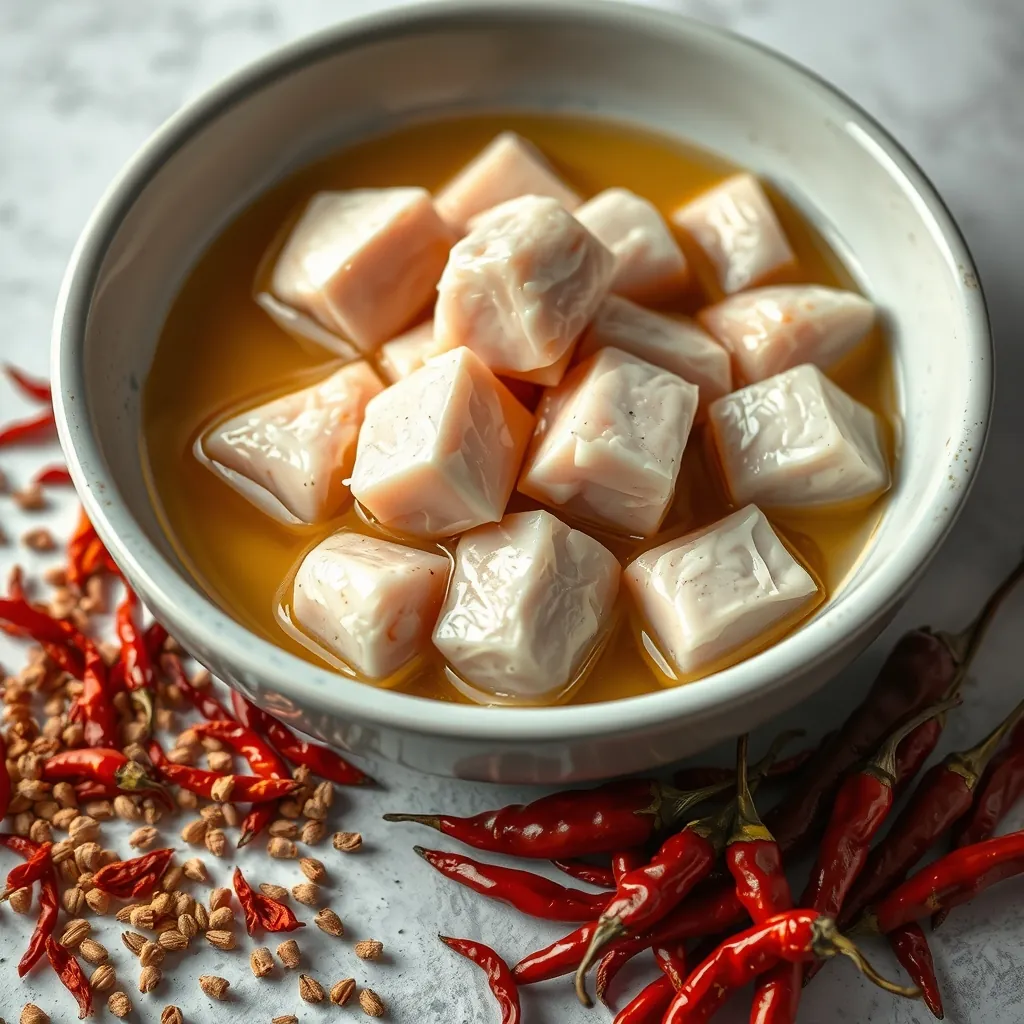
Tender chicken is the heart of this dish. The technique is called “velveting.”
- Cut 1 pound of chicken thighs into 1-inch cubes.
- Mix 1 tablespoon of rice wine (or dry sherry), 1 tablespoon of light soy sauce, 1 teaspoon of cornstarch, and 1 beaten egg white.
- Coat the chicken evenly. Let it rest for 15 minutes at room temperature.
- This step seals in moisture and creates a silky texture that resists drying out.
Step 2: Prepare the Sauce
Mix the following in a small bowl:
- 2 tablespoons light soy sauce
- 1 tablespoon dark soy sauce
- 2 tablespoons Chinkiang vinegar
- 2 tablespoons sugar
- 1 teaspoon sesame oil
- 1 tablespoon cornstarch dissolved in 2 tablespoons water
- Set aside.
Step 3: Stir-Fry with High Heat
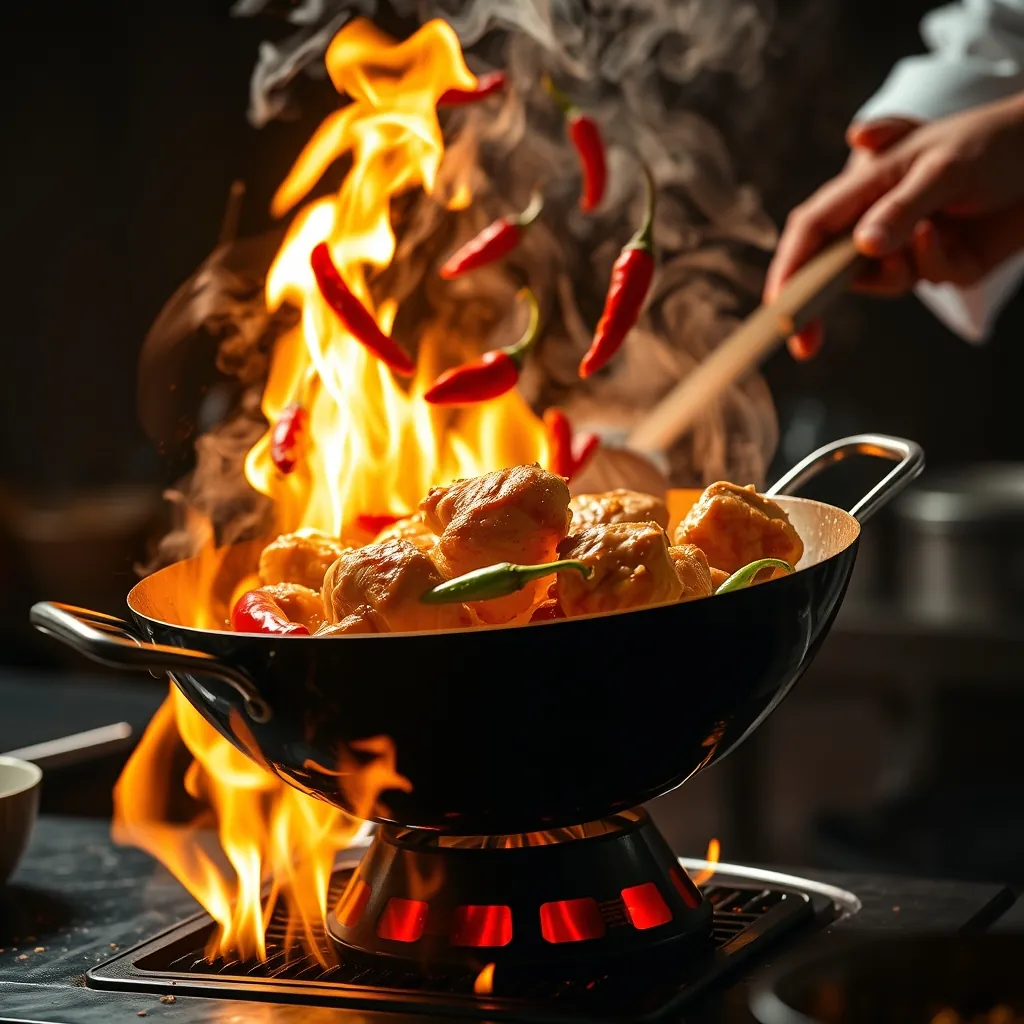
- Heat a wok over high heat until smoking. Add 2 tablespoons of vegetable oil.
- Add 10-15 dried chilies and 1 teaspoon of Sichuan peppercorns. Fry for 15 seconds until fragrant but not burnt.
- Add the velveted chicken. Spread it in a single layer. Let it sear for 30 seconds, then stir-fry for 1 minute until lightly browned.
- Push chicken to the side. Add minced ginger and garlic. Stir for 10 seconds.
- Add the sauce mixture. Toss everything together. The sauce will thicken rapidly.
- Add scallion pieces and roasted peanuts. Toss for 10 seconds. Serve immediately.
Precise Spice Level Adjustments
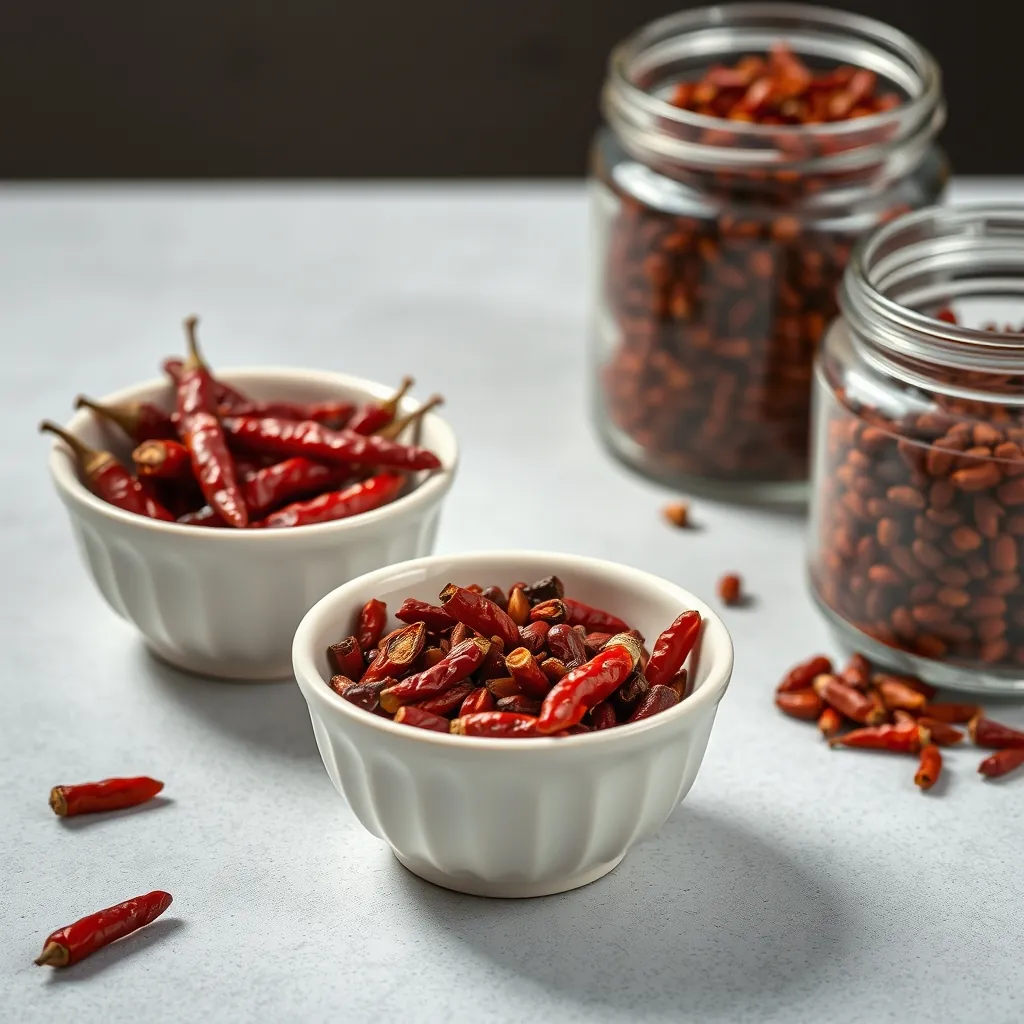
Controlling heat is crucial for different palates. Do not just remove chilies. That kills the flavor. Instead, use these methods:
- Mild heat: Use only 5-6 dried chilies. Add a pinch of chili flakes for color without intense heat.
- Medium heat: Use 10-12 chilies and 1 teaspoon of Sichuan peppercorns. Remove seeds from half the chilies.
- Extreme heat: Use 20 chilies with seeds intact. Add 1.5 teaspoons of Sichuan peppercorns. Finish with a drizzle of chili oil.
- Numbing focus: Reduce chilies to 5. Increase Sichuan peppercorns to 2 teaspoons. Crush them finely for maximum “ma” effect.
Ingredient Substitution Guide
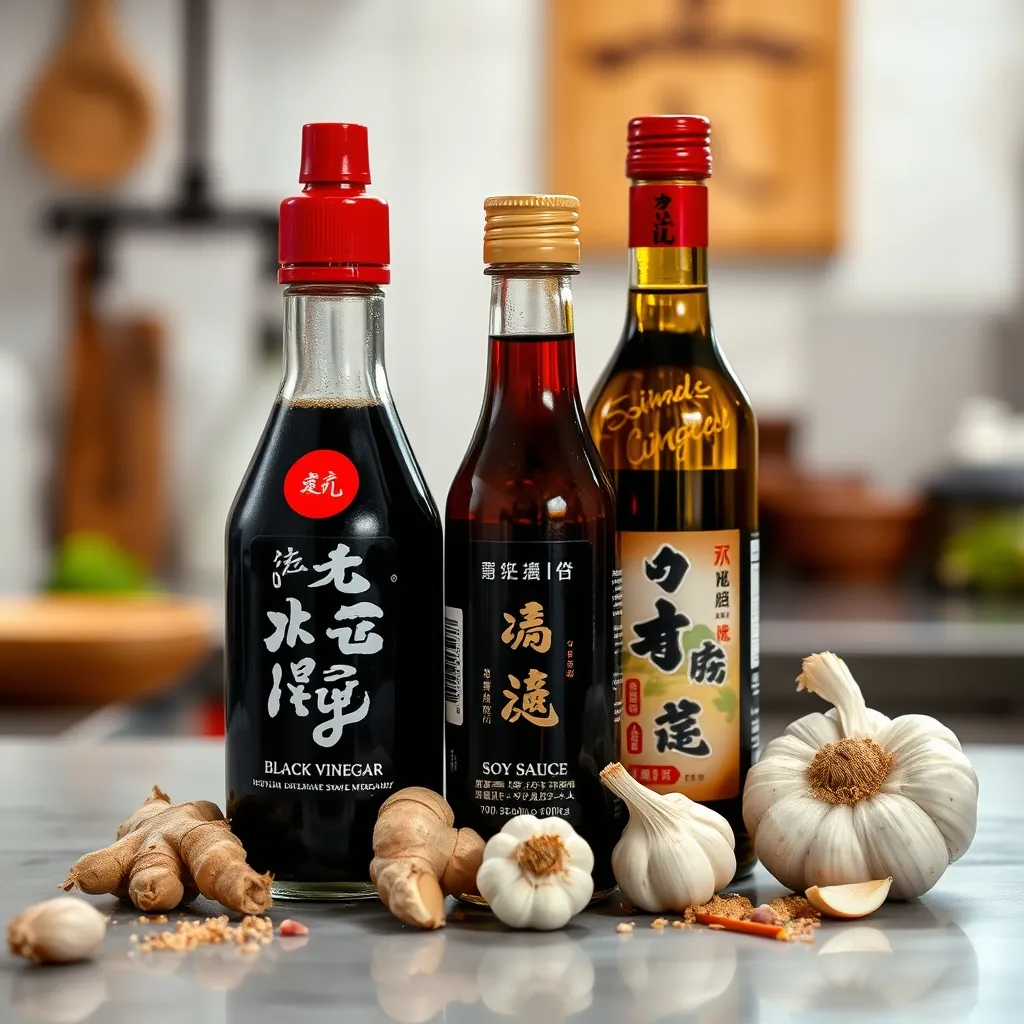
Missing a key ingredient? Use these tested swaps:
- Chinkiang vinegar: Mix 1 tablespoon of balsamic vinegar with 1 tablespoon of rice vinegar. The sweetness and acidity come close.
- Dried red chilies: Use 1 teaspoon of red pepper flakes or gochugaru (Korean chili flakes) per chili replaced.
- Sichuan peppercorns: Combine 1 teaspoon of black peppercorns with 1/2 teaspoon of ground coriander. You lose the numbing effect but gain warmth.
- Rice wine: Dry sherry or sake works perfectly. In a pinch, use 1 tablespoon of water plus 1/2 teaspoon of sugar.
- Peanuts: Roasted cashews, almonds, or sunflower seeds provide similar crunch.
Dietary Modifications
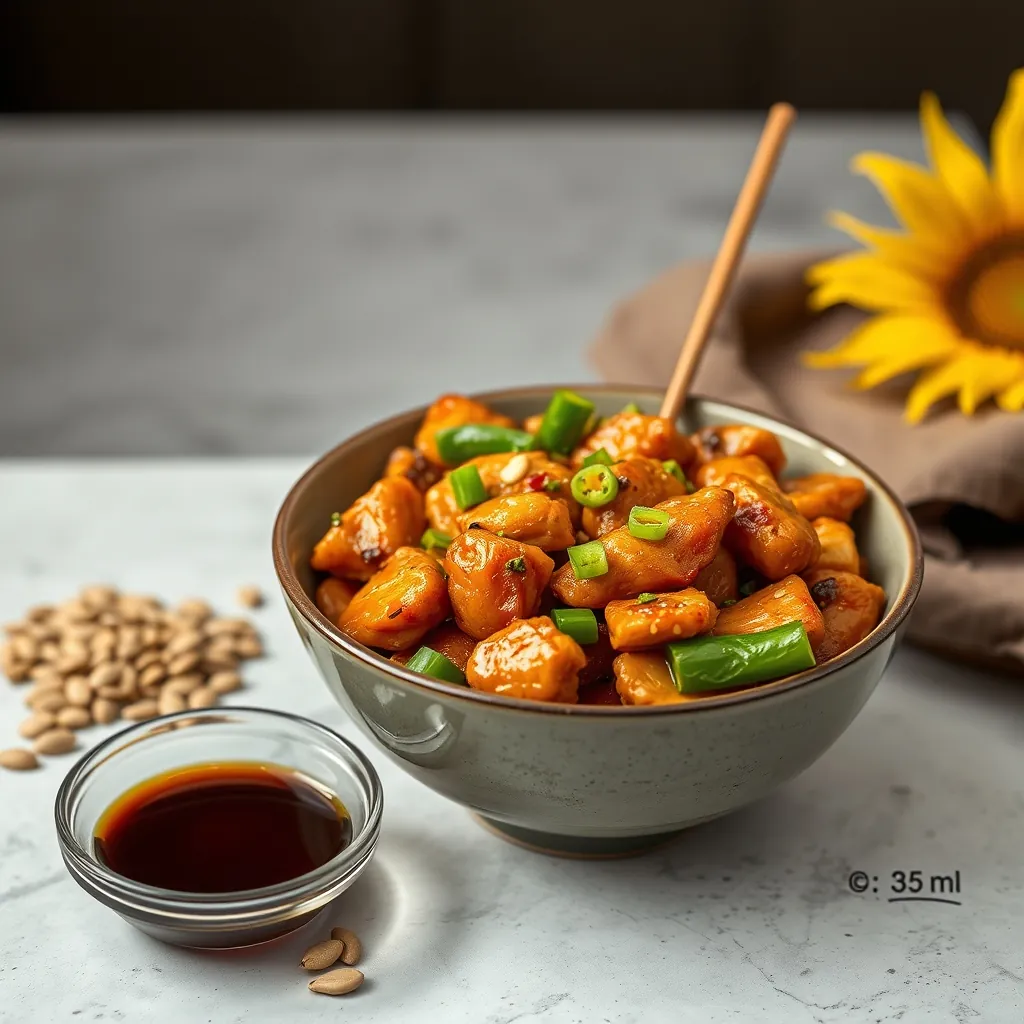
- Gluten-free: Replace light and dark soy sauce with tamari or coconut aminos. Ensure rice wine is labeled gluten-free.
- Low-sodium: Use low-sodium soy sauce. Omit dark soy sauce. Add a pinch of salt to compensate.
- Nut-free: Substitute peanuts with roasted pumpkin seeds or sesame seeds.
- Lower fat: Use chicken breast instead of thighs. Reduce oil to 1 tablespoon. Skip the egg white in velveting.
Troubleshooting Common Problems
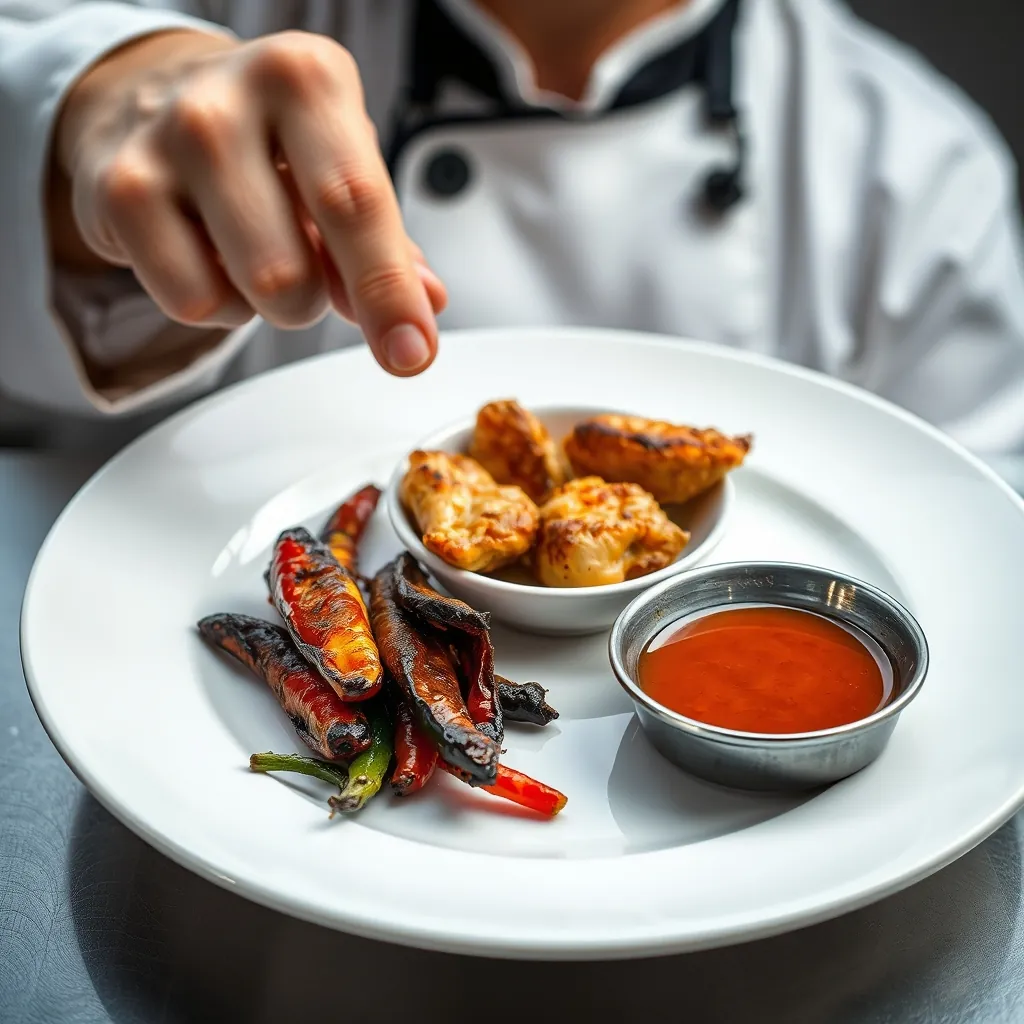
- Chicken is dry: You overcooked it. Stir-fry only until just done. Velveting helps, but do not leave chicken in the wok longer than 2 minutes total.
- Sauce is too thin: Your cornstarch slurry was insufficient. Double the cornstarch in the sauce. Ensure the wok is very hot so the sauce reduces quickly.
- Chilies are burnt: The oil was too hot or you fried them too long. Add chilies to the wok, stir for 10 seconds, then immediately add chicken.
- Dish is too salty: Soy sauce brands vary. Start with less. You can always add more salt at the table.
- No wok hei (smoky flavor): Your wok is not hot enough. Heat it until you see light smoke. Use a metal spatula to toss ingredients constantly.
Cultural Significance Beyond the Kitchen
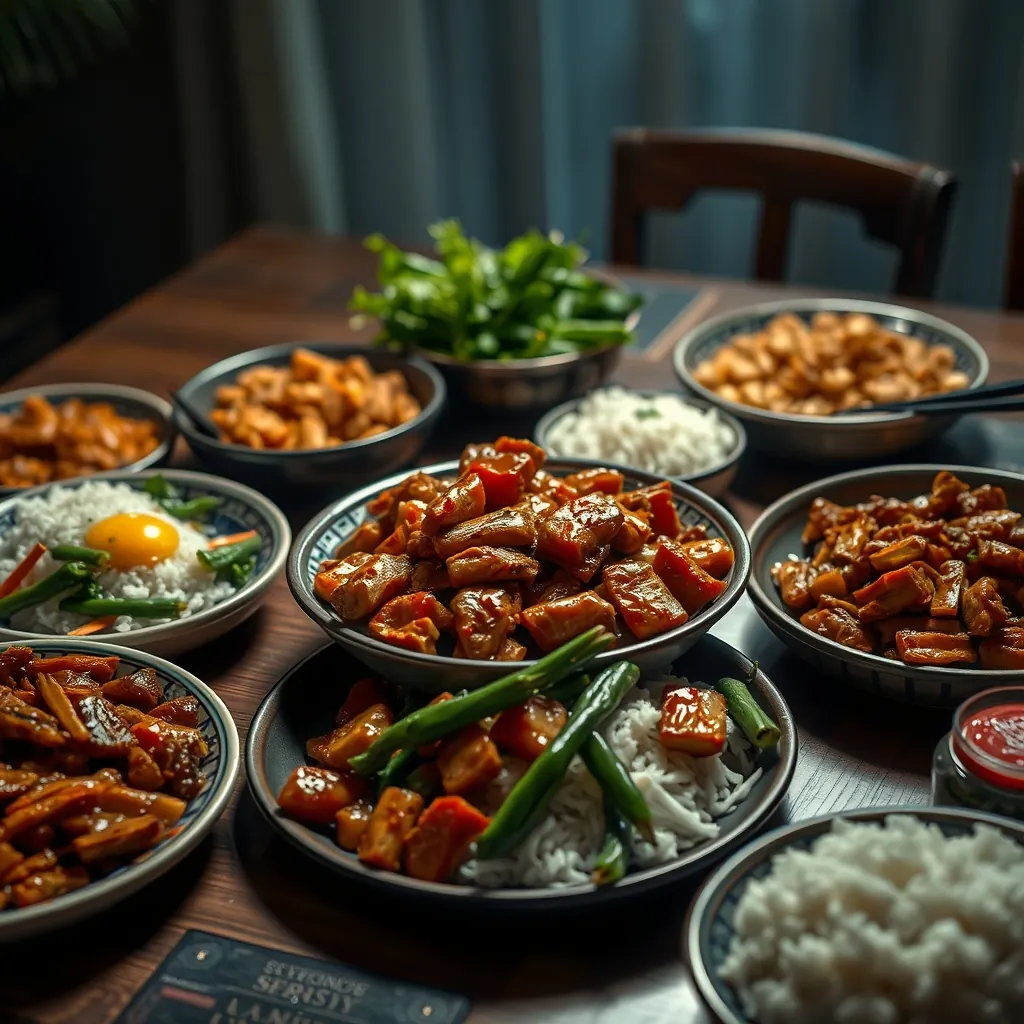
Kung Pao Chicken is more than a recipe. It represents the Sichuan philosophy of balancing flavors. In Sichuan homes, it is a staple for family meals and festive gatherings. The dish embodies the region’s love for bold, complex tastes. It is often served alongside simple steamed rice and a green vegetable. This balance of rich and plain reflects a deep culinary wisdom: let the star dish shine without distraction. Eating it is a shared experience, with everyone digging into the same wok of fragrant, spicy chicken.
What to Serve with Kung Pao Chicken
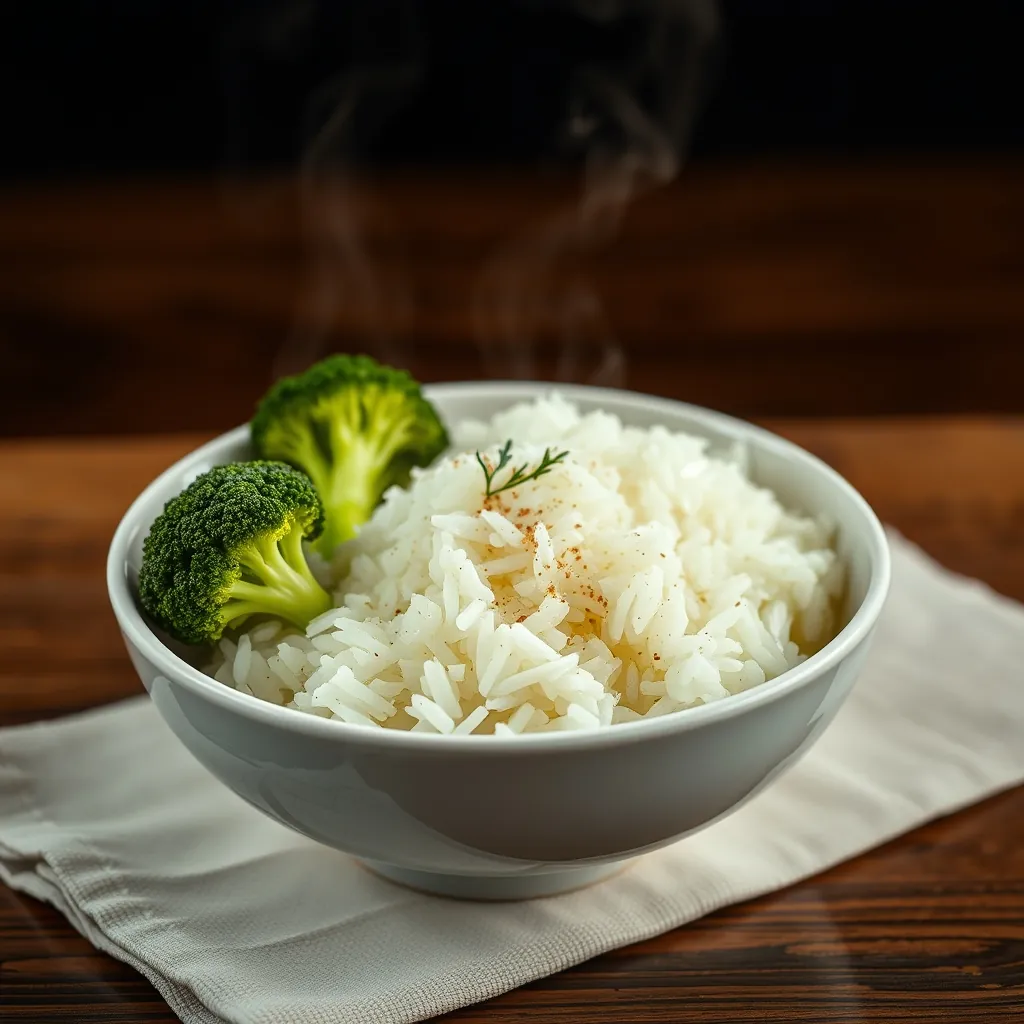
- Steamed jasmine rice: The neutral base absorbs the spicy sauce perfectly.
- Stir-fried bok choy or Chinese broccoli: A light, crunchy green vegetable contrasts the richness.
- Egg drop soup: A mild, comforting soup balances the heat.
- Cold cucumber salad: The cool, refreshing crunch is a classic Sichuan side.
Storage and Reheating
- Store leftovers in an airtight container in the refrigerator for up to 3 days.
- Reheat in a hot wok or skillet over high heat. Add a splash of water to revive the sauce.
- Do not microwave. It makes the chicken rubbery and the peanuts soggy.
- For best results, enjoy fresh. The chilies and peanuts lose their texture overnight.
Nutritional Information
Per serving (approximately 1 cup, without rice):
- Calories: 380-420
- Protein: 25g
- Fat: 22g
- Carbohydrates: 15g
- Fiber: 2g
- Sugar: 8g
- Sodium: 900-1100mg (varies by soy sauce brand)
Kung Pao Chicken
Master spicy Sichuan Kung Pao Chicken with this guide. Learn the authentic recipe, ingredient swaps, spice adjustments, and common fixes for perfect results.
Ingredients
- 1 pound boneless, skinless chicken thighs, cut into 1-inch cubes
- 1 tablespoon rice wine (or dry sherry)
- 1 tablespoon light soy sauce
- 1 teaspoon cornstarch
- 1 beaten egg white
- 2 tablespoons light soy sauce
- 1 tablespoon dark soy sauce
- 2 tablespoons Chinkiang vinegar
- 2 tablespoons sugar
- 1 teaspoon sesame oil
- 1 tablespoon cornstarch dissolved in 2 tablespoons water
- 2 tablespoons vegetable oil
- 10-15 dried red chilies, deseeded and cut into 1-inch sections
- 1 teaspoon Sichuan peppercorns
- 1 teaspoon minced ginger
- 1 teaspoon minced garlic
- 4 scallions, cut into 1-inch pieces
- 1/2 cup roasted peanuts
Instructions
- Cut 1 pound of chicken thighs into 1-inch cubes.
- Mix 1 tablespoon of rice wine (or dry sherry), 1 tablespoon of light soy sauce, 1 teaspoon of cornstarch, and 1 beaten egg white.
- Coat the chicken evenly. Let it rest for 15 minutes at room temperature.
- Mix 2 tablespoons light soy sauce, 1 tablespoon dark soy sauce, 2 tablespoons Chinkiang vinegar, 2 tablespoons sugar, 1 teaspoon sesame oil, and 1 tablespoon cornstarch dissolved in 2 tablespoons water in a small bowl. Set aside.
- Heat a wok over high heat until smoking. Add 2 tablespoons of vegetable oil.
- Add 10-15 dried chilies and 1 teaspoon of Sichuan peppercorns. Fry for 15 seconds until fragrant but not burnt.
- Add the velveted chicken. Spread it in a single layer. Let it sear for 30 seconds, then stir-fry for 1 minute until lightly browned.
- Push chicken to the side. Add minced ginger and garlic. Stir for 10 seconds.
- Add the sauce mixture. Toss everything together. The sauce will thicken rapidly.
- Add scallion pieces and roasted peanuts. Toss for 10 seconds. Serve immediately.
Leave a Reply