Your cart is currently empty!
The Definitive Guide to Homemade Margherita Pizza (2024)
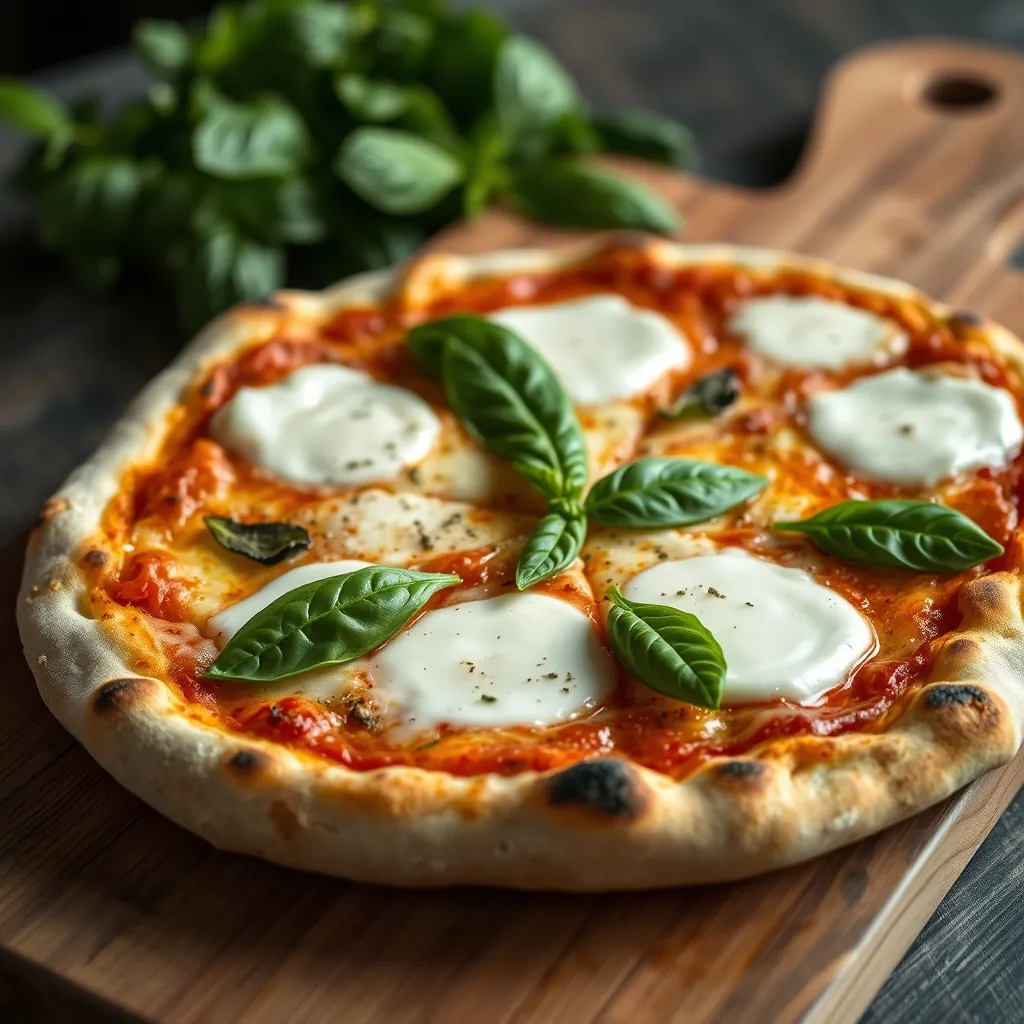
A classic Margherita pizza is a study in simplicity. Just four main ingredients create a dish that has defined Neapolitan cuisine for over a century. Most home cooks struggle with a soggy center, pale crust, or bland sauce. This guide addresses those exact problems. You will learn the precise ratios, temperatures, and techniques to replicate pizzeria quality in your own kitchen.
Understanding the Dough: Protein, Hydration, and Fermentation
The crust is the foundation of any great pizza. For a chewy, crisp, and flavorful base, you need the right flour, water ratio, and time.
Start with high-protein bread flour. It contains 12 to 14 percent protein, which builds strong gluten networks. All-purpose flour, with its lower protein content, produces a softer, less structured crust. If you must use all-purpose flour, reduce the water by 5 percent to maintain the correct dough consistency.
Water temperature directly controls yeast activity. For same-day dough, use water between 105°F and 115°F (40°C to 46°C). Cold water below 50°F (10°C) slows fermentation significantly. For a 24-hour cold ferment, use cool tap water around 60°F (15°C). The yeast will activate slowly in the refrigerator, building complex flavor without over-proofing.
A 24-hour cold fermentation is the secret to a superior crust. It allows enzymes to break down starches into sugars, which creates those dark, flavorful blisters on the crust. It also relaxes the gluten, making the dough easier to stretch without tearing.
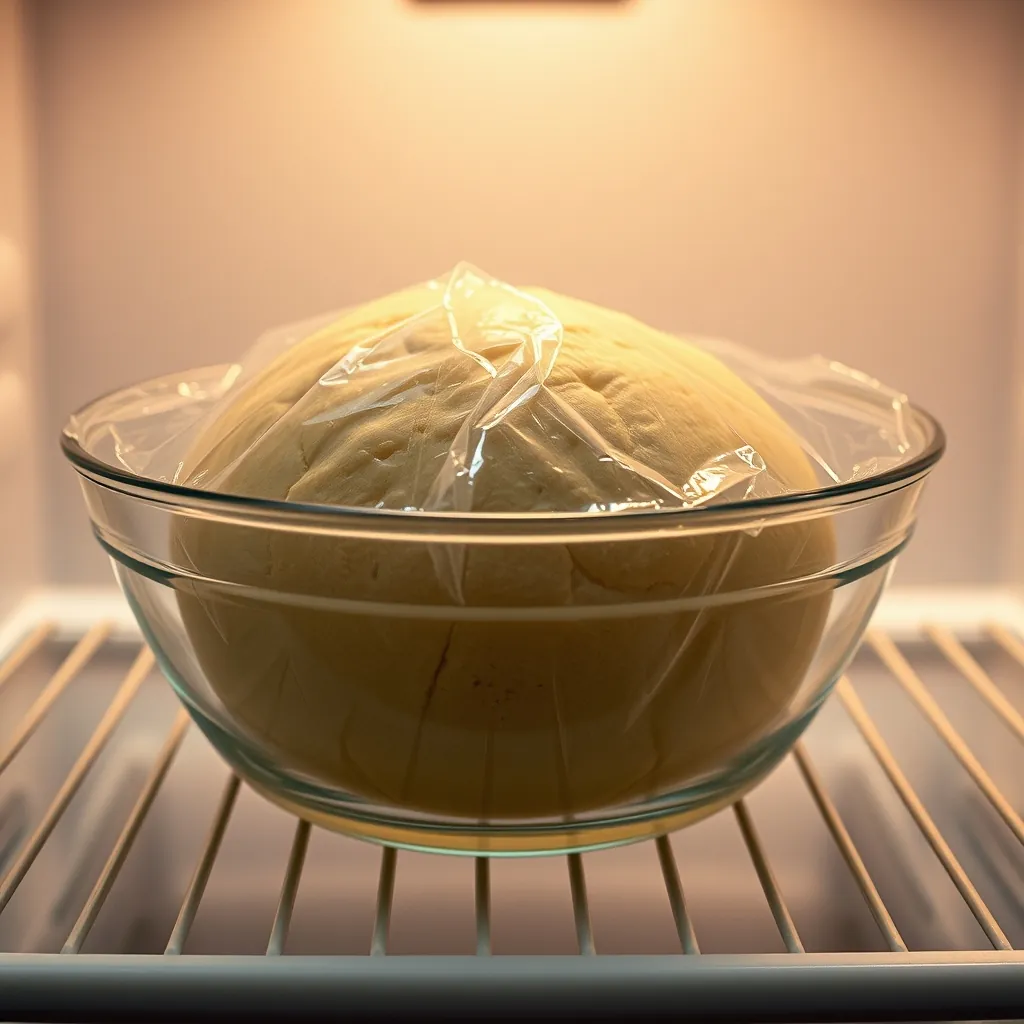
For a single 12-inch pizza, use 260 grams of bread flour, 170 grams of water (65% hydration), 8 grams of salt, and 2 grams of instant yeast. Mix until no dry flour remains. Let it rest for 20 minutes. Then knead for 8 minutes until smooth. Place it in an oiled bowl, cover, and refrigerate for 24 hours.
The Sauce: Unlocking the Bright Flavor of Tomatoes
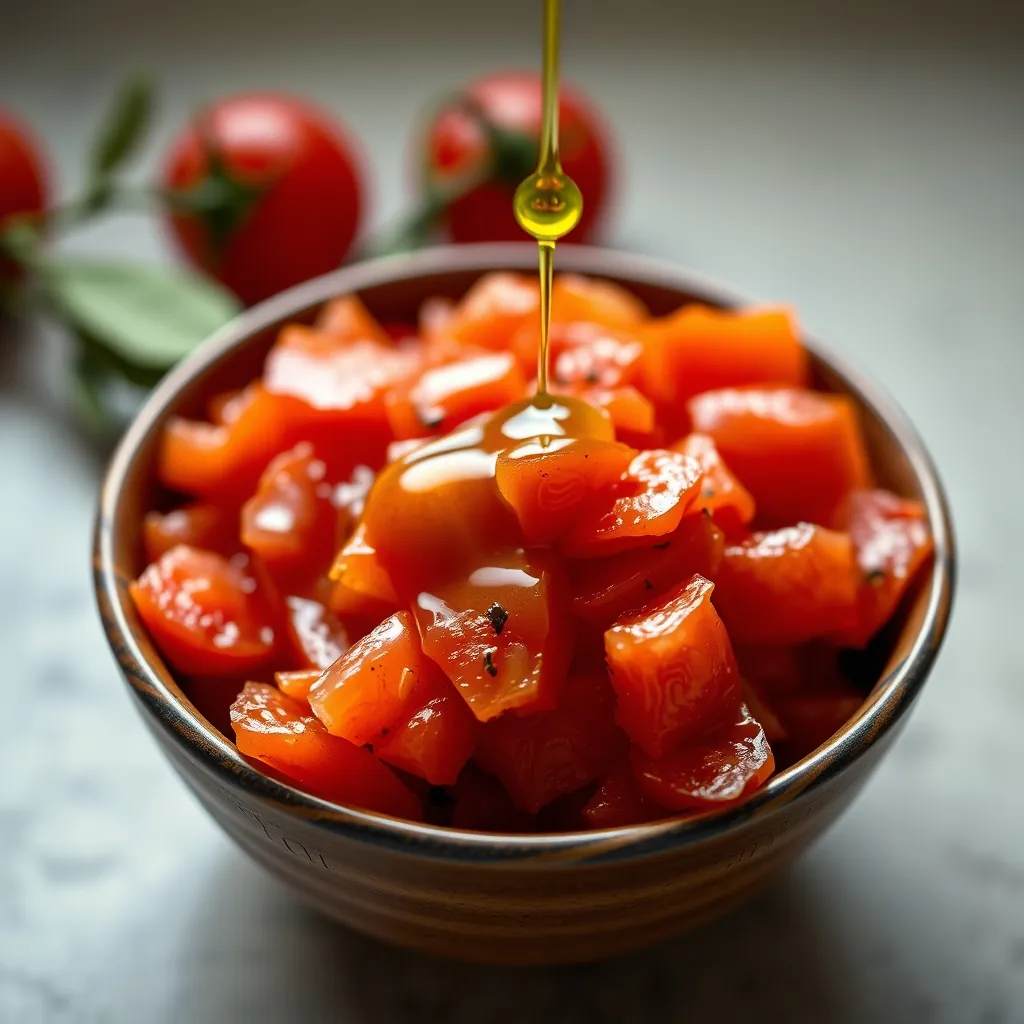
Authentic Margherita sauce is not cooked. Heat destroys the fresh, grassy notes of high-quality tomatoes. Use whole San Marzano tomatoes, which are naturally sweet and low in acidity. Crush them by hand or with a potato masher. Add a generous pinch of fine sea salt and a tablespoon of extra-virgin olive oil. That is the complete recipe.
Avoid adding garlic, oregano, or sugar. These ingredients mask the pure tomato flavor. The sauce should be a thin, chunky layer, not a thick paste. Spread only 3 to 4 tablespoons over the dough. Too much sauce creates a wet surface that prevents the cheese from browning.
Cheese and Toppings: Precision is Everything
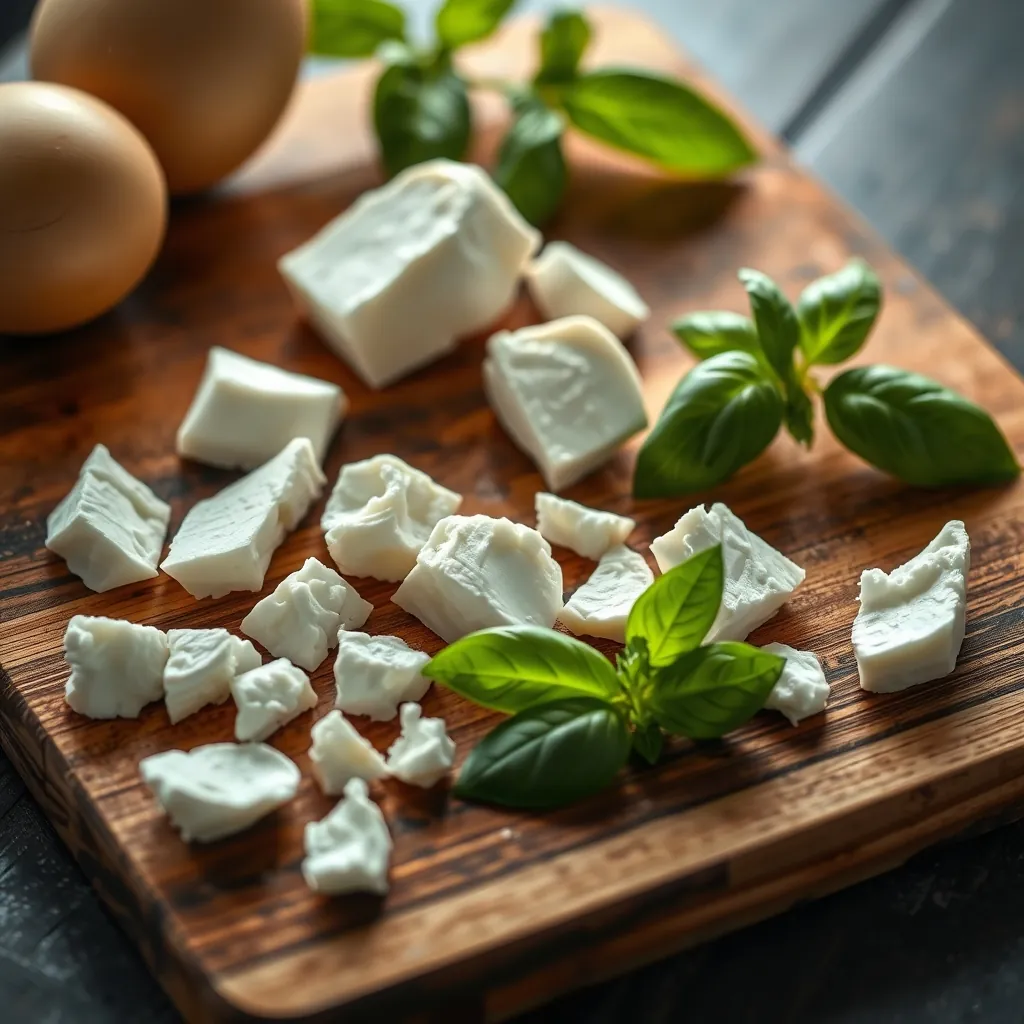
Fresh mozzarella is non-negotiable. Use fior di latte (cow’s milk) or buffalo mozzarella (richer and creamier). Remove the cheese from its brine at least one hour before use. Pat it dry with paper towels to remove excess moisture. Wet cheese releases water during baking, which turns the center of the pizza into a soggy mess.
Tear the mozzarella into 1-inch pieces, do not slice it. Torn pieces have irregular edges that brown beautifully. For a 12-inch pizza, use 110 grams of mozzarella. Spreading it evenly ensures full coverage without overwhelming the crust.
Add the mozzarella in two stages. Place half on the pizza before baking. Add the remaining half halfway through the bake. This technique prevents the cheese from burning while allowing the first layer to melt into the sauce.
Finish with fresh basil leaves after the pizza comes out of the oven. Baking basil turns it black and bitter. A final drizzle of extra-virgin olive oil adds richness and sheen.
Baking: How to Get a Charred Crust in a Home Oven
A standard home oven cannot reach the 800°F (430°C) of a wood-fired oven. But you can still achieve a puffy, charred crust with the right setup. The key is a preheated pizza steel or stone. Steel conducts heat faster than stone, which helps brown the bottom crust more aggressively.
Place the steel or stone on the highest oven rack. Preheat the oven to 550°F (290°C) for at least 45 minutes. The thermal mass must be fully saturated. If your oven only reaches 500°F (260°C), extend the preheat to one hour.
To replicate the charred leopard spotting of Neapolitan pizza, use the broiler for the final minute. After the pizza has baked for 6 to 8 minutes, switch the oven to broil. Watch closely. The crust should develop dark spots in 30 to 60 seconds. Rotate the pizza halfway through for even charring.
Troubleshoot common issues. A pale bottom crust means the steel or stone was not hot enough. Increase preheat time or move the rack lower. Uneven browning indicates the pizza was not rotated. Set a timer for 4 minutes and rotate the pizza 180 degrees. A soggy center means the dough was too thick in the middle or the toppings were too wet. Stretch the center thinner and pat the mozzarella more thoroughly.
Shaping and Assembly: The Final Steps
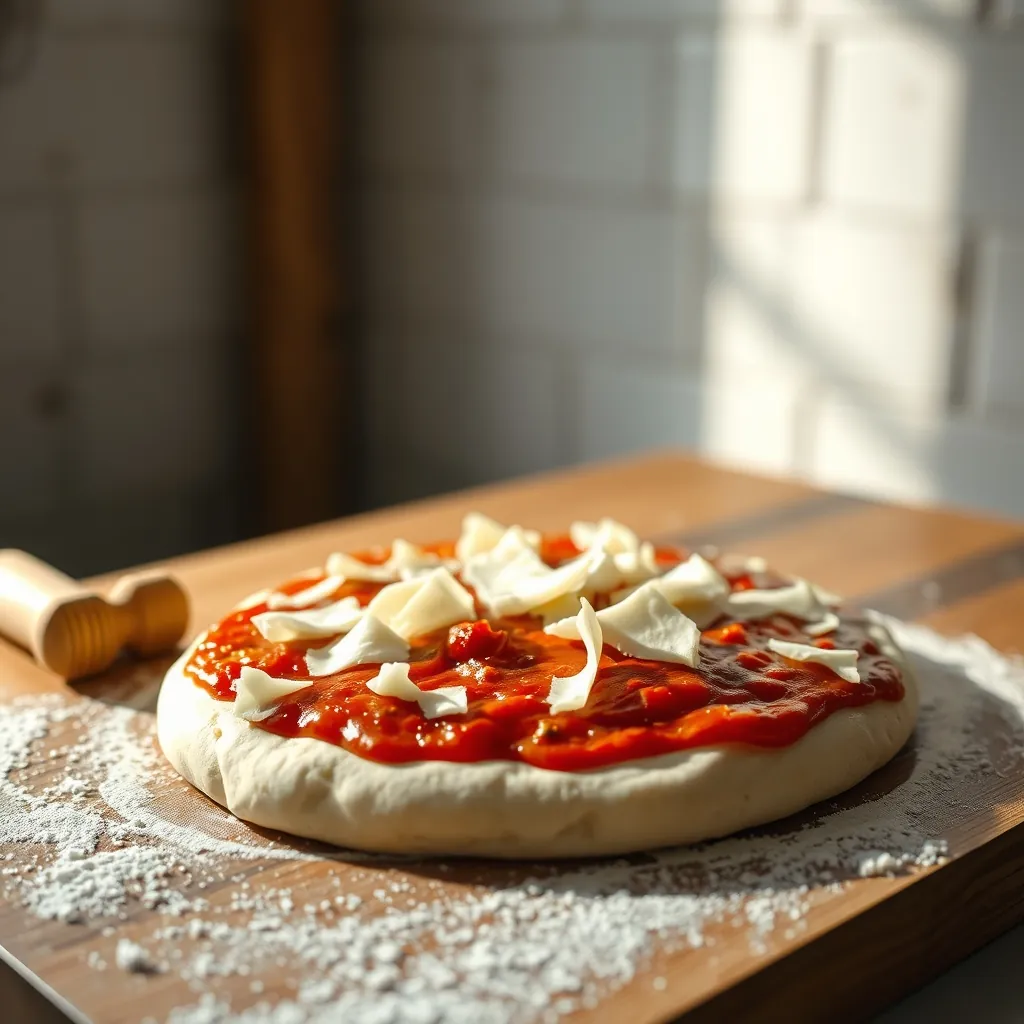
Remove the dough from the refrigerator 2 hours before baking. Let it come to room temperature. Cold dough is stiff and tears easily. Flour your work surface and your hands. Use a gentle touch. Press the dough into a disk, then stretch it by draping it over your knuckles. Let gravity do the work. Do not use a rolling pin, which forces out all the gas bubbles.
Aim for a 12-inch circle with a slightly thicker rim, about half an inch high. The center should be thin enough to see light through it. Transfer the stretched dough to a floured pizza peel or the back of a baking sheet. Give the peel a shake to ensure the dough slides freely.
Spread the sauce, leaving a one-inch border for the crust. Add the first half of the mozzarella. Slide the pizza onto the hot steel. Bake for 6 minutes. Add the remaining mozzarella. Bake for another 2 to 3 minutes. Finish under the broiler for 30 seconds. Top with fresh basil and a drizzle of olive oil. Slice and serve immediately.
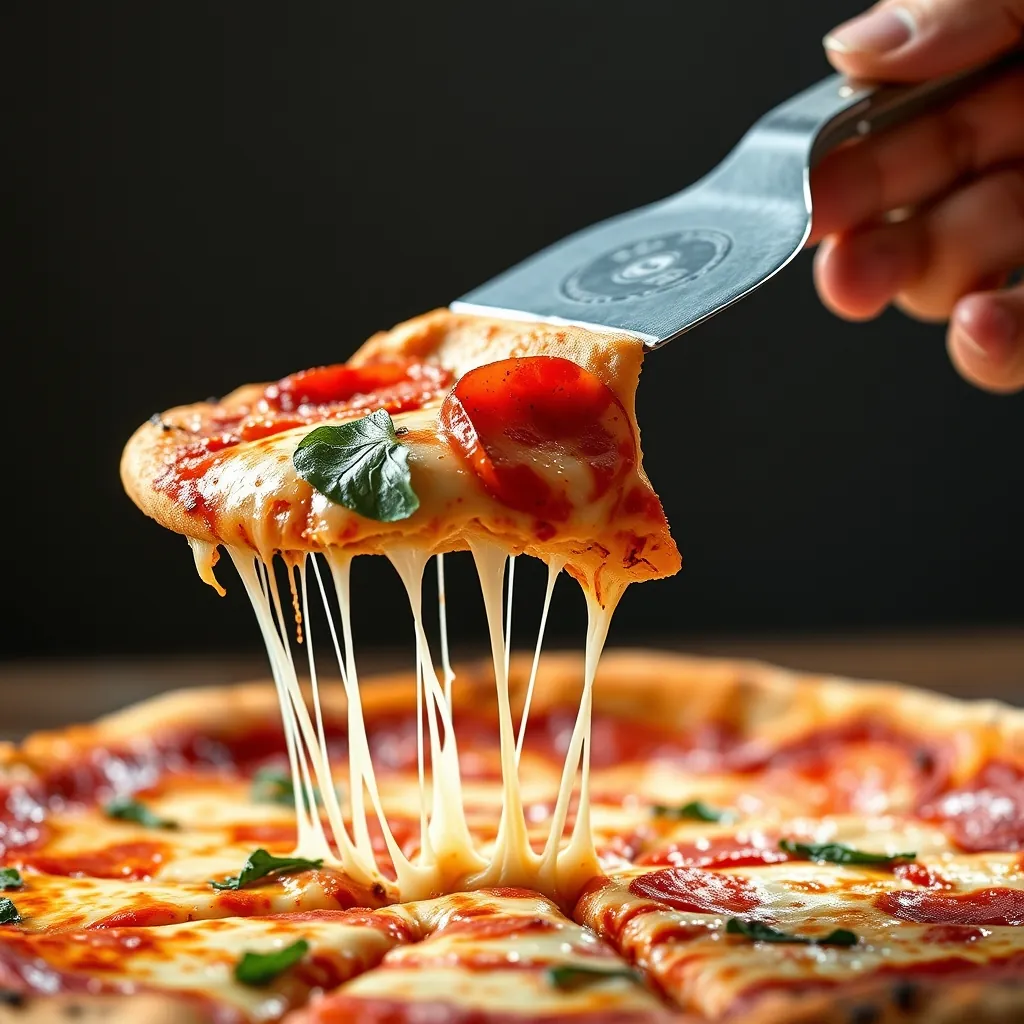
Homemade Margherita Pizza
Master the art of homemade Margherita pizza from scratch. This guide covers dough hydration, topping ratios, and how to get a charred crust in a home oven.
Ingredients
- 260 grams bread flour
- 170 grams water
- 8 grams salt
- 2 grams instant yeast
- 3-4 tablespoons San Marzano tomatoes, crushed
- 1 tablespoon extra-virgin olive oil
- 110 grams fresh mozzarella (fior di latte or buffalo)
- Fresh basil leaves
- Pinch of fine sea salt
Instructions
- Mix 260 grams bread flour, 170 grams water (65% hydration), 8 grams salt, and 2 grams instant yeast until no dry flour remains. Let rest for 20 minutes.
- Knead for 8 minutes until smooth. Place in an oiled bowl, cover, and refrigerate for 24 hours.
- Remove dough from refrigerator 2 hours before baking. Let come to room temperature.
- Preheat pizza steel or stone on highest oven rack at 550°F (290°C) for at least 45 minutes.
- Flour work surface and hands. Press dough into a disk, then stretch by draping over knuckles to form a 12-inch circle with a slightly thicker rim.
- Transfer stretched dough to floured pizza peel. Spread 3-4 tablespoons crushed San Marzano tomatoes with a pinch of salt and 1 tablespoon olive oil, leaving a one-inch border.
- Add half the torn mozzarella (about 55 grams). Slide pizza onto hot steel. Bake for 6 minutes.
- Add remaining mozzarella. Bake for another 2-3 minutes. Finish under broiler for 30-60 seconds until charred spots appear.
- Top with fresh basil leaves and a drizzle of extra-virgin olive oil. Slice and serve immediately.
Leave a Reply