Your cart is currently empty!
The Definitive Guide to Creamy Restaurant-Style Mac and Cheese (2024)
Mac and cheese is a universal comfort food. But the gap between a good homemade version and the velvety, indulgent restaurant-style dish is wide. The difference comes down to science, not magic. This guide breaks down the exact techniques and ingredients that guarantee a smooth, creamy, non-grainy sauce every time.
We cover the emulsification battle between a classic roux and modern sodium citrate. We also address the overlooked problems of high-altitude cooking and large-batch scaling. No more broken sauces or powdery textures. This is your final stop for a perfect bowl.
The Emulsification Showdown: Roux vs. Sodium Citrate

A broken sauce is the enemy of creamy mac and cheese. It happens when the fat in the cheese separates from the water. To prevent this, you need an emulsifier. Home cooks have two primary weapons: the classic roux and the modern sodium citrate.
The Classic Roux
A roux is a cooked mixture of equal parts fat and flour. It acts as a thickening and stabilizing agent. The flour absorbs water and fat, creating a paste that holds the sauce together. It is reliable and familiar. The downside is a slightly thicker, sometimes pastier sauce. It also requires precise cooking to avoid a raw flour taste. For stovetop mac and cheese, a roux is a safe bet. For a truly silky, pourable sauce, you need more control.
The Modern Sodium Citrate
Sodium citrate is a salt derived from citric acid. It is a powerful emulsifier that works by surrounding fat molecules and allowing them to mix with water. It creates an incredibly smooth, fluid sauce that clings to pasta without being gluey. You do not need a roux. You simply dissolve the sodium citrate in liquid (milk or water) and melt the cheese into it. The result is a sauce that is nearly impossible to break. The trade-off is that it is less forgiving with very aged, low-moisture cheeses. For a foolproof, restaurant-quality texture, sodium citrate is the superior choice for the home cook.
Cheese Selection: The Moisture and Age Factor

Not all cheese is created equal for melting. Dry, aged cheeses like a 2-year cheddar or parmesan have a high protein-to-fat ratio. They melt into a greasy, separated mess. For creaminess, you need moisture.
High-Moisture Champions: Fontina, young gouda, havarti, and monterey jack melt beautifully. They provide a rich, elastic base.
The Cheddar Rule: Mild cheddar (aged 3-6 months) melts better than sharp cheddar (aged 12+ months). The sharpness comes from aging, which also reduces moisture. For a sharp flavor without the texture compromise, use 75% mild cheddar and 25% sharp cheddar.
The Stabilizer: A small amount of processed cheese like Velveeta or a few ounces of cream cheese acts as a safety net. They contain emulsifying salts that help the entire sauce stay smooth. Do not skip this step if you want guaranteed creaminess.
The Liquid Secret: Evaporated Milk
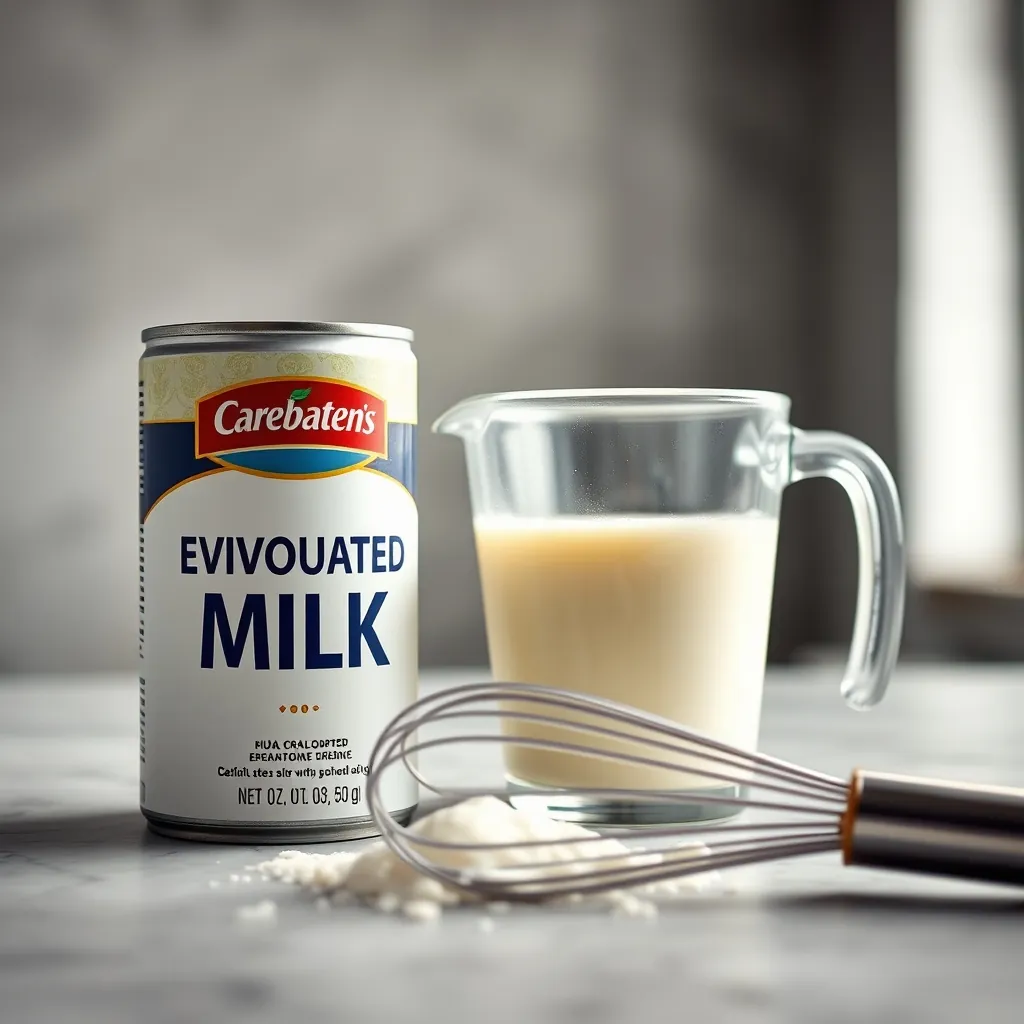
Whole milk is the standard. But evaporated milk is the cheat code. It is milk that has had 60% of its water removed. This concentrates the proteins and fats. When used in mac and cheese, it creates a richer, thicker sauce without the need for extra butter or cream. It also resists curdling better than fresh milk due to its altered protein structure. For a stovetop version, replace half the whole milk with evaporated milk. You will notice the difference in the first bite.
Pasta Perfection: The Al Dente Rule

Mushy pasta ruins the dish. The pasta will continue to cook after you drain it and when it is coated in hot sauce. The solution is simple. Cook the pasta 1 to 2 minutes less than the package directions for al dente. It should have a firm, white core when you bite into it. This firmness allows it to hold its shape and absorb the sauce without turning into a paste.
High-Altitude Adjustment
At higher altitudes (above 3,000 feet), water boils at a lower temperature. This means pasta takes longer to cook. The standard “1-2 minutes less” rule may not be enough. You must test the pasta frequently. Start checking 3 minutes before the low-altitude al dente time. The goal is still that firm white core. Do not rely on the timer alone. Use your teeth.
How to Scale for a Crowd

Doubling or tripling a mac and cheese recipe is not a linear equation. The main problem is heat distribution. A massive pot of sauce takes longer to heat, increasing the risk of scorching or breaking the emulsion.
The Batch Method: Make the sauce in two smaller batches rather than one giant pot. This maintains better temperature control. Combine the batches in a large bowl before mixing with the pasta.
Baking for Volume: For large batches, a baked version is more forgiving than a stovetop one. Assemble the mac and cheese in a deep baking dish. Add an extra 1/2 cup of milk to the sauce to account for evaporation during baking. Cover the dish with foil for the first 30 minutes to trap steam. Then remove the foil for the last 10 minutes to brown the top.
Troubleshooting Common Problems

Even with the best techniques, problems can happen. Here is how to fix them.
- Grainy Sauce: This is usually from using pre-shredded cheese (which contains anti-caking agents) or overheating. Buy block cheese and shred it yourself. If the sauce gets grainy, remove it from the heat immediately. Add a splash of cold milk and whisk vigorously. A tablespoon of cream cheese can also help re-emulsify it.
- Greasy Sauce: The fat has separated. This happens with aged cheeses or high heat. Whisk in a slurry of 1 tablespoon cornstarch mixed with 2 tablespoons cold water. The starch will help rebind the fat.
- Too Thick: The sauce will thicken as it cools. Always make it slightly looser than you think it should be. Thin it with warm milk or pasta water. Pasta water is ideal because it contains starch that helps the sauce cling.
- Too Thin: This is rare with a roux but can happen with sodium citrate. Simmer the sauce gently to evaporate excess liquid. Or whisk in a small amount of instant potato flakes to absorb moisture without adding flavor.
Recipe: Foolproof Creamy Stovetop Mac and Cheese
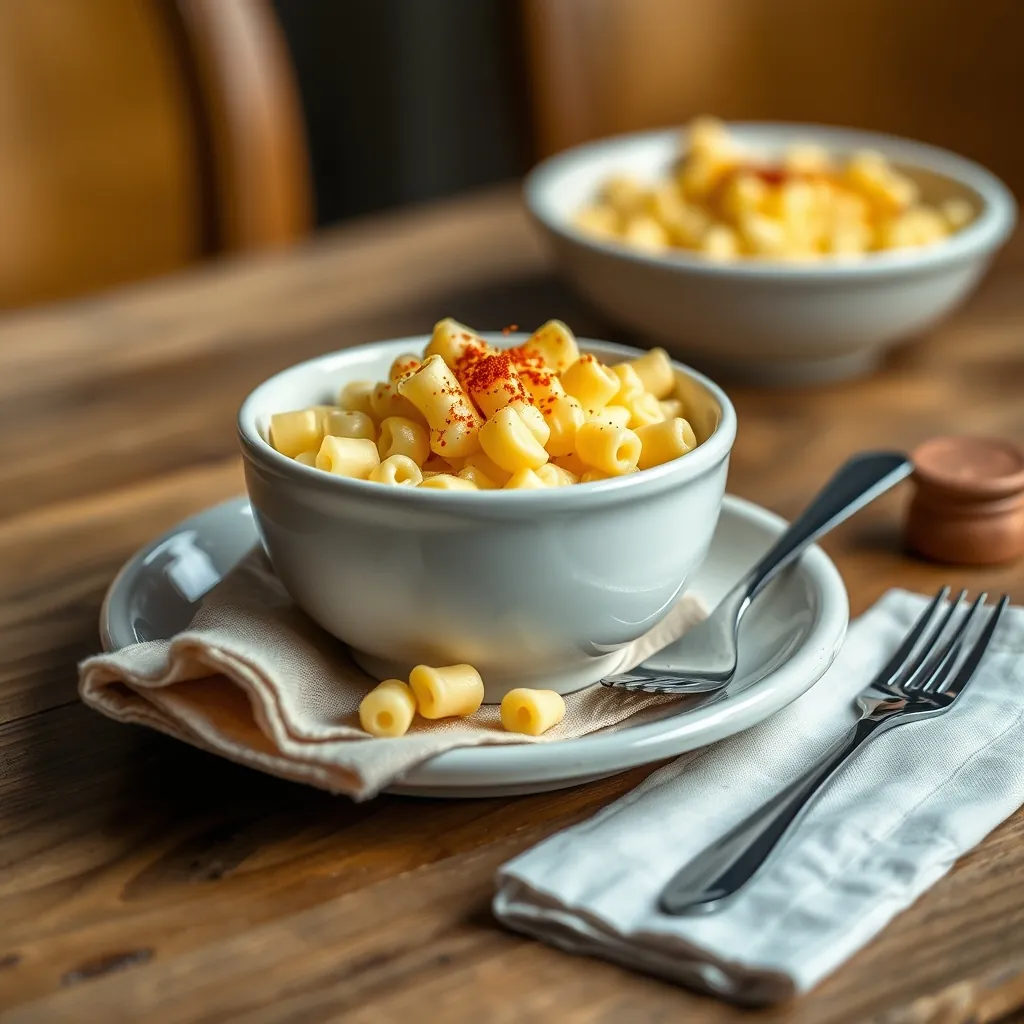
This recipe uses the sodium citrate method for guaranteed smooth results. It is quick and perfect for a weeknight dinner.
Ingredients
- 1 pound elbow macaroni
- 2 1/2 cups whole milk
- 1 cup evaporated milk
- 2 teaspoons sodium citrate
- 8 ounces mild cheddar, shredded
- 4 ounces fontina, shredded
- 2 ounces cream cheese, cubed
- 1/2 teaspoon salt
- 1/4 teaspoon white pepper
Directions
- Cook the macaroni in a large pot of salted boiling water for 2 minutes less than the package directions for al dente. Drain and set aside.
- In a large saucepan, combine the whole milk, evaporated milk, and sodium citrate. Whisk to dissolve the sodium citrate. Heat over medium heat until small bubbles form around the edges. Do not boil.
- Reduce heat to low. Add the shredded cheddar, fontina, and cream cheese in handfuls. Whisk constantly until each addition is fully melted and smooth before adding the next. The sauce will be thin and glossy.
- Stir in the salt and white pepper.
- Add the drained pasta to the sauce. Stir to coat. Let it sit for 1 minute to allow the sauce to absorb slightly.
- Serve immediately. Garnish with paprika or chives if desired.
Make-Ahead and Storage
This recipe is best fresh. For leftovers, store in an airtight container in the refrigerator for up to 3 days. To reheat, add a splash of milk and microwave in 30-second intervals, stirring between each. The sauce will thicken when cold. Do not freeze. The emulsion will break upon thawing.
Frequently Asked Questions
What is the best cheese for creamy mac and cheese?
High-moisture cheeses like fontina, young gouda, havarti, and monterey jack melt best. For cheddar, use mild (aged 3-6 months) for better melting, and add a small amount of cream cheese or processed cheese as a stabilizer.
Can I use pre-shredded cheese for mac and cheese?
No. Pre-shredded cheese contains anti-caking agents that prevent smooth melting and can cause a grainy sauce. Always shred block cheese yourself for the creamiest results.
How do I fix grainy mac and cheese sauce?
Remove from heat immediately. Add a splash of cold milk and whisk vigorously. A tablespoon of cream cheese can also help re-emulsify the sauce and restore smoothness.
What is sodium citrate and why use it for mac and cheese?
Sodium citrate is a salt that acts as a powerful emulsifier. It creates an incredibly smooth, fluid cheese sauce that is nearly impossible to break, without needing a roux or flour.
How do I scale mac and cheese for a crowd?
Make the sauce in two smaller batches for better temperature control. For baking, add extra milk and cover with foil for the first 30 minutes to prevent drying out.
Leave a Reply