Your cart is currently empty!
Crispy Garlic Parmesan Potato Wedges: The Definitive 2024 Guide
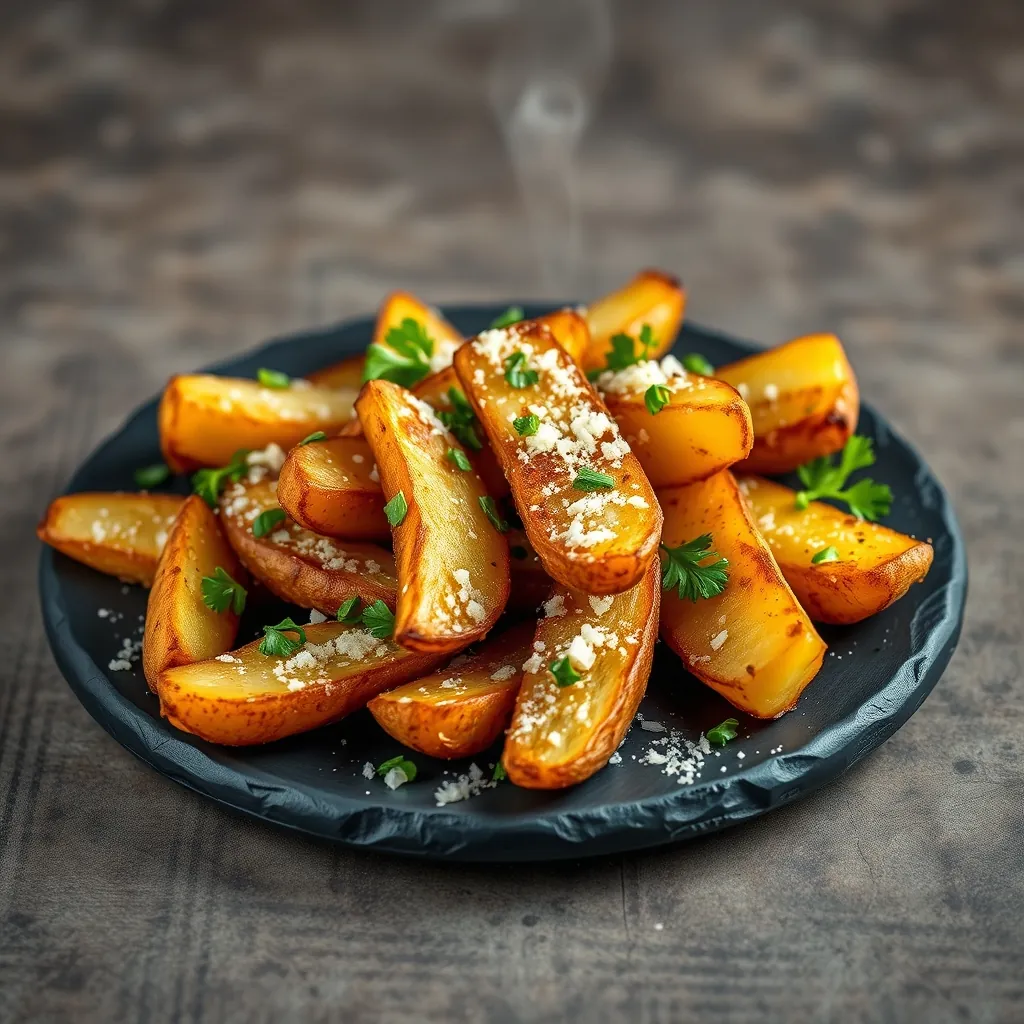
Why These Wedges Work

Crispy baked potato wedges are a study in contrasts. The exterior shatters. The interior stays fluffy and light. Achieving this balance requires more than a simple toss in oil. It demands technique. The science is straightforward: remove excess starch, maximize surface dehydration, and use intense heat. This guide covers every variable. You will learn the exact steps for garlic parmesan potato wedges that rival deep-fried versions.
Most recipes stop at the basics. We go further. We address potato variety, humidity, and internal temperature. You get a complete system. Not just a list of ingredients.
Key Ingredients and Their Roles
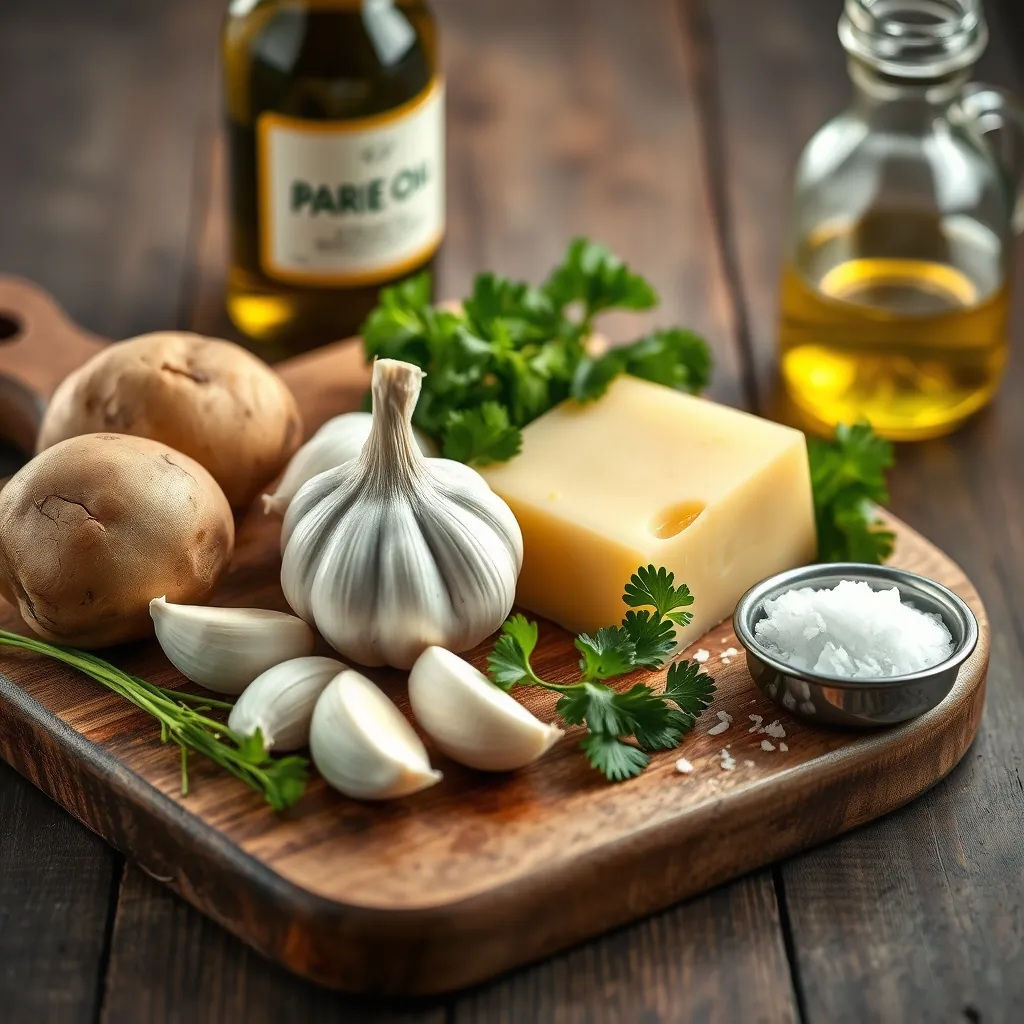
Every ingredient serves a purpose. Choose wisely. Substitutions change the final texture.
The Potatoes
Russet potatoes are the top choice. Their high starch content creates a fluffy interior. Yukon Gold is a close second with a buttery flavor. Avoid waxy varieties like red potatoes. They hold too much moisture. The result is dense, heavy wedges.
The Fat
Olive oil is standard. It provides flavor and helps transfer heat. Do not skimp. Each wedge needs a thin, even coating. Too little oil leads to dry spots. Too much creates steam.
The Coating
Cornstarch is the secret weapon. Toss the wedges in a light dusting before adding oil. It absorbs surface moisture. It creates a brittle crust during baking. Potato starch works equally well. Avoid flour. It clumps and burns.
The Cheese
Freshly grated Parmesan is non-negotiable. Pre-shredded cheese contains anti-caking agents. They prevent melting and browning. Grate your own. Add it late in the baking process. This prevents burning and preserves the nutty flavor.
Step-by-Step Method for Perfect Wedges
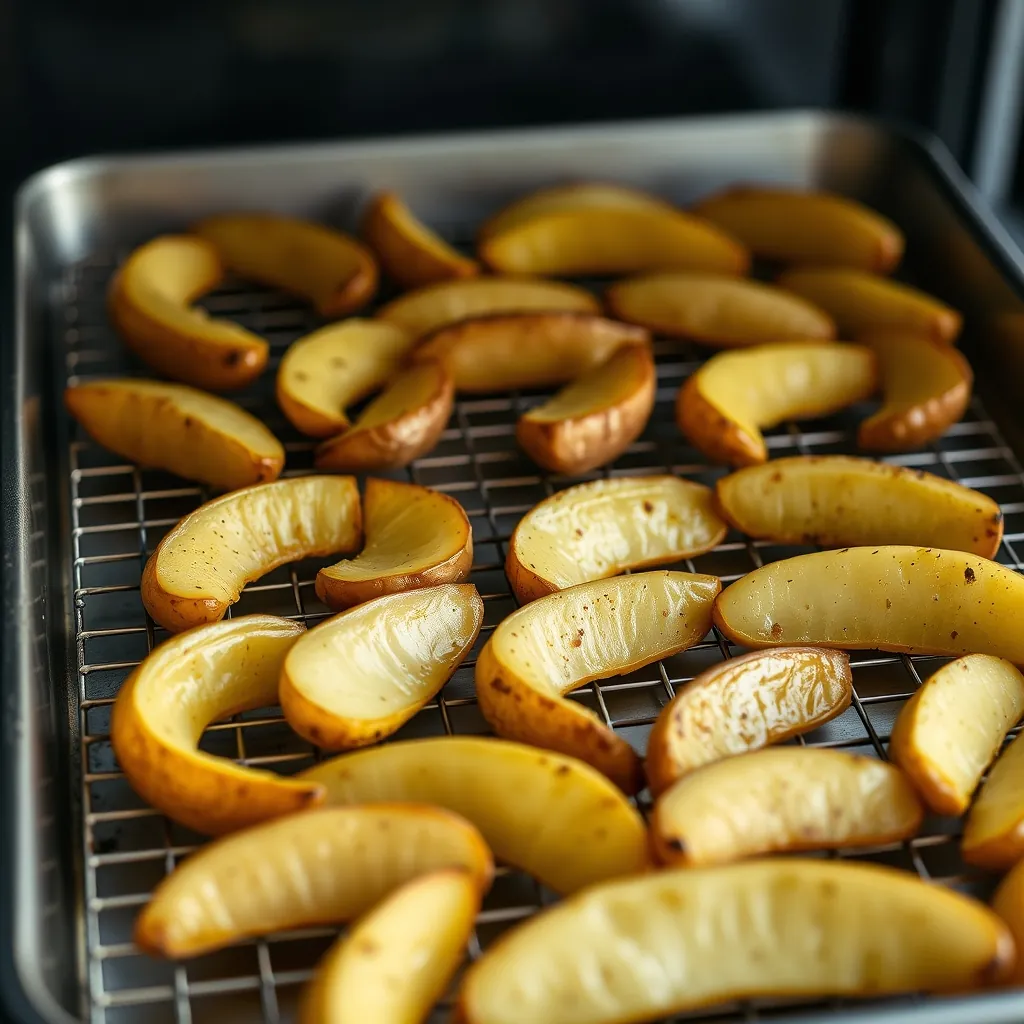
Follow these steps exactly. Do not skip the soak. Do not crowd the pan.
- Prepare the potatoes. Scrub the skins clean. Cut each potato in half lengthwise. Cut each half into 4 to 6 wedges. Aim for 1/2-inch thickness at the widest point. Uniform size ensures even cooking.
- Soak in cold water. Place wedges in a large bowl. Cover with cold water. Let them sit for 30 minutes. This draws out surface starch. Starch turns gummy when heated. Removing it is the first step to crispiness.
- Dry thoroughly. Drain the water. Spread wedges on a clean kitchen towel. Pat them completely dry. Any remaining moisture creates steam. Steam prevents browning.
- Preheat the oven to 425°F (220°C). High heat is critical. Lower temperatures dry out the potatoes without creating a crust. Place a wire rack on a baking sheet. This allows hot air to circulate underneath. No soggy bottoms.
- Season the wedges. In a large bowl, toss the dried wedges with cornstarch. Use about 1 tablespoon per pound of potatoes. Add olive oil, salt, black pepper, and minced garlic. Toss until evenly coated. The garlic will infuse the oil. Do not use garlic powder. It burns at high heat.
- Bake for 25 minutes. Arrange wedges in a single layer on the wire rack. Do not overlap. Overlapping traps steam. Bake without flipping for the first 25 minutes. This develops the bottom crust.
- Flip and add Parmesan. Remove the pan. Flip each wedge with tongs. Sprinkle grated Parmesan over the top. Return to the oven for 10 to 15 minutes. The cheese should be melted and golden. Not dark brown.
- Check internal temperature. Insert an instant-read thermometer into the thickest wedge. The target is 205°F (96°C). This temperature fully cooks the starch. The interior becomes light and fluffy. Remove from the oven.
- Rest and serve. Let the wedges rest on the pan for 2 minutes. This allows the crust to set. Sprinkle with fresh parsley. Serve immediately.
Critical Tips for Maximum Crispiness

Small adjustments make a big difference. Apply these principles every time.
- Control humidity. On rainy days, the air is saturated with moisture. Your oven works harder. Extend the initial baking time by 5 minutes. Use a convection setting if available. The fan moves moist air away from the food.
- Do not overcrowd. A crowded pan traps steam. Bake in batches if necessary. The extra time is worth the texture.
- Use a wire rack. This is non-negotiable. Direct contact with the baking sheet traps moisture. The rack allows air to hit all sides.
- Dry the potatoes twice. After soaking, dry them once. Let them sit on the towel for 5 minutes. Dry them again. Surface moisture is your enemy.
Troubleshooting Common Problems
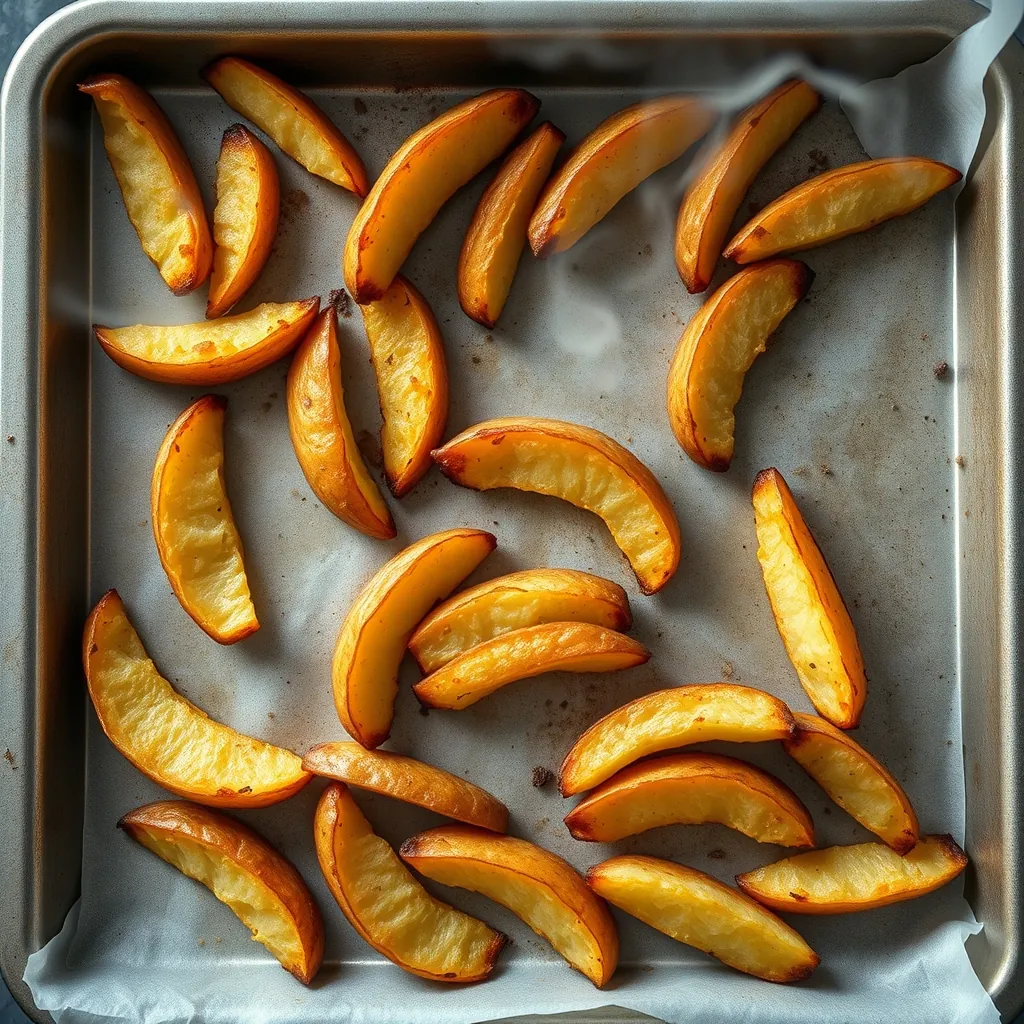
Problems happen. Here is how to fix them.
Soggy Centers
The interior is undercooked. The potato starch has not fully gelatinized. Increase the internal temperature target to 210°F. Extend the final baking time. Cut wedges thinner next time.
Burnt Parmesan
The cheese went in too early. Add it during the last 5 to 7 minutes. Watch it closely. Parmesan goes from golden to black quickly. If your oven runs hot, lower the temperature to 400°F for the cheese stage.
Uneven Browning
Your wedges are different sizes. Cut them uniformly. Rotate the baking sheet halfway through. Hot spots in the oven cause uneven results.
Wedges Stick to the Rack
The rack was not greased. Spray it lightly with cooking oil before placing the wedges. Alternatively, use a non-stick foil with holes punched in it.
Adjusting for Different Potato Varieties
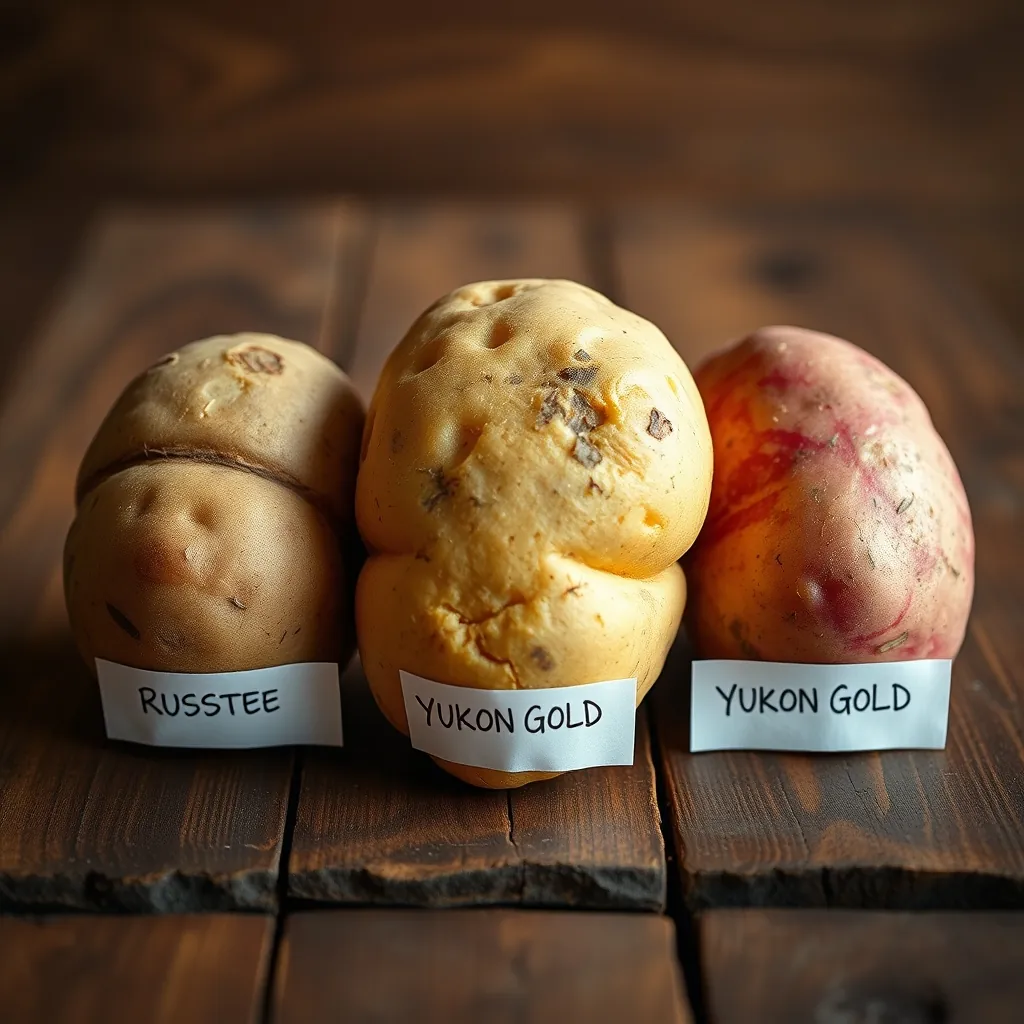
Not all potatoes behave the same. Adjust your method accordingly.
- Russet potatoes: Standard method. Soak for 30 minutes. Bake at 425°F for 35 to 40 minutes total. Internal temp target: 205°F.
- Yukon Gold potatoes: Slightly less starch. Soak for 45 minutes. Increase cornstarch to 1.5 tablespoons per pound. Bake at 425°F for 30 to 35 minutes. Internal temp target: 200°F. They cook faster.
- Red potatoes: Not recommended for crispy wedges. They are waxy. They hold moisture. If you must use them, cut them thinner (1/4 inch). Soak for 1 hour. Bake at 450°F for 25 to 30 minutes. Expect a denser texture.
- Sweet potatoes: Different chemistry. Soak for 1 hour to remove surface sugars. Bake at 425°F for 30 minutes. They caramelize quickly. Watch them closely.
Dietary Modifications

This recipe adapts well. Maintain crispiness with these swaps.
Vegan Version
Replace Parmesan with nutritional yeast. Use 2 tablespoons per pound. Add it in the last 5 minutes. The yeast provides a cheesy, savory flavor. It does not melt. It toasts slightly. Use coconut oil or avocado oil instead of olive oil for a higher smoke point.
Dairy-Free Version
Use a dairy-free Parmesan alternative. Look for one made from cashews or almonds. Grate it yourself. Avoid pre-shredded blends. They contain starches that burn. Add it at the same time as regular Parmesan.
Low-Fat Version
Reduce oil to 1 tablespoon per pound. Use a cooking spray to coat the wedges. The cornstarch still provides crispiness. The texture will be less rich. Serve with a low-fat yogurt dip.
Serving Suggestions

These wedges are a blank canvas. Pair them with the right dip. The contrast elevates the meal.
- Classic ketchup: Simple and effective. The acidity cuts through the fat.
- Garlic aioli: Mix mayonnaise with minced garlic and lemon juice. Rich and tangy.
- Chipotle mayo: Blend mayonnaise with chipotle peppers in adobo. Smoky heat.
- Ranch dressing: Use buttermilk ranch. Herbs complement the Parmesan.
- Balsamic glaze: Drizzle over the wedges. Sweet and sour balance.
Serve as a side dish with grilled steak, roasted chicken, or a hearty salad. They also work as a standalone snack.
Storage and Reheating
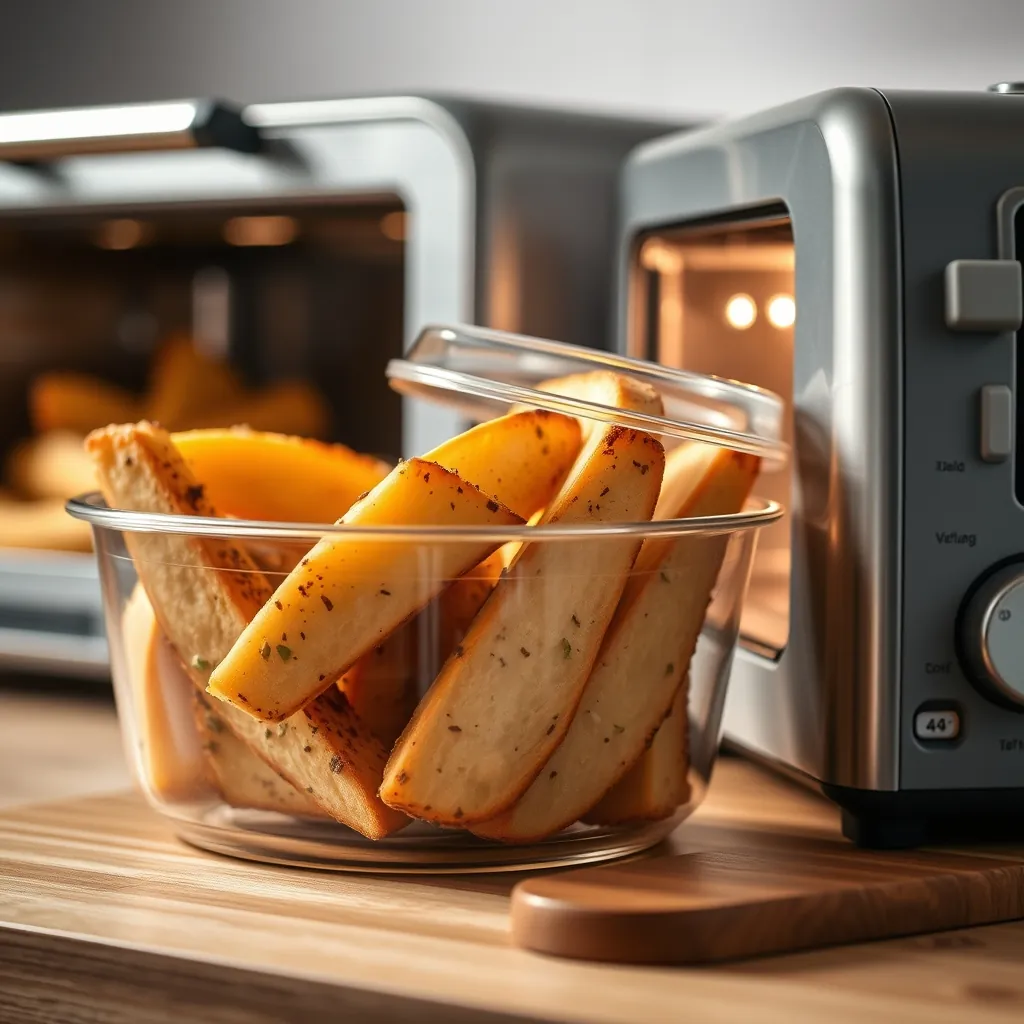
Leftovers lose crispiness. Store them correctly to minimize damage.
- Storage: Cool completely. Place in an airtight container. Line the container with paper towels. They absorb moisture. Store in the refrigerator for up to 3 days.
- Reheating in the oven: Preheat to 400°F. Spread wedges on a wire rack. Bake for 5 to 7 minutes. They regain most of their crunch.
- Reheating in an air fryer: Set to 375°F. Cook for 3 to 4 minutes. Shake halfway through. The air fryer restores texture better than the oven.
- Do not microwave. The microwave turns them into rubbery, soggy pieces. Avoid it entirely.
- Freezing: Not recommended. The texture degrades significantly. If you must, freeze them in a single layer on a baking sheet. Transfer to a freezer bag. Reheat directly from frozen at 425°F for 10 minutes.
Frequently Asked Questions
Can I skip the soaking step?
No. Soaking removes surface starch. Skipping it results in a gummy exterior. The 30 minutes are essential.
Why are my wedges not crispy?
Several factors. The oven was not hot enough. The wedges were overcrowded. They were not dried properly. The cornstarch was omitted. Check each variable and adjust.
Can I use pre-cut frozen wedges?
Yes. They are par-cooked. Bake them at 425°F. Add Parmesan in the last 5 minutes. They will not be as crispy as fresh-cut wedges.
How do I make them spicy?
Add 1/2 teaspoon cayenne pepper or red pepper flakes to the cornstarch mixture. Toss thoroughly before baking.
What is the best way to cut wedges?
Cut the potato in half lengthwise. Place the flat side down. Cut each half into 4 to 6 wedges. Keep the thickness consistent. Use a sharp chef’s knife.
Crispy Garlic Parmesan Potato Wedges
Master the art of crispy garlic parmesan potato wedges with our definitive guide. Get perfect golden results every time with expert tips.
Ingredients
- 4 large russet potatoes (about 2 pounds), scrubbed clean
- 2 tablespoons cornstarch
- 3 tablespoons olive oil
- 4 cloves garlic, minced
- 1 teaspoon salt
- 1/2 teaspoon black pepper
- 1/2 cup freshly grated Parmesan cheese
- 2 tablespoons fresh parsley, chopped
Instructions
- Prepare the potatoes: Scrub the skins clean. Cut each potato in half lengthwise. Cut each half into 4 to 6 wedges. Aim for 1/2-inch thickness at the widest point.
- Soak in cold water: Place wedges in a large bowl. Cover with cold water. Let them sit for 30 minutes. This draws out surface starch.
- Dry thoroughly: Drain the water. Spread wedges on a clean kitchen towel. Pat them completely dry.
- Preheat the oven to 425°F (220°C). Place a wire rack on a baking sheet.
- Season the wedges: In a large bowl, toss the dried wedges with cornstarch. Add olive oil, salt, black pepper, and minced garlic. Toss until evenly coated.
- Bake for 25 minutes: Arrange wedges in a single layer on the wire rack. Do not overlap.
- Flip and add Parmesan: Remove the pan. Flip each wedge with tongs. Sprinkle grated Parmesan over the top. Return to the oven for 10 to 15 minutes until cheese is melted and golden.
- Check internal temperature: Target is 205°F (96°C) in the thickest wedge.
- Rest and serve: Let rest on pan for 2 minutes. Sprinkle with fresh parsley. Serve immediately.
Leave a Reply