Your cart is currently empty!
Master the Art of Pho: The Definitive 2024 Guide to an Authentic Bowl
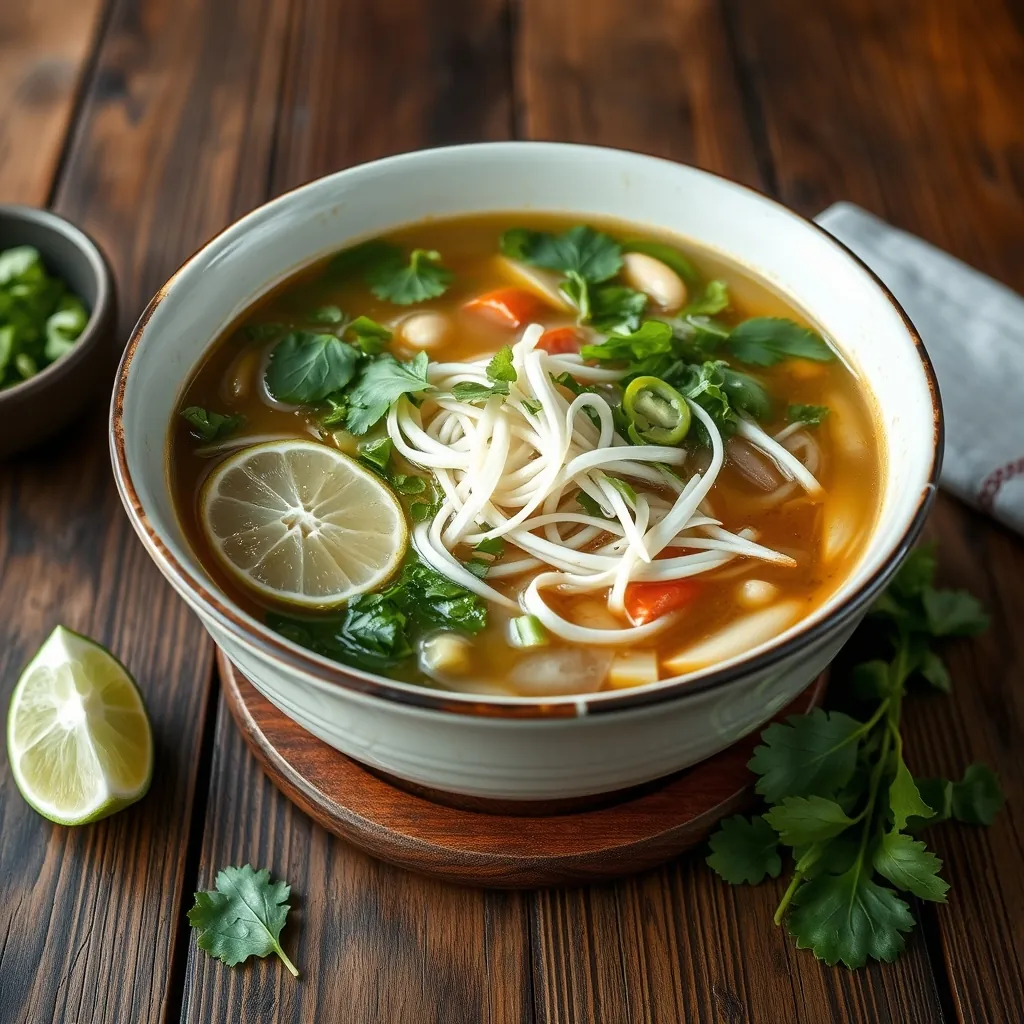
Pho is more than a soup. It is a cultural cornerstone of Vietnam, a symphony of flavors built on a deeply complex broth. Many home cooks find the process intimidating. The reality is different. With the right techniques and a bit of patience, you can create a bowl that rivals your favorite restaurant. This guide breaks down every step, addresses the gaps left by other recipes, and gives you the tools to master your own version.
The Foundation: Selecting and Preparing Beef Bones
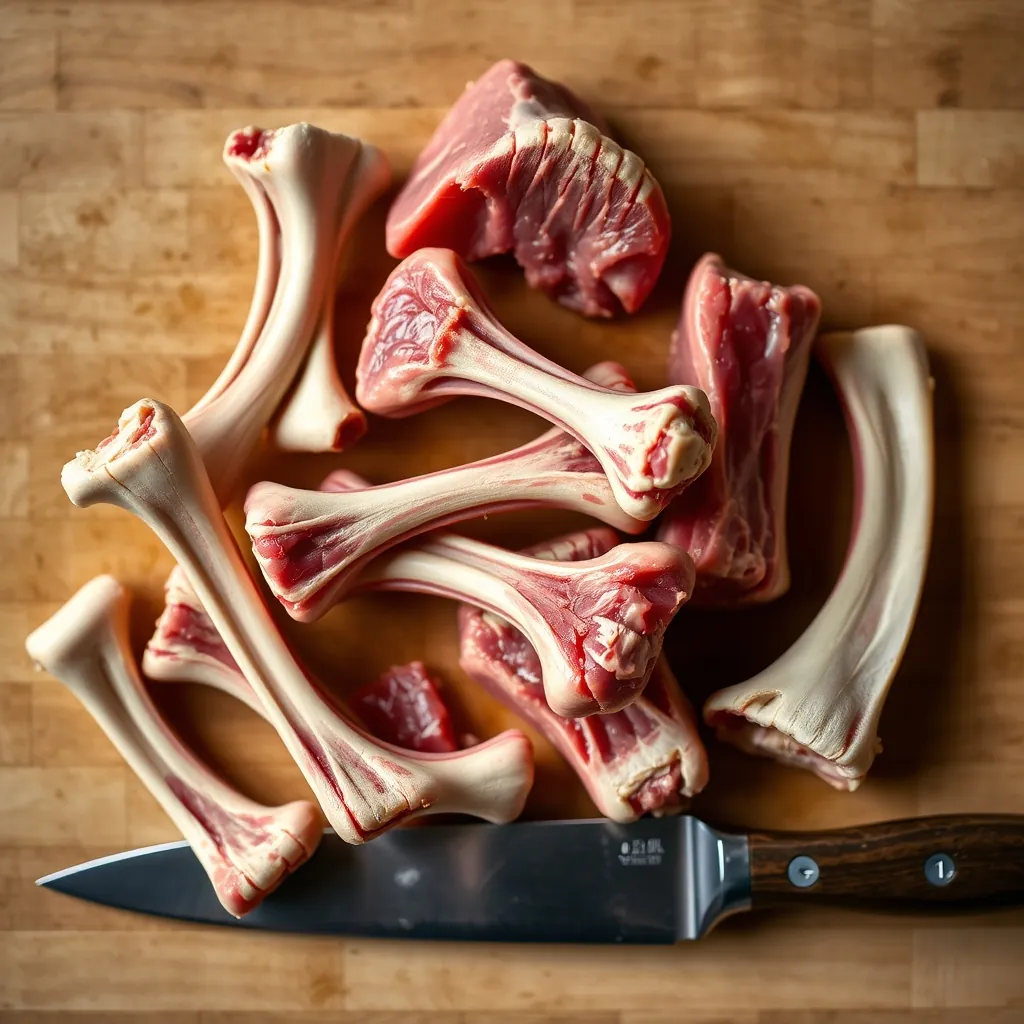
The soul of Pho lies in its broth. That broth starts with the bones. You need a mix of marrow bones and knuckle bones. Marrow bones provide richness and body. Knuckle bones add gelatin, which gives the broth a silky texture. Do not skip this step. Using only one type of bone results in a flat, thin broth.
Begin by blanching the bones. Place them in a large pot, cover with cold water, and bring to a rapid boil. Boil for five minutes. This step removes impurities and scum that cause a cloudy broth. Drain the bones and rinse them thoroughly under cold water. Scrub the pot clean. This single action prevents the bitter, muddy flavor that ruins many first attempts.
The Aromatics: Charring for Depth
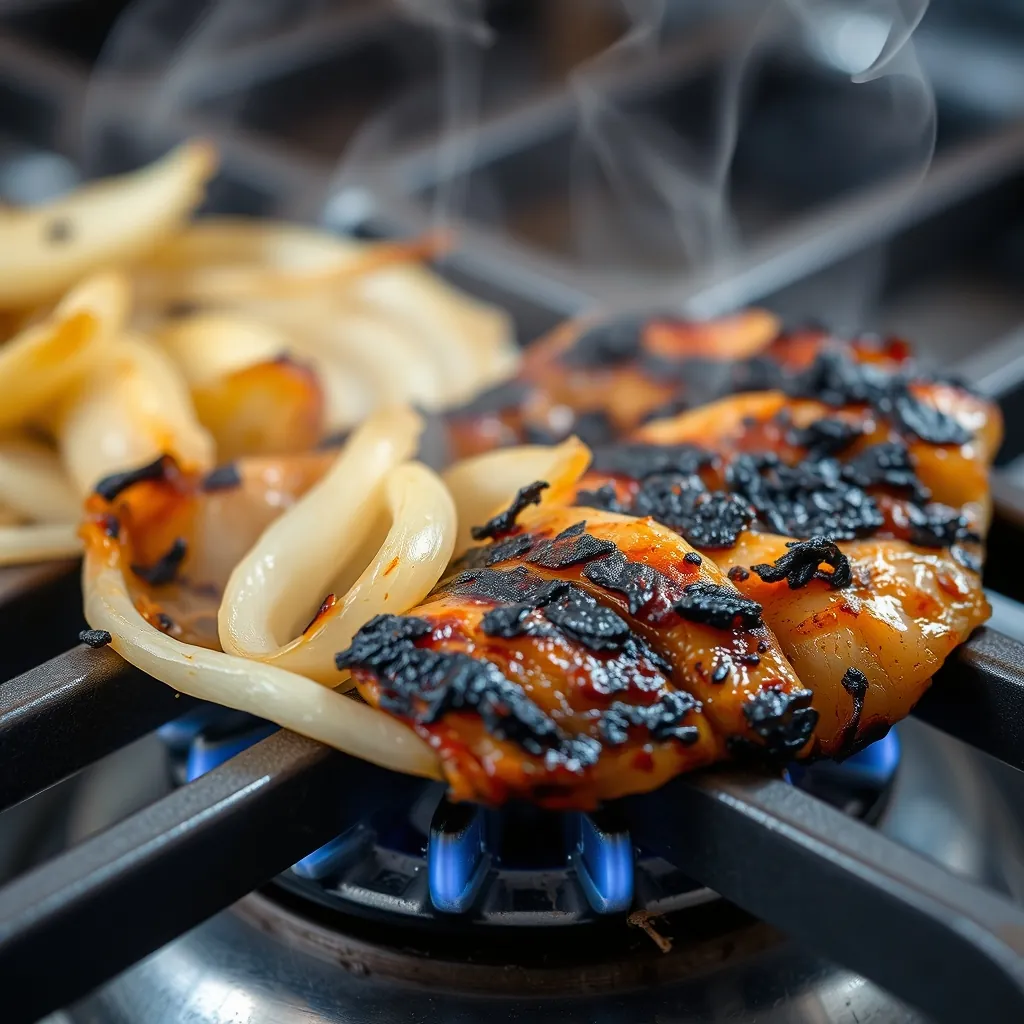
Charring onions and ginger is non-negotiable for authentic Pho. This process is not about burning. It is about creating a smoky, caramelized flavor that infuses the broth. Place halved onions and thick slices of ginger directly on a gas flame or under a broiler. Turn them until the skin is blackened and blistered. Let them cool, then peel away the burnt outer layers. The flesh underneath will be soft and fragrant.
Do not skip this step. Raw onions and ginger produce a harsh, pungent flavor. Charring transforms them into something sweet and complex. It is the single biggest difference between a good broth and a great one.
The Spice Blend: Aromatic Precision
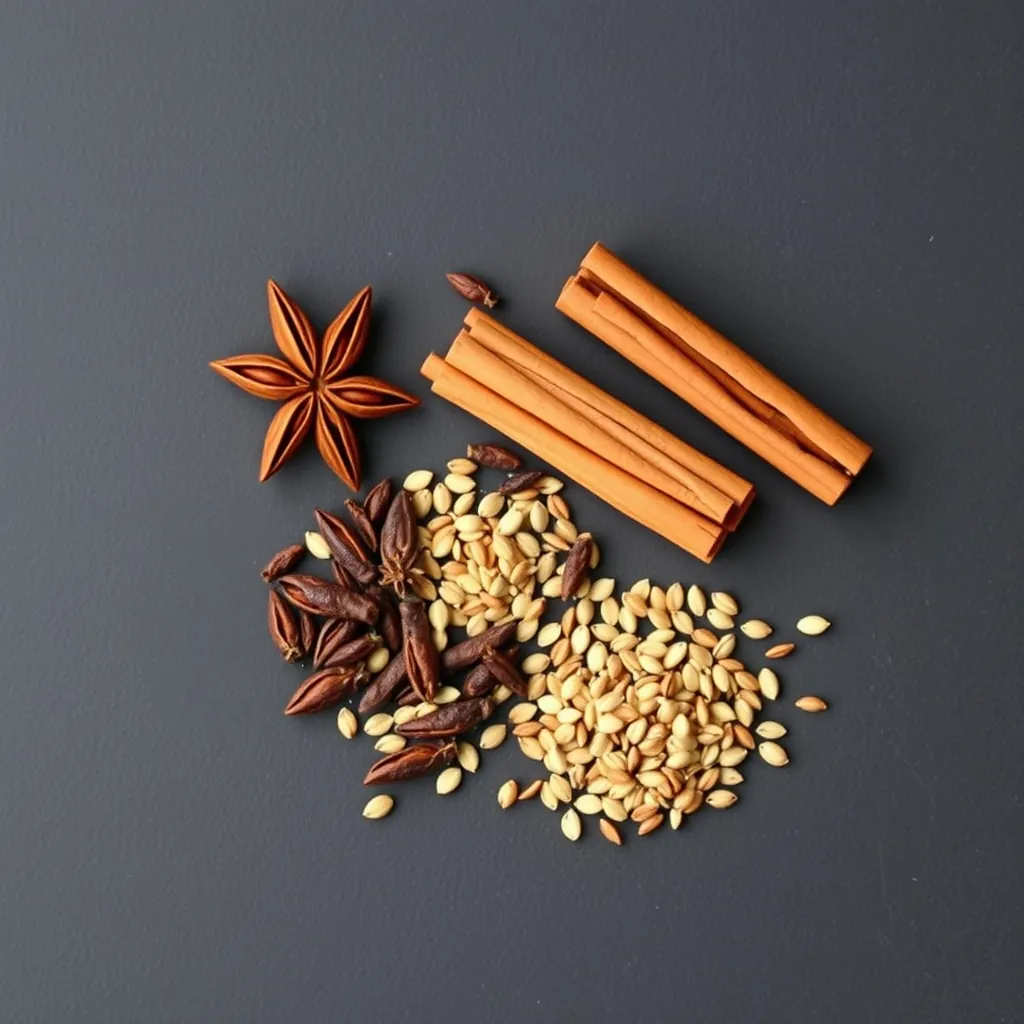
Pho spice is a carefully balanced blend. The core ingredients are star anise, cloves, cinnamon, and coriander seeds. Toast them in a dry pan over medium heat until fragrant. This takes about two minutes. Be careful not to burn them. Burnt spices introduce a bitter note that cannot be fixed.
A common mistake is using too much clove. Clove is powerful. Overpowering the broth with clove masks the other delicate flavors. Use a ratio of three star anise pods to one teaspoon of whole cloves. This balance allows the anise and cinnamon to shine while the clove provides a subtle warmth.
For a Northern-style Pho (Pho Bac), use less spice and focus on the beef flavor. For a Southern-style Pho (Pho Nam), add a touch more sweetness. A small piece of rock sugar or a teaspoon of fish sauce at the end achieves this.
The Simmer: Time and Temperature
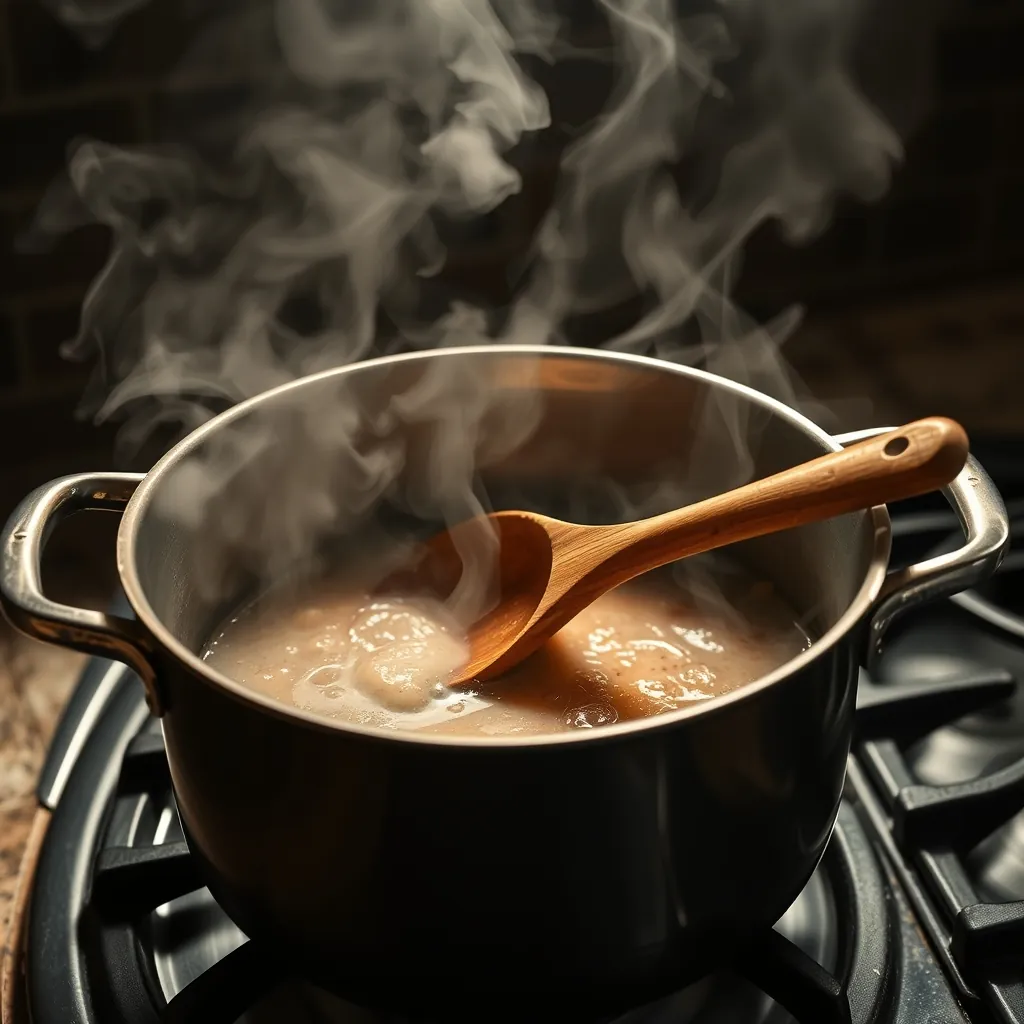
Simmering is a low and slow process. Maintain a gentle simmer. A rolling boil will emulsify the fat and create a cloudy broth. You want a clear, amber liquid. The ideal temperature is around 190°F (88°C). You should see tiny bubbles breaking the surface, not a violent churn.
Simmer for at least six hours. Eight hours is better. The bones need this time to release collagen and flavor. Skim the surface every 30 minutes during the first two hours. Fat and impurities rise to the top. Removing them ensures a clean, pure taste. Do not stir the broth during this time. Stirring incorporates the fat back into the liquid.
Fixing a Cloudy Broth: If you accidentally boil the broth, do not panic. Remove the pot from heat. Let it settle for 10 minutes. Gently ladle the clear liquid from the top, leaving the cloudy sediment at the bottom. This is a salvage technique, not a perfect solution, but it works.
Seasoning and Regional Adjustments
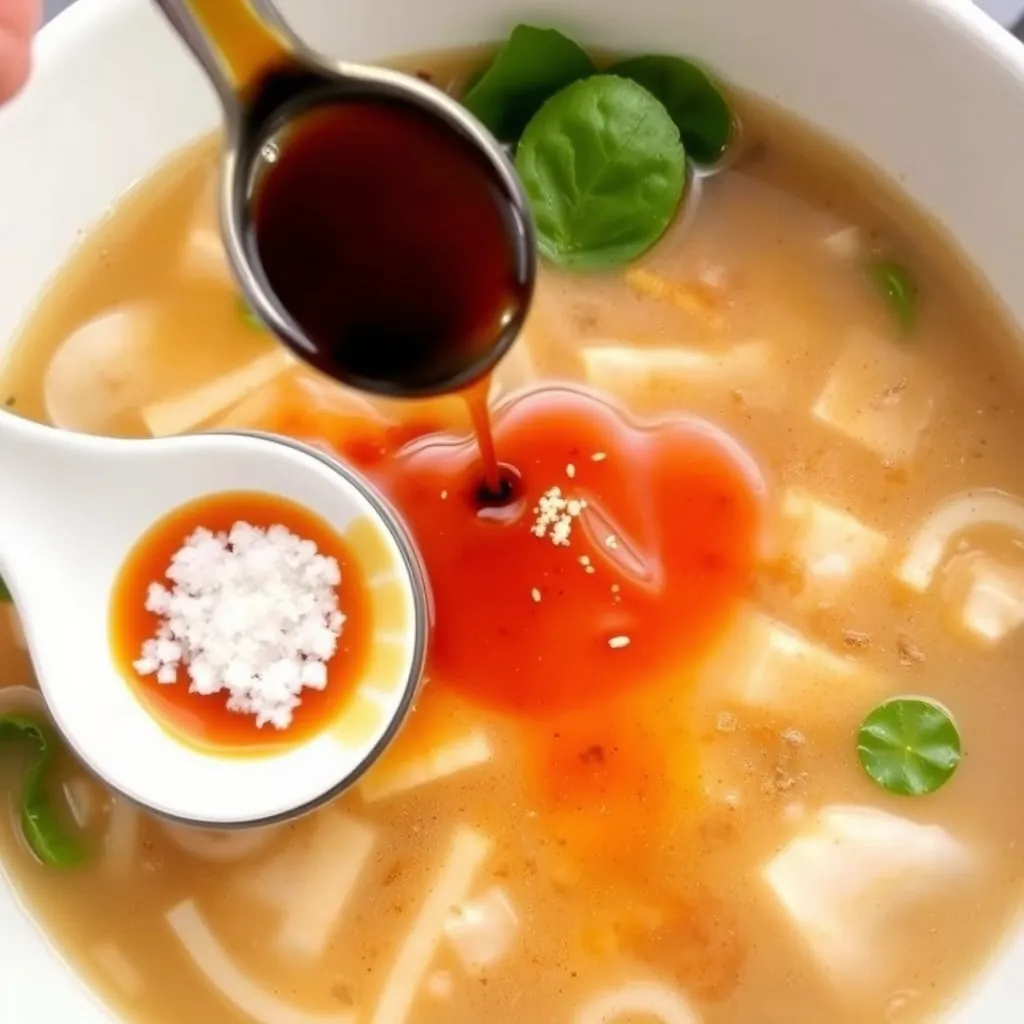
Seasoning is where most home cooks get lost. The broth needs salt, but not just any salt. Fish sauce provides the umami depth that defines Pho. Start with two tablespoons of fish sauce per two liters of broth. Taste. Add salt gradually. The broth should be slightly saltier than you think it needs to be. The noodles and toppings will dilute it.
Northern vs. Southern Pho: Northern Pho (Pho Bac) is minimalist. It relies on the pure beef flavor, a light touch of fish sauce, and a few slices of scallion. The broth is clear and savory. Southern Pho (Pho Nam) is bolder. It uses more fish sauce, a touch of sugar, and a wider array of toppings like bean sprouts, hoisin sauce, and Sriracha. Adjust your final seasoning based on which style you prefer. For a middle ground, season lightly and let each diner customize their own bowl.
Noodles and Assembly
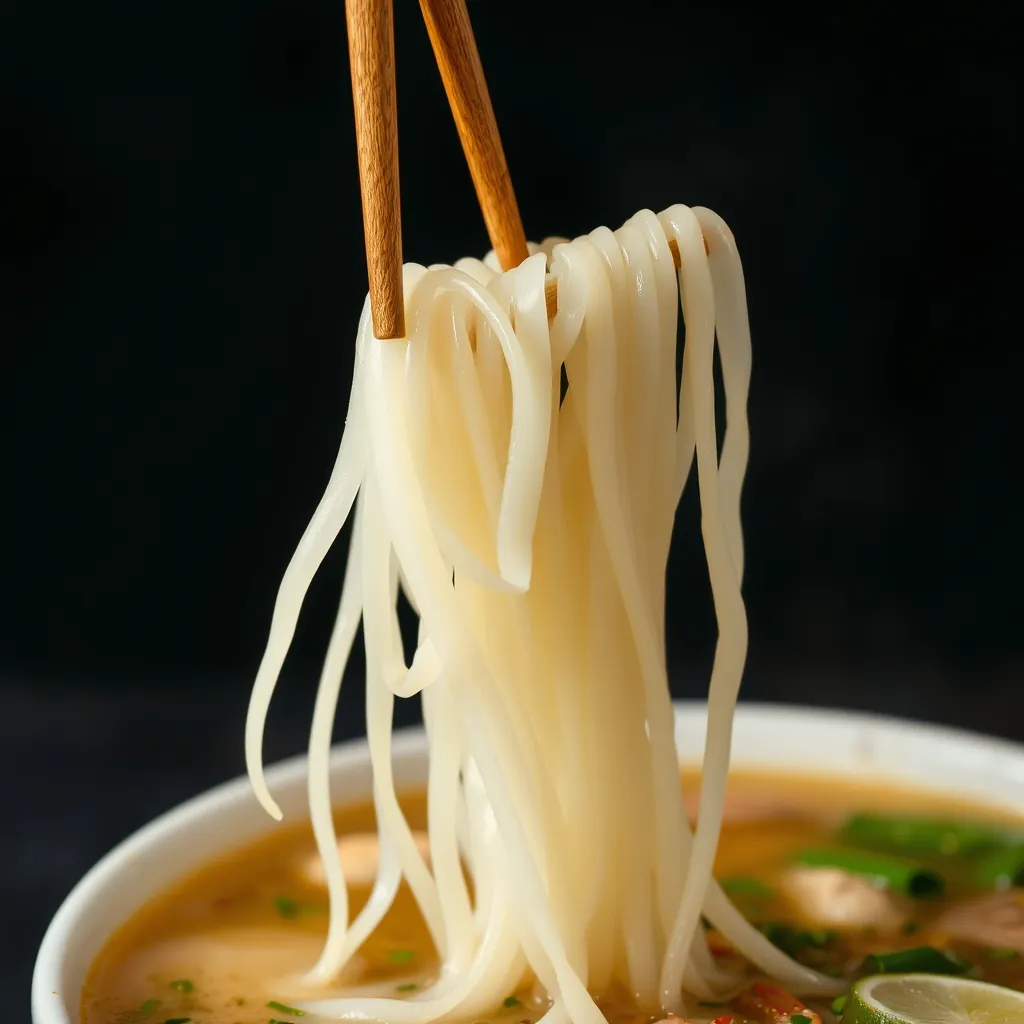
Pho noodles are flat rice noodles. They come dried or fresh. Dried noodles need to be soaked in warm water for 20 minutes before cooking. Fresh noodles only need a quick dip in boiling water. Overcooking is the enemy. Cook them until just tender. They will continue to cook in the hot broth.
To assemble, place a portion of noodles at the bottom of a deep bowl. Arrange thinly sliced raw beef (eye of round or sirloin) on top. The heat of the broth will cook the beef instantly. Ladle the boiling broth over the beef and noodles. The beef should turn pink and then gray as it cooks. Top with sliced scallions, cilantro, and a squeeze of lime.
Nutritional Breakdown
A standard bowl of Pho (about 500ml of broth with noodles and beef) contains roughly 350 to 450 calories. The exact number depends on the amount of fat and noodles used. The broth itself is low in calories, around 30 to 50 calories per cup. The noodles contribute the bulk of the carbohydrates, about 40 to 50 grams per serving. The beef provides about 20 grams of protein.
Pho is a balanced meal. It provides protein, carbohydrates, and a significant amount of hydration. The bone broth is rich in collagen and minerals. It is a satisfying, nutrient-dense dish that fits well into a balanced diet.
Common Mistakes and How to Avoid Them
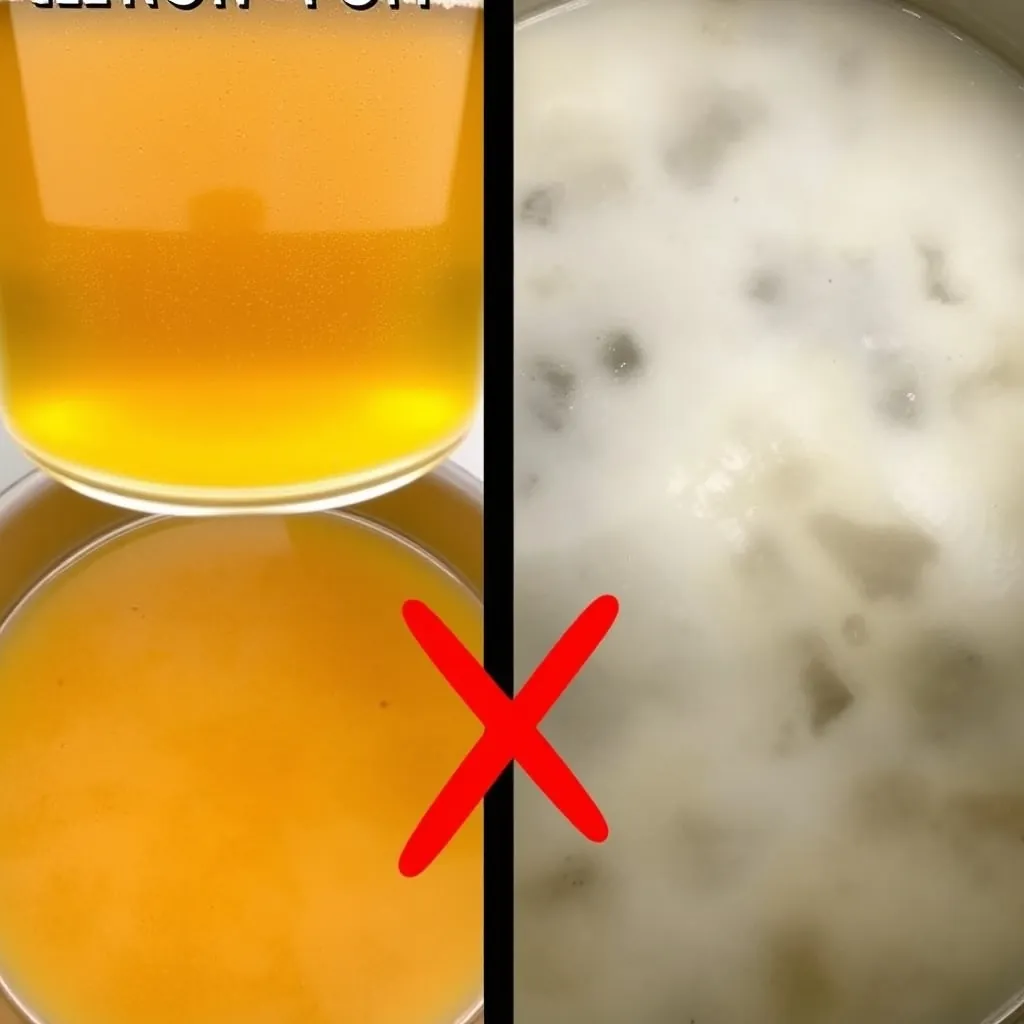
Cloudy Broth: Caused by boiling or stirring the broth. Solution: Maintain a gentle simmer and do not stir. Skim the surface regularly.
Bitter Broth: Caused by burnt spices or burnt bones. Solution: Toast spices carefully. Do not let them smoke. Blanch the bones before simmering.
Greasy Broth: Caused by too much fat or not skimming. Solution: After simmering, let the broth cool slightly. The fat will rise to the top. Use a ladle to remove it. You can also refrigerate the broth overnight and lift off the solidified fat.
Flat Flavor: Caused by under-seasoning or weak bones. Solution: Use a mix of marrow and knuckle bones. Simmer for the full six to eight hours. Season with fish sauce and salt. Taste and adjust.
Serving Suggestions and Final Tips
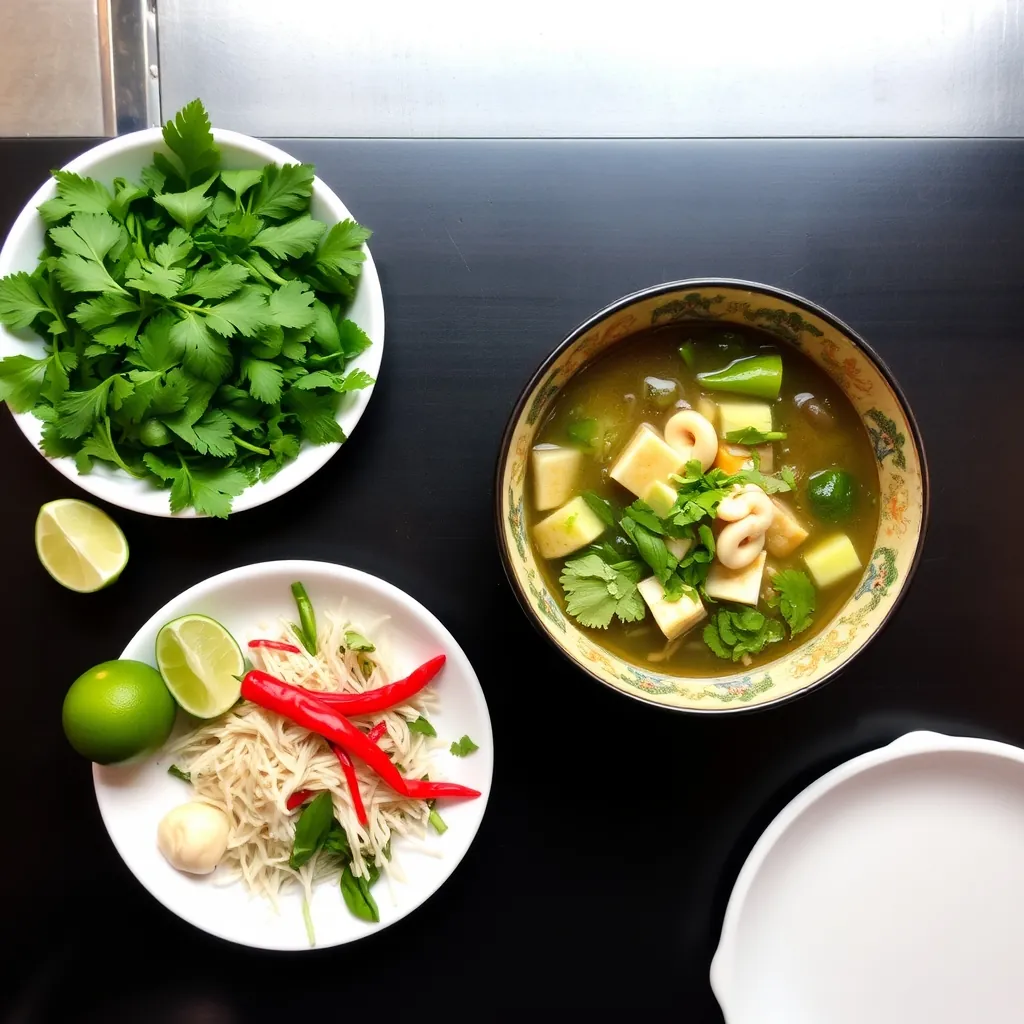
Serve Pho immediately after assembling. The noodles will soak up the broth and become mushy if left to sit. Provide a platter of fresh herbs: Thai basil, mint, and cilantro. Include bean sprouts, lime wedges, and sliced jalapeños or bird’s eye chilies. Hoisin sauce and Sriracha are standard for Southern-style bowls.
Do not add all the toppings at once. Let each person build their own bowl. This keeps the broth clean and allows for personal preference.
Mastering Pho is a journey. Each batch teaches you something new. Pay attention to the details. Char the aromatics. Simmer slowly. Season carefully. The result is a bowl of soup that is deeply satisfying and uniquely yours.
Leave a Reply