Your cart is currently empty!
The Definitive Guide to Cooking Pho at Home
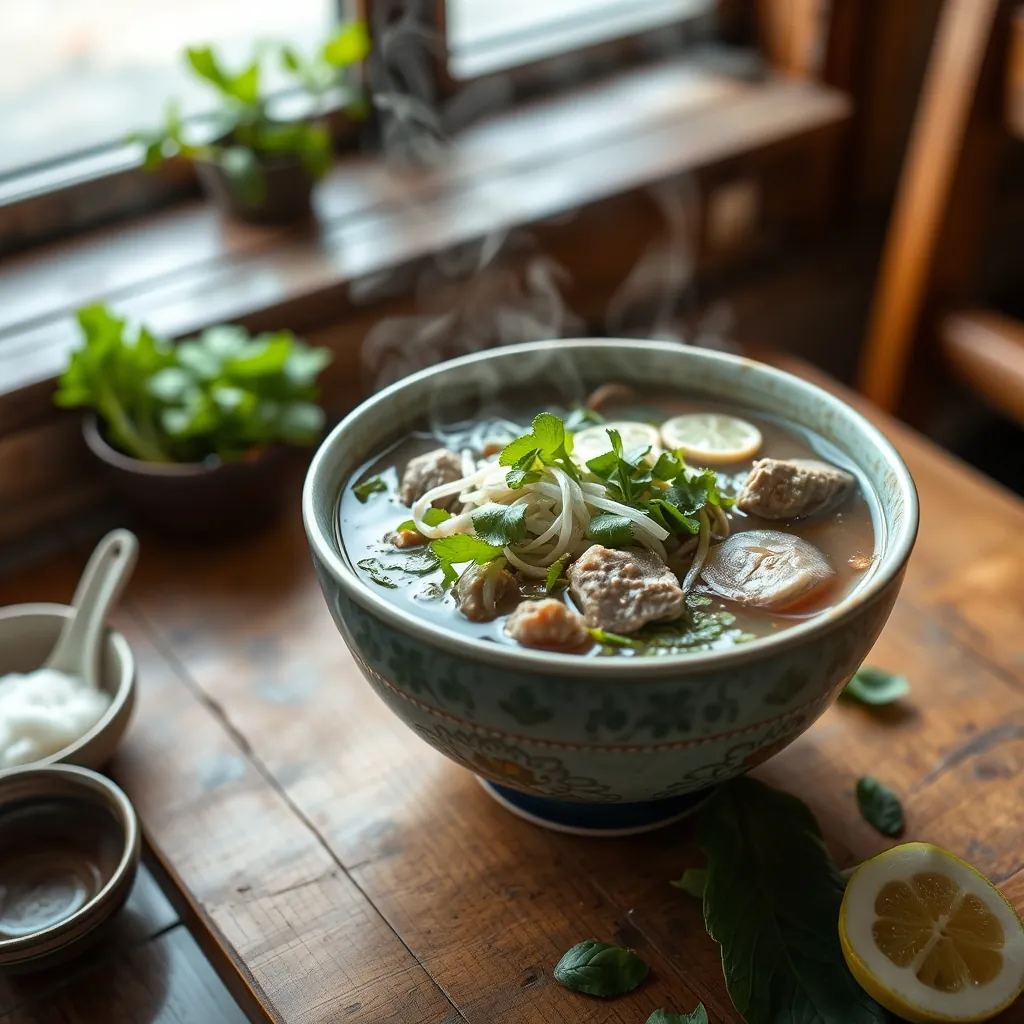
Pho is more than a soup. It is a cultural cornerstone of Vietnam, born in the early 20th century in the northern provinces. A great bowl of pho balances a clear, deeply savory broth with tender rice noodles and fresh herbs. Cooking pho at home requires patience and precision, but the reward is a bowl that rivals any restaurant. This guide breaks down every step, from selecting bones to assembling the final dish, with no shortcuts and no fluff.
The Anatomy of a Perfect Broth
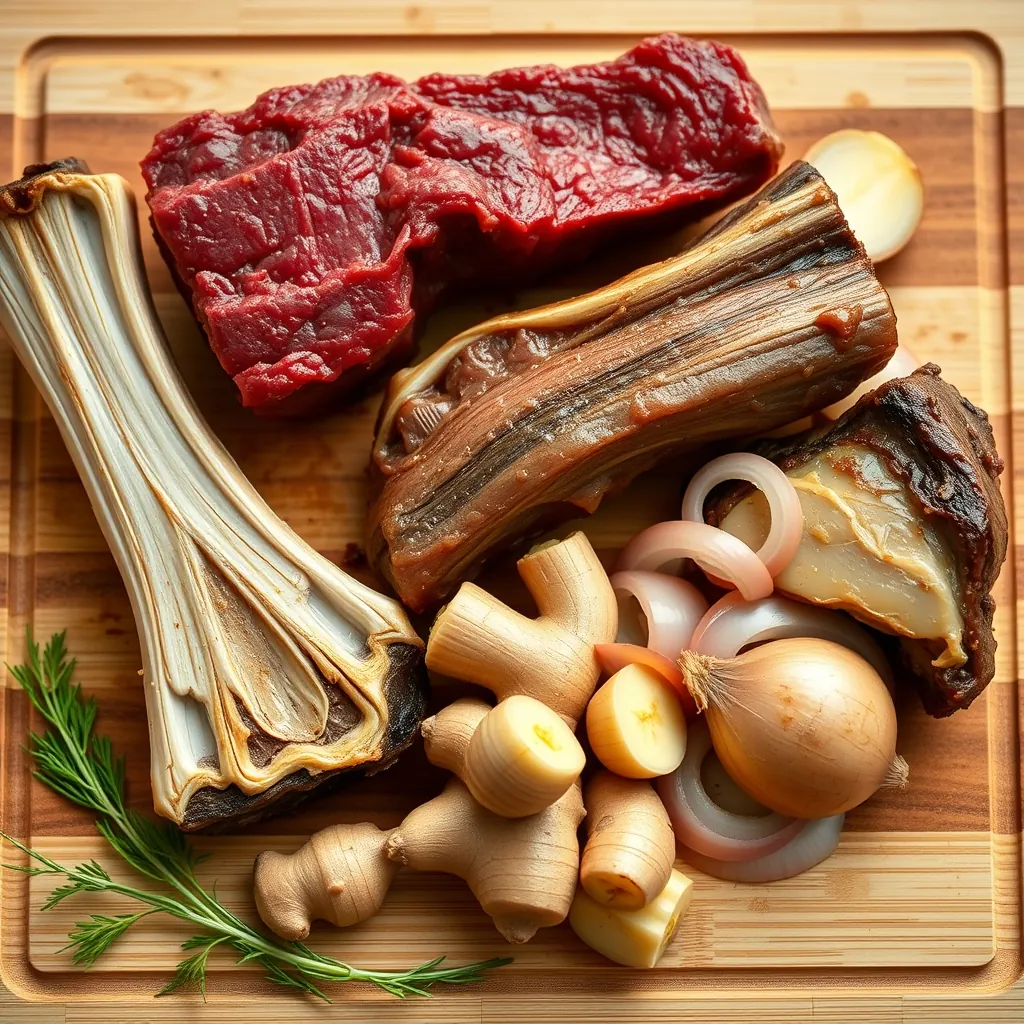
Broth is the soul of pho. It gets its richness from beef bones and its fragrance from charred aromatics. The key is the bone-to-water ratio. For a clear, gelatinous broth, use 1.5 pounds of bones per quart of water. This yields a balanced flavor without being greasy.
Different bones bring different qualities:
- Marrow bones (femur or leg): Provide deep richness and body due to high collagen content.
- Knuckle bones: Add clarity and a subtle sweetness.
- Oxtail: Imparts intense beef flavor and extra gelatin for a silky mouthfeel.
The Science of Charring Aromatics
Charring onions and ginger is non-negotiable. This step triggers the Maillard reaction, creating hundreds of flavor compounds that give the broth its characteristic dark amber color and smoky sweetness. Cut a large onion and a 3-inch piece of ginger in half. Place them cut-side down on a hot, dry skillet or directly over a gas flame. Cook until the surfaces are blackened and fragrant, about 5 minutes. Do not skip this step. It is the difference between a flat broth and one with depth.
Spice Timing: Avoid Bitterness
Whole spices like star anise, cloves, cinnamon, and coriander seeds are essential. But they can turn bitter if simmered too long. Follow this precise timeline:
- Add star anise (5 whole pods), cinnamon stick (1), cloves (4 whole), and coriander seeds (1 tablespoon) to the broth 30 minutes before the end of simmering.
- Remove the spices after 30 minutes. Longer exposure extracts bitter tannins.
- Toast the spices in a dry pan for 1 minute before adding them. This releases their essential oils without burning.
Step-by-Step: Building the Broth
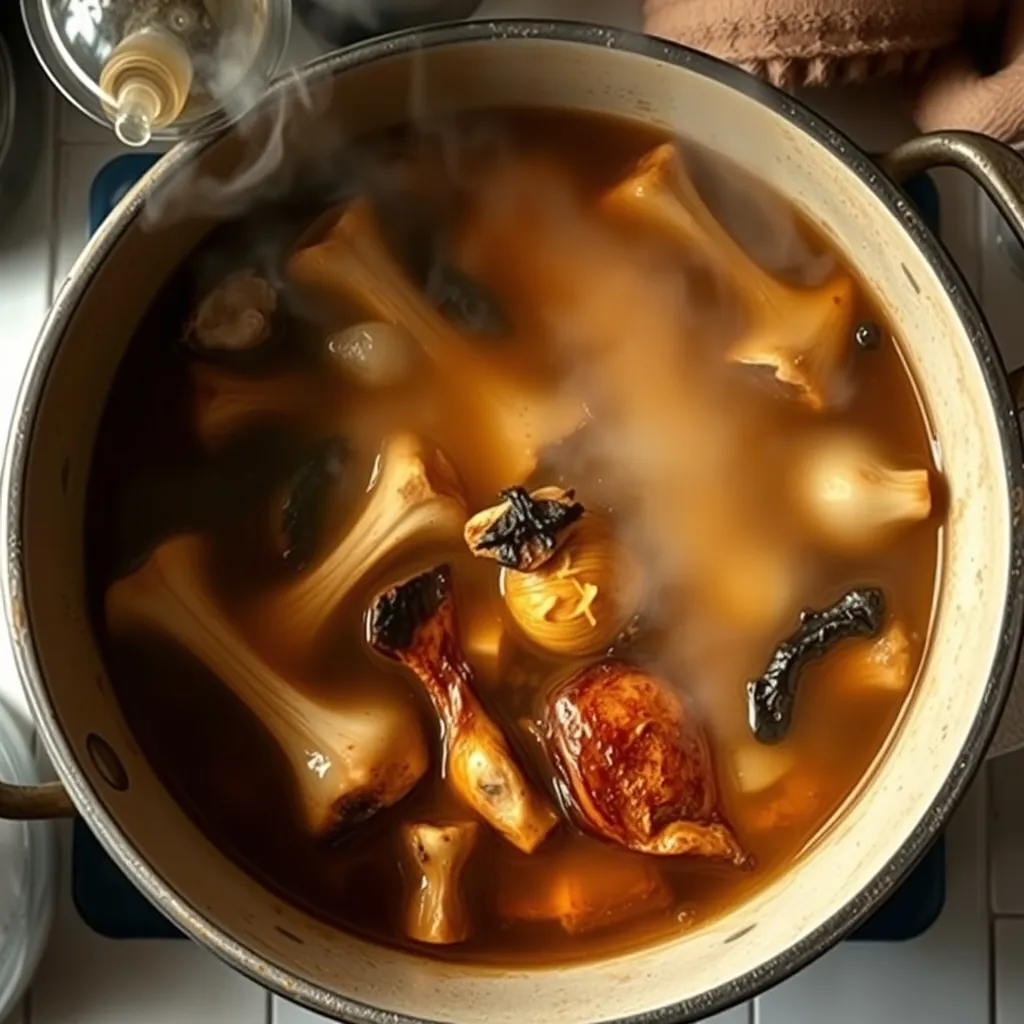
Follow this sequence for a clean, flavorful broth:
- Blanch the bones. Place 3 pounds of bones in a large pot, cover with cold water, and bring to a boil. Boil for 10 minutes. Drain and rinse the bones under cold water. This removes impurities and prevents a cloudy broth.
- Start fresh. Return the cleaned bones to the pot. Add 2 quarts of cold water and the charred onion and ginger.
- Simmer, do not boil. Bring to a gentle simmer at 190°F (88°C). Maintain this temperature for 3 hours for a quick broth, or up to 8 hours for maximum depth. A rolling boil will emulsify fat and create a cloudy broth.
- Add fish sauce and salt. Season the broth with 3 tablespoons of fish sauce and 1 teaspoon of salt. Adjust to taste. Do not use soy sauce. It overpowers the delicate aromatics.
- Strain. Remove bones and aromatics with a slotted spoon. Strain the broth through a fine-mesh sieve into a clean pot. Skim off any remaining fat with a ladle.
Troubleshooting Common Broth Issues
Even experienced cooks face problems. Here is how to fix them:
- Cloudy broth. You boiled the bones too hard. Next time, blanch them first and keep the heat low. To fix a cloudy batch, strain through a coffee filter or cheesecloth.
- Lack of depth. Your broth is thin because you used too much water or not enough bones. Reduce the broth by simmering uncovered for 20 minutes to concentrate flavors. Or add a splash of fish sauce.
- Too greasy. Chill the broth overnight and scrape off the solidified fat layer before reheating.
Noodles, Meat, and Garnishes
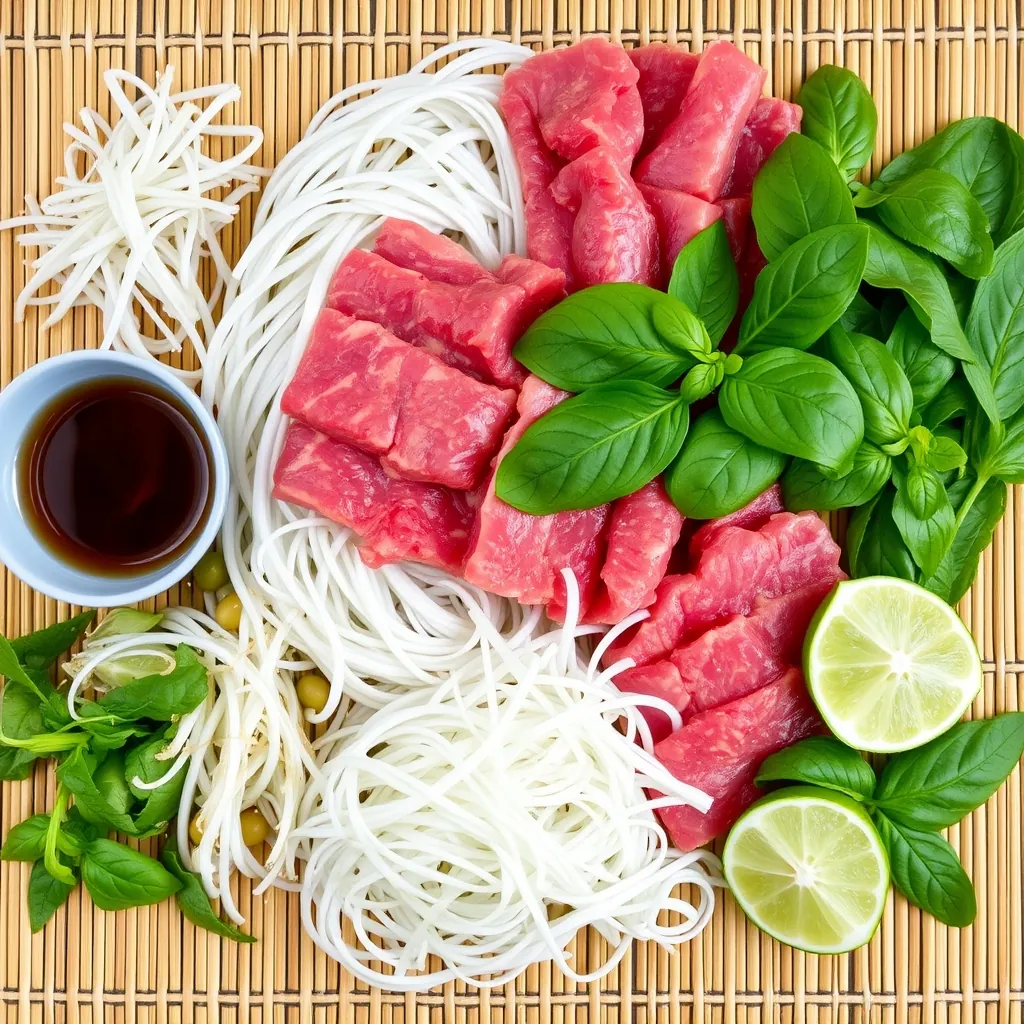
Rice Noodles (Bánh Phở)
Use dried flat rice noodles. Cook them separately according to package directions, usually 4 to 6 minutes in boiling water. Drain and rinse with cold water to stop cooking. Do not add them to the broth until serving. They will turn mushy if stored in liquid.
Choosing and Preparing Meat
The classic pho tái uses raw beef that cooks in the hot broth. For the best results:
- Use sirloin or ribeye. Freeze the meat for 30 minutes to firm it up, then slice it paper-thin against the grain.
- For slow-cooked options, brisket or tendon can be simmered in the broth for 2 hours until tender. Remove them before straining and slice them just before serving.
Essential Garnishes
Set out a platter of fresh herbs and condiments. Do not skip these. They transform the bowl:
- Thai basil (húng quế) and cilantro
- Bean sprouts (raw or lightly blanched)
- Lime wedges
- Thinly sliced red chili or jalapeño
- Hoisin sauce and Sriracha (served on the side)
Assembling the Bowl
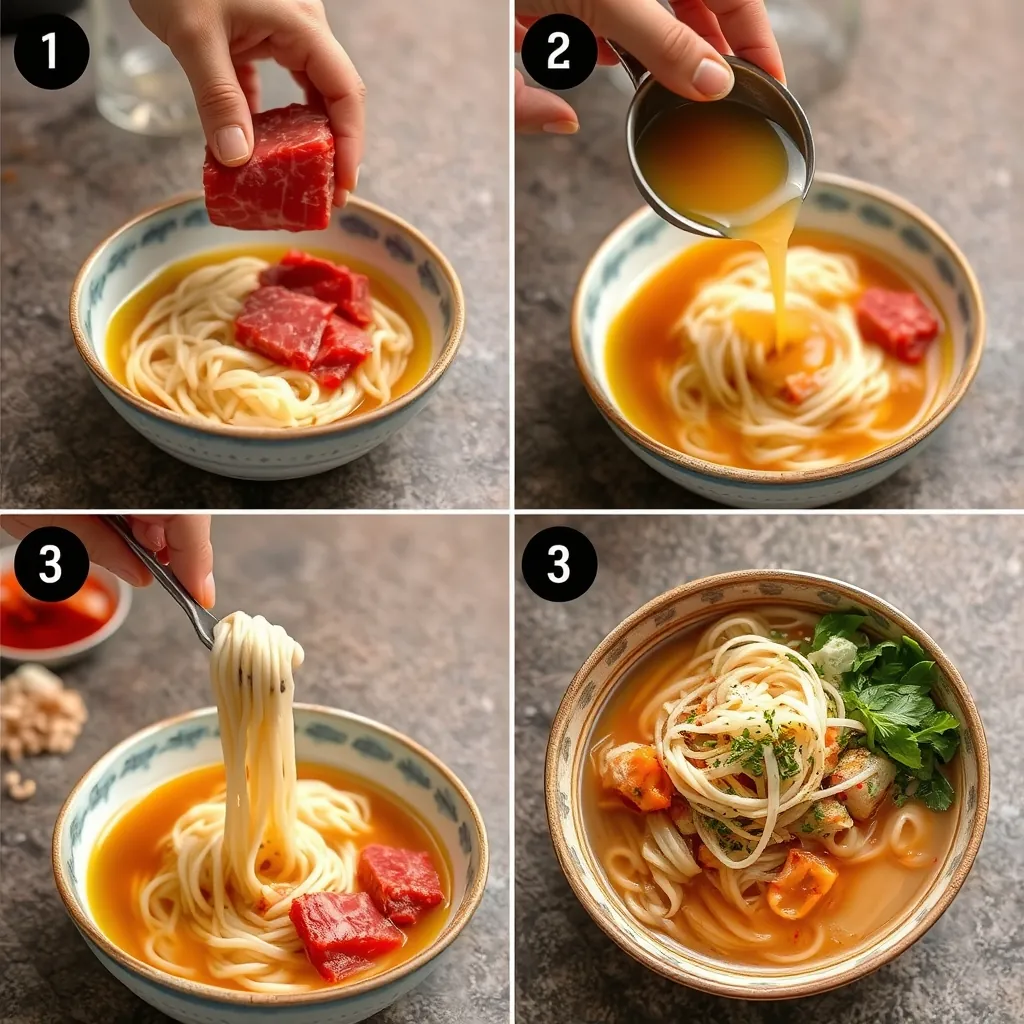
Assembly is quick. The heat of the broth does the final cooking.
- Place a portion of cooked noodles in a deep bowl.
- Lay thin slices of raw beef on top of the noodles.
- Ladle the boiling broth (190°F) directly over the beef. The heat will cook the meat to medium-rare in seconds.
- Add optional cooked brisket or tendon if using.
- Garnish generously with herbs, bean sprouts, and a squeeze of lime.
- Serve immediately. Let each diner add hoisin and Sriracha to taste.
Regional Variations: Northern vs. Southern Pho
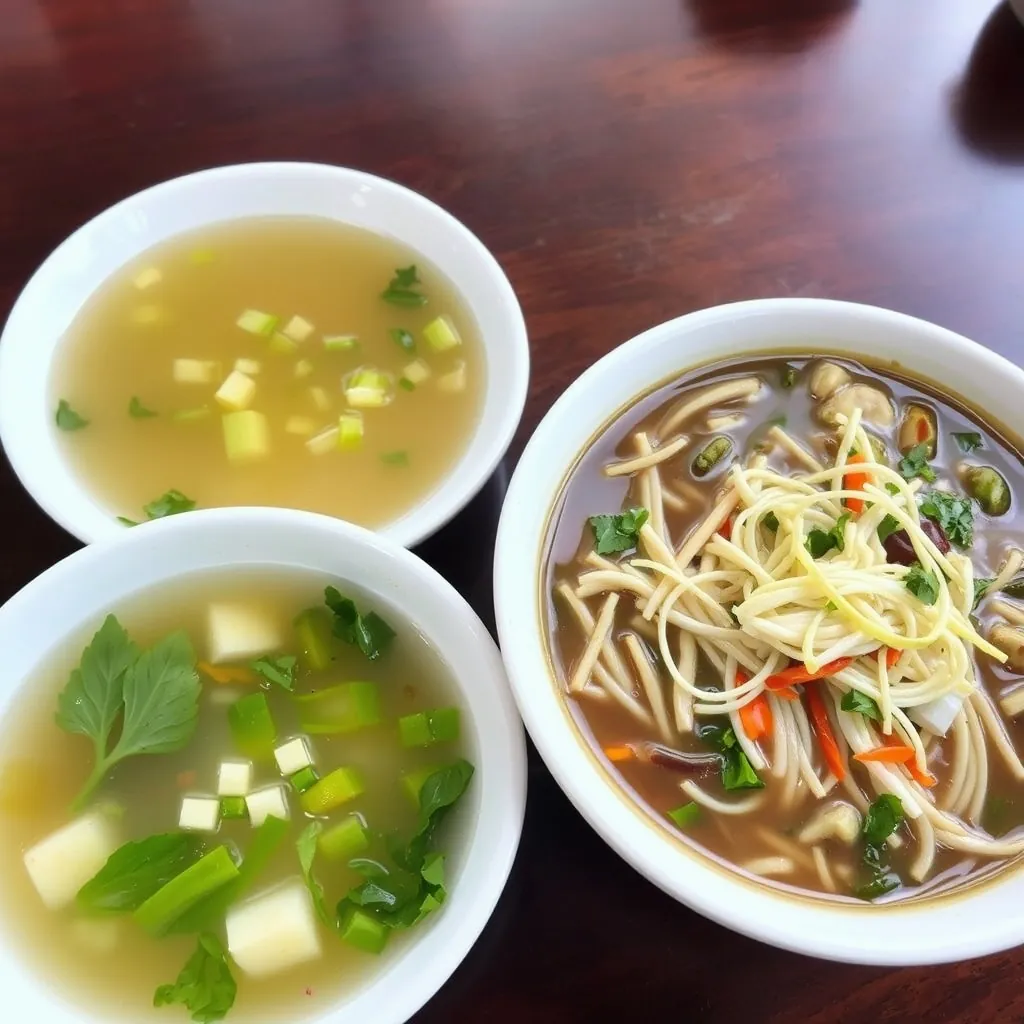
Understanding the differences helps you decide which style to cook.
- Northern (Phở Hà Nội): The broth is clear and lightly seasoned. It uses fewer spices and no bean sprouts or herbs in the bowl. Garnishes are minimal, often just lime and chili. The focus is on the purity of the beef flavor.
- Southern (Phở Sài Gòn): The broth is darker and sweeter, often with more star anise and cinnamon. It is served with a large platter of herbs, bean sprouts, and sauces. Hoisin and Sriracha are almost mandatory.
Choose Northern for a cleaner taste. Choose Southern for a bolder, more aromatic experience.
Dietary Adaptations
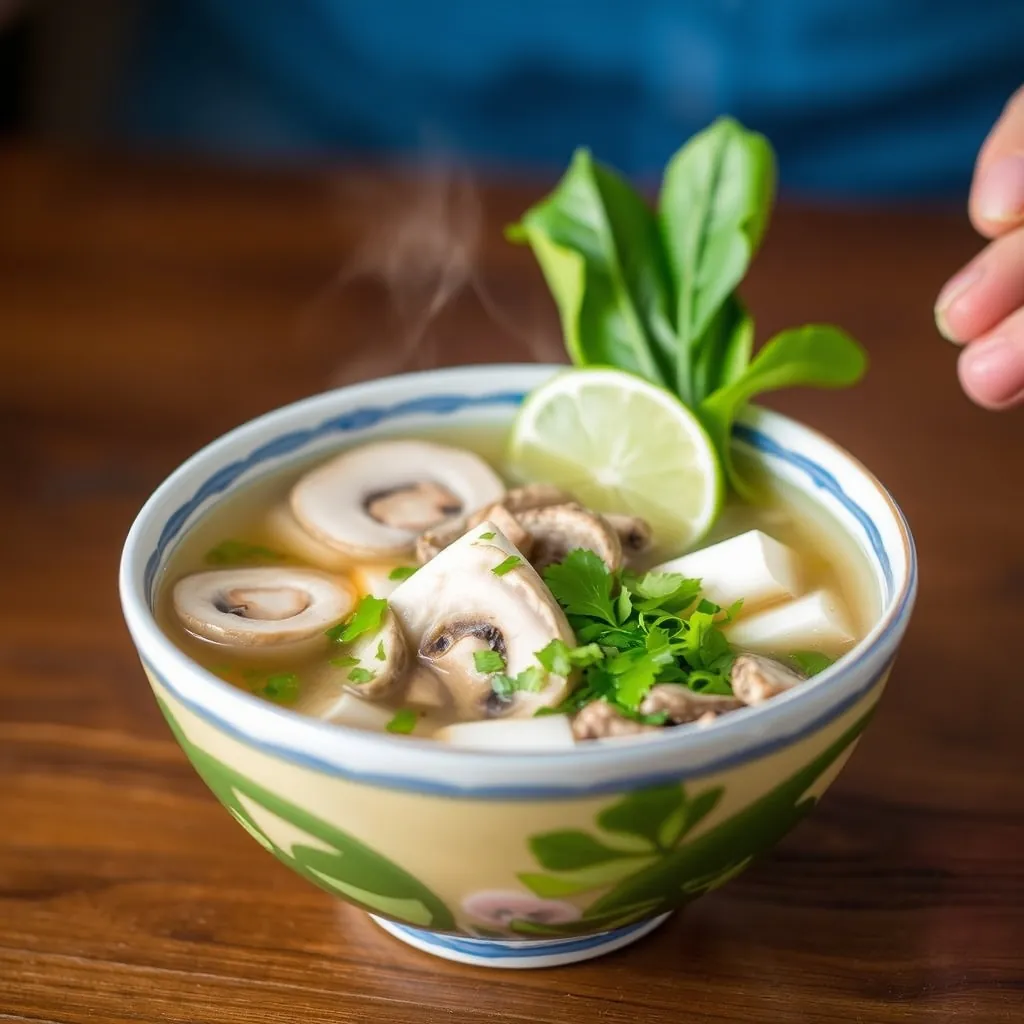
Pho can be adapted without losing its soul.
- Vegetarian/Vegan: Replace beef bones with a mix of shiitake mushrooms, kombu seaweed, and roasted vegetables (onion, carrot, celery). Simmer for 1 hour. Add soy sauce or tamari for umami.
- Gluten-Free: Use rice noodles and ensure your fish sauce and hoisin sauce are certified gluten-free. Many brands contain wheat.
Storage and Freezing Without Ruining Noodles
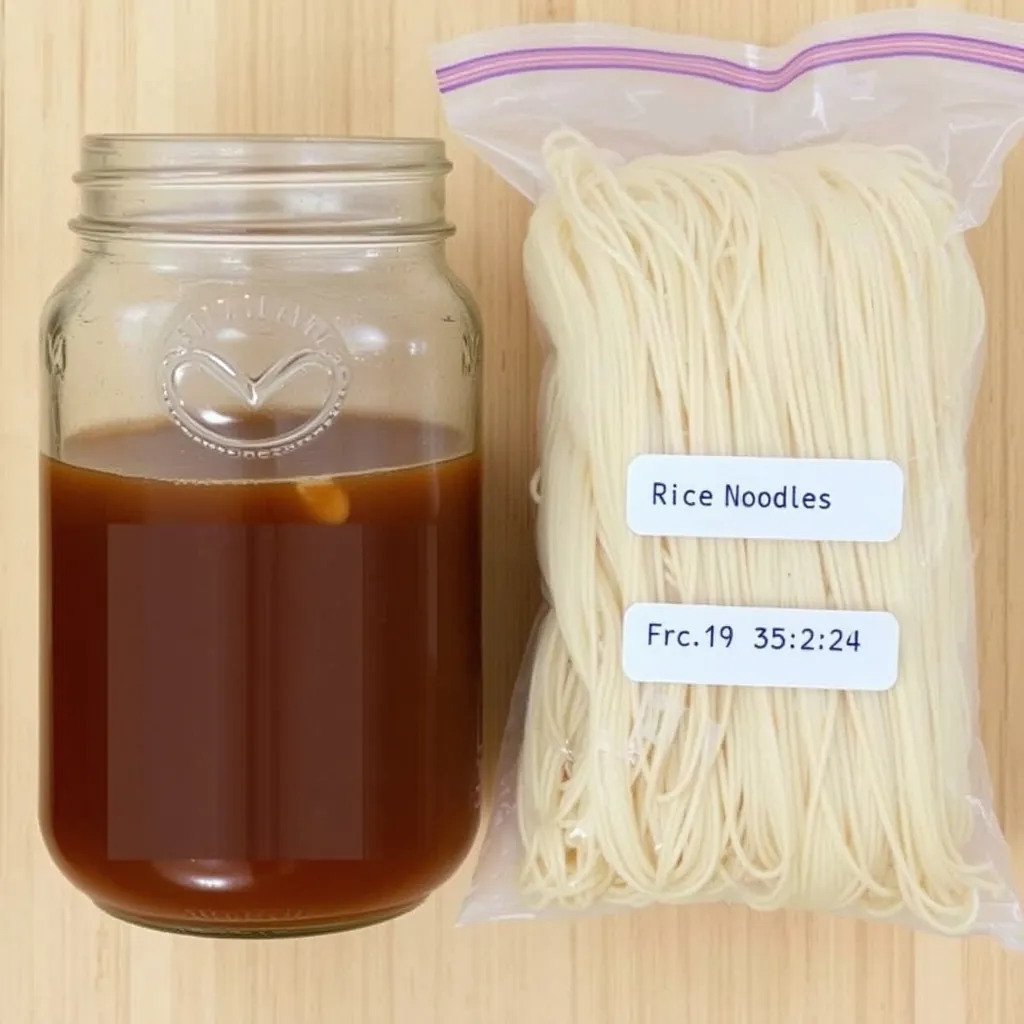
Leftover broth is a gift. But noodles do not freeze well. Here is the correct method:
- Broth: Cool completely and refrigerate for up to 5 days. Freeze in airtight containers for up to 3 months. The fat layer will protect the broth from freezer burn.
- Noodles: Never freeze cooked noodles. They become mushy. Instead, store dry noodles in a cool pantry. Cook fresh noodles only when you are ready to eat.
- Reheating: Bring the broth to a rolling boil. Cook fresh noodles separately. Assemble the bowl fresh. This preserves the texture and flavor.
Final Tips for a Superior Bowl
Small details separate good pho from great pho.
- Toast all spices before adding them. It takes one minute and doubles their aroma.
- Use filtered water for the broth. Tap water with chlorine can dull the flavor.
- Season the broth at the end, not the beginning. Salt and fish sauce concentrate as the broth reduces.
- Serve the broth at 190°F. A thermometer ensures the raw beef cooks perfectly without becoming tough.
Cooking pho at home takes time. But with this guide, you will build a broth with clarity, depth, and authenticity that honors the tradition. Start with good bones, control your heat, and never rush the simmer. Your reward is a bowl of pho that is truly yours.
Frequently Asked Questions
What is the best bone-to-water ratio for pho broth?
Use 1.5 pounds of bones per quart of water for a balanced, gelatinous broth without being greasy.
Why do I need to char the onions and ginger for pho?
Charring triggers the Maillard reaction, adding smoky depth and a dark amber color that is essential for authentic pho flavor.
How long should I simmer pho spices to avoid bitterness?
Add whole spices like star anise and cinnamon 30 minutes before the end of simmering and remove them after 30 minutes to prevent bitter tannins.
Can I freeze pho broth, and how should I store the noodles?
Yes, freeze broth for up to 3 months. Never freeze cooked noodles; store them dry and cook fresh when serving.
What is the difference between Northern and Southern pho?
Northern pho has a clear, lightly seasoned broth with minimal garnishes, while Southern pho is darker, sweeter, and served with abundant herbs and sauces.
Leave a Reply