Your cart is currently empty!
The Allure of Authentic Italian Pizza
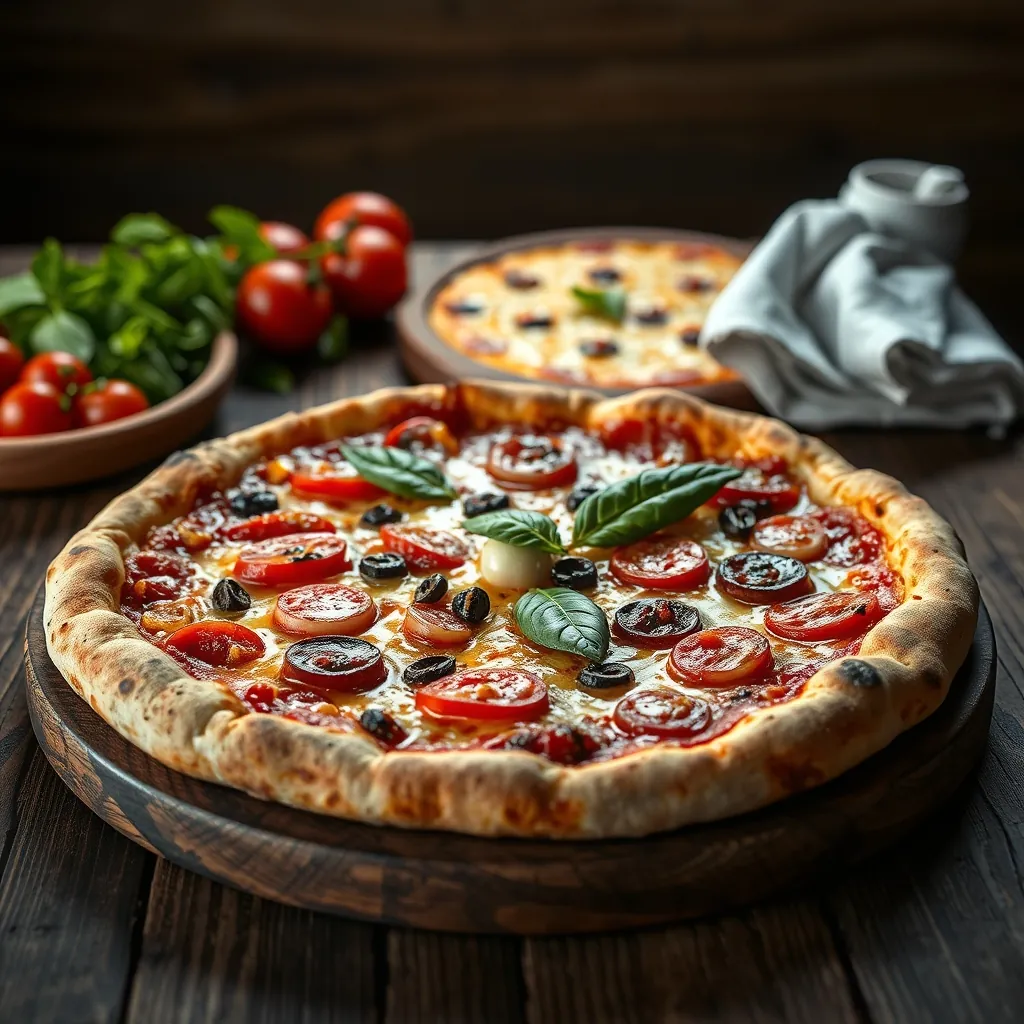
Authentic Italian pizza captivates food lovers around the globe, drawing them in with its simple yet profound flavors. The charm of this dish lies in its ability to combine quality ingredients with traditional techniques, resulting in a culinary experience that is both satisfying and memorable.
At its core, authentic Italian pizza features a thin, crisp crust that serves as the perfect foundation for a variety of toppings. The dough is often prepared with just four ingredients: flour, water, salt, and yeast. This simplicity allows each component to shine, creating a harmonious balance of taste and texture.
Moreover, the toppings used in authentic Italian pizza are carefully selected to enhance the overall flavor profile. Ingredients such as San Marzano tomatoes, fresh mozzarella, and fragrant basil provide a fresh and vibrant taste that is quintessentially Italian. Each bite transports you to the sun-drenched streets of Naples, where pizza-making is an art form.
Another aspect that adds to the allure is the communal experience of sharing pizza with family and friends. Whether enjoyed in a cozy pizzeria or made at home, it fosters connections and creates lasting memories. The process of making pizza together can be just as rewarding as eating it, further solidifying its place in culinary culture.
In conclusion, the allure of authentic Italian pizza stems from its rich history, quality ingredients, and the joy it brings to those who share it. It stands as a testament to the beauty of simplicity in cooking, reminding us that sometimes less truly is more.
Understanding the Ingredients
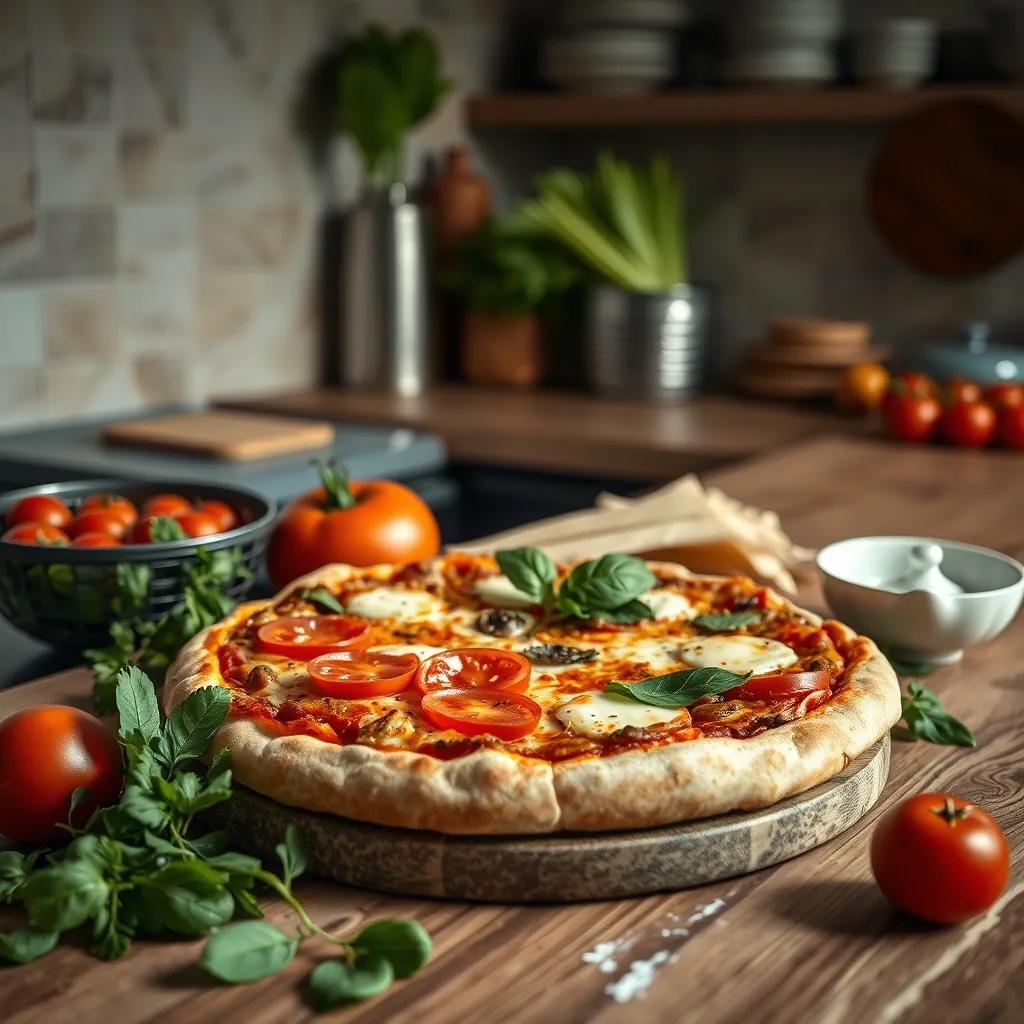
To create authentic Italian pizza, understanding the essential ingredients is crucial. Each component plays a significant role in achieving the desired flavor and texture.
- Flour: The foundation of the dough, high-quality flour is vital. Italian “00” flour is preferred for its fine texture and high protein content, which contributes to the dough’s elasticity and chewiness.
- Water: The hydration level of the dough significantly affects its consistency. Using filtered water ensures purity, while the right temperature aids in yeast activation during fermentation.
- Salt: Essential for flavor enhancement, salt also strengthens the gluten structure in the dough. It should be added in moderation to balance the overall taste.
- Yeast: This ingredient is responsible for fermentation and rising. Both fresh yeast and dry yeast can be used; however, proper fermentation time is critical to develop flavor and texture.
- Tomatoes: Authentic Italian pizza typically features San Marzano tomatoes, known for their sweet flavor and low acidity. These tomatoes provide a rich base for the sauce, enhancing the overall taste.
- Cheese: Fresh mozzarella is a staple topping. It melts beautifully and adds a creamy texture. For authentic flavor, seek mozzarella di bufala, made from water buffalo milk.
- Basil: Fresh basil leaves add aromatic qualities that elevate the pizza. They should be added just before serving to preserve their vibrant flavor.
Sourcing these ingredients locally can enhance authenticity. Look for specialty stores that carry imported Italian products or local farms that offer fresh produce to replicate the genuine flavors of Italy.
The Perfect Dough: Step-by-Step Guide
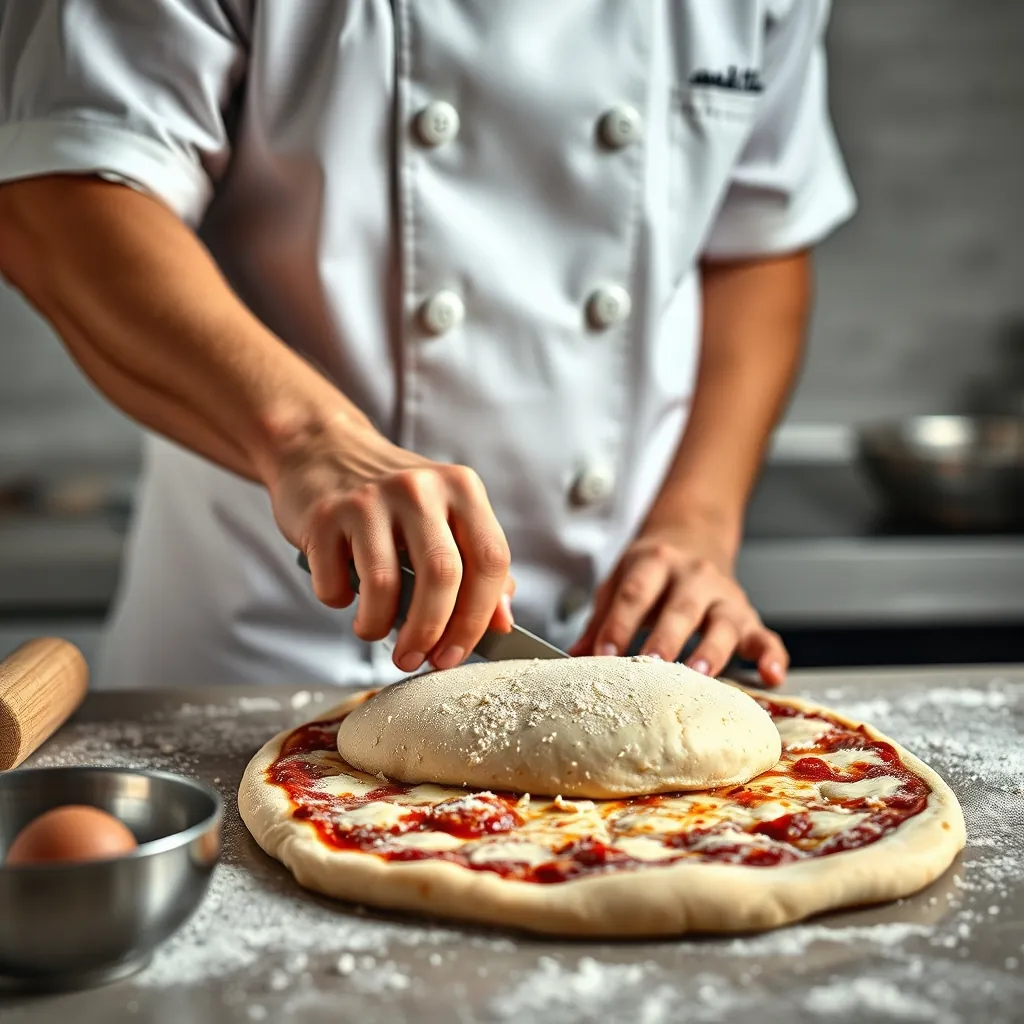
Creating the ideal pizza dough is a meticulous process that rewards patience and attention to detail. Follow these steps to achieve a dough that rises beautifully and offers the perfect base for your toppings.
- Mixing the Ingredients: Start by combining 500 grams of high-quality Italian “00” flour with 325 milliliters of lukewarm water in a large mixing bowl. Add 10 grams of salt and 2 grams of active dry yeast. Stir until a shaggy dough forms.
- Kneading: Transfer the dough onto a lightly floured surface. Knead for about 10-15 minutes until it becomes smooth and elastic. The dough should be slightly tacky but not sticky; adjust with small amounts of flour if necessary.
- First Rise: Place the kneaded dough in a lightly oiled bowl, cover it with a damp cloth, and let it rise at room temperature for approximately 2 hours. The dough should double in size during this period.
- Degassing: Once risen, gently punch down the dough to release excess gas. This step is crucial for developing flavor and structure.
- Shaping into Balls: Divide the dough into smaller portions, typically around 250 grams each. Shape each portion into a tight ball by folding the edges into the center and rolling it against the surface.
- Second Rise: Place the dough balls on a floured tray, cover them with a cloth, and allow them to rise again for about 4 hours at room temperature or overnight in the refrigerator for enhanced flavor.
For optimal results, monitor the fermentation time closely. A longer fermentation allows for more complex flavors to develop, so don’t rush this critical step. Aim for a balance between time and temperature to achieve the perfect dough consistency.
Crafting the Sauce: A Key Component
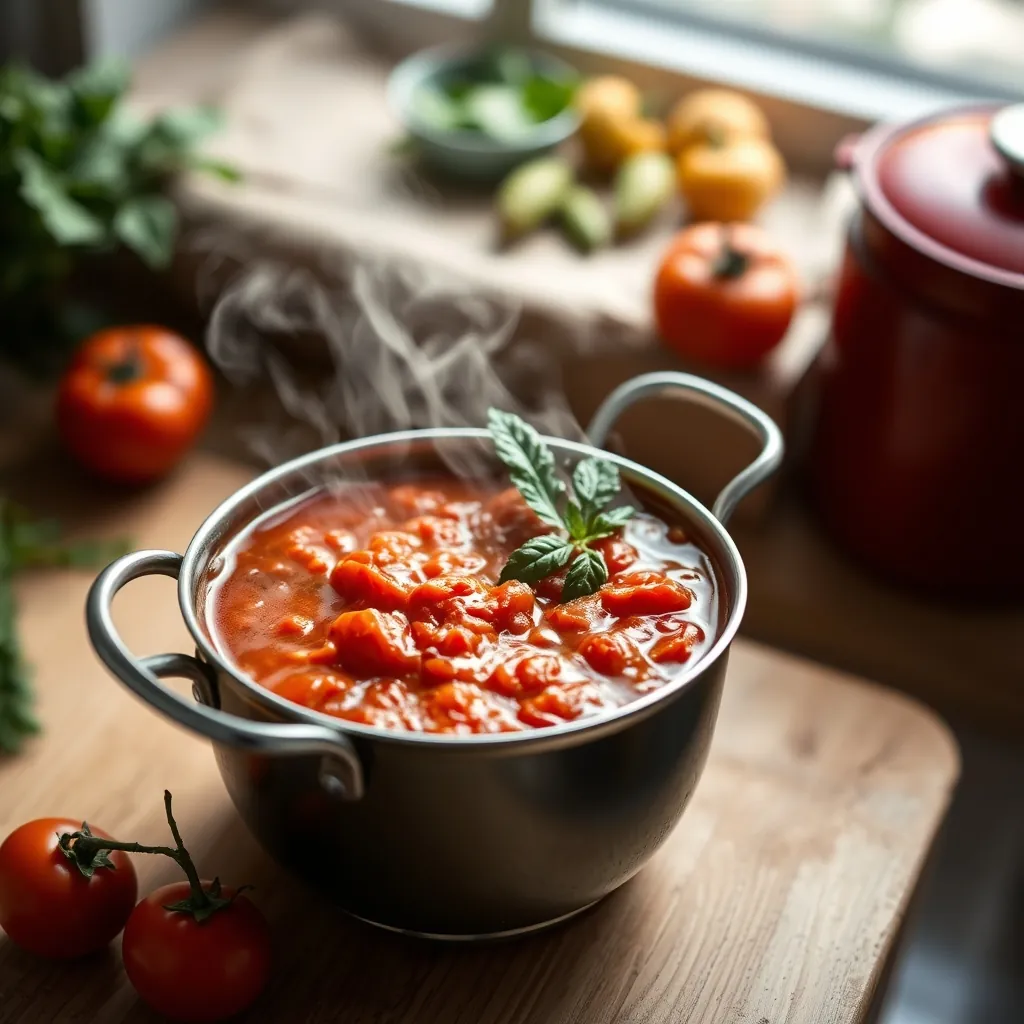
The sauce is a vital element of authentic Italian pizza, enhancing the overall flavor profile. Crafting a traditional pizza sauce requires simple yet high-quality ingredients. Follow these steps to prepare a sauce that perfectly complements your dough and toppings.
- Selecting the Tomatoes: Use San Marzano tomatoes for their rich flavor and low acidity. These tomatoes are crucial for achieving an authentic taste. If fresh tomatoes are unavailable, opt for high-quality canned San Marzano varieties.
- Preparing the Sauce: In a blender or food processor, combine 400 grams of canned San Marzano tomatoes, a pinch of salt, and a teaspoon of extra virgin olive oil. Blend until smooth but still slightly chunky for texture.
- Adding Flavor: Incorporate minced garlic (1-2 cloves) and fresh basil leaves (about 5-6 leaves) into the sauce. Adjust the quantity based on personal preference. Blend again briefly to mix the flavors.
- Simmering (Optional): While many prefer using the sauce fresh, simmering for 15-20 minutes can deepen the flavors. If you choose to simmer, do so over low heat to prevent burning.
- Final Adjustments: Taste the sauce and adjust seasoning as necessary. A touch of sugar may help balance acidity if desired. Let the sauce cool before applying it to your dough.
This simple yet flavorful sauce embodies the essence of Italian cooking. Utilizing fresh ingredients and allowing them to shine will elevate your pizza to new heights. Always remember that less is more; a balanced sauce enhances rather than overwhelms the other components of your pizza.
Choosing the Right Cheese and Toppings
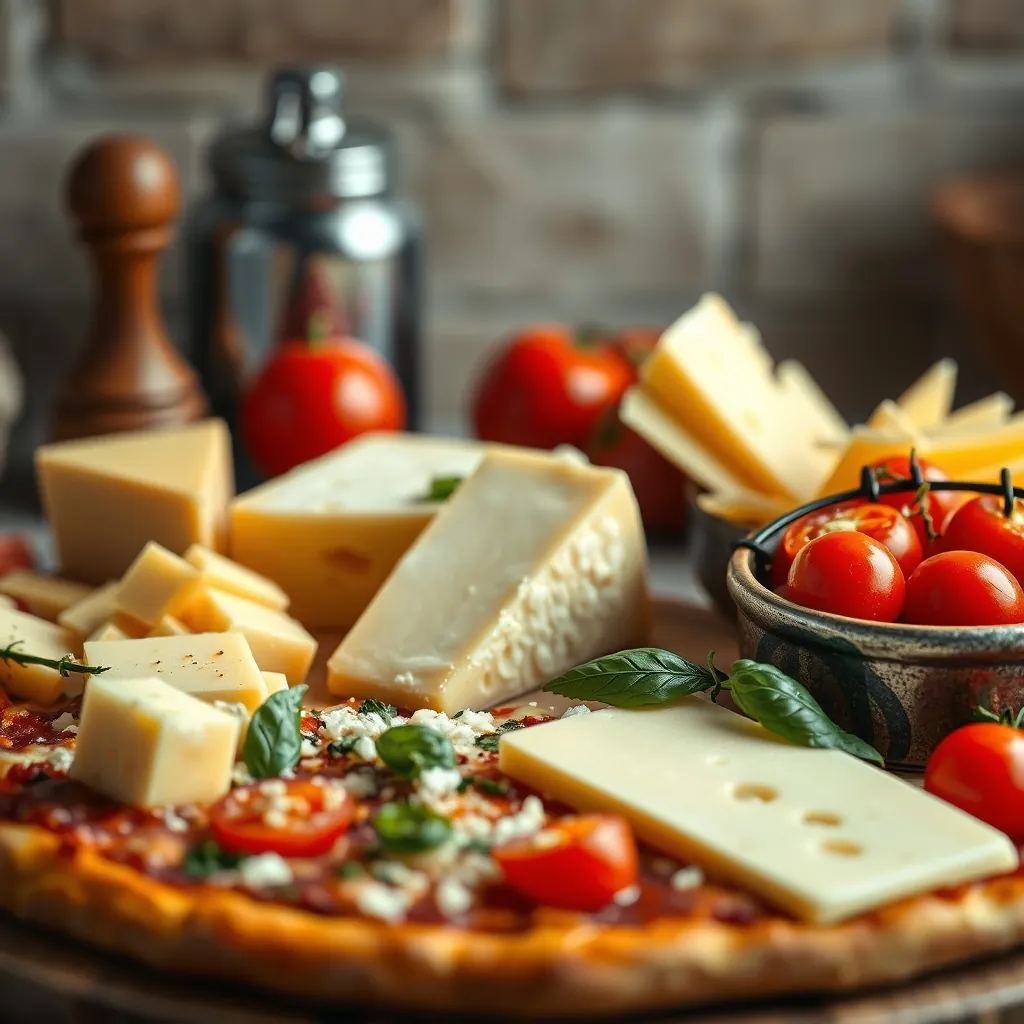
The choice of cheese and toppings significantly influences the final taste of your pizza. Authentic Italian pizza typically features a few select ingredients that harmonize beautifully. Here’s how to choose the right cheese and toppings for an exceptional pizza experience.
Cheese Selection
Cheese is a fundamental component, providing richness and creaminess. The following options are highly recommended:
- Fresh Mozzarella: This cheese is a classic choice for Italian pizza. Opt for high-quality, water-packed fresh mozzarella, which melts beautifully and adds a creamy texture.
- Bufala Mozzarella: Made from the milk of water buffalo, this cheese boasts a richer flavor and creamier consistency than regular mozzarella. It is often considered the gold standard for authentic pizzas.
- Parmesan: Grated Parmesan can be sprinkled on top after baking to add a sharp, nutty flavor. It enhances the overall taste without overpowering other ingredients.
Traditional Toppings
Authentic Italian pizza toppings should be fresh and simple, allowing each ingredient to shine. Consider these traditional options:
- San Marzano Tomatoes: These tomatoes are not only used in the sauce but can also be sliced and placed directly on the pizza for added texture and flavor.
- Basil: Fresh basil leaves add a fragrant aroma and a burst of flavor. Scatter them on top before or after baking for the best results.
- Prosciutto: Thinly sliced prosciutto adds a salty, savory element. It should be added after baking to maintain its delicate texture.
- Mushrooms: Fresh mushrooms, such as porcini or cremini, provide an earthy flavor. Sauté them lightly before adding to enhance their taste.
- Olives: Black or green olives can contribute a briny flavor that complements the other toppings.
When selecting toppings, aim for balance and harmony. Each ingredient should enhance the overall experience without overwhelming the palate. Experiment with combinations while keeping in mind that simplicity is key to achieving authentic Italian flavors.
Baking Techniques for the Perfect Pizza
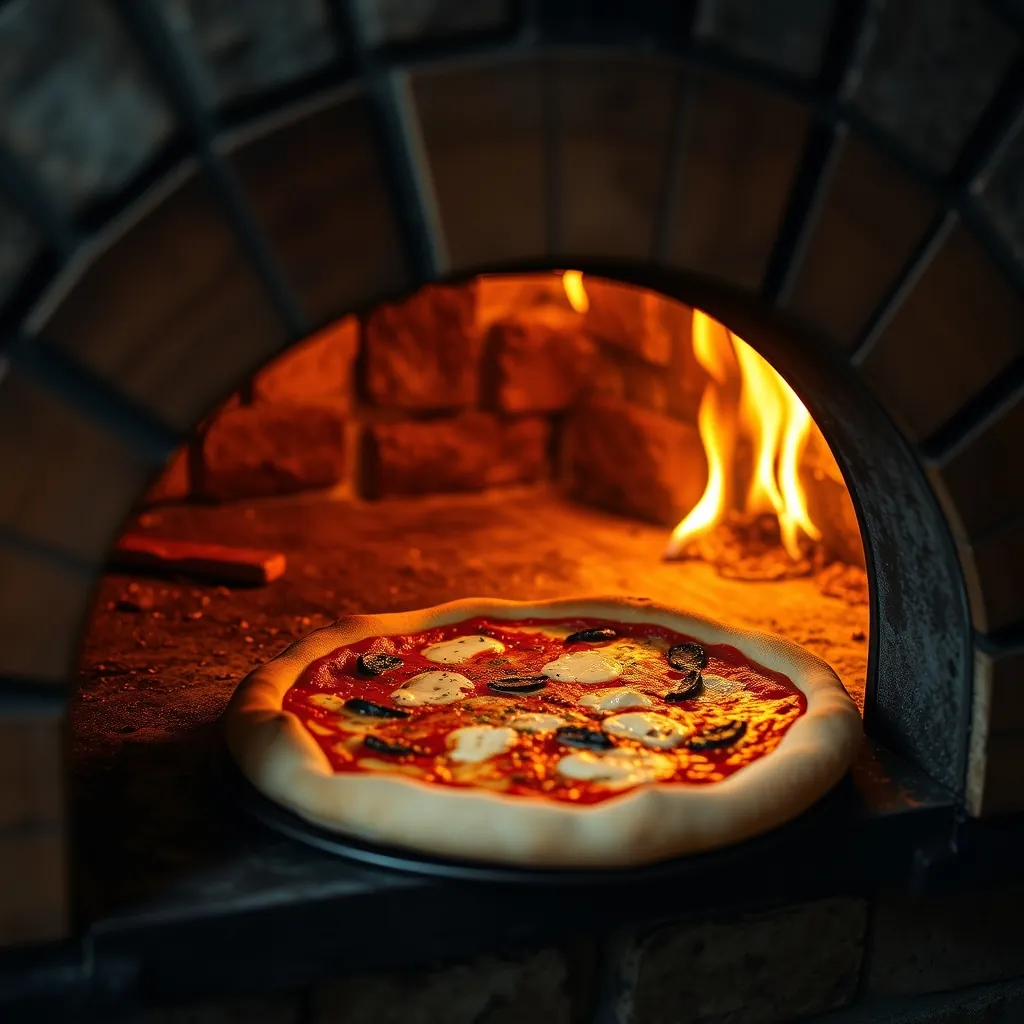
Baking is a critical step in achieving the perfect pizza, as it transforms your carefully prepared dough and toppings into a delicious dish. The right technique can significantly enhance the texture and flavor. Here are some effective baking methods to consider.
Using a Pizza Stone
A pizza stone is an excellent tool for mimicking the conditions of a traditional wood-fired oven. Here’s how to use one effectively:
- Preheat the Stone: Place the stone in your oven and preheat it to the highest temperature, typically around 500°F (260°C), for at least 30 minutes. This ensures the stone absorbs enough heat.
- Transfer the Pizza: Use a pizza peel to transfer your assembled pizza onto the hot stone. Flour the peel to prevent sticking.
- Bake Time: Bake the pizza for about 8-12 minutes, depending on thickness and toppings, until the crust is golden and crisp.
Oven Settings
Adjusting your oven settings can improve your baking results:
- Convection Mode: If your oven has a convection setting, use it. This circulates hot air, promoting even cooking and browning.
- Broiler for Finish: For a charred top, switch on the broiler for the last minute of baking. Watch closely to avoid burning.
Timing and Temperature
The timing and temperature of baking are crucial:
- Ideal Temperature: Authentic Italian pizzas thrive at high temperatures, ideally around 800°F (427°C) in wood-fired ovens. Home ovens may not reach this, but aim for the highest setting.
- Monitor Closely: Keep an eye on your pizza as it bakes. Rotate it halfway through to ensure even cooking.
Experiment with these techniques to find what works best for your setup. The perfect bake will yield a crispy crust, melted cheese, and beautifully cooked toppings, culminating in an authentic Italian pizza experience.
Regional Variations of Italian Pizza
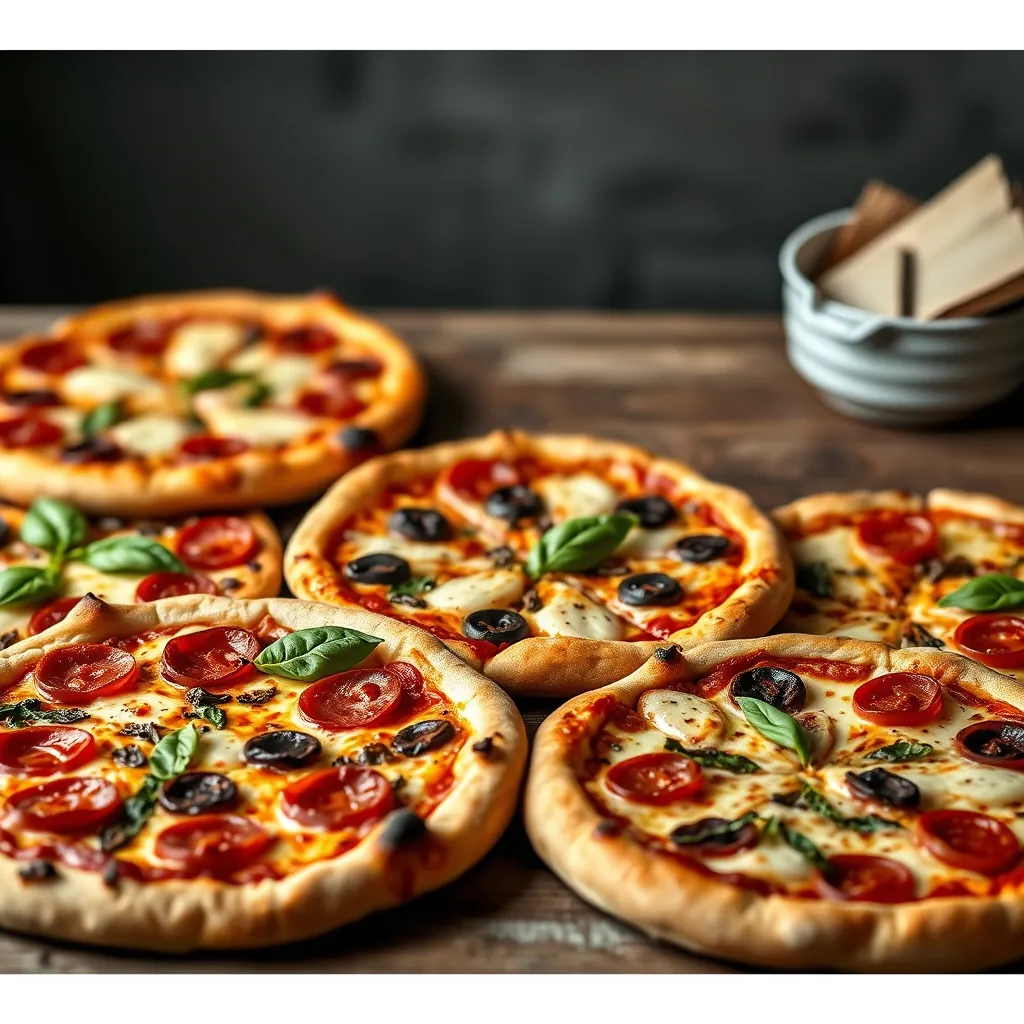
Italian pizza is not a monolith; it varies significantly across regions, each offering distinct flavors and preparation methods. Understanding these regional styles can enhance your pizza-making skills and allow you to replicate authentic tastes at home.
Neapolitan Pizza
Originating from Naples, Neapolitan pizza is characterized by its soft, chewy crust and simple toppings. Key features include:
- Dough: Made with high-protein flour, water, salt, and yeast, it undergoes a long fermentation process, typically 24 hours.
- Toppings: Traditional toppings include San Marzano tomatoes, fresh mozzarella, and basil. Less is more, as this style emphasizes quality ingredients.
- Baking: Ideally cooked in a wood-fired oven at around 800°F (427°C) for about 60-90 seconds.
Roman Pizza
Roman pizza can be divided into two main types: Pizza Romana and Pizza al Taglio. Each has unique characteristics:
- Pizza Romana: This version features a thin, crispy crust with a slightly charred edge. Often topped with a variety of ingredients but remains simple.
- Pizza al Taglio: Baked in large rectangular trays and sold by the slice, this style has a thicker crust and is often more airy.
- Baking: Typically baked in electric ovens at high temperatures for optimal crispiness.
Sicilian Pizza
Sicilian pizza stands out with its thick crust and rectangular shape. Notable aspects include:
- Dough: Made with a wetter dough that results in a light, airy texture. It often includes olive oil for added flavor.
- Toppings: Commonly topped with tomato sauce, onions, anchovies, and a generous layer of cheese. Variations may include local vegetables or meats.
- Baking: Baked in square pans, usually at lower temperatures compared to Neapolitan pizza, allowing for even cooking.
To replicate these styles at home, focus on the specific dough preparation methods and baking techniques unique to each region. Sourcing authentic ingredients can further enhance the flavors, bringing a taste of Italy to your kitchen.
Common Mistakes to Avoid
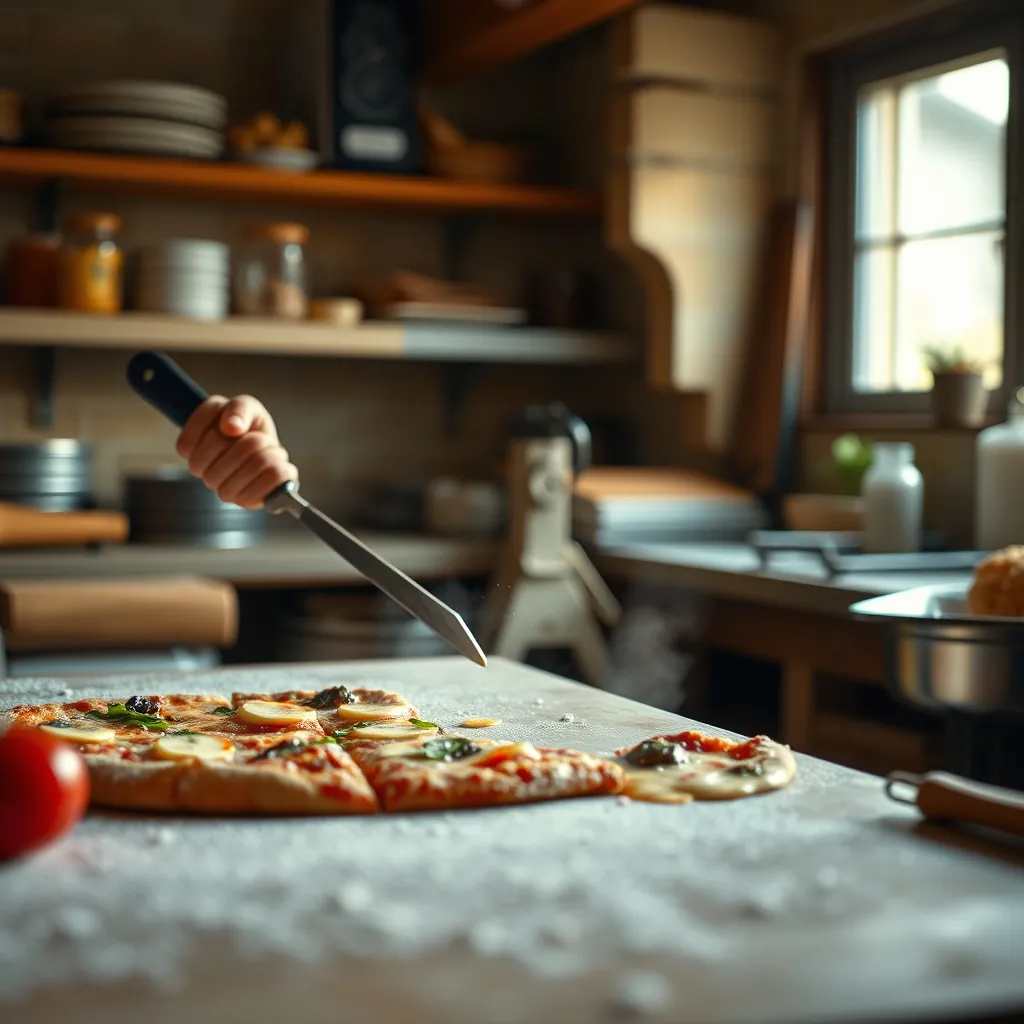
Making authentic Italian pizza at home can be rewarding, yet many home cooks encounter pitfalls that hinder their results. Identifying these mistakes can lead to a superior pizza experience. Here are frequent errors and how to avoid them:
- Improper Dough Fermentation: Failing to allow adequate fermentation time can result in dense crust. Aim for at least 24 hours for optimal flavor and texture.
- Overworking the Dough: Kneading too much develops gluten excessively, leading to a tough crust. Mix until just combined and let it rest to relax the gluten.
- Using Low-Quality Ingredients: Authenticity hinges on quality. Always opt for San Marzano tomatoes, fresh mozzarella, and high-protein flour for the best results.
- Overloading with Toppings: While tempting, too many toppings can make the pizza soggy. Stick to a few high-quality ingredients to allow flavors to shine.
- Incorrect Baking Temperature: Baking at low temperatures results in an undercooked crust. Preheat your oven to at least 800°F (427°C) if possible for that perfect char.
- Neglecting Oven Preparation: Not using a pizza stone or steel can lead to uneven cooking. Preheat your baking surface to enhance crust crispiness.
By being mindful of these common mistakes, you can significantly improve your homemade pizza and bring authentic Italian flavors to your table.
Serving and Pairing Your Pizza
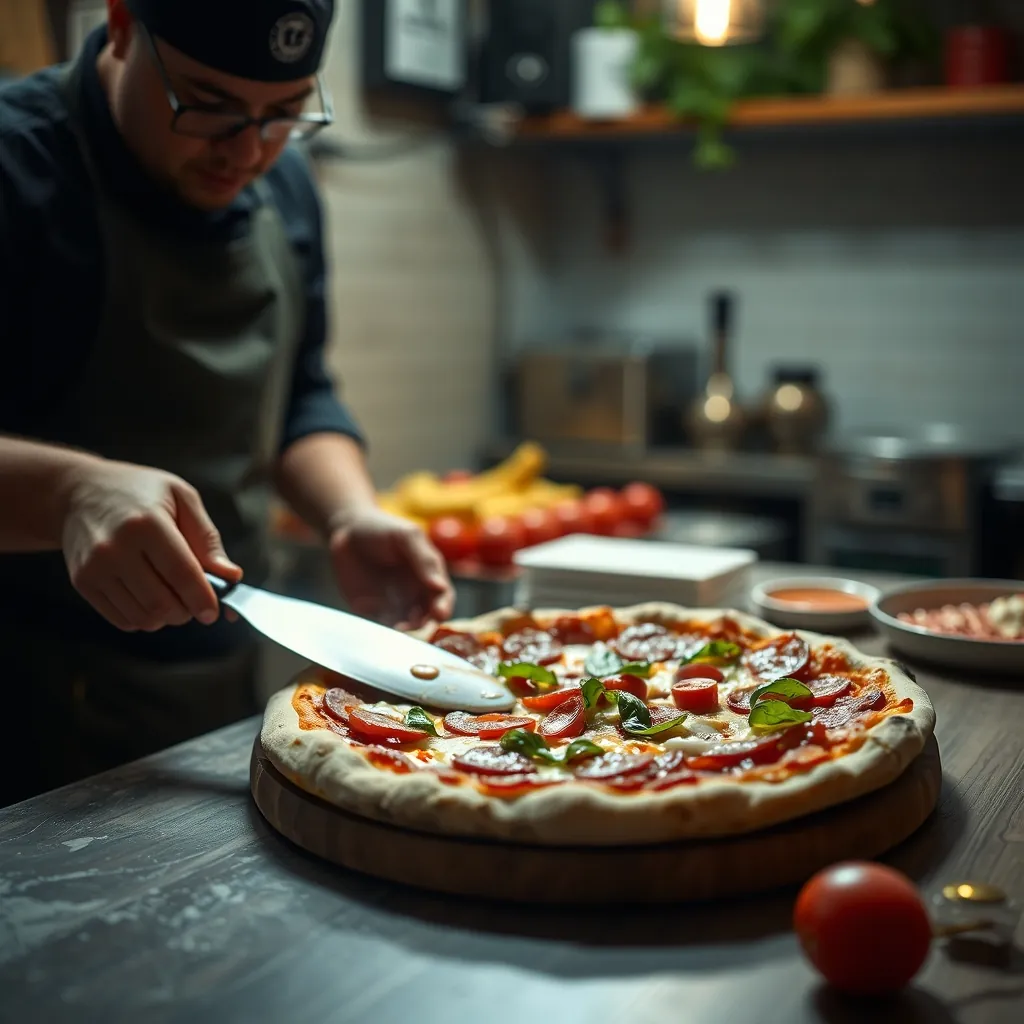
Serving authentic Italian pizza involves more than just placing it on a plate. The presentation, accompaniments, and beverage choices can enhance the dining experience significantly. Consider the following tips for serving and pairing:
- Presentation: Serve your pizza directly from the oven on a wooden board or a pizza stone. This not only keeps the pizza warm but also adds an appealing rustic touch.
- Garnishing: Fresh basil leaves or a drizzle of high-quality olive oil can elevate the look and flavor of your pizza. Add these just before serving to maintain their freshness.
- Cutting Technique: Use a sharp pizza cutter to slice your pizza into even wedges. This makes it easier for guests to serve themselves while maintaining the integrity of the toppings.
- Side Dishes: Pair your pizza with simple side dishes such as a fresh arugula salad dressed with lemon vinaigrette or antipasti to complement the meal without overshadowing the pizza.
- Beverage Pairings: Traditional Italian pizzas pair well with a variety of beverages. Consider serving:
- Italian Wines: A medium-bodied Chianti or a crisp Pinot Grigio can enhance the flavors of your pizza.
- Cocktails: Light cocktails like a spritz made with Aperol or Campari offer refreshing contrasts to the richness of cheese and toppings.
- Craft Beers: A hoppy IPA or a smooth lager can complement the savory aspects of your pizza.
By focusing on presentation and thoughtful pairings, you can create a memorable dining experience that showcases your homemade pizza in all its glory.
Actionable Next Steps
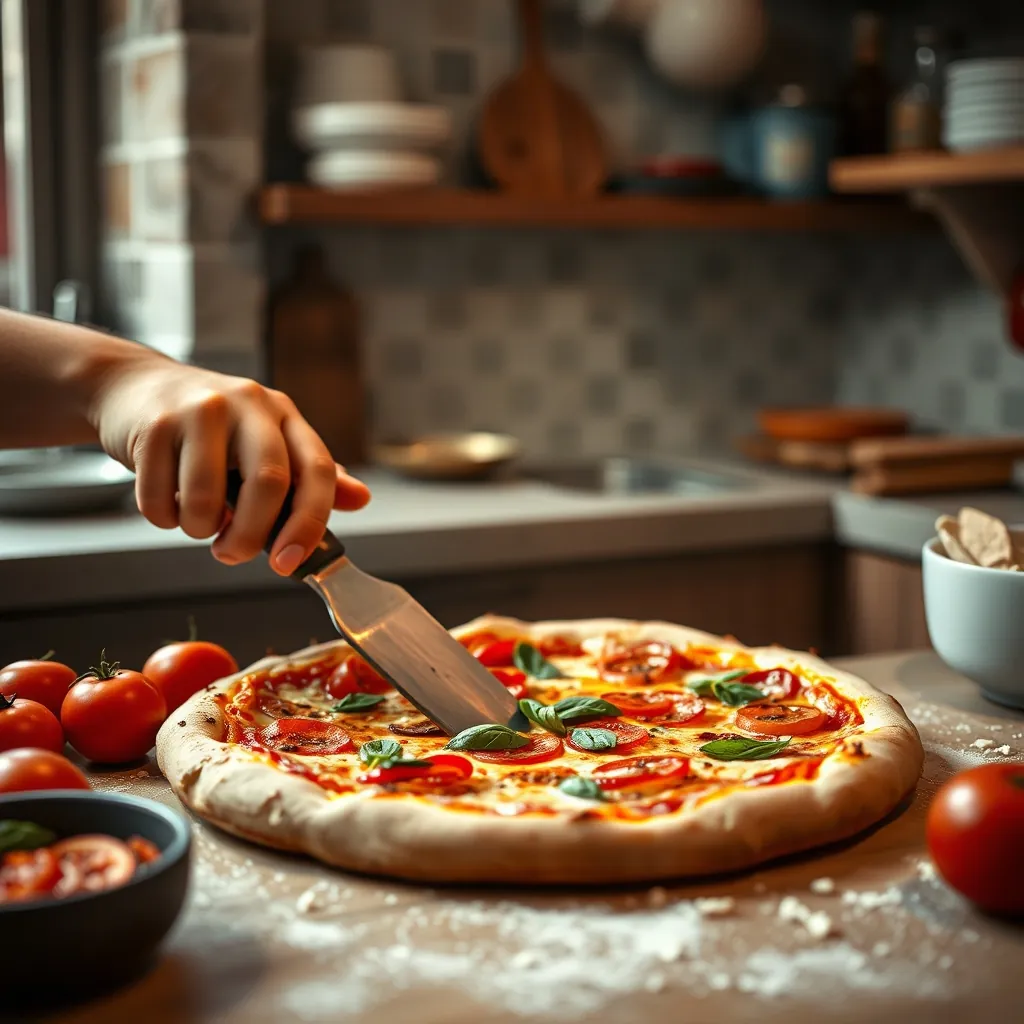
Now that you have explored the essential elements of crafting authentic Italian pizza, it’s time to put your knowledge into action. Follow these actionable steps to begin your pizza-making journey:
- Gather Ingredients: Source high-quality ingredients such as 00 flour, San Marzano tomatoes, fresh mozzarella, and basil. Look for local Italian markets or specialty stores to find authentic items.
- Perfect Your Dough: Experiment with different fermentation times to achieve the ideal dough texture. Allowing the dough to rise slowly in a cool environment can enhance its flavor and elasticity.
- Practice Shaping: Take time to practice stretching and shaping your dough. Aim for a thin center with a slightly thicker crust for that classic Italian style.
- Select Toppings: Choose simple yet flavorful toppings. Less is often more; focus on quality rather than quantity to allow each ingredient’s taste to shine.
- Invest in Baking Equipment: Consider acquiring a pizza stone or steel for your oven, or explore options for a wood-fired oven if you are serious about authentic baking methods.
- Invite Friends: Host a pizza night with friends or family. This not only makes the process enjoyable but also allows you to share your creations and gather feedback.
By taking these steps, you will not only enhance your culinary skills but also enjoy the rewarding experience of making authentic Italian pizza at home. Start today, and savor the delicious results of your efforts!
Leave a Reply