Your cart is currently empty!
The Weight Loss Smoothie Revolution
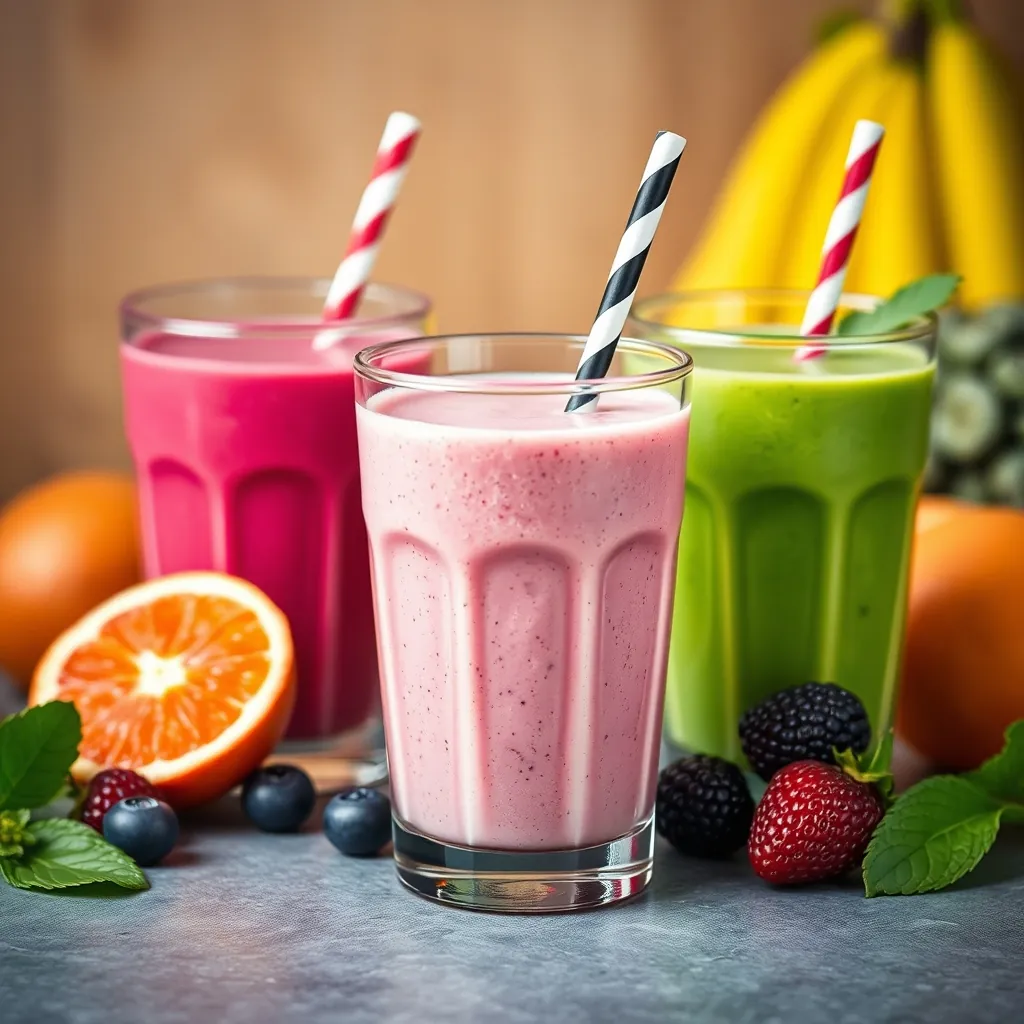
The trend of incorporating smoothies into weight loss regimens has gained significant traction in recent years. These nutrient-dense beverages offer an effective and convenient way to consume essential vitamins and minerals while managing calorie intake. A well-crafted smoothie can serve as a low-calorie meal replacement, providing a satisfying alternative to traditional meals.
Key factors contributing to the popularity of smoothies include:
- Versatility: Smoothies can be tailored to individual preferences, accommodating various dietary needs and taste profiles.
- Convenience: Quick to prepare and easy to consume on the go, smoothies fit seamlessly into busy lifestyles.
- Nutrient Density: They can be packed with fruits, vegetables, and proteins, delivering a concentrated source of nutrients that support overall health.
Incorporating ingredients like leafy greens not only boosts the nutritional profile but also helps maintain low calorie counts. Adding protein powder can enhance satiety, promoting muscle retention during weight loss. However, it is essential to balance smoothies with other meals and snacks throughout the day to ensure a well-rounded diet.
Despite their benefits, reliance solely on smoothies may lead to potential downsides, such as nutrient deficiencies or inadequate caloric intake if not properly balanced. Understanding how to integrate smoothies into a comprehensive meal plan is crucial for achieving sustainable weight loss results.
Nutritional Benefits of Smoothies
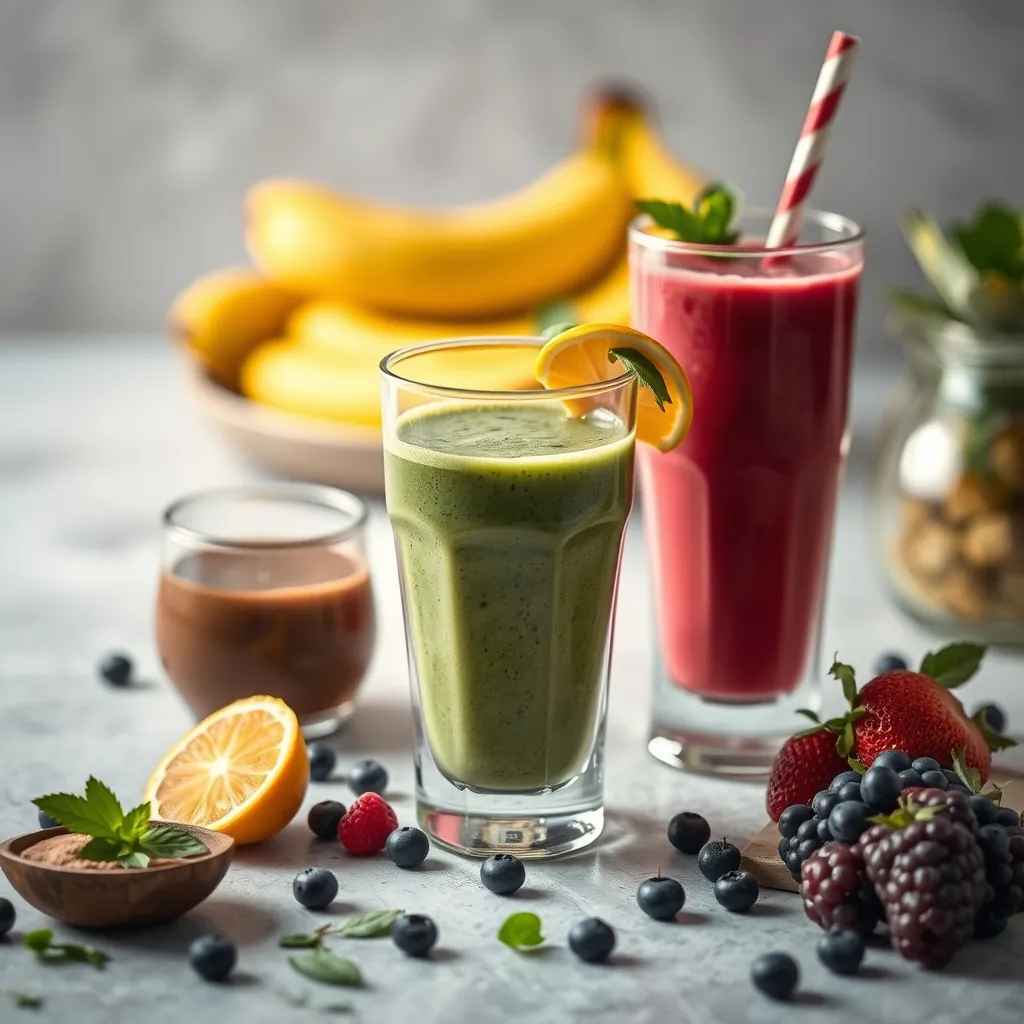
Smoothies provide a wealth of nutritional benefits that can enhance overall health and support weight loss efforts. The combination of fruits, vegetables, and other ingredients results in an impressive profile of essential vitamins, minerals, and fiber.
- Vitamins and Minerals: Smoothies are an excellent source of vitamins A, C, and K, as well as essential minerals like potassium and magnesium. These nutrients play vital roles in immune function, skin health, and muscle function.
- Fiber: High fiber content from ingredients like leafy greens, fruits, and seeds promotes digestive health. Fiber aids in regulating blood sugar levels and enhances feelings of fullness, which can help control appetite.
- Antioxidants: Many fruits and vegetables used in smoothies are rich in antioxidants, which combat oxidative stress in the body. Ingredients such as berries and spinach are particularly beneficial for reducing inflammation.
- Healthy Fats: Incorporating sources of healthy fats, such as avocados or nut butters, can improve nutrient absorption. Fats are essential for hormone production and maintaining energy levels.
- Protein: Adding protein powder or Greek yogurt can help support muscle retention during weight loss. Protein is crucial for repairing tissues and maintaining a healthy metabolism.
The diverse range of nutrients available through smoothies makes them a powerful tool for enhancing health. However, it is vital to ensure that smoothies are part of a balanced diet rather than the sole source of nutrition. By complementing smoothies with whole foods, individuals can maximize their health benefits and achieve their weight loss goals effectively.
Key Ingredients for Weight Loss Smoothies
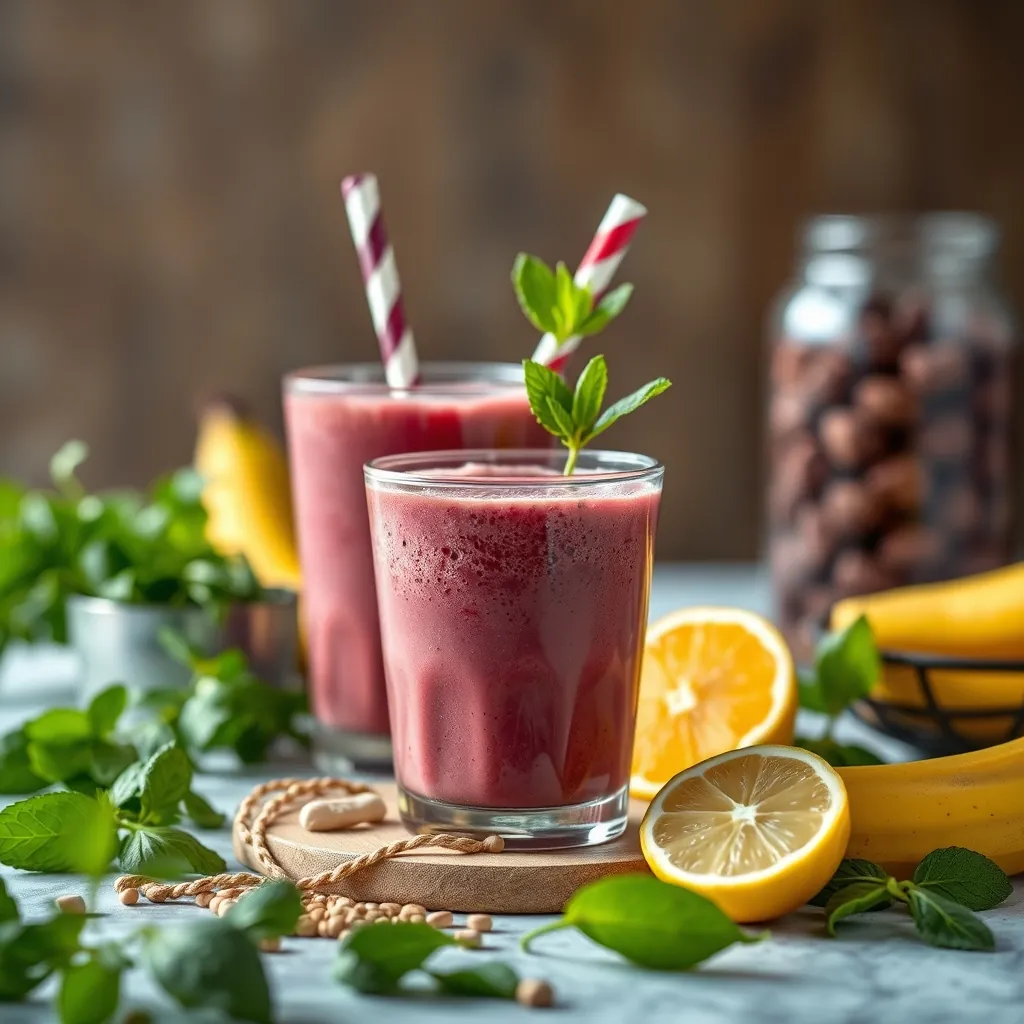
Choosing the right ingredients is crucial for crafting effective weight loss smoothies. The following key components not only promote weight loss but also enhance the nutritional value of your smoothies:
- Leafy Greens: Spinach, kale, and Swiss chard are low in calories and high in essential nutrients. They provide fiber and antioxidants while adding volume to smoothies without excess calories.
- Fruits: Berries, bananas, and apples add natural sweetness and are rich in vitamins and fiber. Berries, in particular, have lower sugar content and high antioxidant levels.
- Protein Sources: Incorporating protein powder, Greek yogurt, or nut butter helps increase satiety. Protein supports muscle retention during weight loss and aids in recovery post-exercise.
- Healthy Fats: Avocados and chia seeds provide healthy fats that enhance flavor and improve nutrient absorption. These fats also contribute to feelings of fullness.
- Liquid Base: Using water, almond milk, or coconut water can help achieve a smooth consistency while keeping calorie counts low. Opt for unsweetened versions to avoid added sugars.
- Fiber Additions: Ingredients like oats or flaxseeds boost fiber content, promoting digestive health and aiding in appetite control.
By selecting these key ingredients, individuals can create satisfying smoothies that support their weight loss journeys. Combining a variety of these elements ensures a balanced intake of nutrients while keeping the smoothies enjoyable and effective.
Top 10 Healthy Smoothie Recipes
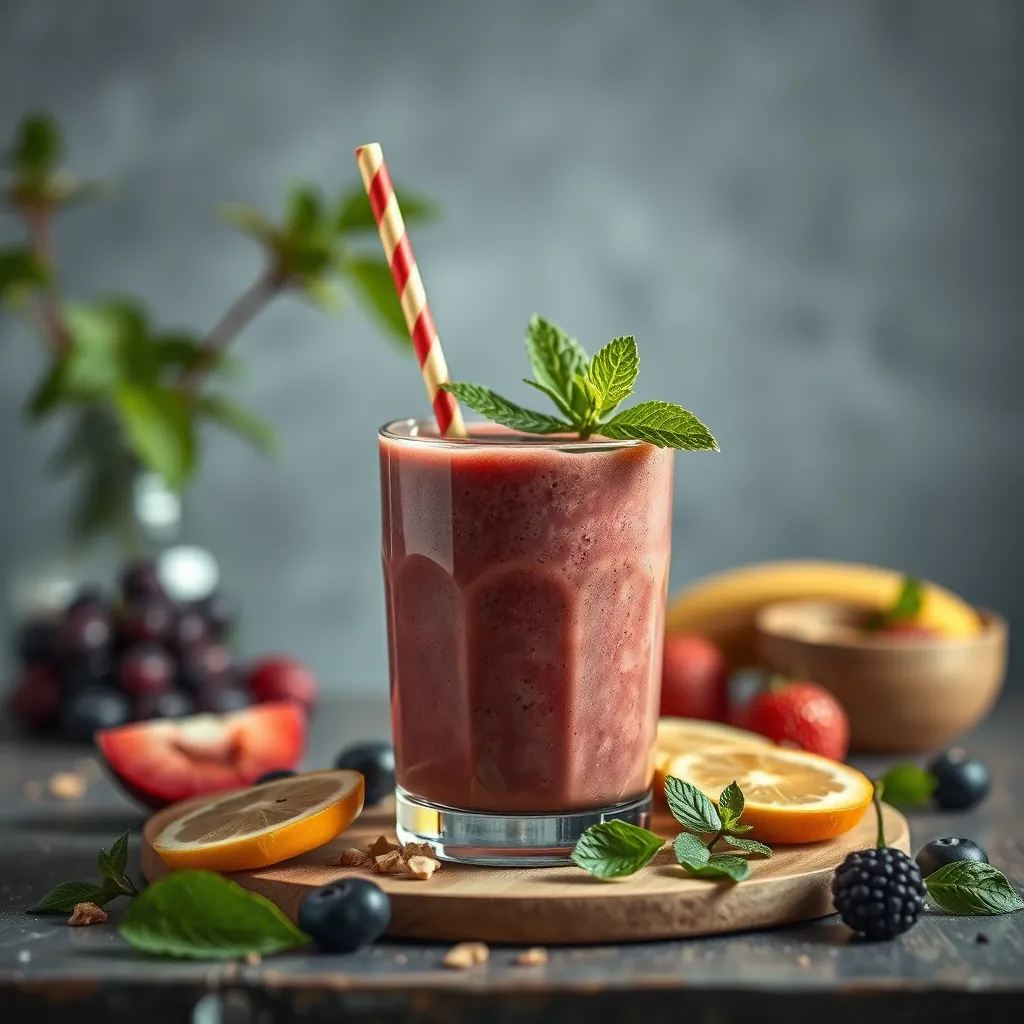
Incorporating smoothies into your diet can be both delicious and beneficial for weight loss. Here are ten healthy smoothie recipes that are not only low in calories but also packed with nutrients to support your weight loss goals:
- Green Power Smoothie: Blend 1 cup of spinach, ½ banana, ½ cup of unsweetened almond milk, and 1 tablespoon of almond butter. This smoothie is rich in fiber and healthy fats.
- Berry Blast Smoothie: Combine 1 cup of mixed berries (strawberries, blueberries, raspberries), 1 cup of Greek yogurt, and a splash of water. This recipe is low in calories and high in antioxidants.
- Mango Tropical Smoothie: Mix 1 cup of frozen mango, ½ cup of coconut water, and a handful of kale. This refreshing smoothie is hydrating and packed with vitamins.
- Avocado Mint Smoothie: Blend ½ avocado, 1 cup of spinach, ½ cup of unsweetened almond milk, and a few mint leaves. This recipe provides healthy fats and a refreshing taste.
- Chocolate Banana Protein Smoothie: Combine 1 banana, 1 scoop of chocolate protein powder, 1 tablespoon of peanut butter, and 1 cup of unsweetened almond milk. This smoothie is great for post-workout recovery.
- Cucumber Lime Smoothie: Blend 1 cucumber, juice of 1 lime, ½ green apple, and a handful of parsley. This light smoothie is refreshing and detoxifying.
- Pineapple Coconut Smoothie: Mix 1 cup of frozen pineapple, ½ banana, and 1 cup of coconut milk. This tropical smoothie is delicious and satisfying.
- Beet Berry Smoothie: Combine ½ cooked beet, 1 cup of mixed berries, and 1 cup of Greek yogurt. This vibrant smoothie is nutrient-dense and supports heart health.
- Peach Oatmeal Smoothie: Blend 1 cup of sliced peaches, ¼ cup of oats, 1 tablespoon of flaxseeds, and 1 cup of unsweetened almond milk. This recipe provides fiber for sustained energy.
- Spicy Ginger Citrus Smoothie: Mix juice from 1 orange, ½ inch ginger root, ½ carrot, and a splash of water. This invigorating smoothie boosts metabolism with ginger’s natural heat.
These recipes can be easily adjusted to fit personal taste preferences or dietary needs. They provide a balanced mix of macronutrients while remaining enjoyable and effective for weight loss.
Smoothie Preparation Tips
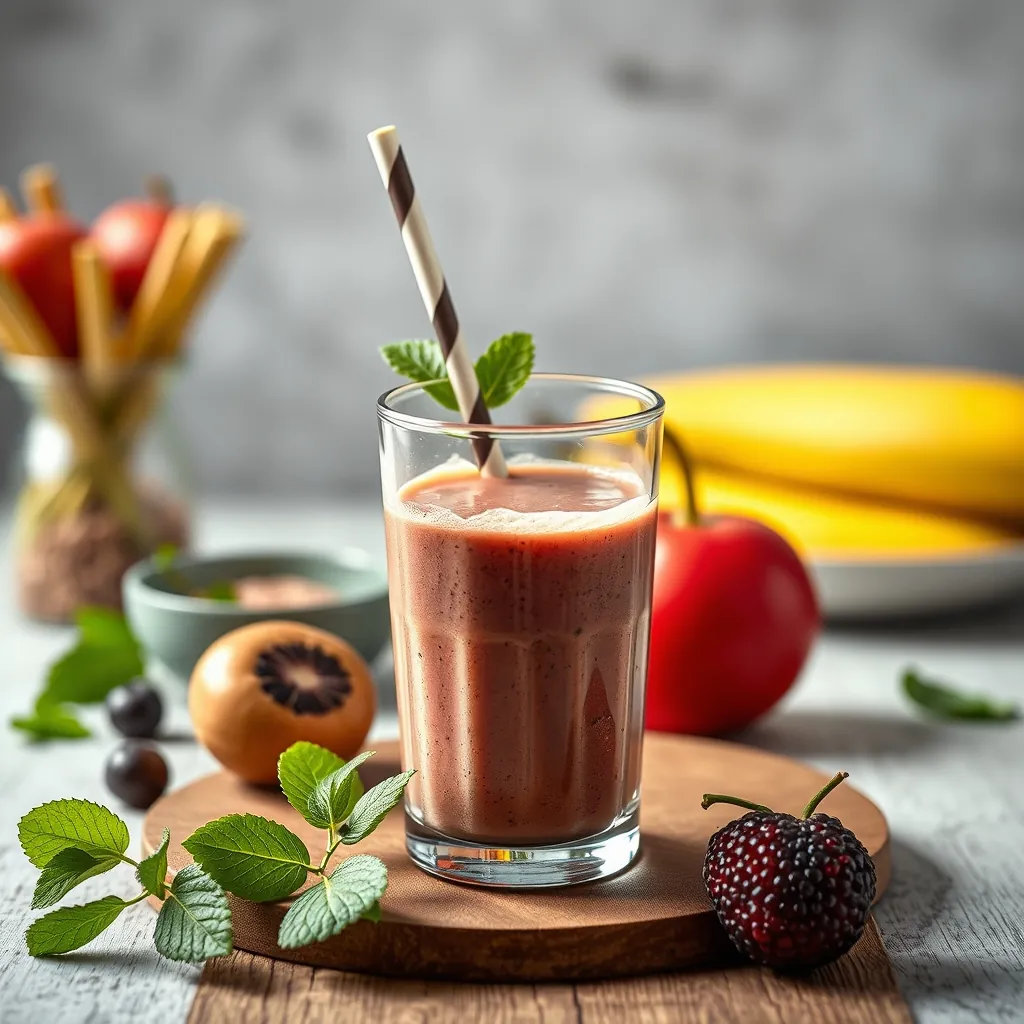
Preparing smoothies efficiently can enhance your experience and ensure you maintain their health benefits. Here are essential tips for making smoothies that are both nutritious and enjoyable:
- Prep Ingredients in Advance: Wash, chop, and portion fruits and vegetables ahead of time. Store them in airtight containers in the refrigerator or freezer for quick access.
- Use a Quality Blender: Invest in a powerful blender that can easily handle frozen fruits and leafy greens. A high-speed blender ensures smooth consistency and better nutrient extraction.
- Add Liquid First: Pour your liquid base (water, almond milk, etc.) into the blender before adding solid ingredients. This helps with blending and prevents ingredients from sticking to the bottom.
- Layering Matters: Start with softer items like leafy greens, followed by fruits, then harder ingredients such as ice or frozen fruits. This layering technique promotes better blending.
- Control the Sweetness: Use natural sweeteners like honey or dates sparingly. Focus on the natural sweetness of fruits to keep sugar levels in check.
- Incorporate Protein: Add protein sources such as Greek yogurt, protein powder, or nut butters to enhance satiety and muscle retention.
- Monitor Portions: Be mindful of ingredient quantities to avoid excessive calorie intake. A balanced smoothie typically contains around 200-400 calories.
- Experiment with Flavors: Try different combinations of fruits, vegetables, and spices to find your favorite flavors. Adding spices like cinnamon or turmeric can enhance taste and provide additional health benefits.
- Store Smoothies Properly: If you make smoothies in batches, store them in airtight containers in the refrigerator for up to 24 hours. Shake well before consuming, as separation may occur.
By following these tips, you can streamline your smoothie preparation while maximizing nutrition and flavor. Enjoy the process of creating delicious blends that support your weight loss journey.
Common Mistakes to Avoid
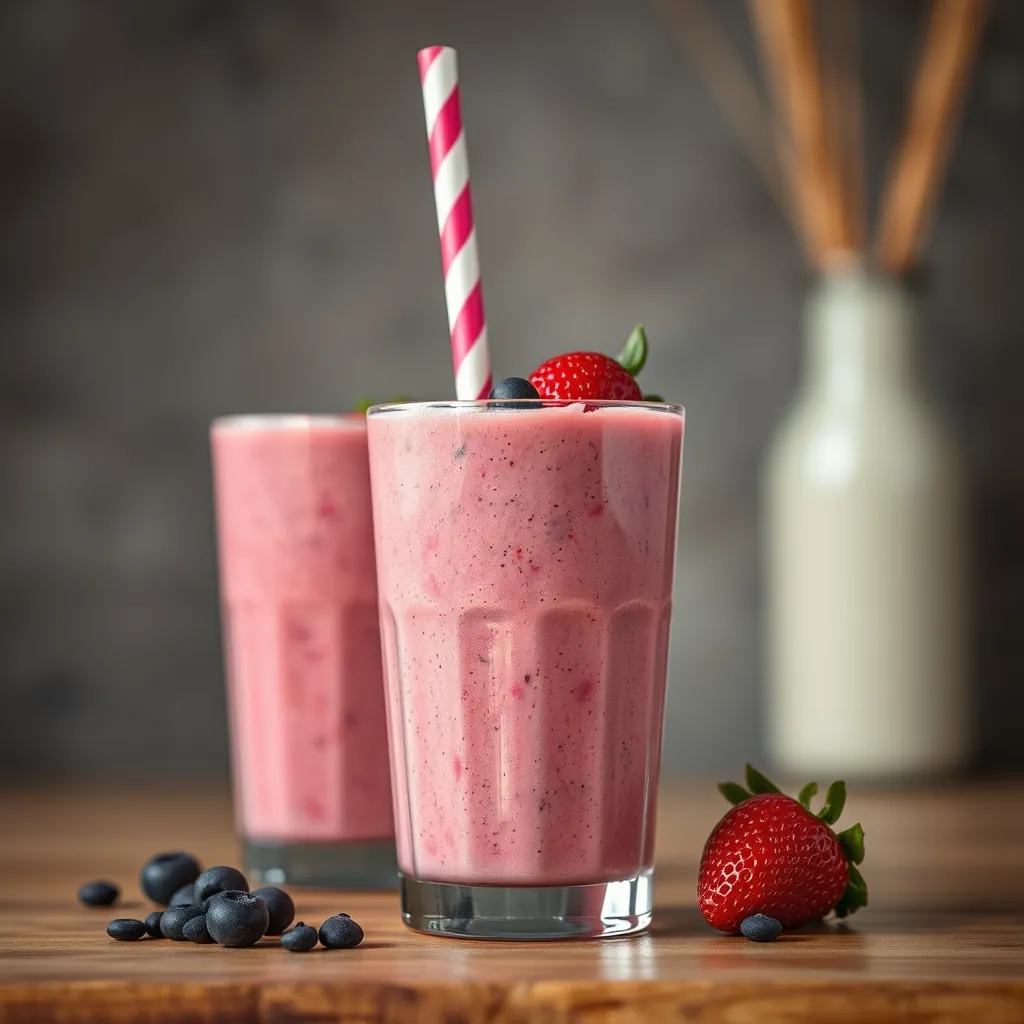
While smoothies can be a beneficial addition to a weight loss regimen, certain errors can diminish their effectiveness. Identify and avoid these common pitfalls to ensure your smoothies contribute positively to your health goals:
- Neglecting Caloric Content: Many individuals overlook the calorie count of their smoothies. Excessive use of high-calorie ingredients, such as nut butters or sweeteners, can lead to unintended weight gain.
- Overloading on Fruit: While fruits are nutritious, they can also be high in sugar. Using too many fruits can increase calorie intake and spike blood sugar levels. Aim for a balanced ratio of fruits to vegetables.
- Skipping Protein: Failing to include protein can leave you feeling hungry shortly after consuming your smoothie. Incorporate sources like Greek yogurt or protein powder to enhance satiety.
- Ignoring Fiber: Smoothies should contain fiber-rich ingredients, such as leafy greens and seeds, to aid digestion and promote fullness. Without fiber, you may experience hunger soon after drinking.
- Inconsistent Ingredients: Regularly changing the ingredients can lead to nutritional imbalances. Strive for consistency in your smoothie components to ensure you meet your dietary needs.
- Relying Solely on Smoothies: While smoothies can be a healthy choice, relying exclusively on them for meals may result in nutrient deficiencies. Incorporate a variety of foods into your diet for balanced nutrition.
- Not Measuring Ingredients: Eyeballing ingredient quantities can lead to imbalanced smoothies. Use measuring cups or a kitchen scale to ensure proper portion sizes and maintain nutritional goals.
- Using Low-Quality Ingredients: The quality of ingredients impacts the overall health benefits of your smoothie. Opt for fresh, organic produce when possible to maximize nutrient intake.
Avoiding these common mistakes will help ensure that your smoothies support your weight loss journey effectively. By paying attention to ingredient quality and balance, you can create delicious blends that nourish and satisfy.
Incorporating Smoothies into Your Diet
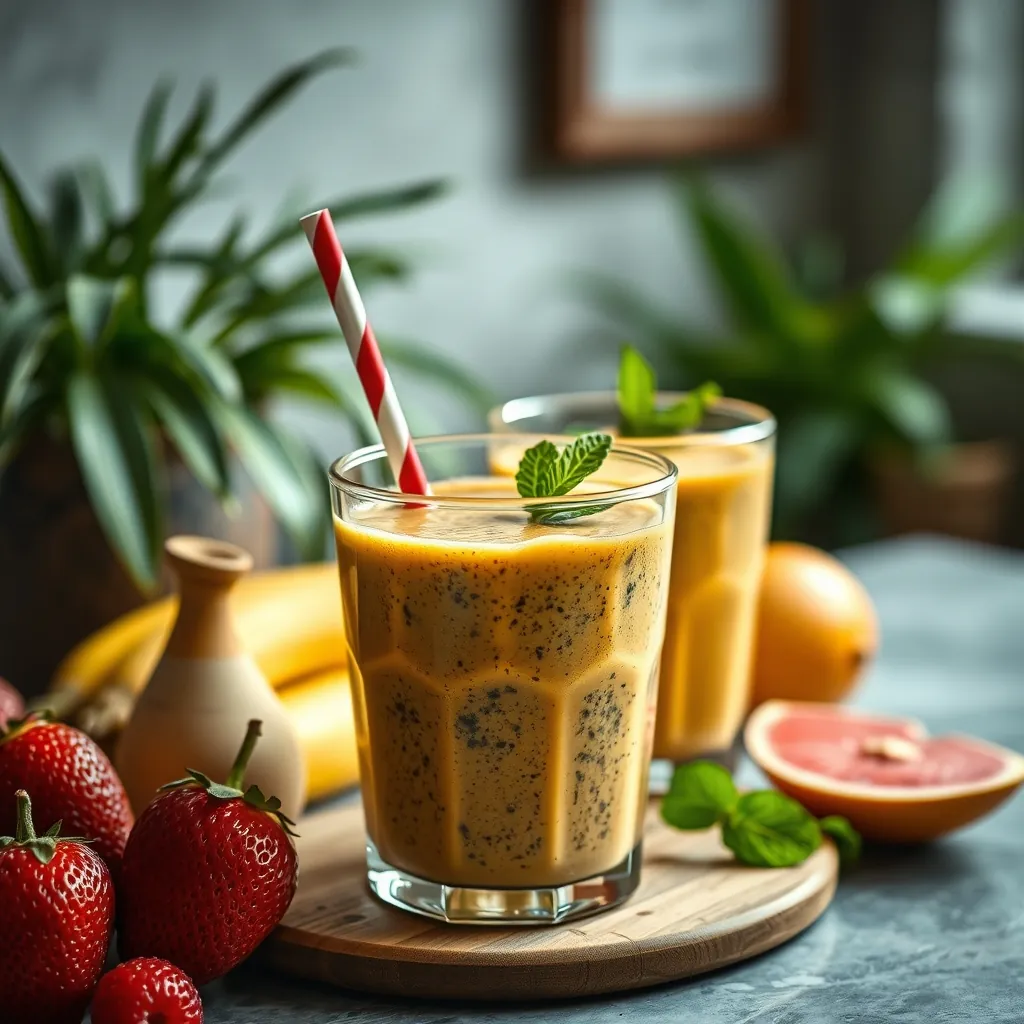
Integrating smoothies into your daily meal plan can enhance your weight loss efforts while providing essential nutrients. Effective incorporation requires strategic planning and mindful choices. Here are several methods to seamlessly include smoothies in your diet:
- Breakfast Replacement: Start your day with a nutritious smoothie that combines protein, healthy fats, and fiber. This can serve as a quick meal replacement that keeps you energized and satisfied until lunchtime.
- Snack Option: Use smoothies as a healthy snack between meals to curb cravings. Choose low-calorie recipes with ingredients like spinach and cucumber for a refreshing boost without excessive calories.
- Post-Workout Recovery: After exercising, a smoothie rich in protein and carbohydrates can aid recovery. Incorporate ingredients like protein powder, bananas, and almond milk to replenish energy stores.
- Meal Additive: Enhance your meals by including smoothies as a side dish. Pair a small smoothie with a salad or grain bowl to increase your intake of fruits and vegetables.
- Variety and Rotation: To prevent monotony, rotate your smoothie recipes weekly. Experiment with different fruits, vegetables, and bases to keep your diet exciting while ensuring a broad range of nutrients.
- Mindful Portioning: Be mindful of portion sizes when integrating smoothies into meals. A serving size of 8 to 12 ounces is typically sufficient to reap benefits without excessive caloric intake.
- Plan Ahead: Prepare smoothie ingredients in advance by pre-portioning fruits and vegetables. Store them in freezer bags for quick access. This encourages consistency and makes healthy choices more convenient.
By strategically incorporating smoothies into various meals throughout the day, you can optimize their benefits for weight loss while enjoying a diverse and balanced diet. Focus on ingredient quality and variety to make the most of your smoothie experience.
Personalizing Your Smoothie Recipes
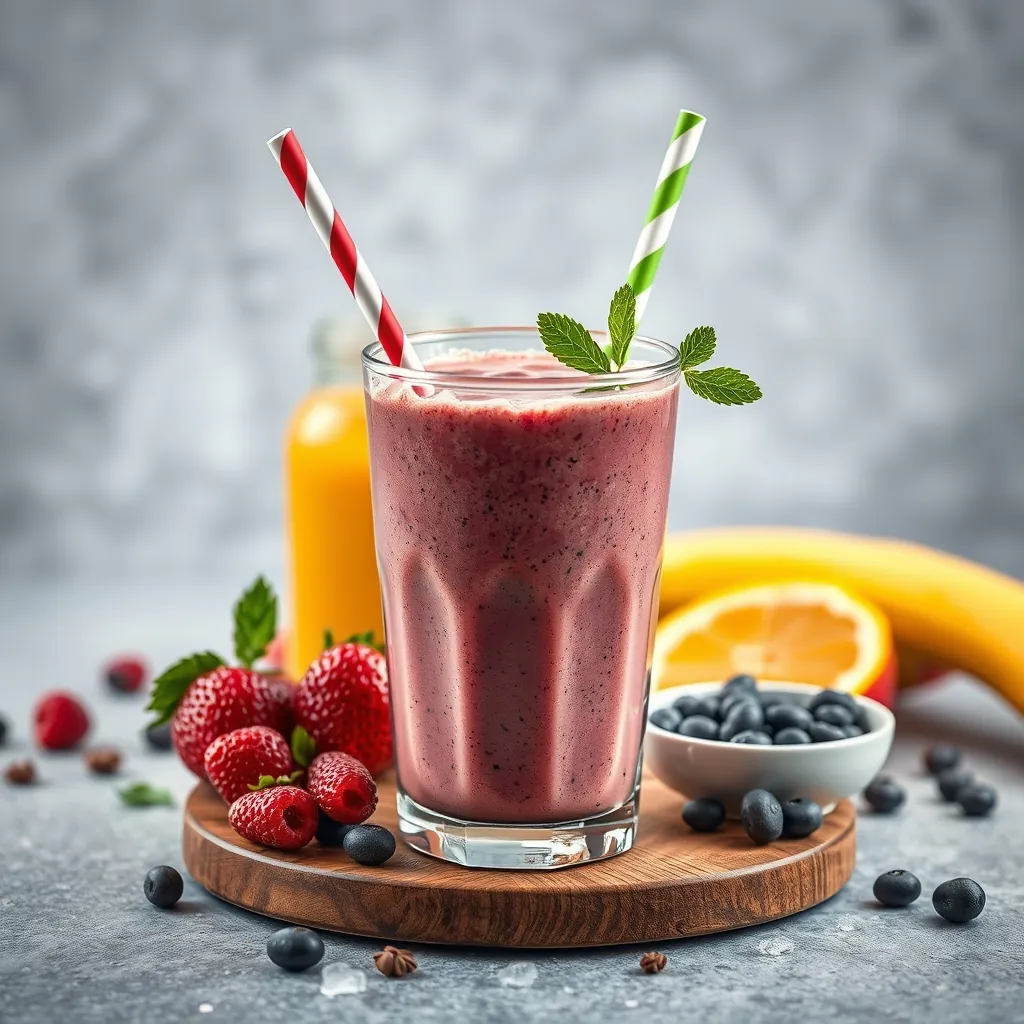
Customizing smoothies allows individuals to align their choices with personal taste preferences and dietary requirements. Here are essential strategies for personalizing your smoothie recipes:
- Flavor Profiles: Experiment with various fruits, such as berries, bananas, and mangoes, to create flavors that appeal to your palate. Adding herbs like mint or basil can also enhance the taste.
- Nutritional Needs: Consider your specific dietary goals. For increased protein intake, add Greek yogurt or protein powder. For healthy fats, incorporate avocado or nut butters.
- Texture Preferences: Adjust the thickness of your smoothie by varying the amount of liquid used. Use water, almond milk, or coconut water to achieve your desired consistency.
- Superfood Additions: Enhance nutritional value by including superfoods like chia seeds, flaxseeds, or spirulina. These ingredients can boost fiber and antioxidant content.
- Seasonal Ingredients: Utilize seasonal fruits and vegetables for freshness and flavor. This not only supports local agriculture but also adds variety throughout the year.
- Dietary Restrictions: Adapt recipes to accommodate allergies or intolerances. Use dairy-free alternatives for lactose intolerance or gluten-free options to meet dietary needs.
- Caloric Management: Be mindful of calorie content by calculating the caloric values of each ingredient. This helps in creating balanced smoothies that fit within your dietary plan.
By personalizing smoothies, you can enhance enjoyment and satisfaction while ensuring they meet your health objectives. The versatility of smoothies makes them an ideal canvas for creativity and nutrition.
Success Stories: Real People, Real Results

Real-life testimonials highlight the effectiveness of smoothies for weight loss. Here are some inspiring success stories from individuals who transformed their health and bodies:
- Sarah’s Journey: After incorporating smoothies into her daily routine, Sarah lost 30 pounds in six months. She replaced breakfast with a protein-packed green smoothie, which kept her full until lunchtime. Her energy levels increased, and she felt more vibrant throughout the day.
- Mark’s Transformation: Mark struggled with weight management for years. By integrating meal replacement smoothies into his diet, he shed 25 pounds in three months. He emphasized the importance of using whole ingredients, like fruits, vegetables, and healthy fats, which helped him maintain muscle while losing fat.
- Emily’s Experience: Emily was skeptical about smoothies at first, but after trying them for a month, she lost 15 pounds. She enjoyed experimenting with flavors and found that smoothies satisfied her sweet cravings without the added sugar. The convenience of blending her meals made healthy eating easier.
- James’s Success: After adopting a smoothie-centric diet, James lost 40 pounds over five months. He focused on nutrient-dense ingredients and paid attention to caloric content. His success was attributed to a well-balanced approach that included physical activity alongside his smoothie regimen.
- Alice’s Story: Alice turned to smoothies for weight loss after struggling with portion control. She discovered that making smoothies at home allowed her to control ingredients and calories. In just eight weeks, she lost 20 pounds, crediting her success to the satisfaction she felt from drinking nutrient-rich smoothies.
These success stories demonstrate that with dedication and the right approach, smoothies can play a crucial role in achieving weight loss goals. By personalizing recipes and incorporating nutritious ingredients, individuals can enjoy delicious meals while progressing towards a healthier lifestyle.
Actionable Next Steps
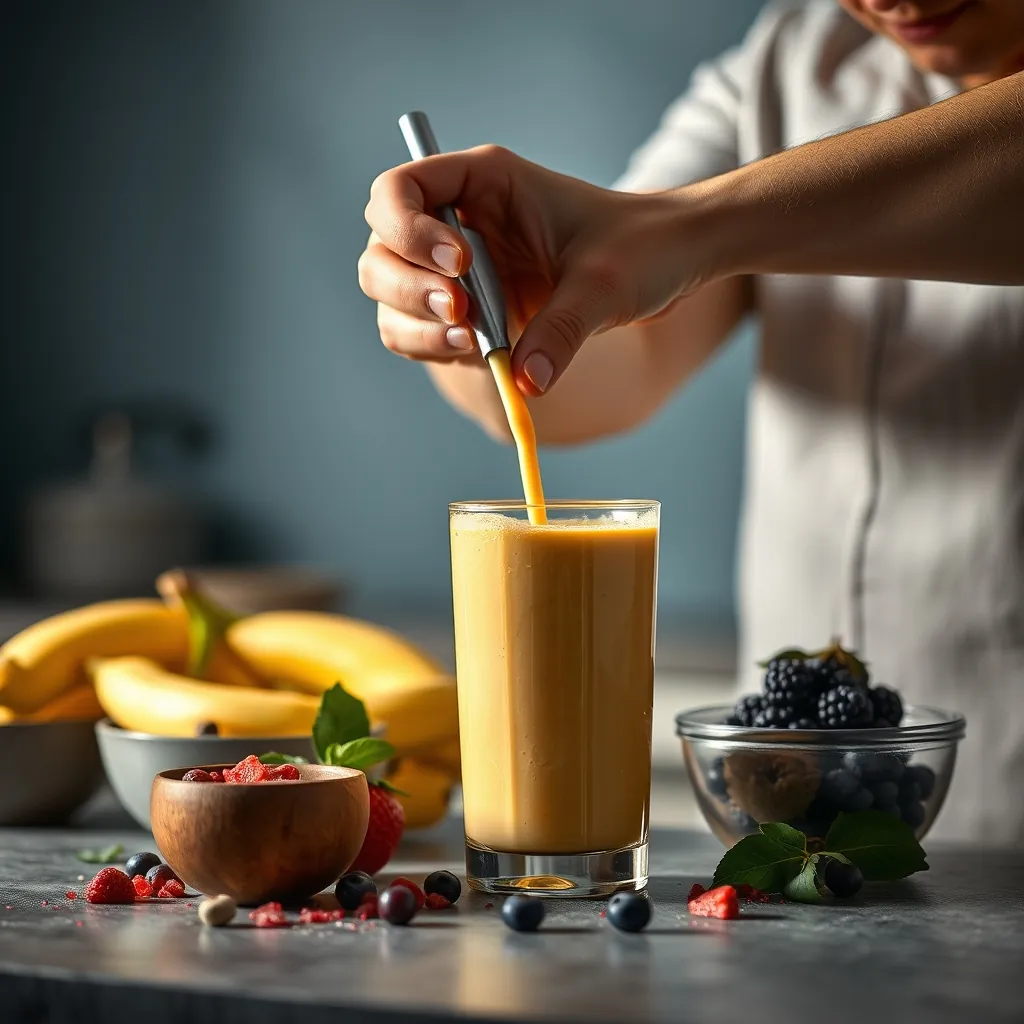
Embarking on your smoothie journey requires actionable steps to ensure success. Here’s how to get started:
- Assess Your Goals: Define your weight loss objectives. Consider whether you want to replace meals or simply add smoothies as snacks. Understanding your goals will guide your ingredient choices.
- Gather Essential Ingredients: Stock your kitchen with nutrient-dense ingredients. Focus on leafy greens, fruits, healthy fats, and protein sources. This variety will enhance flavor and nutrition.
- Create a Weekly Meal Plan: Plan your smoothies for the week ahead. This not only saves time but also helps manage caloric intake and ensures a balanced approach.
- Experiment with Recipes: Utilize the smoothie recipes shared earlier as a foundation. Try different combinations to find what suits your taste. Don’t hesitate to modify recipes based on seasonal ingredients.
- Track Your Progress: Keep a journal or use an app to monitor your weight loss journey. Documenting your experiences can provide motivation and help identify what works best for you.
- Stay Educated: Continue researching smoothie nutrition and health benefits. Understanding the science behind ingredients will empower you to make informed choices.
- Join a Community: Engage with others on similar journeys. Online forums or local groups can provide support, share tips, and inspire you to stay committed.
Taking these steps will set you on the path to integrating smoothies into your lifestyle effectively. With determination and creativity, you can enjoy delicious, healthy smoothies while reaching your weight loss goals.
Leave a Reply