Your cart is currently empty!
15 Best Places to Visit in Vietnam 2024
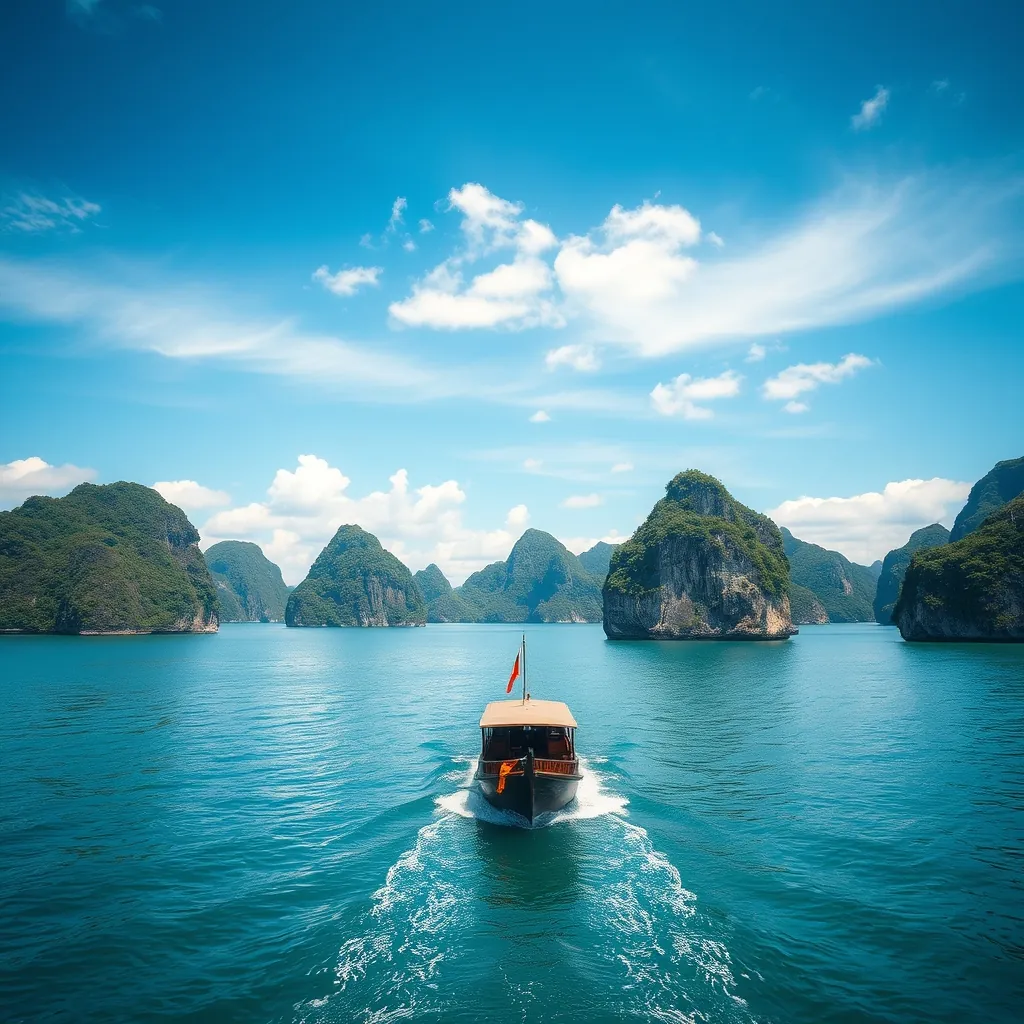
Vietnam’s Most Captivating Destinations for the Modern Traveler
Vietnam stretches over 1,650 kilometers along the South China Sea, creating a diverse tapestry of landscapes that range from misty mountain terraces to sun-drenched tropical islands. The country welcomed over 12.6 million international visitors in 2023, and 2024 promises even more interest as new flight routes and visa waivers open up. Travelers seeking authentic experiences will find a nation that balances rapid modernization with deep-rooted traditions.
The challenge for most visitors is not deciding whether to go, but rather where to go first. With 63 provinces and thousands of attractions, the options can feel overwhelming. This guide narrows the field to 15 exceptional locations that deliver the strongest combination of natural beauty, cultural depth, and practical accessibility. Each destination was evaluated on its visual impact, cultural significance, and the quality of the overall visitor experience.
What sets this list apart is its focus on 2024 travel realities. We considered recent infrastructure improvements, new tourism initiatives, and emerging trends like sustainable travel and off-peak visits. The result is a curated selection that works for first-time visitors and seasoned Vietnam veterans alike. Whether you have two weeks or two months, these places form the backbone of a memorable Vietnamese journey.
Northern Vietnam’s Mountain Masterpieces
Northern Vietnam delivers dramatic mountain scenery and ethnic minority cultures that remain largely untouched by mass tourism. The region rewards travelers who trade comfort for authenticity. The cooler climate provides relief from the tropical heat found elsewhere in the country.
1. Sapa and the Muong Hoa Valley
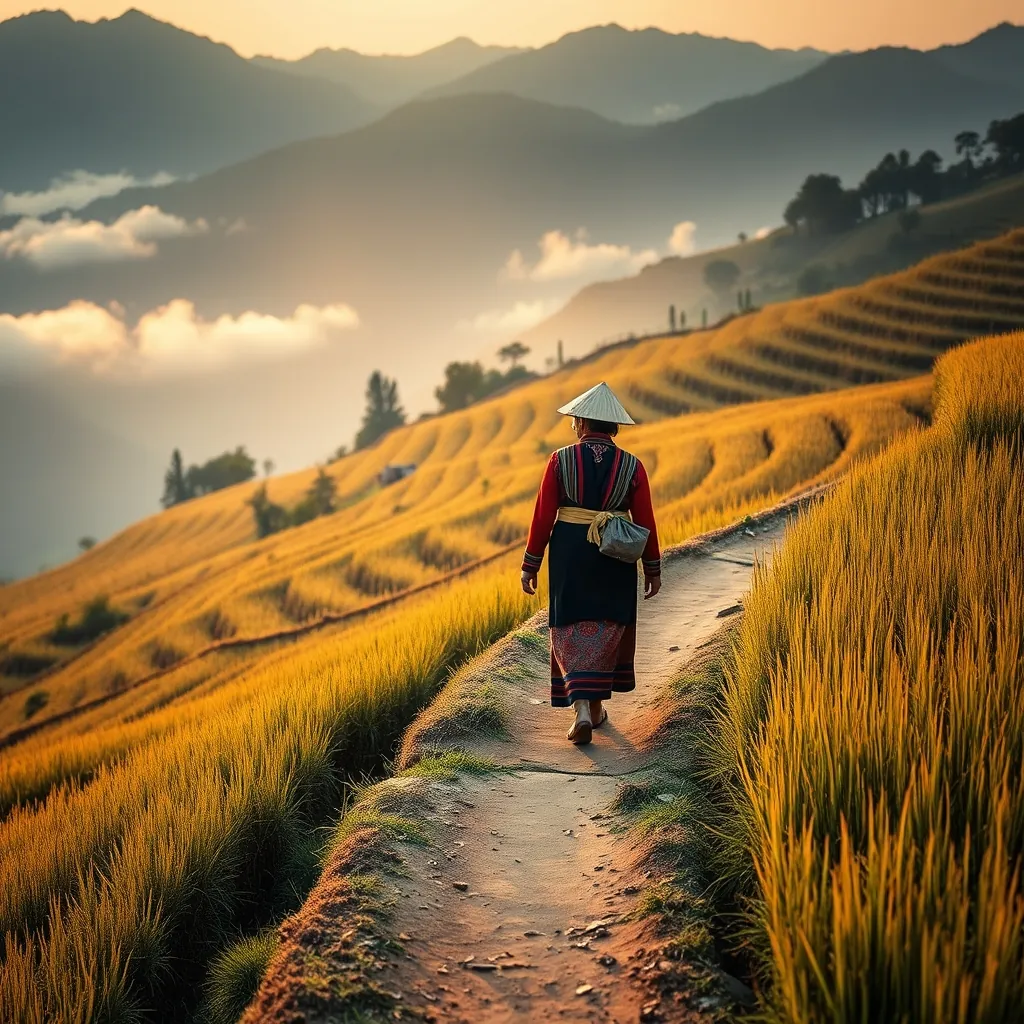
Sapa sits at 1,600 meters above sea level, offering cool temperatures and some of Southeast Asia’s most striking mountain scenery. The surrounding Muong Hoa Valley contains rice terraces that have been carved into the hillsides over centuries. These terraces change color throughout the year, shifting from vibrant green during the growing season to golden yellow before harvest.
The town itself serves as a base for trekking adventures. Local Hmong and Dao communities lead guided hikes through their villages, providing direct cultural exchange opportunities. The experience goes beyond simple sightseeing. Visitors stay in homestays, learn traditional crafts, and gain insight into a way of life that has persisted for generations. The nearby Fansipan Mountain, reachable by cable car, offers panoramic views for those who prefer not to climb.
2. Ha Giang Loop
The Ha Giang Loop has earned a reputation as one of the world’s greatest motorcycle routes. This 350-kilometer circuit winds through dramatic limestone peaks, deep river valleys, and remote ethnic minority villages. The road conditions have improved significantly in recent years, making the journey more accessible to riders of all skill levels.
What makes Ha Giang special is its raw, unpolished character. This region receives far fewer visitors than Sapa, meaning travelers encounter authentic daily life rather than staged performances. The Dong Van Karst Plateau Geopark, a UNESCO Global Geopark, forms the centerpiece of the loop. Its rugged beauty and geological significance make it a worthy addition to any Vietnam itinerary.
3. Ninh Binh Province
Ninh Binh offers a more accessible alternative to Ha Long Bay without sacrificing visual impact. The province’s karst formations rise dramatically from emerald rice paddies, creating landscapes that feel almost otherworldly. Tam Coc, the most famous area, allows visitors to drift along the Ngo Dong River in small rowboats while passing through natural cave systems.
The region also contains significant historical sites. Hoa Lu served as Vietnam’s capital in the 10th and 11th centuries, and its remaining temples offer insight into the country’s early dynastic period. The nearby Mua Cave viewpoint provides a challenging climb with rewarding panoramic views. For travelers short on time, Ninh Binh works well as a day trip from Hanoi, though an overnight stay allows for a more relaxed pace.
Central Vietnam’s Coastal and Heritage Gems
Central Vietnam blends pristine beaches with some of the country’s most significant historical sites. This region benefits from a long dry season that runs from January to August, making it a reliable choice for most of the year. The former imperial capital of Hue and the trading port of Hoi An anchor the cultural offerings.
4. Hoi An Ancient Town
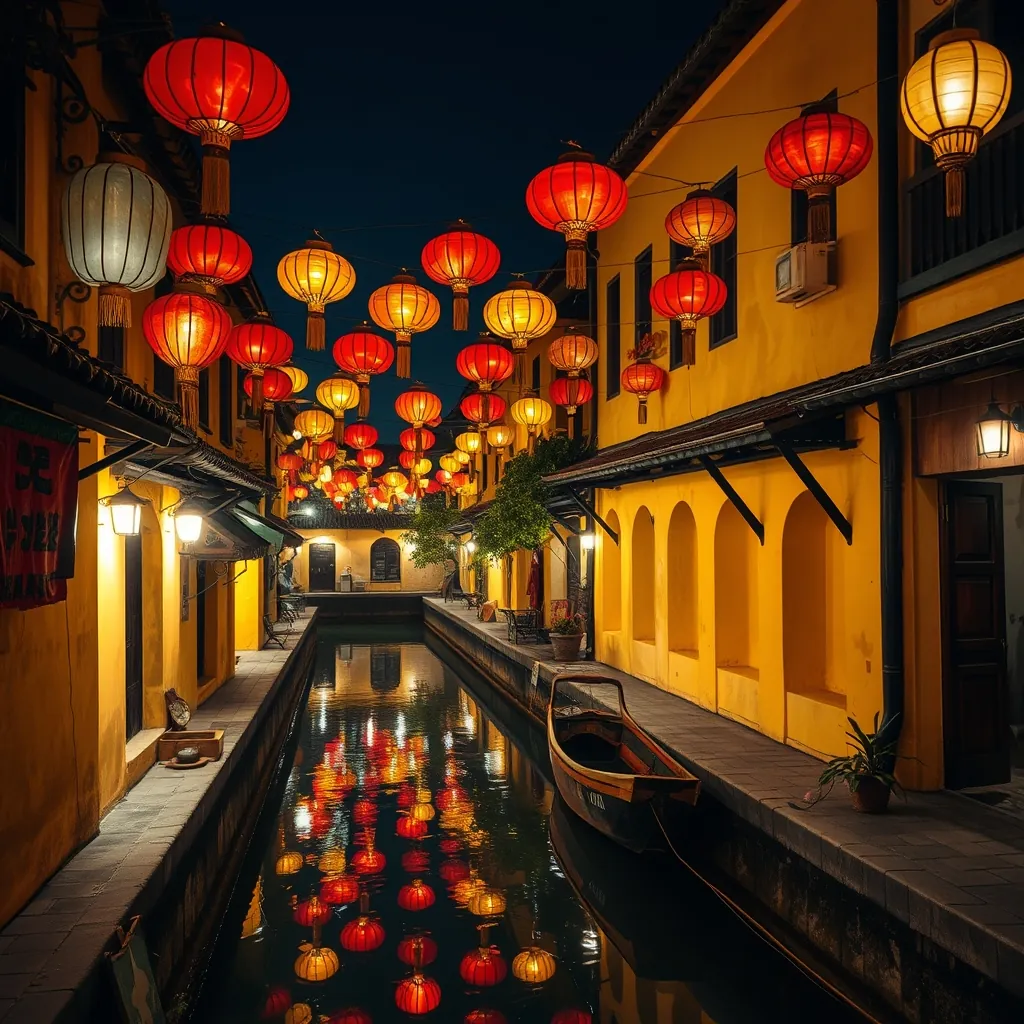
Hoi An stands as one of Southeast Asia’s best-preserved trading ports. The town’s architecture reflects a unique blend of Vietnamese, Chinese, Japanese, and European influences, a testament to its role as a major commercial hub from the 15th to 19th centuries. The entire old town is a UNESCO World Heritage Site, and walking through its narrow lanes feels like stepping back in time.
The lantern festival, held on the 14th day of each lunar month, transforms the town into a sea of colorful lights. Visitors release paper lanterns onto the river while traditional music fills the air. Beyond the old town, nearby beaches like An Bang offer sandy shores within easy reach. The town’s tailors produce custom clothing in 24 hours, and its cooking schools teach the secrets of Vietnamese cuisine.
5. Hue Imperial City
Hue served as Vietnam’s imperial capital from 1802 to 1945 under the Nguyen Dynasty. The Imperial City, a walled fortress within the larger citadel, contains palaces, temples, and administrative buildings that once housed the royal court. Despite significant damage during the Vietnam War, ongoing restoration efforts have brought many structures back to their former glory.
The Perfume River flows through the city, offering boat cruises that pass by royal tombs and pagodas. The Thien Mu Pagoda, with its seven-story tower, stands as a symbol of the city. Hue’s cuisine carries a distinct royal character, with dishes that were once prepared exclusively for the emperor. The city’s slower pace provides a welcome contrast to the more tourist-oriented destinations along the coast.
6. Da Nang and the Son Tra Peninsula
Da Nang has transformed from a quiet coastal town into Vietnam’s most livable city. Its long stretch of sandy beach, known as My Khe, offers excellent swimming and water sports. The city’s Marble Mountains contain caves and pagodas that reward exploration. The Golden Bridge, held aloft by giant stone hands, attracts visitors with its surreal design and panoramic views.
The Son Tra Peninsula, just north of the city, provides a natural escape. This protected area is home to around 300 red-shanked douc langurs, one of the world’s most endangered primates. The peninsula’s hiking trails offer opportunities to spot these colorful monkeys in their natural habitat. Da Nang also serves as a convenient base for day trips to both Hoi An and Hue.
7. Phong Nha-Ke Bang National Park
Phong Nha-Ke Bang National Park contains some of the world’s most spectacular cave systems. Son Doong Cave, the largest cave on Earth, measures over 5 kilometers in length and contains its own ecosystem, including a jungle and river. Discovered in 1991 and opened to tourists in 2013, Son Doong remains a bucket-list destination for serious adventurers.
For those not ready for a multi-day expedition, the park offers accessible options. Phong Nha Cave can be explored by boat, while Paradise Cave features a 31-kilometer boardwalk through impressive stalactite formations. The surrounding countryside, with its karst mountains and rural villages, provides excellent cycling opportunities. The park’s remote location ensures a peaceful experience away from mass tourism.
Southern Vietnam’s Tropical Delights
Southern Vietnam delivers year-round warmth and a more laid-back atmosphere. The Mekong Delta’s waterways and the islands of the Gulf of Thailand offer distinct experiences that differ dramatically from the north. This region also contains Vietnam’s largest city, a bustling metropolis that never sleeps.
8. Mekong Delta
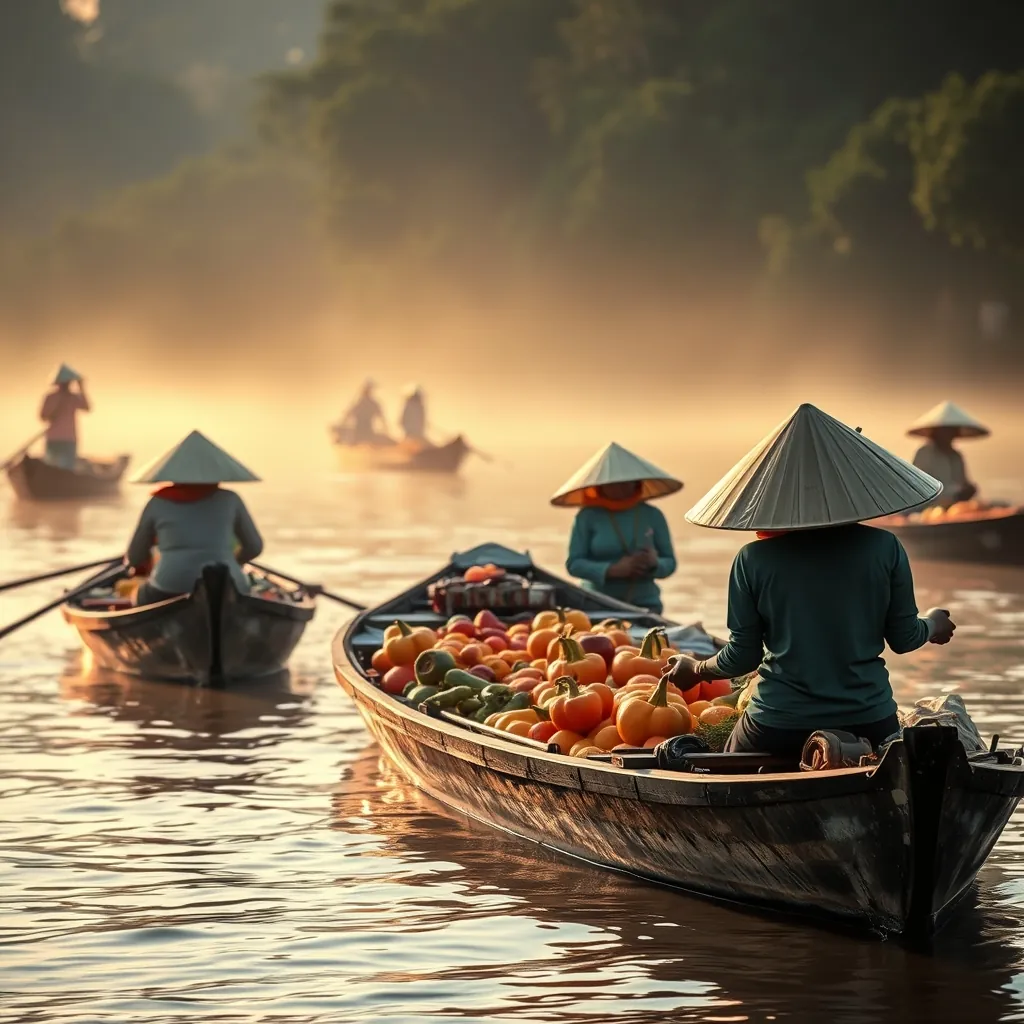
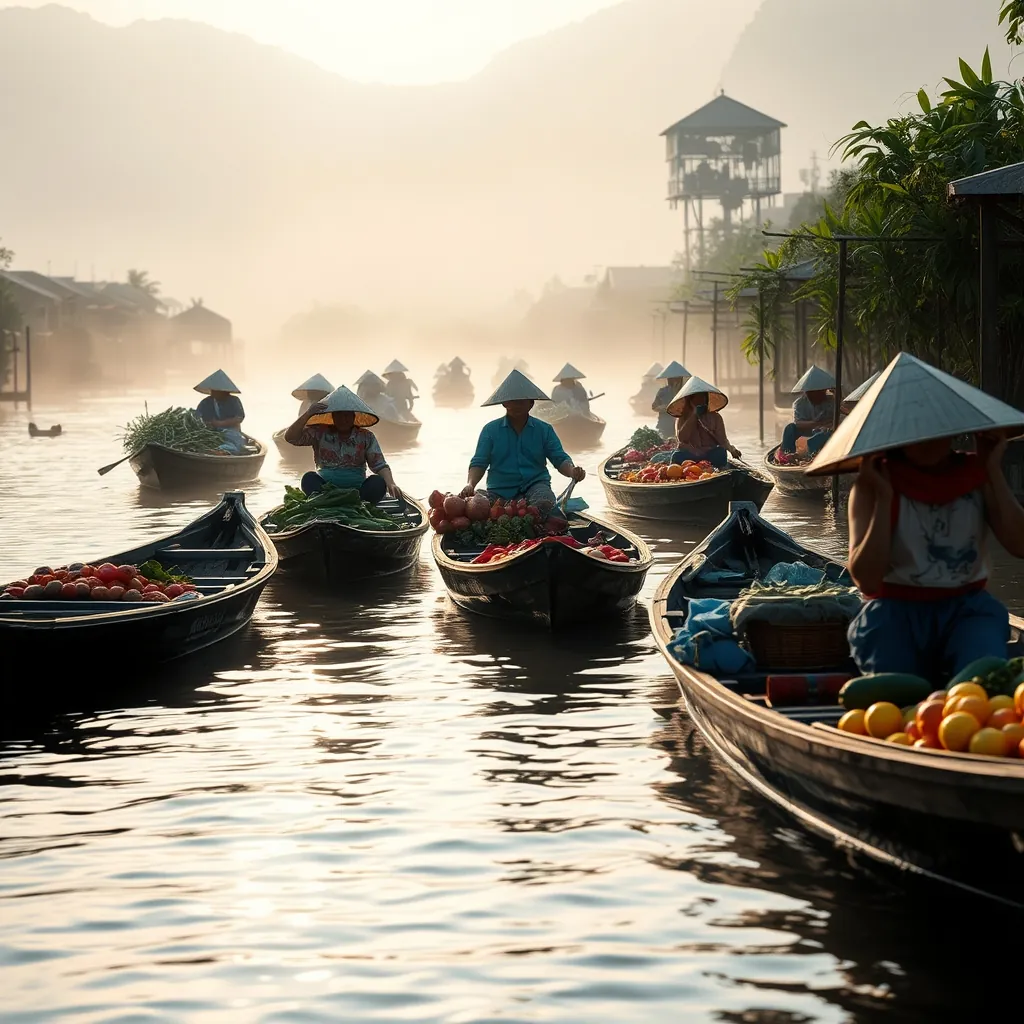
The Mekong Delta, often called Vietnam’s rice bowl, produces more than half of the country’s food. This vast network of rivers, canals, and islands supports a way of life centered entirely around water. Floating markets like Cai Rang and Phong Dien operate from dawn until mid-morning, with vendors selling everything from tropical fruits to traditional snacks directly from their boats.
Visitors can explore the delta through boat tours, cycling routes, and homestay experiences. The region’s islands, such as An Binh and Con Dao, offer peaceful retreats with lush orchards and traditional craft villages. The delta’s cuisine features freshwater fish, tropical fruits, and distinctive dishes like hu tieu, a noodle soup with Khmer influences. The pace here is slow and relaxed, a welcome contrast to Vietnam’s major cities.
9. Phu Quoc Island
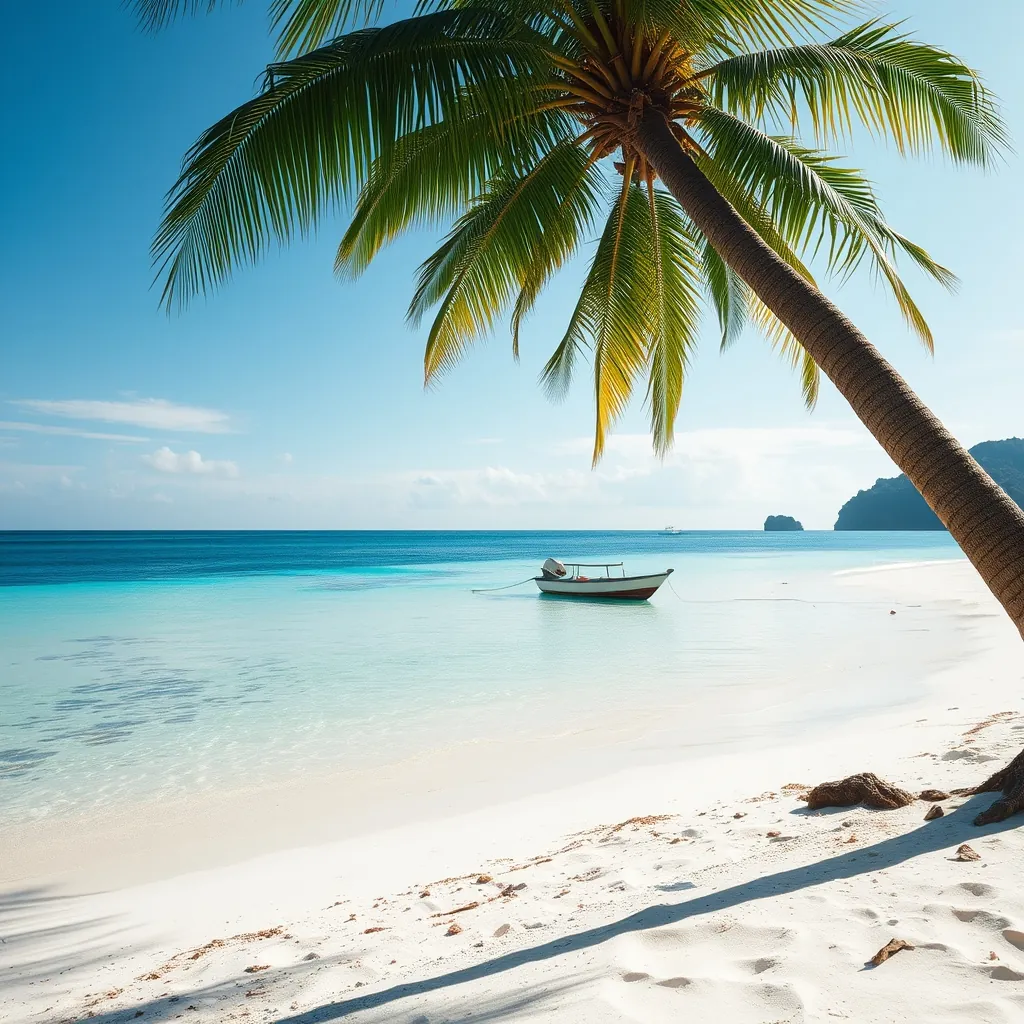
Phu Quoc, Vietnam’s largest island, covers 574 square kilometers in the Gulf of Thailand. The island’s white-sand beaches, clear waters, and tropical forests have earned it the nickname “Pearl Island.” Sao Beach and Long Beach offer excellent swimming and sunbathing, while the island’s northern forests contain hiking trails and wildlife viewing opportunities.
The island has undergone significant development in recent years, with new resorts and an international airport improving accessibility. Phu Quoc also offers cultural attractions, including the Phu Quoc Prison Museum and traditional fish sauce factories. The island’s night markets serve fresh seafood at reasonable prices. For travelers seeking a beach-focused getaway with modern amenities, Phu Quoc delivers.
10. Ho Chi Minh City
Ho Chi Minh City, still commonly called Saigon, serves as Vietnam’s economic engine. This dynamic metropolis blends French colonial architecture with sleek skyscrapers, creating a visually striking skyline. The city’s energy is palpable, with motorbikes flooding the streets and street food vendors serving up some of the country’s best cuisine.
The War Remnants Museum provides a sobering look at the Vietnam War from the Vietnamese perspective. The Cu Chi Tunnels, located about 60 kilometers from the city center, offer a glimpse into the underground network that sustained Viet Cong fighters. The city’s rooftop bars provide panoramic views, while its markets offer everything from fresh produce to tailored clothing. Ho Chi Minh City works well as a starting or ending point for a Vietnam itinerary.
Islands and Coastal Escapes
Vietnam’s coastline stretches for over 3,000 kilometers, offering countless opportunities for beach lovers. The country’s islands range from developed resort destinations to untouched natural paradises. These locations provide the perfect way to end a journey through Vietnam.
11. Ha Long Bay and Bai Tu Long Bay
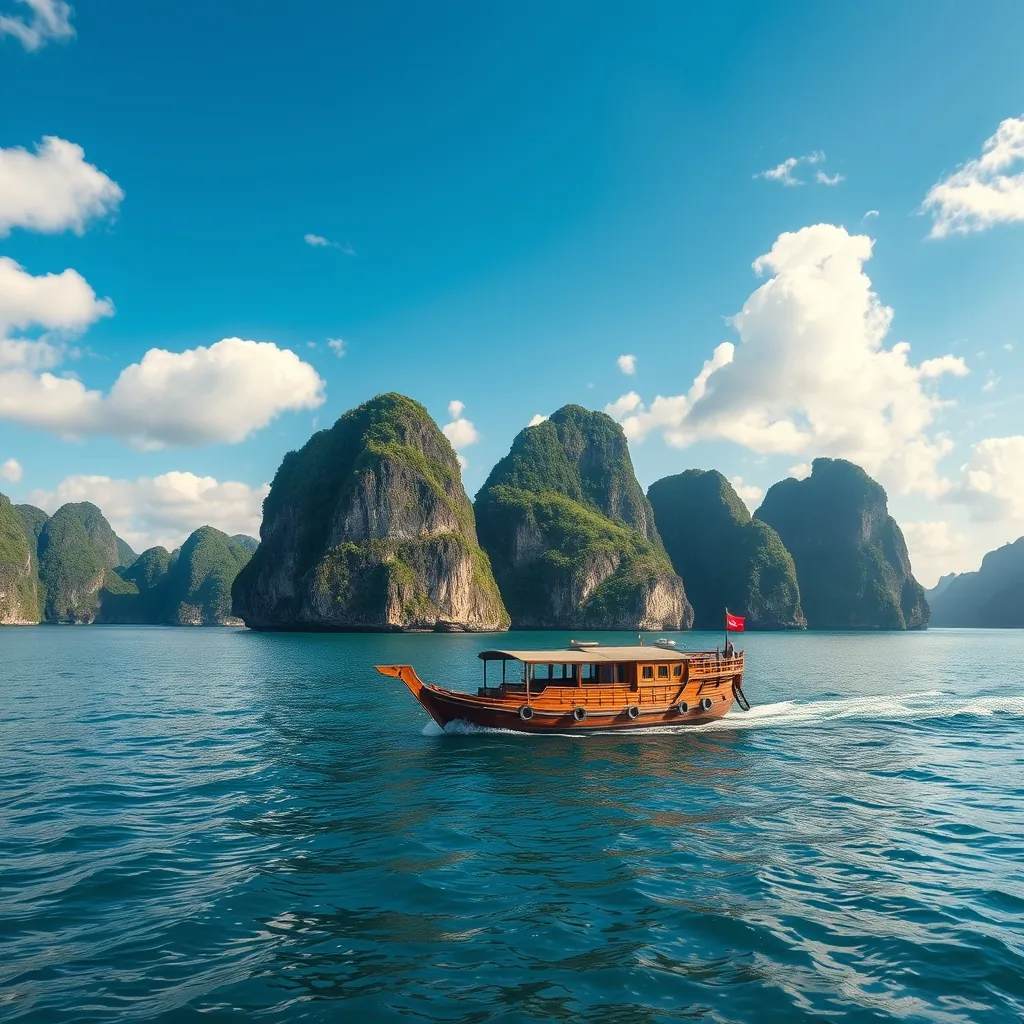
Ha Long Bay’s 1,600 limestone islands and islets create one of the world’s most iconic seascapes. The bay covers 1,553 square kilometers and has earned UNESCO World Heritage status. Cruises through the bay offer opportunities for kayaking, cave exploration, and swimming in emerald waters. The bay’s floating fishing villages provide insight into a way of life that has persisted for generations.
Bai Tu Long Bay, adjacent to Ha Long, offers a quieter alternative with similar scenery. This less-developed area receives fewer visitors, allowing for a more peaceful experience. The bay’s islands feature hidden beaches and pristine coral reefs. For travelers willing to venture slightly off the main tourist path, Bai Tu Long rewards with unspoiled beauty and a sense of discovery.
12. Nha Trang Bay
Nha Trang Bay ranks among the world’s most beautiful bays, according to multiple international surveys. The bay’s clear waters and abundant marine life make it a premier destination for diving and snorkeling. The nearby islands of Hon Mun and Hon Tam offer excellent underwater experiences with vibrant coral gardens and tropical fish.
The city of Nha Trang provides a full range of amenities, from luxury resorts to budget guesthouses. The Po Nagar Cham Towers, dating from the 8th century, offer cultural interest. The city’s mud baths and thermal springs provide relaxation options. Nha Trang’s nightlife centers around its beachfront promenade, which comes alive after sunset with street performers and seafood restaurants.
13. Con Dao Islands
The Con Dao Islands, located off Vietnam’s southern coast, offer some of the country’s most pristine natural environments. This archipelago of 16 islands contains protected forests, coral reefs, and sea turtle nesting sites. The main island’s beaches remain uncrowded, even during peak season. The islands’ history as a penal colony adds a somber dimension to their beauty.
Con Dao’s isolation has preserved its natural character. The islands’ waters host dugongs, sea turtles, and a diverse range of fish species. Hiking trails through the islands’ forests lead to viewpoints with panoramic ocean views. The islands’ small size allows for easy exploration by motorbike. For travelers seeking a truly off-the-beaten-path experience, Con Dao delivers.
Highland Retreats and Emerging Destinations
Vietnam’s highlands offer cooler temperatures and distinct cultural experiences. These destinations provide relief from the coastal heat and introduce visitors to different aspects of Vietnamese life. Several emerging destinations in this region remain relatively undiscovered by international tourists.
14. Da Lat
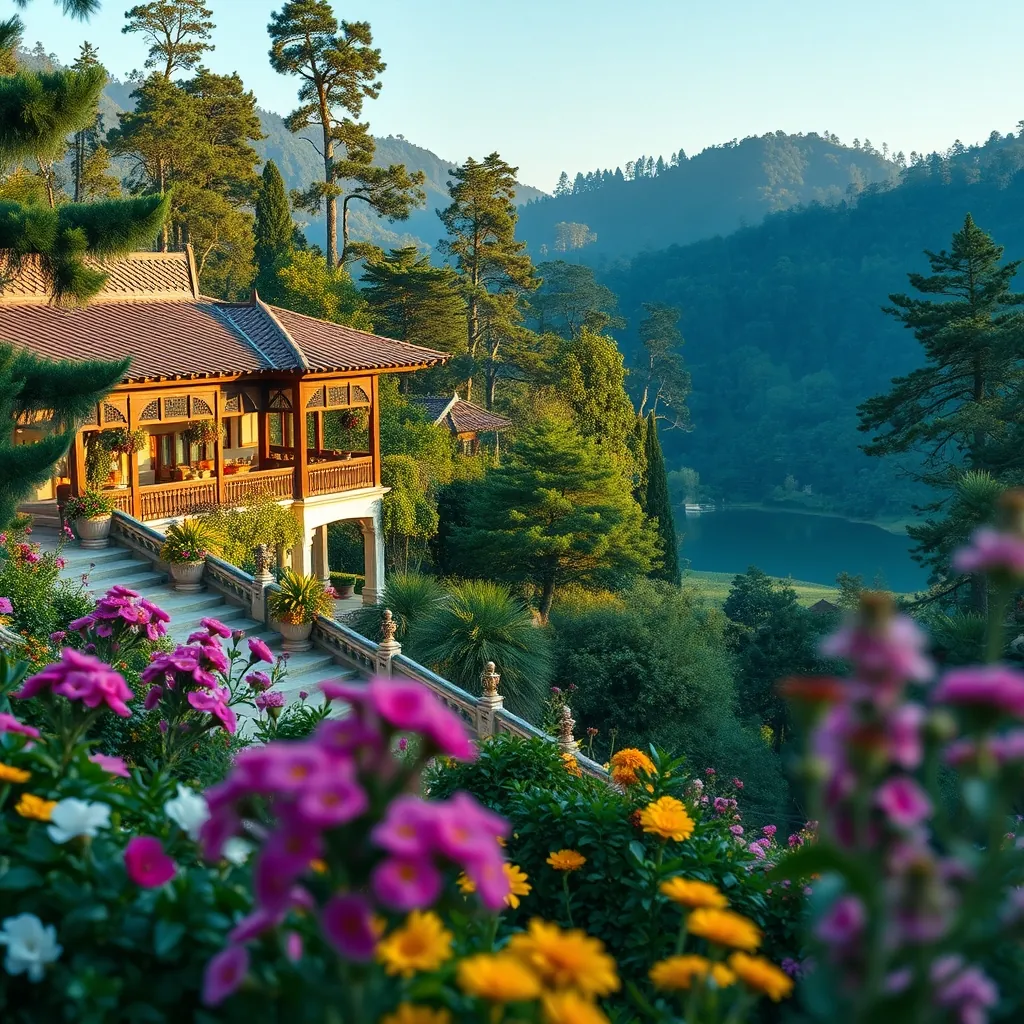
Da Lat, known as the City of Eternal Spring, sits at 1,500 meters above sea level in the Central Highlands. The city’s French colonial heritage is evident in its villas, cathedrals, and boulevards. Da Lat’s temperate climate supports flower farms, coffee plantations, and vegetable gardens that supply much of Vietnam’s produce.
The city’s surrounding countryside contains waterfalls, pine forests, and rolling hills. The Valley of Love and the Lake of Sighs offer romantic landscapes, while the Crazy House provides a surreal architectural experience. Da Lat’s night market features local specialties like artichoke tea and strawberry jam. The city’s cooler temperatures make it a popular domestic honeymoon destination.
15. Mai Chau
Mai Chau, located about 140 kilometers from Hanoi, offers a more accessible alternative to Sapa for experiencing ethnic minority culture. This valley is home to the Thai ethnic group, who live in traditional stilt houses and maintain their distinctive customs. The valley’s rice fields and surrounding mountains create a picturesque setting.
Visitors can stay in homestays within the Thai villages, participate in traditional dance performances, and sample local cuisine. The area offers cycling routes through the valley and hiking trails into the surrounding hills. Mai Chau’s proximity to Hanoi makes it suitable for a weekend getaway. The valley’s peaceful atmosphere provides a refreshing contrast to the capital’s chaos.
Practical Travel Considerations for 2024
Vietnam offers excellent value for travelers, though prices have risen in popular destinations. A budget of $50-70 per day covers comfortable accommodation, meals, and activities. Luxury travelers can easily spend $200 or more per day at high-end resorts. The Vietnamese dong is the local currency, and credit cards are widely accepted in cities but less so in rural areas.
Visa requirements have become more flexible in recent years. Citizens of many countries, including the United States, United Kingdom, and most European nations, can obtain an e-visa for stays up to 90 days. Double-check the latest requirements before traveling. Domestic flights connect major cities, while overnight trains offer a slower but scenic alternative. Renting a motorbike provides flexibility but requires confidence in local traffic conditions.
Sustainable tourism practices matter in Vietnam. Popular sites like Ha Long Bay and Sapa face pressure from overtourism. Travelers can minimize their impact by choosing responsible tour operators, respecting local customs, and supporting community-based tourism initiatives. The country’s national parks and protected areas rely on visitor fees for conservation efforts.
Planning Your Vietnamese Journey
Vietnam’s diversity ensures that no two travelers will have the same experience. The 15 destinations highlighted here represent the country’s highlights, but they barely scratch the surface of what this remarkable nation offers. The key to a successful trip lies in choosing locations that match your interests and travel style.
For first-time visitors, a route connecting Hanoi, Ha Long Bay, Hue, Hoi An, and Ho Chi Minh City provides a comprehensive introduction. Those with more time can venture into the highlands, explore the Mekong Delta, or island-hop along the coast. The best time to visit depends on the regions you plan to cover. Northern Vietnam experiences distinct seasons, while the south remains warm year-round.
Vietnam rewards travelers who embrace its complexity. The country’s rapid development has not erased its traditions. Ancient temples stand alongside modern skyscrapers, and centuries-old customs persist alongside contemporary trends. This blend of old and new, natural and urban, tranquil and chaotic, makes Vietnam a destination that lingers in memory long after departure. The 2024 travel season promises new discoveries, improved infrastructure, and the same warm hospitality that has always defined the Vietnamese people.
15 Best Places to Visit in Vietnam 2024
Vietnam’s Most Captivating Destinations for the Modern Traveler
Vietnam stretches over 1,650 kilometers along the South China Sea, creating a diverse tapestry of landscapes that range from misty mountain terraces to sun-drenched tropical islands. The country welcomed over 12.6 million international visitors in 2023, and 2024 promises even more interest as new flight routes and visa waivers open up. Travelers seeking authentic experiences will find a nation that balances rapid modernization with deep-rooted traditions.
The challenge for most visitors is not deciding whether to go, but rather where to go first. With 63 provinces and thousands of attractions, the options can feel overwhelming. This guide narrows the field to 15 exceptional locations that deliver the strongest combination of natural beauty, cultural depth, and practical accessibility. Each destination was evaluated on its visual impact, cultural significance, and the quality of the overall visitor experience.
What sets this list apart is its focus on 2024 travel realities. We considered recent infrastructure improvements, new tourism initiatives, and emerging trends like sustainable travel and off-peak visits. The result is a curated selection that works for first-time visitors and seasoned Vietnam veterans alike. Whether you have two weeks or two months, these places form the backbone of a memorable Vietnamese journey.
Northern Vietnam’s Mountain Masterpieces
Northern Vietnam delivers dramatic mountain scenery and ethnic minority cultures that remain largely untouched by mass tourism. The region rewards travelers who trade comfort for authenticity. The cooler climate provides relief from the tropical heat found elsewhere in the country.
1. Sapa and the Muong Hoa Valley
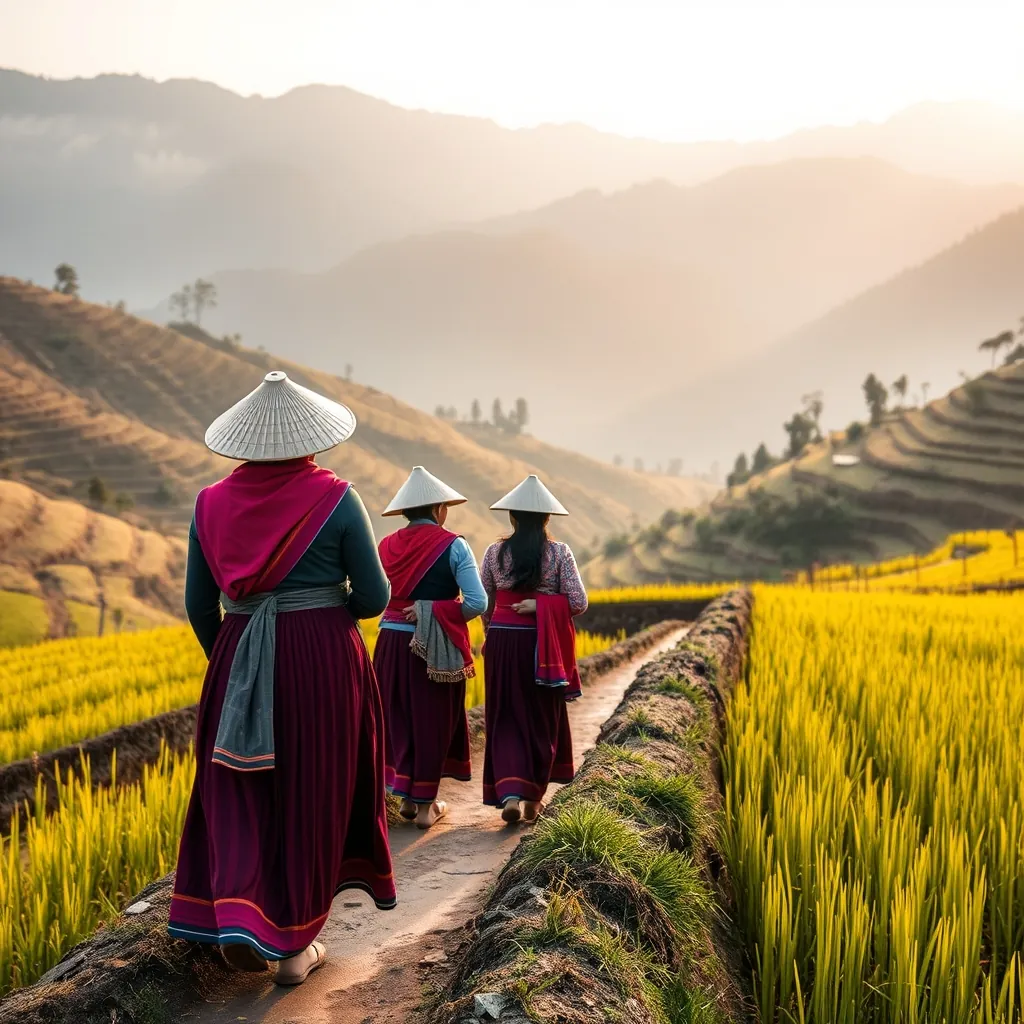
Sapa sits at 1,600 meters above sea level, offering cool temperatures and some of Southeast Asia’s most striking mountain scenery. The surrounding Muong Hoa Valley contains rice terraces that have been carved into the hillsides over centuries. These terraces change color throughout the year, shifting from vibrant green during the growing season to golden yellow before harvest.
The town itself serves as a base for trekking adventures. Local Hmong and Dao communities lead guided hikes through their villages, providing direct cultural exchange opportunities. The experience goes beyond simple sightseeing. Visitors stay in homestays, learn traditional crafts, and gain insight into a way of life that has persisted for generations. The nearby Fansipan Mountain, reachable by cable car, offers panoramic views for those who prefer not to climb.
2. Ha Giang Loop
The Ha Giang Loop has earned a reputation as one of the world’s greatest motorcycle routes. This 350-kilometer circuit winds through dramatic limestone peaks, deep river valleys, and remote ethnic minority villages. The road conditions have improved significantly in recent years, making the journey more accessible to riders of all skill levels.
What makes Ha Giang special is its raw, unpolished character. This region receives far fewer visitors than Sapa, meaning travelers encounter authentic daily life rather than staged performances. The Dong Van Karst Plateau Geopark, a UNESCO Global Geopark, forms the centerpiece of the loop. Its rugged beauty and geological significance make it a worthy addition to any Vietnam itinerary.
3. Ninh Binh Province
Ninh Binh offers a more accessible alternative to Ha Long Bay without sacrificing visual impact. The province’s karst formations rise dramatically from emerald rice paddies, creating landscapes that feel almost otherworldly. Tam Coc, the most famous area, allows visitors to drift along the Ngo Dong River in small rowboats while passing through natural cave systems.
The region also contains significant historical sites. Hoa Lu served as Vietnam’s capital in the 10th and 11th centuries, and its remaining temples offer insight into the country’s early dynastic period. The nearby Mua Cave viewpoint provides a challenging climb with rewarding panoramic views. For travelers short on time, Ninh Binh works well as a day trip from Hanoi, though an overnight stay allows for a more relaxed pace.
Central Vietnam’s Coastal and Heritage Gems
Central Vietnam blends pristine beaches with some of the country’s most significant historical sites. This region benefits from a long dry season that runs from January to August, making it a reliable choice for most of the year. The former imperial capital of Hue and the trading port of Hoi An anchor the cultural offerings.
4. Hoi An Ancient Town
Hoi An stands as one of Southeast Asia’s best-preserved trading ports. The town’s architecture reflects a unique blend of Vietnamese, Chinese, Japanese, and European influences, a testament to its role as a major commercial hub from the 15th to 19th centuries. The entire old town is a UNESCO World Heritage Site, and walking through its narrow lanes feels like stepping back in time.
The lantern festival, held on the 14th day of each lunar month, transforms the town into a sea of colorful lights. Visitors release paper lanterns onto the river while traditional music fills the air. Beyond the old town, nearby beaches like An Bang offer sandy shores within easy reach. The town’s tailors produce custom clothing in 24 hours, and its cooking schools teach the secrets of Vietnamese cuisine.
5. Hue Imperial City
Hue served as Vietnam’s imperial capital from 1802 to 1945 under the Nguyen Dynasty. The Imperial City, a walled fortress within the larger citadel, contains palaces, temples, and administrative buildings that once housed the royal court. Despite significant damage during the Vietnam War, ongoing restoration efforts have brought many structures back to their former glory.
The Perfume River flows through the city, offering boat cruises that pass by royal tombs and pagodas. The Thien Mu Pagoda, with its seven-story tower, stands as a symbol of the city. Hue’s cuisine carries a distinct royal character, with dishes that were once prepared exclusively for the emperor. The city’s slower pace provides a welcome contrast to the more tourist-oriented destinations along the coast.
6. Da Nang and the Son Tra Peninsula
Da Nang has transformed from a quiet coastal town into Vietnam’s most livable city. Its long stretch of sandy beach, known as My Khe, offers excellent swimming and water sports. The city’s Marble Mountains contain caves and pagodas that reward exploration. The Golden Bridge, held aloft by giant stone hands, attracts visitors with its surreal design and panoramic views.
The Son Tra Peninsula, just north of the city, provides a natural escape. This protected area is home to around 300 red-shanked douc langurs, one of the world’s most endangered primates. The peninsula’s hiking trails offer opportunities to spot these colorful monkeys in their natural habitat. Da Nang also serves as a convenient base for day trips to both Hoi An and Hue.
7. Phong Nha-Ke Bang National Park
Phong Nha-Ke Bang National Park contains some of the world’s most spectacular cave systems. Son Doong Cave, the largest cave on Earth, measures over 5 kilometers in length and contains its own ecosystem, including a jungle and river. Discovered in 1991 and opened to tourists in 2013, Son Doong remains a bucket-list destination for serious adventurers.
For those not ready for a multi-day expedition, the park offers accessible options. Phong Nha Cave can be explored by boat, while Paradise Cave features a 31-kilometer boardwalk through impressive stalactite formations. The surrounding countryside, with its karst mountains and rural villages, provides excellent cycling opportunities. The park’s remote location ensures a peaceful experience away from mass tourism.
Southern Vietnam’s Tropical Delights
Southern Vietnam delivers year-round warmth and a more laid-back atmosphere. The Mekong Delta’s waterways and the islands of the Gulf of Thailand offer distinct experiences that differ dramatically from the north. This region also contains Vietnam’s largest city, a bustling metropolis that never sleeps.
8. Mekong Delta
The Mekong Delta, often called Vietnam’s rice bowl, produces more than half of the country’s food. This vast network of rivers, canals, and islands supports a way of life centered entirely around water. Floating markets like Cai Rang and Phong Dien operate from dawn until mid-morning, with vendors selling everything from tropical fruits to traditional snacks directly from their boats.
Visitors can explore the delta through boat tours, cycling routes, and homestay experiences. The region’s islands, such as An Binh and Con Dao, offer peaceful retreats with lush orchards and traditional craft villages. The delta’s cuisine features freshwater fish, tropical fruits, and distinctive dishes like hu tieu, a noodle soup with Khmer influences. The pace here is slow and relaxed, a welcome contrast to Vietnam’s major cities.
9. Phu Quoc Island
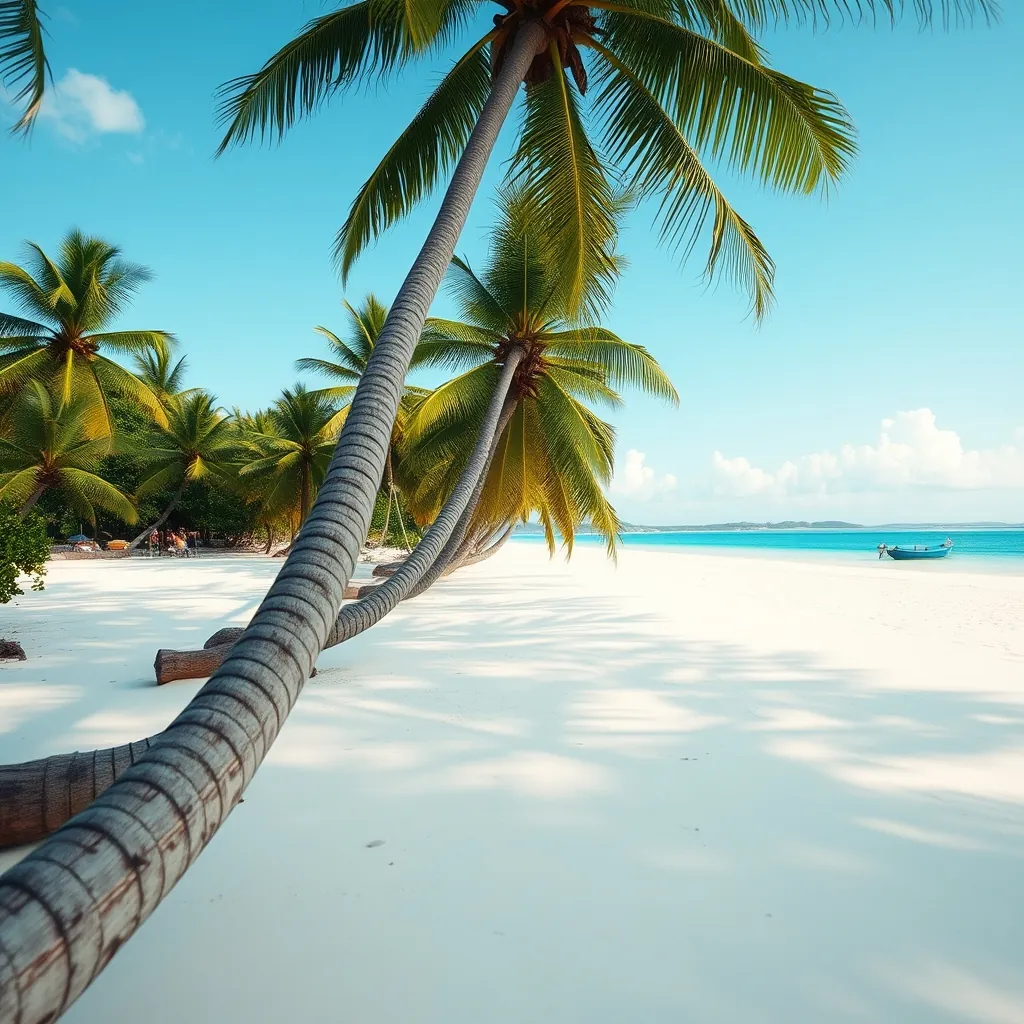
Phu Quoc, Vietnam’s largest island, covers 574 square kilometers in the Gulf of Thailand. The island’s white-sand beaches, clear waters, and tropical forests have earned it the nickname “Pearl Island.” Sao Beach and Long Beach offer excellent swimming and sunbathing, while the island’s northern forests contain hiking trails and wildlife viewing opportunities.
The island has undergone significant development in recent years, with new resorts and an international airport improving accessibility. Phu Quoc also offers cultural attractions, including the Phu Quoc Prison Museum and traditional fish sauce factories. The island’s night markets serve fresh seafood at reasonable prices. For travelers seeking a beach-focused getaway with modern amenities, Phu Quoc delivers.
10. Ho Chi Minh City
Ho Chi Minh City, still commonly called Saigon, serves as Vietnam’s economic engine. This dynamic metropolis blends French colonial architecture with sleek skyscrapers, creating a visually striking skyline. The city’s energy is palpable, with motorbikes flooding the streets and street food vendors serving up some of the country’s best cuisine.
The War Remnants Museum provides a sobering look at the Vietnam War from the Vietnamese perspective. The Cu Chi Tunnels, located about 60 kilometers from the city center, offer a glimpse into the underground network that sustained Viet Cong fighters. The city’s rooftop bars provide panoramic views, while its markets offer everything from fresh produce to tailored clothing. Ho Chi Minh City works well as a starting or ending point for a Vietnam itinerary.
Islands and Coastal Escapes
Vietnam’s coastline stretches for over 3,000 kilometers, offering countless opportunities for beach lovers. The country’s islands range from developed resort destinations to untouched natural paradises. These locations provide the perfect way to end a journey through Vietnam.
11. Ha Long Bay and Bai Tu Long Bay
Ha Long Bay’s 1,600 limestone islands and islets create one of the world’s most iconic seascapes. The bay covers 1,553 square kilometers and has earned UNESCO World Heritage status. Cruises through the bay offer opportunities for kayaking, cave exploration, and swimming in emerald waters. The bay’s floating fishing villages provide insight into a way of life that has persisted for generations.
Bai Tu Long Bay, adjacent to Ha Long, offers a quieter alternative with similar scenery. This less-developed area receives fewer visitors, allowing for a more peaceful experience. The bay’s islands feature hidden beaches and pristine coral reefs. For travelers willing to venture slightly off the main tourist path, Bai Tu Long rewards with unspoiled beauty and a sense of discovery.
12. Nha Trang Bay
Nha Trang Bay ranks among the world’s most beautiful bays, according to multiple international surveys. The bay’s clear waters and abundant marine life make it a premier destination for diving and snorkeling. The nearby islands of Hon Mun and Hon Tam offer excellent underwater experiences with vibrant coral gardens and tropical fish.
The city of Nha Trang provides a full range of amenities, from luxury resorts to budget guesthouses. The Po Nagar Cham Towers, dating from the 8th century, offer cultural interest. The city’s mud baths and thermal springs provide relaxation options. Nha Trang’s nightlife centers around its beachfront promenade, which comes alive after sunset with street performers and seafood restaurants.
13. Con Dao Islands
The Con Dao Islands, located off Vietnam’s southern coast, offer some of the country’s most pristine natural environments. This archipelago of 16 islands contains protected forests, coral reefs, and sea turtle nesting sites. The main island’s beaches remain uncrowded, even during peak season. The islands’ history as a penal colony adds a somber dimension to their beauty.
Con Dao’s isolation has preserved its natural character. The islands’ waters host dugongs, sea turtles, and a diverse range of fish species. Hiking trails through the islands’ forests lead to viewpoints with panoramic ocean views. The islands’ small size allows for easy exploration by motorbike. For travelers seeking a truly off-the-beaten-path experience, Con Dao delivers.
Highland Retreats and Emerging Destinations
Vietnam’s highlands offer cooler temperatures and distinct cultural experiences. These destinations provide relief from the coastal heat and introduce visitors to different aspects of Vietnamese life. Several emerging destinations in this region remain relatively undiscovered by international tourists.
14. Da Lat
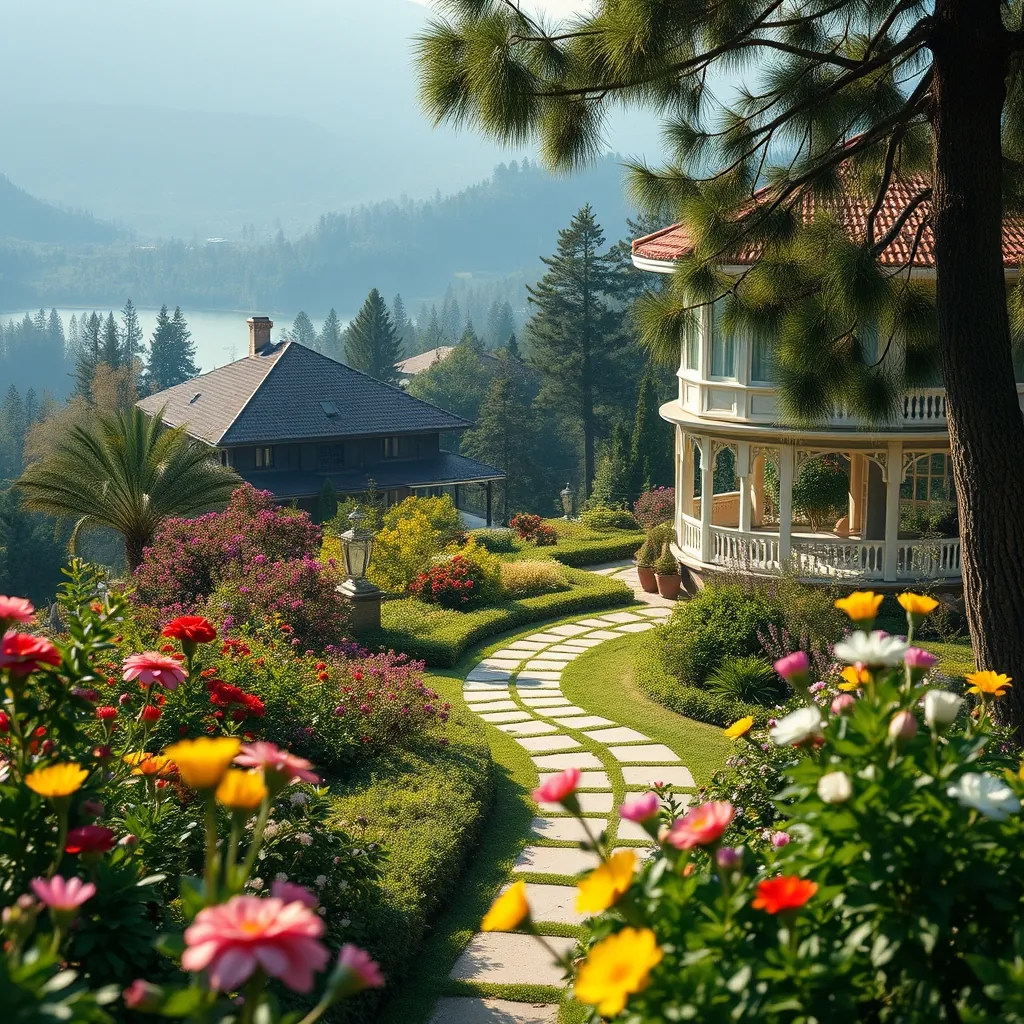
Da Lat, known as the City of Eternal Spring, sits at 1,500 meters above sea level in the Central Highlands. The city’s French colonial heritage is evident in its villas, cathedrals, and boulevards. Da Lat’s temperate climate supports flower farms, coffee plantations, and vegetable gardens that supply much of Vietnam’s produce.
The city’s surrounding countryside contains waterfalls, pine forests, and rolling hills. The Valley of Love and the Lake of Sighs offer romantic landscapes, while the Crazy House provides a surreal architectural experience. Da Lat’s night market features local specialties like artichoke tea and strawberry jam. The city’s cooler temperatures make it a popular domestic honeymoon destination.
15. Mai Chau
Mai Chau, located about 140 kilometers from Hanoi, offers a more accessible alternative to Sapa for experiencing ethnic minority culture. This valley is home to the Thai ethnic group, who live in traditional stilt houses and maintain their distinctive customs. The valley’s rice fields and surrounding mountains create a picturesque setting.
Visitors can stay in homestays within the Thai villages, participate in traditional dance performances, and sample local cuisine. The area offers cycling routes through the valley and hiking trails into the surrounding hills. Mai Chau’s proximity to Hanoi makes it suitable for a weekend getaway. The valley’s peaceful atmosphere provides a refreshing contrast to the capital’s chaos.
Practical Travel Considerations for 2024
Vietnam offers excellent value for travelers, though prices have risen in popular destinations. A budget of $50-70 per day covers comfortable accommodation, meals, and activities. Luxury travelers can easily spend $200 or more per day at high-end resorts. The Vietnamese dong is the local currency, and credit cards are widely accepted in cities but less so in rural areas.
Visa requirements have become more flexible in recent years. Citizens of many countries, including the United States, United Kingdom, and most European nations, can obtain an e-visa for stays up to 90 days. Double-check the latest requirements before traveling. Domestic flights connect major cities, while overnight trains offer a slower but scenic alternative. Renting a motorbike provides flexibility but requires confidence in local traffic conditions.
Sustainable tourism practices matter in Vietnam. Popular sites like Ha Long Bay and Sapa face pressure from overtourism. Travelers can minimize their impact by choosing responsible tour operators, respecting local customs, and supporting community-based tourism initiatives. The country’s national parks and protected areas rely on visitor fees for conservation efforts.
Planning Your Vietnamese Journey
Vietnam’s diversity ensures that no two travelers will have the same experience. The 15 destinations highlighted here represent the country’s highlights, but they barely scratch the surface of what this remarkable nation offers. The key to a successful trip lies in choosing locations that match your interests and travel style.
For first-time visitors, a route connecting Hanoi, Ha Long Bay, Hue, Hoi An, and Ho Chi Minh City provides a comprehensive introduction. Those with more time can venture into the highlands, explore the Mekong Delta, or island-hop along the coast. The best time to visit depends on the regions you plan to cover. Northern Vietnam experiences distinct seasons, while the south remains warm year-round.
Vietnam rewards travelers who embrace its complexity. The country’s rapid development has not erased its traditions. Ancient temples stand alongside modern skyscrapers, and centuries-old customs persist alongside contemporary trends. This blend of old and new, natural and urban, tranquil and chaotic, makes Vietnam a destination that lingers in memory long after departure. The 2024 travel season promises new discoveries, improved infrastructure, and the same warm hospitality that has always defined the Vietnamese people.
Frequently Asked Questions About Visiting Vietnam
What is the best time to visit Vietnam?
The best time depends on the regions you plan to visit. Northern Vietnam has distinct seasons, with spring (March-April) and autumn (September-November) being ideal. Central Vietnam is best from January to August, while Southern Vietnam is warm year-round, with the dry season from December to April being most favorable.
How many days do I need to see the best of Vietnam?
For a comprehensive trip covering the highlights like Hanoi, Ha Long Bay, Hue, Hoi An, and Ho Chi Minh City, plan for at least 10-14 days. If you want to include off-the-beaten-path destinations like Ha Giang or the Mekong Delta, consider extending your trip to 3-4 weeks.
Is Vietnam expensive to travel in 2024?
Vietnam offers excellent value. A budget of $50-70 per day covers comfortable accommodation, meals, and activities. Luxury travelers can spend $200 or more daily at high-end resorts. Prices have risen in popular destinations but remain competitive compared to other Southeast Asian countries.
Do I need a visa to visit Vietnam?
Citizens of many countries, including the US, UK, and most European nations, can obtain an e-visa for stays up to 90 days. Check the latest requirements before traveling, as visa policies have become more flexible in recent years.
What are the must-try foods in Vietnam?
Don’t miss pho (noodle soup), banh mi (baguette sandwich), fresh spring rolls, and Vietnamese coffee. Regional specialties include Hue’s royal cuisine, Hoi An’s cao lau noodles, and the Mekong Delta’s hu tieu. Street food is generally safe and delicious.
Leave a Reply