Your cart is currently empty!
15 Best Vietnam Travel Spots for 2024
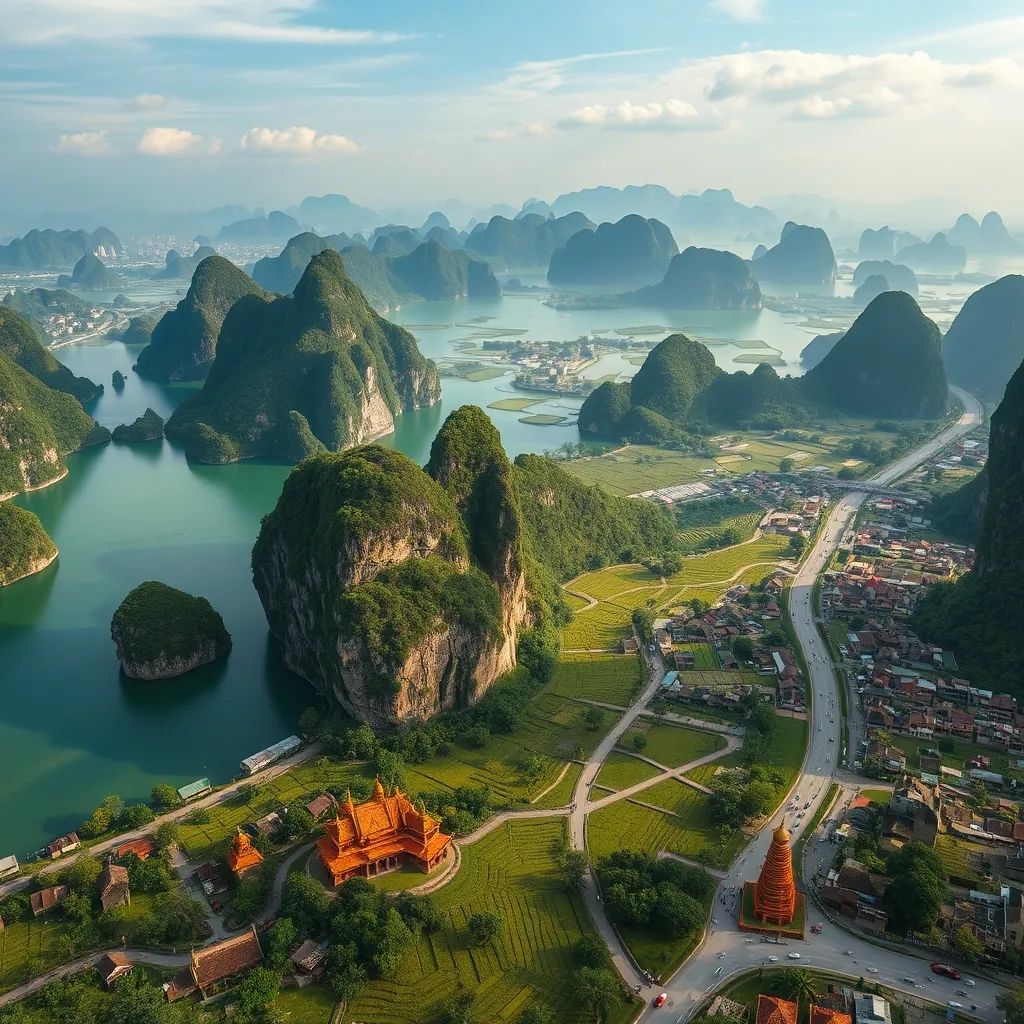
Why Vietnam Deserves a Top Spot on Your 2024 Travel List
Vietnam is a country of staggering contrasts. One moment you are navigating the chaotic, intoxicating streets of Hanoi; the next, you are floating silently among limestone pillars in Ha Long Bay. This Southeast Asian nation packs an extraordinary amount of diversity into a relatively small footprint. From the cool, misty mountains of the north to the sun-drenched islands of the south, the country offers a lifetime of experiences.
Many travelers make the mistake of trying to see everything in one go. A better approach is to curate a list that matches your pace and interests. This article narrows the field to the 15 best Vietnam travel spots for 2024, a selection that balances iconic landmarks with quieter, off-the-beaten-path destinations. We have factored in accessibility, seasonal weather, and the sheer wow factor of each location.
Our goal is to help you plan a trip that feels personal, not packaged. We have included practical advice on budgets, transportation, and the best months to visit each site. Whether you have a week or a month, this guide provides a solid foundation for an unforgettable journey through one of Asia’s most compelling countries.
Northern Vietnam: Mountains, Rice Terraces, and Timeless Bays
The north is the heart of Vietnam’s dramatic scenery. It is a region defined by towering peaks, deep valleys, and the cultural richness of its ethnic minority communities. Start your journey here for the most awe-inspiring landscapes.
1. Ha Long Bay
No list of Vietnam’s best places is complete without Ha Long Bay. This UNESCO World Heritage site contains over 1,600 limestone karsts and islets spread across 1,553 square kilometers of the Gulf of Tonkin. The bay is best experienced on an overnight cruise, allowing you to witness the changing light on the rocks at sunrise and sunset. Kayaking into hidden lagoons offers a closer look at the area’s biodiversity.
The bay is a major tourist hub, so expect crowds during peak season from June to August. For a calmer experience, consider visiting in April or May when the weather is warm but the tourist numbers are lower. A budget-friendly tip is to book a day cruise instead of an overnight stay, saving money while still seeing the main highlights.
2. Sapa and the Rice Terraces
Sapa sits in the Hoang Lien Son mountains, near the border with China. The town itself is a base camp for trekking, but the real draw is the surrounding landscape. The rice terraces here are considered among the most beautiful in the world, carving golden or green steps into the mountainsides depending on the season. The peak viewing time is from September to October, when the rice is ripe and ready for harvest.
Beyond the scenery, Sapa is home to several ethnic minority groups, including the Hmong and Dao. Visiting local villages offers a glimpse into traditions that have remained unchanged for centuries. The best way to see the terraces is on foot, with local guides leading treks that range from a few hours to several days. Budget travelers can save by staying in homestays rather than hotels.
3. Ninh Binh and Trang An
Often called “Ha Long Bay on land,” Ninh Binh’s Trang An Landscape Complex is a UNESCO site of limestone mountains, valleys, and caves. A boat ride through the complex is a serene experience, with rowers guiding you through dark tunnels and into hidden basins surrounded by vertical cliffs. The area is less commercialized than Ha Long Bay, offering a more intimate connection with nature.
The best time to visit is from February to April, when the weather is mild and the landscape is lush. The boat tours are reasonably priced, and you can easily combine a visit here with a stop at the ancient capital of Hoa Lu. The region is also famous for its local goat meat dishes, a must-try for adventurous eaters.
Central Vietnam: Imperial Cities and Ancient Ports
Central Vietnam is the cultural soul of the country. It is here that you will find the remnants of the Nguyen Dynasty, the charming architecture of Hoi An, and some of the best beaches in Southeast Asia. This region offers a perfect mix of history, relaxation, and culinary excellence.
4. Hoi An Ancient Town
Hoi An is a remarkably well-preserved example of a Southeast Asian trading port dating from the 15th to the 19th centuries. The town’s yellow-walled buildings, wooden shutters, and lantern-lit streets create a romantic atmosphere that is hard to find elsewhere. The Japanese Covered Bridge and the old merchant houses are must-see attractions.
Hoi An is also a food lover’s paradise. The local specialties, such as Cao Lau noodles and White Rose dumplings, are unique to the town. For a memorable experience, take a cooking class where you can learn to prepare these dishes yourself. The town is walkable and bike-friendly, making it easy to explore without spending on transport. The best time to visit is from February to May, when the weather is dry and pleasant.
5. Hue and the Imperial City
Hue was the capital of the Nguyen Dynasty from 1802 to 1945. The Imperial City, a vast complex of palaces, temples, and walls, offers a deep dive into Vietnam’s royal history. The site contains over 160 monuments, many of which are being restored after the ravages of war. A visit here is both educational and humbling.
Beyond the citadel, Hue is known for its distinctive cuisine, which is influenced by royal court cooking. The city’s position on the Perfume River adds to its charm, with boat trips offering a different perspective on the skyline. The best months to visit are from January to March, avoiding the heavy rains that can occur later in the year.
6. Da Nang and My Khe Beach
Da Nang is a modern, dynamic city that has become a major coastal hub. Its main attraction is My Khe Beach, a 900-meter stretch of white sand that Forbes named one of the most beautiful beaches in the world. The beach is perfect for swimming, surfing, or simply relaxing under an umbrella with a cold drink.
The city also boasts the Marble Mountains, a cluster of five marble and limestone hills with caves and Buddhist sanctuaries. The Golden Bridge, held up by giant stone hands, is a more recent addition that has become a viral sensation. Da Nang is an excellent base for exploring Hoi An and Hue, with both cities easily accessible by road or rail.
Southern Vietnam: The Mighty Mekong and Tropical Islands
The south is Vietnam at its most laid-back. The pace of life slows down, the food gets sweeter, and the beaches become more inviting. This region is dominated by the Mekong Delta and the islands off the coast, offering a completely different vibe from the north.
7. Phu Quoc Island
Phu Quoc is Vietnam’s largest island, located in the Gulf of Thailand. It is home to 28 islands and islets, many of which are uninhabited. The main island is known for its long stretches of white sand, clear water, and lush tropical forests. Two areas of the island are recognized as UNESCO biosphere reserves, protecting its rich biodiversity.
The island offers a range of activities, from snorkeling and diving to exploring pepper farms and fish sauce factories. For a splurge, consider staying at one of the luxury resorts on the island’s western coast. Budget travelers can find affordable guesthouses in Duong Dong town. The best time to visit is from November to March, when the sea is calm and the skies are clear.
8. The Mekong Delta
The Mekong Delta is known as the “Rice Bowl” of Vietnam, producing more than half of the country’s rice. This vast network of rivers, swamps, and islands is best explored by boat. A typical tour takes you through floating markets, where vendors sell everything from fruit to coffee from their boats, and into the narrow canals that cut through the mangroves.
The region is a photographer’s dream, with vibrant colors and bustling activity at every turn. The town of Can Tho is the most popular base for exploring the delta. The best time to visit is during the dry season, from December to April, when the water levels are lower and the markets are more accessible.
Hidden Gems and Off-the-Beaten-Path Spots
Beyond the well-trodden paths, Vietnam is full of lesser-known destinations that reward the curious traveler. These spots offer a chance to escape the crowds and experience the country in a more authentic way.
9. Bai Tu Long Bay
Adjacent to Ha Long Bay, Bai Tu Long Bay offers a quieter, more pristine alternative. It has over 300 islands and islets, many of which are completely uninhabited. The scenery is just as stunning, with limestone karsts rising from emerald waters, but the tourist numbers are a fraction of those in Ha Long Bay.
Overnight cruises here are often more intimate, with smaller boats and personalized service. Kayaking and swimming are popular activities, and the lack of crowds makes for a more peaceful experience. The best time to visit is from March to May, when the weather is ideal for outdoor activities.
10. Phong Nha-Ke Bang National Park
This national park is a spelunker’s paradise. It contains the oldest karst mountains in Asia, formed over 400 million years ago, and is home to the world’s largest cave, Son Doong, which has a volume of 38.5 million cubic meters. While Son Doong requires a special permit and a multi-day expedition, the park offers many other accessible caves, including Phong Nha Cave and Paradise Cave.
The park is a UNESCO World Heritage site and is best visited from April to August, when the weather is dry. The area is also great for trekking and cycling, with jungle trails leading to remote villages and hidden waterfalls. Budget travelers can stay in the nearby town of Phong Nha, which has a range of affordable guesthouses.
11. Nha Trang Bay
Nha Trang Bay is recognized as one of the most beautiful bays in the world, with 19 islands and vibrant coral reefs. The city of Nha Trang is a popular beach resort destination, offering a mix of relaxation and water sports. Snorkeling and diving trips to the islands are the main draw, with the marine life being particularly rich.
The best time to visit is from February to September, when the sea is calm and the visibility is good. The city has a lively nightlife scene, with beachfront bars and restaurants. For a quieter experience, head to the northern islands, which are less developed and offer more pristine beaches.
12. Da Lat
Da Lat is known as the “City of Eternal Spring” due to its mild climate, sitting at 1,500 meters above sea level. The city is famous for its French colonial architecture, flower gardens, and surrounding pine forests. It is a popular destination for honeymooners and those looking to escape the heat of the lowlands.
The city is also a hub for adventure activities, including canyoning, mountain biking, and trekking. The nearby waterfalls, such as Datanla and Pongour, are spectacular, especially during the rainy season from May to October. Da Lat’s fresh produce, including strawberries and avocados, is a highlight of the local cuisine.
13. Con Dao Islands
The Con Dao Islands are a remote archipelago off the southern coast, known for their pristine beaches and rich marine life. The islands were once home to a notorious prison during the French colonial period, and the history is preserved at the Con Dao Museum and the prison ruins. Today, the islands are a protected national park, offering some of the best diving in Vietnam.
The best time to visit is from March to September, when the seas are calm. Con Dao is less developed than Phu Quoc, with a more laid-back atmosphere. The islands are accessible by a short flight from Ho Chi Minh City, making them a convenient escape from the city.
14. Mui Ne
Mui Ne is a coastal town famous for its sand dunes, which resemble a desert landscape. The white and red sand dunes are a surreal sight, and the area is popular for sandboarding and ATV rides. The town is also known for its fishing village, where you can watch the daily catch being brought in at dawn.
Mui Ne has a more relaxed vibe than other beach destinations, with a range of affordable resorts and guesthouses. The best time to visit is from December to April, when the weather is dry and the winds are good for kitesurfing. The town is also a gateway to the nearby Fairy Stream, a shallow creek that winds through red and white sand formations.
15. Mai Chau
Mai Chau is a valley in the northwest, surrounded by lush green mountains and home to the Thai ethnic minority. The area is known for its traditional stilt houses, which are now used as homestays for travelers. The valley is perfect for cycling and trekking, with trails that lead through rice paddies and small villages.
The best time to visit is from October to April, when the weather is cool and dry. Mai Chau is a great alternative to Sapa for those who want to experience ethnic minority culture without the long journey. The local food, including grilled fish and sticky rice, is a highlight of any stay.
Practical Tips for Traveling in Vietnam
Getting around Vietnam is relatively easy, with a range of options to suit different budgets and preferences. Domestic flights connect the major cities, while trains and buses offer a more scenic and economical way to travel. The Reunification Express runs along the coast, connecting Hanoi to Ho Chi Minh City, and is a great way to see the countryside.
For a truly local experience, consider using the open bus services, which allow you to hop on and off at various stops. Motorbike rentals are popular for more adventurous travelers, but be aware of the chaotic traffic in the cities. Always negotiate prices before booking a taxi or a tour to avoid overpaying.
When it comes to budgeting, Vietnam is generally affordable compared to Western countries. A budget traveler can get by on around $30 to $50 per day, while mid-range travelers should budget $70 to $100 per day. Accommodation ranges from $10 hostels to $200 luxury resorts, and food is inexpensive, with street meals costing just a few dollars.
Sustainable Travel and Cultural Etiquette
As tourism grows, it is important to travel responsibly. In popular areas like Ha Long Bay, the influx of boats has caused environmental concerns. Choose tour operators that follow sustainable practices, such as using electric boats or limiting group sizes. On Phu Quoc, support eco-friendly resorts that protect the coral reefs and local wildlife.
Respect for local customs is essential. When visiting temples or pagodas, dress modestly, covering your shoulders and knees. Always remove your shoes before entering a temple or someone’s home. It is also polite to ask for permission before taking photos of local people, especially ethnic minorities.
Be mindful of your waste, especially in rural areas where trash collection is limited. Carry a reusable water bottle and avoid single-use plastics. By making small efforts, you can help preserve the beauty of Vietnam for future generations.
Seasonal Calendar and Best Times to Visit
Vietnam’s climate varies significantly from north to south. The north has four distinct seasons, with the best time to visit being from September to November, when the weather is cool and dry. The central region is prone to heavy rains from September to December, so the best time is from February to May. The south has a dry season from November to April and a rainy season from May to October, with the dry season being the most popular time to visit.
If you plan to visit multiple regions, the best overall time is from February to April, when the weather is generally pleasant across the country. This period avoids the peak tourist season of summer and the heavy rains of the monsoon. Keep in mind that domestic holidays, such as Tet (Lunar New Year), can cause crowds and higher prices, so plan accordingly.
Your 2024 Vietnam Adventure Awaits
Vietnam is a country that rewards those who take the time to explore it. From the misty mountains of Sapa to the sun-soaked beaches of Phu Quoc, each region offers a unique perspective on this fascinating nation. The 15 destinations highlighted in this article provide a balanced mix of iconic sights and hidden gems, ensuring that your trip is both memorable and meaningful.
Remember to plan your itinerary around the weather and your personal interests. If you are short on time, focus on one or two regions rather than trying to see everything. A week in the north, with stops in Hanoi, Ha Long Bay, and Ninh Binh, is a solid introduction. Two weeks allows you to add the central coast, including Hoi An and Da Nang. A month gives you the freedom to explore the south and the islands at a relaxed pace.
Traveling in Vietnam is about more than just checking off landmarks. It is about the people you meet, the food you taste, and the moments of unexpected beauty that stay with you long after you return home. With careful planning and an open mind, your 2024 trip to Vietnam will be an experience you will treasure for a lifetime.
Frequently Asked Questions About Vietnam Travel
What is the best time to visit Vietnam?
The best overall time to visit Vietnam is from February to April, when the weather is generally pleasant across the country. This period avoids the peak tourist season and the heavy rains of the monsoon. However, the ideal time varies by region: September to November for the north, February to May for central Vietnam, and November to April for the south.
How many days do you need to see the best of Vietnam?
For a solid introduction, plan at least one week focusing on the north (Hanoi, Ha Long Bay, Ninh Binh). Two weeks allows you to add the central coast (Hoi An, Da Nang, Hue). A month gives you the freedom to explore the south, the Mekong Delta, and the islands at a relaxed pace.
What is the average daily budget for traveling in Vietnam?
A budget traveler can get by on around $30 to $50 per day, while mid-range travelers should budget $70 to $100 per day. Accommodation ranges from $10 hostels to $200 luxury resorts, and street meals cost just a few dollars.
Is it better to visit Ha Long Bay or Bai Tu Long Bay?
Bai Tu Long Bay offers a quieter, more pristine alternative to Ha Long Bay with similar stunning scenery but far fewer tourists. If you prefer a peaceful, intimate experience with smaller boats and personalized service, choose Bai Tu Long Bay. For the iconic experience with more amenities, Ha Long Bay is the classic choice.
What are the must-try foods in Vietnam?
Don’t miss Pho (noodle soup), Banh Mi (baguette sandwich), and fresh spring rolls. Regional specialties include Cao Lau noodles and White Rose dumplings in Hoi An, royal court cuisine in Hue, and grilled fish with sticky rice in Mai Chau.
Leave a Reply