Your cart is currently empty!
How to Boil an Egg: The Definitive 2025 Guide for Perfect Results
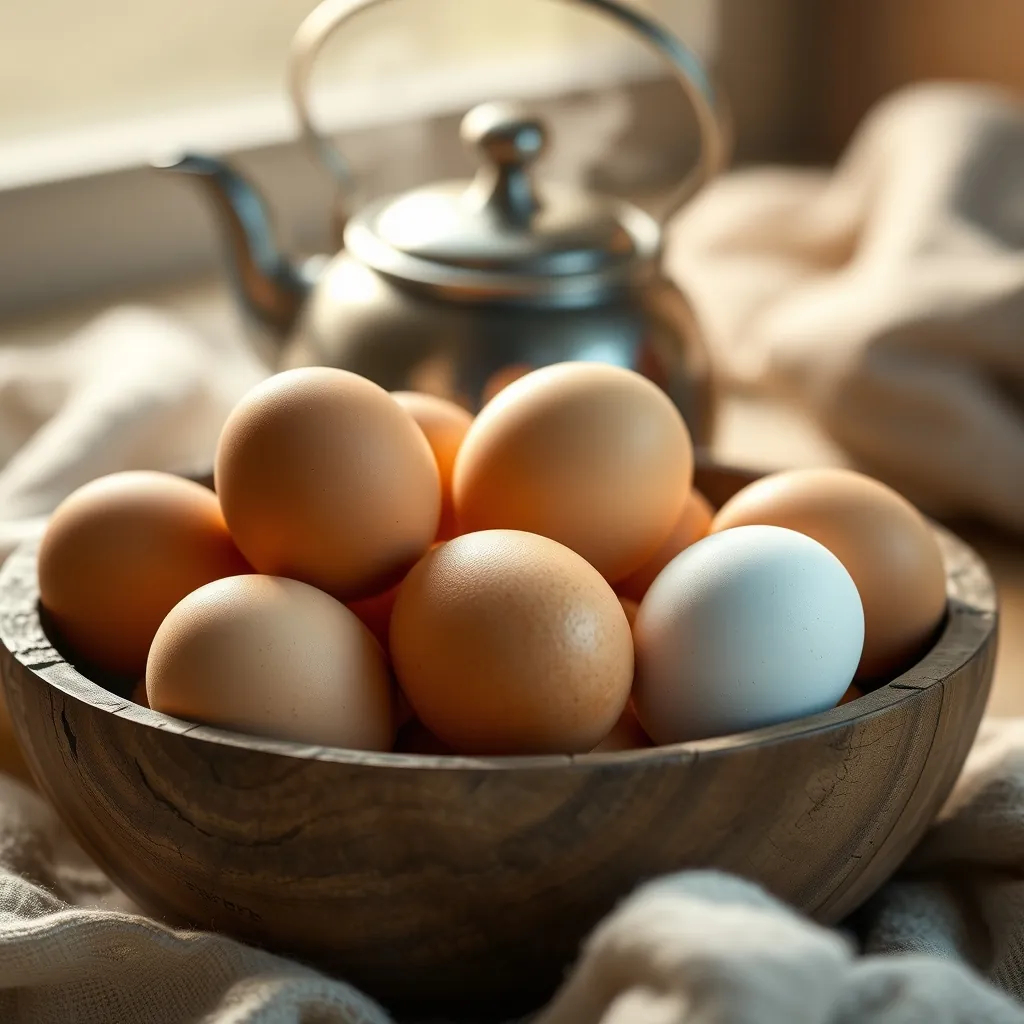
The Science Behind the Perfect Boiled Egg
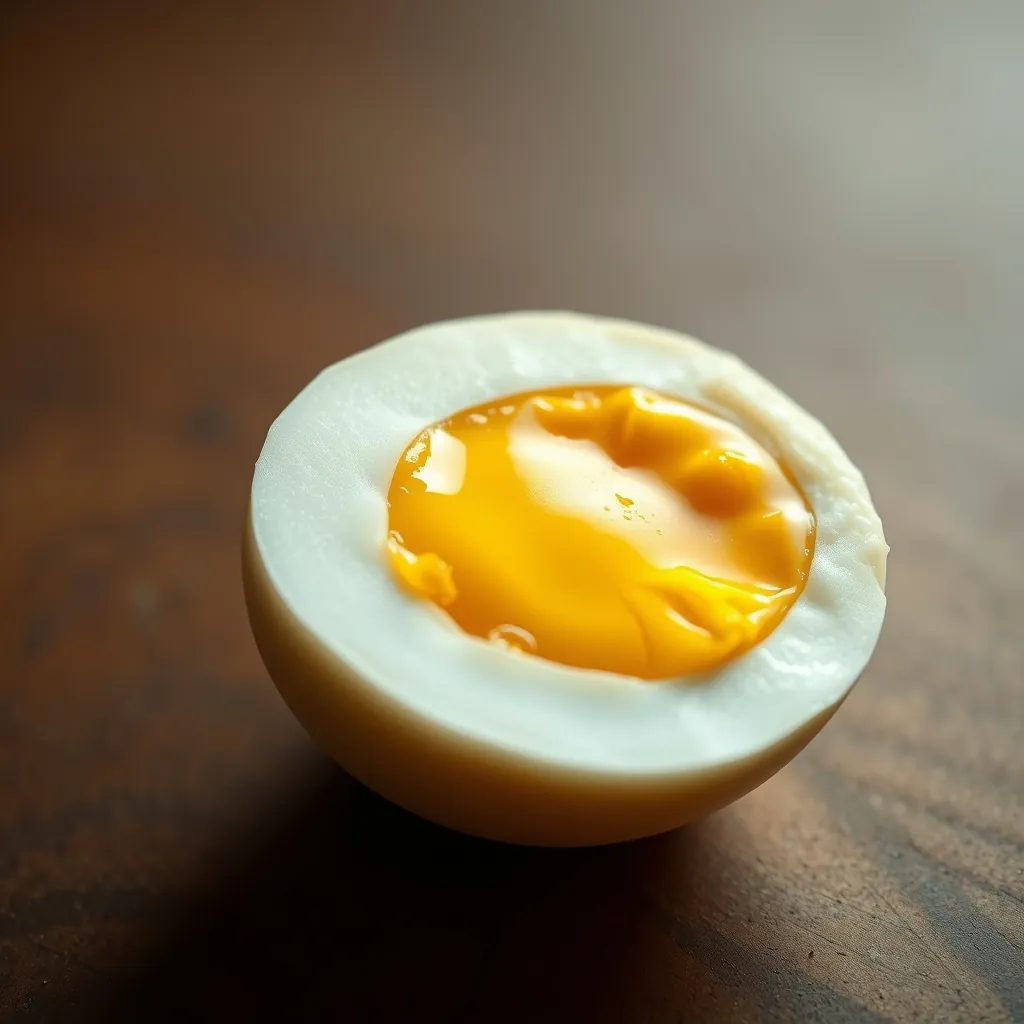
Boiling an egg seems simple. But small details separate a flawless result from a rubbery white or a chalky yolk. The process involves controlled heat transfer and protein coagulation. Understanding this helps you avoid common mistakes.
Egg whites set at 62°C (144°F). Yolks set at 68°C (154°F). Boiling water sits at 100°C (212°F) at sea level. The goal is to bring the egg’s core to the right temperature without overcooking the outer white. This requires precise timing and immediate cooling.
Ingredients and Tools You Need
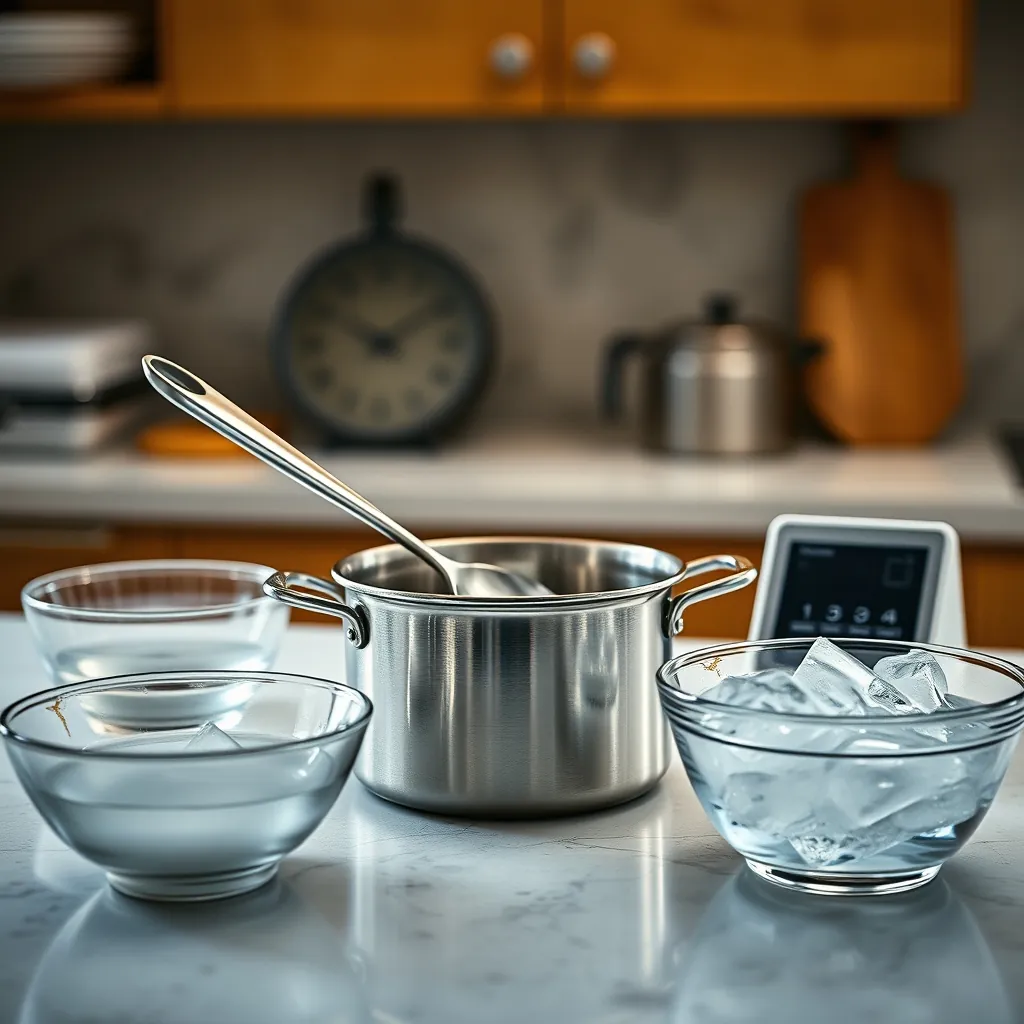
Gather these items before starting:
- Eggs: Choose eggs that are 7–10 days old. Fresh eggs are harder to peel.
- Saucepan: Large enough to hold eggs in a single layer without crowding.
- Slotted spoon: For lowering and removing eggs gently.
- Ice bath: A bowl filled with ice and cold water. Target temperature is 0–4°C (32–39°F).
- Vinegar: Optional. 1 tablespoon per quart of water helps seal cracks.
- Timer: Essential for precision.
Step-by-Step Method for Hard-Boiled Eggs
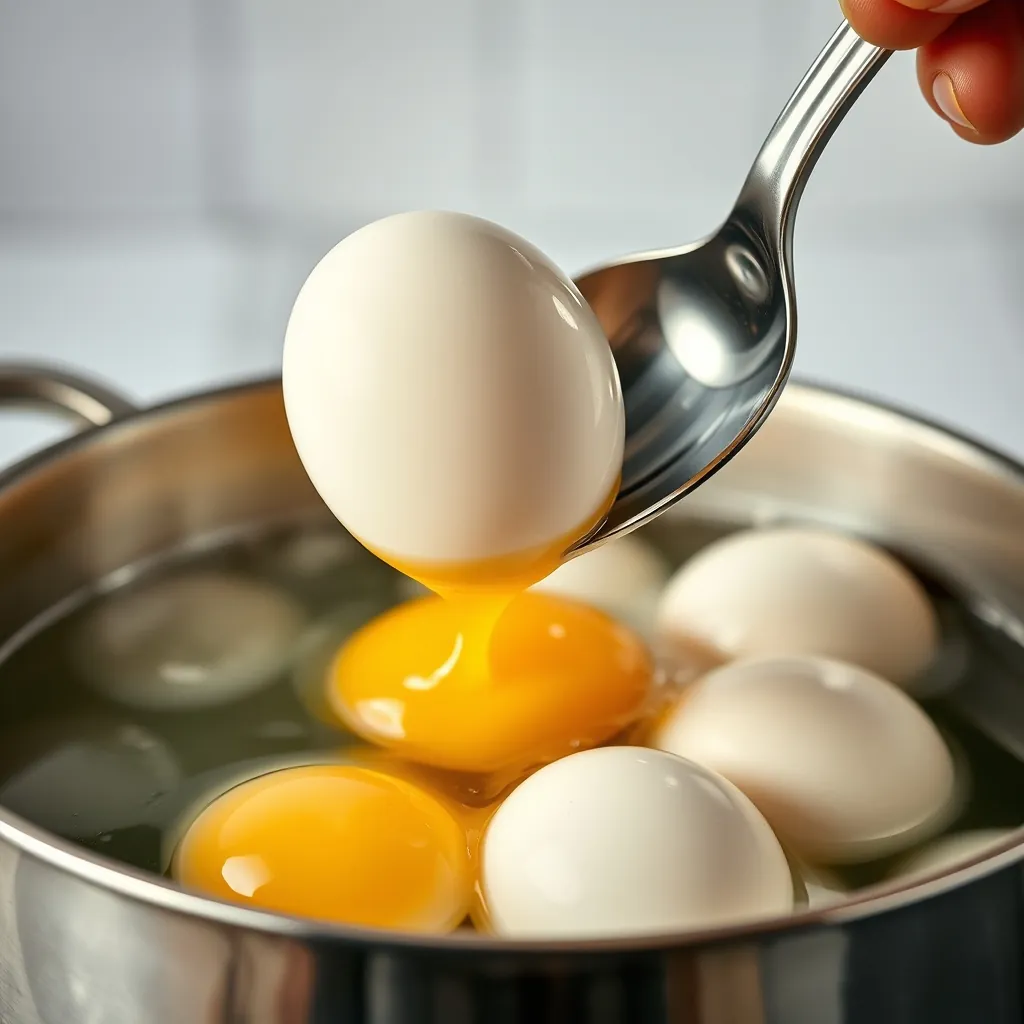
Follow these steps for consistently perfect hard-boiled eggs:
- Bring water to a rolling boil. Use enough water to cover eggs by at least 1 inch.
- Lower eggs gently. Use a slotted spoon. This prevents cracking from sudden temperature shock.
- Set the timer. For large eggs at sea level, boil for exactly 12 minutes for fully set yolks. Adjust for size and altitude.
- Transfer to ice bath immediately. Stop the cooking process cold. Leave eggs in the ice bath for 10 minutes. This prevents the green ring from forming around the yolk.
- Peel under running water. Cold water helps separate the membrane from the white.
Altitude Adjustments for Boiling Eggs
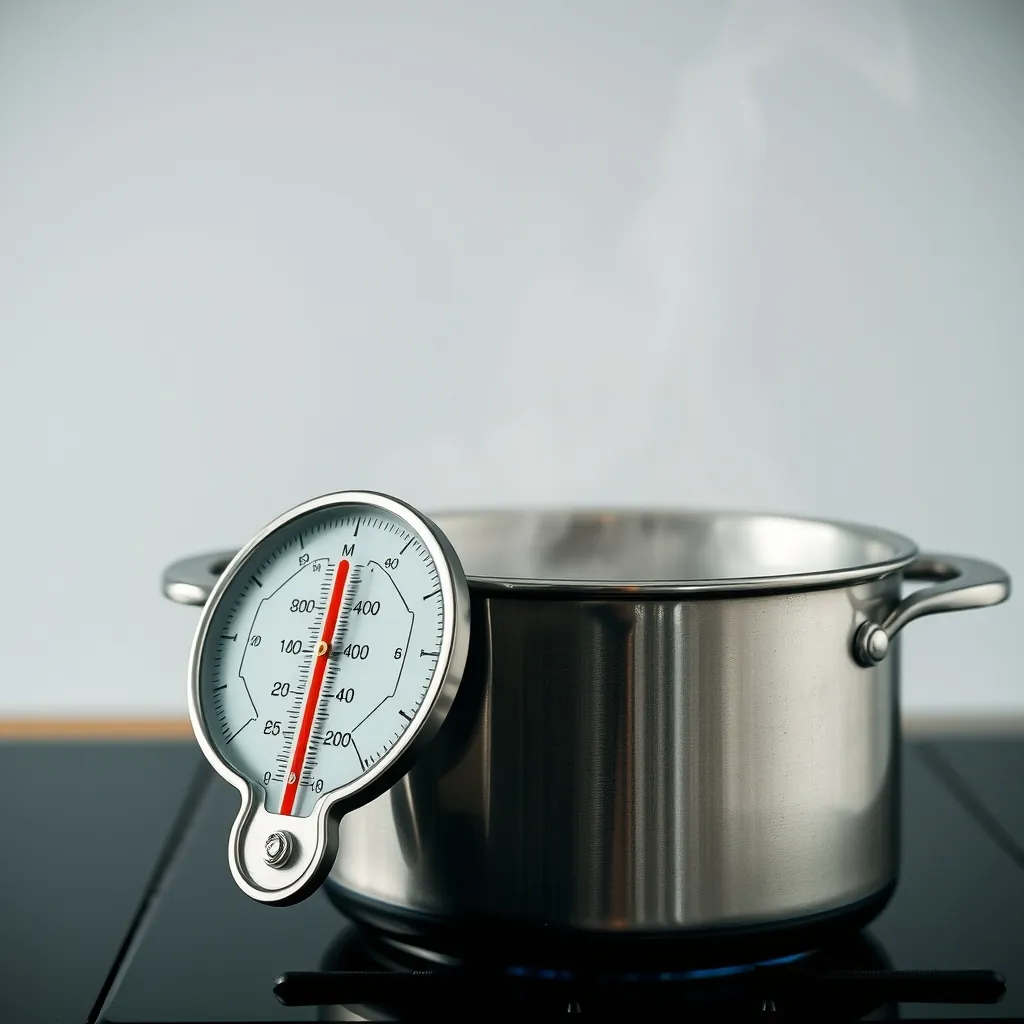
Water boils at lower temperatures at higher altitudes. This changes cooking dynamics. At 1,000 meters (3,280 feet), water boils at 96.7°C (206°F). The lower heat means eggs need more time.
Adjust your boiling time by 1 minute for every 500 meters (1,640 feet) above sea level. For example:
- Sea level (0m): 12 minutes
- 1,000m (3,280 ft): 14 minutes
- 2,000m (6,560 ft): 16 minutes
- 3,000m (9,840 ft): 18 minutes
Test one egg first. Adjust your local timing from there.
Timing Chart: Egg Size and Doneness
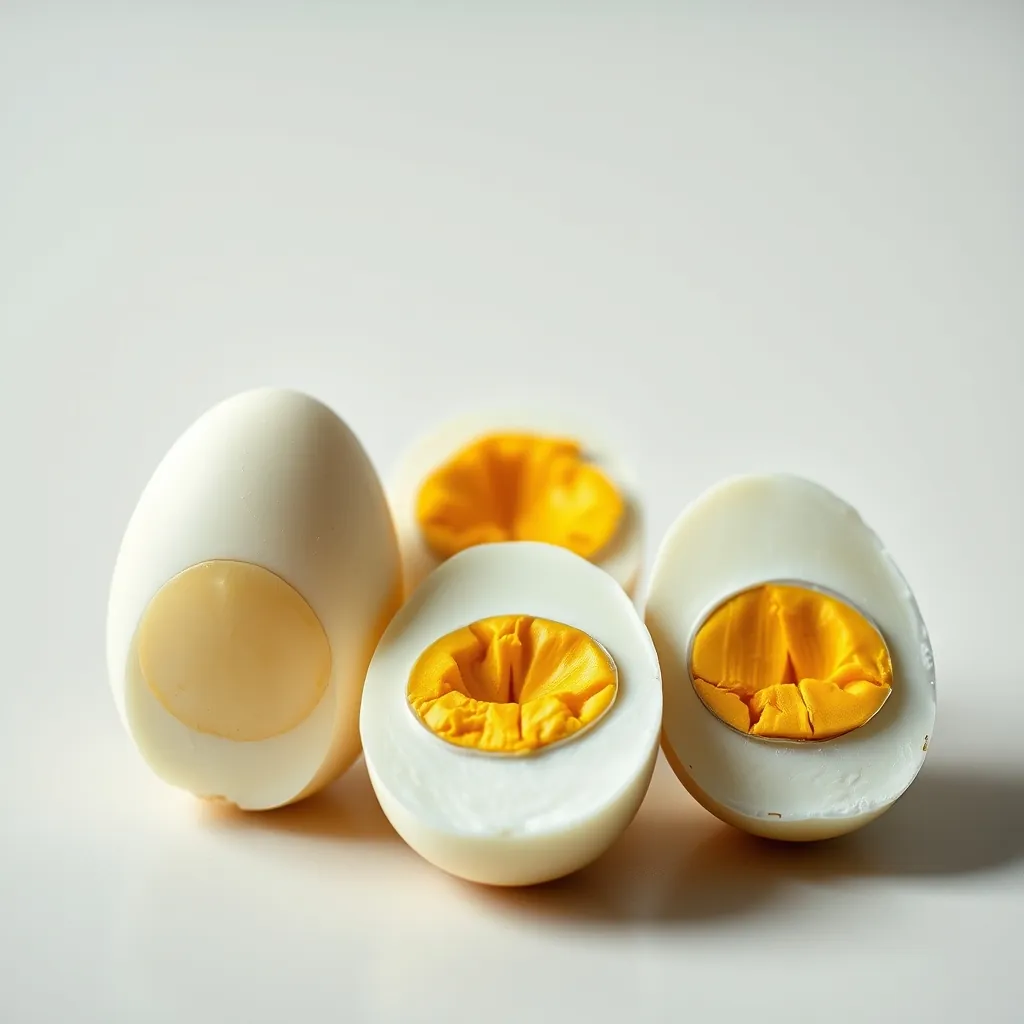
Egg size directly affects cooking time. Use this table for precise results at sea level:
| Egg Size | Soft-Boiled (runny yolk) | Medium-Boiled (jammy yolk) | Hard-Boiled (fully set yolk) |
|---|---|---|---|
| Medium | 5 minutes | 7 minutes | 11 minutes |
| Large | 6 minutes | 8 minutes | 12 minutes |
| Extra-Large | 7 minutes | 9 minutes | 13 minutes |
| Jumbo | 8 minutes | 10 minutes | 14 minutes |
How to Peel Hard-Boiled Eggs Easily
Peeling frustration ends with two key factors: egg age and cooling method.
Egg age matters. Eggs 7 to 10 days old have a higher pH. This weakens the bond between the white and the inner shell membrane. Fresh eggs cling tightly.
Cooling matters more. The ice bath at 0–4°C (32–39°F) shocks the egg. The white contracts slightly, pulling away from the shell. Chill for a full 10 minutes. Roll the egg gently on a countertop to crack the shell evenly. Peel under cold running water.
Troubleshooting Common Problems
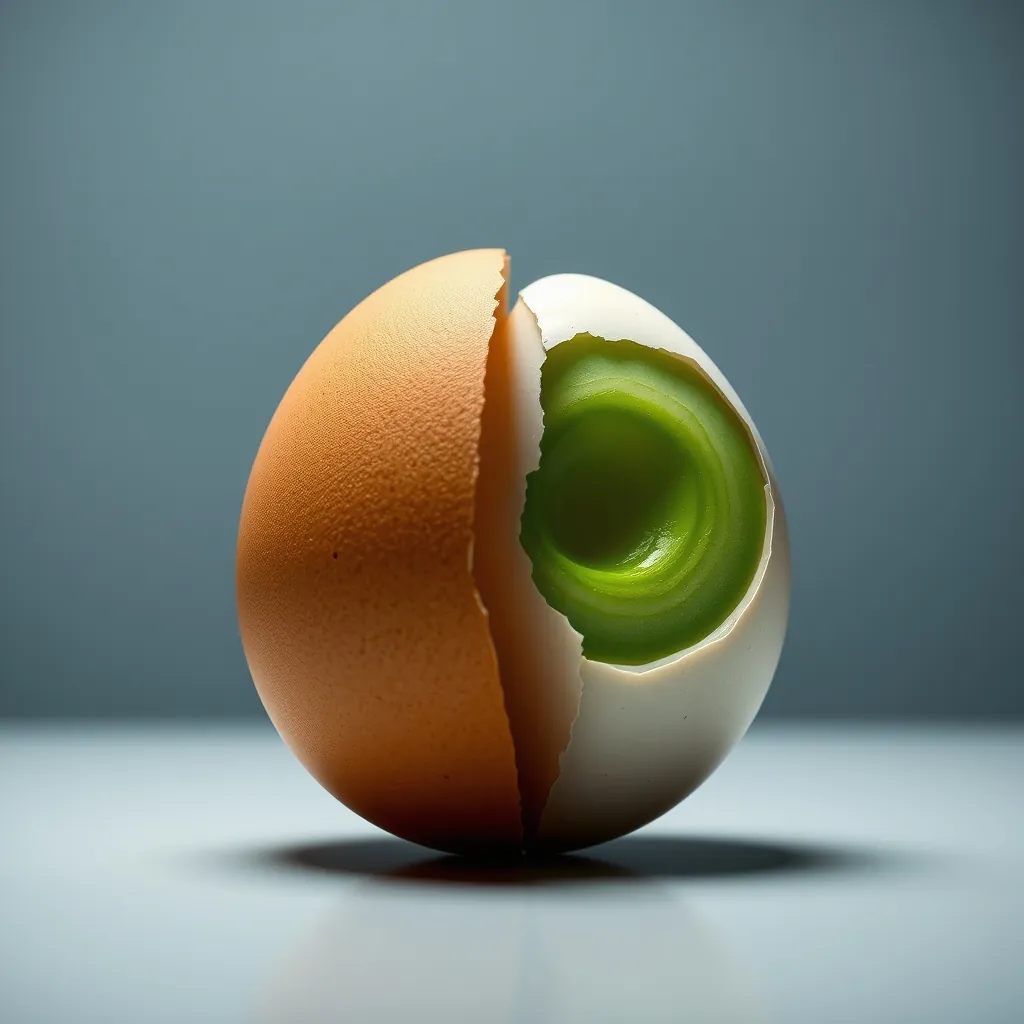
Even experienced cooks encounter issues. Here is how to fix them:
Green Ring Around the Yolk
This is iron sulfide. It forms when eggs cook too long or cool too slowly. The solution is simple. Use the ice bath immediately after boiling. Never leave eggs in hot water after the timer ends.
Rubbery Whites
Overcooking causes rubbery texture. High heat denatures proteins too aggressively. Use a gentle boil, not a violent rolling boil. Respect your timer.
Egg Cracks During Cooking
A rapid temperature change causes cracks. Always lower eggs gently into already boiling water. Add 1 tablespoon of vinegar per quart of water. The acid helps coagulate leaking white, sealing the crack.
Yolk Off-Center
This happens when eggs sit still in the pot. Gently stir the water for the first 2 minutes of boiling. This keeps yolks centered.
Storing Peeled Boiled Eggs Safely
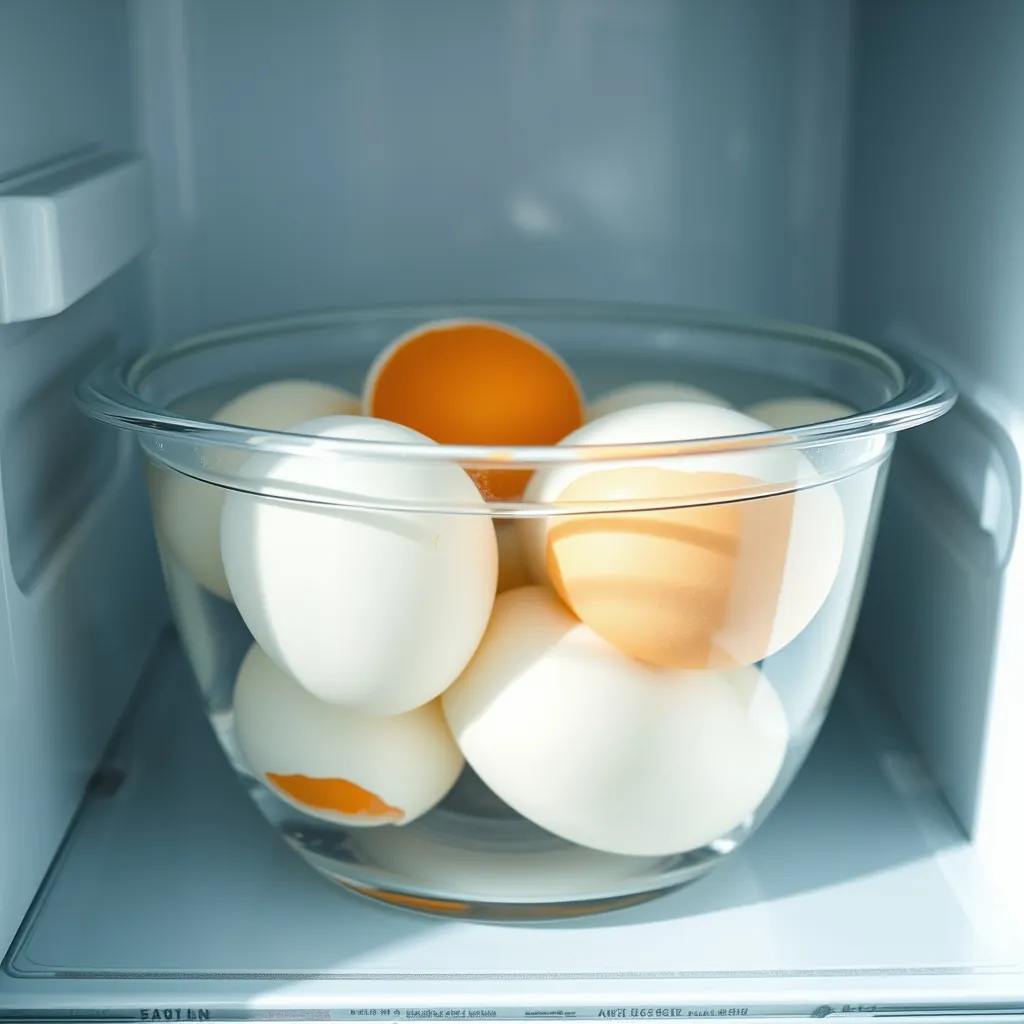
Proper storage extends shelf life and maintains quality. Peeled hard-boiled eggs dry out quickly in air. Store them submerged in cold water inside a sealed container. Change the water daily. They stay fresh for up to 5 days in the refrigerator.
Unpeeled hard-boiled eggs last up to 7 days in the fridge. Keep them in their original carton or a covered bowl. Do not freeze boiled eggs. The whites become watery and inedible upon thawing.
Soft-Boiled vs. Hard-Boiled: Key Differences
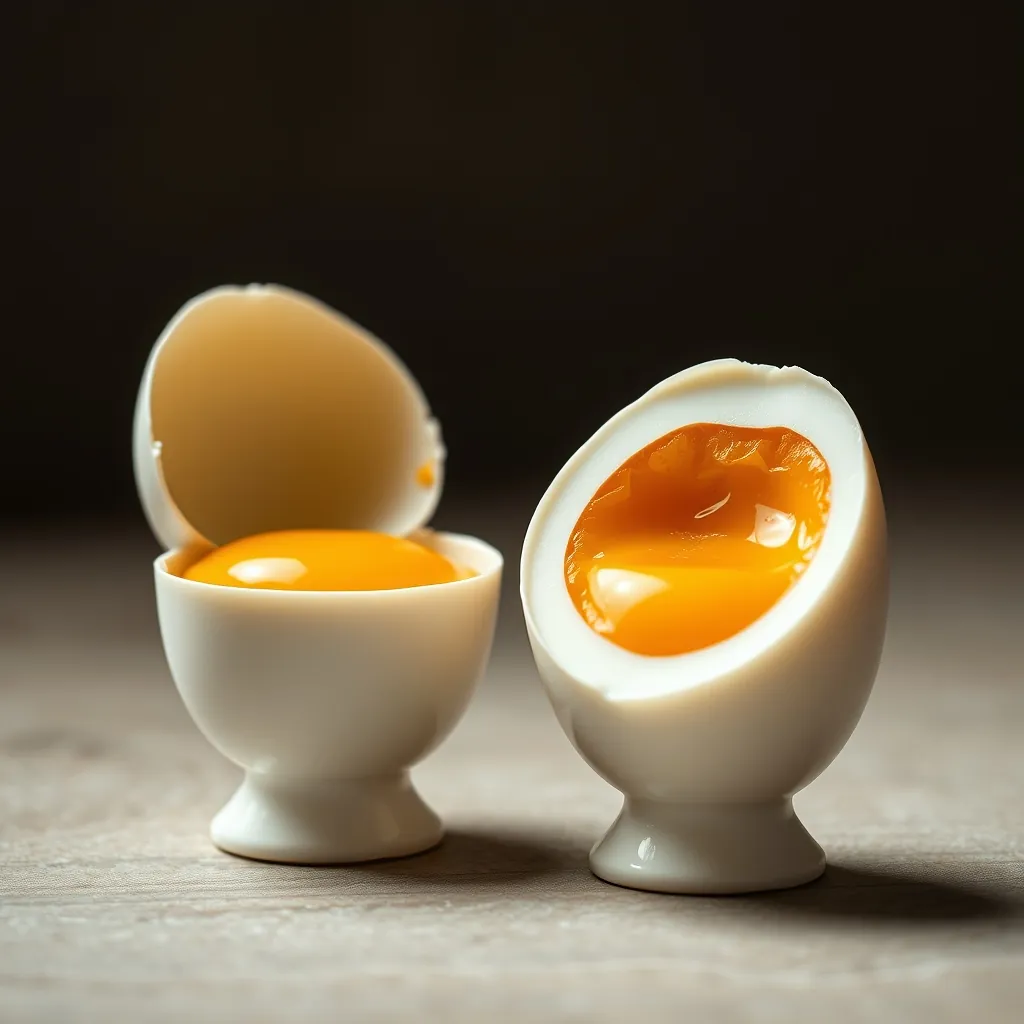
The only difference is time. Soft-boiled eggs have a liquid yolk and a barely set white. Hard-boiled eggs have a fully set yolk and firm white. Both use the same method. Adjust the timer based on the chart above.
For soft-boiled eggs, serve immediately in an egg cup. Cut off the top with a knife or egg topper. For hard-boiled eggs, cool completely before peeling for best results.
Final Tips for Consistently Perfect Eggs
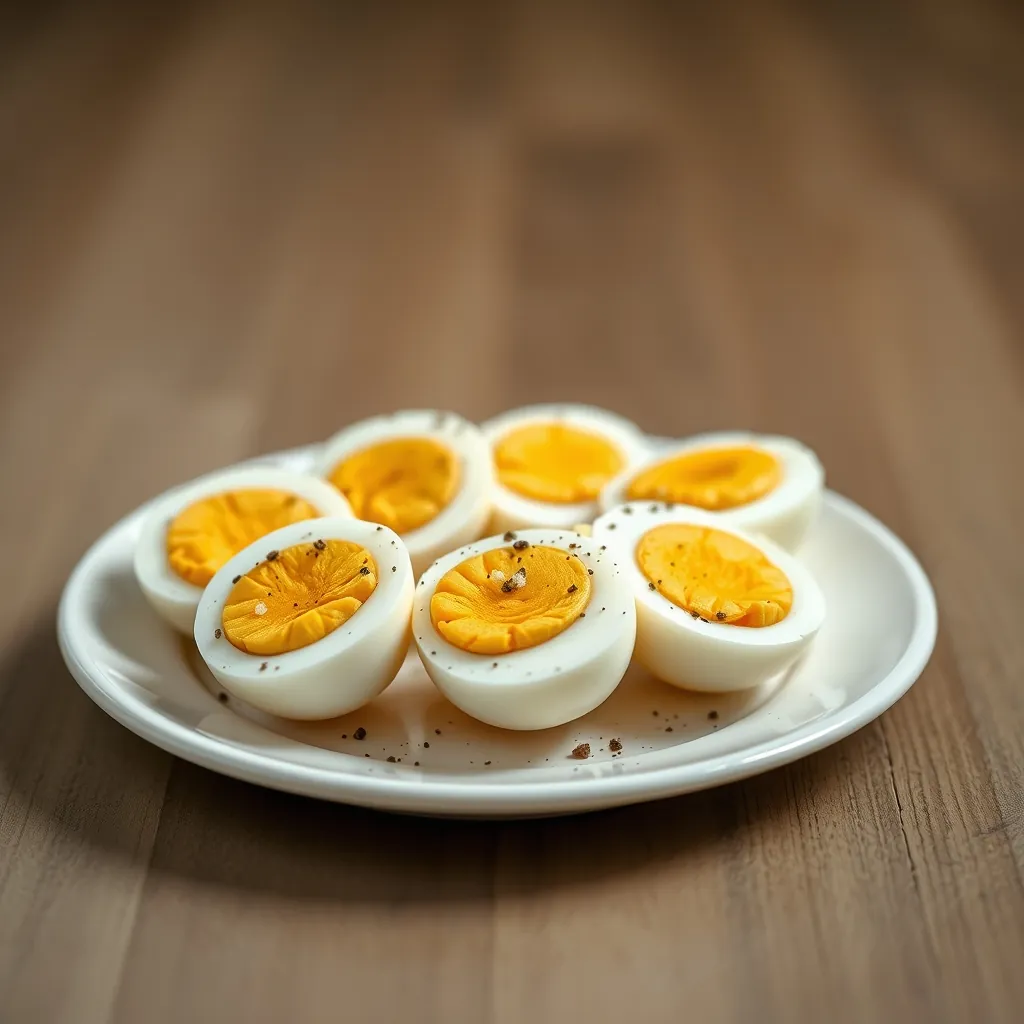
Mastery comes from consistency. Use a timer every single time. Keep a log of your local altitude adjustment. Buy eggs a week before you plan to boil them. Always prepare an ice bath before you start cooking. These small habits eliminate guesswork.
The perfect boiled egg is not luck. It is a repeatable process. Follow these guidelines and you will get flawless results every time.
How to Boil an Egg: The Definitive 2025 Guide for Perfect Results
Master how to boil an egg with our definitive guide. Includes altitude adjustments, timing charts, and troubleshooting tips for perfect results every time.
Ingredients
- 6 large eggs (7–10 days old)
- Water (enough to cover eggs by 1 inch)
- Ice (for ice bath)
- 1 tablespoon vinegar (optional, helps seal cracks)
Instructions
- Bring water to a rolling boil in a saucepan large enough to hold eggs in a single layer.
- Lower eggs gently into the boiling water using a slotted spoon to prevent cracking.
- Set a timer for 12 minutes for large eggs at sea level (adjust for size and altitude).
- Immediately transfer eggs to an ice bath (0–4°C / 32–39°F) and let cool for 10 minutes to stop cooking and prevent green ring.
- Peel under cold running water for easiest removal.
Altitude Adjustments
Add 1 minute for every 500 meters (1,640 feet) above sea level:
- Sea level (0m): 12 minutes
- 1,000m (3,280 ft): 14 minutes
- 2,000m (6,560 ft): 16 minutes
- 3,000m (9,840 ft): 18 minutes
Timing Chart (Sea Level)
| Egg Size | Soft-Boiled | Medium-Boiled | Hard-Boiled |
|---|---|---|---|
| Medium | 5 min | 7 min | 11 min |
| Large | 6 min | 8 min | 12 min |
| Extra-Large | 7 min | 9 min | 13 min |
| Jumbo | 8 min | 10 min | 14 min |
Storage Tips
Store peeled eggs submerged in cold water in a sealed container for up to 5 days. Unpeeled eggs last up to 7 days in the refrigerator.
Leave a Reply