Your cart is currently empty!
The Ultimate Classic Beef Burger: A Science-Backed Guide
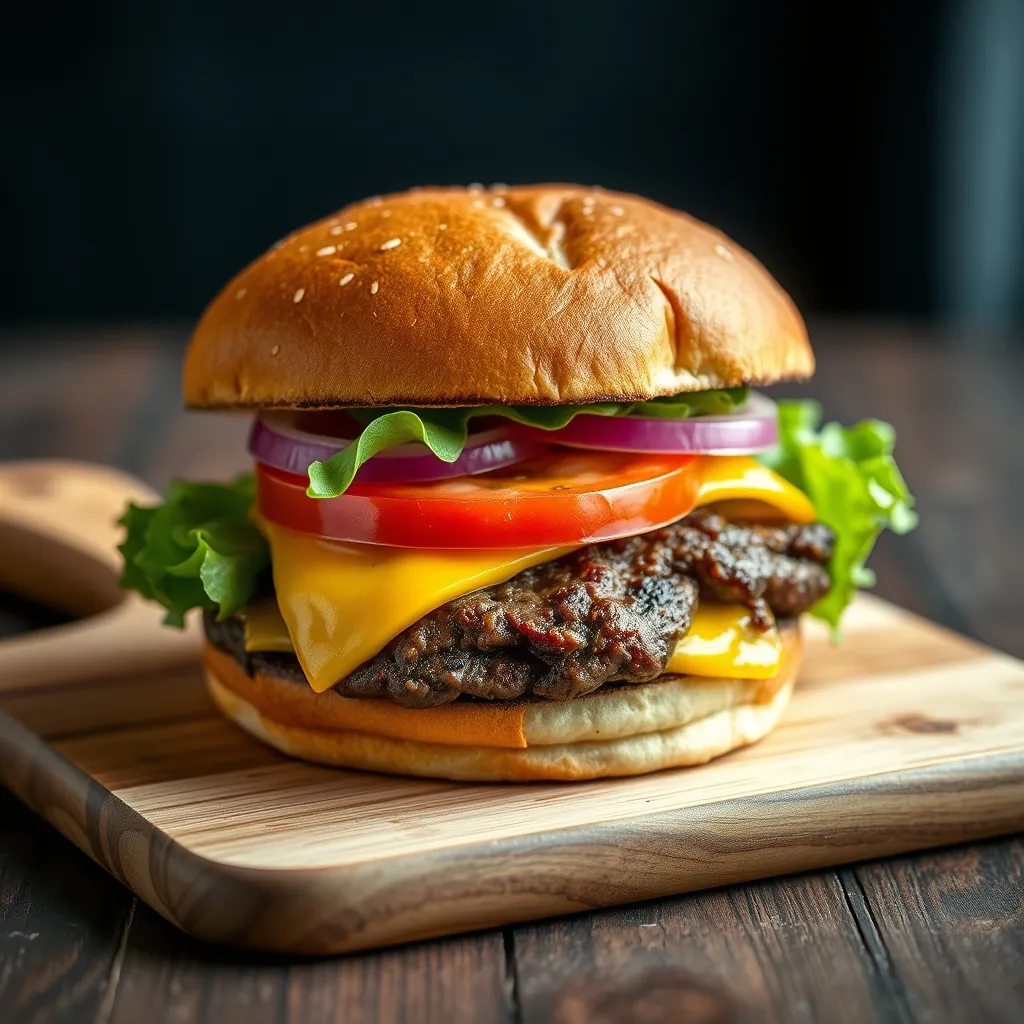
Why Meat Choice and Fat Ratio Define Your Burger
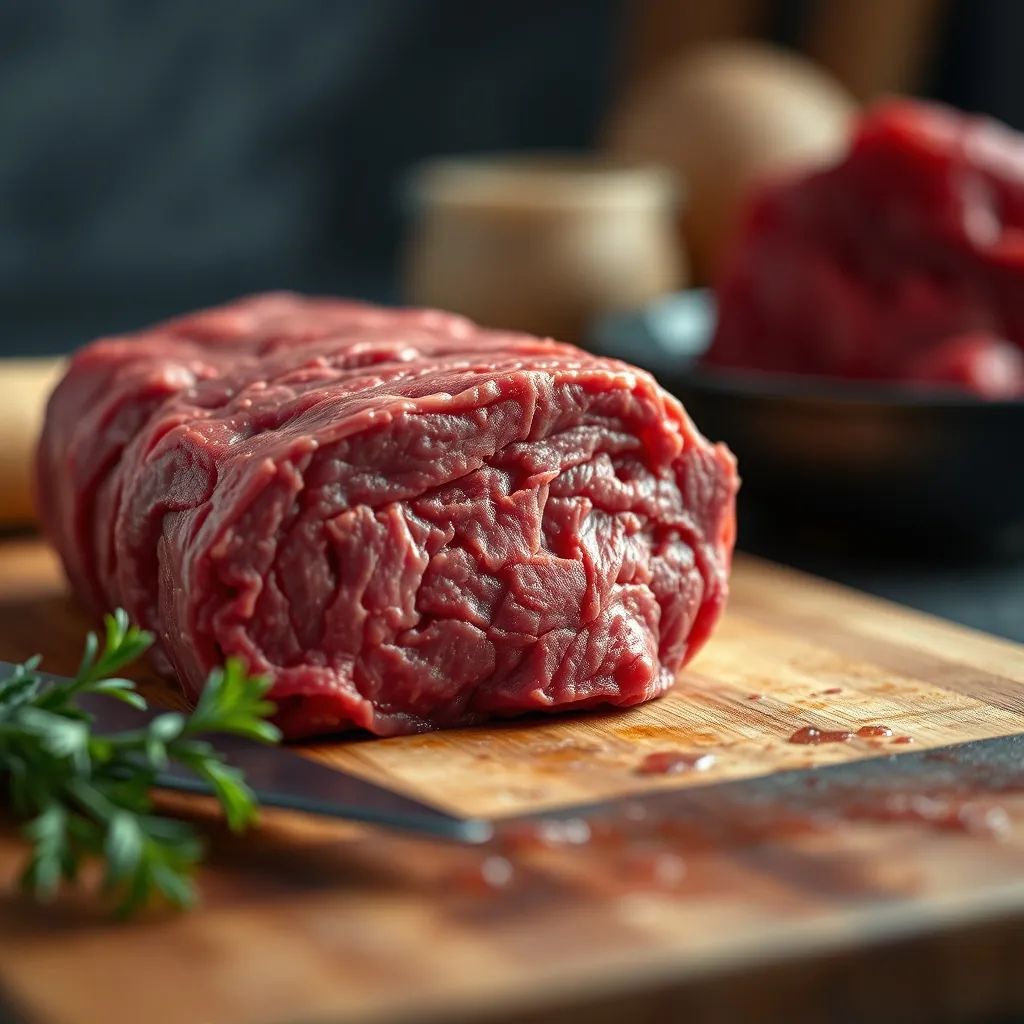
The single most important decision in burger making is your meat selection. Many home cooks grab the first pack of ground beef they see. This is a mistake. The fat content determines everything: juiciness, flavor, and texture.
An 80/20 ratio of lean meat to fat is the gold standard. This is not arbitrary. During cooking, the fat renders and bastes the meat fibers from within. It carries flavor compounds across the patty. A leaner blend like 90/10 produces a dry, crumbly result. You lose the self-basting effect. The burger becomes a vehicle for toppings rather than the star of the show.
For the best results, grind your own beef at home. This gives you control over both the cuts and the grind texture. Chuck roast provides a robust beef flavor and ideal fat content. Brisket adds a deeper, richer taste. Short rib introduces luxurious marbling. A combination of these three cuts creates a burger with complex flavor and superior moisture retention.
Coarse vs. Fine Grind: What Matters
Grind texture affects the final bite. A coarse grind (using a plate with larger holes) leaves distinct pieces of meat. This creates a looser, more rustic texture that feels juicy. A fine grind produces a denser, almost sausage-like patty. For the classic diner style, a medium-coarse grind works best. It holds together well without becoming pasty.
Forming the Perfect Patty Without Overworking the Meat
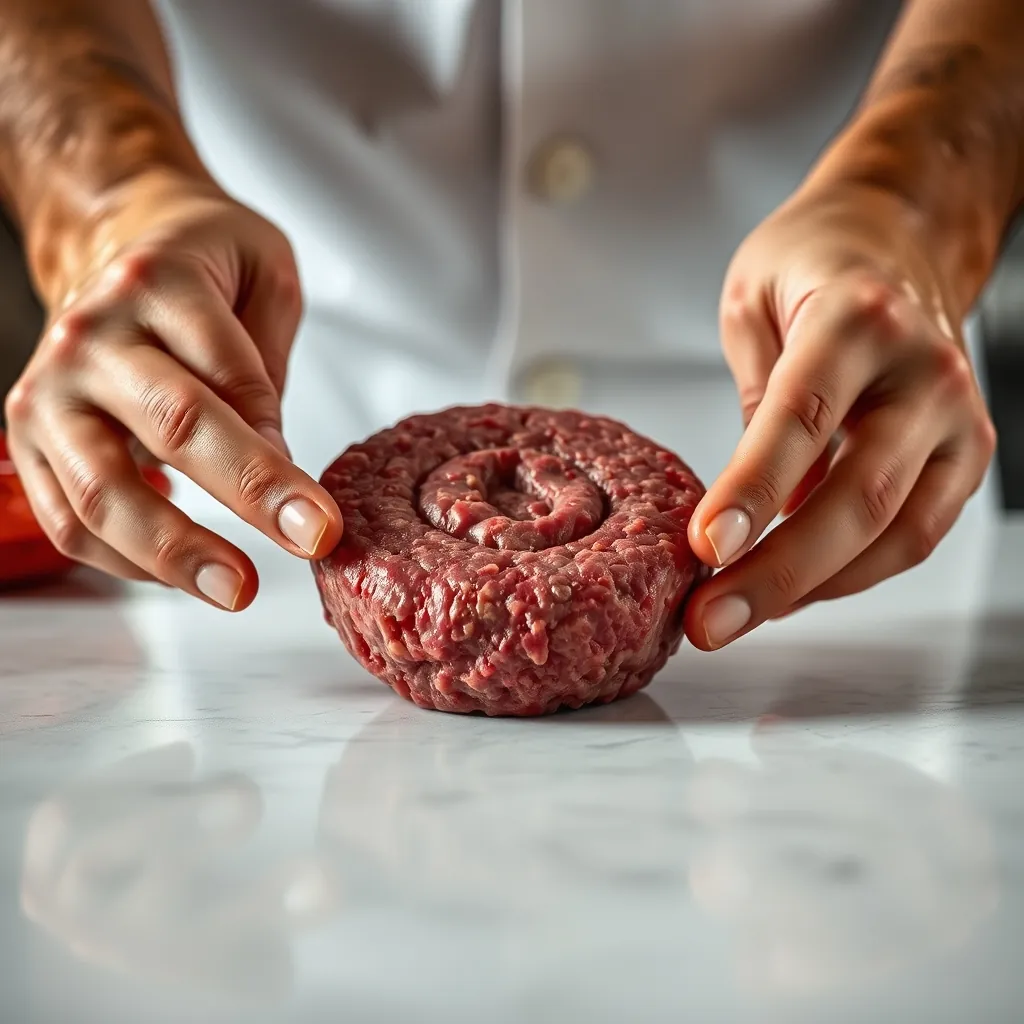
How you handle the meat directly impacts the final texture. Overworking is the enemy of a tender burger. When you squeeze and knead ground beef, you compress the proteins. This forces out moisture and creates a tough, dense hockey puck.
Divide the meat into equal portions. Gently toss each portion between your palms until it just holds together. Form a patty about 3/4 inch thick for a standard burger. Press the edges to seal any cracks. Cracks become weak points where the patty can break apart during cooking.
Press a shallow thumbprint indentation into the center of the patty. This is not a gimmick. As the burger cooks, the proteins contract. The center swells into a dome shape. The indentation compensates for this expansion. The result is a flat, even patty that cooks uniformly. Skip this step and you get a puffy center with a dry, overcooked ring around the edge.
Seasoning Strategy: Salt Timing Is Critical
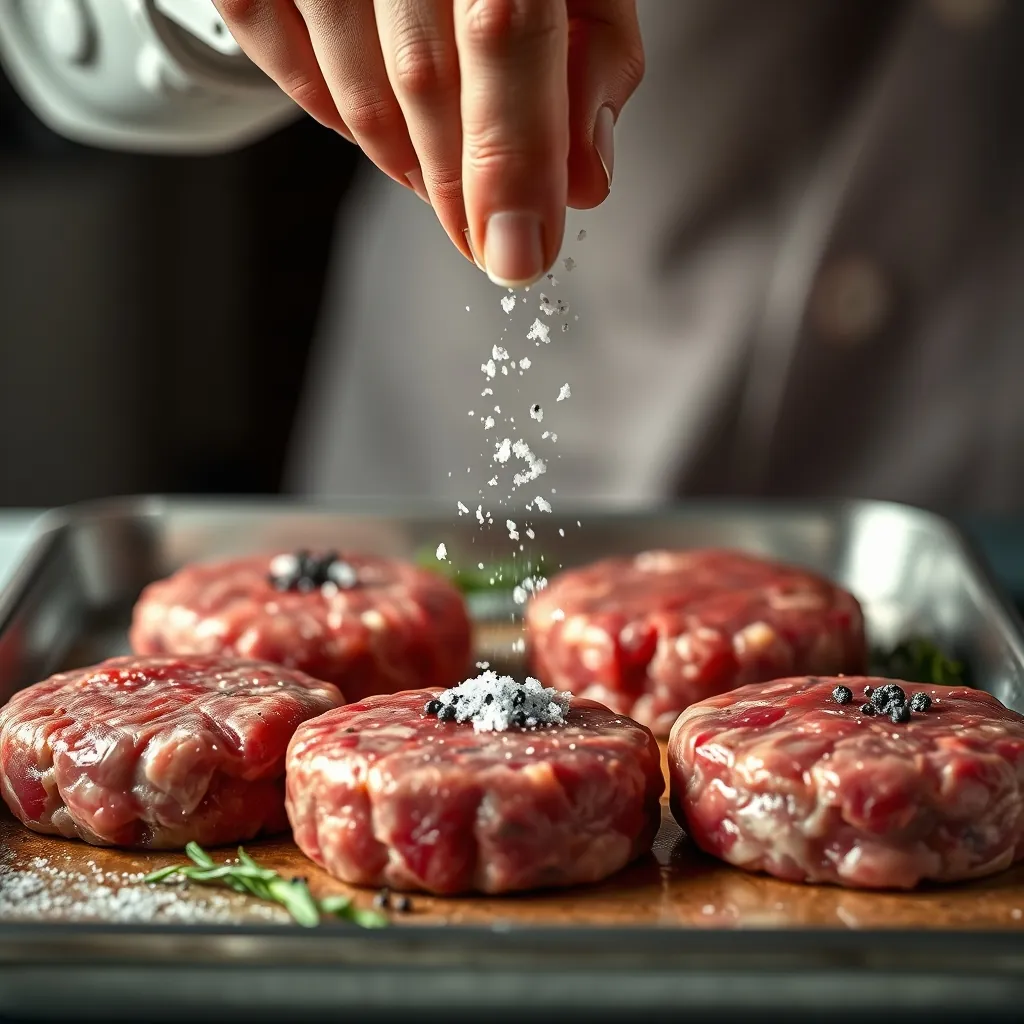
Salt does more than add flavor. It draws moisture out of the meat through osmosis. If you salt your patties too early, the moisture pools on the surface. This creates steam instead of a sear. The burger steams rather than browns. It also firms up the meat texture, making the patty denser.
Season generously with salt and freshly cracked black pepper immediately before cooking. Right before the patty hits the heat. This timing allows the salt to season the surface without penetrating deep enough to cause moisture loss. The pepper adds a sharp, aromatic kick that complements the beef.
Do not add binders like eggs, breadcrumbs, or Worcestershire sauce. A classic beef burger needs only meat, salt, and pepper. Extras turn it into a meatloaf sandwich. Save those ingredients for other recipes.
Cooking Methods: Cast Iron Skillet for the Best Crust
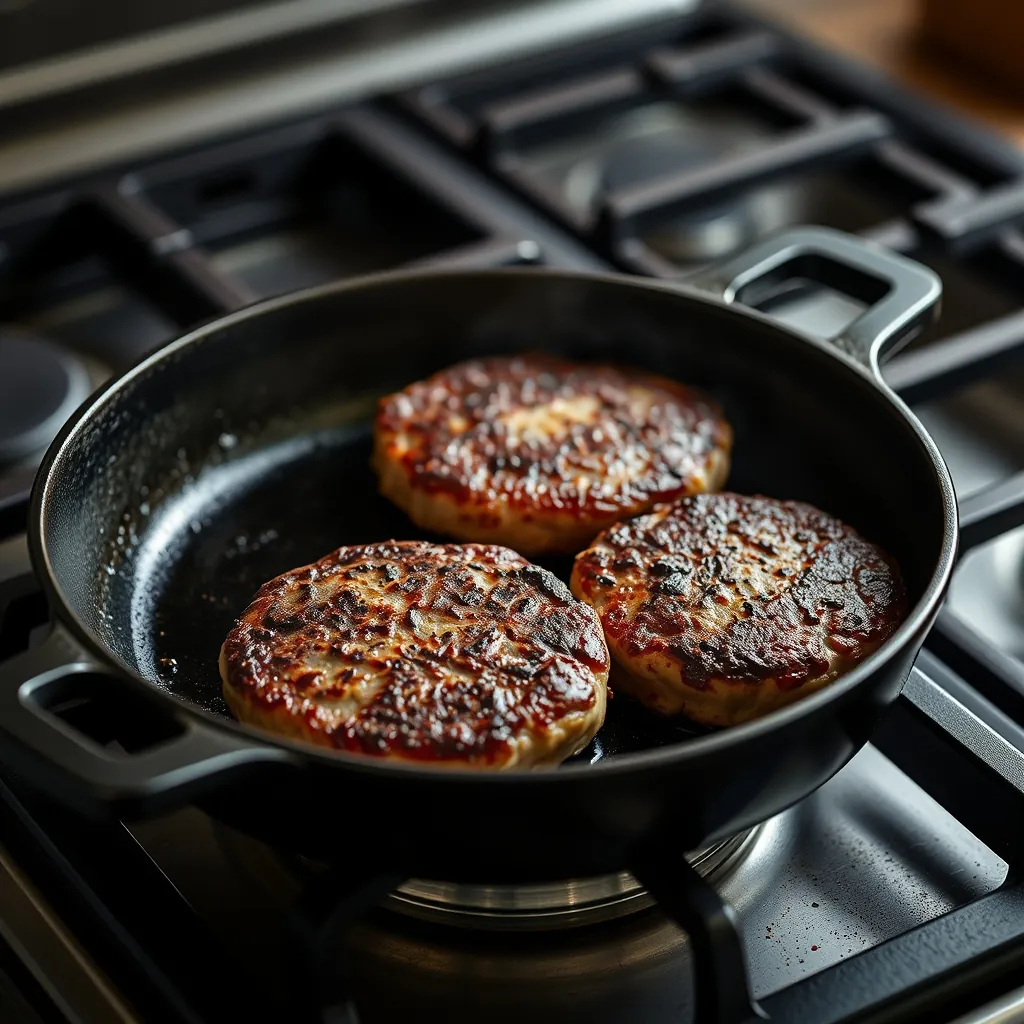
A blazing hot cast iron skillet delivers the superior crust. The Maillard reaction requires high heat and direct contact. Cast iron retains heat better than stainless steel or nonstick pans. It does not cool down when you add cold meat. This maintains a consistent searing temperature across the entire surface.
Heat your skillet over high heat for at least five minutes. Add a high smoke point oil like avocado or canola. A thin sheen is enough. Place the patties in the pan. Leave space between them. Crowding the pan lowers the temperature and causes steaming.
Do not move the patties. Let them cook undisturbed for 3 to 4 minutes for a standard 3/4 inch patty. The crust forms during this uninterrupted contact. Flip once. Cook for another 3 to 4 minutes for medium. Adjust time based on thickness.
Thickness Adjustments
A smash burger (1/4 inch thin) cooks in 90 seconds per side. A thick pub-style burger (1 inch) needs 5 to 6 minutes per side. Use a meat thermometer for precision. Remove the patty from the pan at 5 degrees below your target temperature. Carryover cooking will finish the job.
For medium-rare, aim for 130-135°F (54-57°C). For medium, 140-145°F (60-63°C). The USDA recommends 160°F (71°C) for ground beef. Always check the thickest part of the patty with an instant-read thermometer.
Cast Iron Care for Burger Cooking
After cooking, let the skillet cool slightly. Scrape out food residue with a metal spatula. Rinse with hot water and a stiff brush. No soap. Dry the pan completely over low heat. Wipe a thin layer of neutral oil over the surface while it is warm. This maintains the seasoning layer and prevents rust. A well-maintained skillet gets better with every use.
Cheese and Toppings: Timing and Assembly
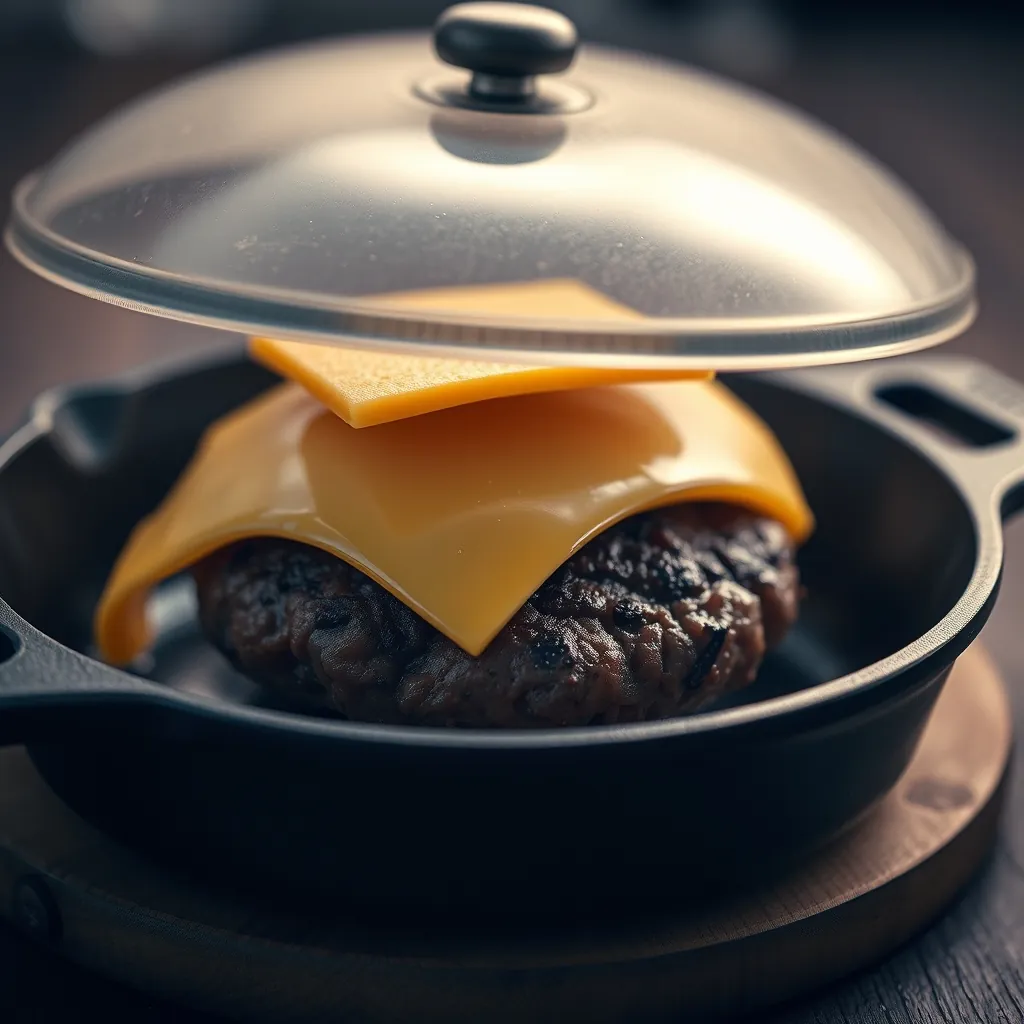
Add cheese during the last minute of cooking. Place a slice on top of the patty. Cover the pan with a lid. The trapped steam melts the cheese evenly without overcooking the meat. American cheese melts the best due to its high moisture and emulsifier content. Cheddar, Swiss, or provolone also work well. Grate your own cheese for better melting over pre-sliced varieties.
Toast the bun. A soft, untoasted bun becomes soggy from meat juices and toppings. Split the buns and place them cut-side down on the skillet or griddle. Toast for 2 to 3 minutes until golden brown. Butter adds flavor but dry toasting creates a sturdier structure.
Assemble from bottom to top: bottom bun, lettuce, tomato slice, patty with cheese, onion rings, pickles, condiments, top bun. This order keeps the lettuce and tomato away from direct heat. It prevents wilting and sogginess. The patty sits directly on the lettuce for stability.
Solving Common Burger Failures
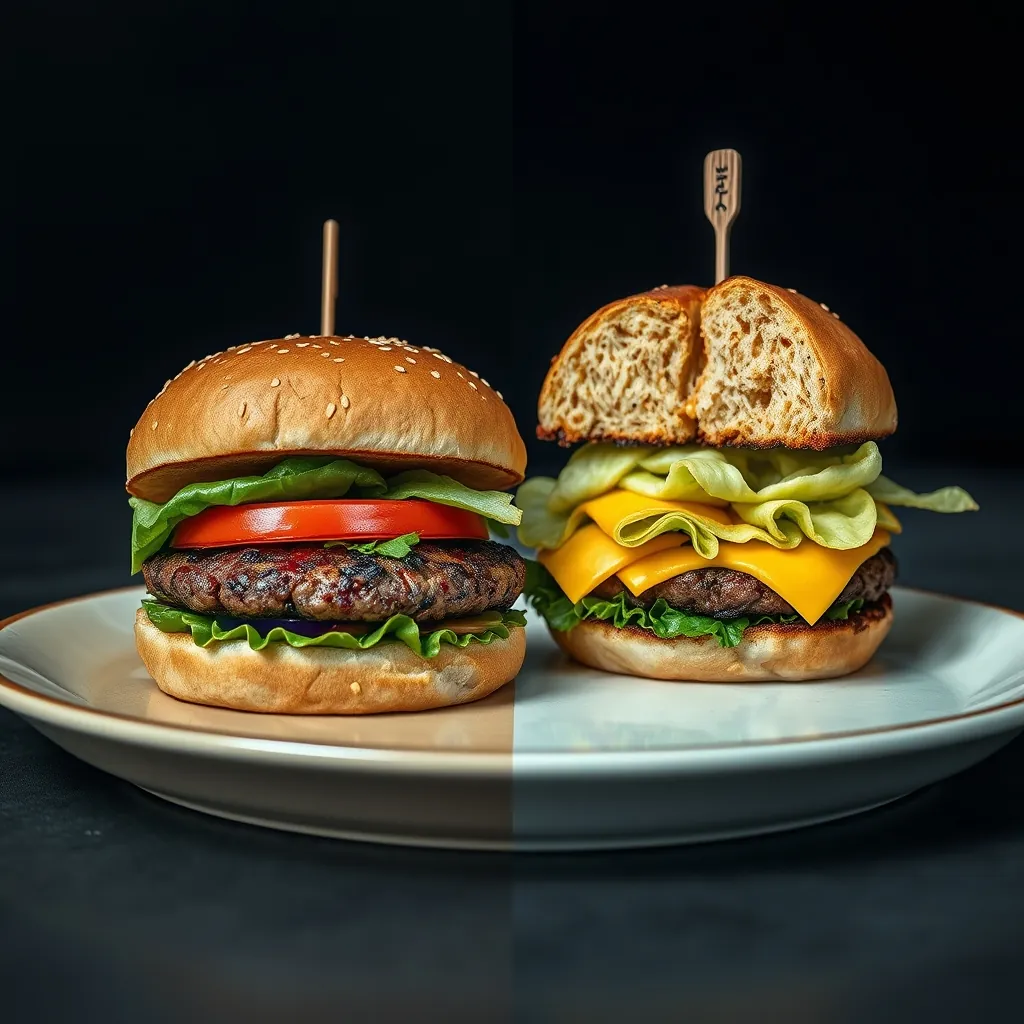
Even experienced cooks face problems. Here are solutions to the most common issues.
Patties falling apart. This usually means the meat was too lean or the patty was shaped too loosely. Use 80/20 fat ratio. Press the edges firmly to seal. Let the patty cook long enough for the proteins to set before flipping.
Excessive shrinkage. Meat shrinks as fat renders and moisture evaporates. Make patties slightly larger than your bun. The thumbprint indentation also helps by reducing dome formation, which causes uneven shrinkage.
Sticking to the pan. The pan was not hot enough or you moved the patty too early. Let the crust form naturally. The patty releases from the pan when it is ready. If it sticks, wait another 30 seconds and try again.
Dry, tough texture. Overcooking is the primary cause. Use a thermometer. Remove the patty at the correct temperature. Let it rest for two minutes before serving. This allows juices to redistribute throughout the meat.
Serving Suggestions for the Ultimate Experience
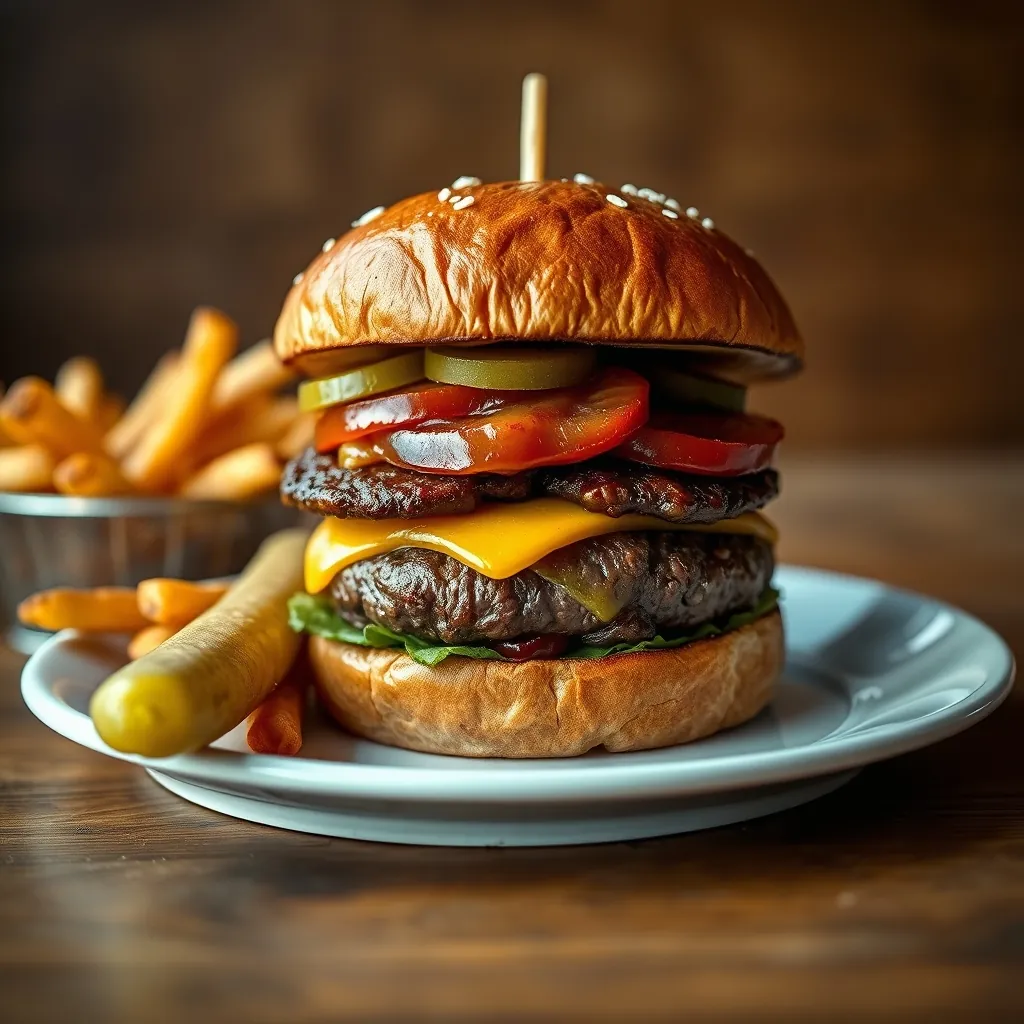
Serve your burger immediately after assembly. The bun should be warm and crisp. The cheese should be melted and slightly runny. The patty should release juice with the first bite.
Classic sides include crispy french fries, onion rings, or a simple side salad. For a full meal, add coleslaw or baked beans. Pair with a cold beer or a classic milkshake.
Store leftover cooked patties in an airtight container in the refrigerator for up to three days. Reheat gently in a skillet over medium-low heat to avoid drying them out. Uncooked patties can be frozen for up to three months. Wrap each patty individually in plastic wrap, then place in a freezer bag. Thaw in the refrigerator overnight before cooking.
Classic Beef Burger
Master the classic beef burger recipe with our science-backed guide. Learn the 80/20 fat ratio, perfect patty technique, and cast iron secrets.
Ingredients
- 1.5 lbs ground beef (80/20 blend)
- Salt and freshly cracked black pepper, to taste
- 4 slices American cheese (or cheddar, Swiss, provolone)
- 4 hamburger buns, split and toasted
- 4 leaves lettuce
- 4 slices tomato
- 1/2 red onion, sliced into rings
- Pickles, for serving
- Condiments (ketchup, mustard, mayonnaise), for serving
- 2 tbsp high smoke point oil (avocado or canola)
Instructions
- Divide the ground beef into 4 equal portions. Gently shape each portion into a 3/4-inch thick patty, pressing the edges to seal. Press a shallow thumbprint indentation into the center of each patty.
- Season patties generously with salt and freshly cracked black pepper immediately before cooking.
- Heat a cast iron skillet over high heat for 5 minutes. Add the oil and swirl to coat the surface.
- Place patties in the skillet, leaving space between them. Cook undisturbed for 3-4 minutes for a standard patty, until a dark brown crust forms.
- Flip patties and cook for another 3-4 minutes for medium. During the last minute, place a slice of cheese on each patty and cover the skillet with a lid to melt the cheese.
- While patties cook, toast the buns cut-side down in the skillet or on a griddle for 2-3 minutes until golden brown.
- Assemble burgers from bottom to top: bottom bun, lettuce, tomato slice, patty with cheese, onion rings, pickles, condiments, top bun.
- Serve immediately.
Leave a Reply