Your cart is currently empty!
Simple Greek Salad with Feta Cheese: The Authentic Horiatiki Recipe
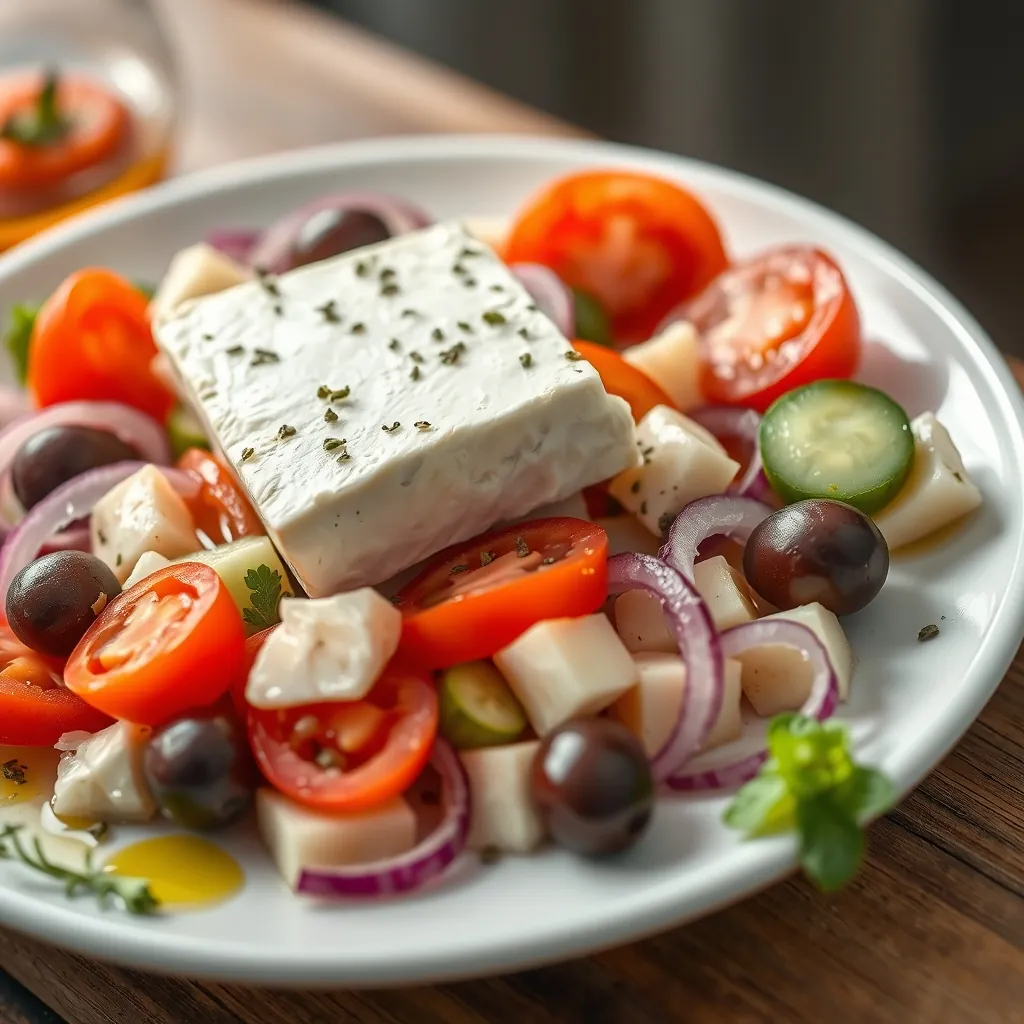
The Real Greek Salad: No Lettuce Required
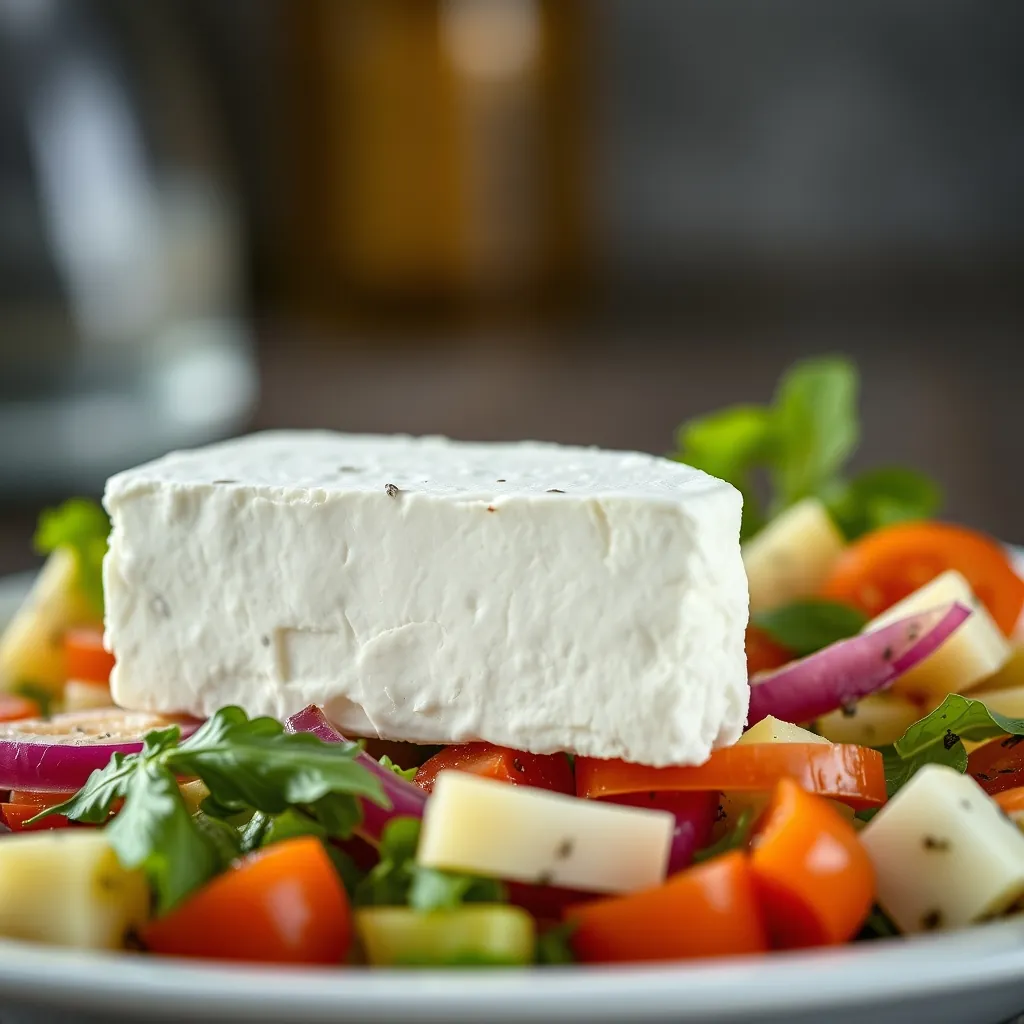
Most people picture a bed of lettuce when they think of salad. The authentic Greek version called Horiatiki breaks that rule entirely. This village salad relies on just five core vegetables plus a generous slab of feta cheese. The result is a dish that highlights the quality of each ingredient rather than hiding them under leaves.
Tomatoes must be ripe and firm. Cucumbers need to be crisp. Red onions should bite back just enough. And the feta cheese? It should arrive at the table in one thick piece, not crumbled into dust. This simplicity makes the salad forgiving for beginners but rewarding for experienced cooks who source good produce.
Core Ingredients for Success
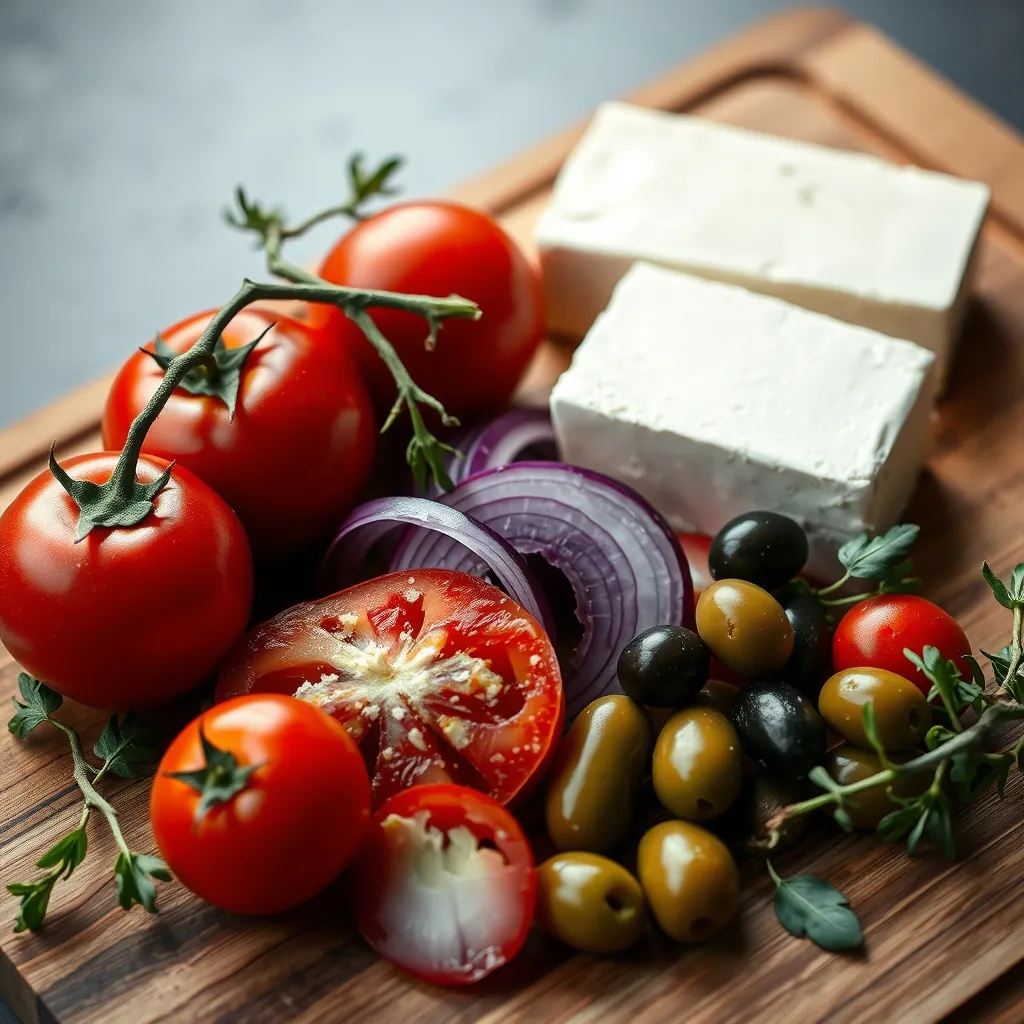
Quality matters more than quantity here. Each component plays a distinct role. Do not substitute without understanding what you lose.
- Tomatoes: Use large, vine-ripened beefsteak or Roma tomatoes. They should yield slightly to pressure but not feel mushy.
- Cucumber: English or Persian cucumbers work best. Their thin skin and low seed content prevent excess water from pooling in the bowl.
- Red Onion: Slice thinly, about 1/8 inch thick. Soak slices in cold water for 10 minutes to tame the sharpness if desired.
- Kalamata Olives: These purple-black olives bring a briny, fruity punch. Do not use canned black olives. They lack the necessary complexity.
- Feta Cheese: Buy a block stored in brine. This keeps the cheese moist and tangy. Pre-crumbled feta is dry and lacks the creamy texture you want.
- Extra Virgin Olive Oil: Use a good quality Greek olive oil. It is the backbone of the dressing and should taste fruity, not bitter.
- Red Wine Vinegar: Adds acidity to balance the oil. White wine vinegar works in a pinch but changes the flavor profile.
- Dried Oregano: Greek oregano is preferred. It has a stronger, more aromatic profile than standard Mediterranean oregano.
- Salt and Pepper: Flaky sea salt and fresh cracked black pepper finish the dish.
Vegetable Preparation Techniques
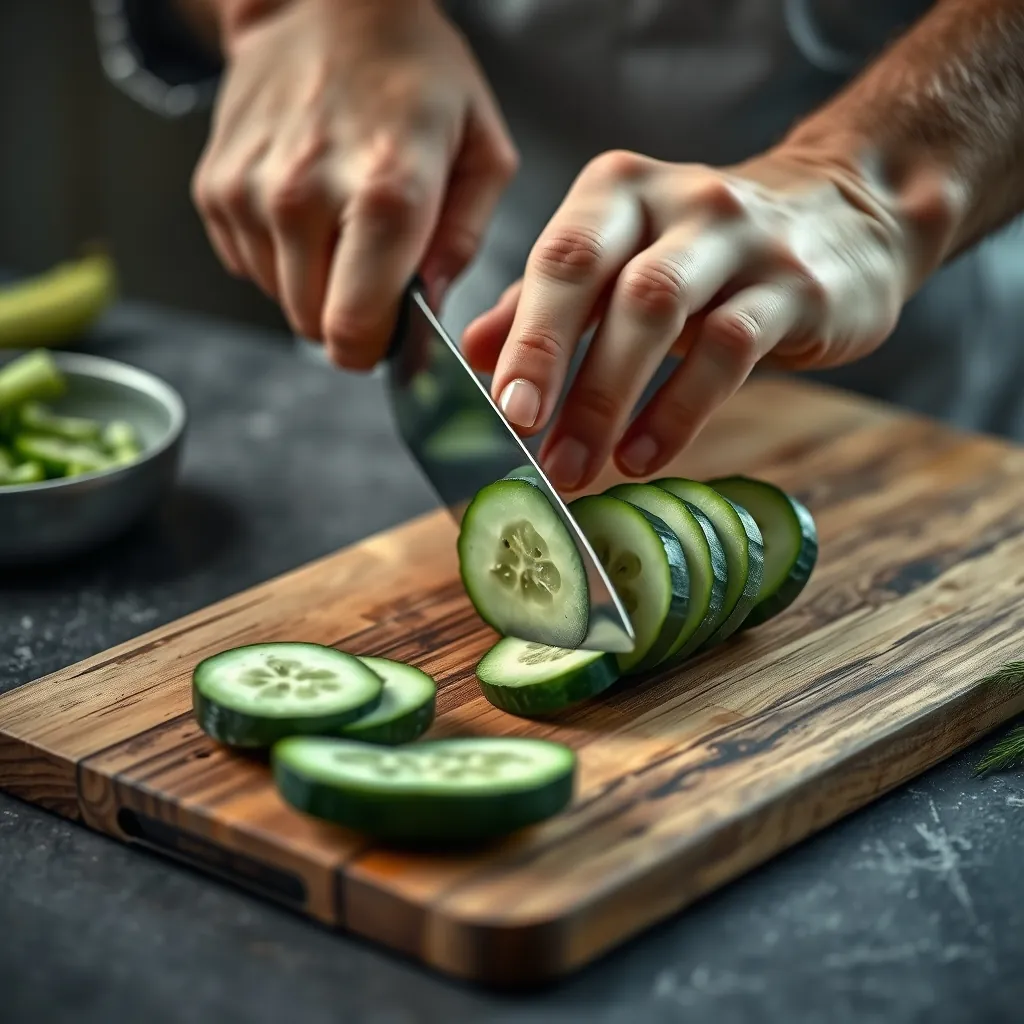
How you cut the vegetables directly affects the texture of the final salad. Most recipes skip this detail. Do not make that mistake.
Tomatoes
Cut tomatoes into wedges, not slices. Wedges hold their shape better and release less juice onto the plate. Aim for six to eight wedges per medium tomato. Remove the tough core at the top with a small V-shaped cut.
Cucumbers
Slice cucumbers into half moons about 1/2 inch thick. This shape provides surface area for the dressing while remaining sturdy. Avoid paper-thin rounds. They wilt quickly and make the salad watery.
Red Onion
Cut the onion in half through the root. Peel the skin and slice perpendicular to the root end. This creates half rings. For a milder flavor, separate the rings and soak them in ice water for 10 minutes. Drain and pat dry before adding to the bowl.
Olives
Leave Kalamata olives whole. Pitting them is optional but makes eating easier. If you pit them, do so gently to keep the olive intact.
The Simple Dressing

The dressing for Greek salad is intentionally minimal. You do not need emulsifiers or complicated ratios. Mix the following in a small bowl or shake in a jar:
- 1/4 cup extra virgin olive oil
- 2 tablespoons red wine vinegar
- 1 teaspoon dried oregano
- 1/2 teaspoon flaky sea salt
- 1/4 teaspoon black pepper
Whisk until combined. Taste and adjust salt or vinegar as needed. The dressing should taste bright and slightly sharp. It will mellow when mixed with the vegetables.
Assembling the Salad
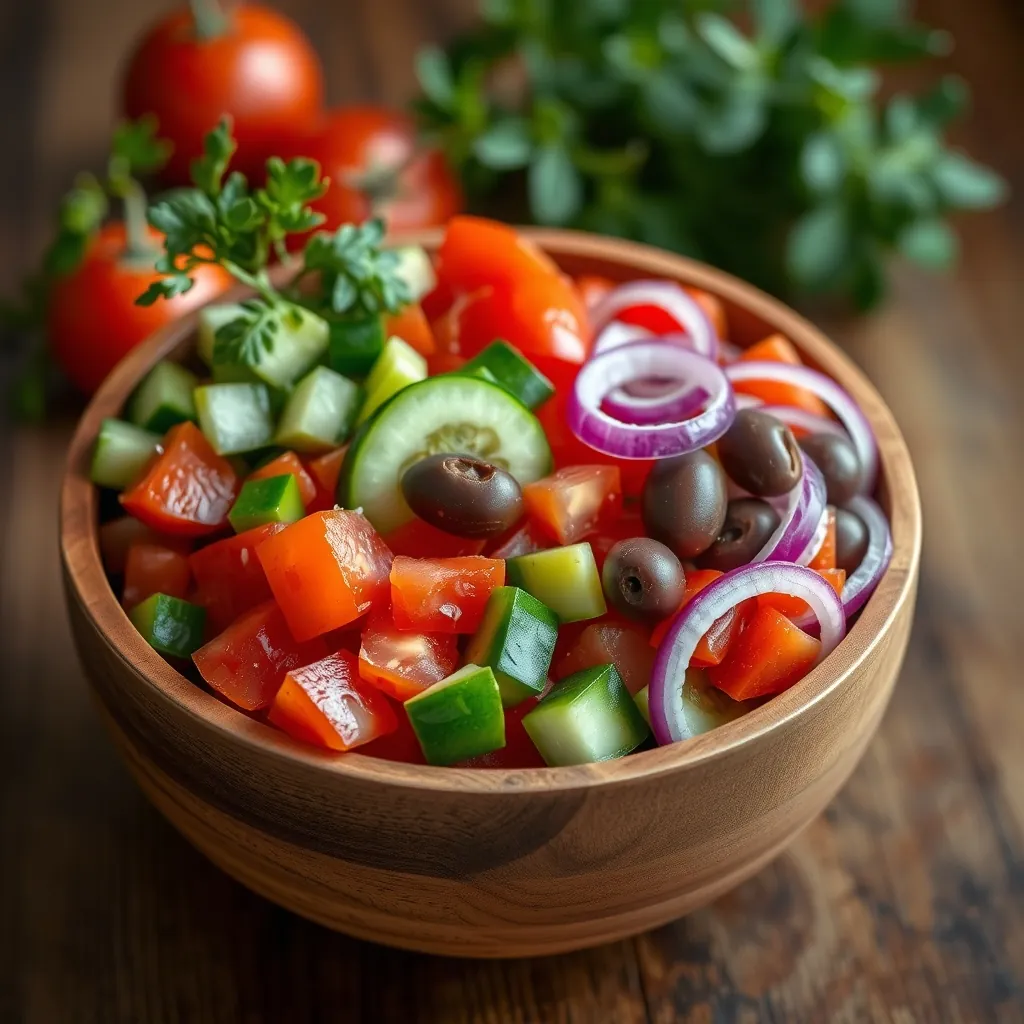
Assembly is straightforward but order matters. Follow these steps for the best texture and presentation.
- Place the tomato wedges and cucumber half moons in a large bowl.
- Add the red onion rings and whole Kalamata olives.
- Pour the dressing over the vegetables. Toss gently with your hands or two spoons. Do not crush the tomatoes.
- Transfer the dressed vegetables to a serving platter or shallow bowl.
- Place the block of feta cheese on top of the salad. Do not crumble it. The cheese should sit proudly as the centerpiece.
- Drizzle a little extra olive oil over the feta. Sprinkle a pinch of dried oregano and flaky salt on top.
- Serve immediately.
Serving Temperature and Timing

This salad tastes best at room temperature. Cold ingredients dull the flavors of the olive oil and tomatoes. If you store vegetables in the fridge, pull them out 20 minutes before assembling. Let the finished salad sit for five minutes after dressing to allow the flavors to meld. Do not let it sit longer than 15 minutes. The vegetables will begin to release water and the texture will suffer.
Serve with warm crusty bread to soak up the juices at the bottom of the bowl. This is not optional. The bread is part of the experience.
Meal Prep Adaptations

Greek salad does not store well once dressed. For meal prep, keep components separate until serving.
- Chop the tomatoes, cucumbers, and onions. Store each in separate airtight containers in the fridge.
- Keep the olives and feta cheese in their original brine or in a separate container with a splash of olive oil.
- Mix the dressing and store it in a small jar at room temperature.
- When ready to eat, combine the vegetables in a bowl, add the olives, top with feta, and drizzle the dressing.
This method keeps the vegetables crisp for up to three days. The olives will not make the other ingredients soggy because they remain separate until the last moment.
Dietary Variations
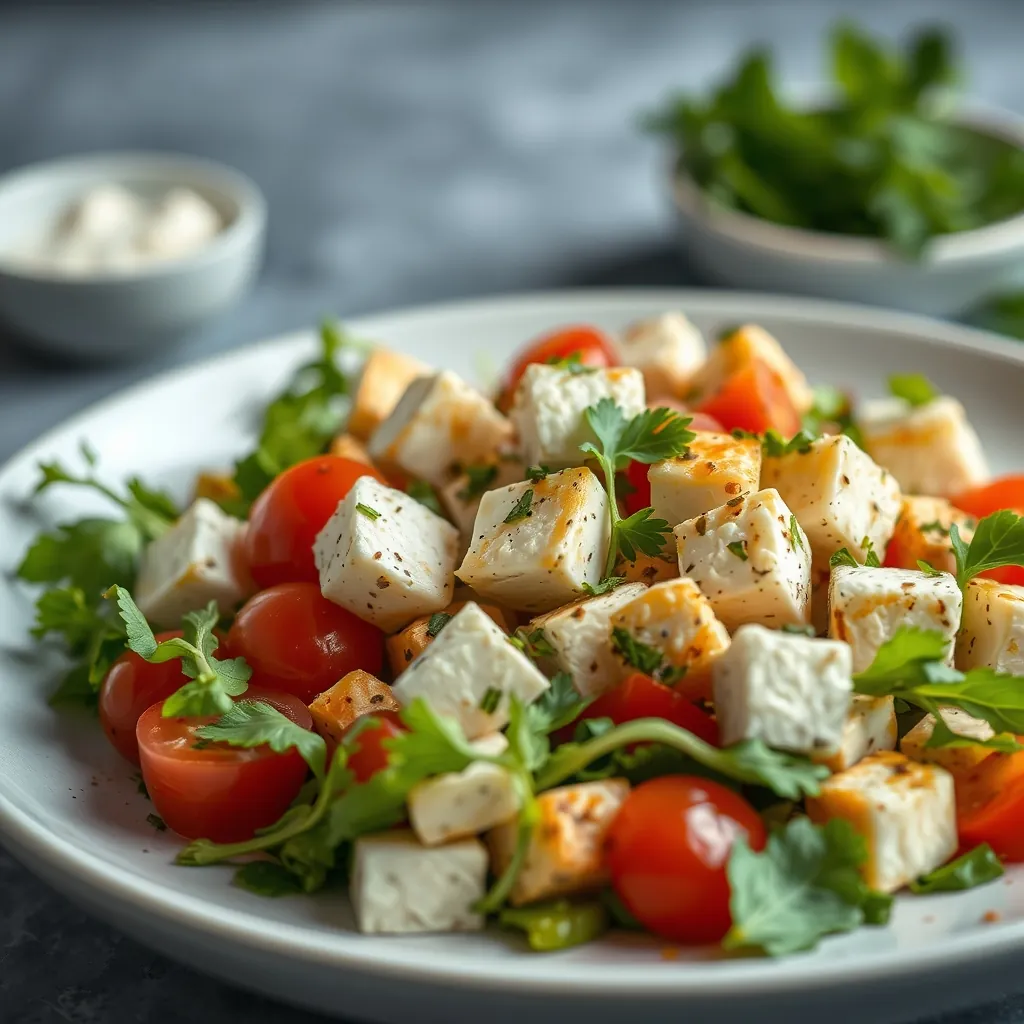
The traditional recipe is naturally gluten-free. For a vegan version, omit the feta cheese entirely or replace it with marinated tofu cubes or a thick slice of vegan feta. The rest of the ingredients remain the same. Do not add lettuce to compensate. The salad stands on its own without it.
Some variations include green bell pepper slices or a dash of capers. These additions are not traditional but can add crunch and brininess. Use them sparingly to avoid overwhelming the core flavors.
Common Mistakes to Avoid
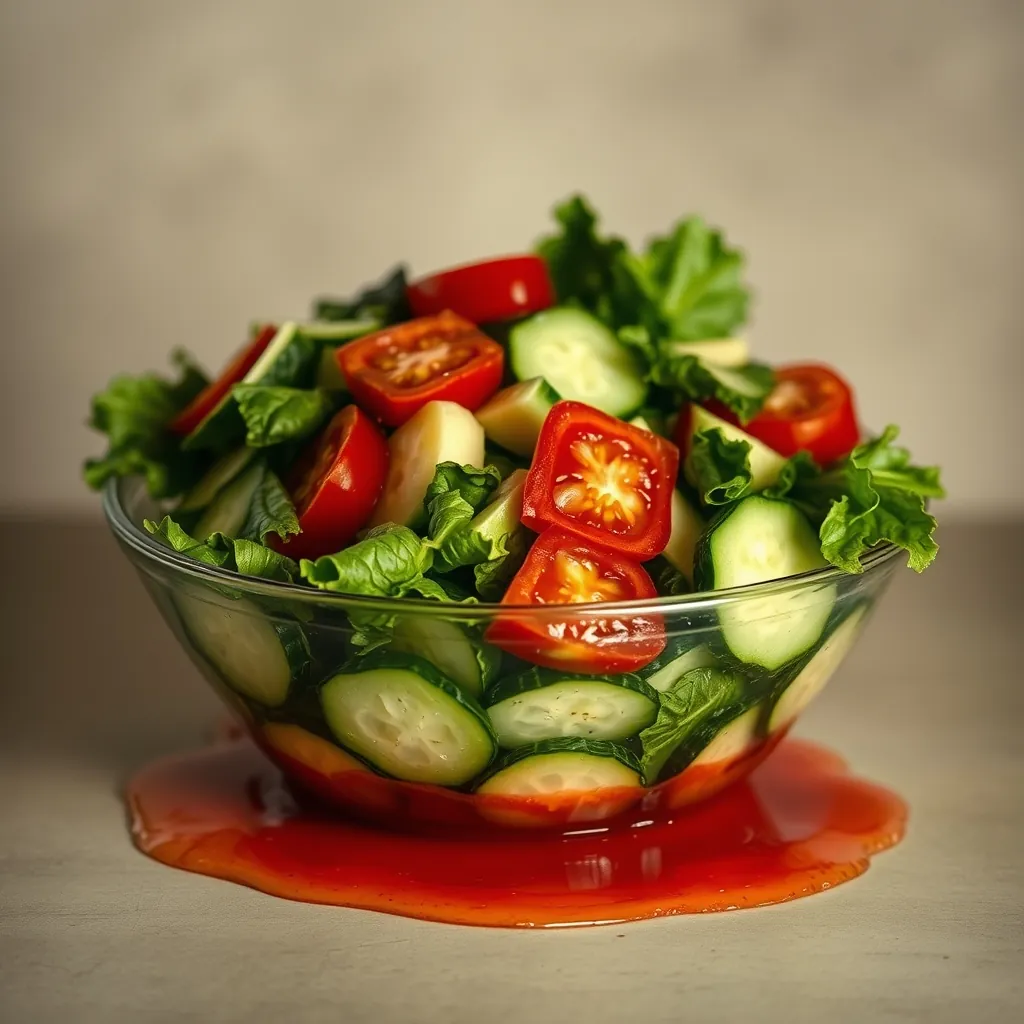
Even experienced cooks make these errors. Avoid them for a perfect result every time.
- Using pre-crumbled feta: It is dry, salty, and lacks the creamy texture of block feta. Always buy a block in brine.
- Over-dressing the salad: You can always add more dressing. You cannot take it away. Start with less and taste.
- Chopping vegetables too small: Large chunks hold their texture. Tiny pieces turn the salad into mush.
- Adding lettuce: This is not a Greek salad with lettuce. It is a different dish entirely. Respect the tradition.
- Serving straight from the fridge: Cold dulls the olive oil and makes the tomatoes taste bland. Let the salad sit at room temperature for a few minutes before serving.
Master this simple Greek salad and you will have a reliable, impressive dish ready in under 15 minutes. The key is quality ingredients and proper technique. Skip the shortcuts. Your taste buds will thank you.
Simple Greek Salad with Feta Cheese: The Authentic Horiatiki Recipe
Learn how to make a simple Greek salad with feta cheese. This authentic Horiatiki recipe uses no lettuce and delivers bold, fresh Mediterranean flavor.
Ingredients
- 3 large ripe tomatoes (beefsteak or Roma)
- 1 English cucumber
- 1 red onion
- 1/2 cup Kalamata olives
- 8 oz block feta cheese in brine
- 1/4 cup extra virgin olive oil
- 2 tablespoons red wine vinegar
- 1 teaspoon dried oregano
- 1/2 teaspoon flaky sea salt
- 1/4 teaspoon black pepper
Instructions
- Place the tomato wedges and cucumber half moons in a large bowl.
- Add the red onion rings and whole Kalamata olives.
- Pour the dressing over the vegetables. Toss gently with your hands or two spoons. Do not crush the tomatoes.
- Transfer the dressed vegetables to a serving platter or shallow bowl.
- Place the block of feta cheese on top of the salad. Do not crumble it. The cheese should sit proudly as the centerpiece.
- Drizzle a little extra olive oil over the feta. Sprinkle a pinch of dried oregano and flaky salt on top.
- Serve immediately.
Leave a Reply