Your cart is currently empty!
The Art of Traditional Japanese Ramen: A Definitive Guide
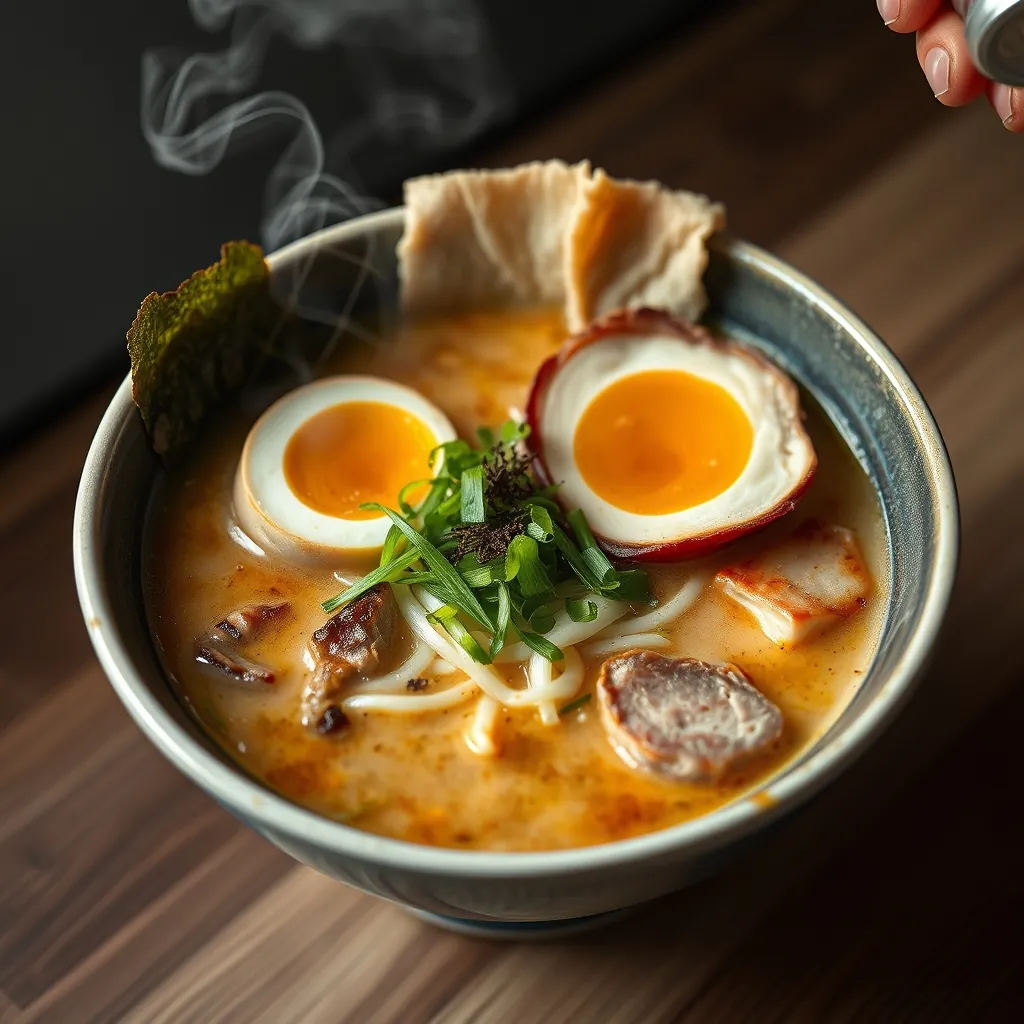
A great bowl of ramen demands respect. It is not a quick meal from a packet. It is a complex interplay of technique, chemistry, and tradition. This guide breaks down every component of traditional Japanese ramen. You will learn the science behind the broth, the secret to perfect noodles, and the common mistakes that ruin a bowl. By the end, you will have the knowledge to build your own masterpiece.
The Four Pillars of a Perfect Ramen Bowl
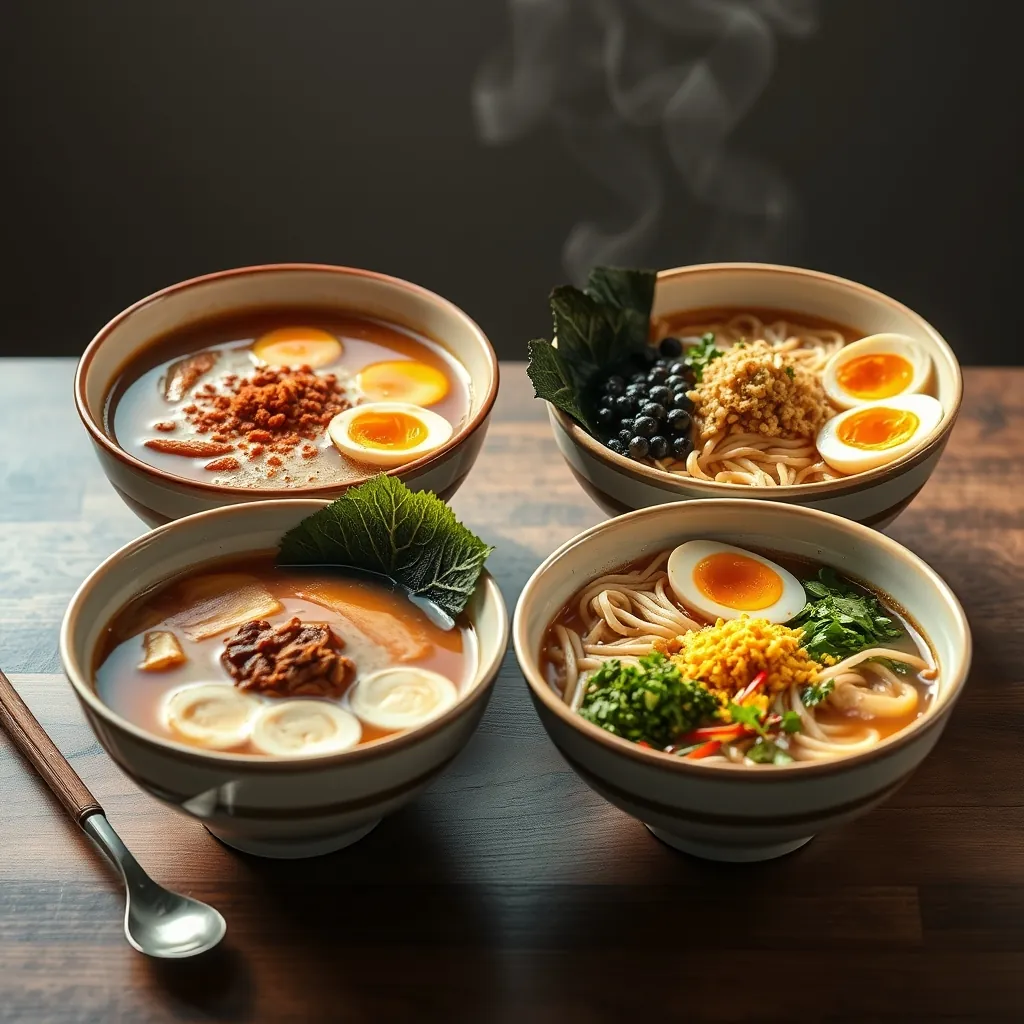
Every bowl of ramen rests on four distinct components. Each one must be executed with precision. Master these four pillars and you can create any regional style.
- Broth: The soul of the dish. It provides body, mouthfeel, and the foundational flavor.
- Tare: The concentrated seasoning base that defines the ramen’s primary taste profile.
- Noodles: The structural element. They must be chewy, springy, and able to hold the broth.
- Toppings: The finishing layer that adds texture, color, and complementary flavors.
Broth: The Science of Deep Umami
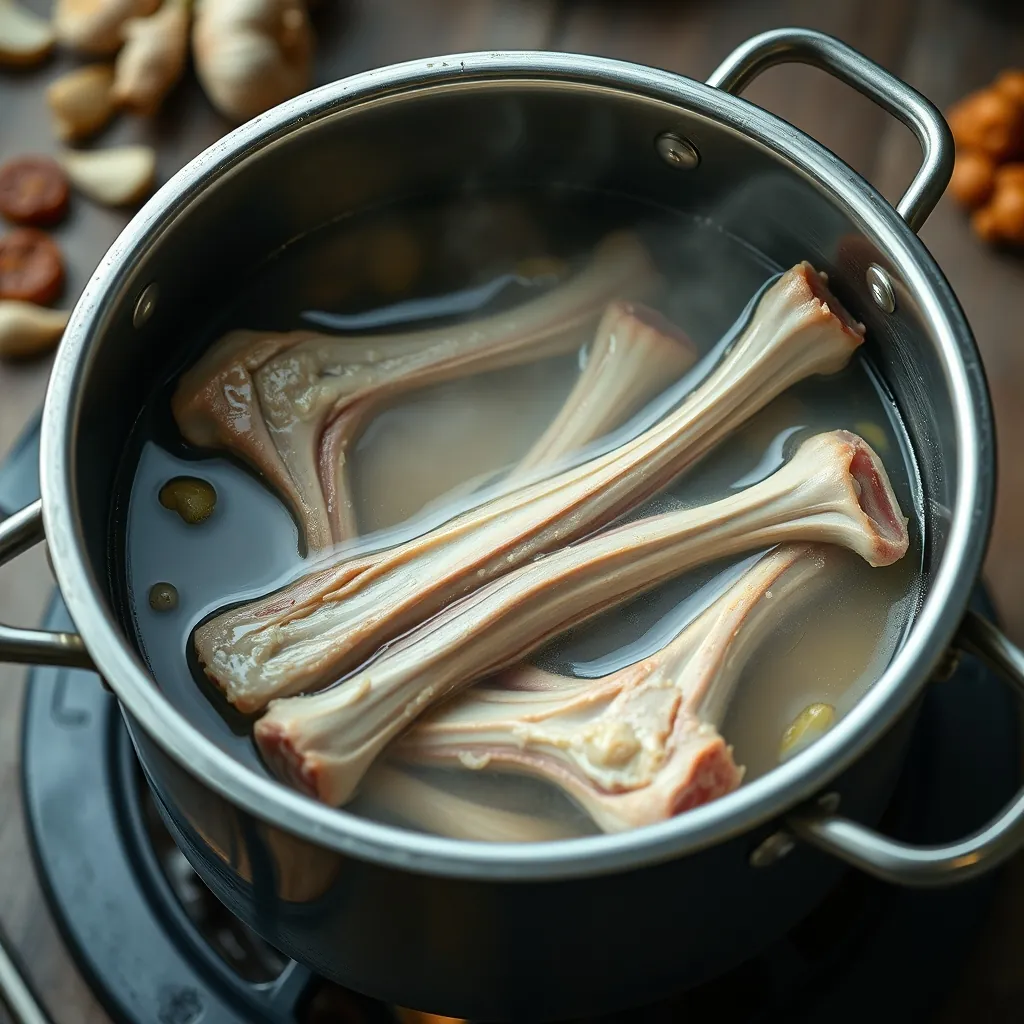
Great ramen broth is a product of time and heat. The goal is to extract collagen, fat, and flavor compounds from bones and aromatics. The Maillard reaction plays a critical role here. When you roast pork bones or aromatics before simmering, the amino acids and reducing sugars react at high heat. This creates hundreds of new flavor compounds that give the broth its deep, savory character.
Tonkotsu broth requires 12 to 18 hours of vigorous boiling. The constant agitation emulsifies the fat and collagen into the water. This produces a rich, opaque, and creamy texture. Shoyu and miso broths are typically lighter. They rely on a shorter simmer of chicken or vegetable stock combined with dashi (kelp and bonito flakes).
Nutritional Comparison: A standard bowl of tonkotsu ramen can contain 600 to 900 calories and 30 to 50 grams of fat. Most of this comes from the emulsified pork fat. Shoyu broth is significantly lighter, often under 400 calories per bowl. Miso ramen sits in the middle, with moderate fat content from the miso paste itself. If you are watching your intake, shoyu or shio broths are the better choice.
Tare: The Flavor Anchor
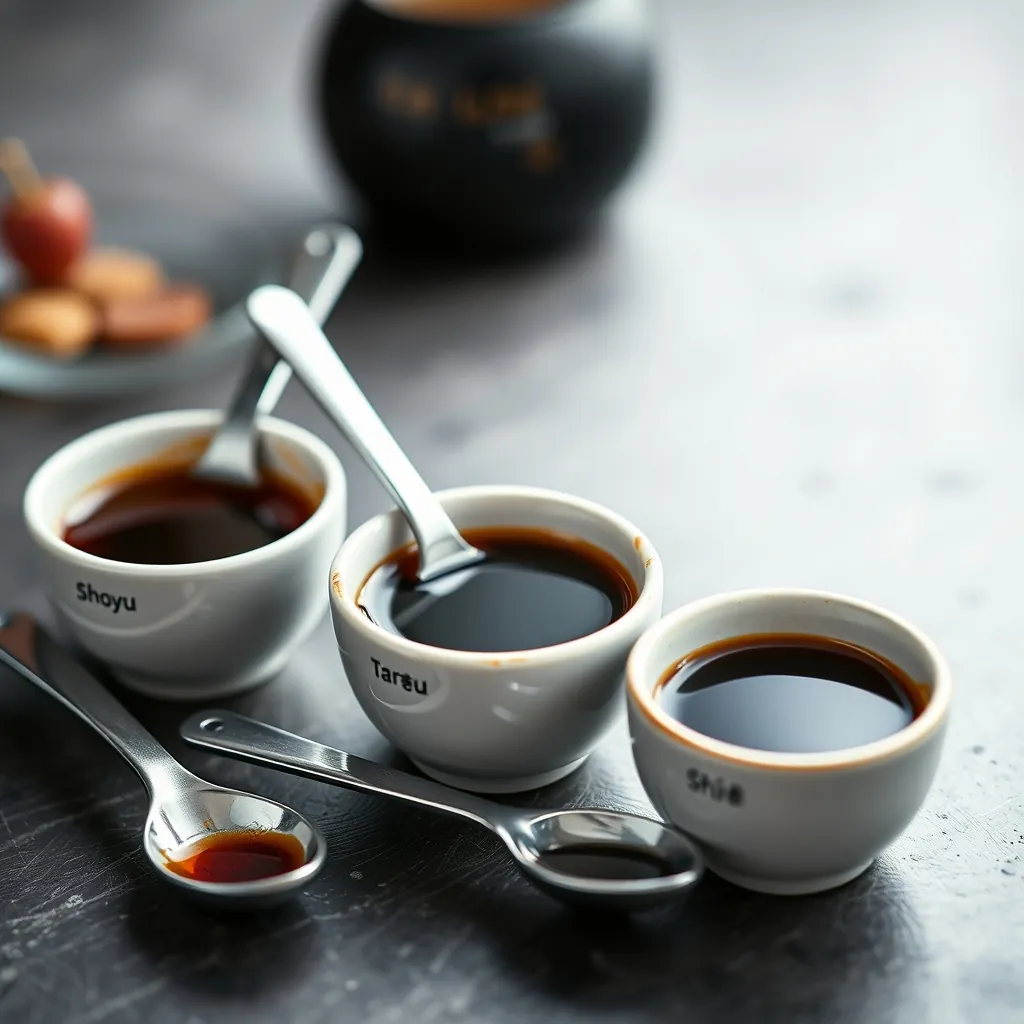
Tare is the concentrated seasoning that gives ramen its identity. A bowl of ramen is often named after its tare. There are three main types.
- Shoyu Tare: Made from soy sauce, sake, mirin, and often kombu or dried mushrooms. It delivers a salty, slightly sweet, and complex umami punch. This is the most common tare worldwide.
- Miso Tare: A blend of fermented soybean paste, garlic, ginger, and sometimes ground pork. It produces a rich, nutty, and hearty flavor profile. Miso tare is the signature of Sapporo ramen.
- Shio Tare: The simplest tare. It is a clear salt-based seasoning infused with kombu, niboshi (dried sardines), or shellfish. It allows the purity of the broth to shine through.
A good tare is intensely salty. You only need two to three tablespoons per bowl. It is best prepared a day in advance to allow the flavors to meld.
Noodles: The Role of Kansui
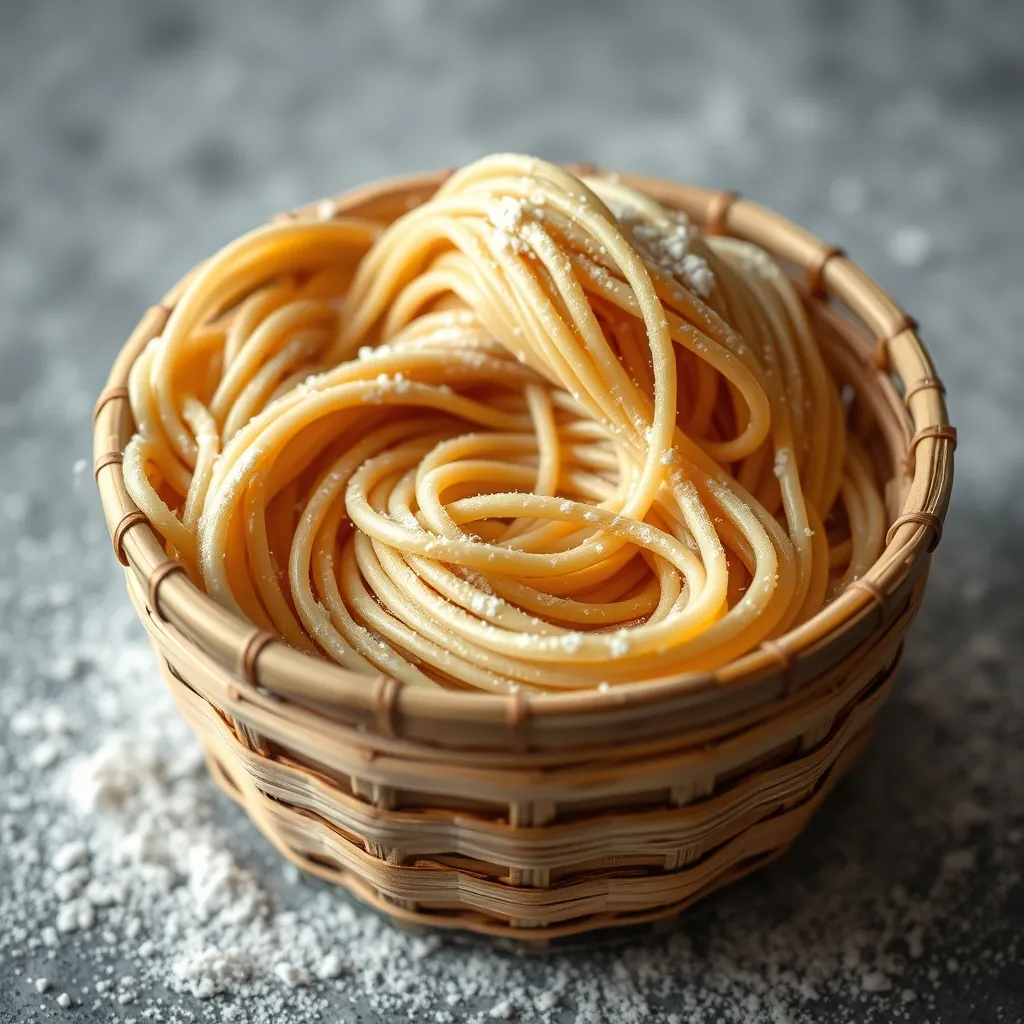
Ramen noodles are unlike any other pasta. The secret is kansui, an alkaline mineral water. Kansui is a mixture of potassium carbonate and sodium carbonate. It raises the pH of the dough to around 9 or 10. This high pH does three things. It gelatinizes the starch, giving the noodles a firm, chewy bite. It strengthens the gluten network, preventing the noodles from dissolving in hot broth. And it reacts with flavonoids in the wheat, turning the noodles a distinct yellow color.
Home Cook Substitution: Kansui can be difficult to find outside of Asian grocery stores. You can make a substitute by baking baking soda. Spread a thin layer of baking soda on a baking sheet. Bake it at 250°F (120°C) for one hour. This converts the sodium bicarbonate into sodium carbonate. Use one teaspoon of this baked soda per cup of flour. Store the rest in an airtight container.
Fresh ramen noodles should be cooked for 60 to 90 seconds in boiling water. Overcooking makes them mushy. The noodles should still have a distinct spring when you bite into them.
Toppings: Texture and Contrast
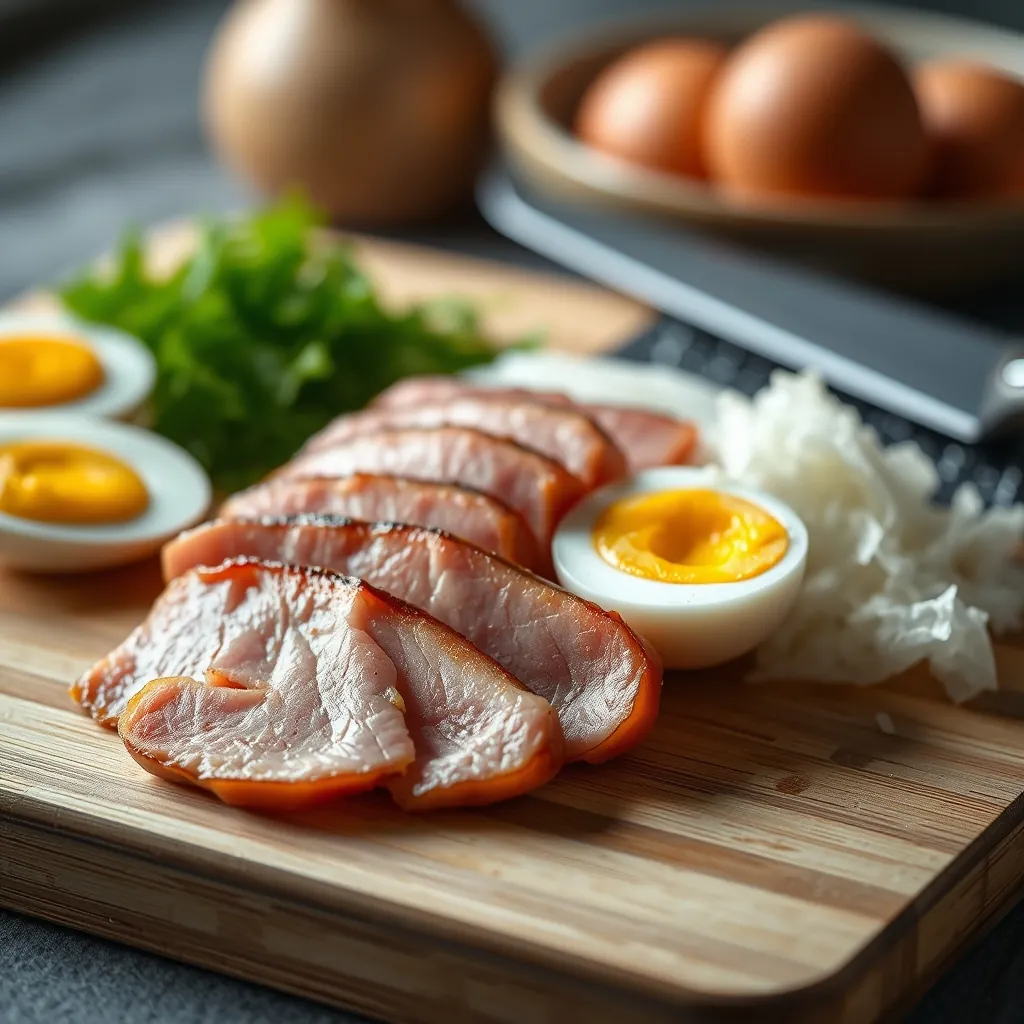
Toppings are not optional decoration. They provide textural contrast and flavor balance. The classic lineup includes chashu, ajitama, nori, menma, and green onions.
- Chashu: Braised pork belly or shoulder. It is slow-cooked in soy sauce, sake, and sugar until tender. Slice it thick for a meaty bite.
- Ajitama (Seasoned Egg): A soft-boiled egg marinated in soy sauce and mirin. The yolk should be jammy and rich. Marinate for at least four hours.
- Nori: Dried seaweed sheets. They add a briny, ocean flavor. Place them on top so they soften slightly in the steam.
- Menma: Fermented bamboo shoots. They provide a crunchy, earthy counterpoint to the rich broth.
Regional Styles: A Map of Flavor
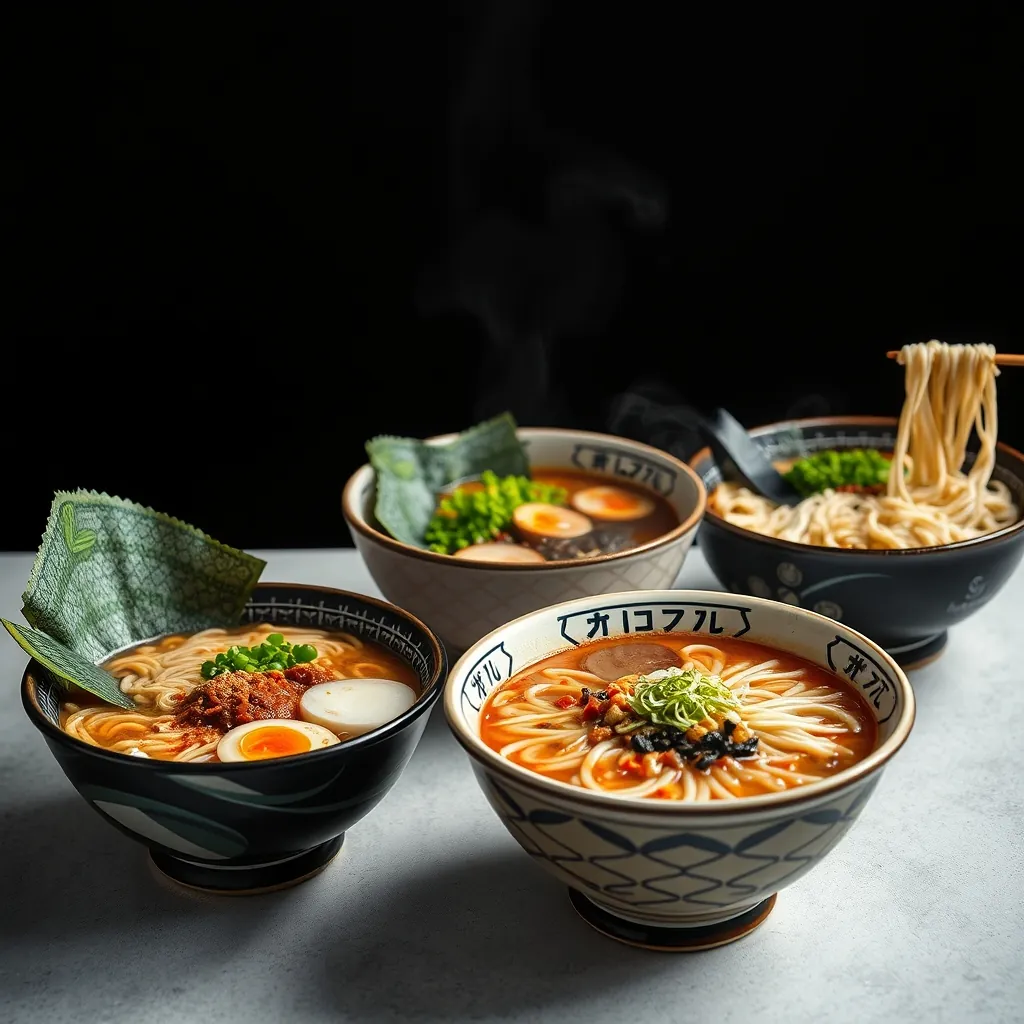
Ramen is not a single dish. It is a category with distinct regional identities. Each style reflects local ingredients and preferences.
- Hakata Ramen (Fukuoka): Defined by its ultra-rich tonkotsu broth and thin, straight noodles. The broth is boiled so aggressively that it becomes nearly white. It is often served with a dollop of garlic and pickled ginger.
- Sapporo Ramen (Hokkaido): Famous for its miso tare and thick, wavy noodles. The broth is typically topped with butter, corn, and bean sprouts. It is hearty and built for cold winters.
- Tokyo Ramen: A shoyu-based broth made from chicken and dashi. The noodles are medium-thick and curly. Toppings are simple: chashu, egg, and green onions.
- Kitakata Ramen (Fukushima): A shio-based ramen with a clear, light broth. The noodles are flat and wide, almost like fettuccine. It is subtle and elegant.
Common Beginner Mistakes and How to Fix Them
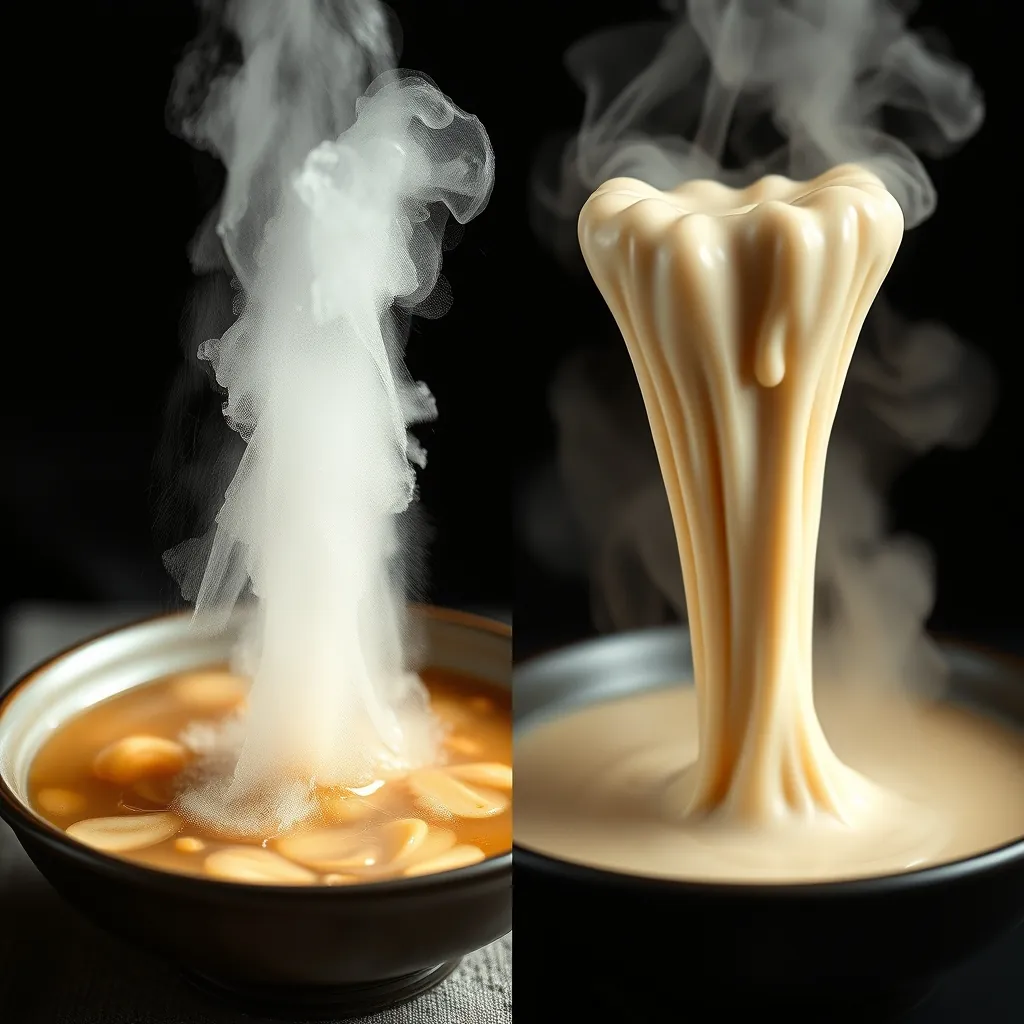
Even experienced home cooks struggle with ramen. Here are the most frequent errors and their solutions.
- Muddy Broth: You boiled the bones without blanching them first. Always blanch pork bones in boiling water for 10 minutes. Discard the water. Scrub the bones clean. This removes impurities that cloud the broth.
- Flat Noodles: You did not use kansui or a substitute. The noodles lack the alkaline environment needed for chewiness. Use the baked baking soda method described above.
- Greasy Bowl: You did not skim the fat. Tonkotsu broth should be creamy, not oily. Use a ladle to remove excess surface fat before serving. Alternatively, refrigerate the broth overnight and lift off the solidified fat cap.
- Overcooked Egg: You boiled the egg too long. A perfect ajitama has a set white and a liquid yolk. Boil large eggs for exactly 6 minutes 30 seconds. Transfer immediately to an ice bath.
- Salty Tare: You added too much tare to the bowl. Start with one tablespoon per bowl. Taste the broth. Add more in half-tablespoon increments. Remember, the tare concentrates as the broth reduces.
The Ritual of Eating Ramen
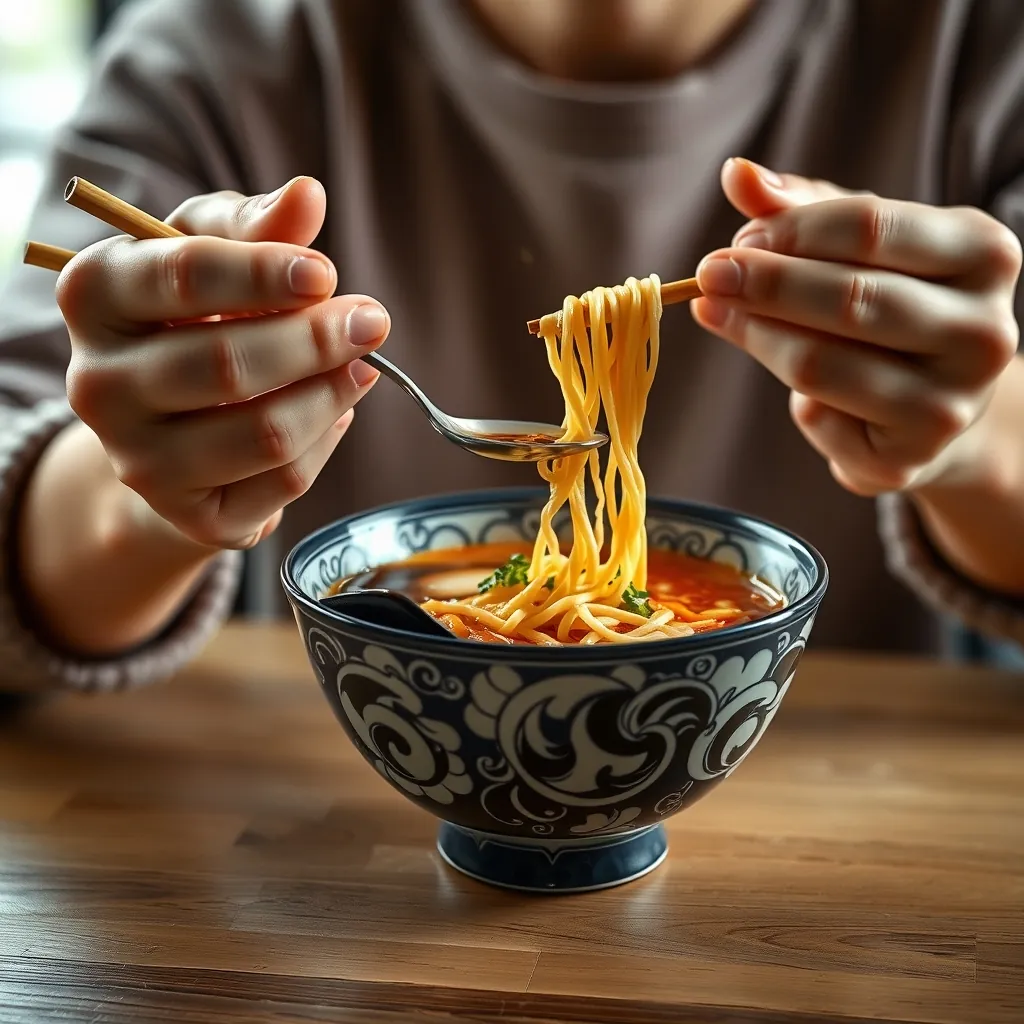
Slurping is not rude. It is functional. When you slurp, you draw in air along with the noodles. This cools the noodles and aerates the broth. It also releases aromatic compounds directly into your nasal cavity. This enhances the perception of flavor. In Japan, a silent eater is seen as someone who does not appreciate the food. So slurp loudly.
Work through the bowl in stages. Eat the noodles first while they are firm. Then enjoy the toppings. Finally, drink the broth directly from the bowl. A proper bowl of ramen is a complete meal. It should be finished in under 10 minutes.
Frequently Asked Questions
What is the difference between tonkotsu and shoyu ramen?
Tonkotsu ramen uses a rich, creamy pork bone broth boiled for 12-18 hours. Shoyu ramen uses a lighter chicken or dashi broth seasoned with soy sauce-based tare. Tonkotsu is heavy and opaque; shoyu is lighter and clearer.
How do I make ramen noodles without kansui?
Bake baking soda at 250°F (120°C) for one hour to create sodium carbonate. Use one teaspoon of this baked soda per cup of flour. This mimics kansui’s alkalinity and gives noodles the proper chew and yellow color.
Why is my tonkotsu broth not creamy?
The broth needs a vigorous, rolling boil for 12-18 hours to emulsify fat and collagen. If the heat is too low, the fat separates and floats on top. Also, ensure you blanch the bones first to remove impurities.
How long should I marinate ramen eggs (ajitama)?
Marinate soft-boiled eggs in a mixture of soy sauce, mirin, and sake for at least 4 hours, but preferably overnight. This allows the umami flavor to penetrate the white while keeping the yolk jammy.
What is the best tare for beginners?
Shoyu tare is the most forgiving for beginners. It is made from soy sauce, sake, mirin, and kombu. It is balanced, versatile, and pairs well with most broths. Start with one tablespoon per bowl and adjust to taste.
Leave a Reply