Your cart is currently empty!
How to Store Berries Long-Term: Stop Mold in Its Tracks
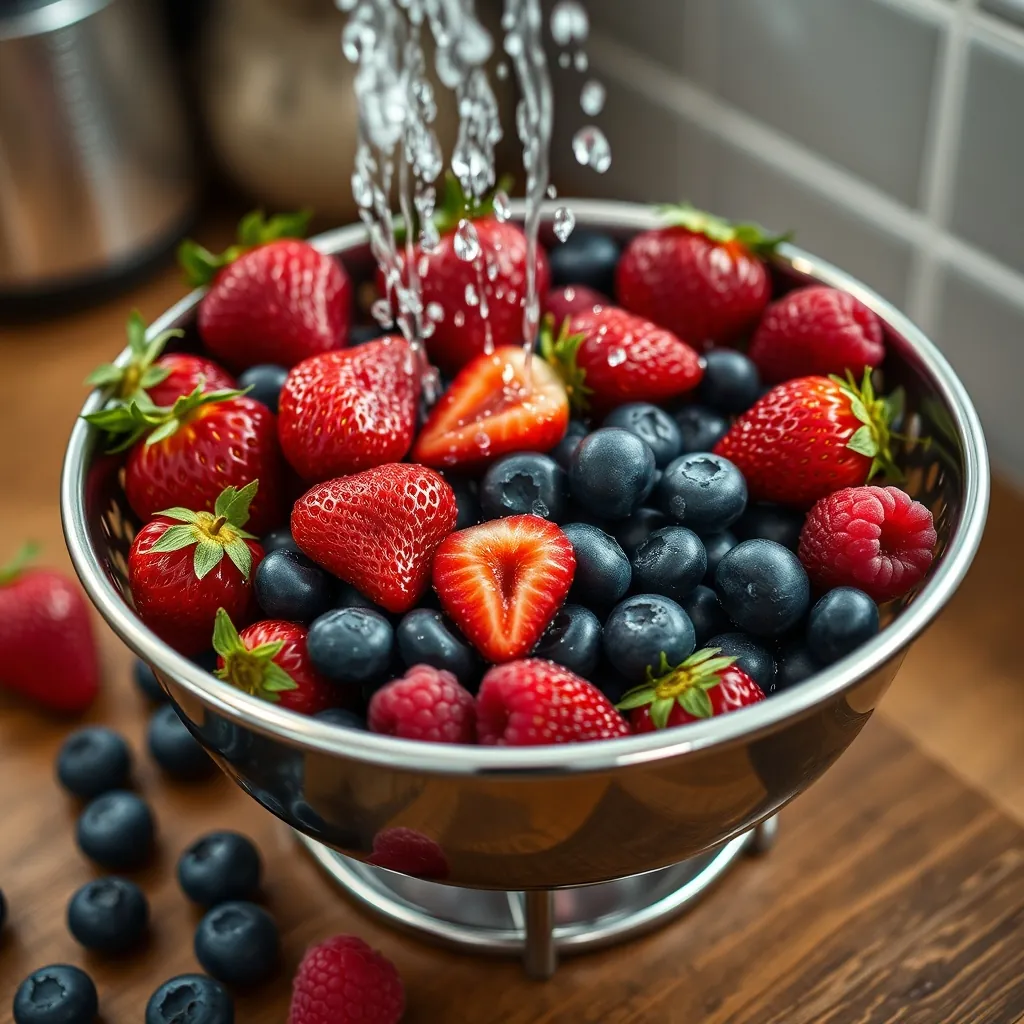
Fresh berries are a fleeting pleasure. A pint of perfect strawberries can turn into a science experiment in less than 48 hours. The culprit is moisture trapped against delicate skins. But with a few deliberate steps, you can extend the life of your berries from a few days to nearly two weeks. This guide goes beyond the standard advice, covering specific berry types, alternative storage scenarios, and the hidden dangers lurking in your fridge.
Why Berries Mold So Fast
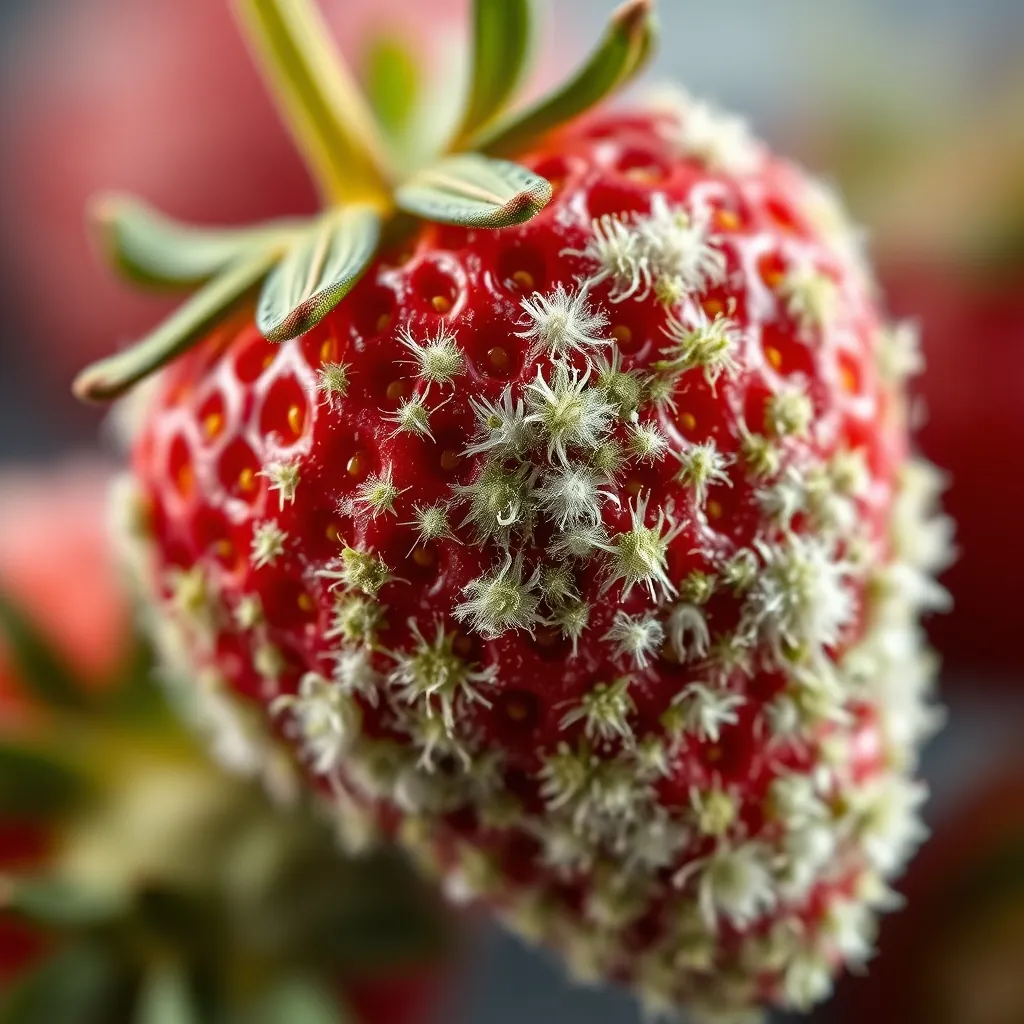
Berries have thin, porous skins and high sugar content. This combination is a perfect breeding ground for fungal spores. These spores are everywhere, in the air, on your hands, and on the berries themselves. The key to long-term storage is not to eliminate spores, but to create an environment where they cannot thrive. Mold needs three things: moisture, warmth, and food. You control the first two.
Different berries have different vulnerabilities. Strawberries and raspberries are the most fragile. Their bumpy surfaces trap moisture. Blueberries have a natural protective bloom, a waxy coating that slows water loss. Blackberries are somewhere in between. Treating all berries the same way is a mistake.
The Vinegar Wash Method
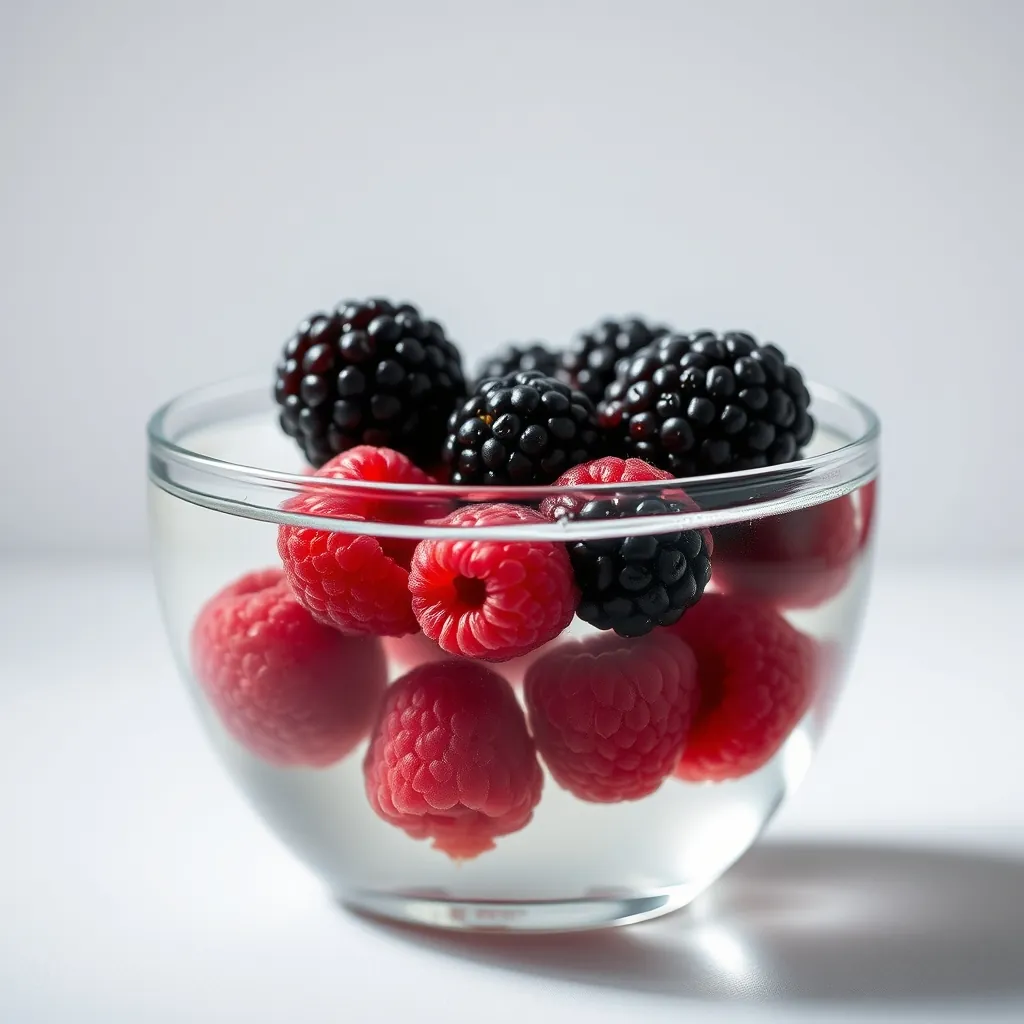
A diluted vinegar bath is the single most effective tool for killing mold spores on berries. The acetic acid in vinegar stops spore germination without affecting the taste. Mix one part white vinegar with three parts cold water. Submerge the berries and let them soak for two to five minutes. Do not exceed five minutes, or the acidity can soften the berry skins.
After the soak, drain the berries immediately. Do not skip this step. The vinegar solution must be fully removed. Rinsing with plain water afterward is optional but recommended if you dislike the faint vinegar smell. This method works best for strawberries, blueberries, and blackberries. For raspberries, use a very gentle soak or skip the bath entirely, as they are too delicate and can fall apart.
Drying Is Non-Negotiable
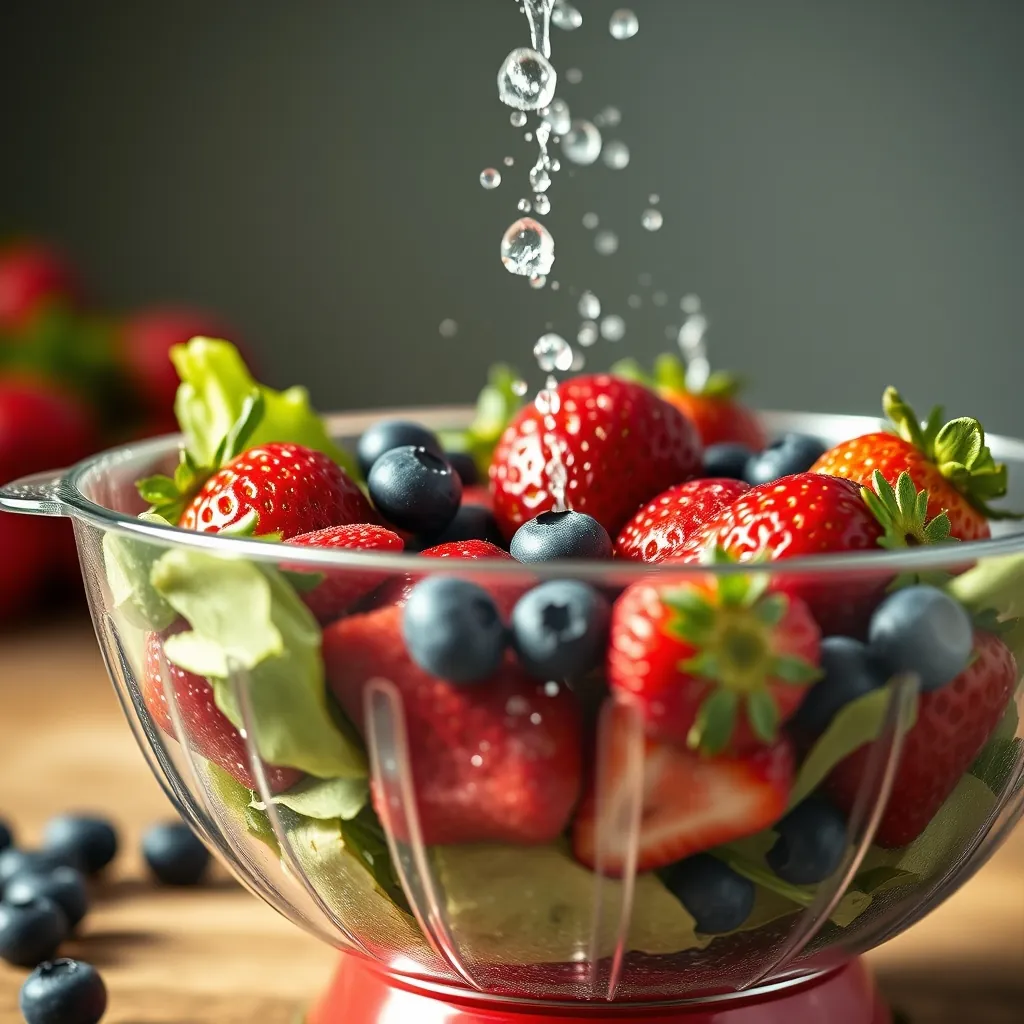
Wet berries are moldy berries. After the vinegar wash, you must remove every drop of surface moisture. A salad spinner is the best tool for this. Spin the berries for 30 seconds. Then, spread them out on a clean kitchen towel or a layer of paper towels. Let them air dry for 15 to 30 minutes. Pat the tops gently with another towel. Do not rub. Rubbing can damage the skin and create entry points for bacteria.
If you are storing unwashed berries, they still need to be dry. Check the container when you bring it home. If there is condensation inside, remove the berries and dry the container. Moisture can collect even without washing.
Container Selection and Layering
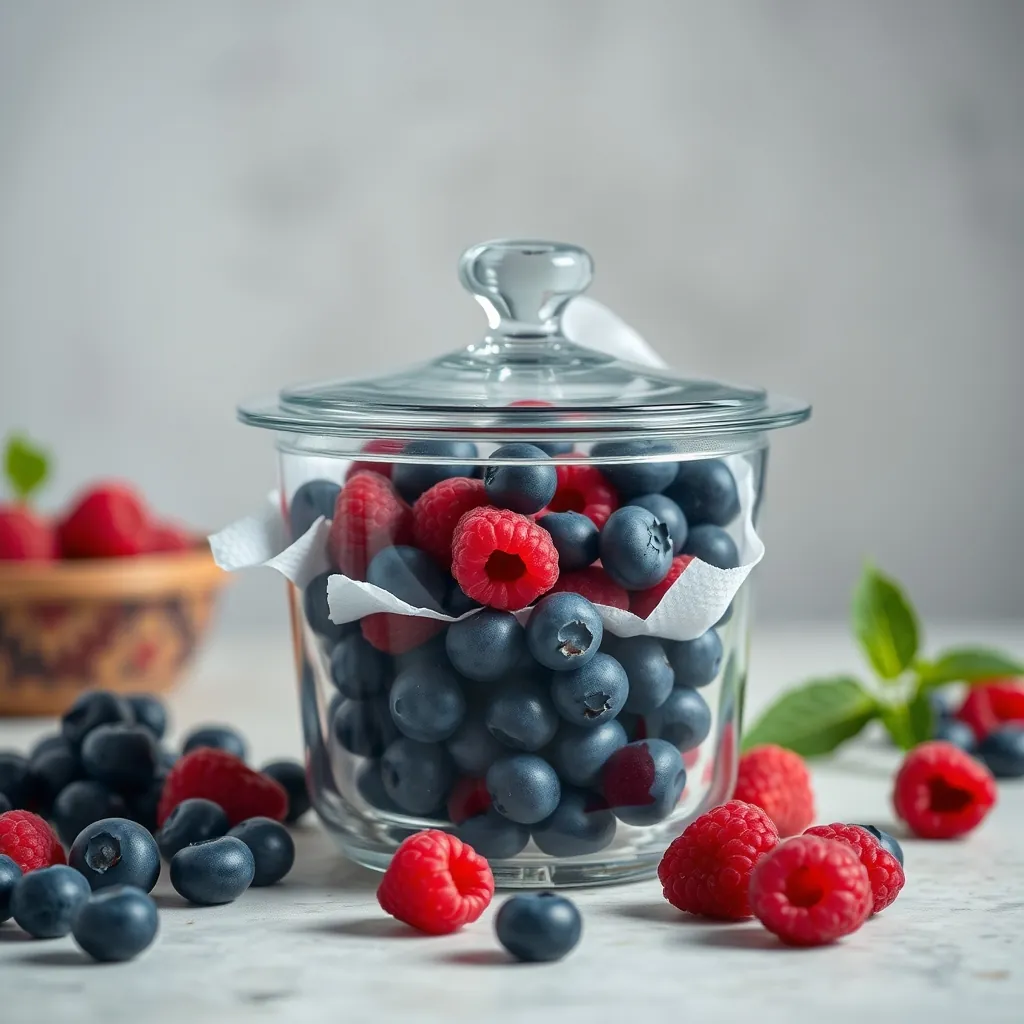
The right container makes a measurable difference. A breathable container is ideal. A glass or plastic container with a lid that has small vents works well. The goal is to allow some air exchange while keeping the humidity high enough to prevent dehydration.
Line the bottom of the container with two layers of paper towels. These towels will absorb any excess moisture that accumulates. Place the berries in a single layer if possible. If you must stack, place another paper towel between layers. Do not pack the berries tightly. Crowding creates pressure points that lead to bruising. Bruised spots release moisture and attract mold.
For strawberries, always store them stem-side down. This orientation prevents moisture from collecting in the cap cavity. For blueberries and blackberries, a single layer is best. For raspberries, handle them as little as possible.
Fridge Placement and Temperature
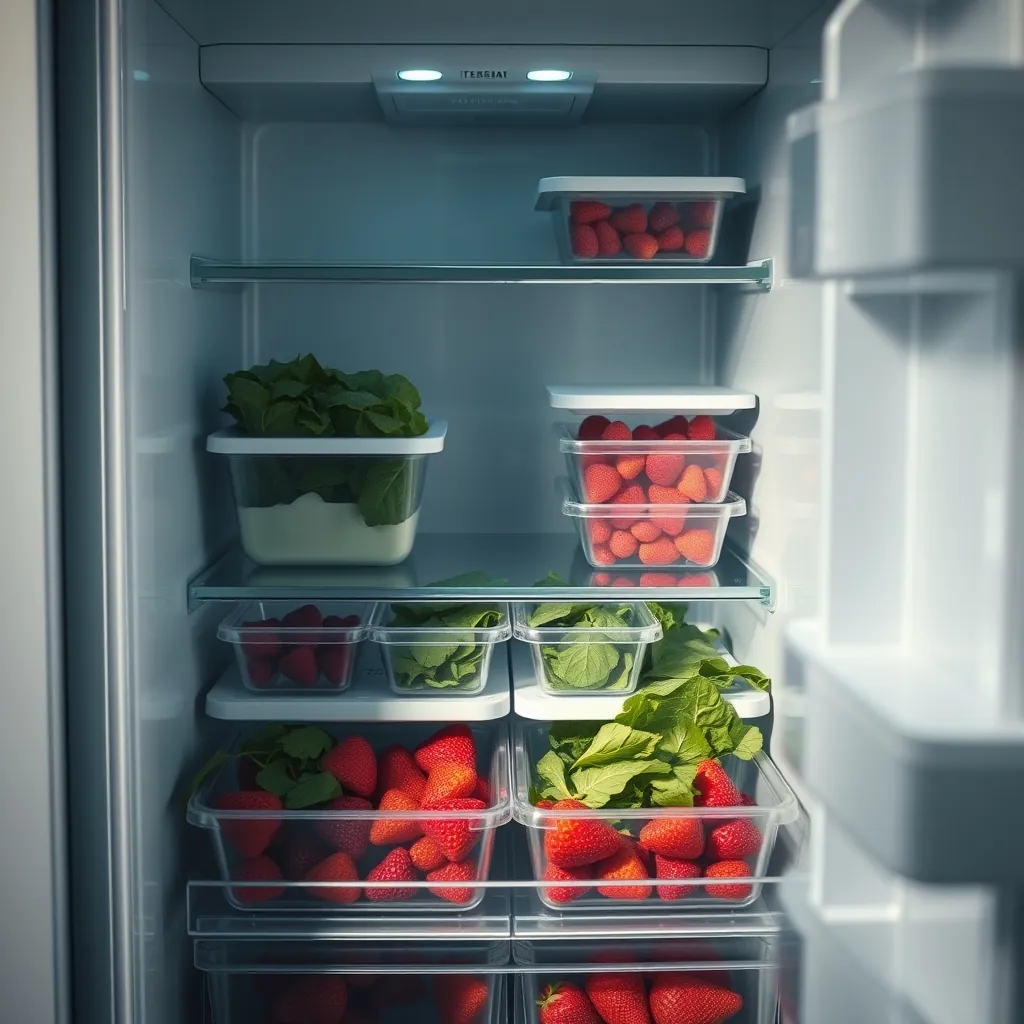
Temperature is critical. Berries last longest at 32 to 34 degrees Fahrenheit (0 to 1 degree Celsius). Most household refrigerators run warmer, around 37 to 40 degrees. Place your berry container in the coldest part of the fridge, typically the back of the bottom shelf or the crisper drawer with the humidity set to high.
Keep berries away from ethylene-producing fruits. Apples, bananas, avocados, and tomatoes release ethylene gas. This gas accelerates ripening and decay. Even a single apple in the same crisper drawer can cut a berry’s shelf life by several days. Store berries in a separate drawer or on a different shelf.
Storage Timelines for Each Berry Type
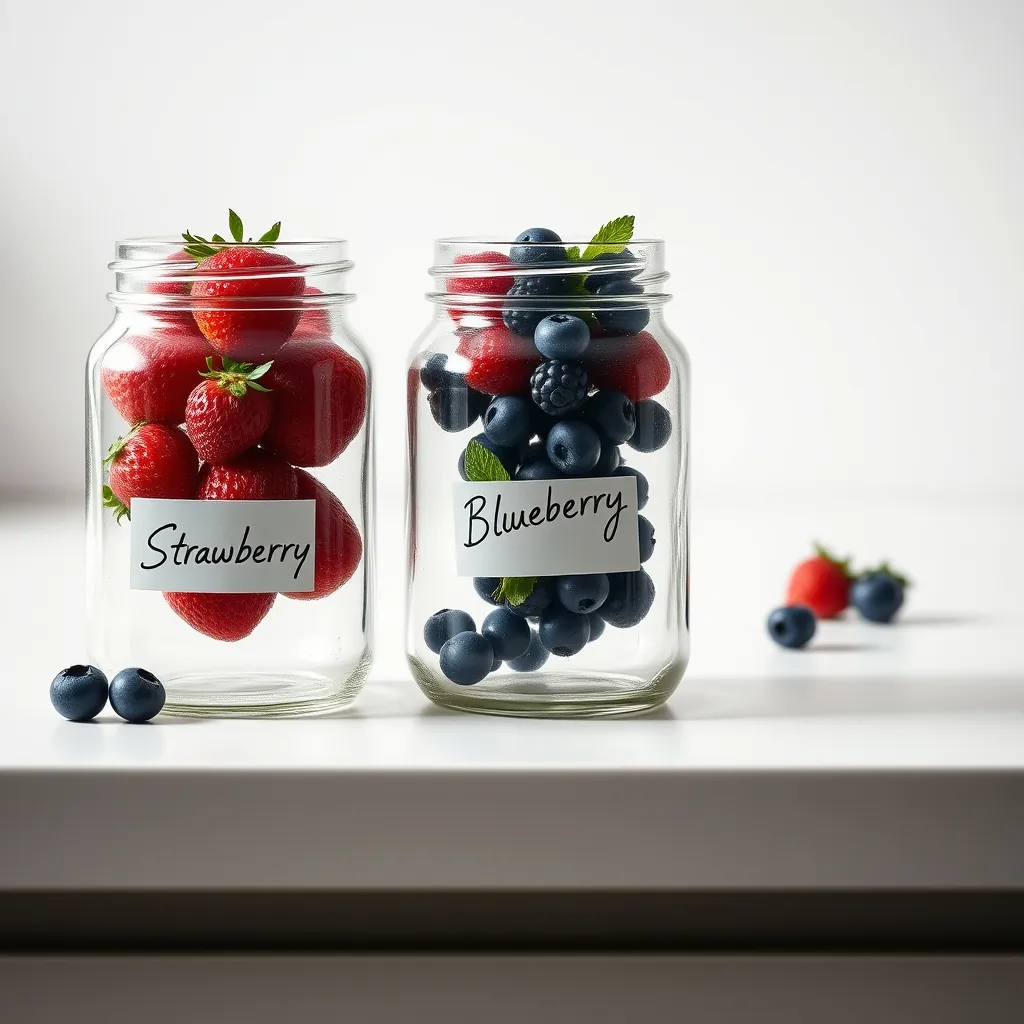
Not all berries last the same amount of time. Here is a realistic timeline based on storage method.
Vinegar-Washed Berries in the Fridge
- Strawberries: 10 to 14 days
- Blueberries: 14 to 21 days
- Blackberries: 7 to 10 days
- Raspberries: 5 to 7 days (use a gentle method)
Unwashed Berries in the Fridge
- Strawberries: 5 to 7 days
- Blueberries: 10 to 14 days
- Blackberries: 3 to 5 days
- Raspberries: 2 to 3 days
Berries at Room Temperature
- All types: 1 to 2 days maximum
How to Freeze Berries for Long-Term Storage

Freezing is the best option for storage beyond two weeks. Wash and dry the berries using the vinegar method. Spread them in a single layer on a baking sheet lined with parchment paper. Freeze for two to three hours until solid. Then transfer the frozen berries to a freezer-safe bag or container. Remove as much air as possible before sealing.
This method prevents clumping. You can grab a handful of frozen berries without them sticking together. Frozen berries maintain their texture for up to six months. Use them directly in smoothies, baking, or sauces. Do not thaw them before use for baking, as they will release excess liquid.
Storing Berries Without a Fridge
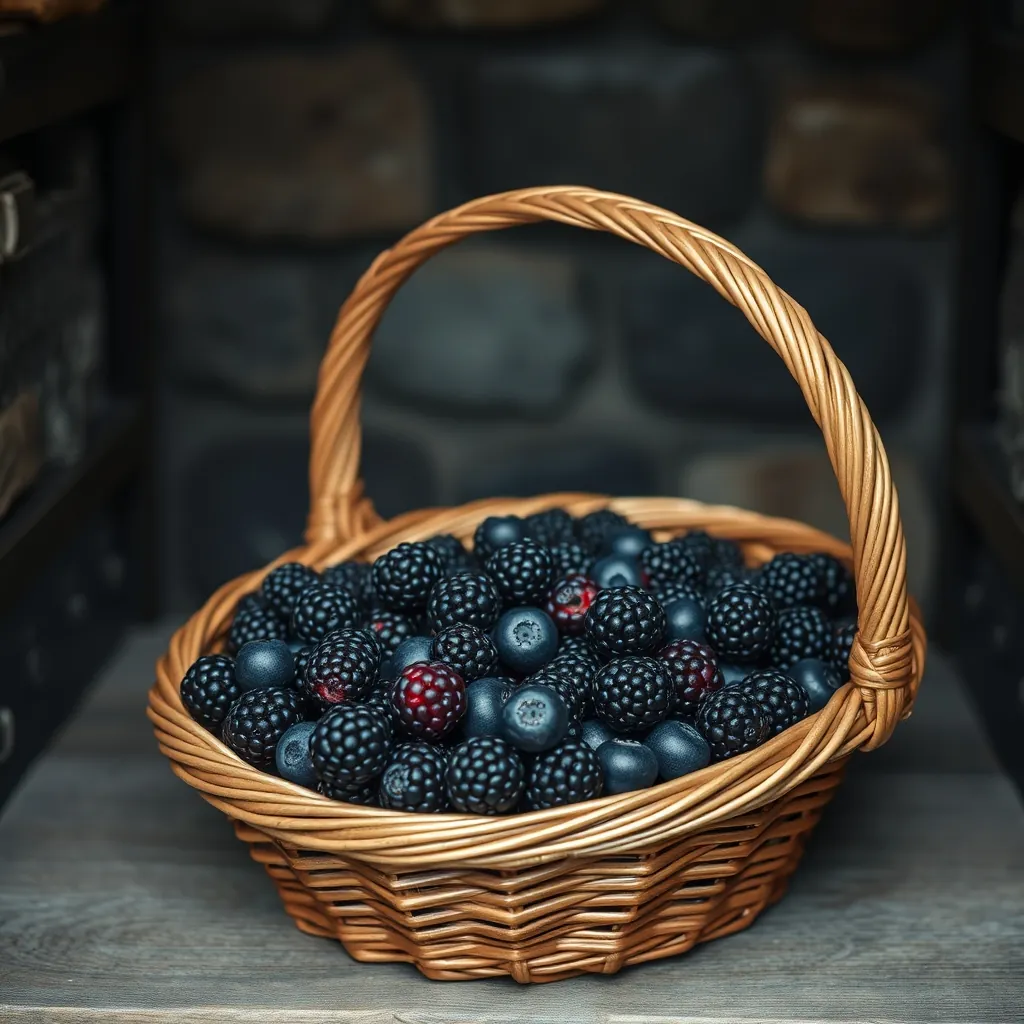
If you are camping, facing a power outage, or simply lack refrigerator space, you can still store berries for a short time. Find the coolest, darkest spot in your home. A root cellar, basement, or a shaded pantry works. The temperature should be below 60 degrees Fahrenheit (15 degrees Celsius).
Place the berries in a single layer in a breathable basket or a paper bag. Do not use plastic. Check them twice daily. Remove any berries that show signs of softening. With this method, blueberries and blackberries can last three to four days. Strawberries and raspberries may only last one to two days.
Reviving Slightly Wilted Berries
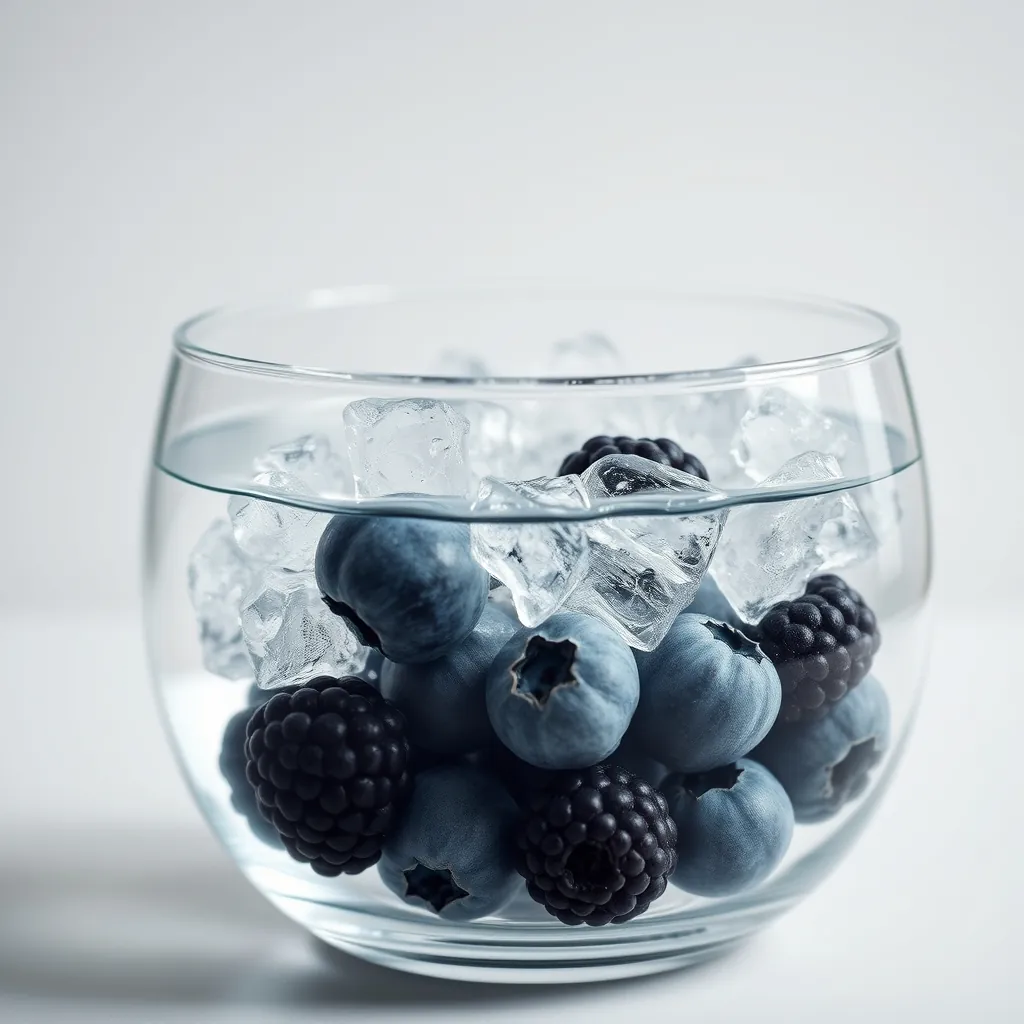
Soft, wrinkled berries are not necessarily bad. You can often revive them. Fill a bowl with ice water. Submerge the berries for 10 to 20 minutes. The cold water rehydrates the cells, plumping them back up. This works best for blueberries and blackberries. Strawberries may become waterlogged. After the ice bath, dry the berries thoroughly and use them immediately. They will not last much longer, but they can save a recipe.
Special Considerations for Organic Berries
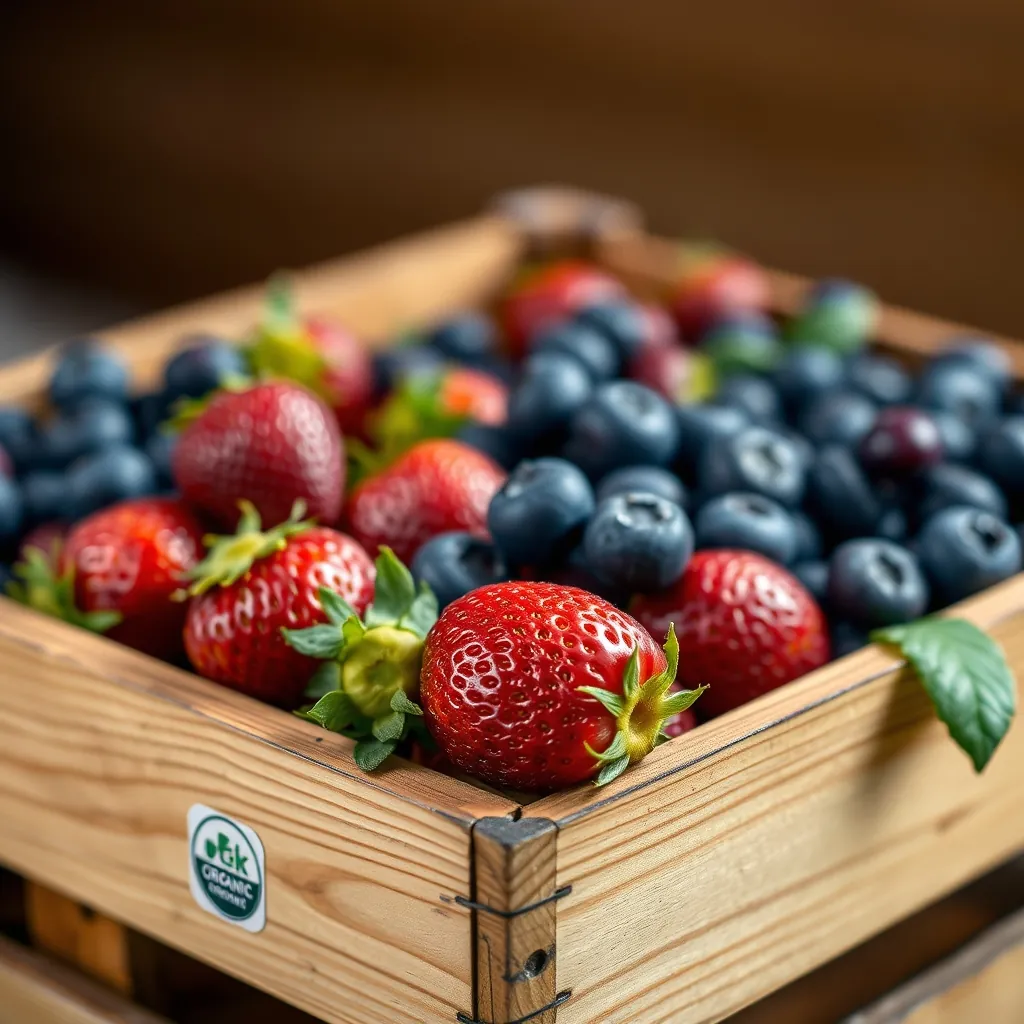
Organic berries often have a shorter shelf life than conventionally grown ones. They lack the synthetic preservatives and fungicides that conventional berries receive. This does not mean they are inferior. It means you must be more diligent.
The vinegar wash is even more critical for organic berries. Inspect them immediately after purchase. Remove any berry with a soft spot or visible mold. Organic berries respond very well to the paper towel lining method. Check the container daily and swap out damp paper towels for dry ones if needed.
With these methods, you can make your berries last. The key is controlling moisture at every step. Dry them well, store them cold, and keep them separate from ethylene producers. Your fruit will stay fresh, firm, and mold-free far longer than you expect.
Frequently Asked Questions
Can I wash berries before storing them in the fridge?
Yes, but only with a vinegar wash. Mix one part white vinegar with three parts cold water, soak for 2-5 minutes, then dry them completely in a salad spinner and on paper towels before refrigerating.
How long do berries last in the freezer?
Frozen berries maintain their best texture and flavor for up to six months when stored in an airtight, freezer-safe bag with all air removed.
What is the best container for storing berries?
A glass or plastic container with small vents for air exchange, lined with paper towels to absorb excess moisture. Store berries in a single layer if possible.
Why do organic berries spoil faster than conventional ones?
Organic berries lack synthetic preservatives and fungicides. They require more diligent handling, including an immediate vinegar wash and daily checks for soft spots or mold.
Can I revive wilted or soft berries?
Yes, submerge slightly wrinkled blueberries or blackberries in ice water for 10-20 minutes to rehydrate them. Dry thoroughly and use immediately.
Leave a Reply