Your cart is currently empty!
The Ultimate Baking Substitution Guide (Free Printable Chart)
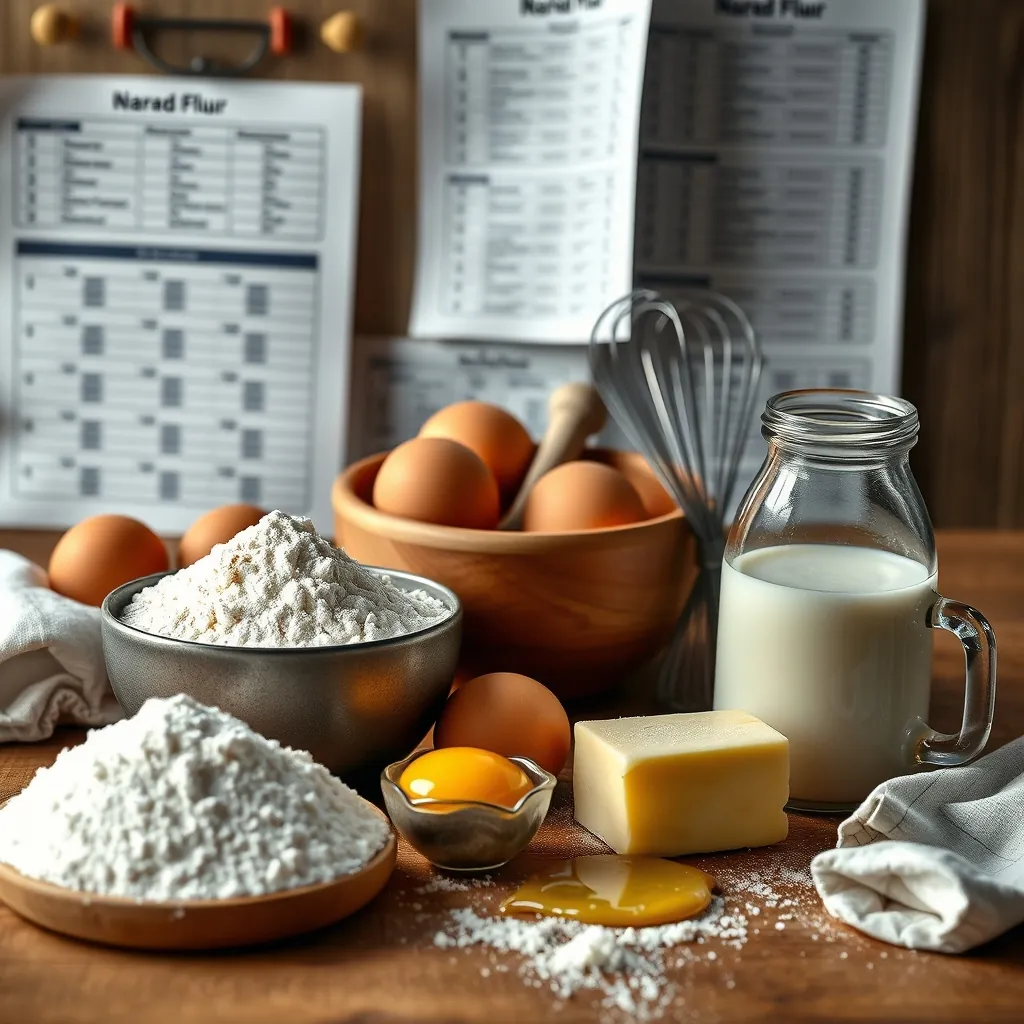
Running out of an ingredient mid-recipe is a baker’s worst nightmare. But it does not have to ruin your project. Understanding the science behind each swap lets you pivot with confidence. This guide covers every common substitution, explains how each change affects texture and taste, and addresses gaps most other guides ignore.
You will learn the exact ratios for eggs, butter, milk, flour, sugar, and leaveners. You will also discover how to handle specialty ingredients like cream cheese and sweetened condensed milk. Plus, you get a free printable chart to keep in your kitchen.
Egg Substitutes
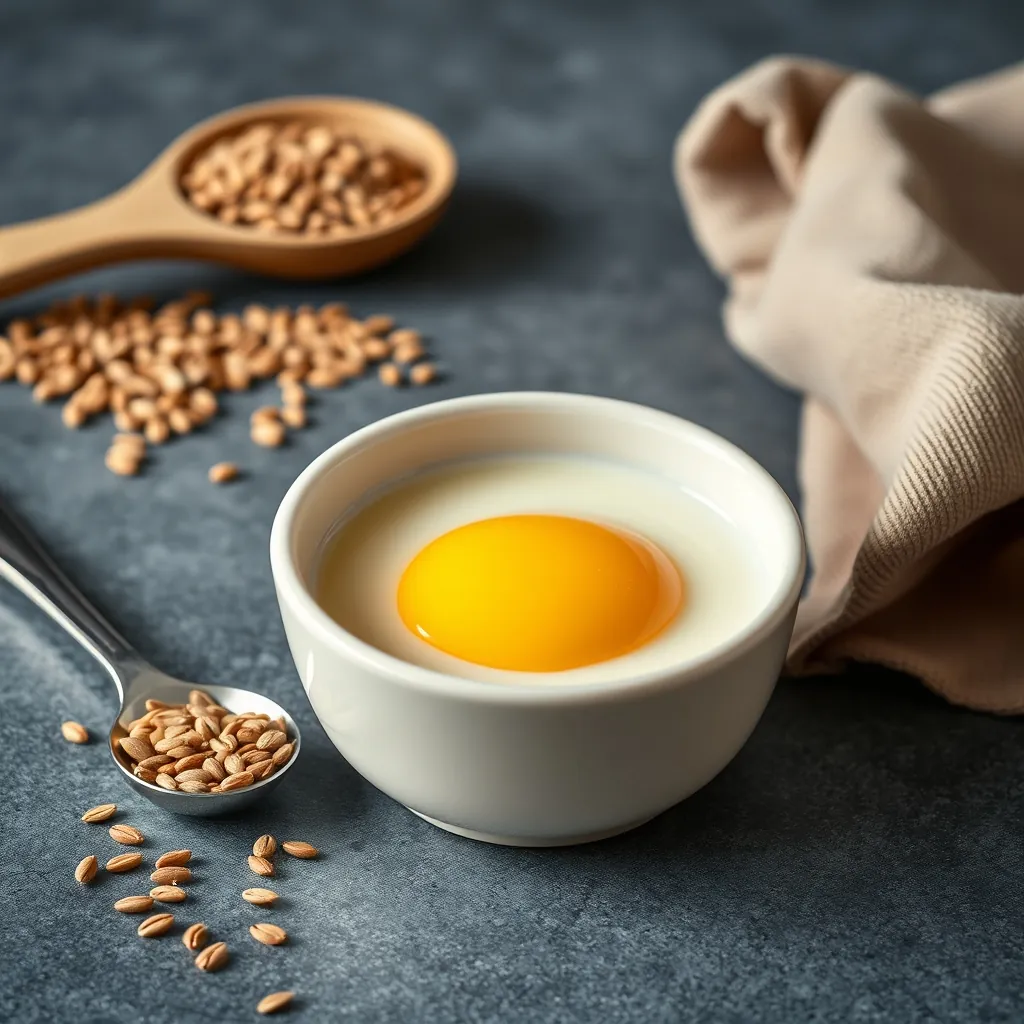
Eggs provide structure, moisture, and leavening. The best substitute depends on what you are baking.
- Flax egg (best for cookies, brownies, and hearty muffins): Mix 1 tablespoon ground flaxseed with 3 tablespoons water. Let it sit for 5 minutes until it becomes gel-like. This replaces 1 egg.
- Applesauce (best for muffins, quick breads, and cakes): Use ¼ cup unsweetened applesauce for 1 egg. It adds moisture but can make the final product denser and slightly sweeter.
- Mashed banana (best for banana bread, pancakes, and soft cookies): Use ¼ cup mashed ripe banana per egg. It adds flavor and sweetness, so reduce added sugar slightly.
- Chia egg (best for gluten-free baking): Mix 1 tablespoon chia seeds with 2.5 tablespoons water. Let sit for 5 minutes.
- Commercial egg replacer (best for delicate cakes and meringues): Follow package instructions. These work well for structure but may not add moisture.
Scaling tip: When doubling a recipe that calls for 3 or more eggs, do not simply double the flax egg ratio. Use a mix of flax egg and applesauce for better moisture balance. For halving, stick with one flax egg if the original recipe called for 2 eggs.
Butter and Oil Substitutes
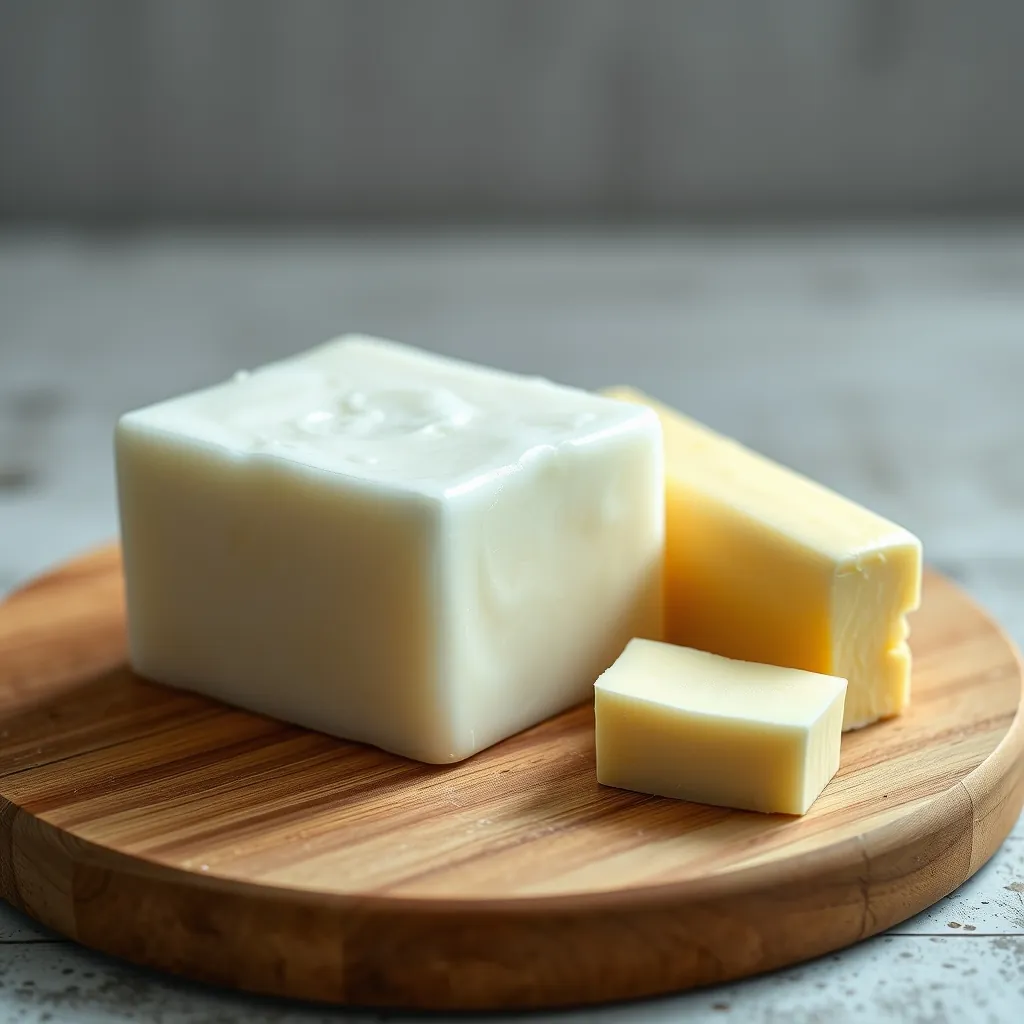
Butter contributes fat, flavor, and tenderness. Oil provides moisture without the dairy.
- Coconut oil (solid): Use 1 cup for 1 cup of unsalted butter. Best in cookies, brownies, and pie crusts. It adds a subtle coconut flavor.
- Vegetable shortening: Use 1 cup for 1 cup of unsalted butter. It creates a tender crumb and works well in pie crusts and biscuits.
- Applesauce (for reducing fat): Replace half the butter with applesauce. Use this in muffins and quick breads to cut calories without losing all moisture.
- Greek yogurt: Replace up to half the butter with plain Greek yogurt. It adds protein and moisture but can make baked goods denser.
Texture impact: Butter contains water, which creates steam and helps leavening. Oil and shortening lack water, so your baked goods may be less fluffy. For cookies, using coconut oil yields a chewier, denser result than butter.
Milk and Dairy Substitutes
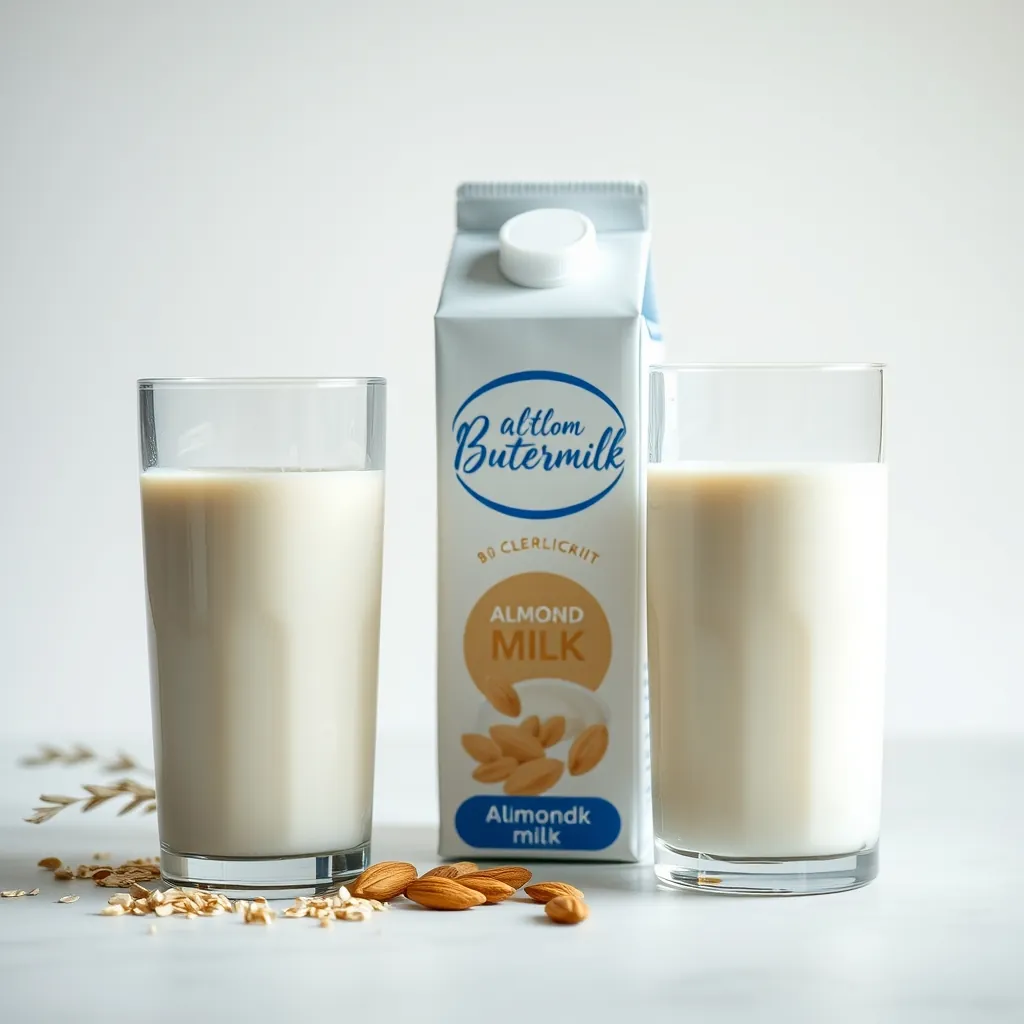
Milk adds moisture, tenderizes gluten, and helps with browning. The swap changes the final color and crumb.
- Oat milk: Best all-around substitute for whole milk. It has a neutral flavor and similar protein content. Use 1 cup for 1 cup.
- Almond milk: Use 1 cup for 1 cup. It is lower in protein, so baked goods may be less tender and more prone to browning.
- Soy milk: Use 1 cup for 1 cup. It has the highest protein content among plant milks, making it ideal for cakes and breads.
- Buttermilk substitute: Add 1 tablespoon lemon juice or white vinegar to 1 cup of milk (dairy or oat). Let it sit for 5-10 minutes until it curdles. Use 1 cup for 1 cup of buttermilk.
- Cream cheese substitute: For cheesecake or frosting, blend 1 cup of silken tofu with 2 tablespoons lemon juice and a pinch of salt. This mimics the tangy, creamy texture.
- Sweetened condensed milk substitute: Combine 1 cup of powdered milk with ⅔ cup of sugar and ⅓ cup of boiling water. Blend until smooth. Use 1 cup for 1 cup.
Browning note: Milk contains lactose and proteins that brown during baking. Substitutes like oat milk and soy milk brown similarly, while almond milk browns faster. Reduce oven temperature by 25°F if using almond milk for delicate cakes.
Flour Substitutes
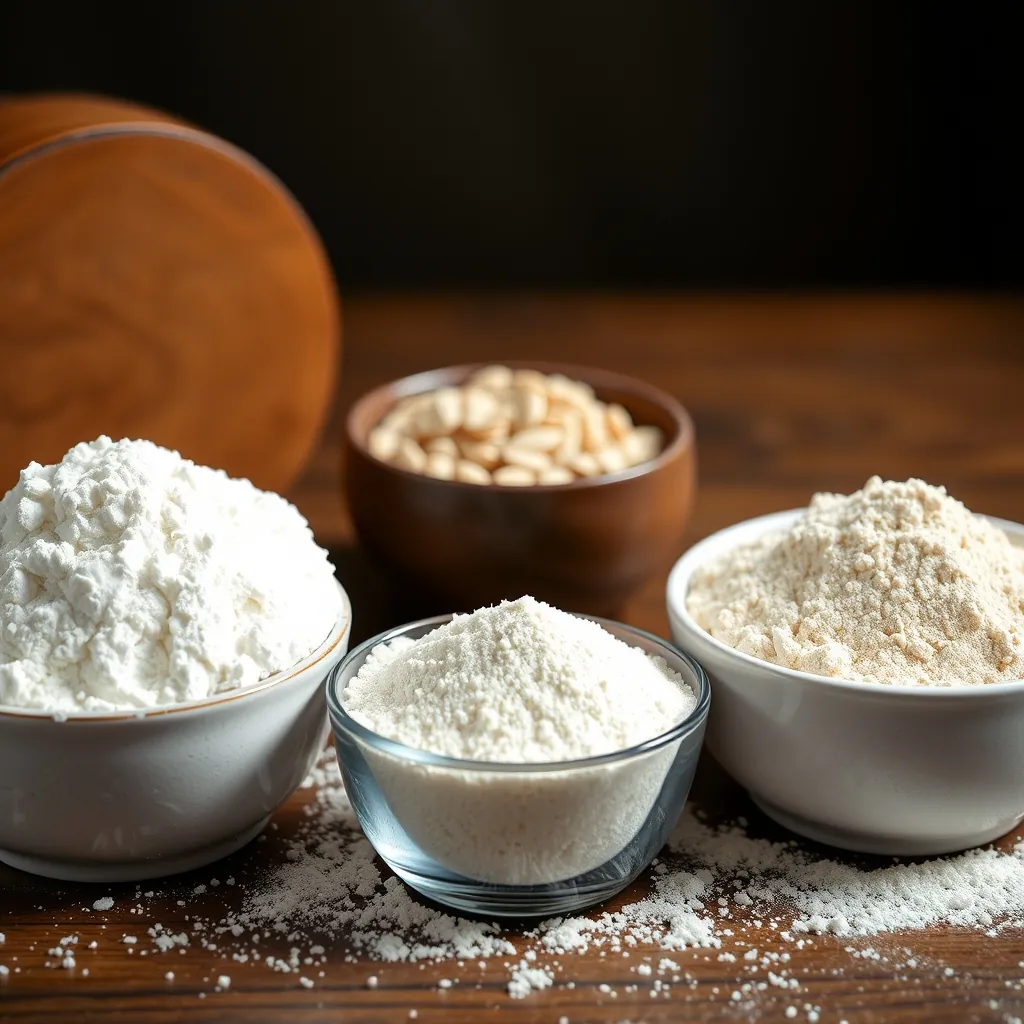
Flour provides structure through gluten. Swapping flours changes density and chewiness.
- Whole wheat flour: Replace 1 cup of all-purpose flour with ¾ cup whole wheat + ¼ cup all-purpose flour. This prevents the baked goods from becoming too dense and dry.
- Cake flour substitute: For 1 cup of cake flour, remove 2 tablespoons from 1 cup of all-purpose flour and replace with 2 tablespoons of cornstarch. Sift together well.
- Bread flour substitute: Use 1 cup of all-purpose flour plus 1 tablespoon of vital wheat gluten. This increases protein content for a chewier texture.
- Gluten-free all-purpose blend: Use 1 cup for 1 cup. Add ½ teaspoon of xanthan gum per cup if your blend does not already contain it.
- Almond flour: Do not substitute 1:1. Use ¼ cup almond flour plus ¾ cup all-purpose flour for best results. Almond flour adds moisture and nutty flavor.
Scaling tip: When halving a recipe that uses whole wheat flour, the ratio remains the same. When doubling, consider using 100% all-purpose flour for the second half to avoid an overly dense result.
Sugar Substitutes
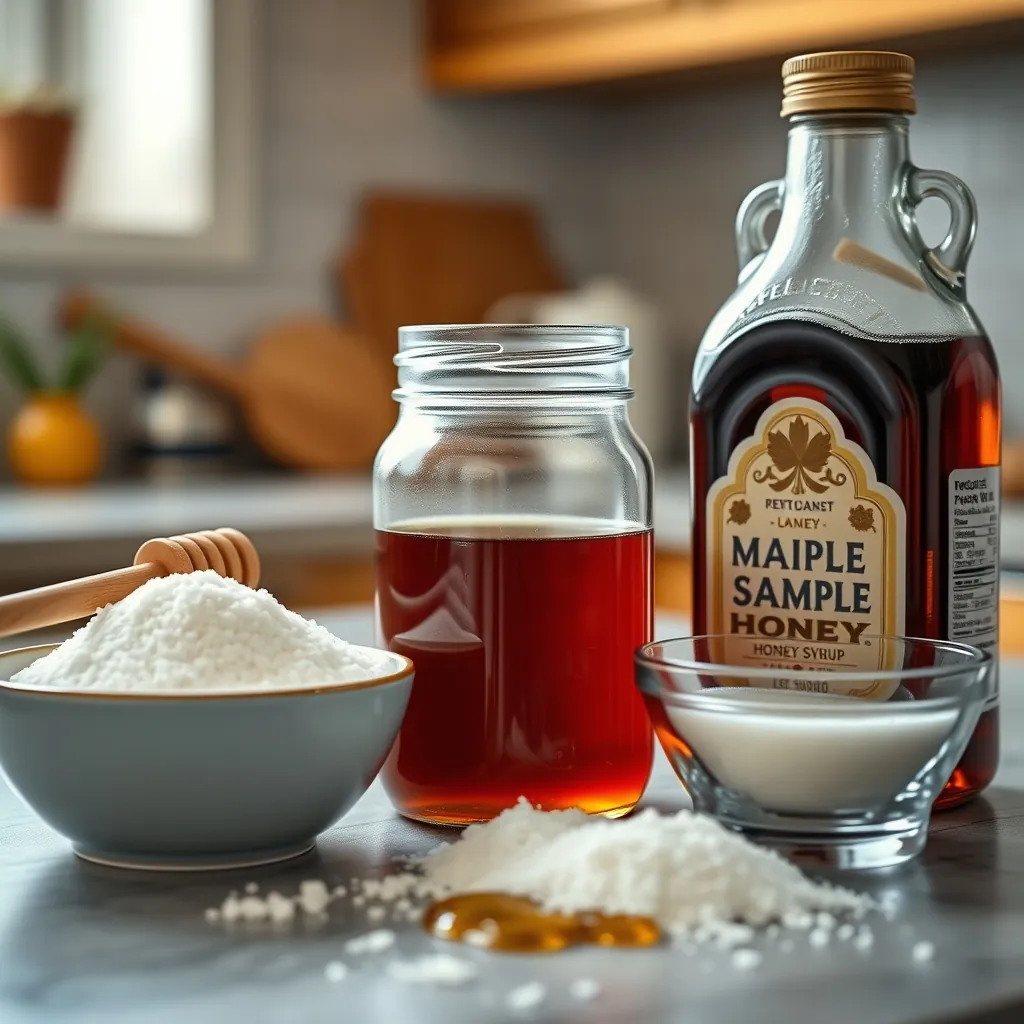
Sugar adds sweetness, tenderness, and browning. Liquid sweeteners change the moisture content significantly.
- Honey: Replace 1 cup of granulated sugar with ¾ cup honey. Reduce the liquid in the recipe by ¼ cup and lower oven temperature by 25°F. Honey makes baked goods darker and more moist.
- Maple syrup: Replace 1 cup of granulated sugar with ¾ cup maple syrup. Reduce liquid by 3 tablespoons and lower oven temperature by 25°F. It adds a distinct maple flavor.
- Coconut sugar: Use 1 cup for 1 cup. It is less sweet than white sugar, so you may need to increase the amount by ¼ cup. It also darkens the final product.
- Brown sugar substitute: Mix 1 cup of granulated sugar with 2 tablespoons of molasses. Use 1 cup for 1 cup of brown sugar.
- Powdered sugar substitute: Blend 1 cup of granulated sugar with 1 tablespoon of cornstarch in a high-speed blender until powdery. Sift before use.
Texture impact: Honey and maple syrup add moisture, so your cookies will spread more and be chewier. Coconut sugar produces a drier, crumblier texture than white sugar.
Leavening Agent Substitutes
Leaveners create air bubbles that make baked goods rise. The wrong swap can lead to flat, dense results.
- Baking powder substitute: Mix ¼ teaspoon baking soda + ½ teaspoon cream of tartar for 1 teaspoon of baking powder. Use immediately.
- Baking soda substitute: Use 2 teaspoons of baking powder for every ½ teaspoon of baking soda. Reduce the acidic ingredient in the recipe (like lemon juice or buttermilk) by the same amount.
- Yeast substitute: In a pinch, use 1 teaspoon of baking powder per cup of flour for quick breads. This will not give the same rise or texture as yeast.
Scaling tip: When doubling a recipe that uses baking soda, double the substitute exactly. Baking soda is a chemical reaction; too much or too little can ruin the texture. For baking powder substitutes, mix fresh each time as cream of tartar loses potency over time.
Chocolate Substitutes
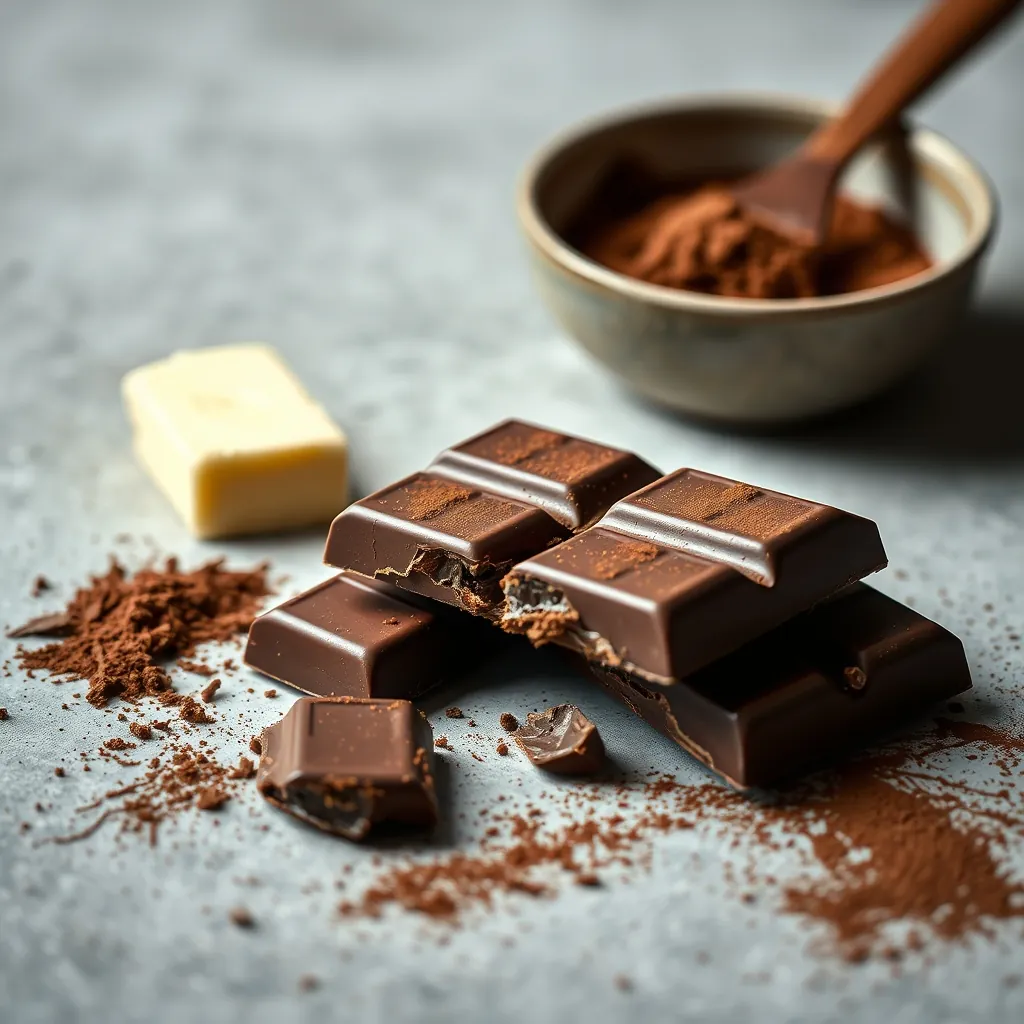
Chocolate provides flavor, fat, and structure. The swap changes sweetness and richness.
- Unsweetened chocolate: Replace 1 ounce with 3 tablespoons cocoa powder + 1 tablespoon butter or oil. This keeps the fat content balanced.
- Semi-sweet chocolate: Use 1 ounce unsweetened chocolate + 1 tablespoon sugar for 1 ounce of semi-sweet chocolate.
- Chocolate chips: Use 1 cup of chopped chocolate bars for 1 cup of chips. Bars melt more evenly than chips due to lower stabilizer content.
- Cocoa powder substitute: Use 1 ounce of unsweetened chocolate minus 1 tablespoon of butter for every 3 tablespoons of cocoa powder. This works in a pinch but changes texture.
Specialty Ingredient Substitutions
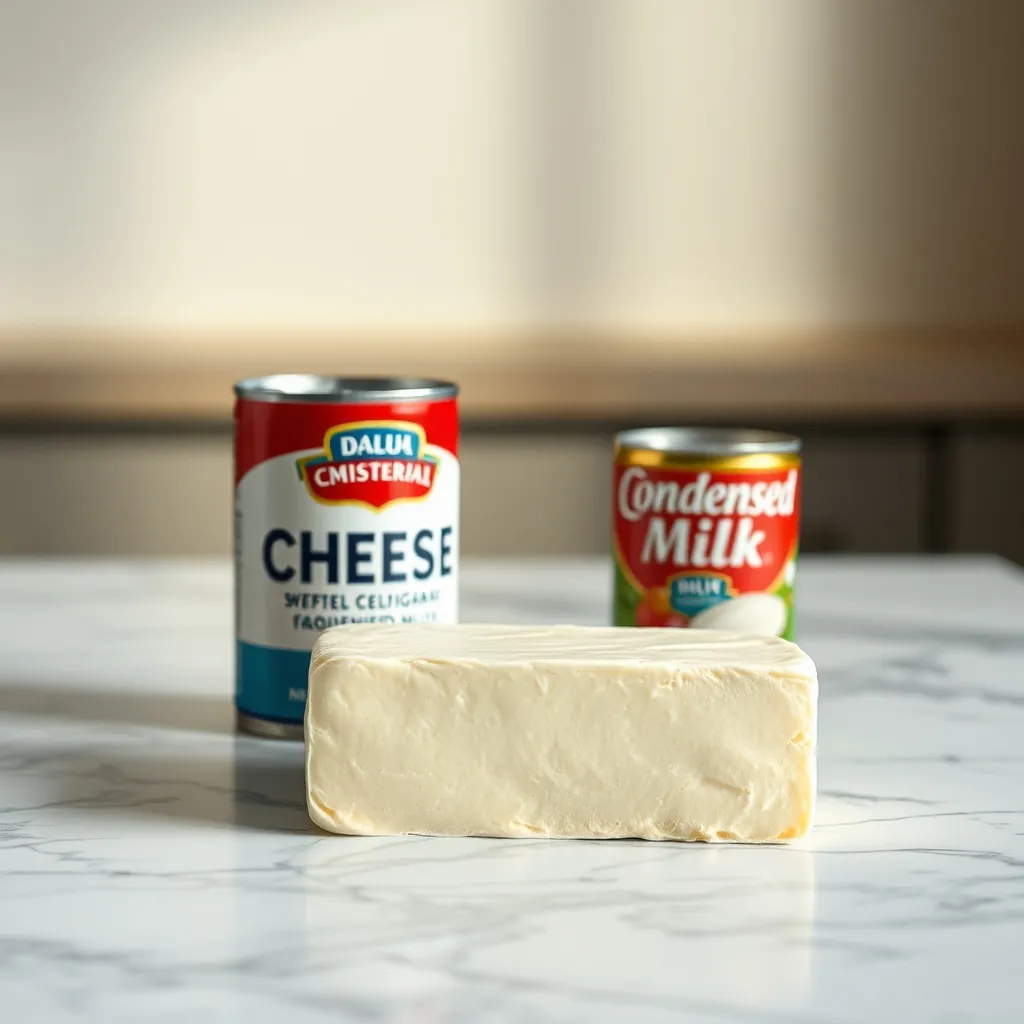
Most guides skip these, but they are essential for certain recipes.
- Cream cheese (for cheesecake): Blend 1 cup of silken tofu with 2 tablespoons lemon juice and a pinch of salt. For a richer version, add 2 tablespoons of melted coconut oil.
- Sweetened condensed milk: Combine 1 cup of powdered milk with ⅔ cup of sugar and ⅓ cup of boiling water. Blend until smooth. This works in fudge, pies, and cookies.
- Buttermilk powder: Use 4 tablespoons of powder plus 1 cup of water for 1 cup of buttermilk. This is shelf-stable and convenient for frequent bakers.
- Vanilla extract: Use 1 teaspoon of vanilla bean paste or 1 whole vanilla bean (split and scraped) for 1 teaspoon of extract. Alternatively, use 1 teaspoon of maple syrup or almond extract for a different flavor profile.
How Substitutions Affect Texture, Moisture, and Browning

Every swap changes the final product. Here is what to expect.
- Egg substitutes: Flax and chia eggs add fiber and make baked goods denser. Applesauce adds moisture and sweetness. Commercial replacers maintain structure best for delicate cakes.
- Butter substitutes: Coconut oil and shortening produce a tender crumb but less browning. Butter contains milk solids that brown faster, giving cookies and cakes a golden color.
- Milk substitutes: Oat milk and soy milk brown similarly to dairy. Almond milk browns faster and can burn if not watched. Lower oven temperature by 25°F for almond milk.
- Sugar substitutes: Honey and maple syrup add moisture and darken the final product. Reduce liquid and lower oven temperature to compensate.
- Flour substitutes: Whole wheat flour absorbs more liquid, so add an extra tablespoon of milk per cup. Gluten-free blends often require more fat or eggs for structure.
Free Printable Baking Substitution Chart

Print this chart and keep it in your kitchen for quick reference. It covers all the substitutions above plus a few extras.
| Ingredient (1 cup or 1 unit) | Substitute | Notes |
|---|---|---|
| 1 egg | 1 tbsp flaxseed + 3 tbsp water | Best for cookies and brownies |
| 1 cup buttermilk | 1 cup milk + 1 tbsp lemon juice or vinegar | Let sit 5-10 minutes |
| 1 cup unsalted butter | 1 cup coconut oil (solid) or shortening | Reduces browning |
| 1 cup all-purpose flour | ¾ cup whole wheat + ¼ cup all-purpose | Adds density and fiber |
| 1 cup granulated sugar | ¾ cup honey | Reduce liquid by ¼ cup, lower oven 25°F |
| 1 tsp baking powder | ¼ tsp baking soda + ½ tsp cream of tartar | Use immediately |
| 1 oz unsweetened chocolate | 3 tbsp cocoa powder + 1 tbsp butter or oil | Keeps fat balanced |
| 1 cup cream cheese | 1 cup silken tofu + 2 tbsp lemon juice + pinch salt | Blend until smooth |
| 1 cup sweetened condensed milk | 1 cup powdered milk + ⅔ cup sugar + ⅓ cup boiling water | Blend until smooth |
Pro tip: Write the date on your chart when you print it. Substitution ratios are based on standard measurements. If you use a different brand or type of ingredient, test a small batch first.
Final Tips for Successful Substitutions

These rules apply to every swap you make.
- Test in small batches first. If you are trying a new substitute for a special occasion, bake a test batch to see how it behaves.
- Adjust for moisture. Liquid sweeteners and applesauce add water. Reduce other liquids by the same amount to maintain consistency.
- Watch the oven. Substitutions often change browning. Check your baked goods 5 minutes early and adjust time accordingly.
- Do not substitute more than two ingredients at once. Too many changes compound unpredictably. Stick to one or two swaps per recipe.
- Write down what you did. If the result is good, you will want to repeat it. If it is bad, you will know what to avoid.
Baking is science, but it is also art. Understanding substitutions gives you the freedom to experiment without fear. Keep this guide nearby, and you will never have to abandon a recipe again.
Frequently Asked Questions
- Can I substitute oil for butter in any baking recipe? Yes, but it changes the texture. Oil creates a denser, moister crumb, while butter adds fluffiness and browning. Use 1 cup of coconut oil or vegetable oil for 1 cup of butter, but expect a chewier result.
- What is the best egg substitute for cakes? Commercial egg replacers work best for delicate cakes as they maintain structure without adding moisture. Applesauce is a good second choice for denser cakes, but it can make the cake heavier.
- How do I substitute buttermilk if I don’t have milk? You can make a buttermilk substitute using non-dairy milk like oat milk. Add 1 tablespoon of lemon juice or vinegar to 1 cup of oat milk, let it sit for 5-10 minutes, and use it as you would regular buttermilk.
- Can I use almond flour instead of all-purpose flour? Not directly. Almond flour is gluten-free and high in fat, so it behaves differently. For best results, use ¼ cup almond flour plus ¾ cup all-purpose flour per cup of all-purpose flour. It adds moisture and a nutty flavor.
- What happens if I substitute honey for sugar in cookies? Honey adds moisture and sweetness, so cookies will spread more and be chewier. Reduce the liquid in the recipe by ¼ cup and lower the oven temperature by 25°F to prevent over-browning.
Leave a Reply