Your cart is currently empty!
The Definitive Guide to Cooking Beef: Cuts, Temperatures, and Techniques
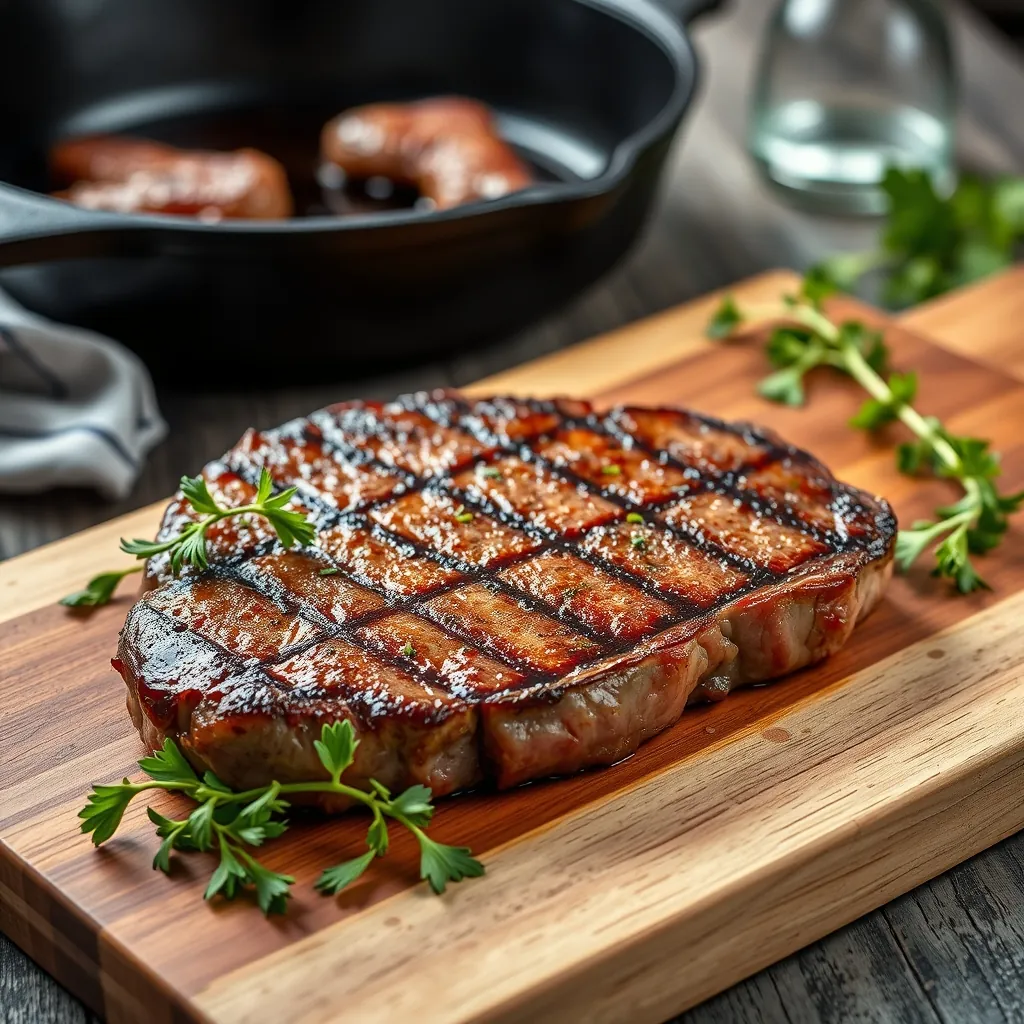
Understanding Beef Cuts and Their Best Cooking Methods
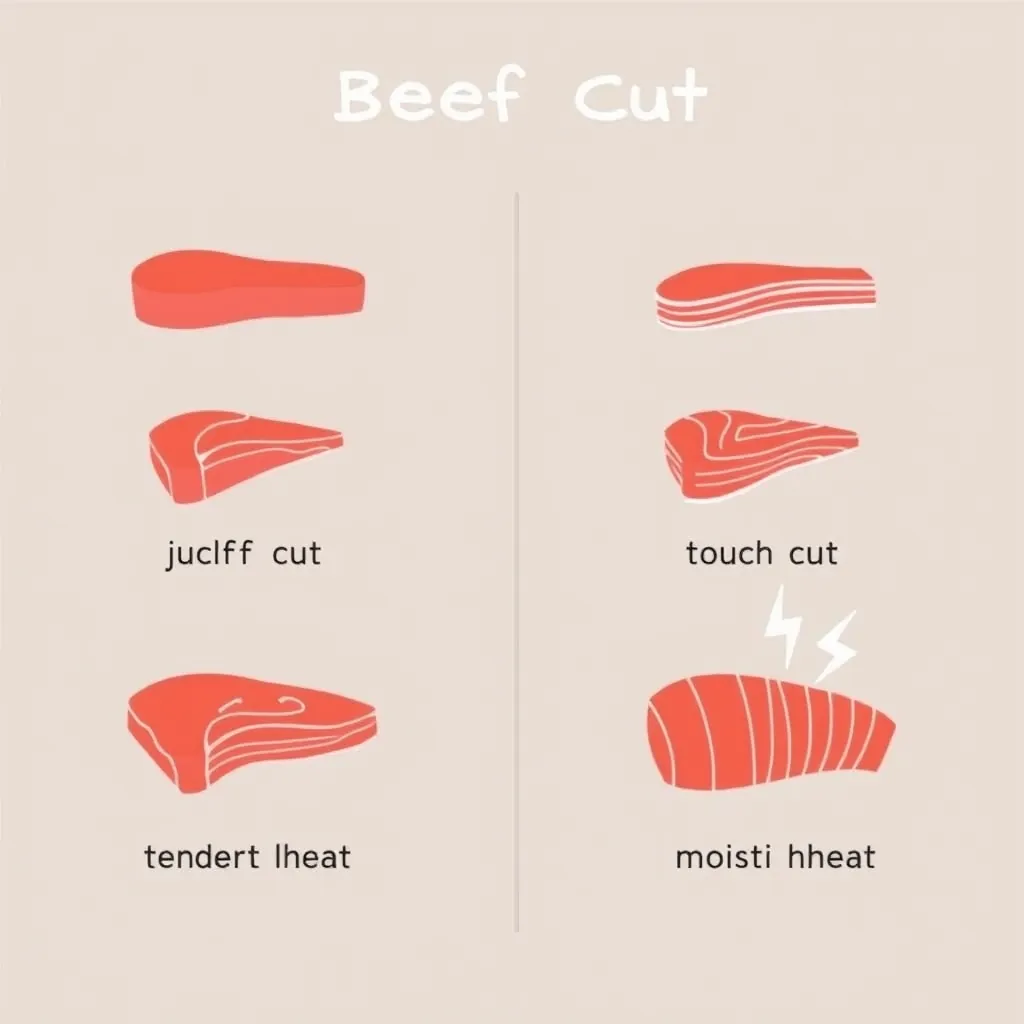
Not all beef is the same. The cut determines your cooking method. Tender cuts from the rib and loin, like ribeye or tenderloin, work best with high heat and short cooking times. Tougher cuts from the shoulder or leg, such as chuck or brisket, require slow, moist cooking to break down connective tissue. This principle is the foundation of all good beef cooking.
Choose your cut based on your time and recipe. A ribeye steak needs only minutes. A beef brisket needs hours. Both can be exceptional when treated correctly.
Dry Heat Methods for Tender Cuts
- Grilling: High direct heat for steaks and burgers.
- Pan-searing: Creates a crust via the Maillard reaction.
- Roasting: Oven cooking for larger cuts like prime rib.
Moist Heat Methods for Tough Cuts
- Braising: Cooking in liquid at low temperatures.
- Stewing: Small pieces fully submerged in liquid.
- Slow cooking: Long, gentle cooking in a covered pot.
Adjusting Cooking Time for Steak Thickness
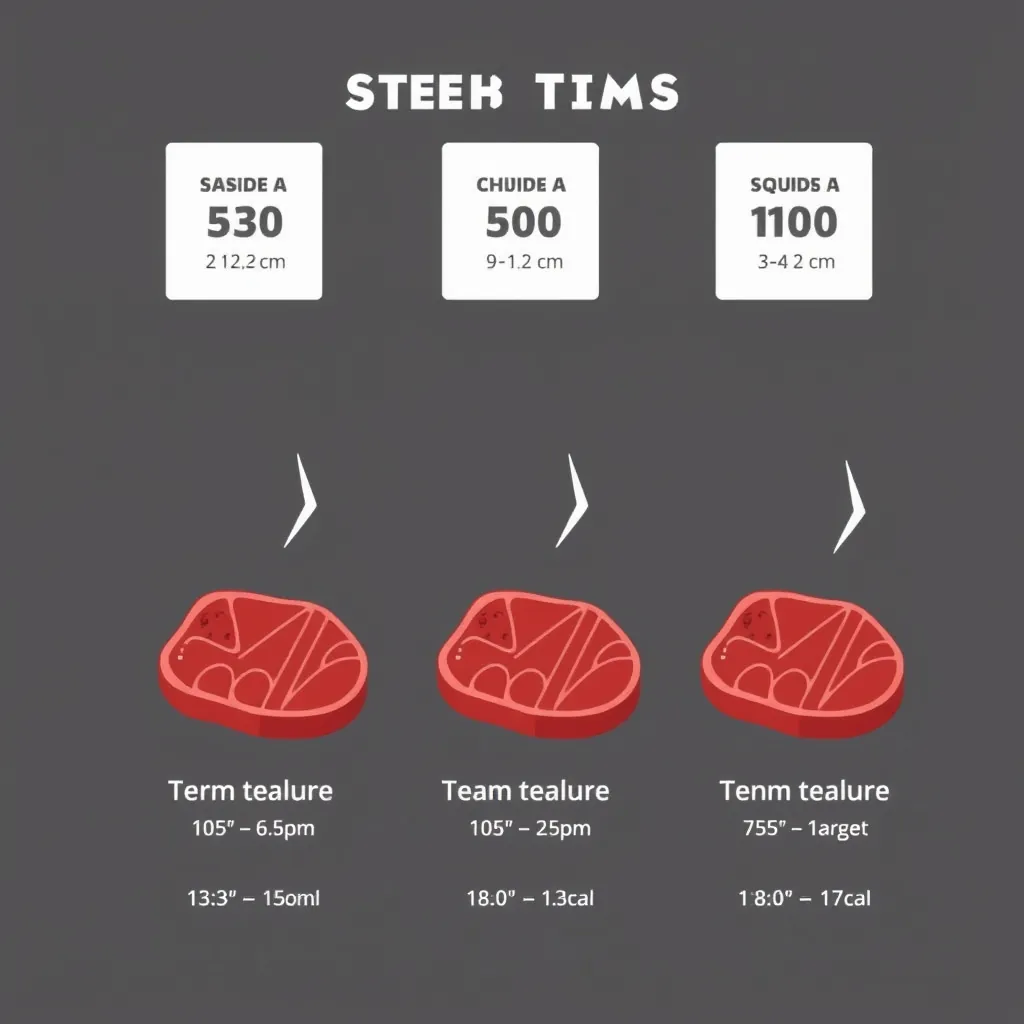
Most guides skip this detail. A 1-inch thick steak cooks much faster than a 2-inch steak. Thickness directly affects cooking time. For a 1-inch steak, sear 3 to 4 minutes per side for medium rare. For a 2-inch steak, sear 4 to 5 minutes per side, then finish in a 400°F oven for 5 to 8 minutes.
Use a meat thermometer. It removes all guesswork. Insert it into the thickest part of the steak, away from bone or fat. The temperature tells you when to stop cooking.
Beef Doneness Levels and Internal Temperatures
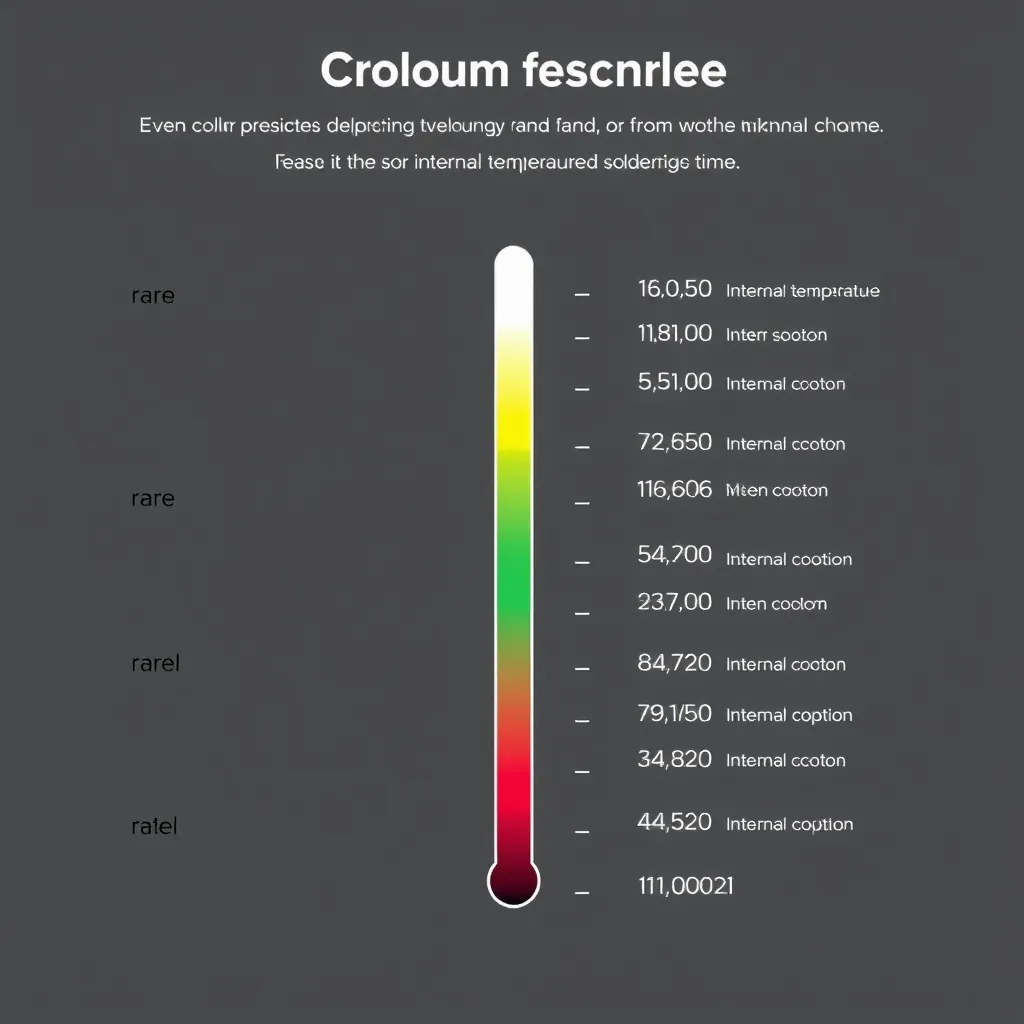
Internal temperature defines doneness. Remove beef from heat 5°F below your target. Carryover cooking will raise the temperature during resting.
| Doneness | Internal Temperature | Description |
|---|---|---|
| Rare | 120-125°F (49-52°C) | Cool red center, very soft |
| Medium Rare | 130-135°F (54-57°C) | Warm red center, tender |
| Medium | 140-145°F (60-63°C) | Pink center, firmer |
| Medium Well | 150-155°F (65-68°C) | Slight pink, less juicy |
| Well Done | 160°F (71°C) and above | No pink, firm and dry |
Medium rare at 145°F is a common target. It balances flavor, juiciness, and safety.
The Science of Tenderizing Beef Through Marination
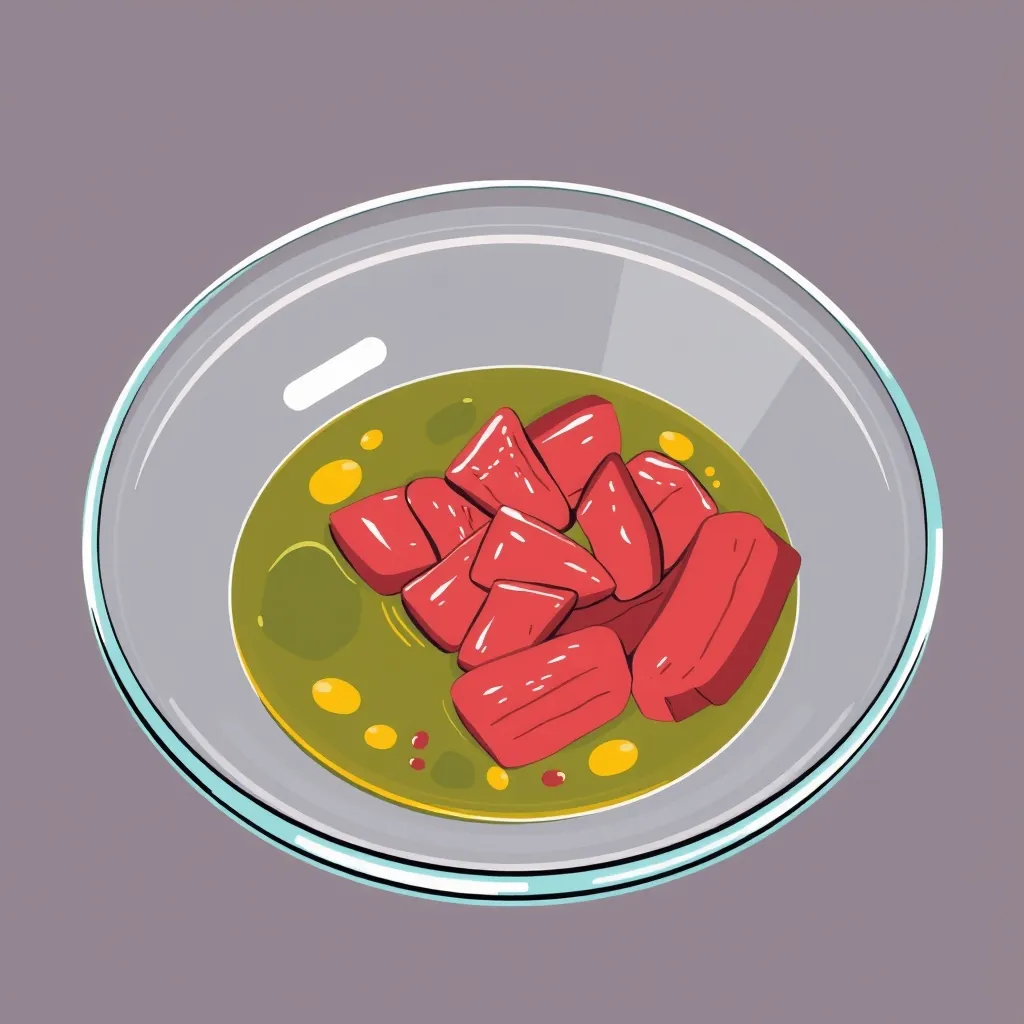
Marination tenderizes through chemistry. Acids like vinegar or lemon juice weaken protein bonds. Enzymes in pineapple, papaya, or kiwi break down collagen. Salt helps proteins retain moisture.
Do not over-marinate. Thin cuts need 30 minutes. Thick cuts need 2 to 4 hours. Longer times can make meat mushy. Always marinate in the refrigerator. Discard leftover marinade or boil it before using as a sauce.
How to Cook Beef from Frozen Without Compromising Texture
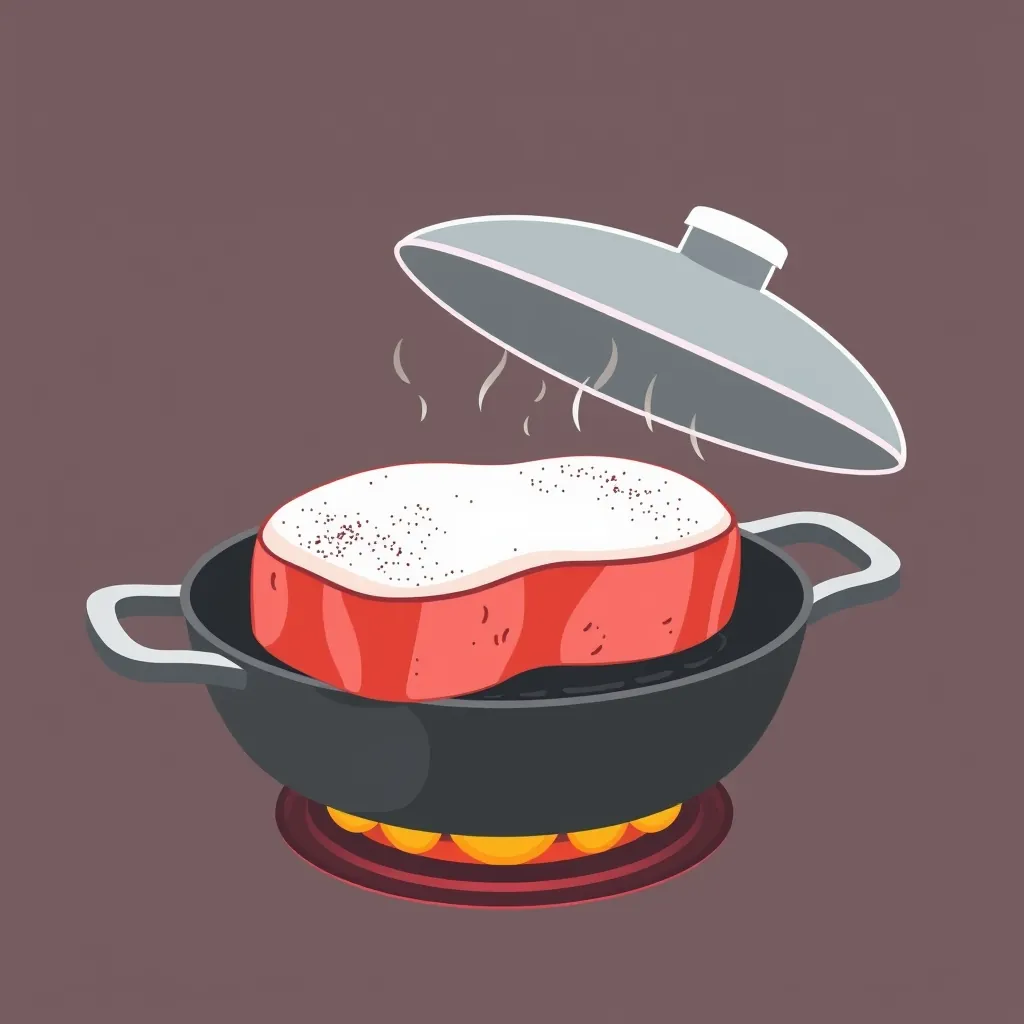
Cooking beef from frozen is possible. Thawing first is better, but not always practical. For frozen steaks, use a two-step method. First, sear both sides in a hot pan for 2 minutes each. Then transfer to a 275°F oven and cook until the internal temperature reaches your target. This method prevents a raw center and a burnt exterior.
For ground beef, cook frozen directly in a pan over medium heat. Break it apart as it thaws. Expect longer cooking times. Use a thermometer to confirm safety. Ground beef must reach 160°F.
Resting and Slicing Beef for Maximum Tenderness
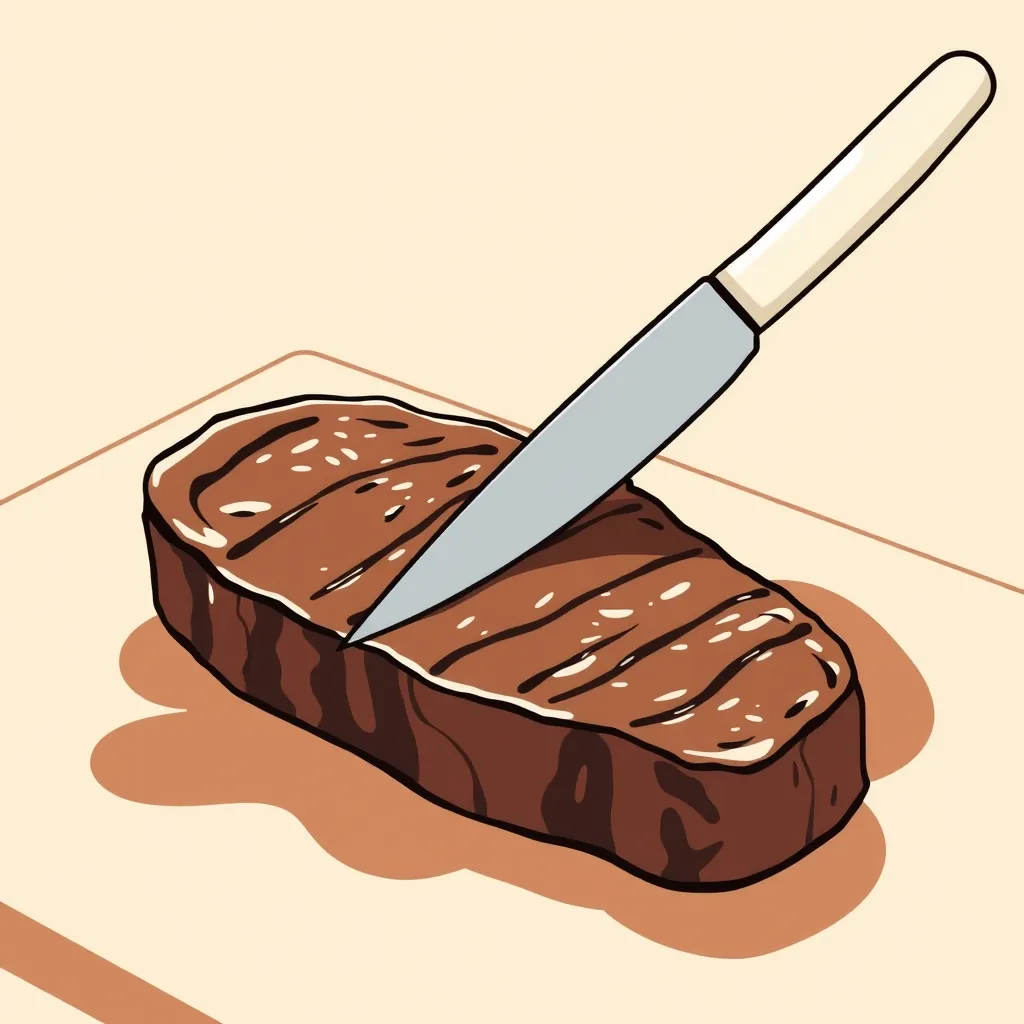
Resting is not optional. Rest beef for 5 to 10 minutes after cooking. This allows juices to redistribute throughout the meat. Slice too early and juices run out onto the board. Your plate ends up dry.
Slice against the grain. Look at the muscle fibers in the cooked meat. Cut perpendicular to those lines. This shortens the fibers and makes each bite easier to chew. For round cuts or flank steak, this step is critical.
Key Techniques for Tender Beef Every Time
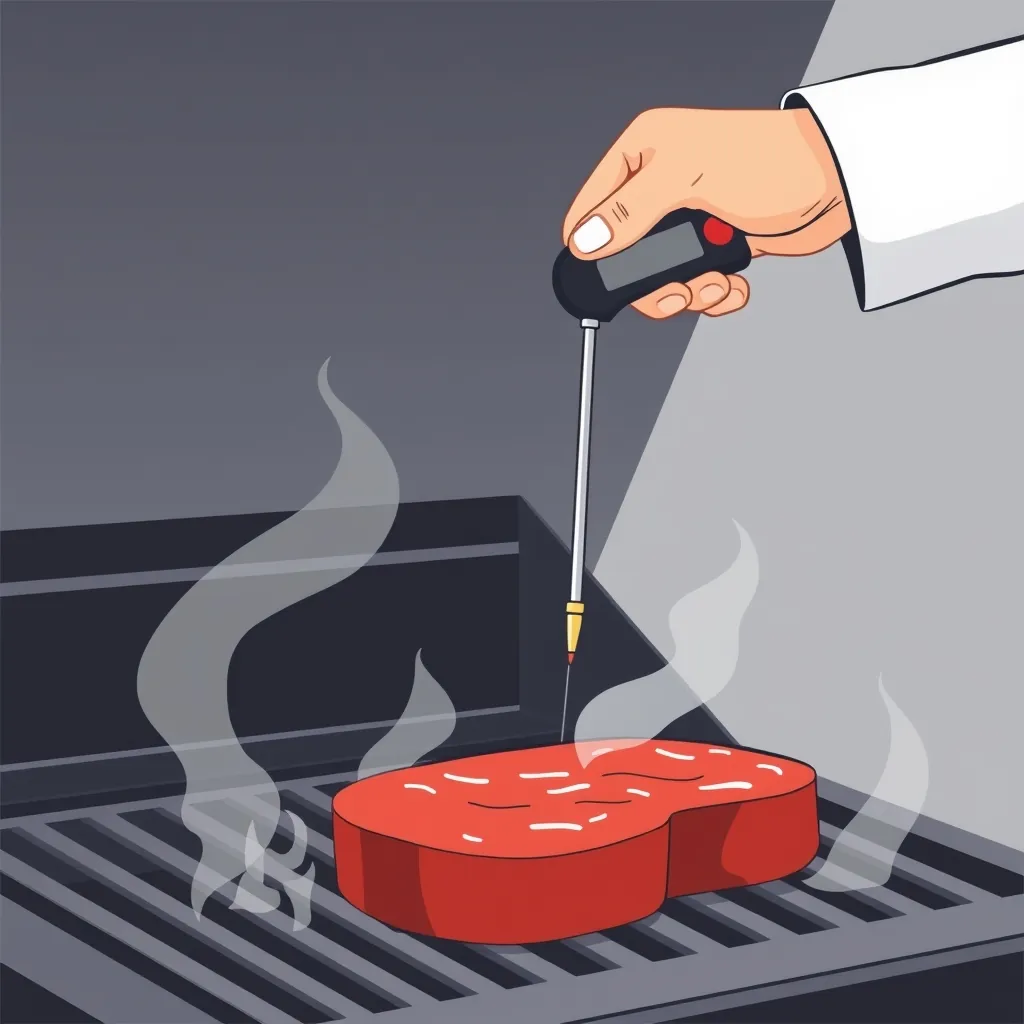
- Sear properly: High heat creates a brown crust. This is flavor.
- Use a thermometer: Doneness is temperature, not time.
- Rest before slicing: Let juices settle for 5 to 10 minutes.
- Slice against the grain: Short fibers mean less chewing.
- Match cut to method: Tender cuts for dry heat, tough cuts for moist heat.
Master these principles. Your beef will improve every time you cook. No guesswork. No dry results. Just consistent, satisfying meals.
Frequently Asked Questions
What is the best cut of beef for grilling?
Tender cuts like ribeye, sirloin, or tenderloin are best for grilling due to their tenderness and quick cooking time.
How do I know when my steak is done without a thermometer?
Use the hand test: press the steak and compare the firmness to the fleshy part of your hand below the thumb. But a thermometer is far more accurate.
Can I cook beef from frozen?
Yes, for steaks use a two-step method: sear then oven finish. For ground beef, cook directly in a pan, breaking it apart as it thaws.
Why is resting beef important?
Resting allows juices to redistribute throughout the meat, preventing them from running out when you slice, ensuring a moist result.
What does “slice against the grain” mean?
It means cutting perpendicular to the muscle fibers, which shortens them and makes the meat easier to chew.
Leave a Reply