Your cart is currently empty!
Master Vietnamese Noodles: The Definitive Cooking Guide 2024
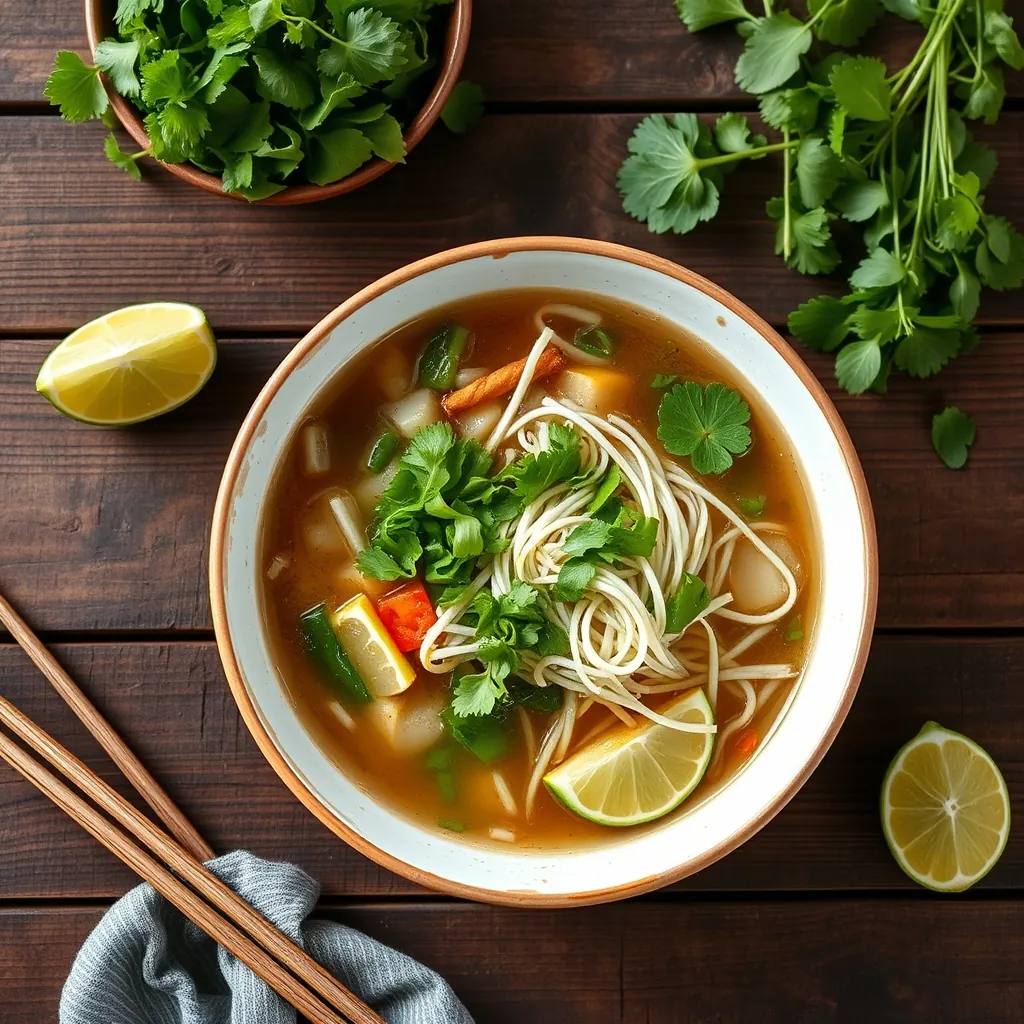
Understanding Vietnamese Noodle Varieties
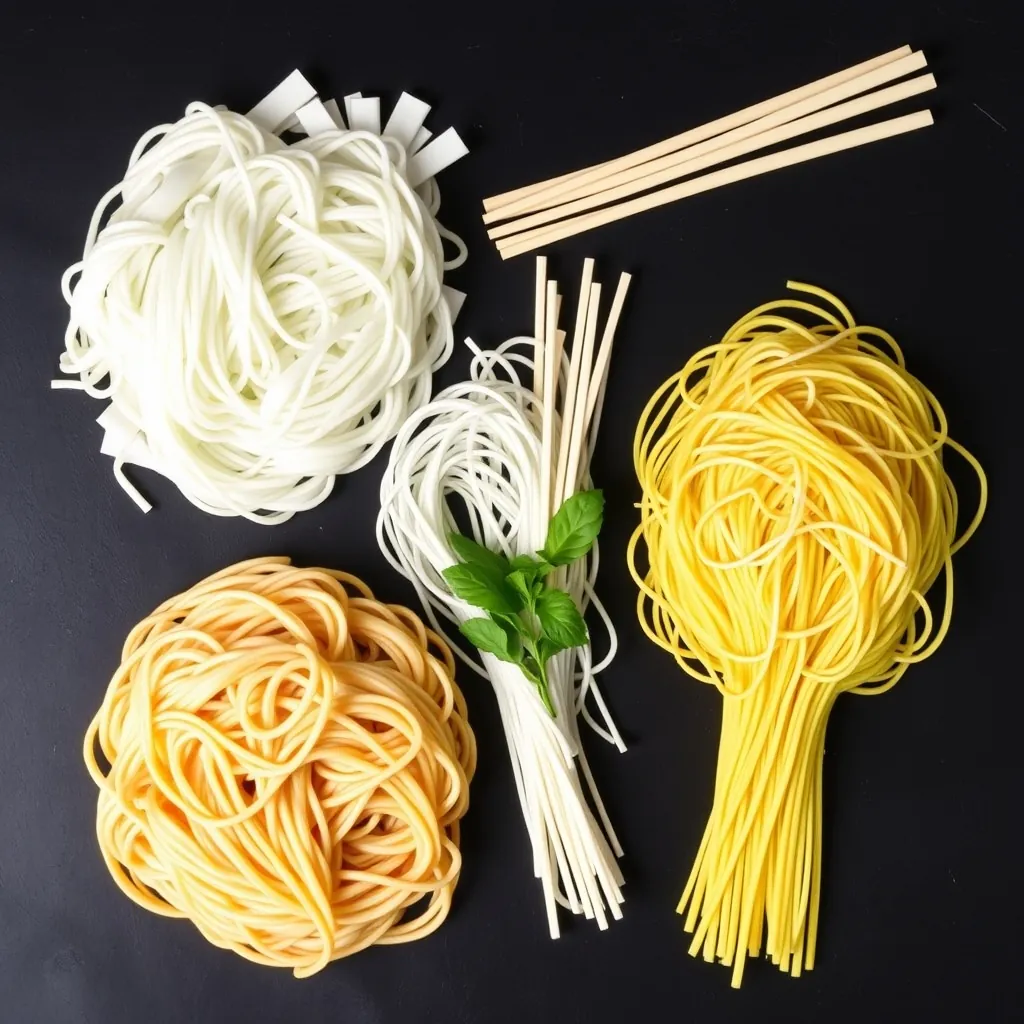
Vietnamese cuisine offers three primary noodle types. Pho uses flat rice noodles. Bun uses thin, round vermicelli. Mi uses yellow egg noodles. Each type demands a specific cooking approach. Fresh pho noodles cook in 3 to 5 minutes. Dried varieties need longer, usually 8 to 12 minutes. Thickness also matters. Small pho noodles cook faster than large ones. Check the package instructions but always test for doneness a minute early.
Fresh vs. Dried Noodles
Fresh noodles require less water and a shorter cooking time. They also release more starch. Dried noodles need a rolling boil and a longer soak. The key difference lies in preparation. Fresh noodles benefit from a quick rinse under cold water after cooking. This removes excess starch and prevents clumping. Dried noodles must be fully submerged and stirred occasionally to avoid sticking.
Preparing the Broth Foundation
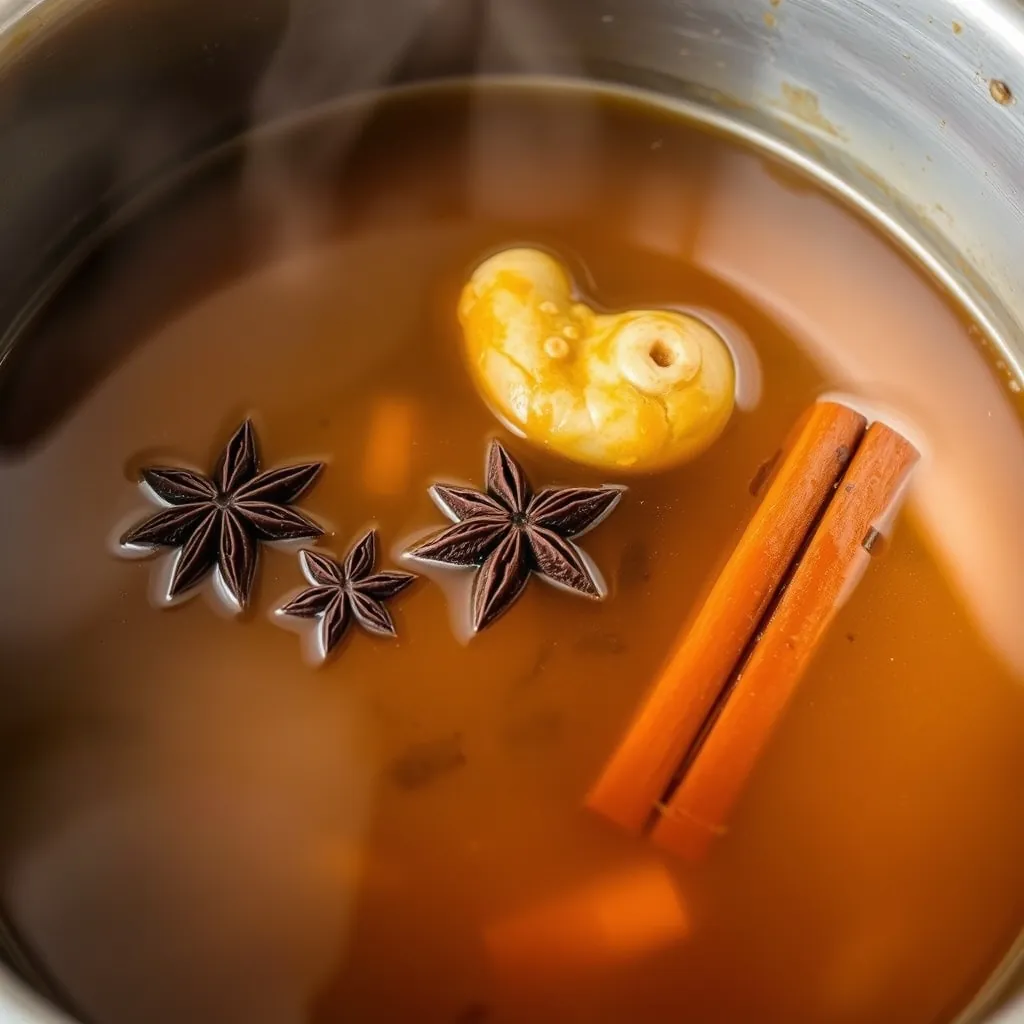
A great broth defines Vietnamese noodle dishes. Simmer beef bones, chicken, or pork with aromatics for at least two hours. Use star anise, cinnamon, ginger, and fish sauce. Char the ginger and onion before adding them to the pot. This adds a smoky depth. Skim the surface regularly to keep the broth clear. Strain the liquid through a fine mesh sieve. Season with fish sauce and salt, not soy sauce. The broth should be savory, slightly sweet, and aromatic.
Broth Variations for Different Dishes
Pho broth relies on beef bones and star anise. Bun Bo Hue uses a spicier, lemongrass-infused broth. Mi Quang needs a smaller amount of concentrated broth. Adjust your simmering time based on the dish. A quick 30-minute broth works for Mi Quang. Pho demands a full two hours. Taste and adjust seasoning at the end. Never boil the broth after adding noodles, as it can make them mushy.
Cooking Noodles to Perfect Texture
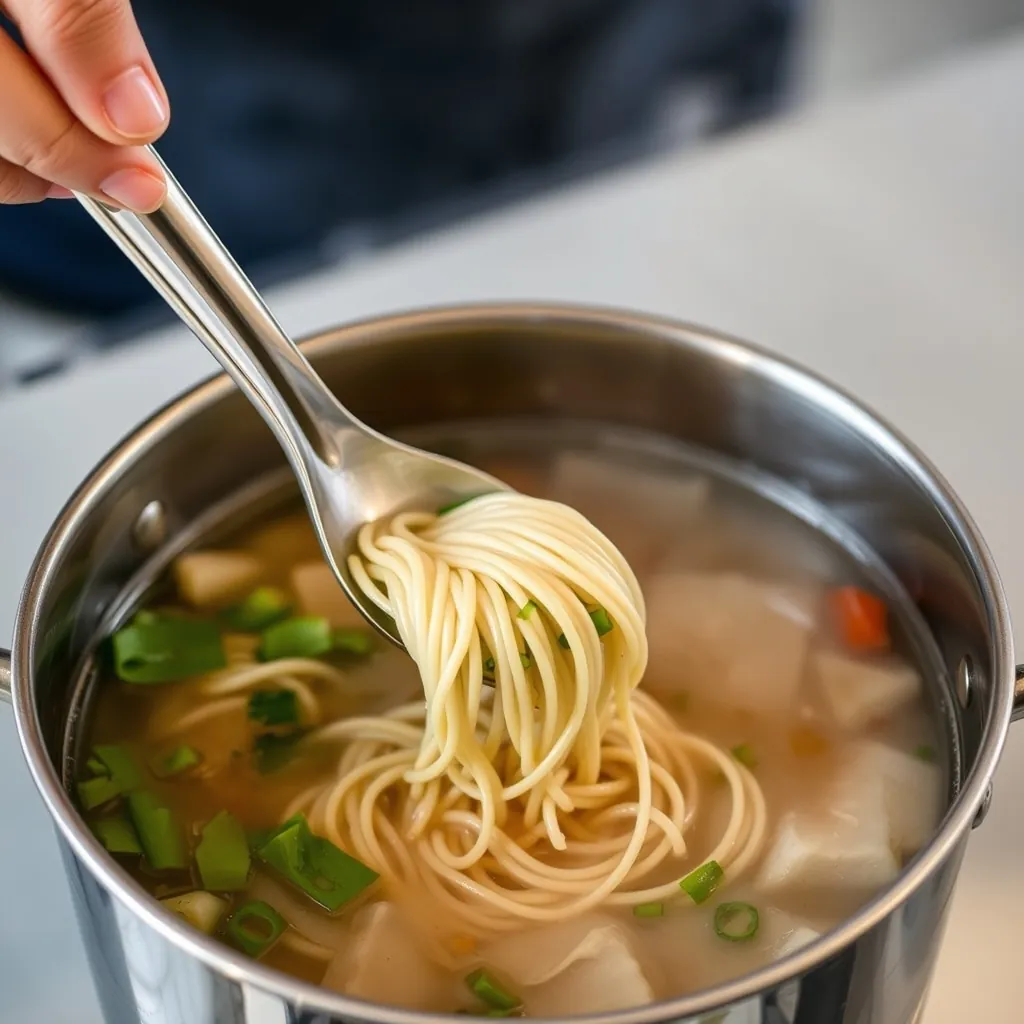
Boil a large pot of water. Use plenty of water, about four quarts per eight ounces of noodles. Add the noodles and stir immediately. Fresh rice noodles need only 3 to 5 minutes. Dried pho noodles require 8 to 12 minutes. Bun vermicelli cooks in 3 to 4 minutes. Mi egg noodles need 4 to 6 minutes. Test a strand by biting it. It should be tender but still firm. Drain immediately in a colander.
The Rinse and Drain Technique
Rinse the cooked noodles under cold running water. This stops the cooking process. It also washes away surface starch. Starch causes noodles to clump and become gummy. Shake the colander well. Let the noodles drain for at least two minutes. For best results, toss them with a small amount of neutral oil. This prevents sticking. Do not skip this step. It separates good noodles from great ones.
Adding Protein and Fresh Vegetables
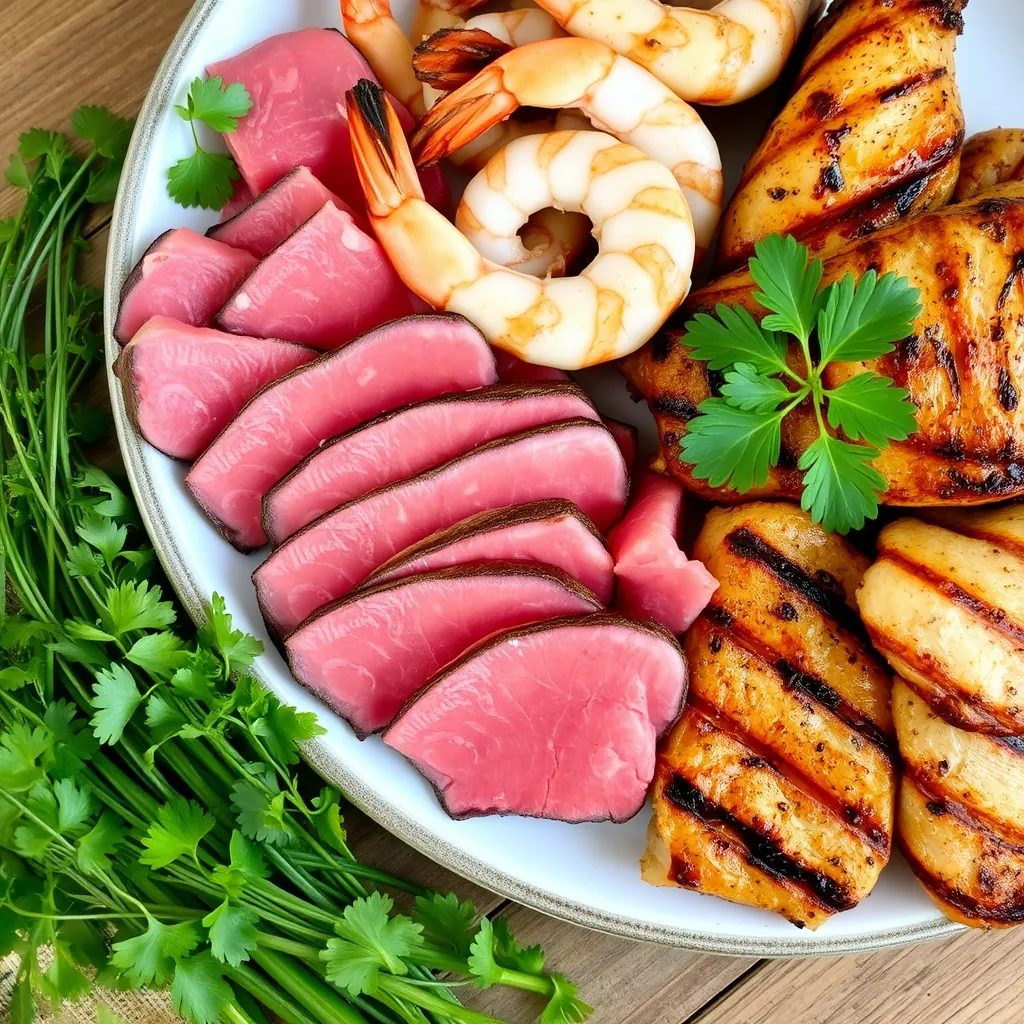
Protein choices vary by dish. Pho often uses thinly sliced raw beef that cooks in the hot broth. Bun dishes work well with grilled pork or spring rolls. Mi Quang pairs with shrimp and pork. Cook proteins separately. Slice them thin for quick warming. Add them to the bowl after the noodles. Vegetables should be fresh and crunchy. Bean sprouts, Thai basil, sawtooth herb, and lime wedges are standard. Add them just before eating to preserve their texture.
Adjusting Cooking Times for Noodle Thickness
Not all pho noodles are the same. Small pho noodles (about 3mm wide) cook in 3 to 4 minutes. Large pho noodles (5mm or wider) need 5 to 6 minutes. Thicker noodles absorb more broth but also require more careful timing. Overcooking makes them fall apart. Undercooking leaves a chalky center. Always test a single noodle before draining. If it feels firm but not hard, it is ready.
Plating and Garnishing Like a Pro
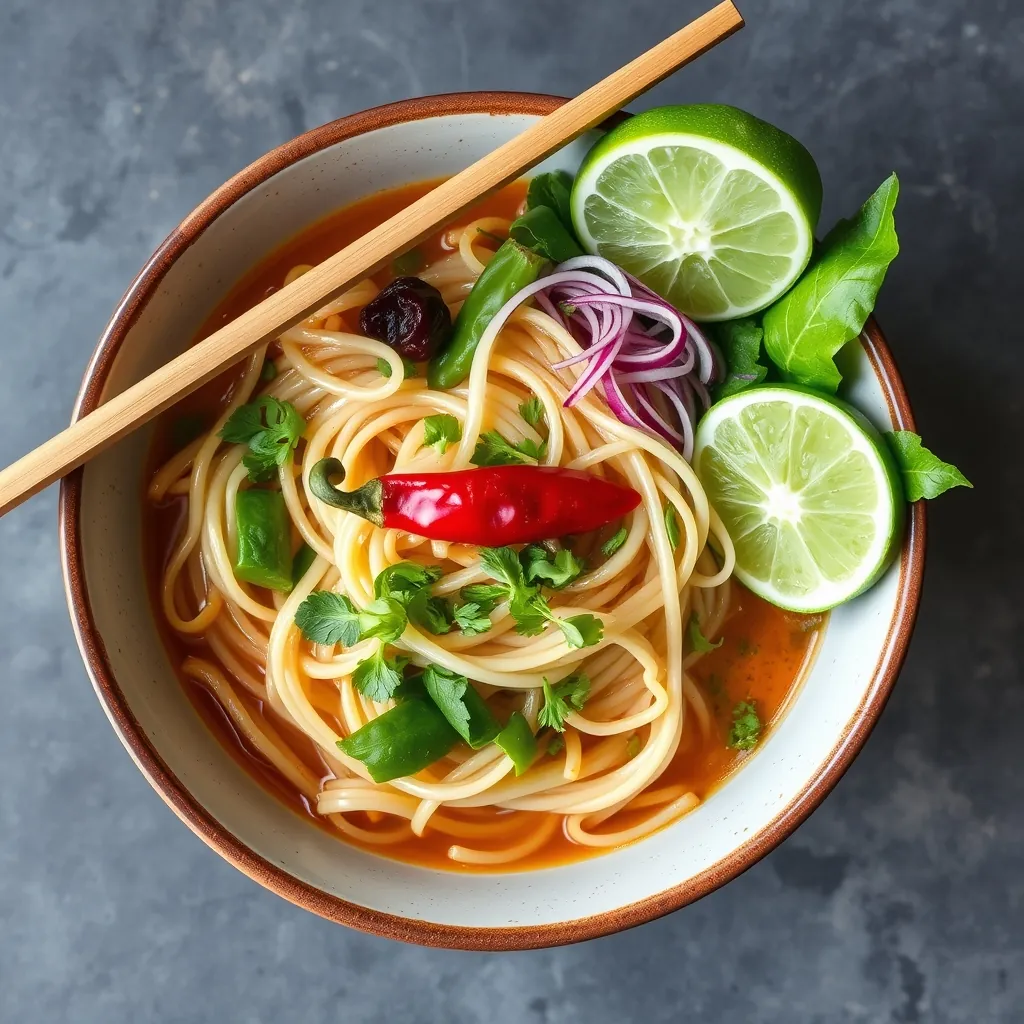
Place the drained noodles in a deep bowl. Arrange protein slices on one side. Ladle hot broth over the top. The broth should cover the noodles but not drown them. Garnish generously. Bean sprouts add crunch. Thai basil adds a licorice note. Lime juice brightens the flavor. Chili slices add heat. Serve extra herbs and lime on the side. Let each person customize their bowl. This interactive element is central to the experience.
Storing Leftover Cooked Noodles
Leftover noodles require careful storage. Cool them completely after cooking. Place them in an airtight container. Refrigerate for up to three days. To reheat, blanch them in boiling water for 10 seconds. Do not microwave them. Microwaving makes noodles rubbery. If the noodles are dry, add a teaspoon of water before reheating. For longer storage, freeze the noodles in a single layer on a baking sheet. Transfer to a freezer bag. They keep for up to two months. Thaw in the refrigerator overnight before use.
Common Mistakes and How to Avoid Them
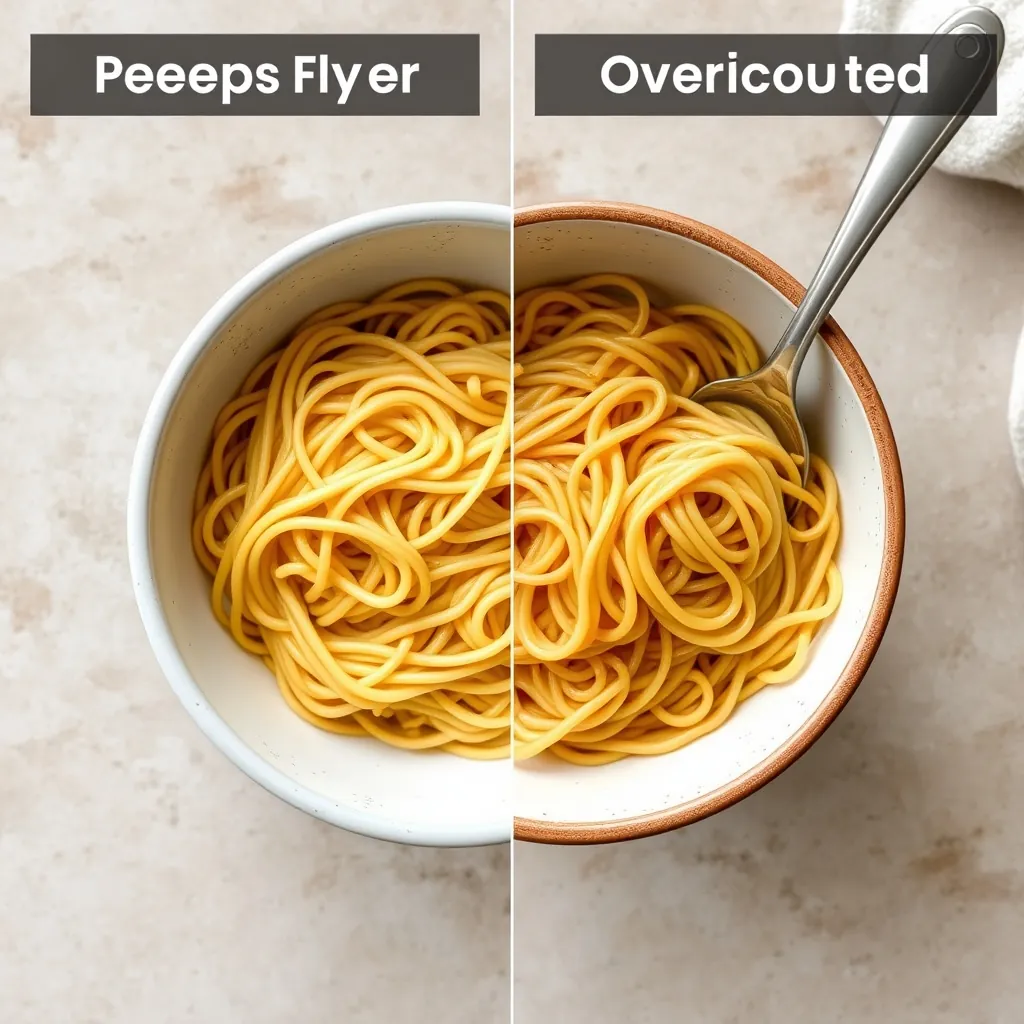
Overcooking is the most common error. Set a timer and taste early. Using too little water causes noodles to stick together. Always use a large pot. Skipping the rinse step leaves starch on the noodles. This creates a gluey texture. Adding noodles to cold broth makes them swell and break. Always add noodles to hot broth just before serving. Storing noodles with broth turns them into mush. Keep noodles and broth separate until serving.
Final Tips for Authentic Vietnamese Noodles
Fresh ingredients make a significant difference. Seek out Vietnamese markets for the best noodles and herbs. Practice the rinse and drain technique. It is the single most effective way to improve texture. Adjust cooking times based on noodle thickness. Store leftovers properly to extend their life. With these techniques, you can recreate restaurant-quality Vietnamese noodles at home. Each bowl becomes a balanced combination of tender noodles, rich broth, fresh herbs, and savory protein.
Master Vietnamese Noodles
Learn the exact techniques to cook perfect Vietnamese noodles at home. From pho to bun, master broth, texture, and storage tips.
Ingredients
- 8 ounces dried pho noodles
- 4 cups beef bone broth
- 2 star anise
- 1 cinnamon stick
- 1 inch ginger, charred
- 1 onion, charred
- 2 tablespoons fish sauce
- 1 teaspoon salt
- 8 ounces thinly sliced beef
- 1 cup bean sprouts
- 1/2 cup Thai basil leaves
- 1 lime, cut into wedges
- 2 tablespoons neutral oil
Instructions
- Char the ginger and onion over an open flame or under a broiler until blackened.
- Simmer beef bones, charred aromatics, star anise, cinnamon, fish sauce, and salt in 4 cups of water for 2 hours. Skim and strain.
- Boil a large pot of water (4 quarts per 8 ounces of noodles).
- Add dried pho noodles and cook for 8-12 minutes until tender but firm. Drain immediately.
- Rinse cooked noodles under cold running water to stop cooking and remove starch. Drain for 2 minutes.
- Toss noodles with 1 tablespoon neutral oil to prevent sticking.
- Place drained noodles in deep bowls. Arrange raw beef slices on one side.
- Ladle hot broth over the noodles and beef to cook the meat.
- Garnish with bean sprouts, Thai basil, and lime wedges.
Leave a Reply