Your cart is currently empty!
The Definitive Guide to Cooking Pho Bo at Home
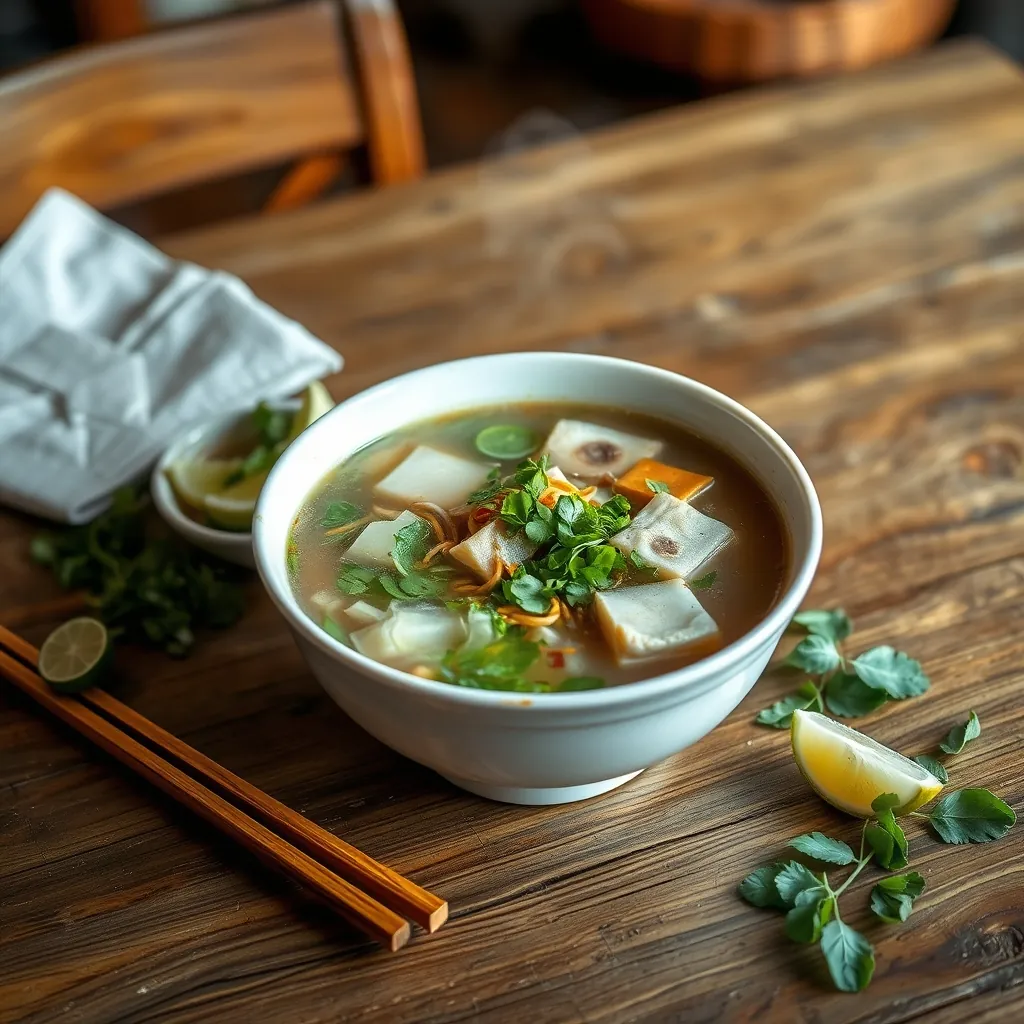
Pho Bo is more than a soup. It is a bowl of comfort built on a foundation of time, technique, and quality ingredients. The best bowls achieve a balance of deep beef flavor, fragrant spices, and a crystal-clear broth. This guide breaks down every step, from selecting bones to serving the final bowl. You will learn the secrets that separate a good pho from a great one.
Most recipes stop at the basics. We go further. We cover how to clarify your broth, the role of rock sugar, and how to adapt the recipe for specific diets. We also explain the key differences between Northern and Southern styles. Let us start.
Selecting the Right Bones and Meat
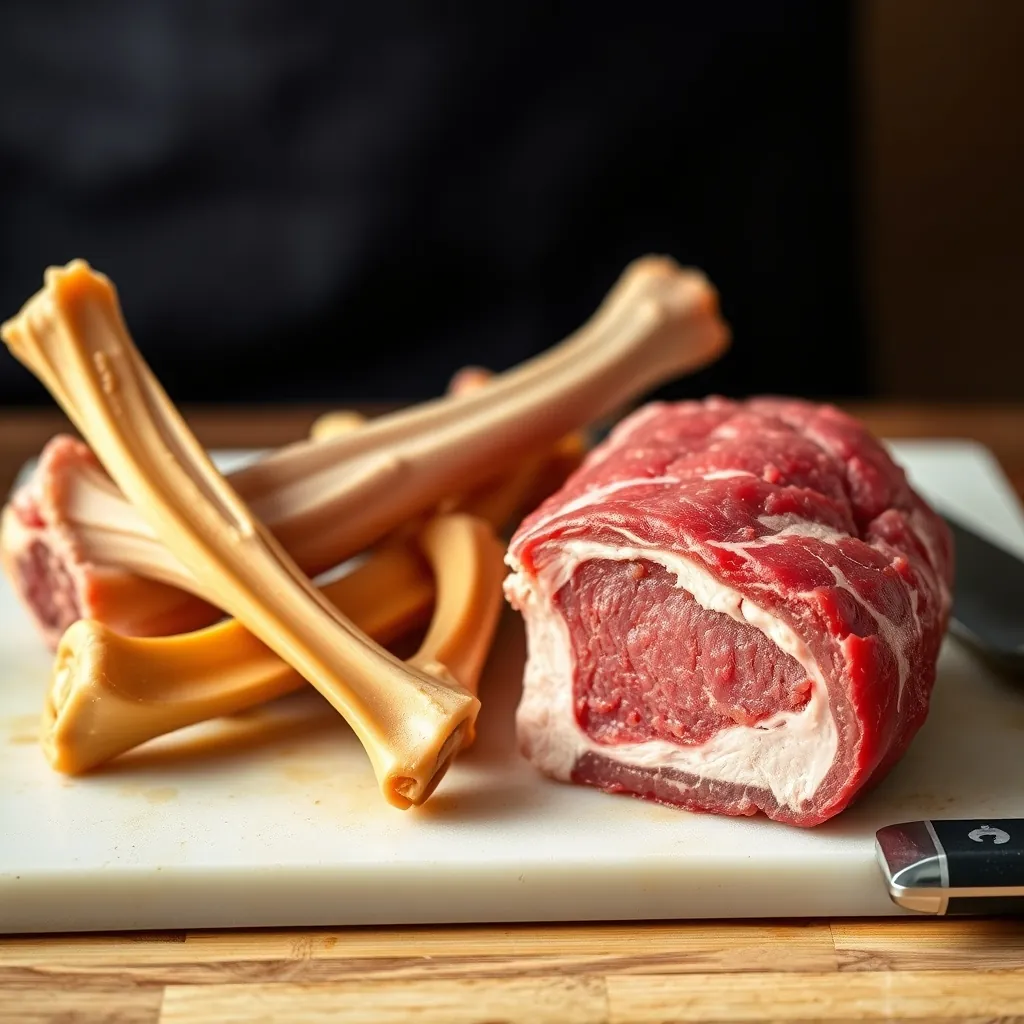
The broth gets its body and flavor from the bones. You need a mix of two types. Marrow bones provide richness and a silky mouthfeel. Knuckle bones contain collagen, which gives the broth a slight gelatinous quality when chilled. Do not skip either one.
For the meat, use a cut that can simmer for a few hours without falling apart. Beef brisket or chuck works well. These cuts add flavor to the broth and can be sliced later for the bowl. You can also add oxtail for extra depth.
Key sourcing tip: Visit an Asian grocery store or a butcher that sells soup bones. Ask for beef leg bones and knuckles. They are often cheaper and fresher than standard supermarket options.
Charring the Aromatics
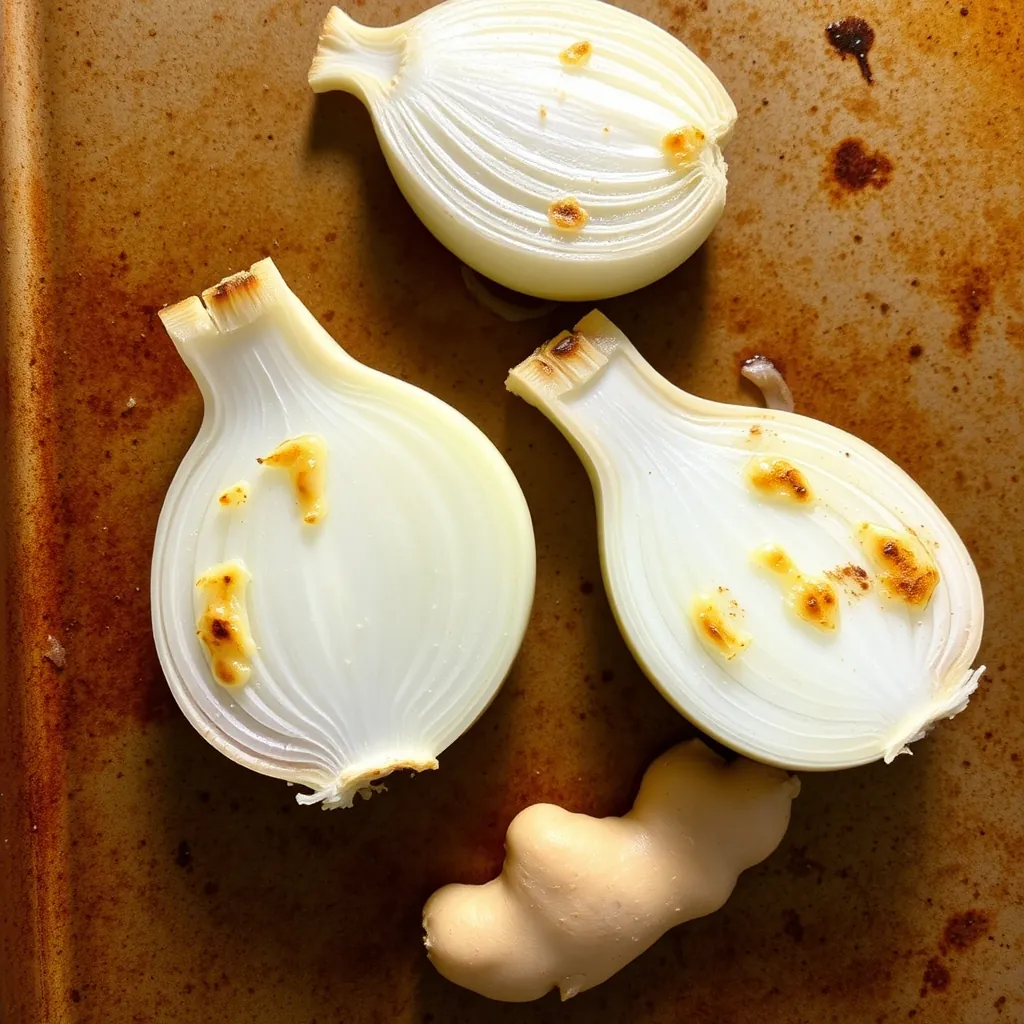
Onions and ginger form the aromatic backbone of the broth. Do not simply chop them and throw them in. Char them first. This step is non-negotiable for authentic flavor.
Cut two large onions in half and slice a large piece of ginger lengthwise. Place them skin-side up on a baking sheet under a hot broiler. Wait for the skins to blacken and blister. This takes about 5 to 7 minutes. You can also do this over an open gas flame using tongs. The charred bits add a smoky sweetness that no other ingredient can replicate.
Toasting the Spices
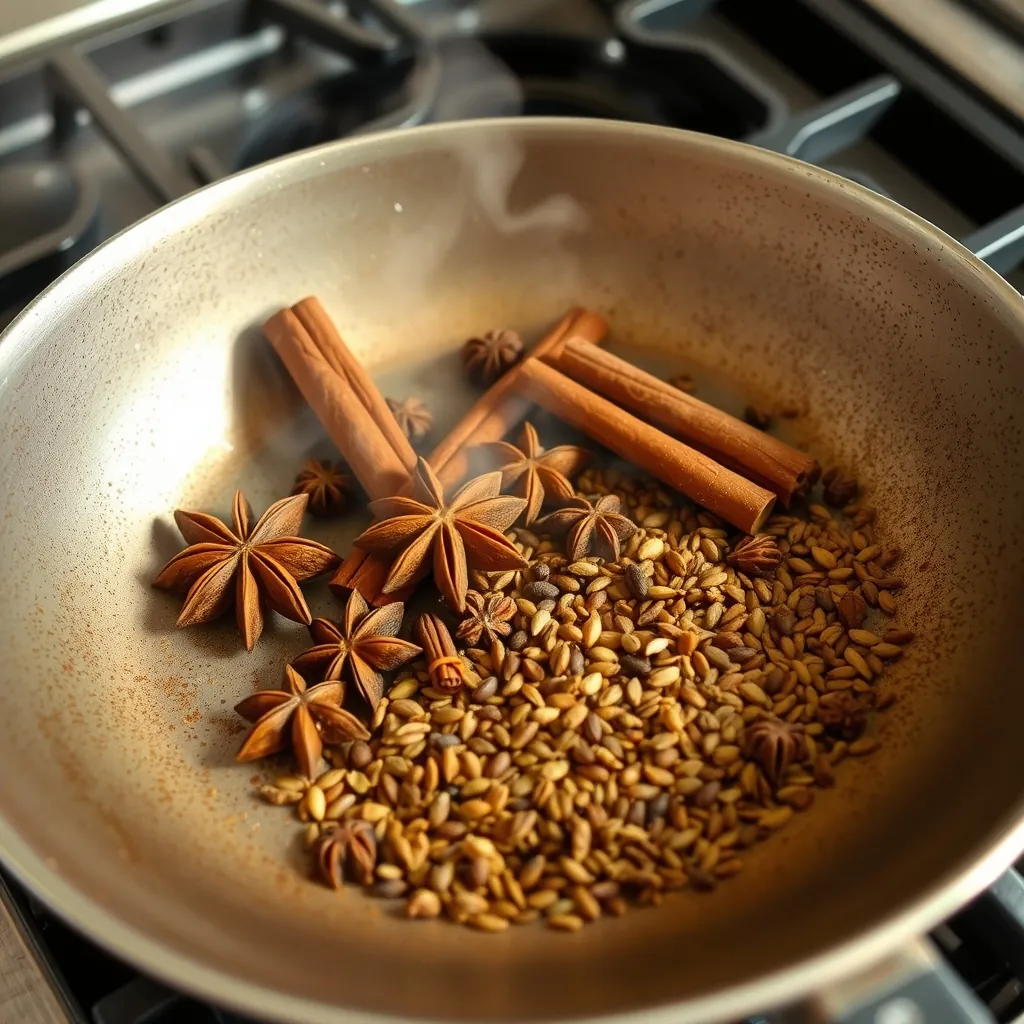
Whole spices are essential. Use star anise, cloves, cinnamon sticks, coriander seeds, and fennel seeds. Measure them out. Place them in a dry skillet over medium heat.
Shake the pan constantly. Toast for 1 to 2 minutes until you smell their fragrance. Do not let them burn. Burnt spices create a bitter broth. Once toasted, transfer them to a spice bag or a piece of cheesecloth. This makes it easy to remove them later.
Building and Simmering the Broth
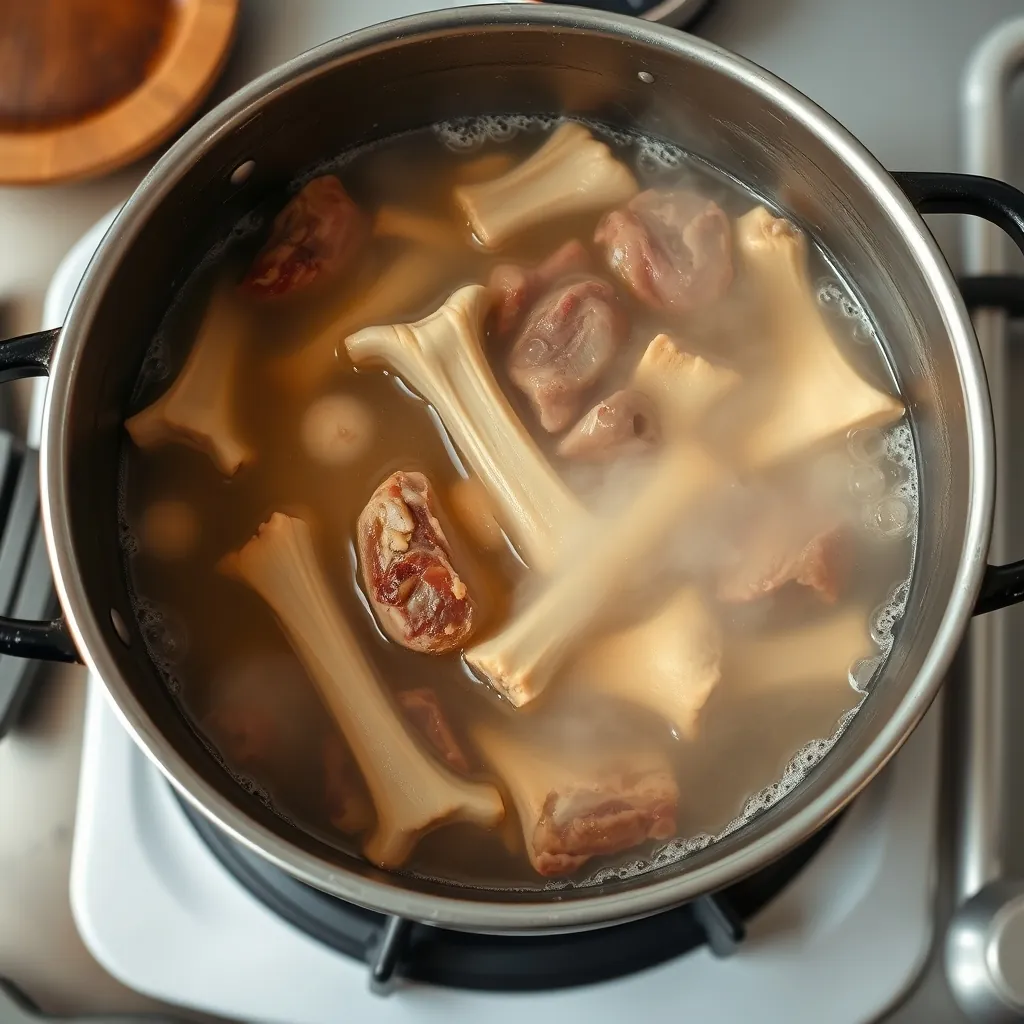
Blanch the bones first. Place them in a large pot and cover with cold water. Bring to a boil and let it roll for 5 minutes. This removes impurities and scum. Dump the water and rinse the bones clean.
Return the bones to a clean pot. Add the brisket or chuck. Cover with fresh cold water. Bring to a gentle simmer. Skim any foam that rises to the surface during the first 30 minutes. This is the key to a clear broth.
Add the charred aromatics and the spice bag. Add a piece of rock sugar or about a tablespoon of regular sugar. Add fish sauce to taste. Start with 2 tablespoons. You can add more later. Simmer gently for 3 to 4 hours. Do not let it boil hard. A rolling boil will emulsify the fat and make the broth cloudy.
Clarifying the broth: For an exceptionally clear broth, strain it through a fine-mesh sieve lined with cheesecloth. Let it cool slightly. The fat will rise to the top. Skim it off with a ladle. This step is common in traditional pho but rarely mentioned in standard recipes.
Preparing the Noodles and Beef
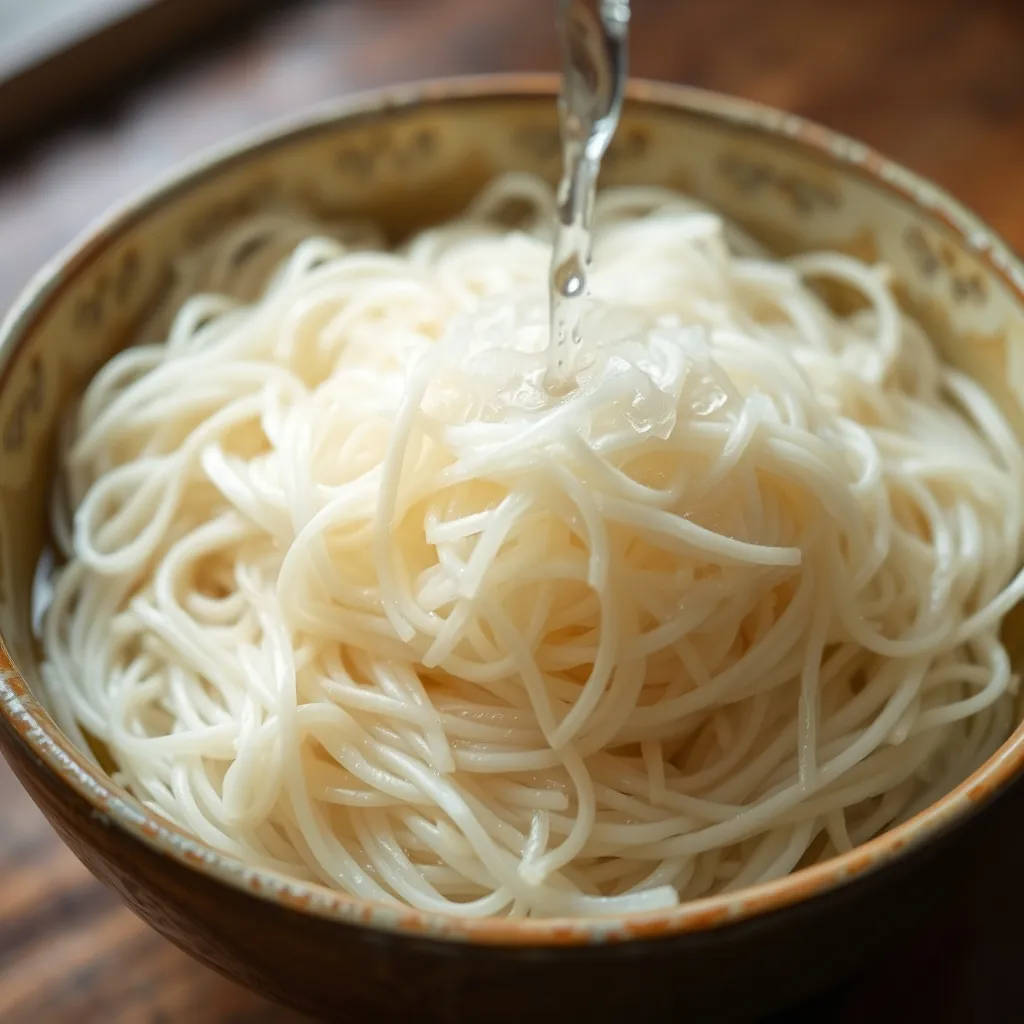
Use dried flat rice noodles labeled banh pho. Cook them separately according to the package directions. Usually, this means soaking them in hot water until tender, then draining. Do not cook them in the broth. They will release starch and make the soup cloudy.
For the beef, slice a raw sirloin or eye of round as thin as possible. Place the slices in the freezer for 15 minutes to firm up. This makes slicing easier. Arrange the raw slices in the serving bowl. The hot broth will cook them instantly.
Assembling the Bowl
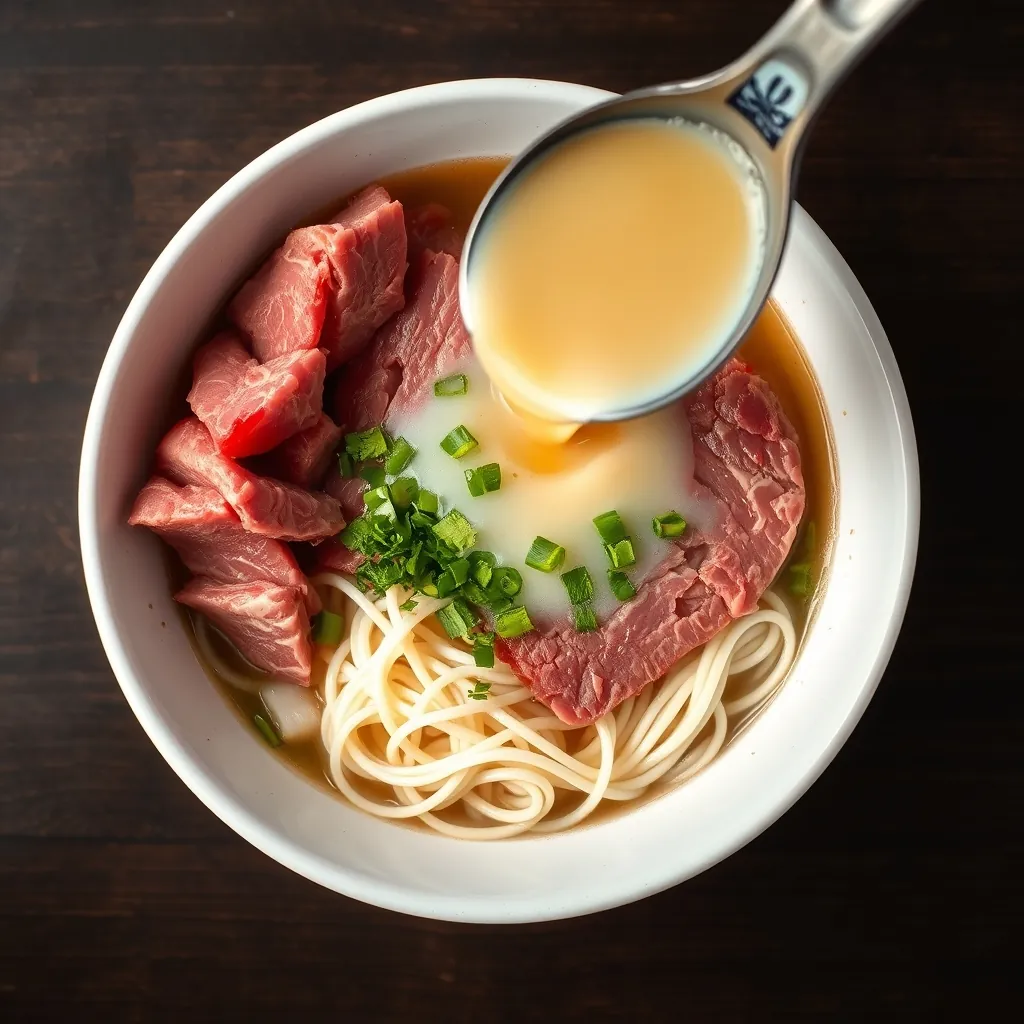
Place a portion of cooked noodles in a deep bowl. Arrange a few slices of the cooked brisket on one side. Place the raw beef slices on the other side. Ladle the boiling hot broth directly over the beef. The heat will cook it to a perfect medium-rare.
Garnish generously. Add fresh Thai basil leaves, cilantro sprigs, and bean sprouts. Squeeze a lime wedge over the top. Add sliced red chili peppers for heat. Serve with hoisin sauce and Sriracha on the side.
Regional Variations: Northern vs. Southern Pho
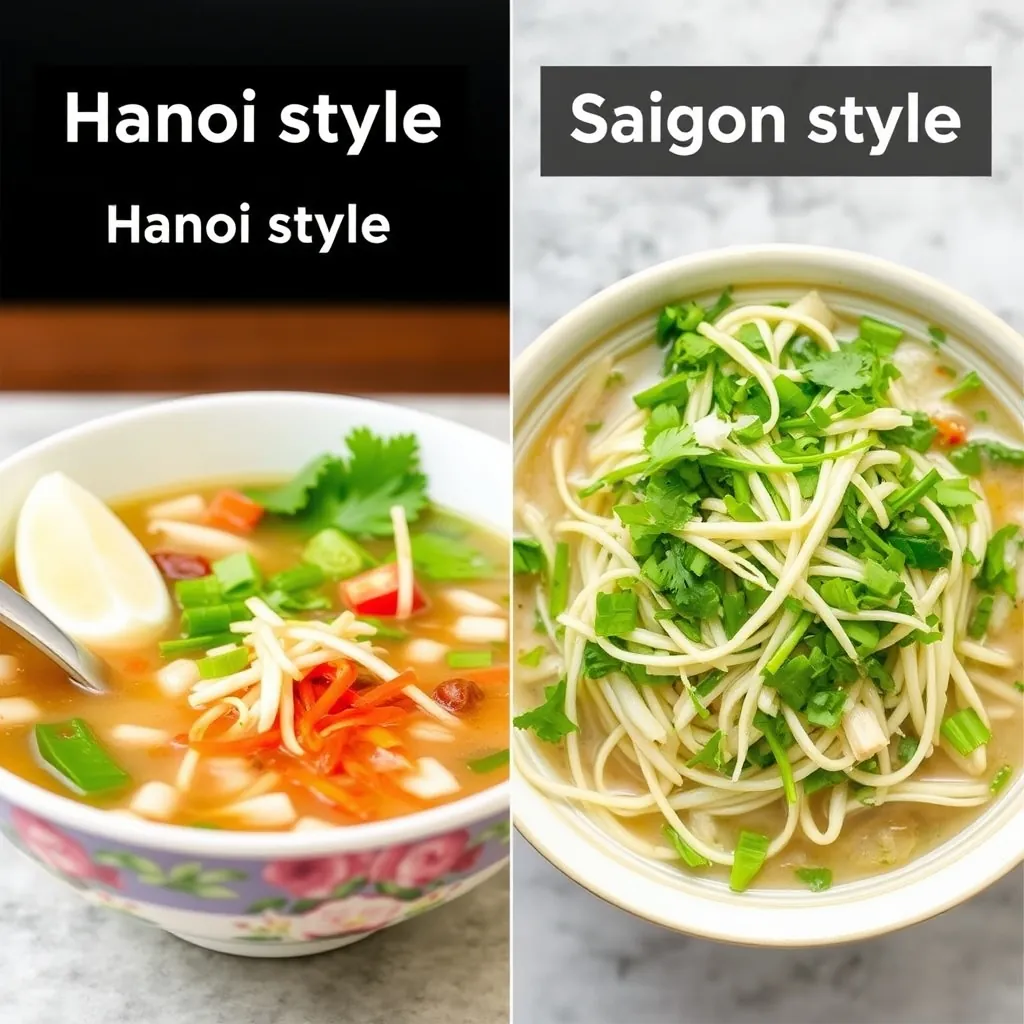
Understanding the two main styles helps you customize your bowl.
Northern style (Pho Bac) is simpler. The broth is clear and lightly seasoned. It uses wider noodles. Garnishes are minimal. You might only get lime and chili. The focus is on the pure beef flavor.
Southern style (Pho Nam) is bolder. The broth is darker and sweeter. It uses more spices and a bit more sugar. The noodle is thinner. The garnish plate is overflowing with bean sprouts, herbs, and sauces. This is the style most common in the United States and Australia.
Choose your style based on your preference. Both are authentic.
Adjusting for Dietary Needs
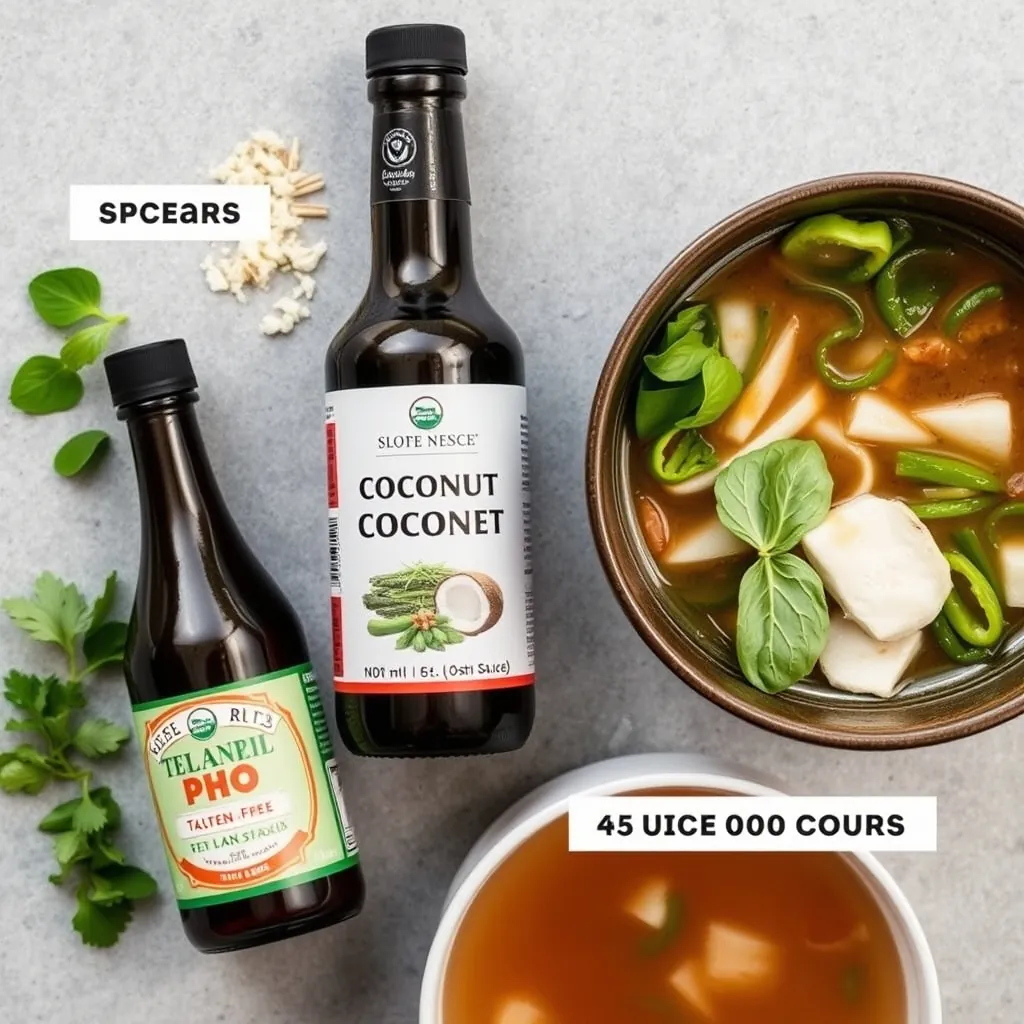
Pho can be adapted. For a low-sodium version, use a reduced-sodium fish sauce and skip the extra salt. Rely on the bones and aromatics for flavor.
For a gluten-free bowl, ensure your fish sauce is labeled gluten-free. Some brands contain wheat. Use rice noodles. They are naturally gluten-free.
For a keto version, replace the rice noodles with shirataki noodles or spiralized zucchini. Increase the fat content by adding extra marrow or a dollop of bone marrow butter.
Troubleshooting Common Problems
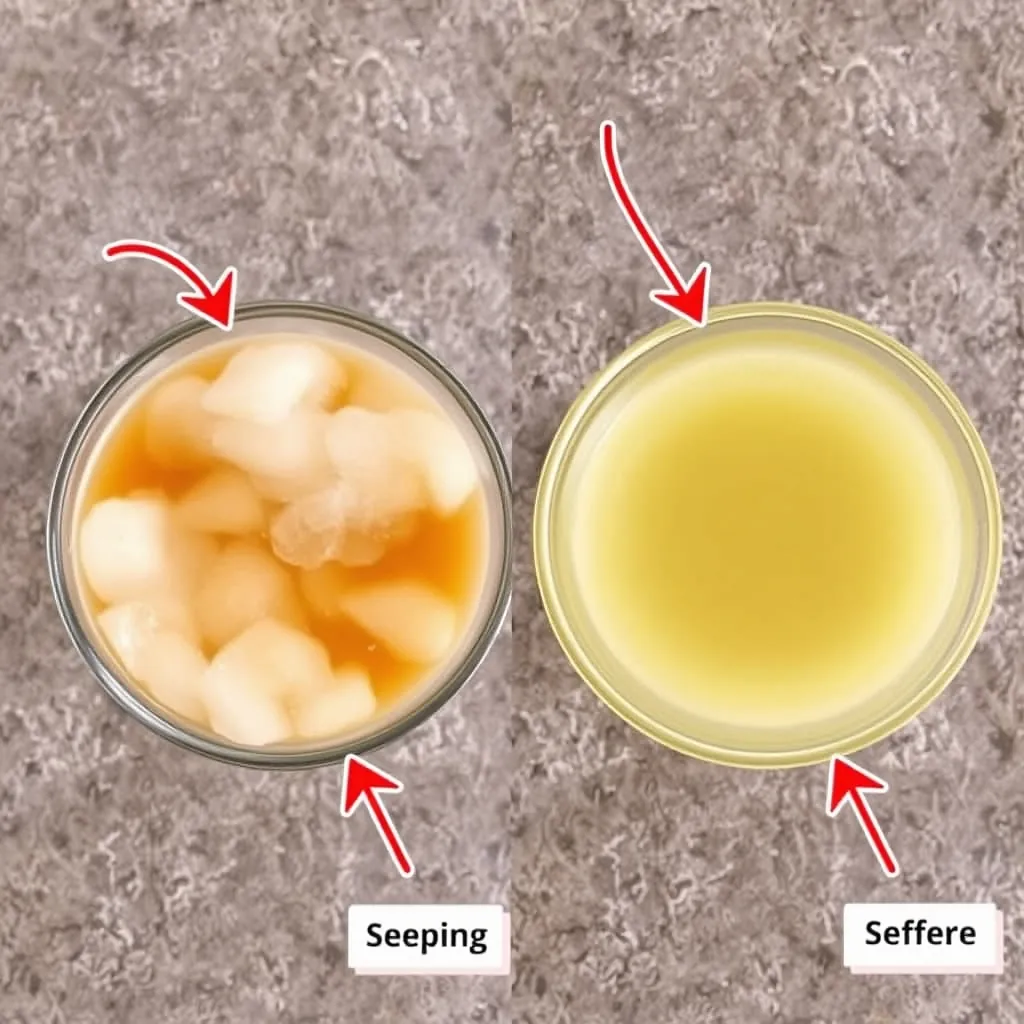
Even experienced cooks face issues. Here are quick fixes.
Cloudy broth: You boiled the bones too hard. Next time, keep the heat low and skim the scum thoroughly. You can also strain the broth through a coffee filter to clarify it after cooking.
Bland broth: You did not use enough bones or fish sauce. Add a splash of fish sauce and a pinch of salt. Simmer for another 30 minutes.
Chewy beef: The slices were too thick or not cooked long enough. Freeze the beef before slicing to get paper-thin pieces. Pour the broth at a full rolling boil.
Broth tastes bitter: The spices burned during toasting. Discard the spice bag and start fresh. Do not over-toast next time.
Storage and Reheating
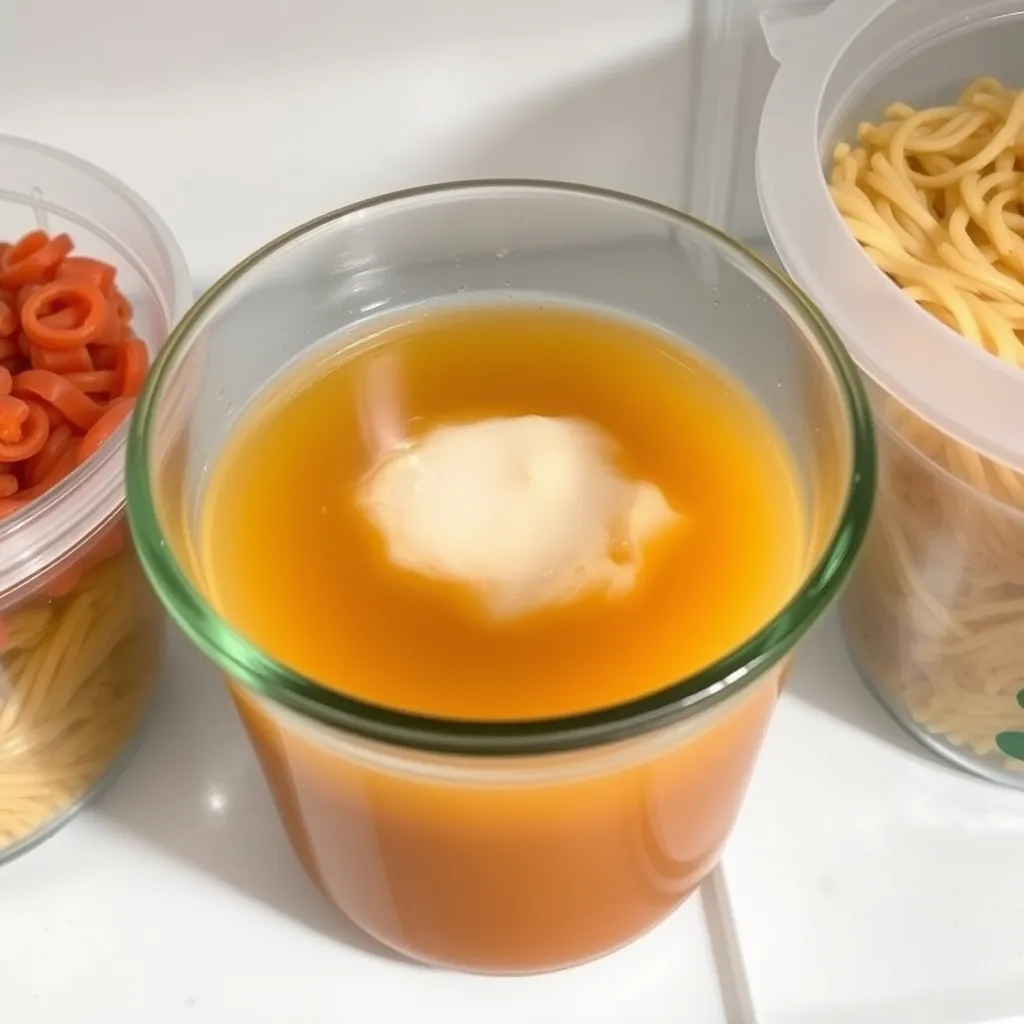
Store the broth and noodles separately. The broth keeps in the fridge for up to 5 days. It freezes well for 3 months. The noodles should be eaten within 2 days.
To reheat, bring the broth to a simmer. Do not boil the noodles in the broth. Place the noodles in a bowl and pour the hot broth over them. This prevents the noodles from turning to mush.
Cooking Pho Bo at home requires patience. But the result is a bowl that rivals any restaurant. Master the broth, and you master the dish.
Pho Bo (Vietnamese Beef Noodle Soup)
A rich, aromatic beef noodle soup with a crystal-clear broth, charred aromatics, and tender slices of beef.
Ingredients
- 3 lbs beef marrow and knuckle bones
- 1 lb beef brisket or chuck
- 2 large onions, halved
- 1 large piece of ginger (4 inches), sliced lengthwise
- 5 star anise
- 4 cloves
- 2 cinnamon sticks
- 1 tablespoon coriander seeds
- 1 tablespoon fennel seeds
- 1 piece of rock sugar (or 1 tablespoon sugar)
- 2-3 tablespoons fish sauce
- 1 lb dried flat rice noodles (banh pho)
- 1/2 lb raw sirloin or eye of round, thinly sliced
- Fresh Thai basil, cilantro sprigs, bean sprouts, lime wedges, sliced red chili peppers, hoisin sauce, and Sriracha for serving
Instructions
- Blanch the bones in boiling water for 5 minutes. Drain, rinse, and place in a clean pot.
- Add brisket and cover with cold water. Bring to a gentle simmer, skimming foam for 30 minutes.
- Char the halved onions and ginger under a broiler for 5-7 minutes until blackened.
- Toast the spices (star anise, cloves, cinnamon, coriander, fennel) in a dry skillet for 1-2 minutes. Place in a spice bag.
- Add charred aromatics, spice bag, rock sugar, and fish sauce to the pot. Simmer gently for 3-4 hours.
- Strain broth through a fine-mesh sieve lined with cheesecloth. Skim off fat.
- Cook rice noodles according to package directions. Drain.
- Place noodles in bowls. Top with cooked brisket slices and raw beef slices.
- Ladle boiling hot broth over the beef. Garnish with herbs, bean sprouts, lime, and chili. Serve with hoisin and Sriracha.
Leave a Reply