Your cart is currently empty!
Perfect Chocolate Cake Recipe: Ultimate Guide
The Quest for the Perfect Chocolate Cake
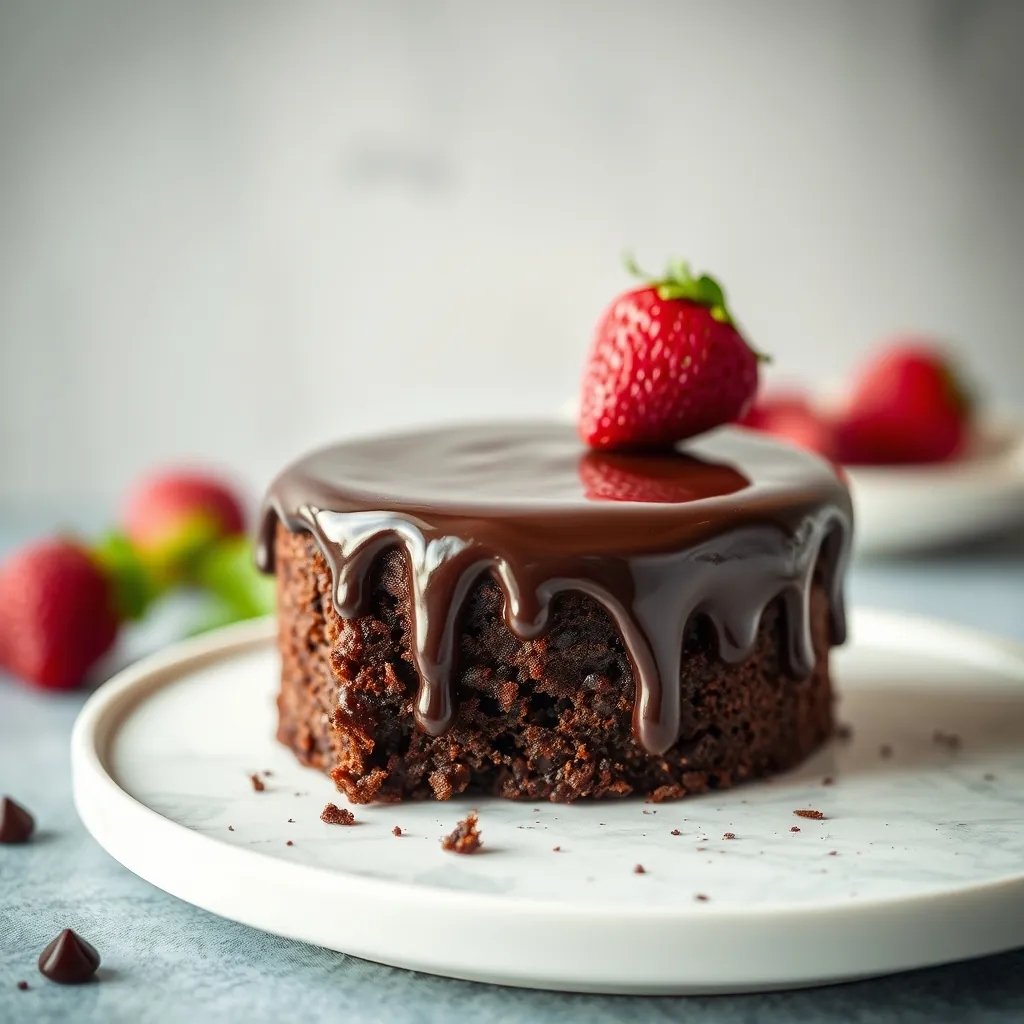
Chocolate cake captivates dessert lovers with its rich flavor and velvety texture. This classic treat is often the centerpiece of celebrations, evoking joy and indulgence. However, achieving the perfect chocolate cake can be challenging, as several factors influence its outcome.
Common pitfalls include:
- Incorrect ingredient ratios: Using too much flour or not enough sugar can lead to a dense, dry cake.
- Improper baking temperature: A temperature that is too high or too low can result in uneven baking.
- Neglecting room temperature ingredients: Cold eggs or butter can hinder proper mixing and affect texture.
To navigate these challenges, understanding the science behind baking is crucial. By mastering the fundamentals, anyone can create a chocolate cake that delights the senses and satisfies cravings.
Essential Ingredients for Success
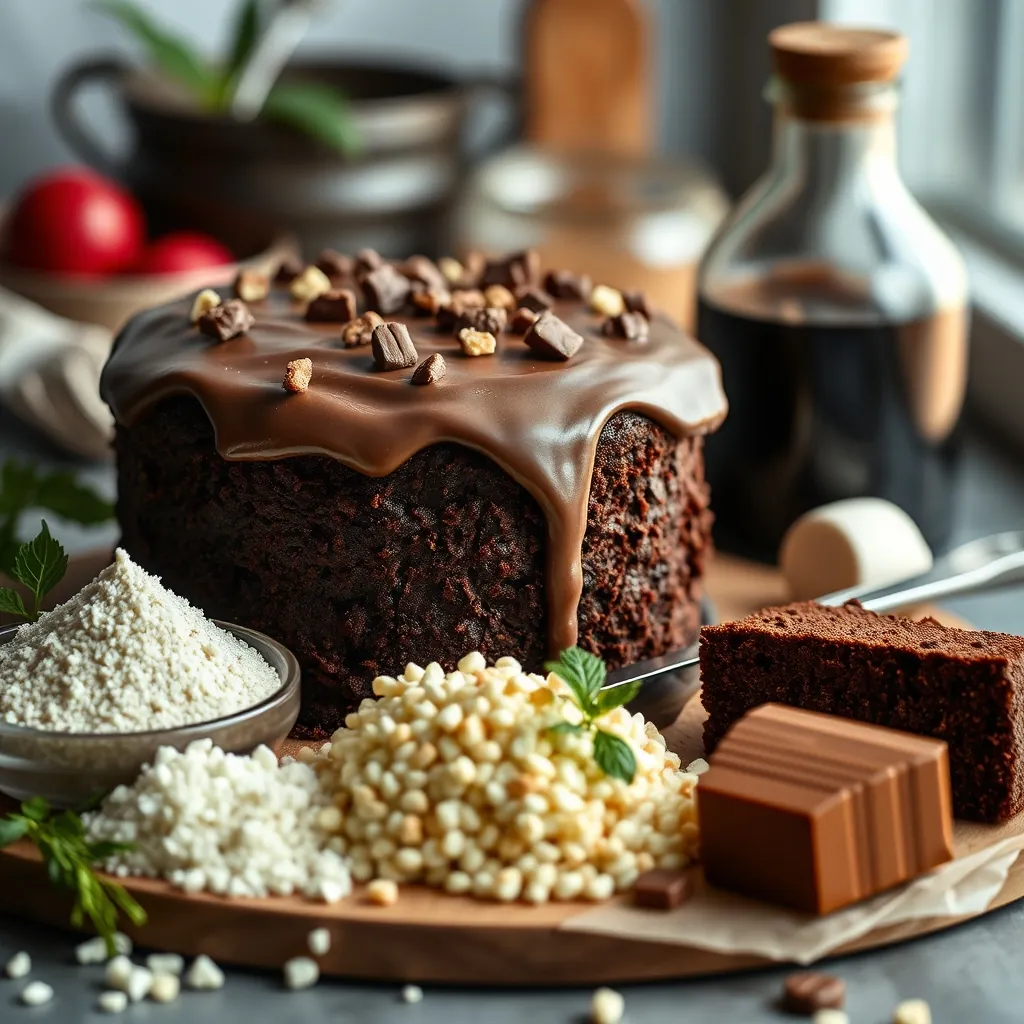
Creating a perfect chocolate cake begins with selecting the right ingredients. Each component plays a vital role in achieving the desired flavor and texture. Below are the essential ingredients and their functions:
- High-Quality Cocoa Powder: This ingredient provides the rich chocolate flavor that defines the cake. Opt for unsweetened cocoa powder for a more intense taste.
- All-Purpose Flour: Flour gives structure to the cake. For a lighter texture, consider using cake flour, which has a lower protein content.
- Granulated Sugar: Sugar not only sweetens the cake but also contributes to moisture and tenderness.
- Baking Powder and Baking Soda: These leavening agents help the cake rise, creating a light and fluffy texture. Ensure they are fresh for optimal results.
- Eggs: Eggs bind the ingredients together and add moisture. Using room temperature eggs ensures even mixing.
- Butter: Butter adds richness and flavor. For best results, use unsalted butter to control the salt content in the recipe.
- Milk: Milk enhances moisture and provides a creamy texture. Whole milk or buttermilk can be used for added richness.
In addition to these core ingredients, consider gluten-free alternatives, such as almond flour or gluten-free all-purpose flour, for those with dietary restrictions. Adjustments may be necessary in baking times depending on the type of pan used, ensuring a perfect bake every time.
Choosing the Right Chocolate
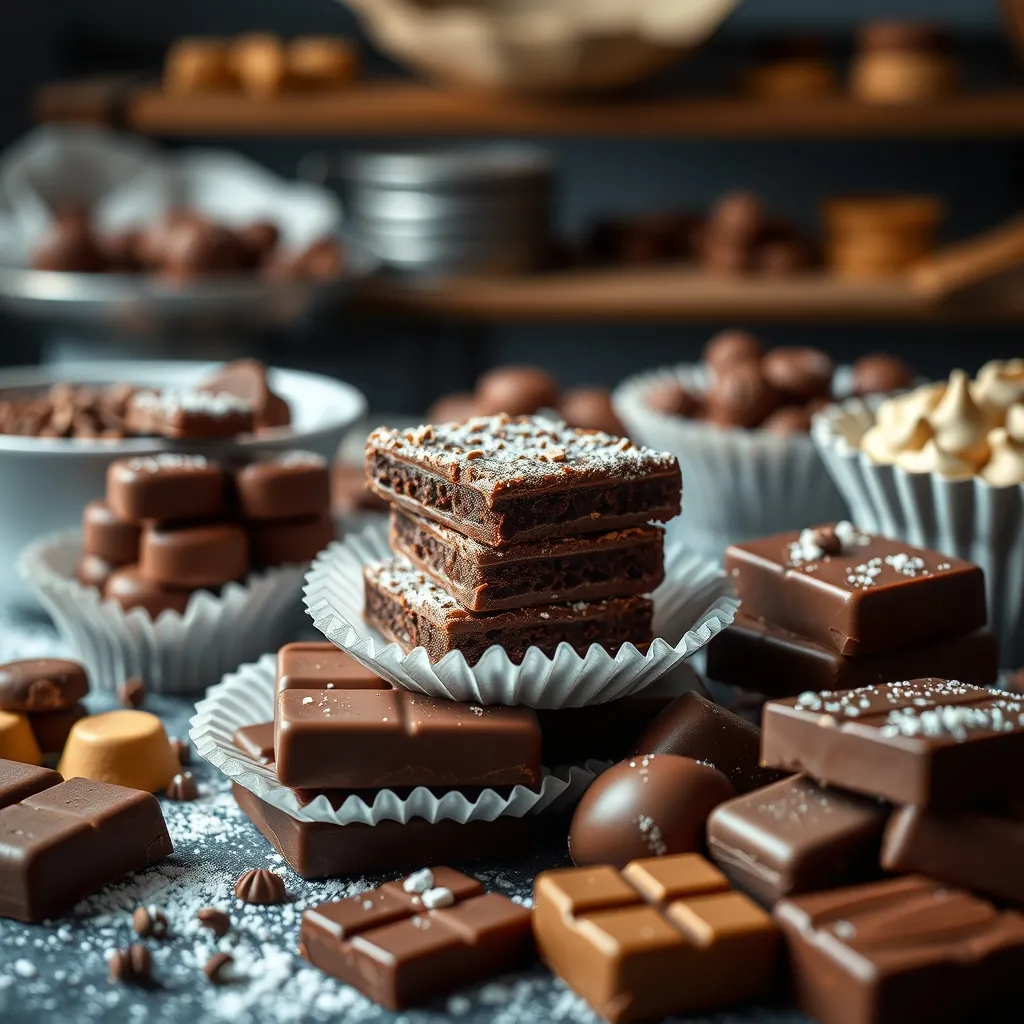
The choice of chocolate significantly influences both the flavor and texture of your cake. Understanding the different types of chocolate available is essential for achieving the desired results. Here’s a breakdown of the most common types:
- Unsweetened Chocolate: Made from pure cocoa solids and cocoa butter, this type provides a deep chocolate flavor without added sugar. It’s ideal for recipes that require sugar adjustments.
- Bittersweet Chocolate: This chocolate contains more sugar than unsweetened chocolate but still has a rich cocoa flavor. It’s excellent for adding depth to your cake while providing sweetness.
- Dutch-Processed Cocoa: Treated with an alkaline solution, this cocoa powder is less acidic and has a smoother taste. It works well in recipes that call for baking soda.
- Semisweet Chocolate: Commonly used in chocolate chips, this type has a balanced flavor and sweetness, making it versatile for various recipes, including cakes and cookies.
- Milk Chocolate: With a higher sugar content and creamier texture, milk chocolate offers a sweeter flavor profile. It can be used sparingly in cake recipes for a lighter touch.
- Dark Chocolate: Containing a higher percentage of cocoa solids, dark chocolate provides a more intense flavor. It’s ideal for those who prefer a richer taste in their cake.
When selecting chocolate, consider the overall flavor profile you aim to achieve. For a more complex taste, blend different types of chocolate. Always opt for high-quality brands to ensure the best flavor and texture in your final product.
Baking Tools You Can’t Live Without
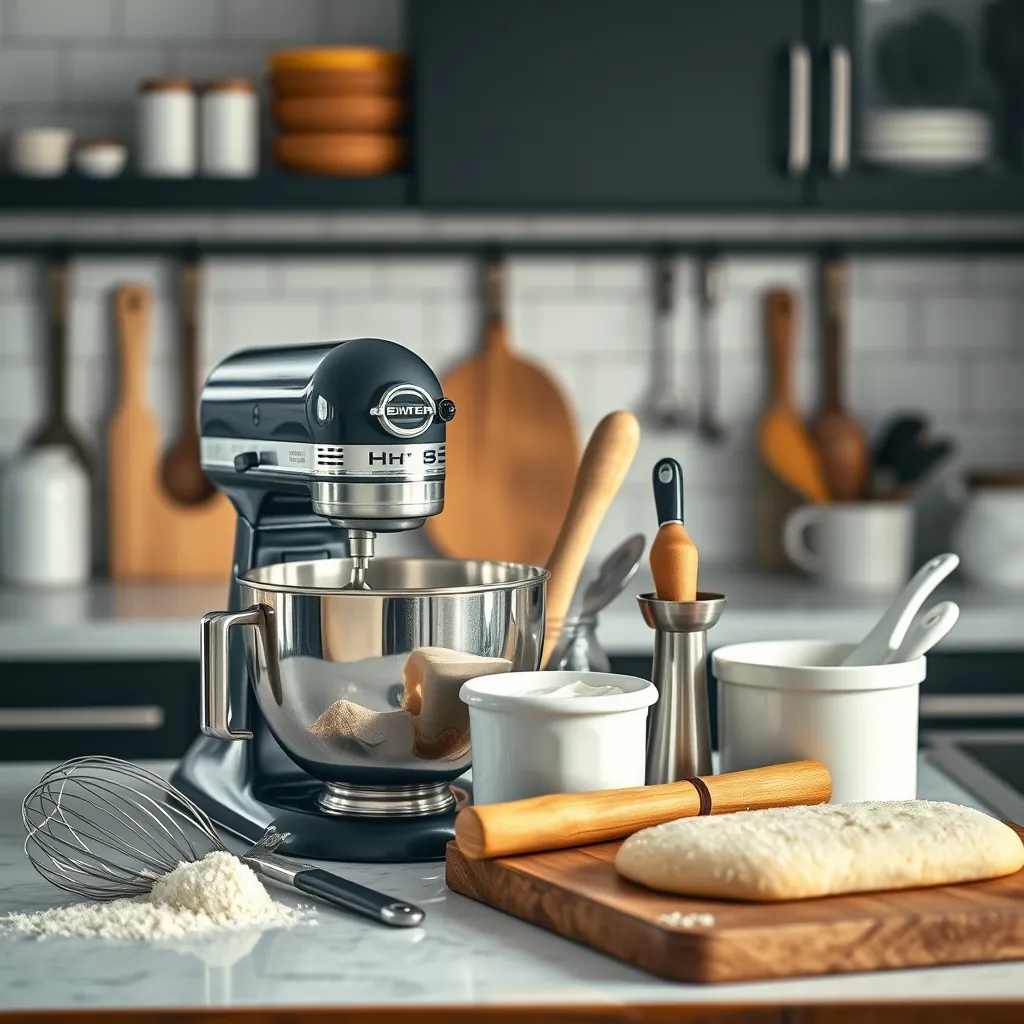
Having the right baking tools is essential for achieving a perfect chocolate cake. Here’s a list of indispensable equipment that every baker should have:
- Mixing Bowls: A set of various-sized mixing bowls allows for easy preparation and mixing of ingredients. Opt for glass or stainless steel for durability.
- Measuring Cups and Spoons: Accurate measurements are crucial in baking. Use both dry and liquid measuring cups along with a set of measuring spoons to ensure precision.
- Whisk: A high-quality whisk makes blending ingredients effortless. Look for both balloon and flat whisks to handle different tasks.
- Spatula: Silicone spatulas are ideal for folding in ingredients and scraping bowls clean. They are heat-resistant and easy to clean.
- Baking Pans: A variety of baking pans, such as round, square, and loaf pans, is essential. Choose non-stick or glass pans to ensure even baking and easy release.
- Cooling Rack: A cooling rack allows your cake to cool evenly, preventing sogginess. It’s also useful for decorating once the cake is cooled.
- Electric Mixer: For those who bake frequently, an electric stand or hand mixer can save time and effort when mixing batter.
- Oven Thermometer: Ensure your oven is at the correct temperature with an oven thermometer, which helps achieve consistent baking results.
Investing in quality baking tools can significantly improve your baking experience and outcomes. These essential items will help streamline the process, allowing you to focus on perfecting your chocolate cake.
Step-by-Step Baking Instructions
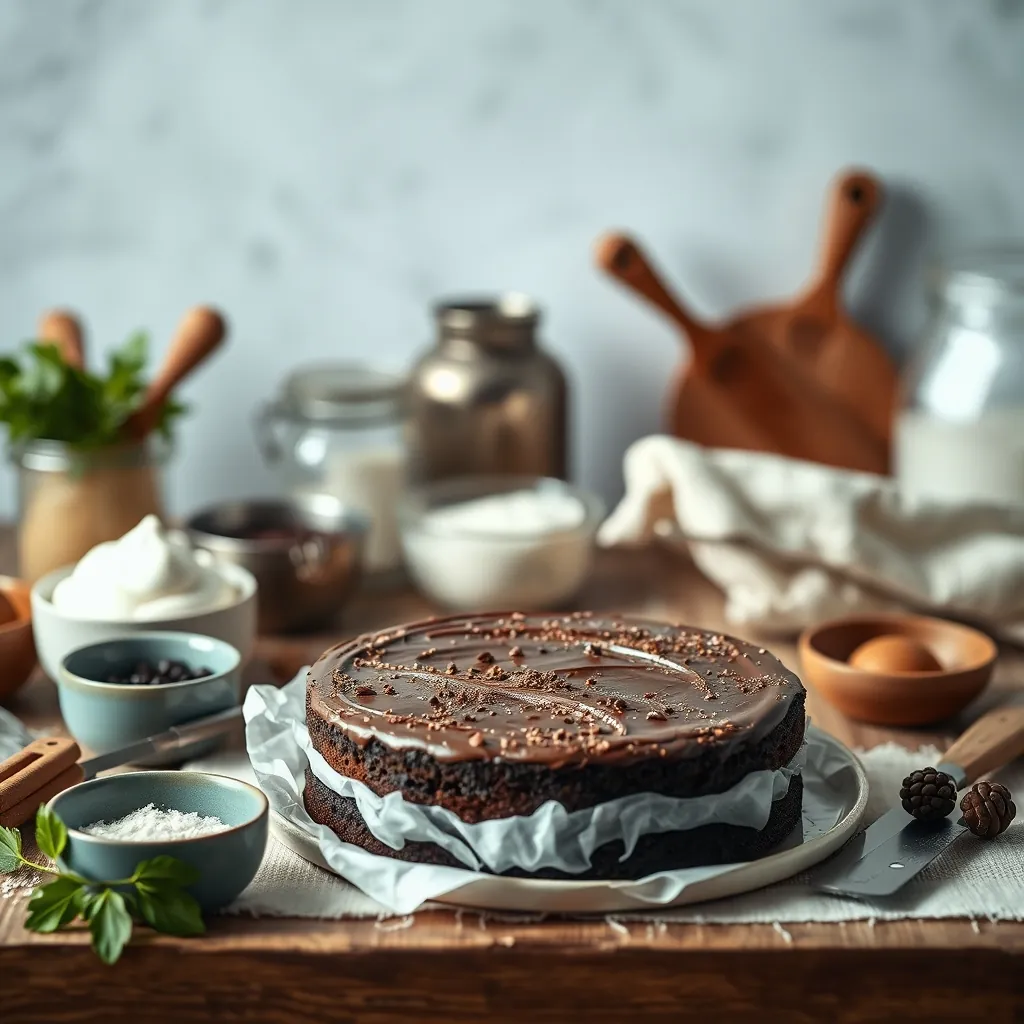
To bake a perfect chocolate cake, follow these detailed instructions closely. Each step is crucial for achieving the desired flavor and texture.
- Preheat the Oven: Set your oven to 350°F (175°C) to ensure it reaches the ideal baking temperature before you place the cake inside.
- Prepare the Baking Pan: Grease your chosen baking pan with butter or non-stick spray. For added assurance, you can line the bottom with parchment paper.
- Mix Dry Ingredients: In a medium bowl, sift together flour, cocoa powder, baking powder, and baking soda. This aerates the flour and ensures even distribution of leavening agents.
- Cream Butter and Sugar: In a large mixing bowl, beat softened butter and granulated sugar until light and fluffy. This process incorporates air, which helps the cake rise.
- Add Eggs: Incorporate room temperature eggs one at a time, mixing thoroughly after each addition. This ensures a smooth batter.
- Combine Dry Ingredients with Wet Ingredients: Gradually add the dry mixture to the wet mixture, alternating with milk. Begin and end with the dry ingredients. Mix until just combined to avoid overworking the batter.
- Pour Batter into Pan: Pour the prepared batter into the greased baking pan, smoothing the top with a spatula for an even surface.
- Bake: Place the pan in the preheated oven and bake for 30-35 minutes. Check for doneness by inserting a toothpick in the center; it should come out clean or with a few moist crumbs.
- Cool the Cake: Once baked, remove the pan from the oven and let it cool on a wire rack for about 10 minutes. Then, carefully turn the cake out of the pan to cool completely on the rack.
Following these steps meticulously will help you create a rich, moist chocolate cake that is sure to impress. Enjoy the process as much as the delicious result!
Common Mistakes to Avoid
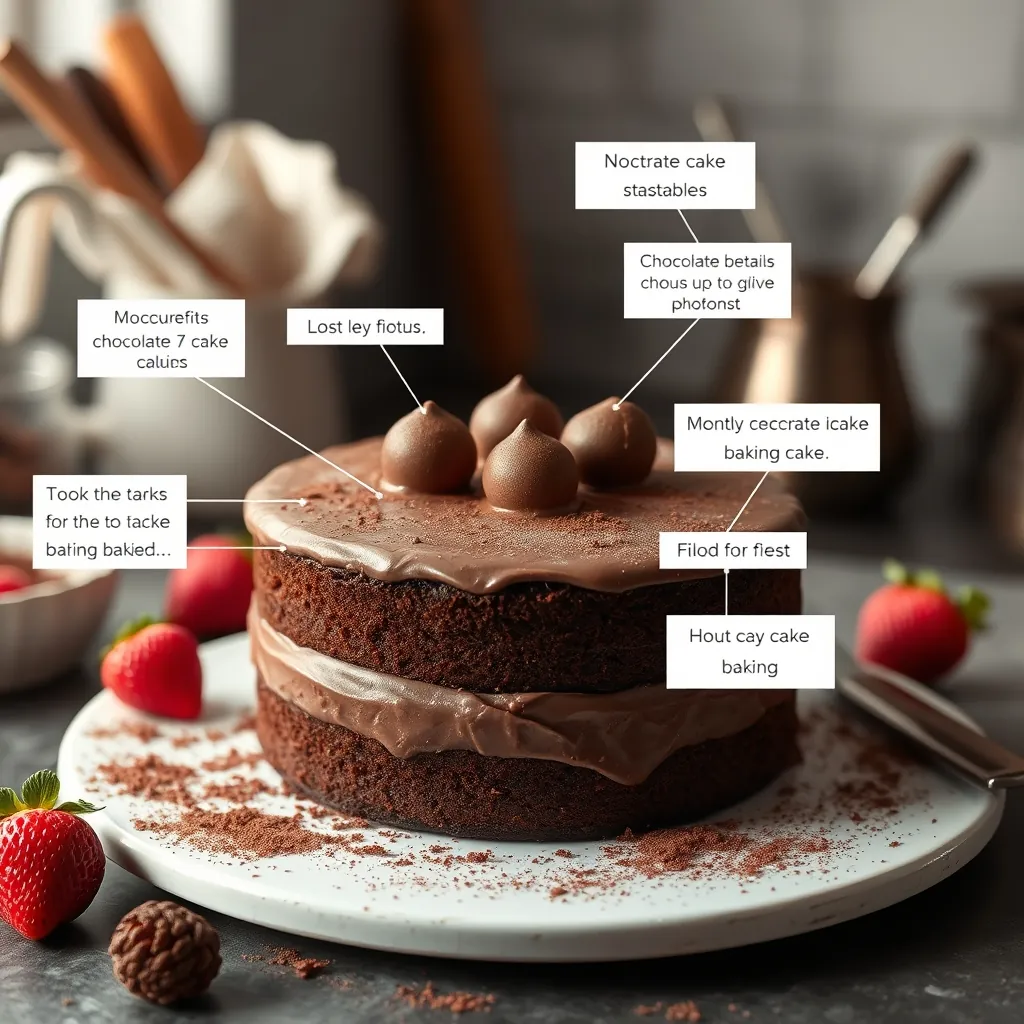
Baking a chocolate cake can be straightforward, but several common errors can lead to disappointing results. Recognizing and avoiding these pitfalls is essential for success.
- Using Cold Ingredients: Cold eggs and milk can hinder proper mixing. Always ensure that your eggs are at room temperature and milk is slightly warmed before incorporating them into the batter.
- Overmixing the Batter: Mixing too vigorously after adding the dry ingredients can develop gluten, resulting in a dense cake. Aim to mix just until combined.
- Incorrect Oven Temperature: An oven that is too hot or too cold can affect baking time and texture. Utilize an oven thermometer to verify accuracy.
- Not Measuring Ingredients Accurately: Inaccurate measurements can lead to imbalances in flavor and texture. Use a kitchen scale for precision, especially with flour and cocoa powder.
- Skipping Sifting: Failing to sift dry ingredients can result in clumps and uneven distribution of leavening agents. Always sift flour and cocoa powder before mixing.
- Ignoring Baking Time: Opening the oven door frequently can lower the temperature and affect baking time. Avoid checking the cake until the minimum time has passed.
- Not Allowing Cake to Cool Properly: Removing the cake from the pan too soon can cause it to break apart. Let it cool in the pan for at least 10 minutes before transferring it to a wire rack.
Avoiding these common mistakes will help ensure that your chocolate cake turns out perfectly every time. Pay attention to each detail, and enjoy the process of creating a delicious dessert.
Frosting and Decoration Ideas
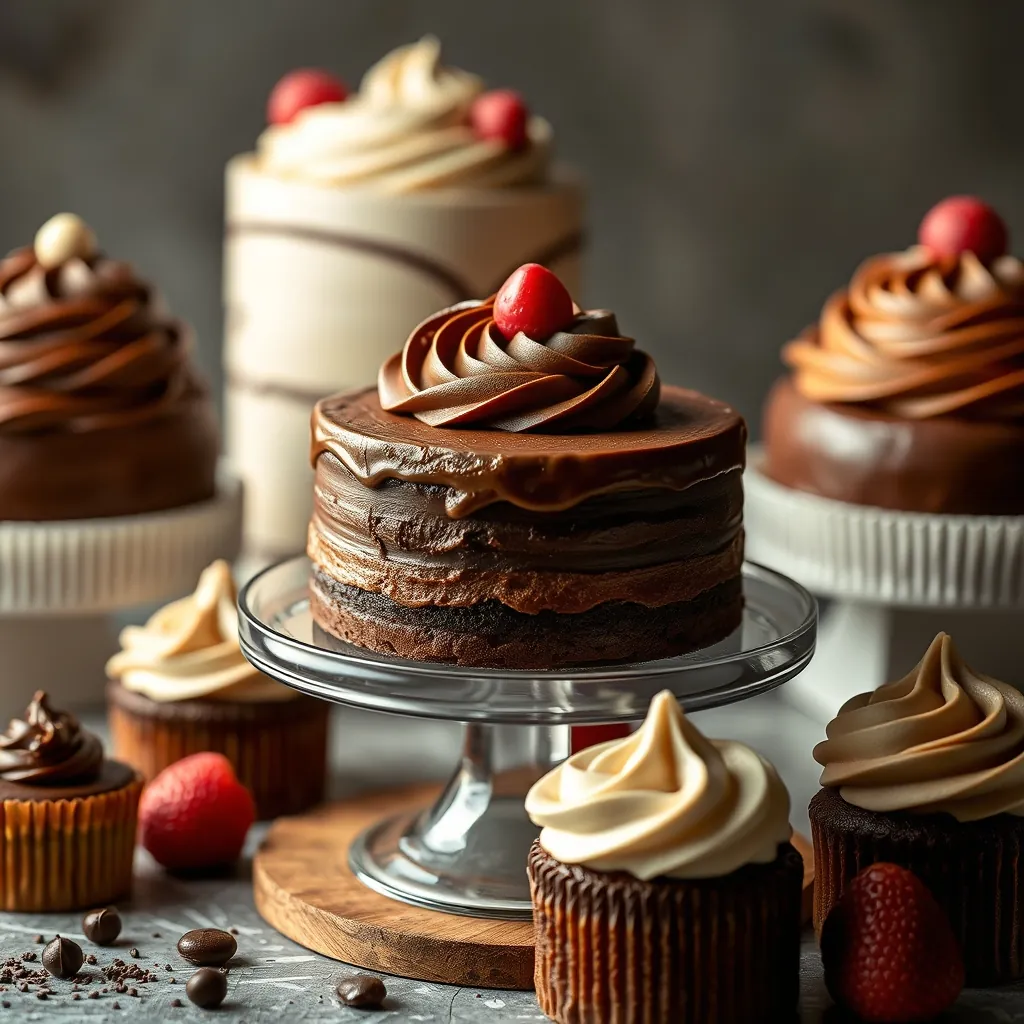
The right frosting and decoration can transform a simple chocolate cake into a stunning centerpiece. Here are some popular frosting options and decoration techniques to consider:
- Classic Chocolate Buttercream: This rich and creamy frosting pairs perfectly with chocolate cake. To make, beat softened butter with cocoa powder, powdered sugar, and a splash of milk until smooth and fluffy.
- Ganache: A decadent chocolate ganache made from heavy cream and high-quality chocolate creates a glossy finish. Pour it over the cooled cake for an elegant look.
- Whipped Cream: For a lighter option, consider sweetened whipped cream. It adds a fluffy texture and can be flavored with vanilla or cocoa powder.
- Fondant: If you want a polished finish, covering your cake with fondant allows for intricate designs. Roll it out and drape it over the cake, smoothing out any imperfections.
- Fresh Fruits and Berries: Adding fresh fruits or berries not only enhances the visual appeal but also provides a refreshing contrast to the rich chocolate flavor.
- Nuts and Shavings: Sprinkle chopped nuts or chocolate shavings on top of your frosting for added texture and flavor. This can also create a rustic look.
Experimenting with different frosting types and decoration techniques can lead to unique presentations. Consider your audience and the occasion when choosing how to adorn your chocolate cake, ensuring it is as delightful to the eyes as it is to the palate.
Serving Suggestions and Pairings
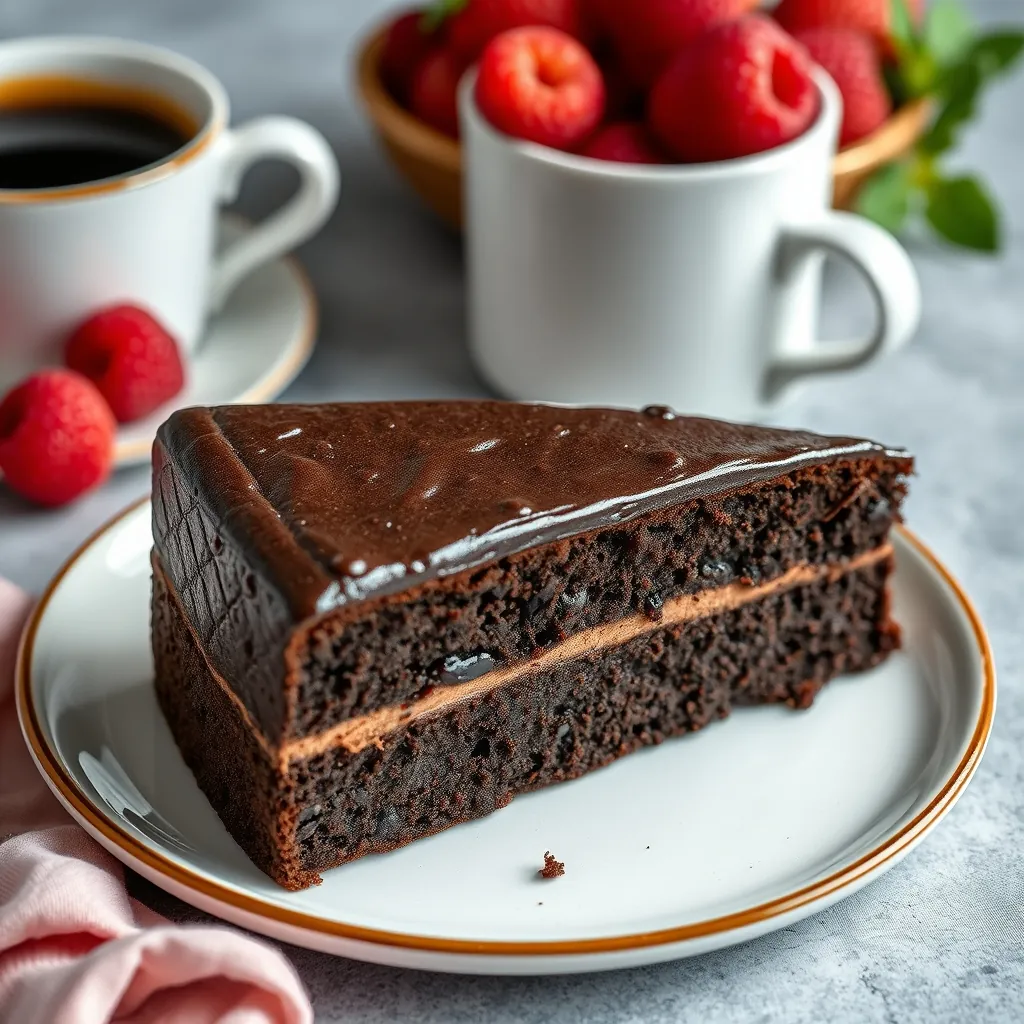
Serving a chocolate cake is as much about the presentation as it is about the flavors. Here are some suggestions for serving your cake and the ideal pairings to elevate the experience:
- Classic Coffee: A rich cup of coffee complements the chocolate flavor beautifully. Consider serving an espresso or a dark roast for a bold pairing.
- Milk: For a nostalgic touch, serve cold milk alongside your cake. The creaminess of milk balances the richness of the chocolate.
- Red Wine: A full-bodied red wine, such as Cabernet Sauvignon or Merlot, can enhance the depth of flavors in the cake, making for a sophisticated pairing.
- Ice Cream: A scoop of vanilla or chocolate ice cream adds a creamy contrast. Try serving warm cake with a scoop of ice cream melting on top for a delightful treat.
- Fresh Berries: Serve slices of cake with a side of fresh berries like raspberries or strawberries. Their tartness provides a refreshing counterpoint to the sweetness of the cake.
- Nuts: A handful of toasted nuts, such as almonds or hazelnuts, can add crunch and an additional layer of flavor when served alongside the cake.
Consider the occasion and your guests’ preferences when selecting serving suggestions and pairings. A thoughtful presentation can make your chocolate cake not only a dessert but also a memorable experience.
Storing and Reheating Your Cake
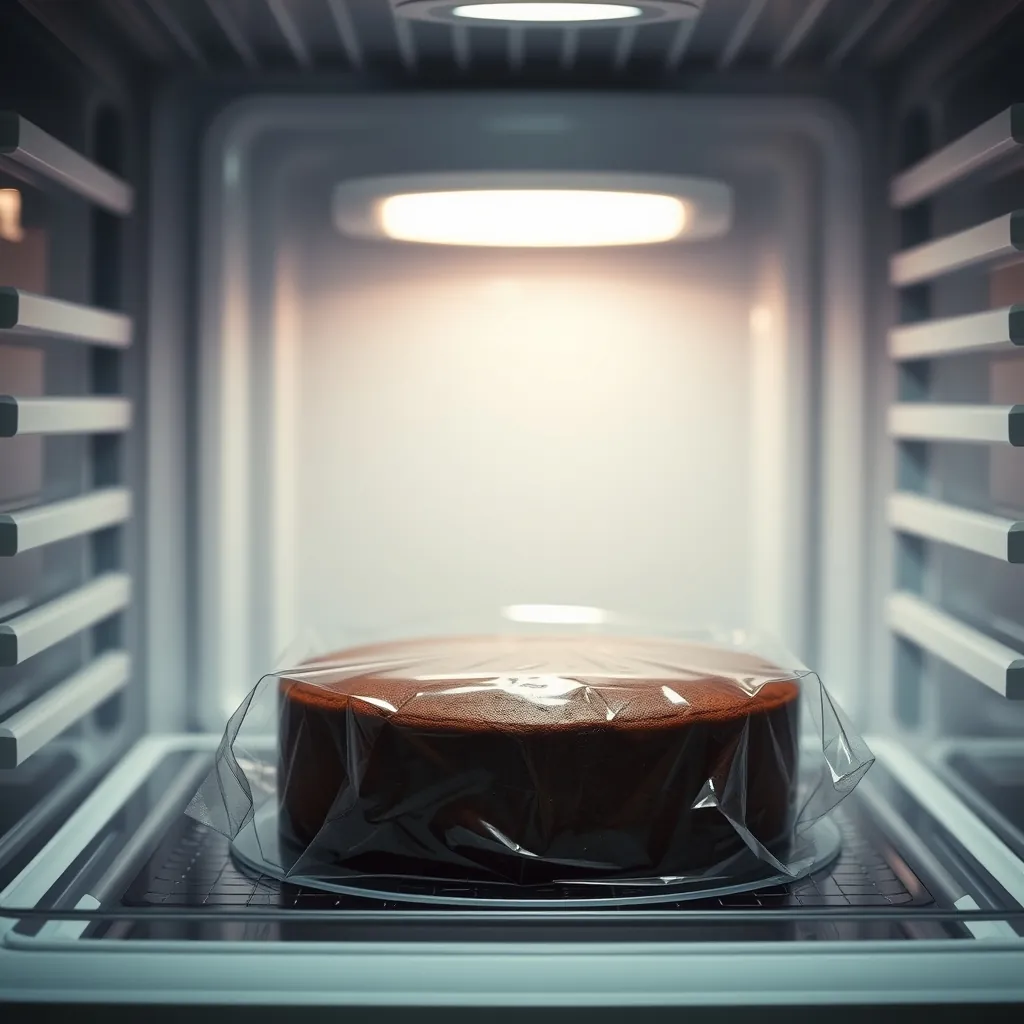
To ensure your chocolate cake remains delicious after baking, proper storage is essential. Here are effective tips for storing leftover cake and reheating it while preserving its quality:
- Room Temperature Storage: If you plan to consume the cake within a few days, store it at room temperature. Place it in an airtight container or cover it with plastic wrap to prevent it from drying out.
- Refrigeration: For longer preservation, refrigerate the cake. Ensure it is well-wrapped to avoid absorbing odors from other foods. A cake can last up to a week in the fridge.
- Freezing: If you need to store the cake for an extended period, freezing is a great option. Wrap slices or the whole cake tightly in plastic wrap and then in aluminum foil. Properly stored, it can last up to three months.
- Thawing: When ready to enjoy frozen cake, transfer it to the refrigerator for several hours or overnight to thaw gradually. This helps maintain moisture.
- Reheating: To reheat, preheat your oven to 350°F (175°C). Place the cake on a baking sheet and cover it loosely with foil to prevent over-browning. Heat for about 10-15 minutes until warmed through.
- Microwave Option: For a quick reheating method, use the microwave. Heat individual slices for about 10-15 seconds, checking frequently to avoid overheating, which can dry out the cake.
By following these tips, you can enjoy your chocolate cake days after baking without sacrificing its taste or texture. Proper storage and reheating techniques make it easy to savor each bite as if it were freshly made.
Actionable Next Steps
Now that you have mastered the art of baking a perfect chocolate cake, it’s time to put your skills to the test. Here are some actionable next steps to enhance your baking journey:
- Try the Recipe: Follow the detailed instructions provided to bake your first chocolate cake. Make sure to gather all the essential ingredients and tools before you start.
- Experiment with Variations: Don’t hesitate to modify the recipe. Consider adding different flavors, such as espresso or orange zest, to create a unique twist on the classic chocolate cake.
- Document Your Process: Take notes on what worked well and what could be improved. This will help you refine your technique for future baking endeavors.
- Share Your Results: Share pictures and details of your cake with friends and family. Encourage others to try the recipe and exchange tips for baking success.
- Join Baking Communities: Engage with online baking communities or local groups. Sharing experiences and learning from others can provide inspiration and new ideas.
Embrace the joy of baking and let your creativity shine. Each cake baked is a step towards becoming a more confident baker. Enjoy your delicious creations!
Leave a Reply