Your cart is currently empty!
Batch Cooking Beef Wellington: The Ultimate Guide
Introduction to Beef Wellington
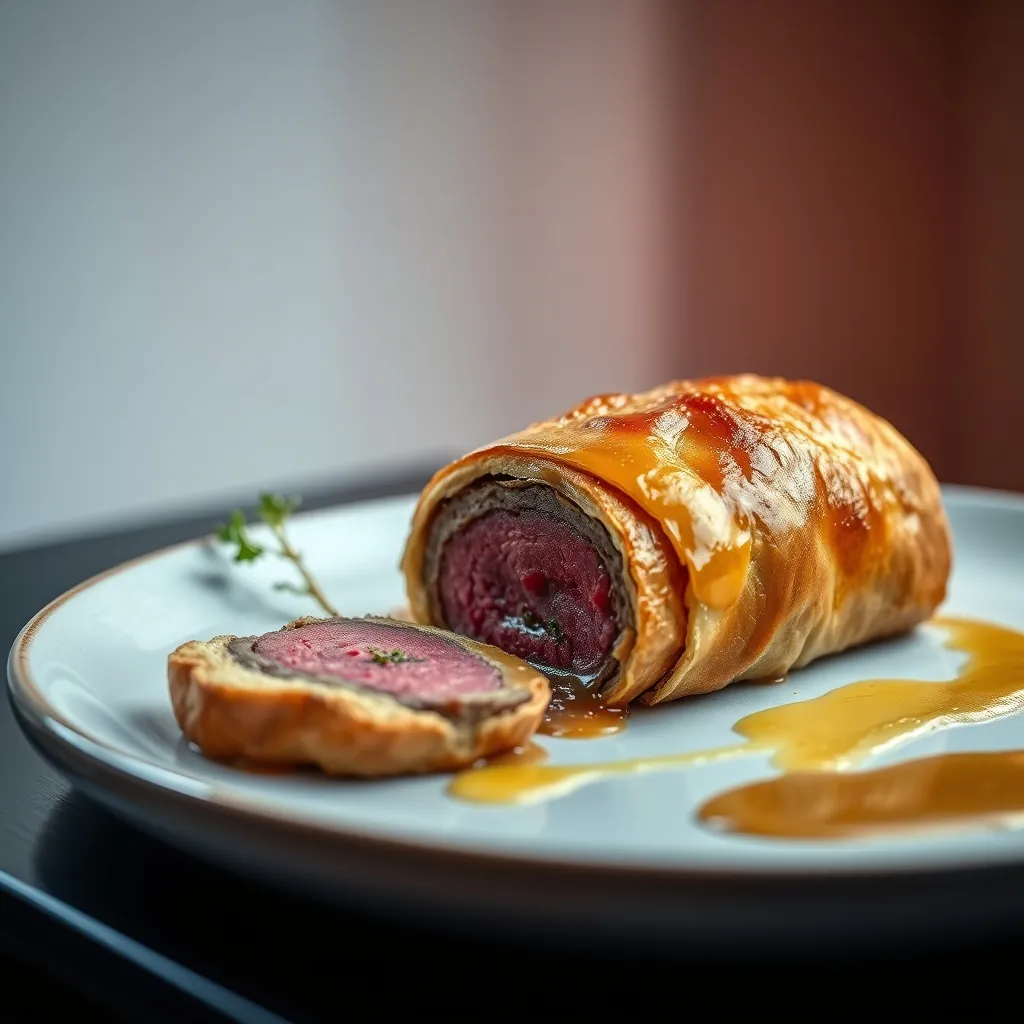
Beef Wellington is a classic dish that combines tender beef tenderloin, earthy mushrooms, and flaky puff pastry, creating a sumptuous experience for the palate. Its origins trace back to the early 19th century, believed to be named after Arthur Wellesley, the Duke of Wellington, who famously defeated Napoleon at the Battle of Waterloo. This dish has since become synonymous with fine dining and special occasions.
Batch cooking Beef Wellington offers numerous advantages, especially for those who enjoy hosting gatherings or preparing meals in advance. By preparing multiple servings at once, home cooks can reduce time spent in the kitchen while still providing an impressive and delicious meal. This method not only saves time but also allows for better planning, ensuring that you can enjoy gatherings with family and friends without the stress of last-minute cooking.
What is Beef Wellington?
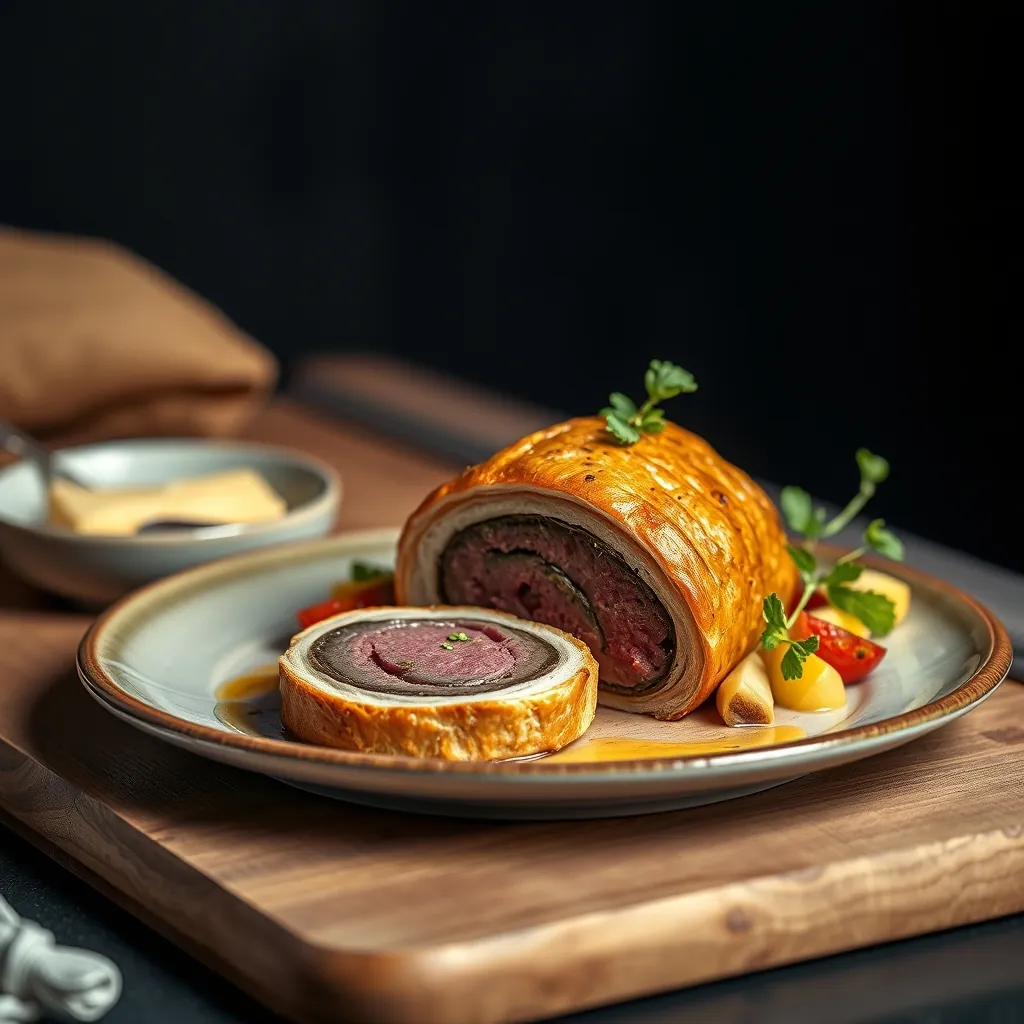
Beef Wellington is a classic dish renowned for its rich flavors and elegant presentation. This culinary masterpiece typically features a center-cut beef tenderloin, which is the star of the dish. The tenderloin is enveloped in a layer of mushrooms, often finely chopped and sautéed to create a duxelles, enhancing the beef’s flavor.
The entire assembly is then wrapped in puff pastry, which bakes to a golden brown, providing a flaky and buttery texture that contrasts beautifully with the tender, juicy meat inside. This dish is often served during special occasions and festive gatherings, making it a popular choice for celebrations.
Traditional preparation methods involve seasoning the beef before searing it to lock in moisture and flavor. After cooling, the seared beef is coated with the mushroom duxelles and wrapped in pastry. The final step is baking, which requires precise timing to achieve the perfect internal temperature.
When cooked properly, the internal temperature of a medium-rare Beef Wellington should reach around 130°F (54°C). Letting the dish rest for about 10-15 minutes after baking allows the juices to redistribute, ensuring each slice is moist and flavorful.
Benefits of Batch Cooking Beef Wellington
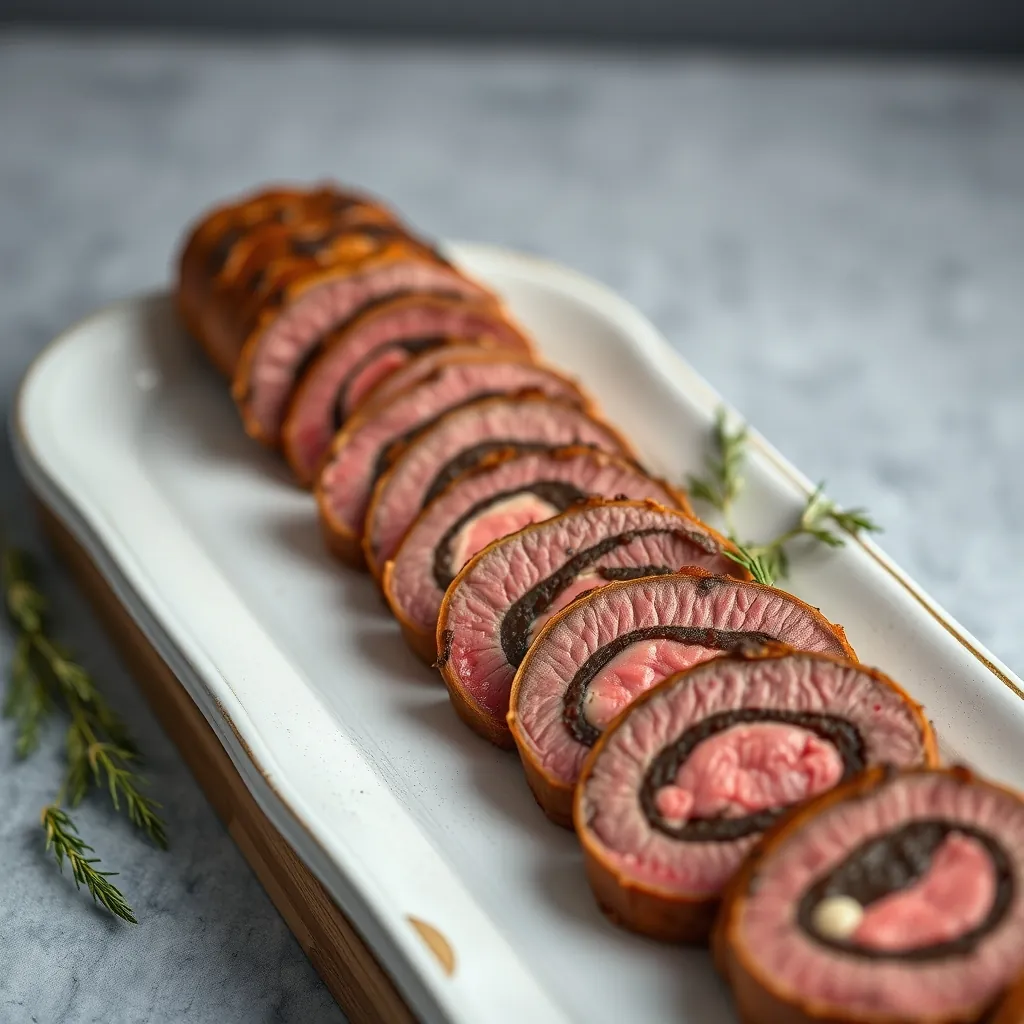
Batch cooking Beef Wellington offers numerous advantages that enhance both preparation efficiency and dining experiences. Here are some key benefits:
- Time-Saving: Preparing multiple Beef Wellingtons at once significantly reduces cooking time per unit. This is especially useful for busy individuals or families.
- Convenience for Gatherings: Batch cooking allows hosts to serve a gourmet meal without the stress of last-minute preparations. Perfect for dinner parties or holiday feasts.
- Consistent Quality: Cooking in batches ensures uniformity in taste and texture, leading to a more reliable dining experience for guests.
- Cost-Effective: Purchasing ingredients in larger quantities often reduces overall costs, making batch cooking a budget-friendly option.
- Meal Prep Flexibility: Batch cooking allows for easy meal prep. Cooked Wellingtons can be portioned and stored for future meals, providing quick options on busy days.
By embracing batch cooking, you can enjoy the luxury of Beef Wellington more frequently, ensuring that it becomes a staple in your culinary repertoire.
Essential Ingredients for Batch Cooking
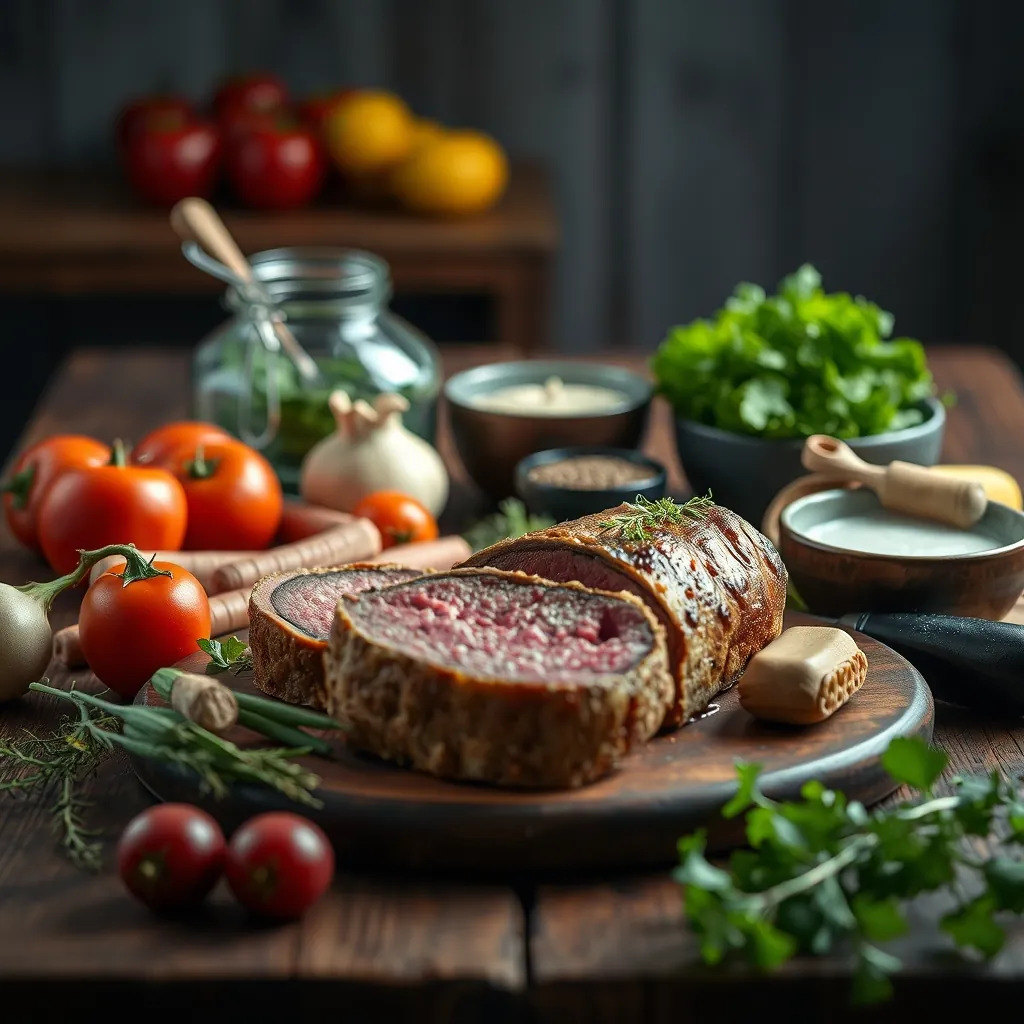
When preparing Beef Wellington in larger quantities, selecting the right ingredients is crucial for maintaining flavor and texture. Here are the essential components you will need:
- Beef Tenderloin: The star of the dish, beef tenderloin is preferred for its tenderness and rich flavor. For batch cooking, consider purchasing a larger cut that can be divided into portions.
- Mushrooms: Finely chopped mushrooms add moisture and umami. Use a mix of cremini and shiitake for depth of flavor. Ensure they are well-cooked to reduce moisture content before assembling the Wellington.
- Puff Pastry: Look for high-quality, ready-made puff pastry. For larger batches, you may need multiple sheets, so ensure you have enough to encase all your beef portions.
- Prosciutto or Parma Ham: This ingredient adds a savory layer and helps keep the beef moist. Use thin slices to wrap around the mushrooms and tenderloin effectively.
- Dijon Mustard: A layer of Dijon mustard enhances the flavor profile. Spread it over the beef after searing to add a zesty kick.
- Egg Wash: Beaten egg mixed with a splash of water creates a golden, glossy finish on the pastry. Prepare enough to brush over each Wellington before baking.
- Herbs: Fresh thyme and rosemary complement the beef beautifully. Use them to season the filling and enhance the overall flavor.
By gathering these ingredients, you will be well-equipped to create multiple Beef Wellingtons that are both delicious and visually appealing.
Preparation Steps for Batch Cooking
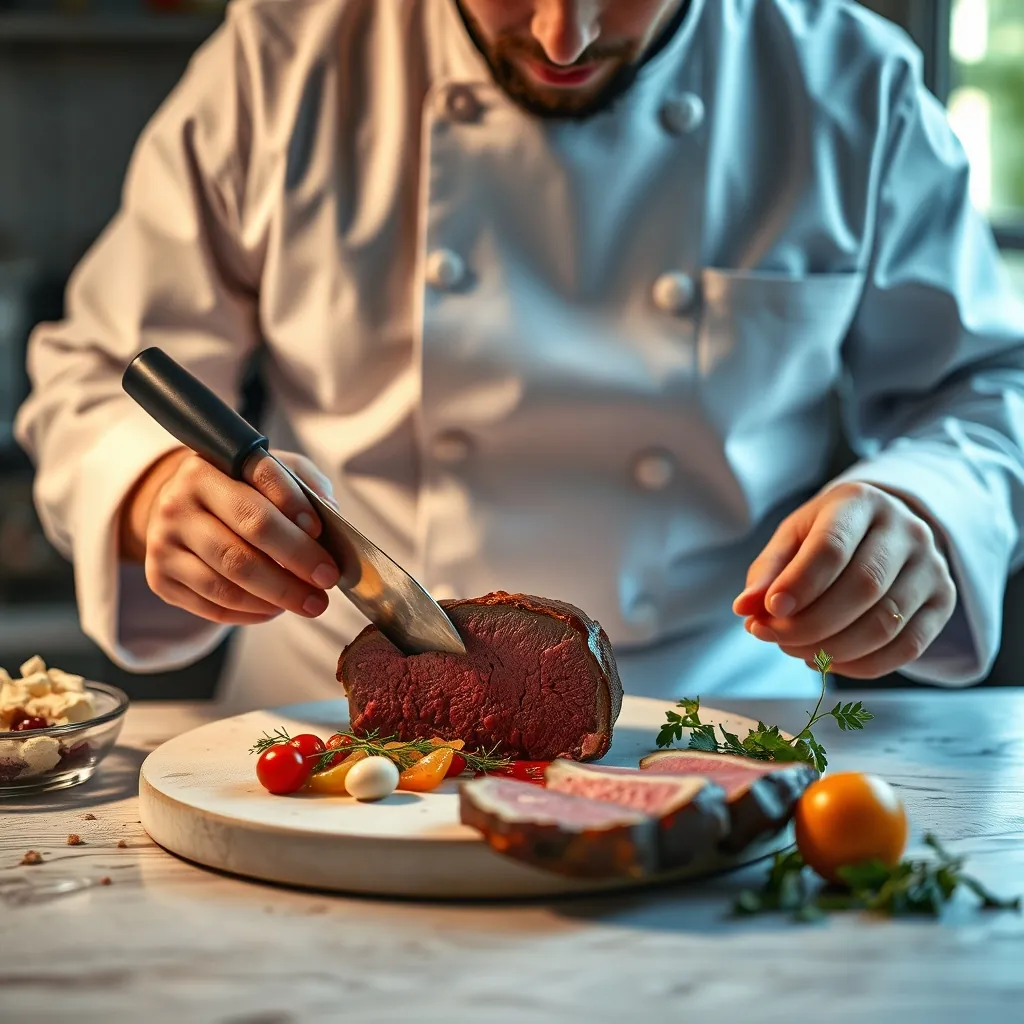
Preparation is key when batch cooking Beef Wellington, as it ensures consistency and quality across multiple servings. Follow these steps to effectively prepare your ingredients:
- Gather Ingredients: Assemble all necessary components, including beef tenderloin, mushrooms, shallots, garlic, puff pastry, and seasonings.
- Prepare the Beef: Trim any excess fat from the beef tenderloin and season it generously with salt and pepper. Sear the beef in a hot pan until browned on all sides. This step enhances flavor and seals in juices.
- Make the Duxelles: Finely chop the mushrooms, shallots, and garlic. Sauté them in butter over medium heat until the mixture is dry and caramelized. This concentrated filling adds depth to the dish.
- Cool the Mixture: Allow the duxelles to cool completely before assembling. This prevents the puff pastry from becoming soggy.
- Roll Out the Pastry: On a lightly floured surface, roll out the puff pastry to the desired thickness. Ensure it is large enough to encase the beef and duxelles.
- Assemble the Wellington: Place the cooled duxelles on the pastry, followed by the seared beef. Wrap the pastry tightly around the beef, sealing the edges well to avoid leaks during cooking.
- Chill Before Baking: Refrigerate the wrapped Beef Wellington for at least 30 minutes. This step helps the pastry maintain its shape during baking.
Following these preparation steps will ensure that your batch of Beef Wellington is ready for the oven, delivering a delicious meal that impresses at any gathering.
Step-by-Step Cooking Process
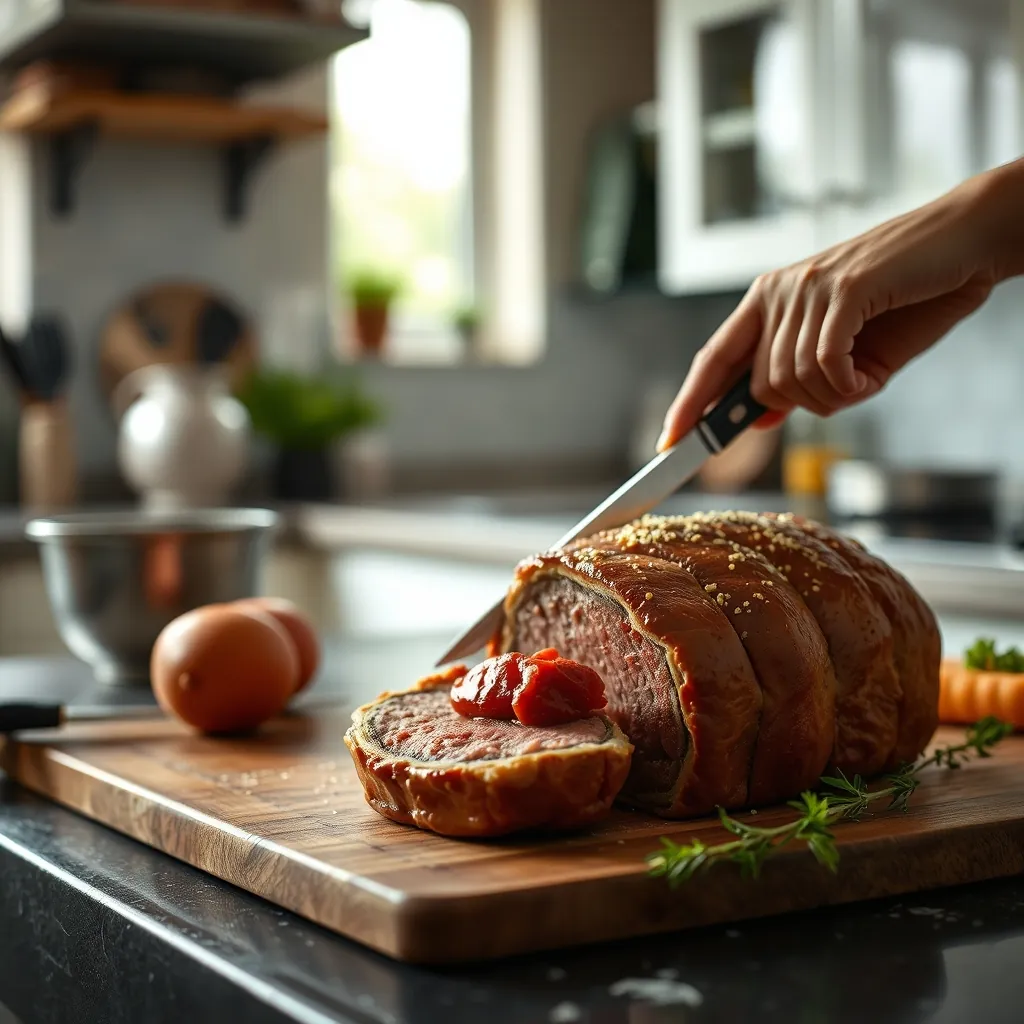
Cooking Beef Wellington involves several crucial steps that ensure a flavorful and perfectly cooked dish. Follow these steps carefully for the best results:
- Prepare the Ingredients: Start by gathering all necessary ingredients, including beef tenderloin, mushrooms, and puff pastry. Ensure the beef is at room temperature before cooking to promote even cooking.
- Cook the Mushrooms: Finely chop the mushrooms and sauté them in butter until they release their moisture and become golden brown. This step intensifies their flavor and prevents excess moisture from making the pastry soggy.
- Wrap the Beef: Season the beef tenderloin with salt and pepper. Sear it in a hot pan on all sides until browned. After searing, let it cool before wrapping it in the mushroom mixture and then in the puff pastry.
- Chill the Wrapped Beef: Place the wrapped Beef Wellington in the refrigerator for about 15-30 minutes. Chilling helps the pastry maintain its shape during baking.
- Preheat the Oven: Preheat your oven to 400°F (200°C). A hot oven ensures a crispy pastry crust.
- Bake the Wellington: Place the Beef Wellington on a baking sheet lined with parchment paper. Brush the pastry with an egg wash for a golden finish. Bake for 25-30 minutes, or until the internal temperature reaches 130°F (54°C) for medium-rare.
- Rest the Wellington: After baking, let the Beef Wellington rest for 10-15 minutes. This resting period allows the juices to redistribute, enhancing flavor and tenderness.
Following these steps will help you achieve a delicious Beef Wellington with an appealing presentation and optimal flavor. Remember, patience is key to mastering this classic dish.
Adjusting Cooking Times for Larger Batches
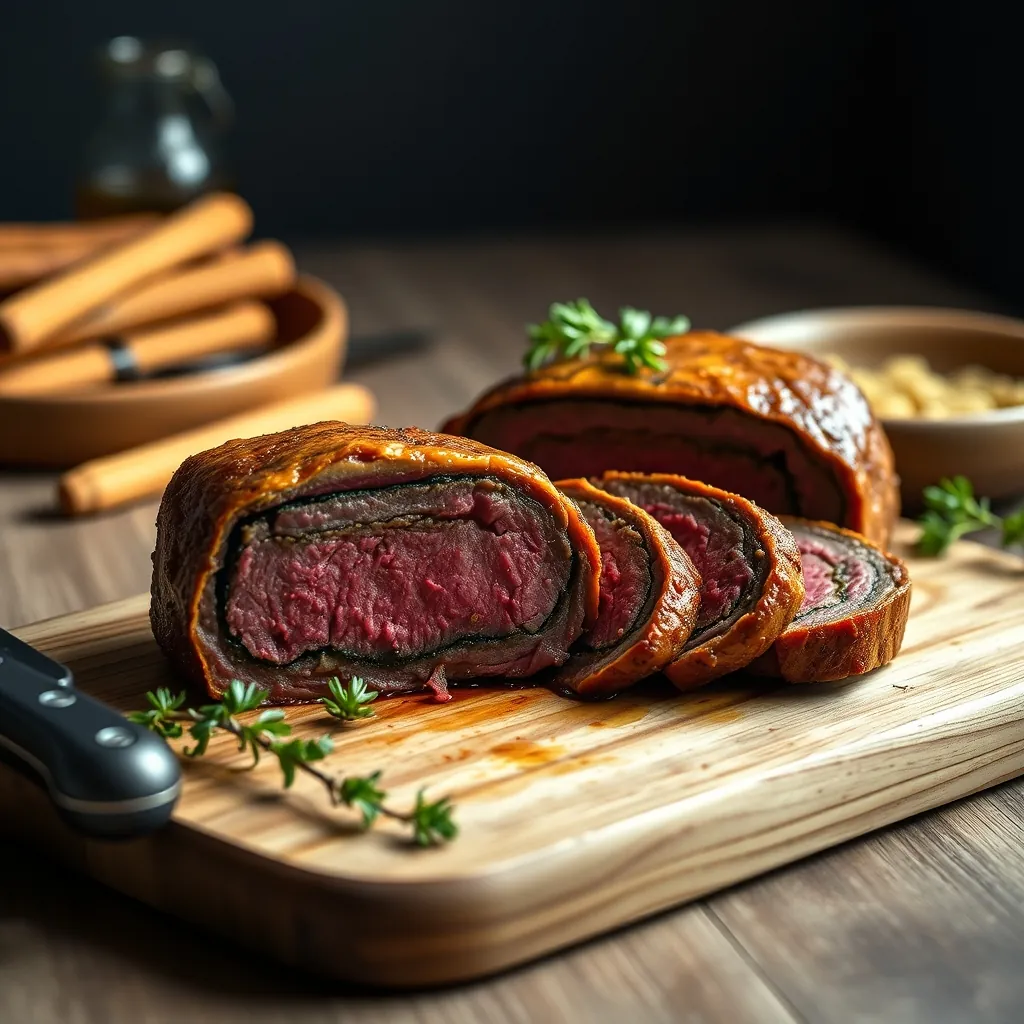
When preparing multiple Beef Wellingtons, it’s essential to adjust cooking times to ensure each piece is cooked evenly. Below are key considerations for adjusting cooking times and temperatures:
- Batch Size: The size of the batch directly influences cooking time. For larger batches, increase the overall cooking time by approximately 10-15 minutes.
- Oven Temperature: Maintain the recommended oven temperature of 400°F (200°C). This ensures that the puff pastry cooks properly while the beef reaches the desired doneness.
- Internal Temperature: Use a meat thermometer to check the internal temperature. For medium-rare, aim for 130°F (54°C). For larger batches, test the thickest Wellington to gauge doneness accurately.
- Spacing: Arrange the Wellingtons on the baking sheet with adequate space between each. This promotes even heat circulation, preventing some from cooking faster than others.
- Resting Time: After baking, allow the Beef Wellingtons to rest for 10-15 minutes. This step is crucial for juices to redistribute, enhancing flavor and moisture.
By following these adjustments, you can successfully prepare a batch of Beef Wellingtons that are both delicious and visually appealing.
Common Mistakes to Avoid
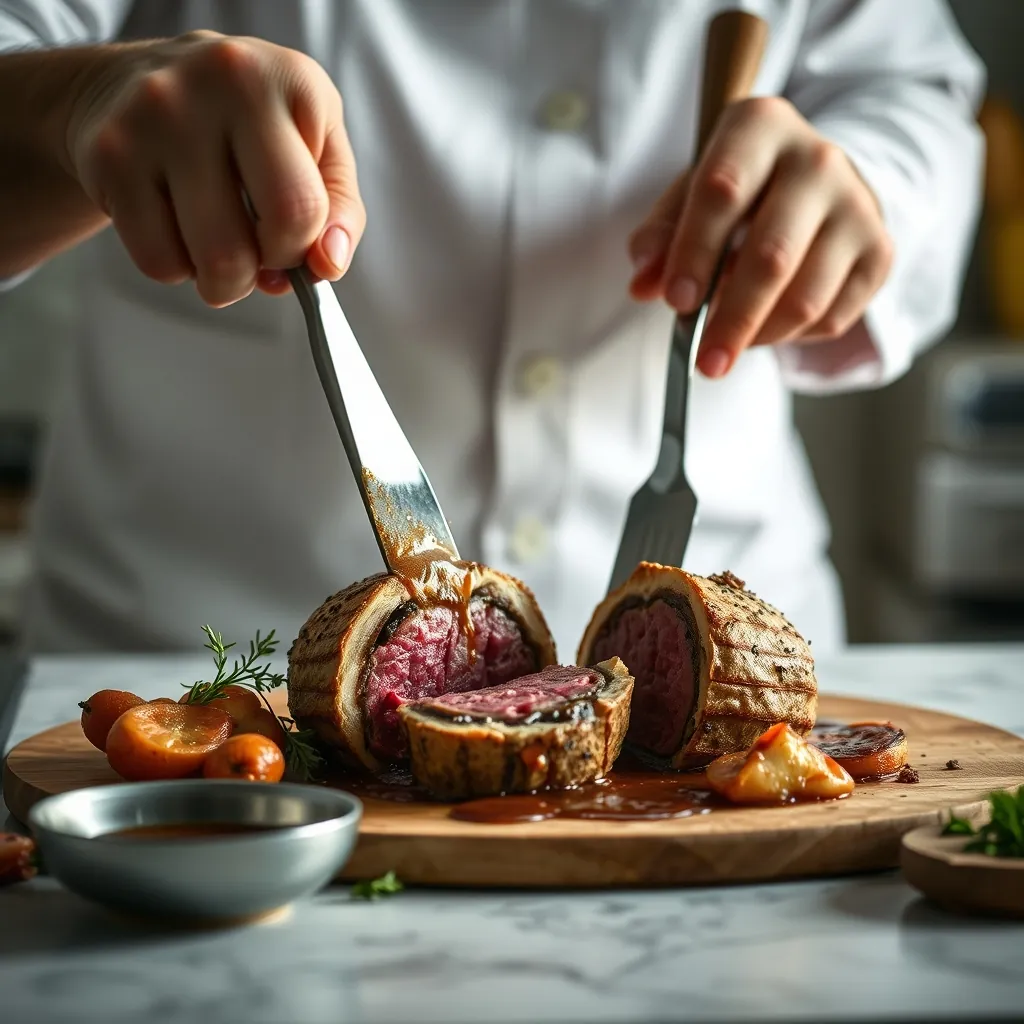
Creating Beef Wellington can be a rewarding culinary experience, but several common mistakes can hinder the final result. Awareness of these pitfalls can enhance your cooking process, especially when preparing larger batches.
- Overcooking the Beef: The beef tenderloin should ideally reach an internal temperature of 130°F (54°C) for medium-rare. Overcooking can lead to dry meat, so use a meat thermometer to monitor the temperature closely.
- Improper Mushroom Preparation: Sauté mushrooms to remove excess moisture before wrapping them in pastry. Failing to do so can lead to a soggy crust.
- Not Allowing the Beef to Rest: After cooking, let the Beef Wellington rest for 10-15 minutes. This step allows juices to redistribute, ensuring a moist and flavorful cut.
- Skipping the Chilling Step: Chilling the wrapped Wellington before baking helps the pastry maintain its shape and texture. Avoid skipping this crucial step, particularly when cooking in batches.
- Using the Wrong Pastry: Always opt for high-quality puff pastry. Low-quality options may not rise correctly and can affect the overall texture.
- Not Adjusting Cooking Times: When cooking multiple Wellingtons, be mindful of adjusting cooking times. Larger batches may require extra time in the oven to ensure even cooking.
By keeping these common mistakes in mind, you can elevate your Beef Wellington, ensuring it is both delicious and visually appealing, particularly when batch cooking for gatherings.
Storage and Freezing Tips
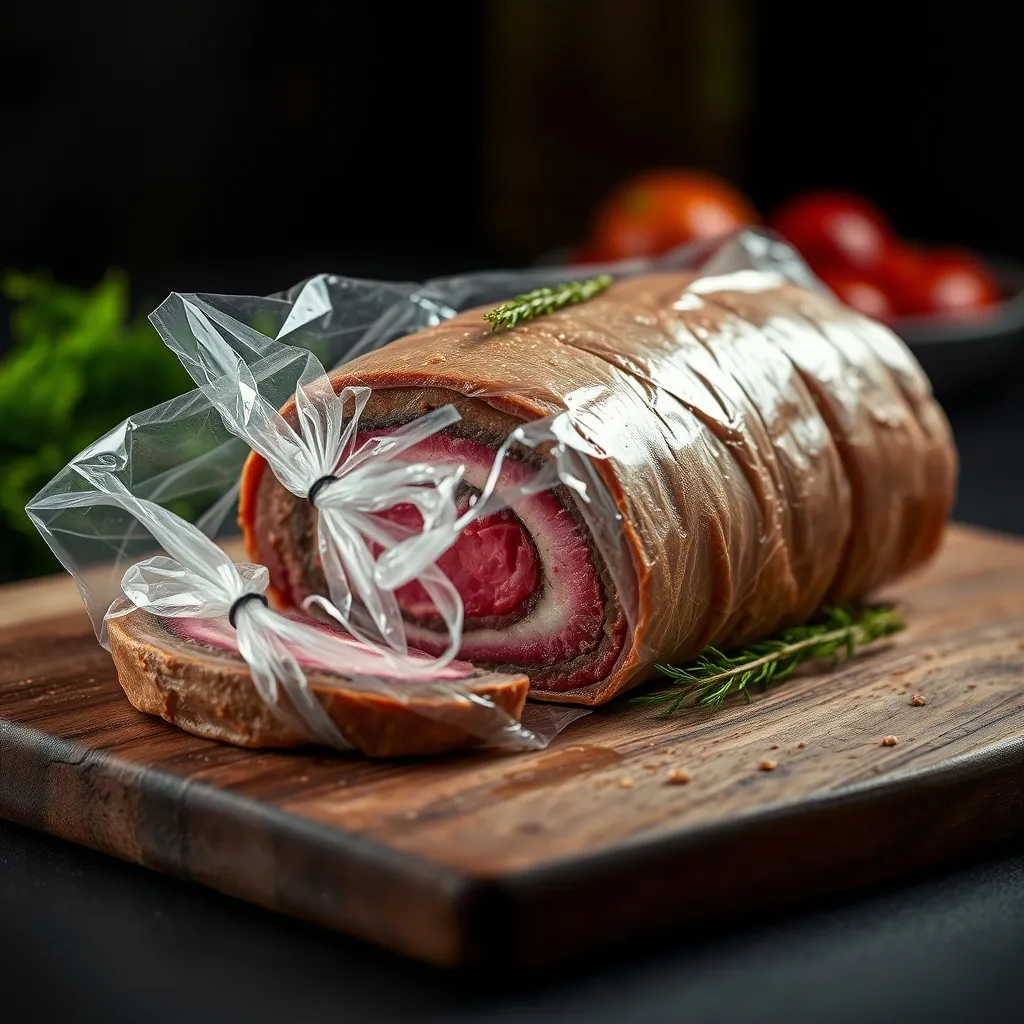
To preserve the quality and flavor of Beef Wellington for future meals, proper storage and freezing techniques are essential. Follow these guidelines to ensure your dish remains delicious when reheated.
Storing Beef Wellington
- Refrigeration: If you plan to consume Beef Wellington within a few days, store it in the refrigerator. Wrap it tightly in plastic wrap or aluminum foil to prevent moisture loss and avoid any absorption of odors from other foods.
- Cooling: Allow the Beef Wellington to cool to room temperature before wrapping it. This helps prevent condensation, which can lead to sogginess.
- Use Airtight Containers: For added protection, place the wrapped Wellington in an airtight container to keep it fresh and maintain its texture.
Freezing Beef Wellington
- Preparation: Before freezing, ensure the Beef Wellington is fully cooked and cooled. Freezing raw Beef Wellington is not recommended as it may affect the cooking quality later.
- Wrapping: Wrap the cooled Beef Wellington tightly in plastic wrap, followed by a layer of aluminum foil. This double wrapping prevents freezer burn and preserves flavor.
- Labeling: Clearly label the package with the date of freezing. This helps you keep track of how long it has been stored.
- Freezing Duration: For optimal quality, consume frozen Beef Wellington within three months. While it may remain safe beyond this timeframe, texture and flavor may decline.
By following these storage and freezing tips, you can enjoy your Beef Wellington at a later date without compromising on taste or quality.
Reheating Beef Wellington
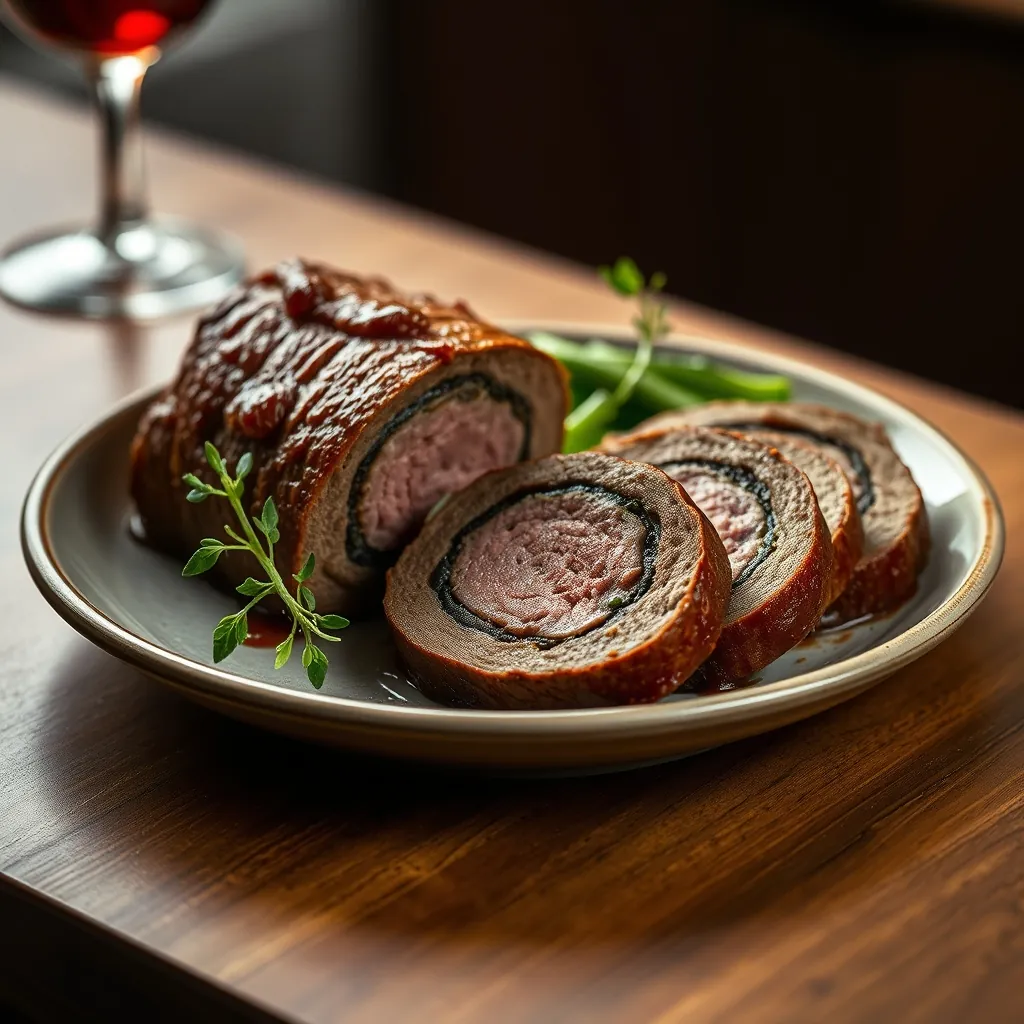
Reheating Beef Wellington requires careful attention to preserve its texture and flavor. The following methods are recommended for optimal results:
- Oven Method: Preheat the oven to 350°F (175°C). Wrap the Beef Wellington in aluminum foil to retain moisture. Place it on a baking sheet and heat for about 20-30 minutes, or until warmed through. This method helps maintain the crispiness of the pastry.
- Microwave Method: For a quicker option, slice the Beef Wellington into portions. Place the slices on a microwave-safe plate and cover them with a damp paper towel. Heat on medium power for 1-2 minutes, checking to ensure it does not become overcooked.
- Skillet Method: Heat a non-stick skillet over low heat. Add a small amount of broth or water to create steam. Place the Beef Wellington in the skillet, cover with a lid, and heat for about 10-15 minutes, turning occasionally. This method helps keep the pastry from becoming soggy.
Regardless of the method chosen, it’s essential to monitor the internal temperature, aiming for around 130°F (54°C) for medium-rare. Allow the reheated Beef Wellington to rest for a few minutes before serving to enhance the flavor.
Serving Suggestions and Pairings
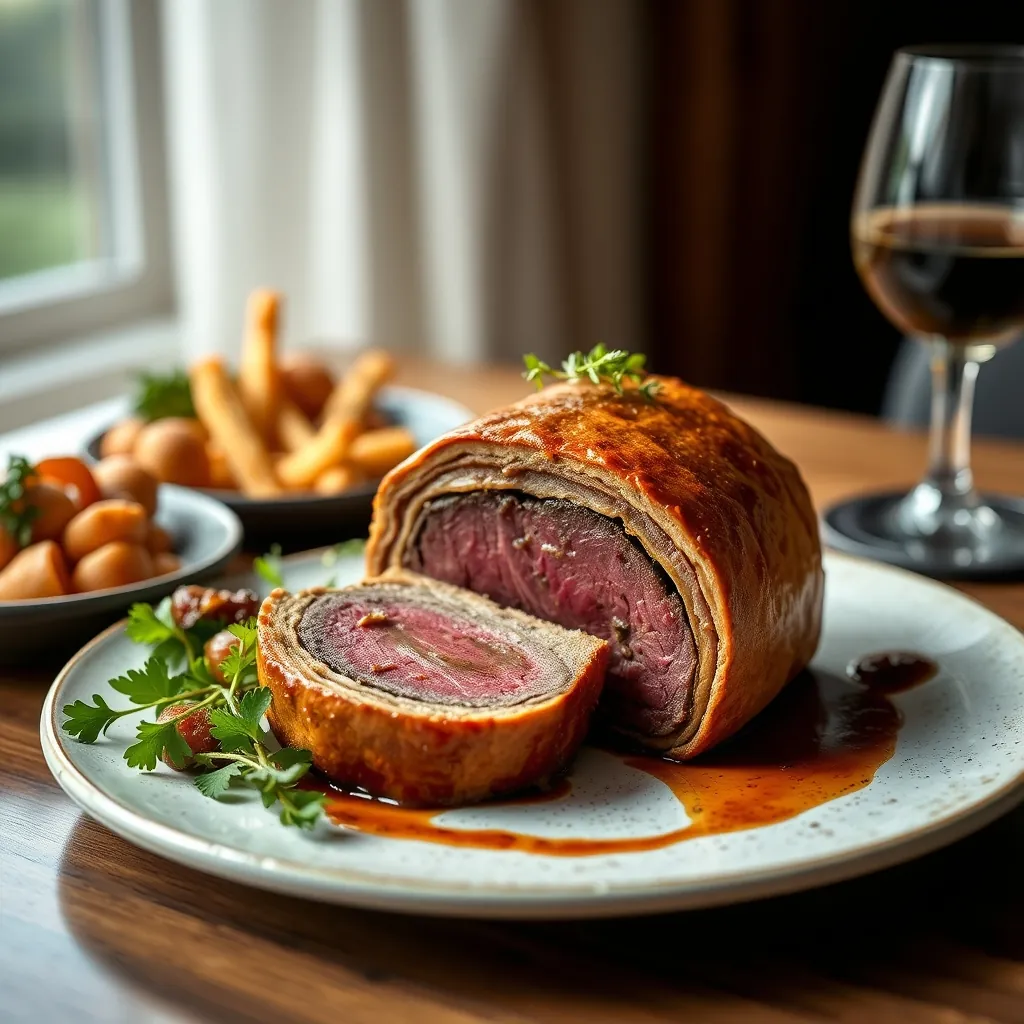
Beef Wellington is a centerpiece dish, and pairing it with the right side dishes and beverages enhances the overall dining experience. Here are some excellent options to consider:
- Classic Side Dishes:
- Garlic mashed potatoes, creamy and buttery, complement the rich flavors of the Wellington.
- Honey-glazed carrots add a touch of sweetness and vibrant color to the plate.
- Roasted Brussels sprouts with balsamic glaze provide a savory and slightly tangy contrast.
- Salads:
- A mixed greens salad with a light vinaigrette offers a refreshing balance to the meal.
- Caesar salad, with its creamy dressing and crunchy croutons, pairs well with the beef.
- Beverage Pairings:
- Red wine, particularly a full-bodied Cabernet Sauvignon or a Merlot, enhances the beef’s flavors.
- For a lighter option, a Pinot Noir provides a nice acidity that complements the richness.
- Craft beer, such as a stout or porter, offers a robust pairing with the dish.
These suggestions create a well-rounded meal that elevates the enjoyment of Beef Wellington, making it perfect for special occasions or gatherings.
Tips for Perfect Beef Wellington
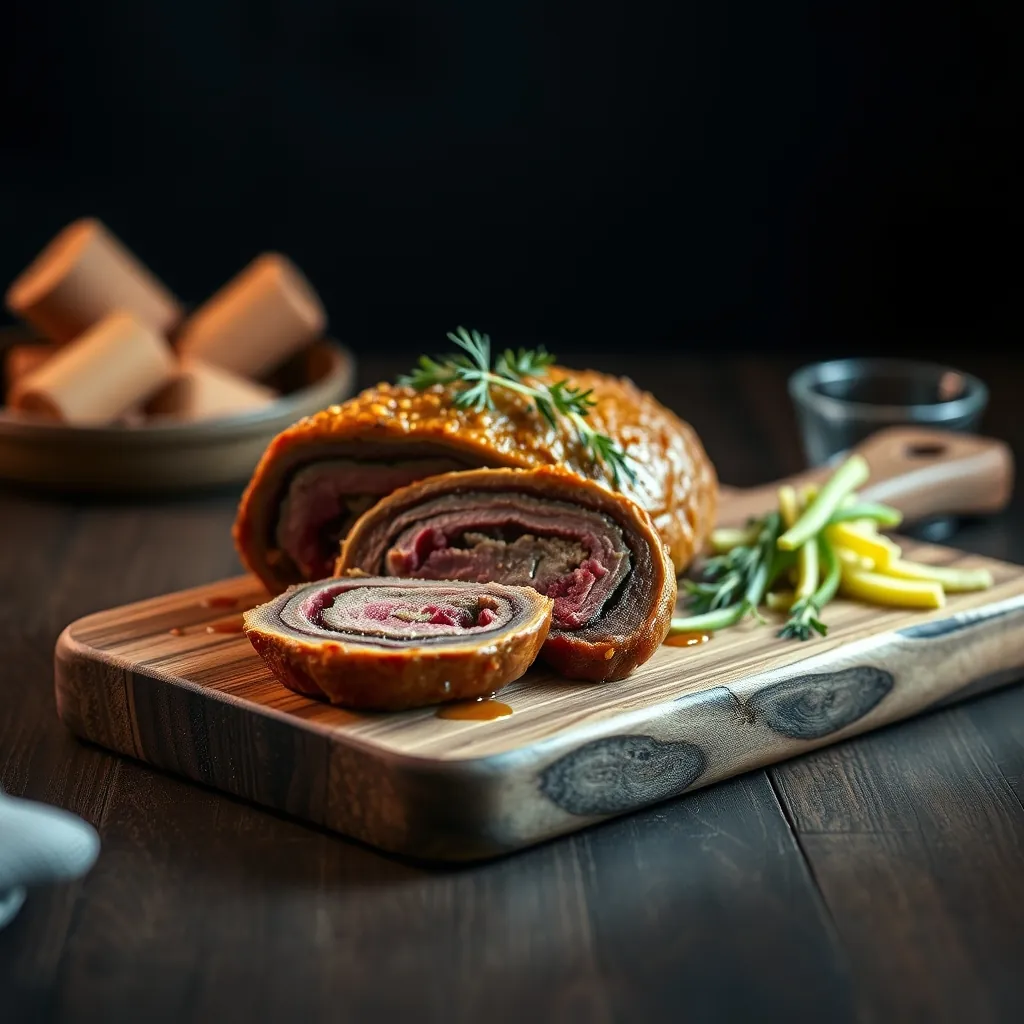
Achieving the perfect Beef Wellington, particularly when preparing in batches, requires attention to detail and a few expert tips. Here are key strategies to enhance your cooking experience:
- Choose Quality Ingredients: Opt for high-quality beef tenderloin and fresh mushrooms. The quality of your ingredients directly impacts the final dish.
- Properly Sear the Beef: Searing the beef tenderloin before wrapping it in pastry locks in the juices and adds flavor. Ensure the pan is hot enough to achieve a golden crust.
- Cool the Filling: Allow the mushroom duxelles and any other filling to cool before assembling the Wellington. This prevents the pastry from becoming soggy.
- Use Puff Pastry Wisely: Roll the puff pastry to a uniform thickness to ensure even cooking. Thicker areas may not cook through while thinner parts can burn.
- Egg Wash for Shine: Brush the exterior of the pastry with an egg wash for a golden, glossy finish. This step adds visual appeal to your dish.
- Rest Before Slicing: After cooking, let the Beef Wellington rest for 10-15 minutes. This allows the juices to redistribute, ensuring a moist and flavorful slice.
- Adjust Cooking Times for Batches: When cooking multiple Beef Wellingtons, monitor the internal temperature closely. Larger batches may require slightly longer cooking times.
By following these tips, you can create a Beef Wellington that impresses at any gathering, ensuring that every bite is as delicious as the last.
Conclusion
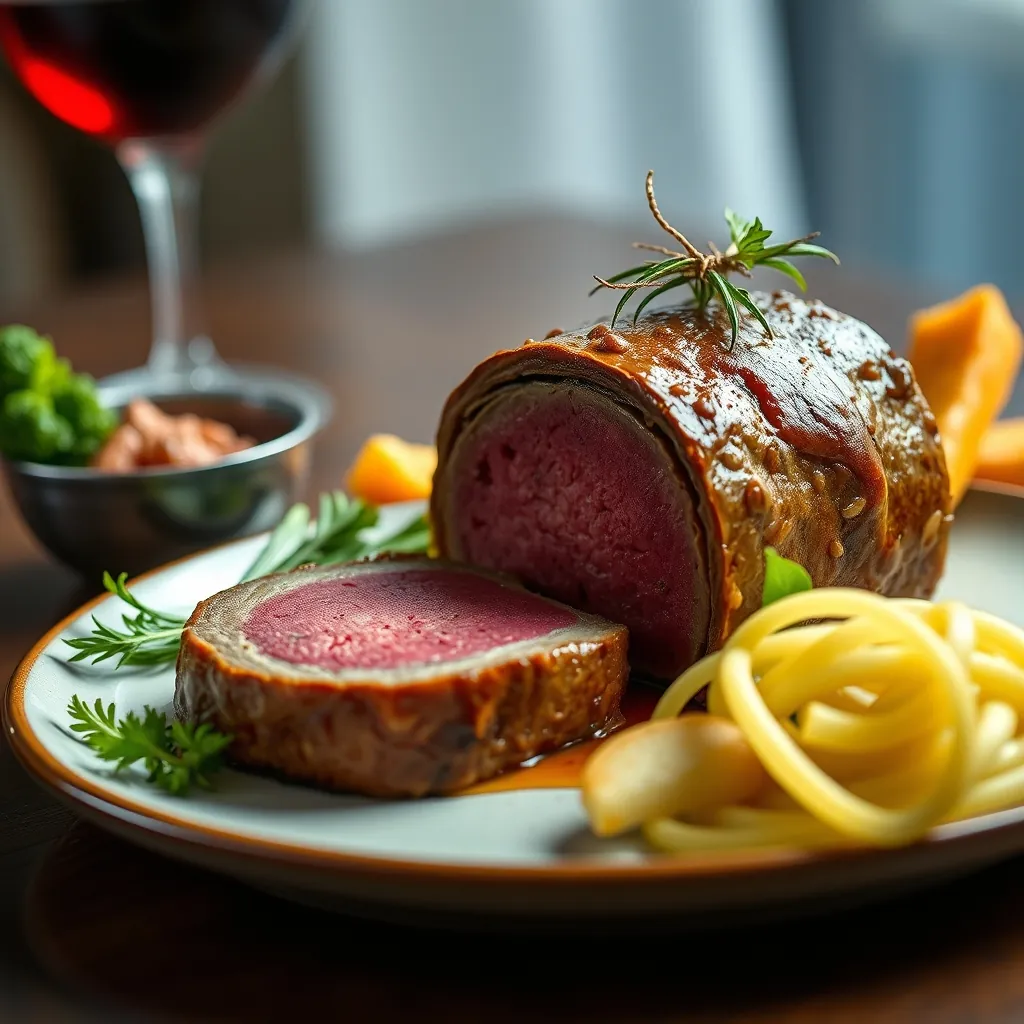
Batch cooking Beef Wellington not only elevates your culinary skills but also allows for a delightful dining experience with minimal effort. By preparing multiple portions, you can save valuable time while ensuring that your family and guests enjoy this classic dish. The combination of tender beef, rich mushroom duxelles, and flaky puff pastry creates a symphony of flavors that is hard to resist.
Remember to adjust cooking times as needed for larger batches, ensuring that each Wellington reaches the ideal internal temperature of 130°F (54°C) for medium-rare perfection. After cooking, allow the dish to rest for 10-15 minutes; this enhances the juiciness and overall texture.
As you explore the art of batch cooking, don’t overlook the importance of proper storage and reheating techniques to maintain the quality of your Beef Wellington. With these strategies in hand, you can enjoy this gourmet meal on multiple occasions, impressing friends and family alike.
Now is the time to roll up your sleeves and try your hand at batch cooking Beef Wellington. Embrace the flavors, the process, and the joy of sharing this exquisite dish with loved ones.
Leave a Reply