Your cart is currently empty!
How to Make Simple Pho: A Definitive Guide
Introduction to Pho
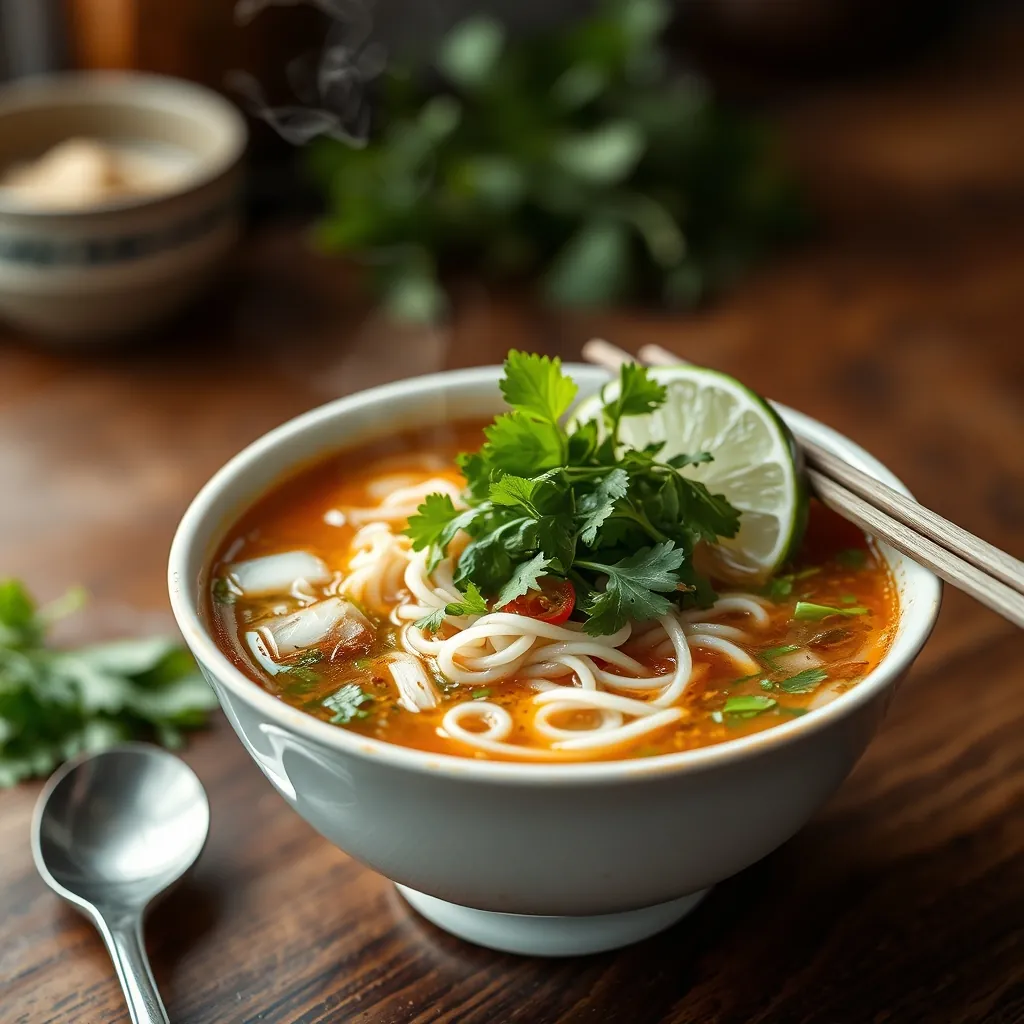
Pho is more than just a soup; it is a beloved Vietnamese dish that captures the essence of the country’s culinary heritage. This flavorful broth, typically made with beef or chicken, is infused with aromatic spices and served with rice noodles known as banh pho. The combination of textures and flavors makes pho a unique dining experience.
Culturally, pho holds a significant place in Vietnam, often enjoyed as a breakfast staple or a comforting meal throughout the day. Street vendors and restaurants across the nation serve various versions of this dish, each reflecting regional ingredients and cooking techniques.
What sets pho apart is its delicate balance of flavors. The rich, savory broth is complemented by fresh herbs such as basil, cilantro, and a squeeze of lime, enhancing the overall taste. This harmony of ingredients creates a dish that is not only satisfying but also deeply rooted in Vietnamese tradition.
Essential Ingredients for Pho
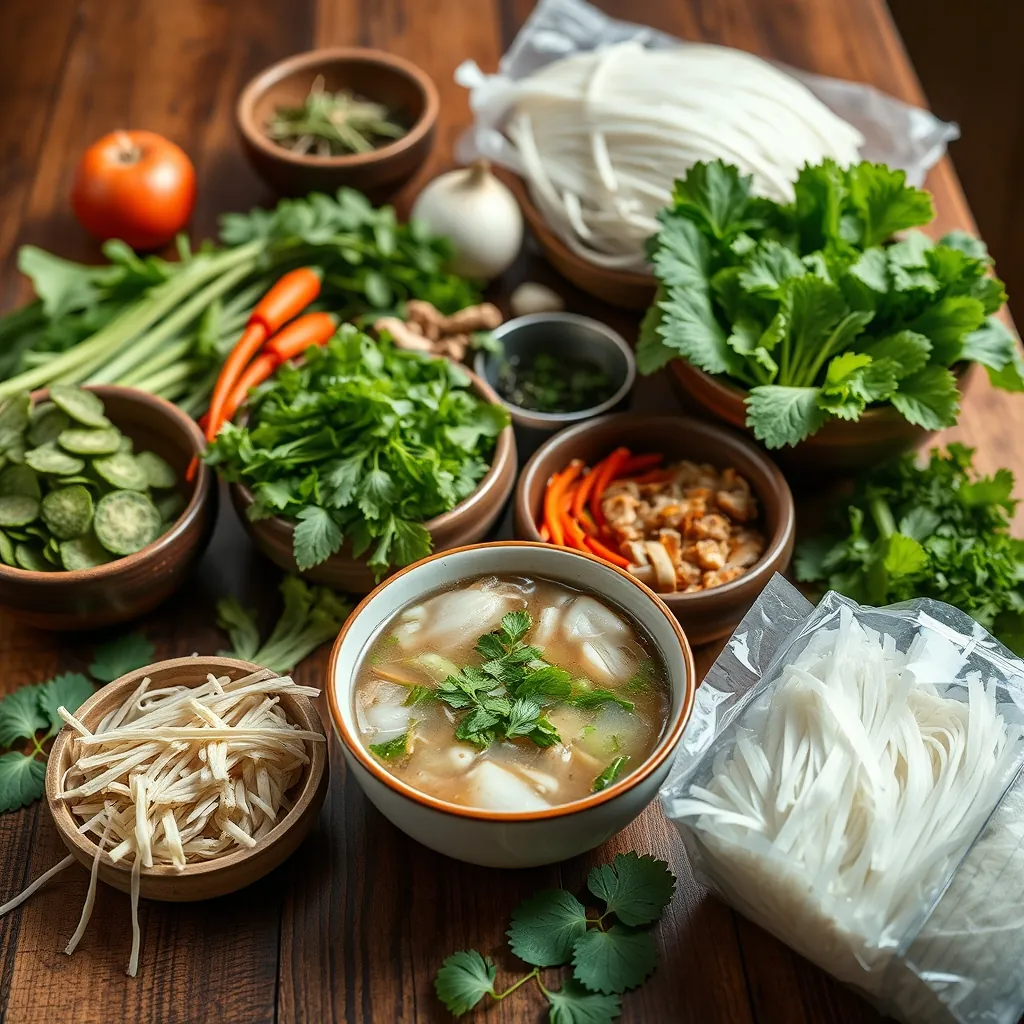
To create an authentic bowl of pho, several key ingredients are essential. Each component contributes to the dish’s signature taste and texture. Here are the primary ingredients you will need:
- Broth: The heart of pho, a well-prepared broth is crucial. Traditionally, it is made by simmering beef bones or chicken carcasses for several hours, allowing the flavors to deepen. Aromatic spices such as star anise, cloves, and cinnamon enhance the broth’s complexity.
- Banh Pho (Rice Noodles): These flat rice noodles are a staple in pho. They absorb the broth’s flavors while providing a chewy texture. Available in various widths, choose according to your preference.
- Herbs: Fresh herbs bring brightness to pho. Common choices include basil, cilantro, and green onions. These herbs should be added just before serving to maintain their freshness.
- Meat: Typically, thinly sliced beef or chicken is used, though variations exist. The meat is often added raw to the bowl, where it cooks gently in the hot broth.
- Lime: A wedge of lime adds acidity, balancing the rich flavors of the broth and enhancing the overall experience.
These ingredients form the foundation of pho. Understanding their roles allows for adjustments based on personal taste or dietary needs.
Preparing the Broth
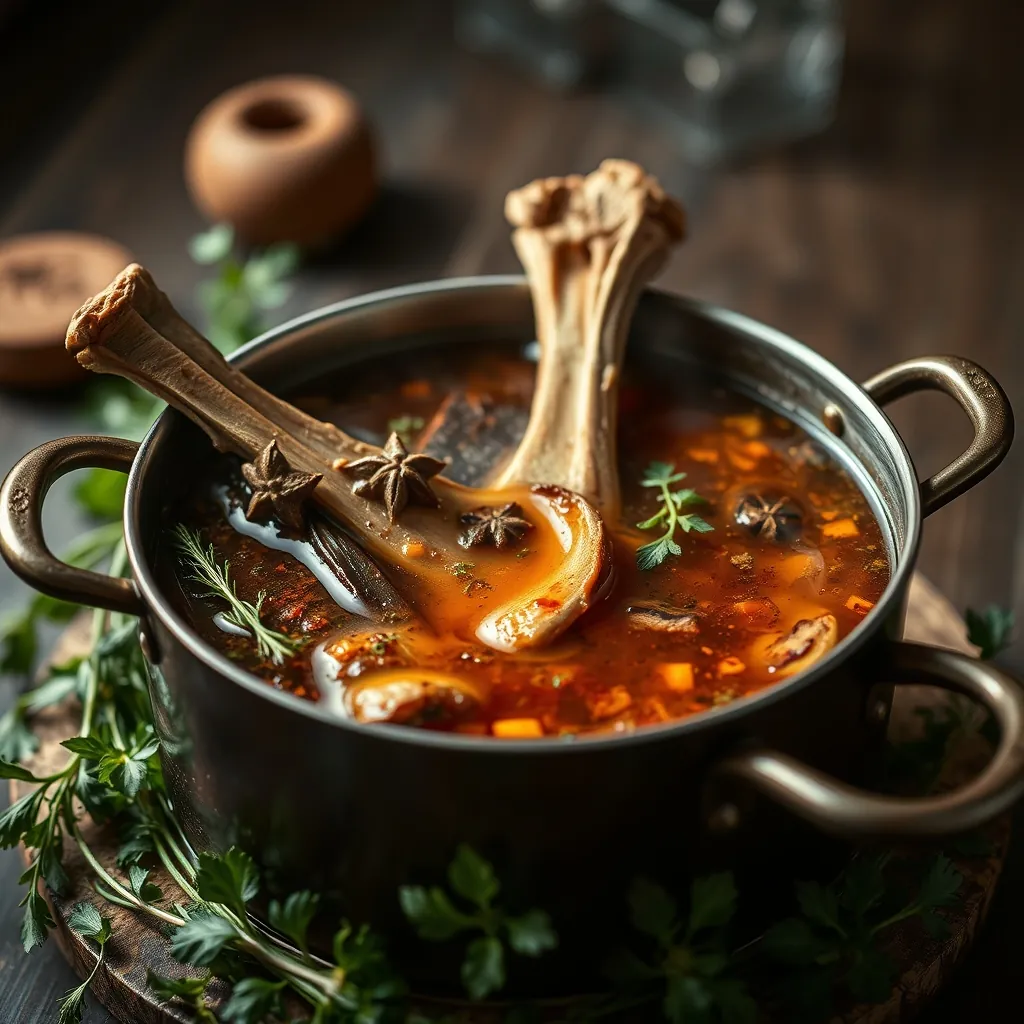
Creating a flavorful broth is pivotal to achieving a delicious pho. The process involves careful simmering and balancing of flavors. Follow these steps to prepare a rich and aromatic broth:
- Selecting Ingredients: Start with high-quality beef bones or chicken carcasses. The best choices include marrow bones for richness and knuckle bones for gelatin, enhancing the broth’s body.
- Blanching Bones: To remove impurities, blanch the bones by boiling them in water for about 10 minutes. Afterward, rinse them under cold water to ensure a clear broth.
- Simmering: Place the cleaned bones in a large pot and cover with cold water. Bring to a boil, then reduce to a simmer. Cook for at least 4 to 6 hours, adding more water as necessary to keep the bones submerged.
- Aromatic Spices: During the last hour of simmering, add spices such as star anise, cloves, cinnamon, and ginger. Toasting these spices briefly in a dry pan before adding them will enhance their flavors.
- Balancing Flavors: As the broth simmers, taste periodically. Adjust the flavor profile by adding salt, fish sauce, or sugar. A well-balanced broth should have depth from the meat, brightness from the spices, and a hint of sweetness.
Once the broth has simmered to perfection, strain it through a fine mesh sieve to remove solids. This leaves you with a clear, flavorful base for your pho. A well-prepared broth is fundamental—ensure it reflects your taste preferences for an authentic experience.
Cooking the Noodles
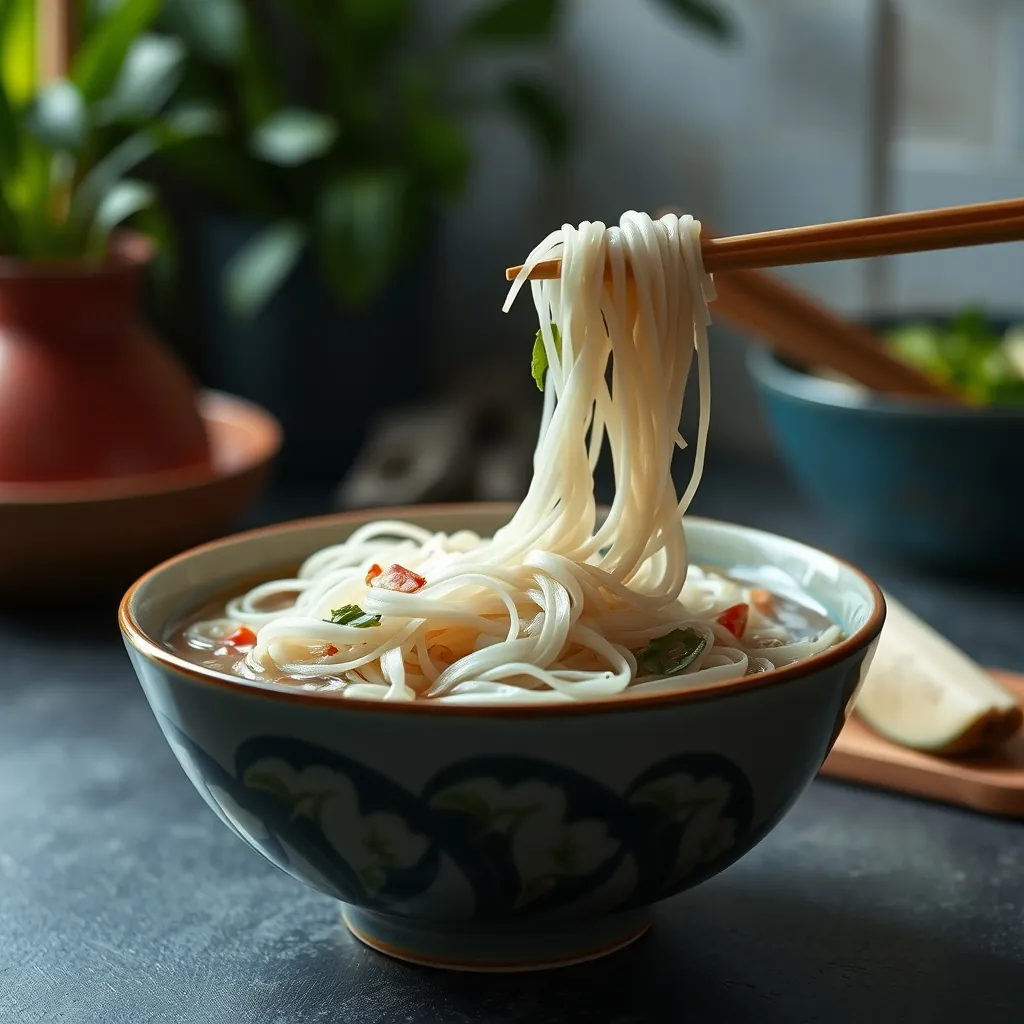
Cooking rice noodles, or banh pho, is essential for creating a satisfying bowl of pho. The texture of the noodles significantly contributes to the overall experience of the dish. Follow these steps to achieve perfectly cooked banh pho:
- Selecting Noodles: Choose high-quality banh pho, typically found in Asian grocery stores. Dried noodles are common, but fresh noodles are available and can save time.
- Soaking Dried Noodles: If using dried noodles, soak them in warm water for 30 to 45 minutes until they soften. This step is crucial for ensuring even cooking.
- Boiling: Bring a large pot of water to a rolling boil. Add the soaked noodles and cook for 1 to 3 minutes, depending on thickness. Stir gently to prevent sticking.
- Checking Doneness: Taste a noodle to ensure it is al dente. The noodles should be tender but still have a slight bite. Overcooking can lead to mushy noodles, which detracts from the dish.
- Draining and Rinsing: Once cooked, drain the noodles in a colander and rinse them briefly under cold water. This stops the cooking process and helps remove excess starch, preventing clumping.
After preparing the noodles, they are ready to be added to your pho bowl. Properly cooked banh pho enhances the flavor and texture of your dish, making it a delightful centerpiece for your meal.
Assembling Your Pho Bowl
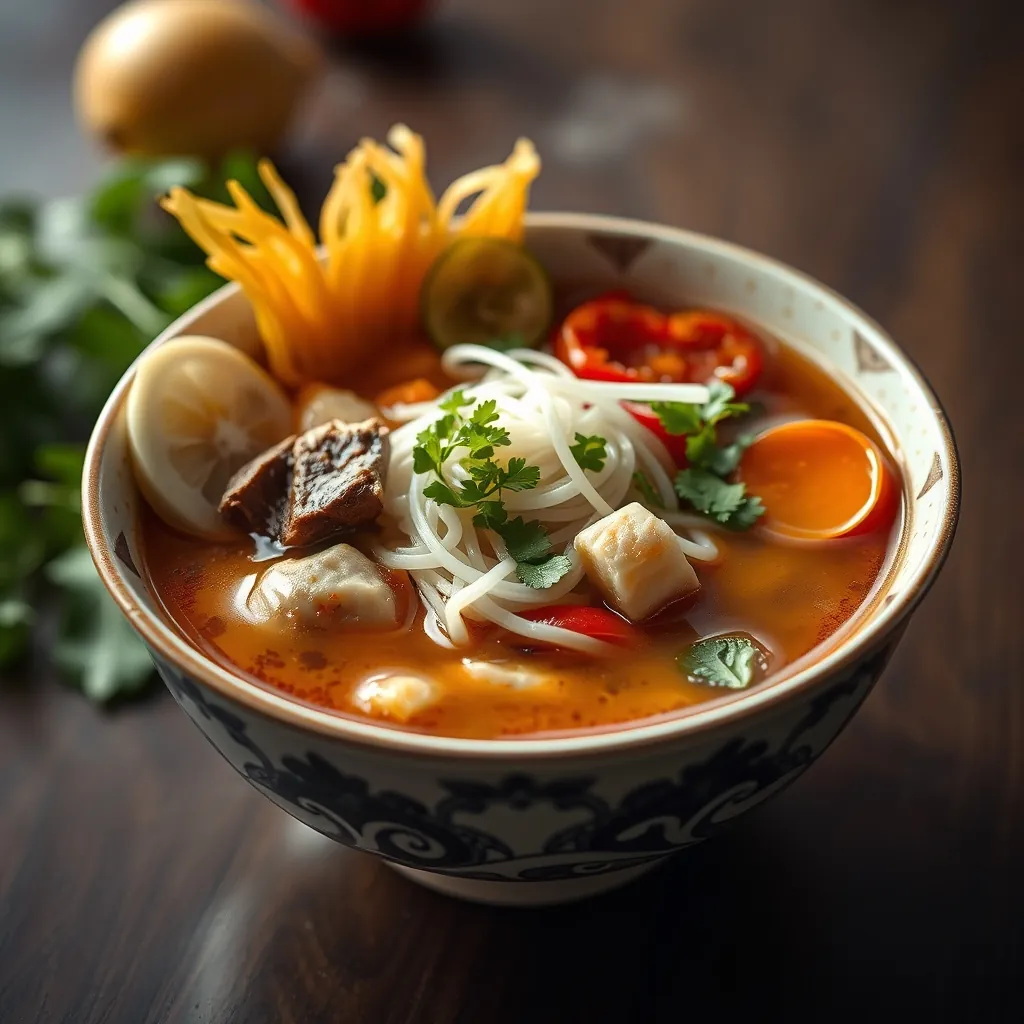
Assembling your pho bowl is a crucial step that brings together all the components for a delicious and visually appealing dish. Follow these guidelines to create the perfect pho bowl:
- Start with the Broth: Begin by ladling hot, flavorful broth into your bowl. The broth should be steaming and aromatic, as it forms the base of your pho.
- Add the Noodles: Gently place a portion of cooked banh pho into the broth. Ensure the noodles are evenly distributed to absorb the flavors.
- Layer with Proteins: Add your choice of protein, such as thinly sliced beef or chicken, directly into the hot broth. The heat will cook the meat slightly, enhancing its tenderness.
- Incorporate Fresh Herbs: Sprinkle a handful of fresh herbs like basil and cilantro on top. These not only add freshness but also elevate the dish’s aroma.
- Include Aromatics: Add lime wedges and sliced jalapeños for an extra kick. These ingredients allow diners to customize their flavor profile.
- Finish with Garnishes: Top your pho with bean sprouts, green onions, and hoisin sauce or sriracha for additional flavor and texture.
Once assembled, serve your pho immediately while it is still hot. Encourage everyone to mix their toppings into the broth for a harmonious blend of flavors. Enjoying pho is not just about taste; it’s also about the experience of combining fresh ingredients into a comforting bowl of soup.
Serving Suggestions
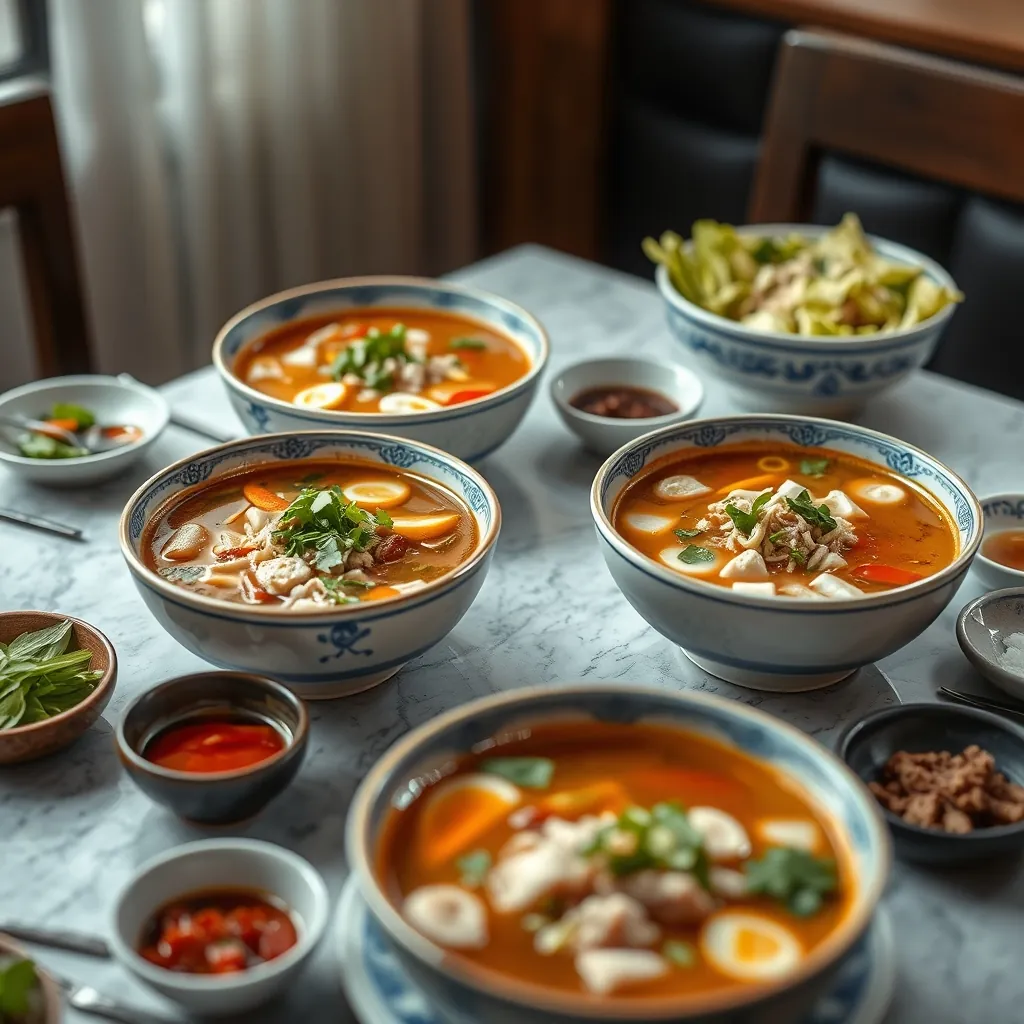
Serving pho involves more than just placing the bowl on the table; it’s about enhancing the dining experience. Here are several suggestions for serving pho that will delight your guests:
- Garnish Bar: Create a garnish station with a variety of toppings. Include fresh herbs like basil and cilantro, bean sprouts, lime wedges, and sliced jalapeños. This allows guests to customize their bowls to their liking.
- Accompanying Sauces: Provide hoisin sauce and sriracha on the side. These sauces add depth and heat to the dish, allowing diners to adjust the flavor according to personal preference.
- Side Dishes: Consider serving pho with traditional Vietnamese sides such as cha gio (spring rolls) or a light salad. These dishes complement the flavors of pho and offer a more rounded meal.
- Beverage Pairings: Offer refreshing beverages like iced tea or Vietnamese coffee. These drinks can enhance the overall experience and provide a perfect balance to the rich flavors of pho.
- Serving Temperature: Ensure that the broth remains hot when served. This not only enhances the flavor but also keeps the noodles from becoming too soft.
By thoughtfully presenting pho with these serving suggestions, you create an inviting atmosphere that encourages sharing and enjoying this beloved dish together.
Variations of Pho
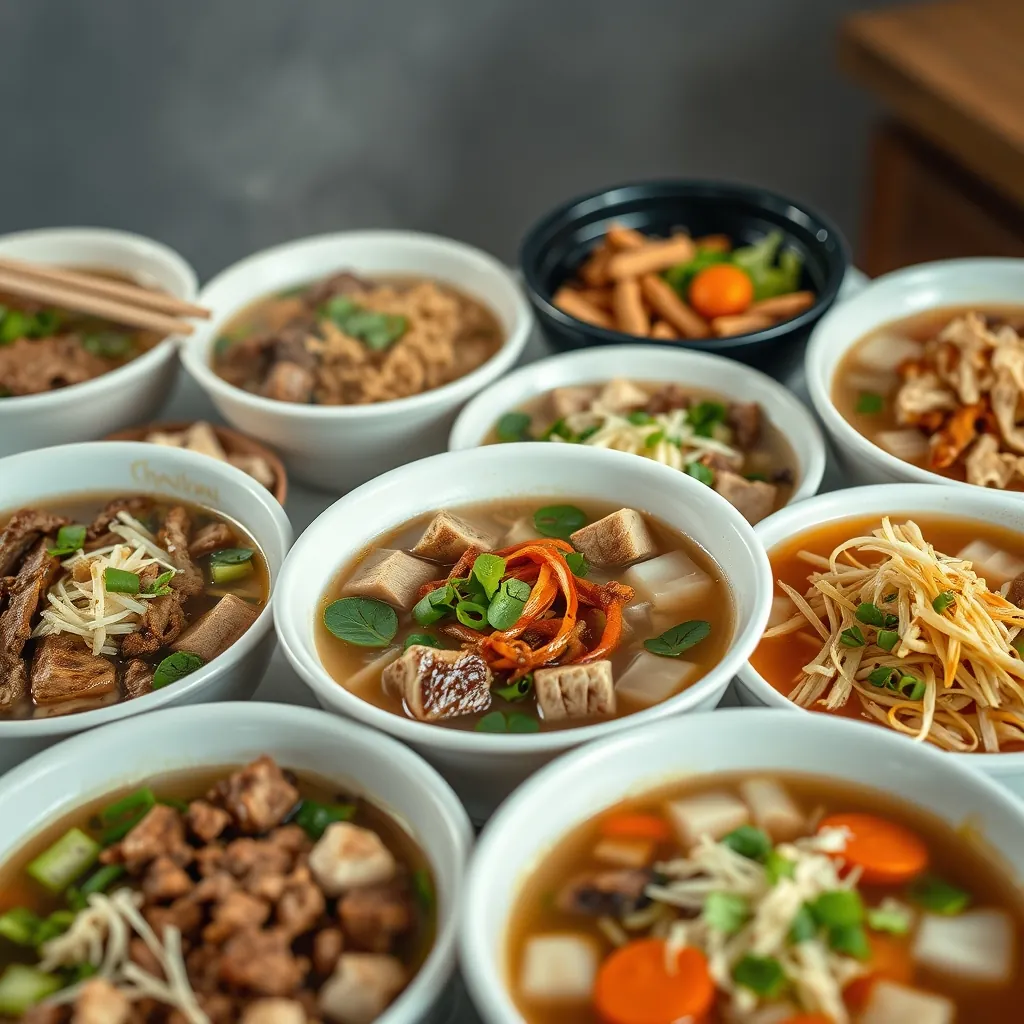
Exploring the variations of pho opens up a world of flavors and ingredients. Each type of pho offers a unique taste experience while maintaining the essence of this traditional Vietnamese dish. Here are some popular variations:
- Beef Pho (Phở Bò): This is the most common version, featuring thinly sliced beef, often brisket or sirloin, in a rich beef broth. To enhance the flavor, consider adding spices like star anise and cinnamon during the simmering process.
- Chicken Pho (Phở Gà): A lighter alternative, chicken pho uses tender chicken pieces simmered in a flavorful broth. For a twist, use a mix of dark and white meat to achieve a balance of rich and light flavors.
- Vegetarian Pho: Ideal for those avoiding meat, vegetarian pho substitutes vegetable broth for the traditional meat-based broth. Incorporate mushrooms, tofu, and a variety of vegetables to create depth and texture.
- Seafood Pho: This variation features shrimp, fish, or other seafood in a broth that is often infused with fish sauce for added umami. Adjust cooking times to ensure seafood is perfectly cooked without becoming tough.
- Regional Variations: Different regions in Vietnam have their own unique takes on pho. For instance, northern pho tends to be more straightforward with less seasoning, while southern pho is often sweeter and includes more herbs.
Adapting your pho recipe to include these variations not only caters to diverse palates but also showcases the versatility of this beloved dish. Experimenting with different proteins or broths can elevate your pho experience and introduce new flavors to your table.
Expert Tips for the Best Pho
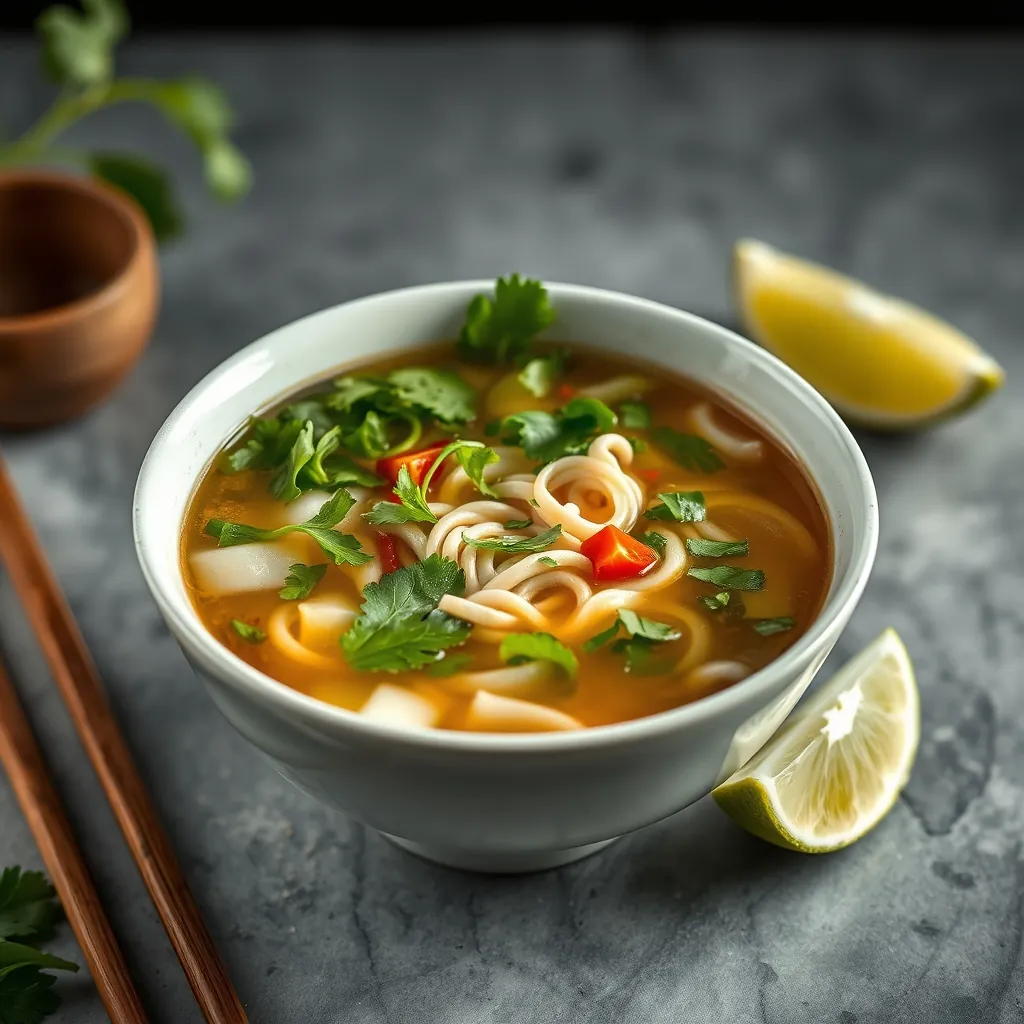
Crafting the perfect pho requires attention to detail and an understanding of flavor balance. Here are expert tips to elevate your pho experience:
- Simmer the Broth Longer: Allow the broth to simmer for several hours. This extended cooking time extracts maximum flavor from the bones and spices, resulting in a rich and aromatic base.
- Balance the Flavors: Achieving a harmonious taste is key. Adjust the seasoning by adding fish sauce for umami, sugar for sweetness, and lime juice for acidity. Taste as you go to find the right balance.
- Use Fresh Herbs: Fresh herbs are essential for authentic pho. Garnish your dish with basil, cilantro, and lime wedges. These ingredients not only enhance flavor but also add visual appeal.
- Choose Quality Ingredients: Select high-quality meat and fresh vegetables. The quality of your ingredients directly affects the final taste of the pho.
- Serve Immediately: Pho is best enjoyed fresh. Serve the noodles and broth separately to prevent the noodles from becoming soggy. Combine just before serving for optimal texture.
Following these expert tips will not only improve the flavor and presentation of your pho but also enhance your overall cooking experience. Each bowl can be a reflection of your culinary skills and creativity.
Alternative Ingredients for Dietary Restrictions
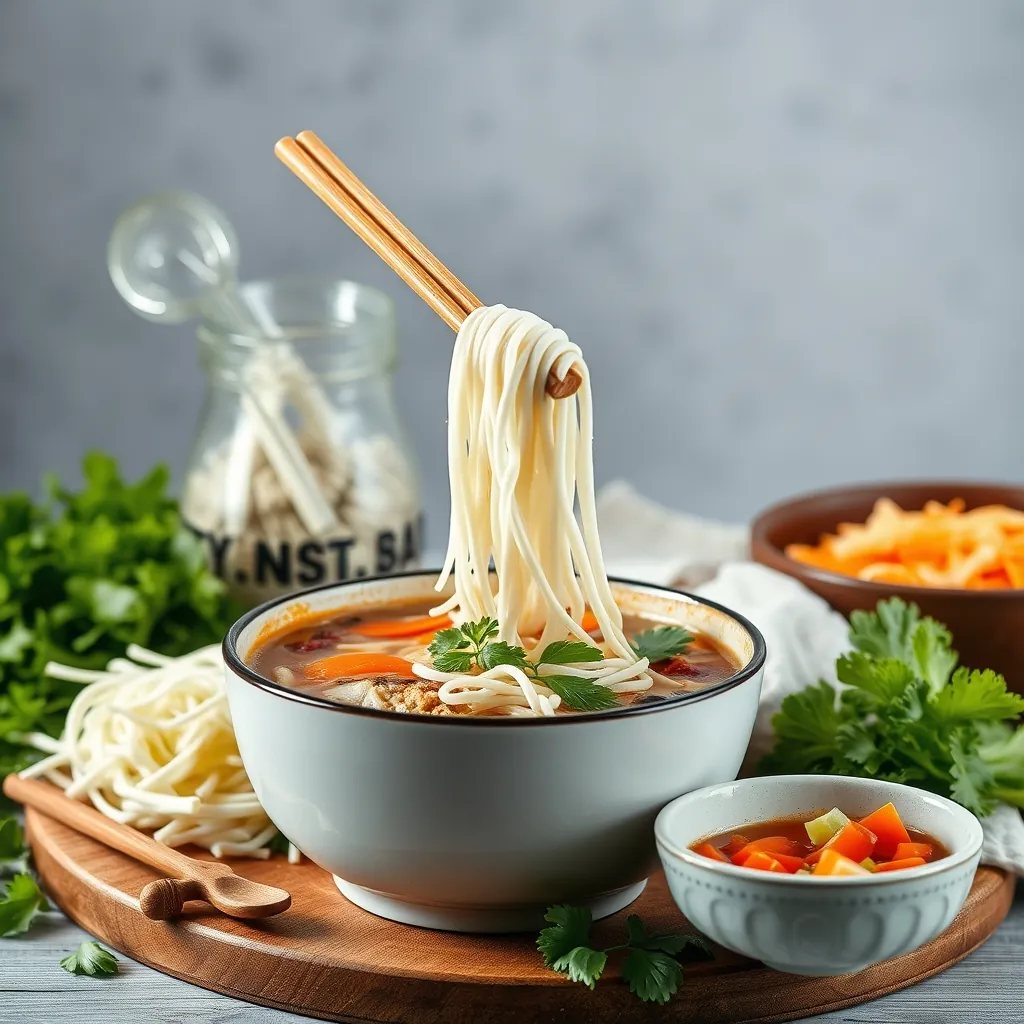
Adapting pho to meet dietary restrictions does not compromise its essence. Here are effective alternatives for common dietary needs:
- Gluten-Free Noodles: Replace traditional rice noodles with gluten-free options such as zucchini noodles or rice vermicelli. Both provide a similar texture while remaining gluten-free.
- Vegetarian Broth: Create a rich vegetarian broth using mushroom stock or a combination of vegetable broth and herbs like star anise and cinnamon to maintain depth of flavor.
- Plant-Based Proteins: Substitute meat with tofu, seitan, or tempeh. These alternatives absorb flavors well and provide a satisfying texture in the soup.
- Low-Sodium Options: For those watching their sodium intake, use low-sodium broth and limit the amount of fish sauce. Fresh herbs can enhance flavor without added salt.
- Allergen-Friendly Ingredients: Be mindful of common allergens by avoiding peanuts and using alternatives like sunflower seeds for garnishing. Always check labels for cross-contamination.
By incorporating these alternatives, you can enjoy a delicious bowl of pho that caters to various dietary needs without sacrificing flavor or authenticity. Customize your pho experience to suit everyone at the table.
Frequently Asked Questions about Pho
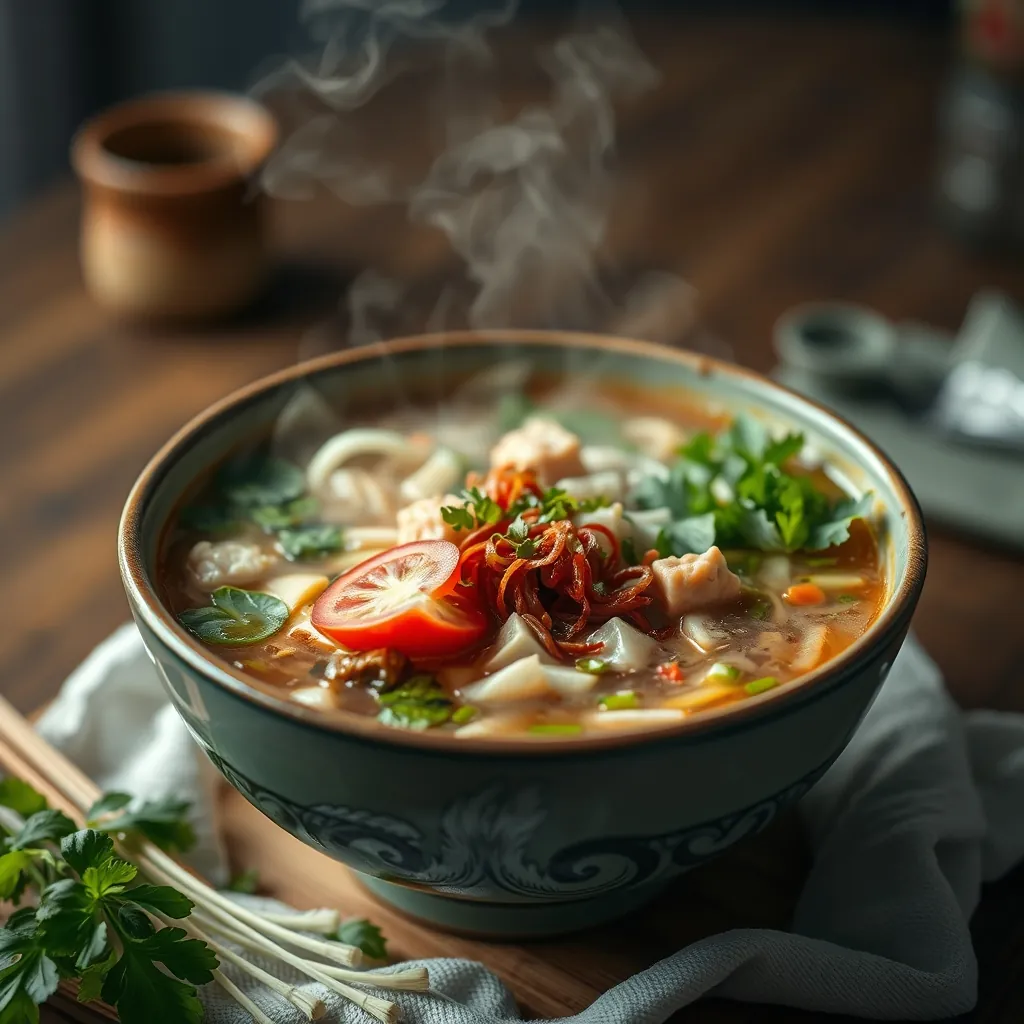
Understanding pho involves addressing common questions and clearing up misconceptions. Here are some frequently asked questions about this beloved dish:
- What is the best way to store leftover pho?
Store leftover pho separately. Keep the broth in one container and the noodles, meat, and herbs in another. This helps maintain the texture of the noodles when reheating. - Can I freeze pho?
While it’s possible to freeze pho, it’s best to freeze the broth alone. Noodles and fresh herbs do not freeze well. Thaw broth in the refrigerator before reheating. - How do I reheat pho?
Reheat the broth on the stove until it reaches a rolling boil. Add the noodles and other ingredients just before serving to ensure they are heated through without becoming mushy. - Is pho gluten-free?
Traditional pho is gluten-free if made with rice noodles. However, always check for cross-contamination if you have severe allergies or sensitivities. - What is the difference between pho and other noodle soups?
Pho is distinct for its aromatic broth, typically flavored with spices like star anise and cloves, and its use of banh pho (rice noodles). Other noodle soups may vary in broth flavor and noodle type.
These answers provide clarity on enjoying pho while preserving its authentic experience. Whether storing, reheating, or addressing dietary concerns, these tips ensure a delightful bowl every time.
How to Make Simple Pho: A Definitive Guide
Learn how to make simple pho with our easy guide, featuring essential ingredients and cooking tips for the perfect bowl.
Essential Ingredients for Pho
- Broth: Beef bones or chicken carcasses, star anise, cloves, cinnamon.
- Banh Pho (Rice Noodles): Flat rice noodles.
- Herbs: Basil, cilantro, green onions.
- Meat: Thinly sliced beef or chicken.
- Lime: Wedge of lime.
Instructions
- Prepare the broth by simmering beef bones or chicken carcasses with spices for 4 to 6 hours.
- Blanch the bones to remove impurities before simmering.
- Cook the banh pho noodles according to package instructions.
- Assemble the pho bowl by adding broth, noodles, meat, and fresh herbs.
- Serve immediately with lime wedges and additional garnishes.
Leave a Reply