Your cart is currently empty!
The Only Authentic Guacamole Recipe You Will Ever Need
The Roots of a Mexican Classic
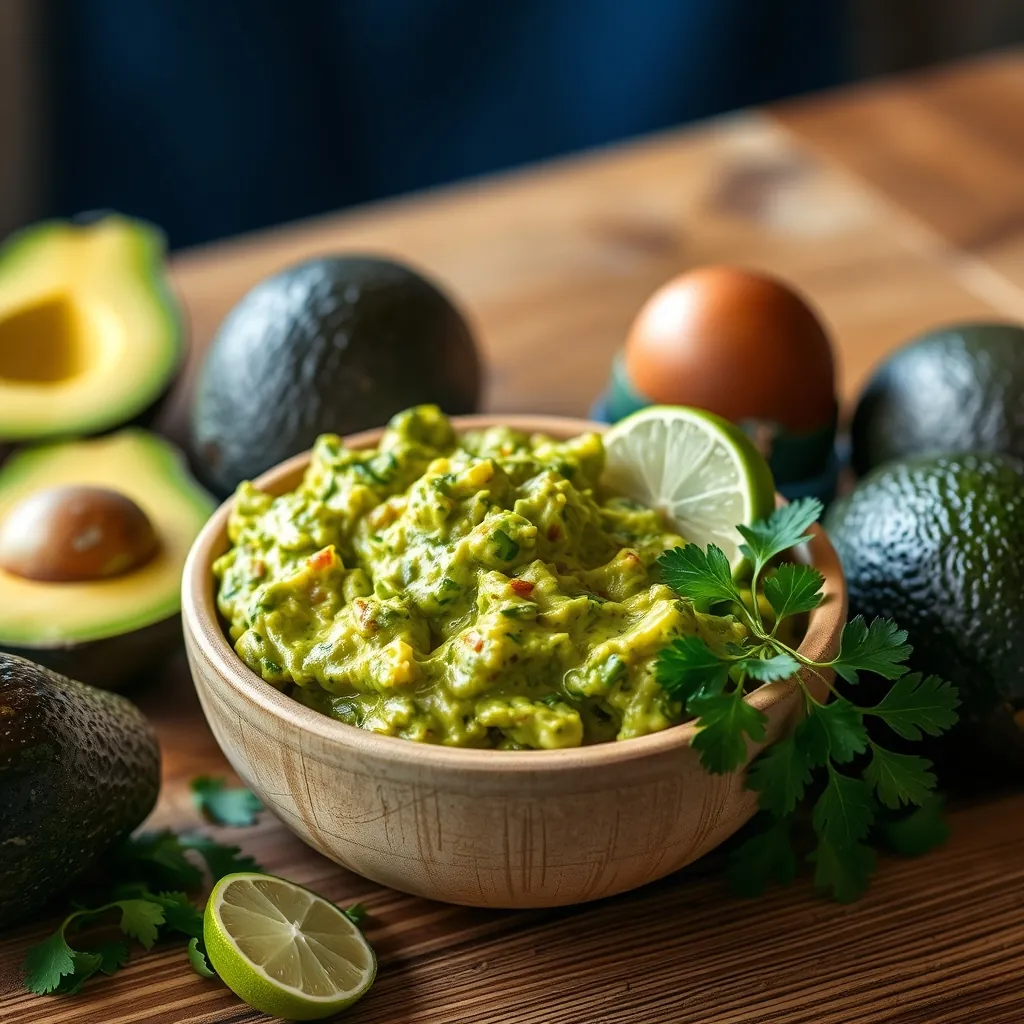
Guacamole is more than a dip. It is a direct descendant of the Aztec dish ahuacamolli, a simple mash of avocado and chiles. For centuries, the recipe has remained stubbornly minimal. The best versions do not hide behind sour cream, peas, or garlic powder. They rely on the quality of a few fresh ingredients. This guide strips away the noise and gives you the definitive method for making authentic guacamole at home.
You will learn exactly which avocado to buy, why the type of onion matters, and how to control the heat with precision. We also cover the most common mistakes and how to fix them, something you will not find in other recipes.
Choosing Your Avocados
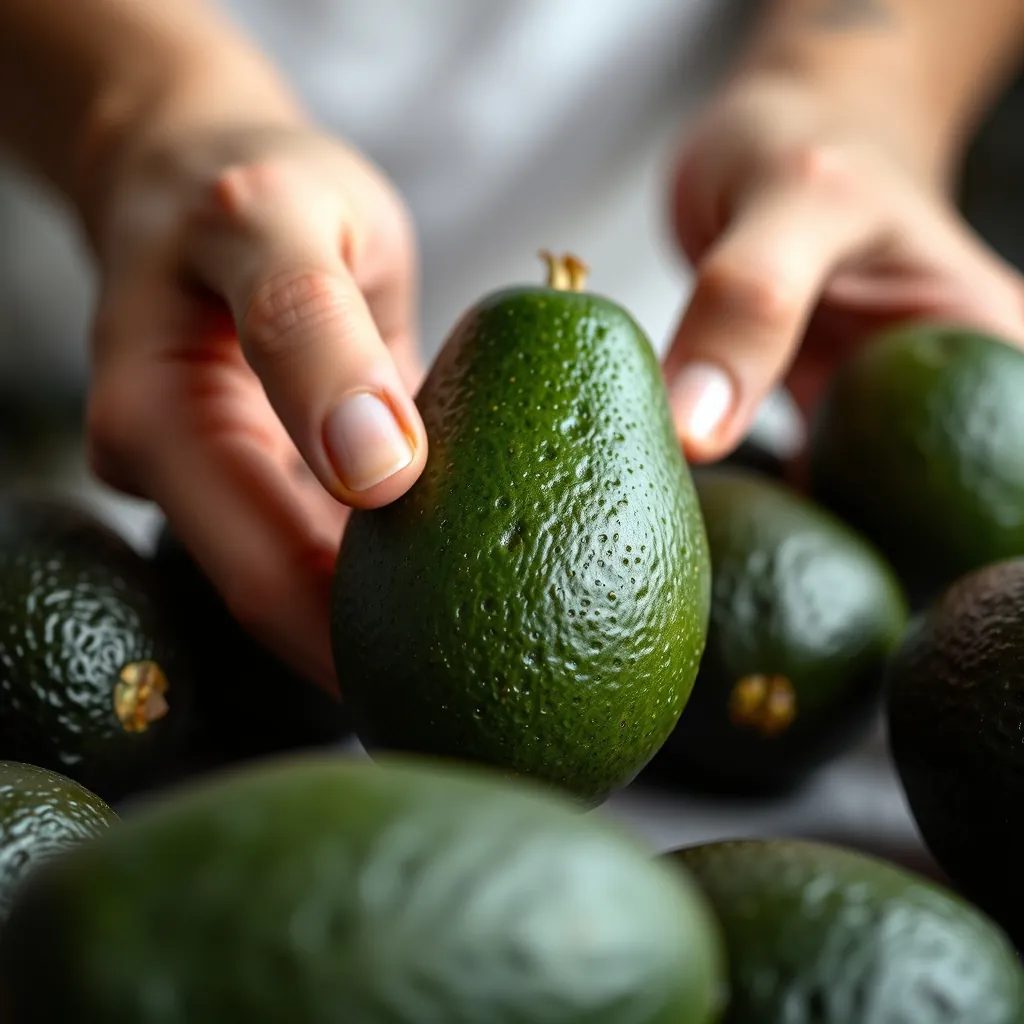
Not all avocados are created equal. For authentic guacamole, you need Hass avocados. Their high fat content creates the creamy, rich texture that defines the dish. The skin should be dark, almost black, and bumpy. Gently squeeze the avocado in the palm of your hand. It should yield to light pressure, like pressing into a ripe peach. If it is rock hard, let it sit on the counter for a day or two. If it feels mushy or has deep indentations, it is overripe and will create a watery, brown paste.
Do not use large, smooth-skinned Florida avocados. They are watery and lack the necessary fat for a proper guacamole.
The Ingredient Lineup
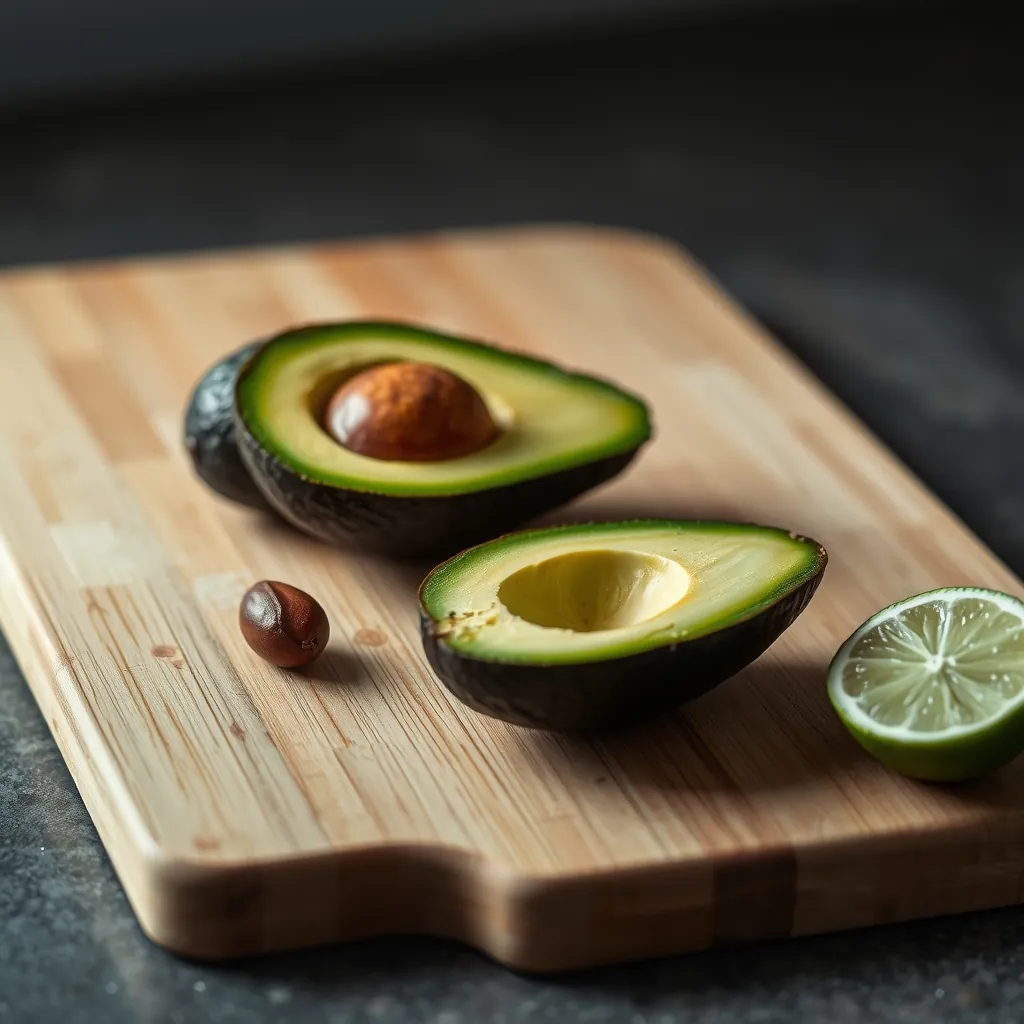
Authentic guacamole requires only six components. Each one plays a specific role. Do not treat them as optional.
- Ripe Hass Avocados (3 medium): The base. Provides body and healthy monounsaturated fats.
- Fresh Lime Juice (juice of 1 to 1.5 limes): Adds brightness and acidity. It also prevents oxidation, keeping the guacamole green for longer.
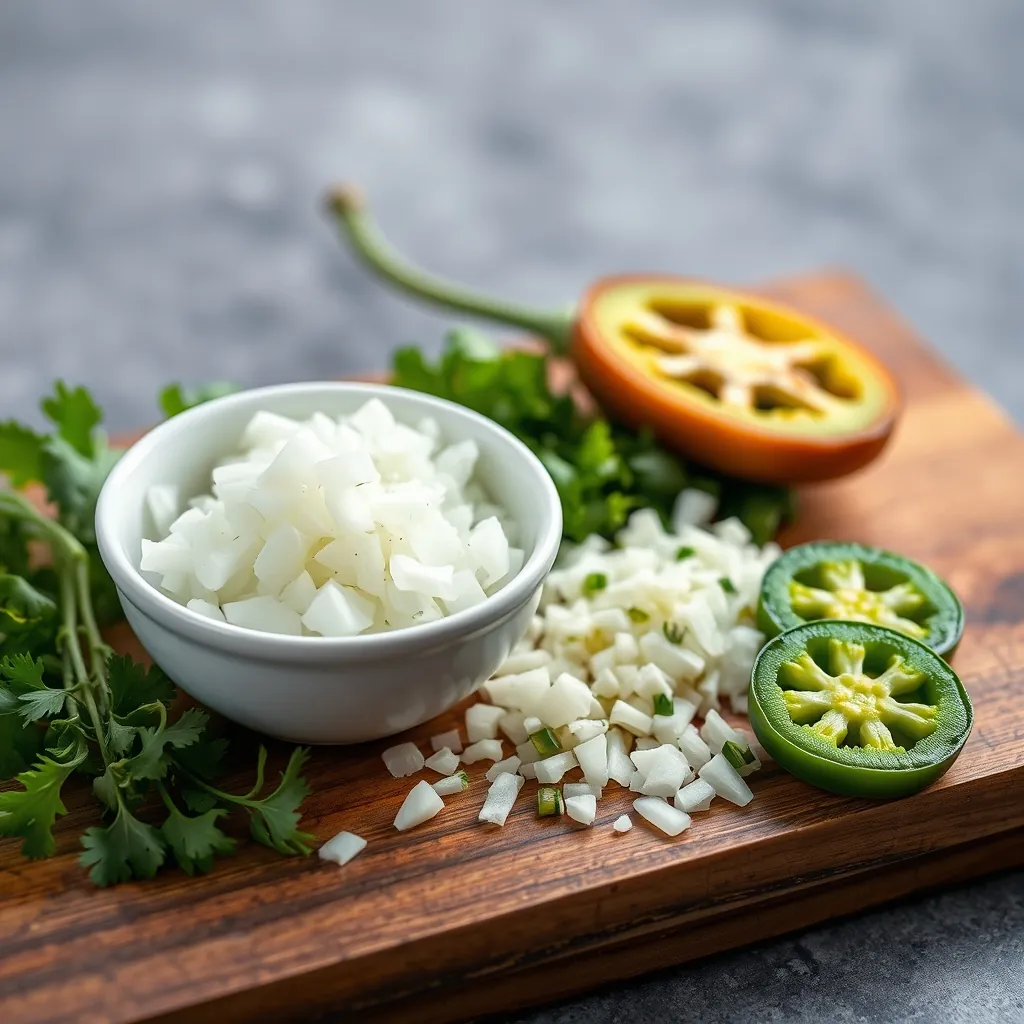
- White Onion (1/4 cup, finely diced): Sharp and clean. White onion provides a crisp bite without the sweetness of red onion or the sulfurous kick of yellow onion. If you only have red onion, use it sparingly.
- Fresh Cilantro (2 tablespoons, chopped): Earthy and herbaceous. Use the leaves and thin stems. If you are a cilantro hater, you can skip it, but you lose a key layer of flavor.
- Jalapeño or Serrano Chile (1 small, minced): Heat. Serrano is hotter and grassier. Jalapeño is milder and more vegetal. Remove the seeds and white ribs for less heat; leave them in for more fire.
- Flaky Sea Salt (1/2 teaspoon): The flavor amplifier. It pulls out the natural oils of the avocado and balances the acid.
Do not add tomatoes, cumin, garlic powder, or sour cream. These are not authentic and they dilute the pure avocado flavor.
Step-by-Step Method
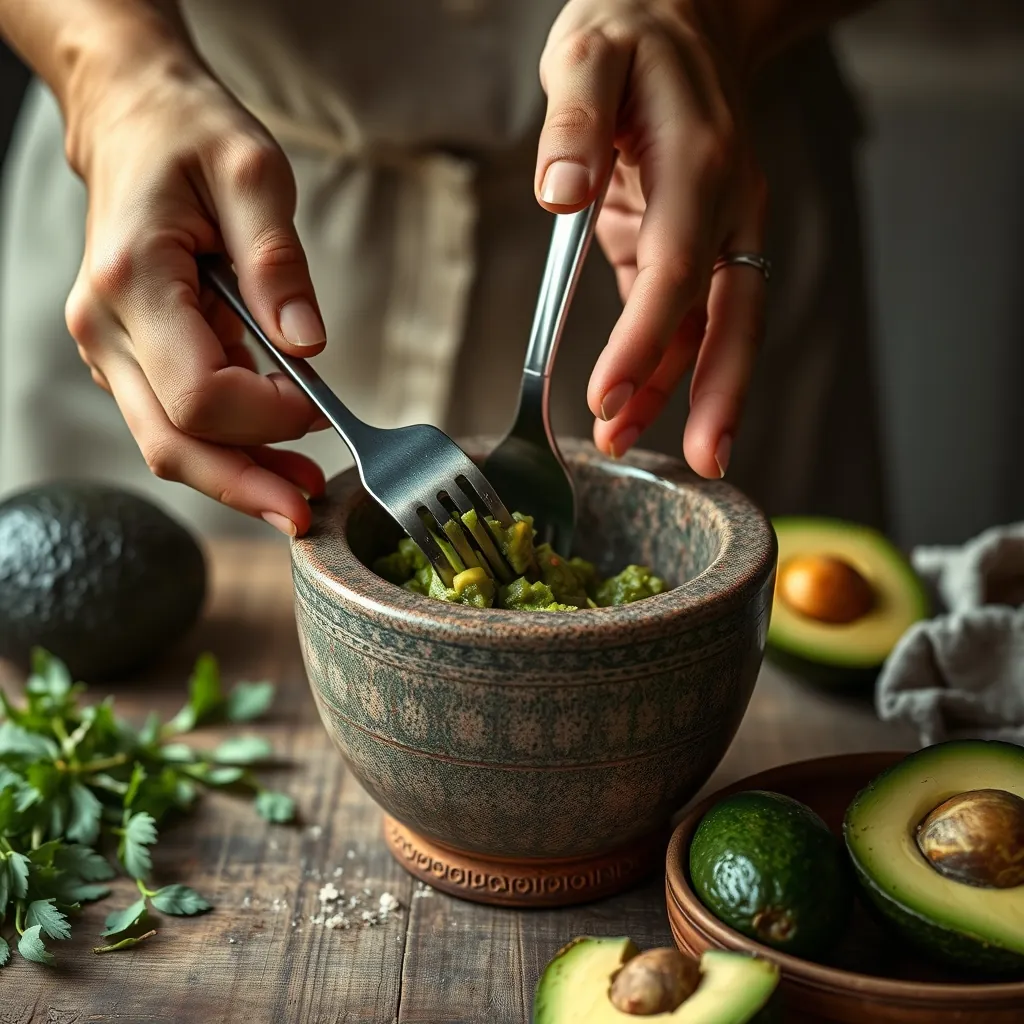
Forget the food processor. The goal is a chunky, rustic texture. A fork or a molcajete is your tool.
- Prepare the produce: Halve the avocados, remove the pits, and scoop the flesh into a large bowl. Dice the onion, mince the chile, and chop the cilantro. Juice the lime.
- Mash the avocado: Use a fork to mash the avocado to your desired consistency. Some people prefer it almost smooth. Others want distinct chunks. Aim for a mix of both.
- Add the aromatics: Add the diced onion, minced chile, and chopped cilantro to the bowl.
- Season and acidulate: Pour in the lime juice and add the salt. Stir gently to combine. Taste immediately. Adjust the salt or lime juice if needed.
- Serve instantly: Guacamole is a dish of the moment. It loses its best texture within an hour.
How to Fix Common Mistakes
Even experienced cooks make errors. Here is how to diagnose and fix the most common problems.
- Too watery: You used overripe avocados or added too much lime juice. Fix it by mashing in half of a firm, ripe avocado. If you do not have one, drain the excess liquid with a spoon.
- Too limey (sour): The acid is overwhelming. Balance it with a small pinch of sugar or by mashing in another half avocado to dilute the acid.
- Too spicy: You used too much chile or included the seeds. Dilute the heat by adding more mashed avocado. A spoonful of plain yogurt or sour cream can also help, but it will change the authentic flavor profile.
- Too bland: The most common mistake is underseasoning. Salt and acid are the keys. Add another pinch of salt and a squeeze of lime, then taste again.
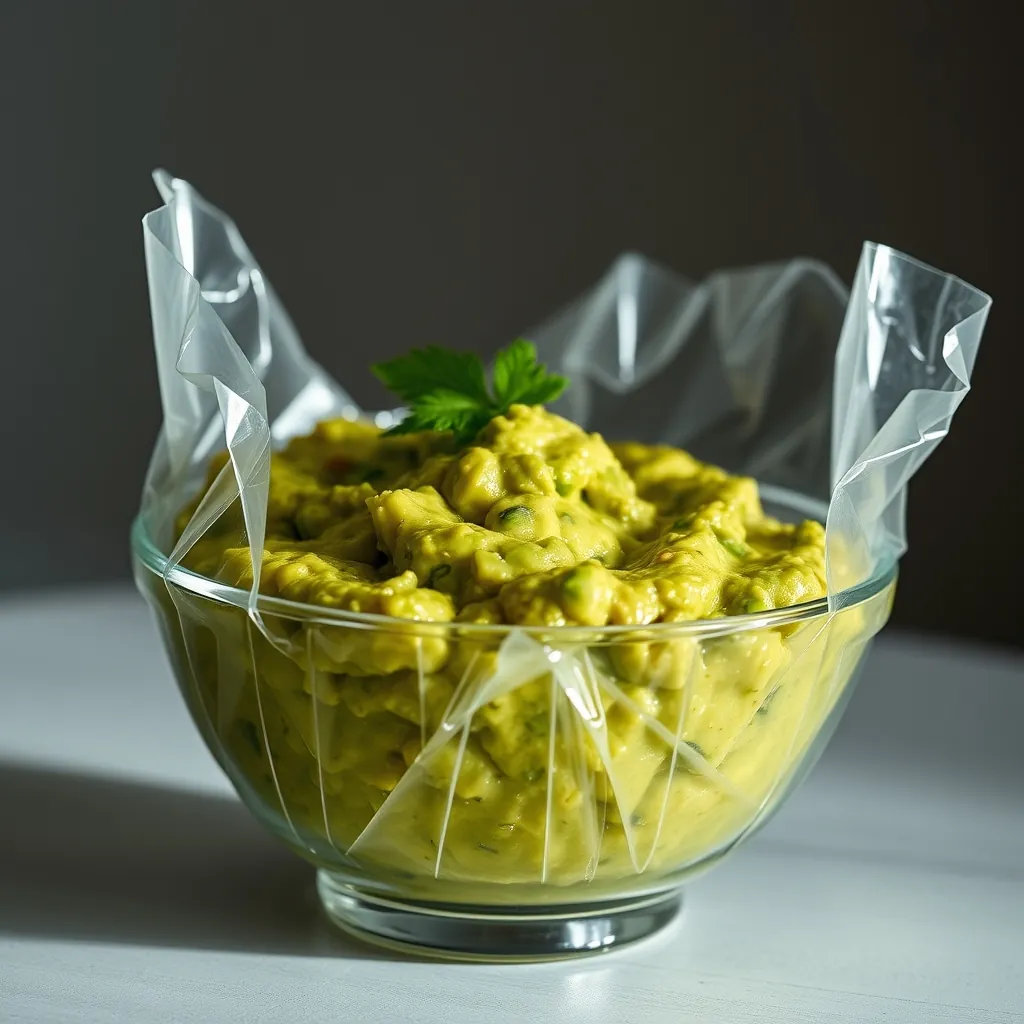
- Turning brown: Oxidation is inevitable but slow it down. Press a layer of plastic wrap directly onto the surface of the guacamole, removing all air pockets. Store it in the fridge.
Onion Science: White vs. Red vs. Yellow
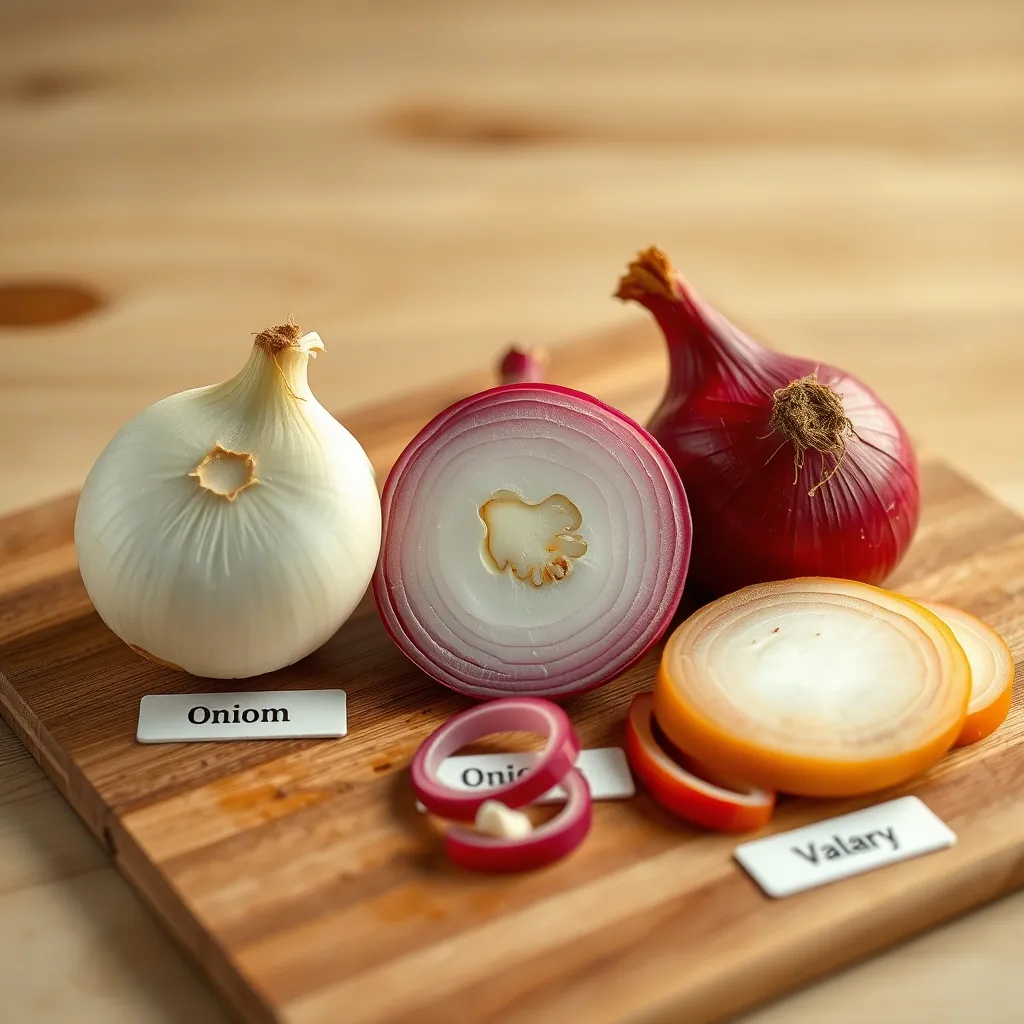
This is a detail most recipes ignore, but it matters. White onion is the standard for authentic guacamole. It provides a sharp, clean pungency that cuts through the fat of the avocado. Red onion is sweeter and milder; it can work but will change the color profile of the dip slightly. Yellow onion is too strong and sulfury. It can easily overpower the delicate avocado flavor. Stick with white onion for the best result.
To reduce the bite of raw onion, rinse the diced pieces under cold water for 30 seconds and pat them dry. This removes some of the sulfur compounds without sacrificing the texture.
Chile Heat Guide: Jalapeño vs. Serrano
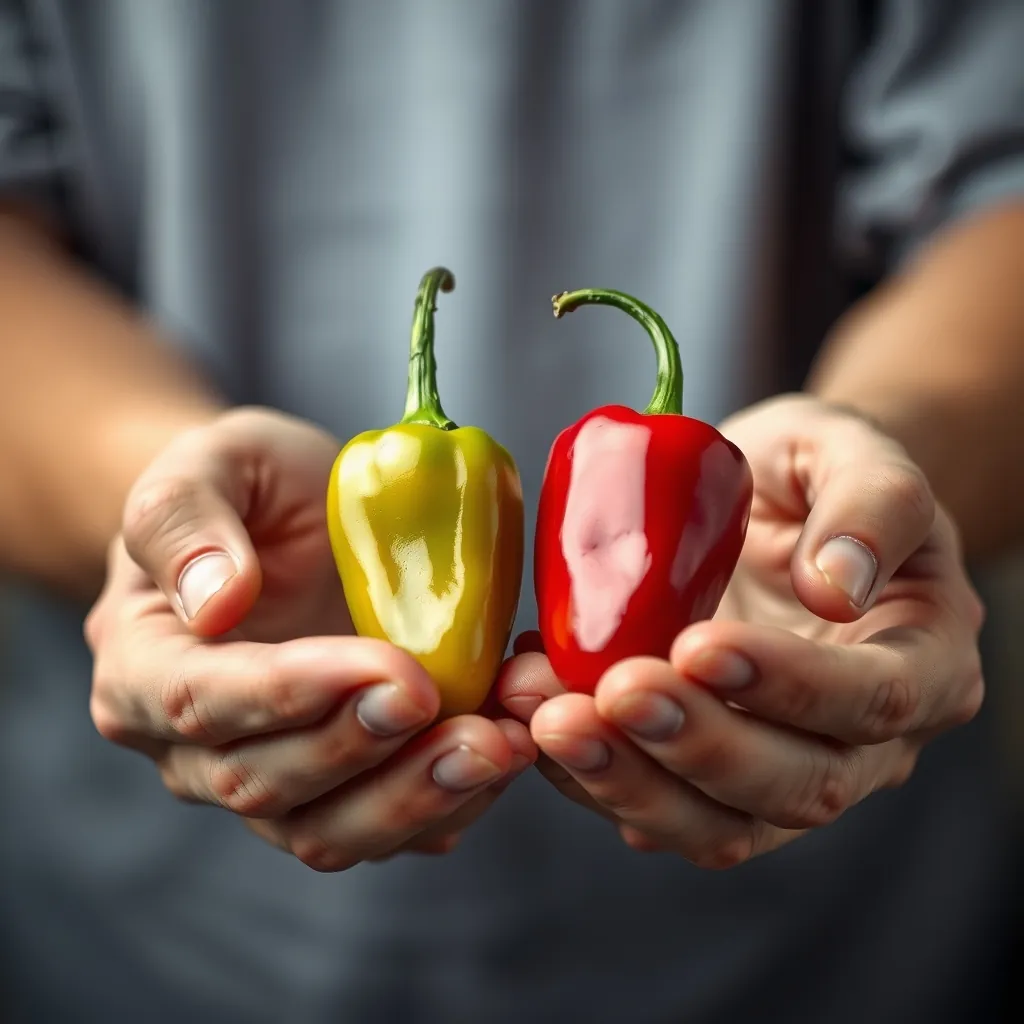
Authentic guacamole uses fresh chiles, not dried powder. The choice between jalapeño and serrano depends on your heat tolerance.
- Jalapeño: Ranges from 2,500 to 8,000 Scoville units. It has a bright, grassy flavor. It is the most common choice for a moderate heat that most people can handle.
- Serrano: Ranges from 10,000 to 23,000 Scoville units. It is significantly hotter and has a cleaner, sharper burn. It is the preferred chile in many regions of Mexico for guacamole.
For both types, the heat is concentrated in the seeds and the white pith (placenta). Removing these parts reduces the heat dramatically. If you want the flavor of the chile without the heat, use only the green flesh.
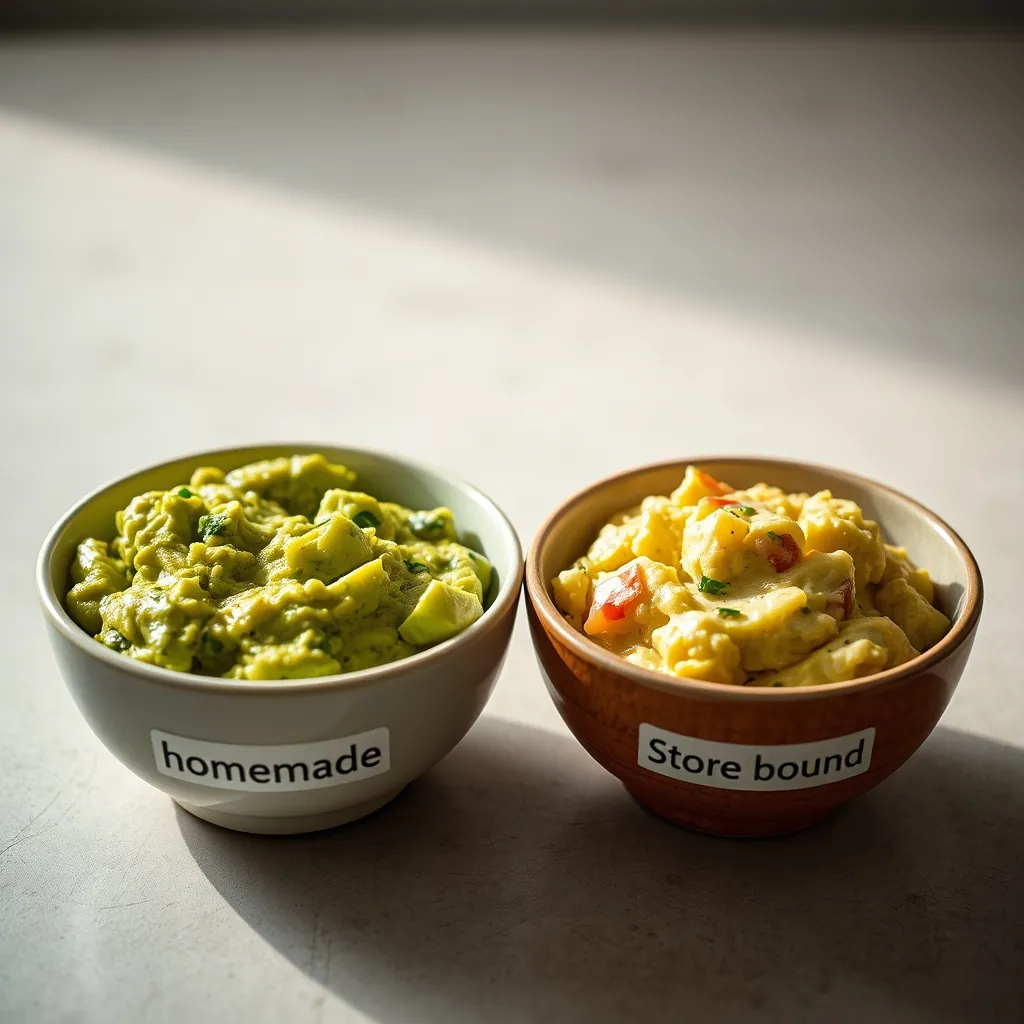
Homemade vs. Store-Bought: The Nutritional Truth
Store-bought guacamole is a compromise. It often contains preservatives, added thickeners, and less avocado. The nutritional difference is significant.
| Nutrient (per 100g) | Homemade Authentic | Store-Bought Average |
|---|---|---|
| Calories | 160 | 150 |
| Total Fat | 15g | 12g |
| Fiber | 7g | 4g |
| Sodium | 200mg | 350mg |
| Added Sugar | 0g | 1-3g |
Homemade guacamole has more fiber and less sodium. It contains no added sugars or stabilizers. The trade-off is shelf life. Store-bought versions are engineered to last for weeks. Your homemade guacamole is best eaten within a few hours.
Serving and Pairing
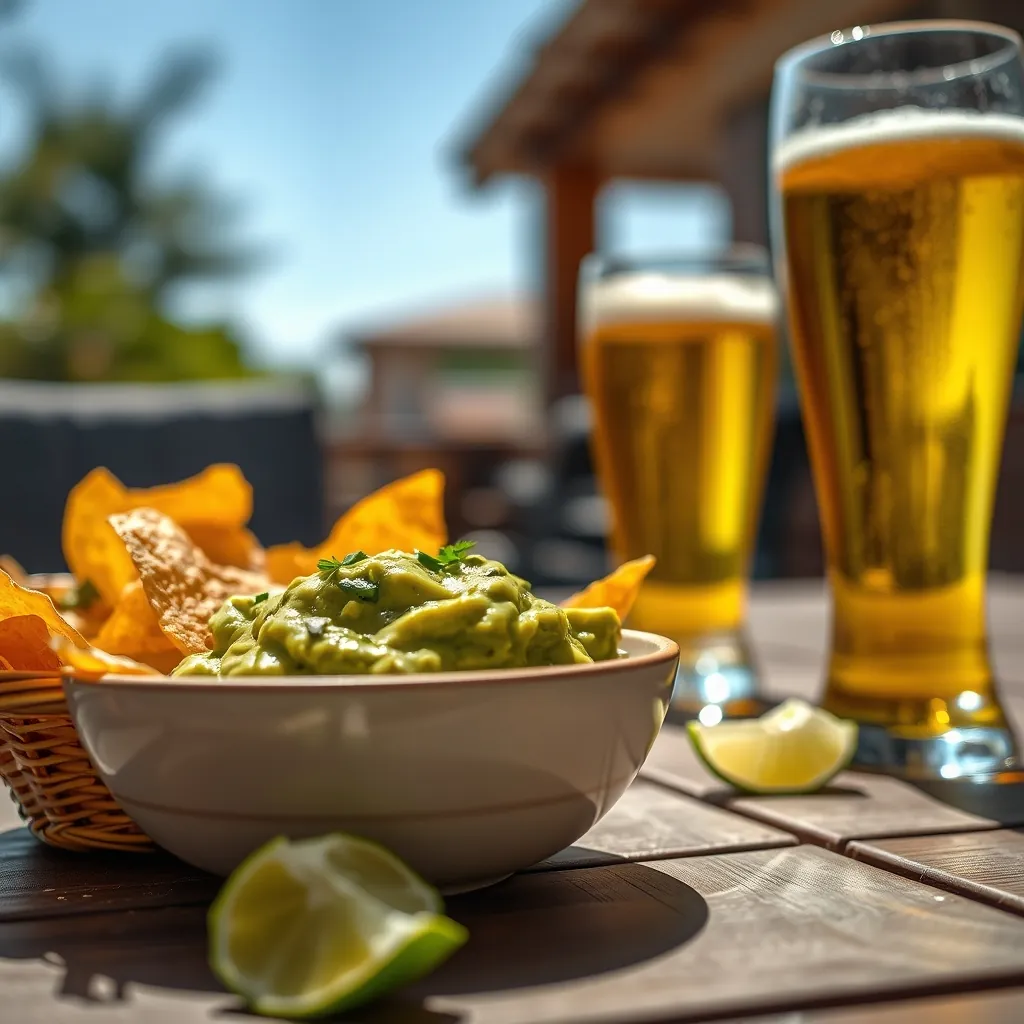
Guacamole is a condiment, not a main course. Serve it as part of a larger meal. It pairs naturally with warm corn tortillas, grilled meats, or as a topping for tacos and tostadas. Do not serve it with cold, stale chips. Warm, freshly fried tortilla chips are ideal. A cold Mexican lager or a crisp margarita completes the experience.
Authentic Guacamole
Master the art of authentic guacamole with this definitive recipe. Learn which avocados to pick, how to balance heat and acid, and fix common mistakes.
Ingredients
- 3 medium ripe Hass avocados
- Juice of 1 to 1.5 limes
- 1/4 cup finely diced white onion
- 2 tablespoons chopped fresh cilantro
- 1 small jalapeño or serrano chile, minced
- 1/2 teaspoon flaky sea salt
Instructions
- Prepare the produce: Halve the avocados, remove the pits, and scoop the flesh into a large bowl. Dice the onion, mince the chile, and chop the cilantro. Juice the lime.
- Mash the avocado: Use a fork to mash the avocado to your desired consistency. Some people prefer it almost smooth. Others want distinct chunks. Aim for a mix of both.
- Add the aromatics: Add the diced onion, minced chile, and chopped cilantro to the bowl.
- Season and acidulate: Pour in the lime juice and add the salt. Stir gently to combine. Taste immediately. Adjust the salt or lime juice if needed.
- Serve instantly: Guacamole is a dish of the moment. It loses its best texture within an hour.
Leave a Reply