Your cart is currently empty!
Smoky Chickpea Tikka Masala: A 40-Minute Vegan Curry
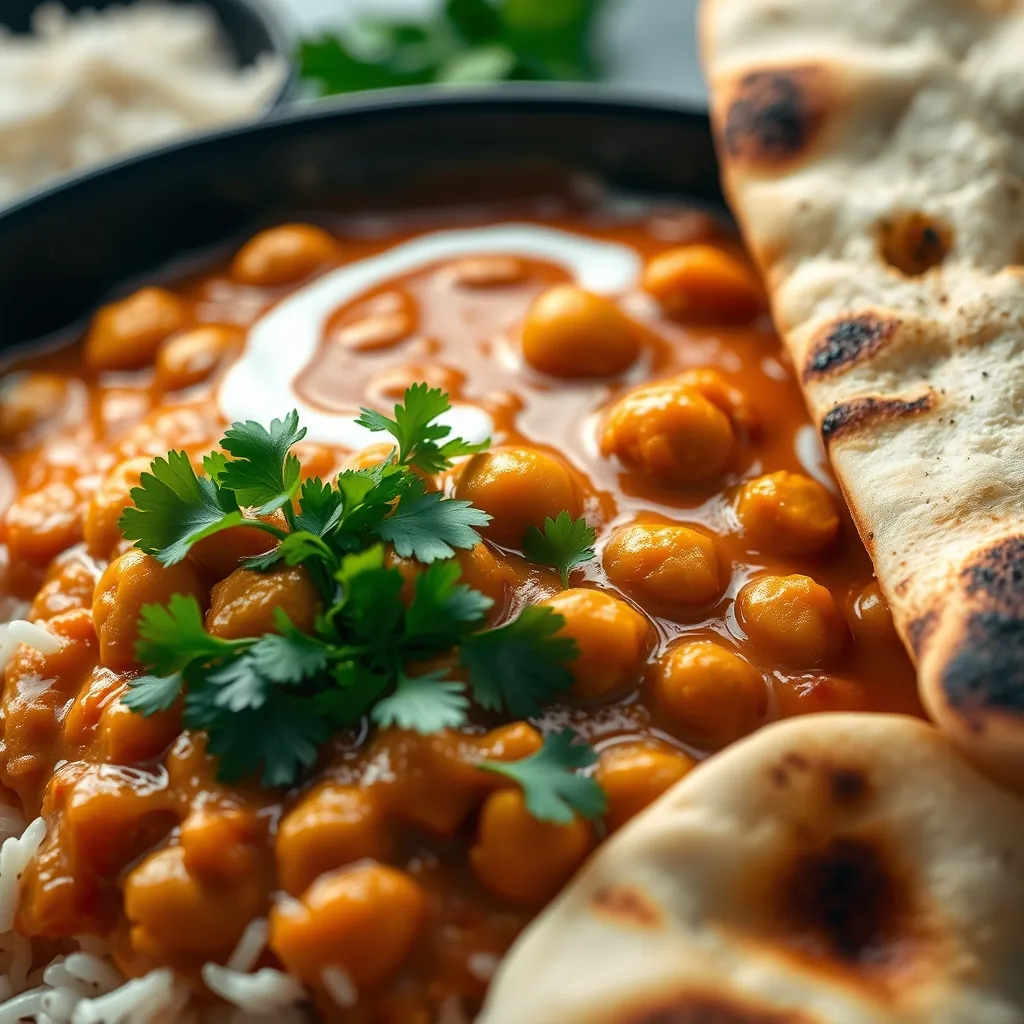
Chickpea tikka masala has rightfully earned its place as a staple in the plant-based kitchen. It delivers the rich, creamy, and spiced comfort of the classic British-Indian dish while swapping chicken for hearty, protein-packed chickpeas. But many recipes fall short. They skip the crucial step of building a smoky tikka character or produce a sauce that is watery, bitter, or bland. This guide corrects those errors. You will learn how to achieve a deep, smoky flavor without an oven, why fire-roasted tomatoes matter, and exactly how to bloom your spices for maximum impact. The entire process takes 40 minutes.
The Stovetop Smoking Technique for Tikka Flavor
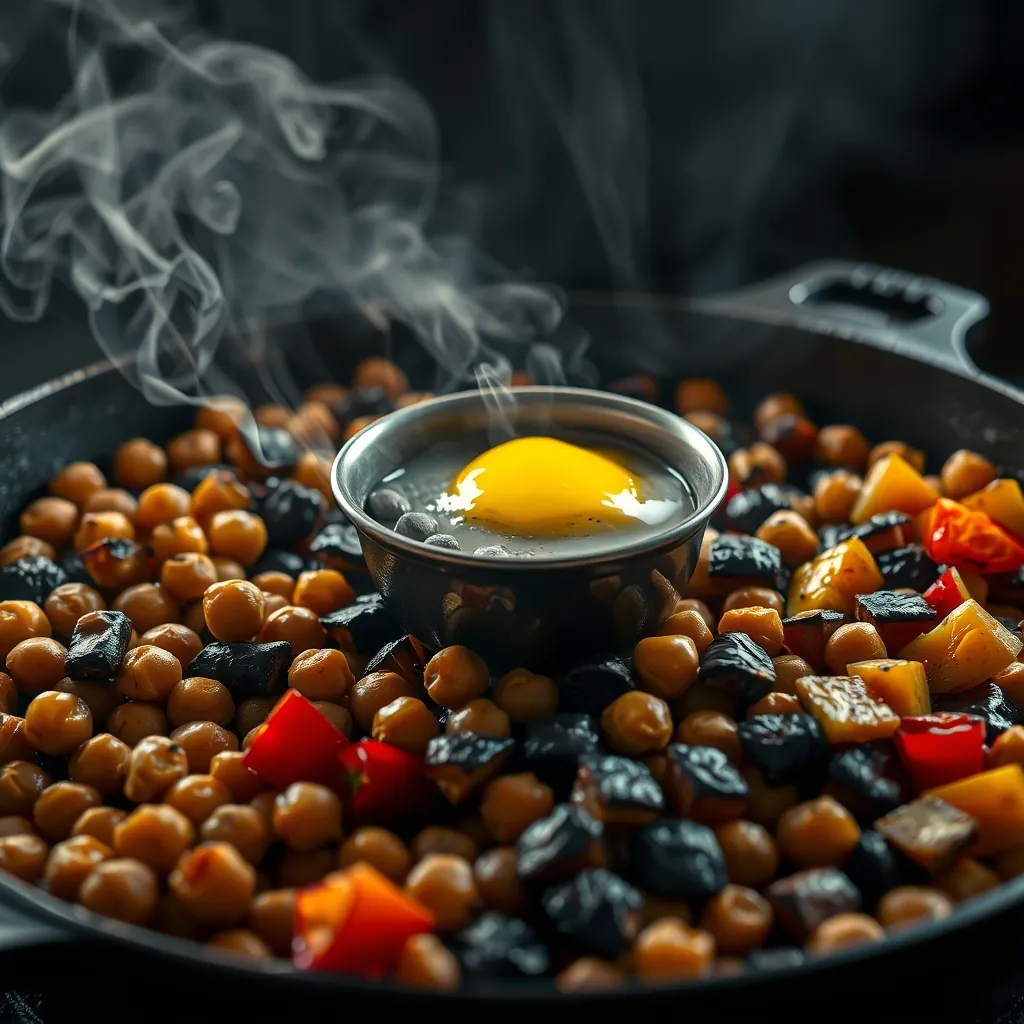
Authentic tikka flavor comes from the Maillard reaction and a touch of smoke. Most recipes skip this step or require a grill. You can replicate it on your stovetop in five minutes.
After pan-roasting your chickpeas and peppers until they develop dark char marks, use a stovetop smoking method. Place a small heatproof bowl in the center of your pan. Add a piece of hot charcoal to the bowl. Drop a teaspoon of ghee or coconut oil onto the coal. Immediately cover the pan with a tight lid. Let it smoke for exactly two minutes. The smoke infuses the chickpeas with a campfire-like aroma that cannot be achieved with liquid smoke alone.
Pro tip: If you cannot source a charcoal piece, use a pinch of smoked paprika and a drop of liquid smoke added to the sauce. It is a good backup but the charcoal method is superior.
Ingredient Selection: Why Fire-Roasted Tomatoes Win
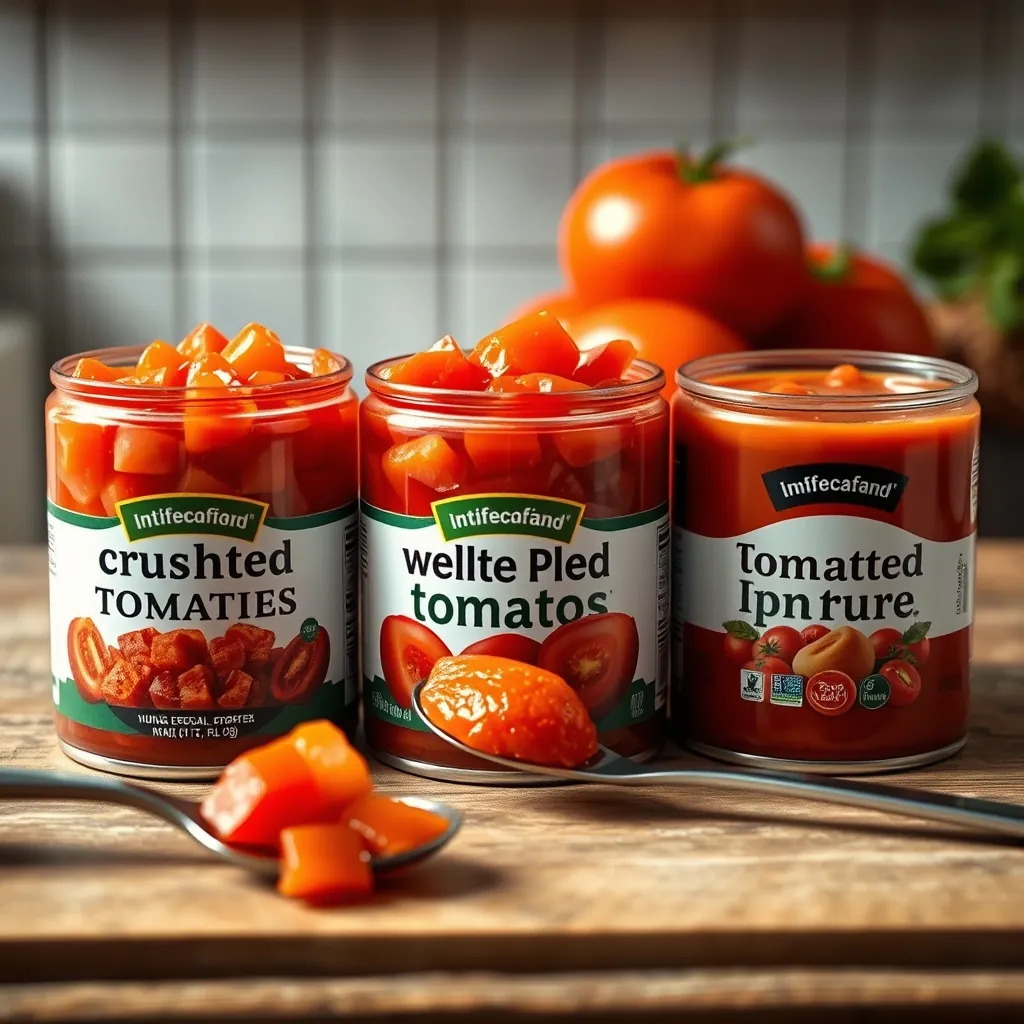
The sauce base determines the final texture and flavor. Canned tomatoes vary widely. For a tikka masala, fire-roasted crushed tomatoes are the best choice.
- Crushed fire-roasted tomatoes: Provide a thick, pulpy consistency and a subtle smokiness that complements the tikka char. They require minimal cooking time to break down.
- Whole peeled tomatoes: Require crushing by hand and longer simmering to thicken. They can yield a chunkier, less cohesive sauce.
- Tomato puree: Too smooth and often lacks depth. It can make the sauce taste flat.
Avoid using diced tomatoes with added calcium chloride. This preservative prevents the tomatoes from breaking down, resulting in a watery, uneven sauce.
Blooming Spices: Timing and Heat Levels
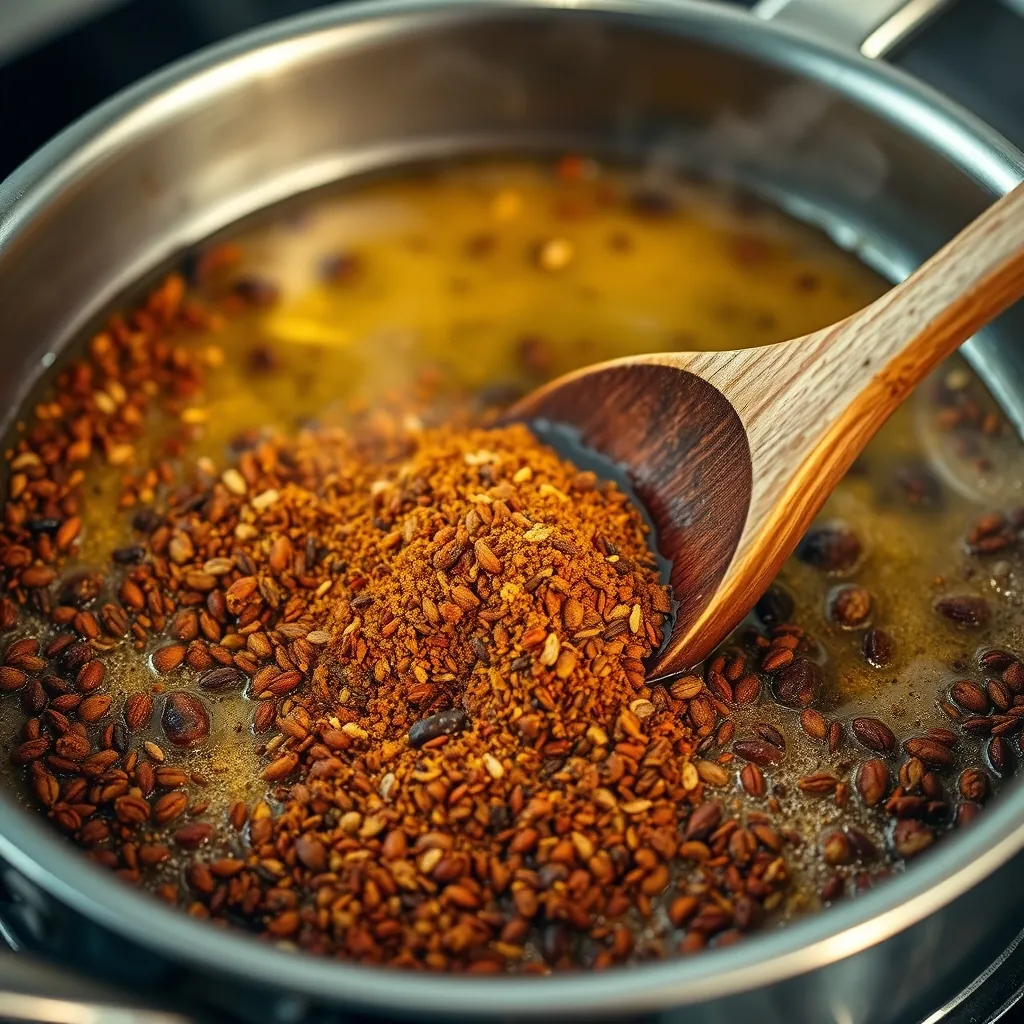
Blooming spices is not optional. It is the mechanism that unlocks volatile oils and transforms raw powder into a fragrant base. The most common mistake is burning the spices, which creates a bitter, acrid taste that ruins the entire dish.
Follow this sequence:
- Heat the fat: Add 2 tablespoons of coconut oil or ghee to a heavy-bottomed pan over medium heat. Wait until it shimmers but does not smoke.
- Add whole spices first: Drop in 1 teaspoon of cumin seeds and 4 green cardamom pods. Stir for 30 seconds until they pop and release aroma.
- Add ground spices: Reduce heat to medium-low. Add 1 tablespoon garam masala, 1 teaspoon ground coriander, 1 teaspoon turmeric, and 1/2 teaspoon chili powder. Stir constantly for 15 seconds. The mixture should bubble and become fragrant but not darken in color.
- Immediately add aromatics: Pour in your minced garlic and grated ginger. The moisture from the aromatics halts the cooking of the spices, preventing burning.
If your spices turn dark brown or smell acrid, discard the mixture and start over. There is no saving burnt spices.
Troubleshooting Common Sauce Problems
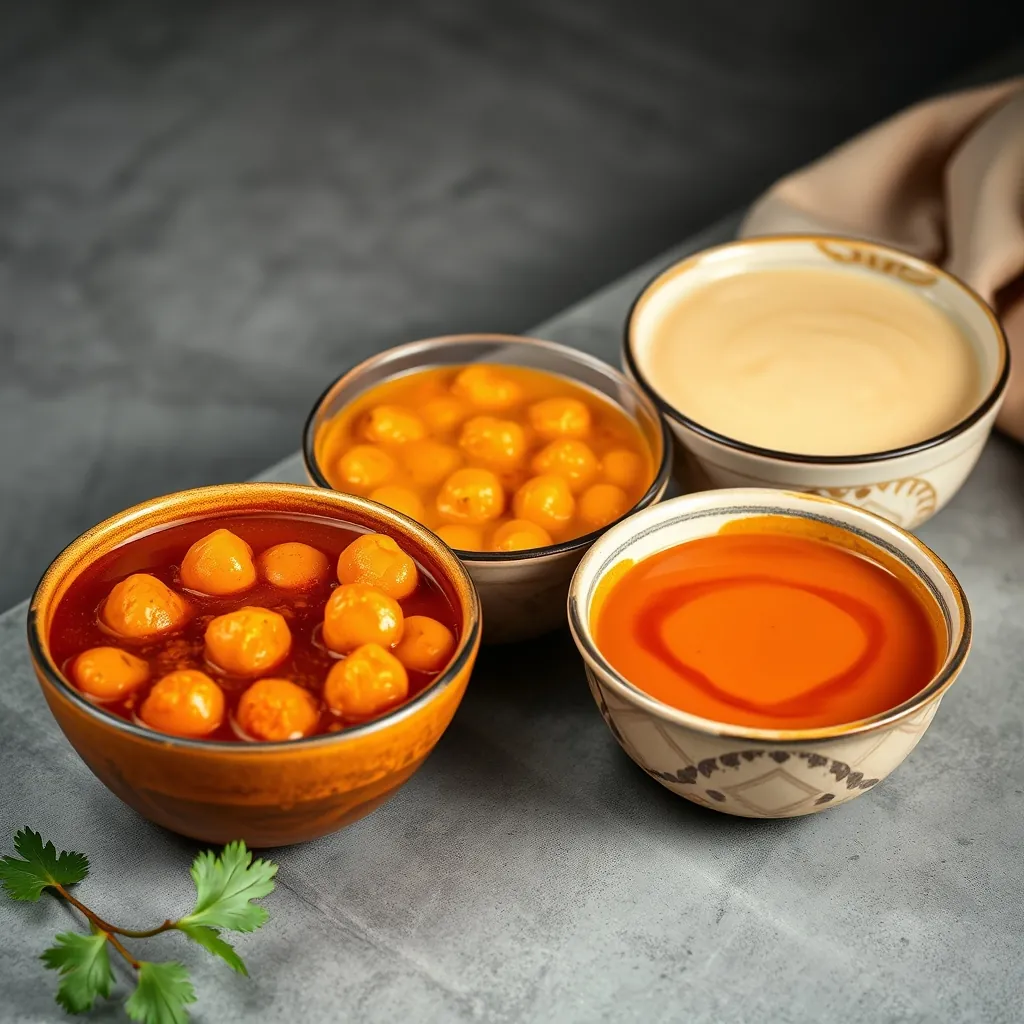
Even experienced cooks encounter issues. Here is how to fix them.
Watery Sauce
This happens when you add too much liquid or use tomatoes with high water content. Simmer the sauce uncovered for 10 minutes on medium heat. Stir occasionally. The evaporation will thicken it. If it remains thin, mash a few chickpeas against the side of the pan and stir them in. The starch acts as a natural thickener.
Bitter Spices
Bitter sauce is almost always caused by burnt spices or old, rancid ground spices. If the bitterness is mild, add a teaspoon of sugar or a splash of coconut milk to balance it. If it is strong, the sauce is beyond repair. Start fresh.
Overly Mushy Chickpeas
Mushy chickpeas result from overcooking or using canned chickpeas that are already very soft. Add chickpeas only in the last 10 minutes of simmering. Do not stir them aggressively. Gently fold them into the sauce. If using dried chickpeas, cook them until just tender, not falling apart.
Nutritional Breakdown and Comparison
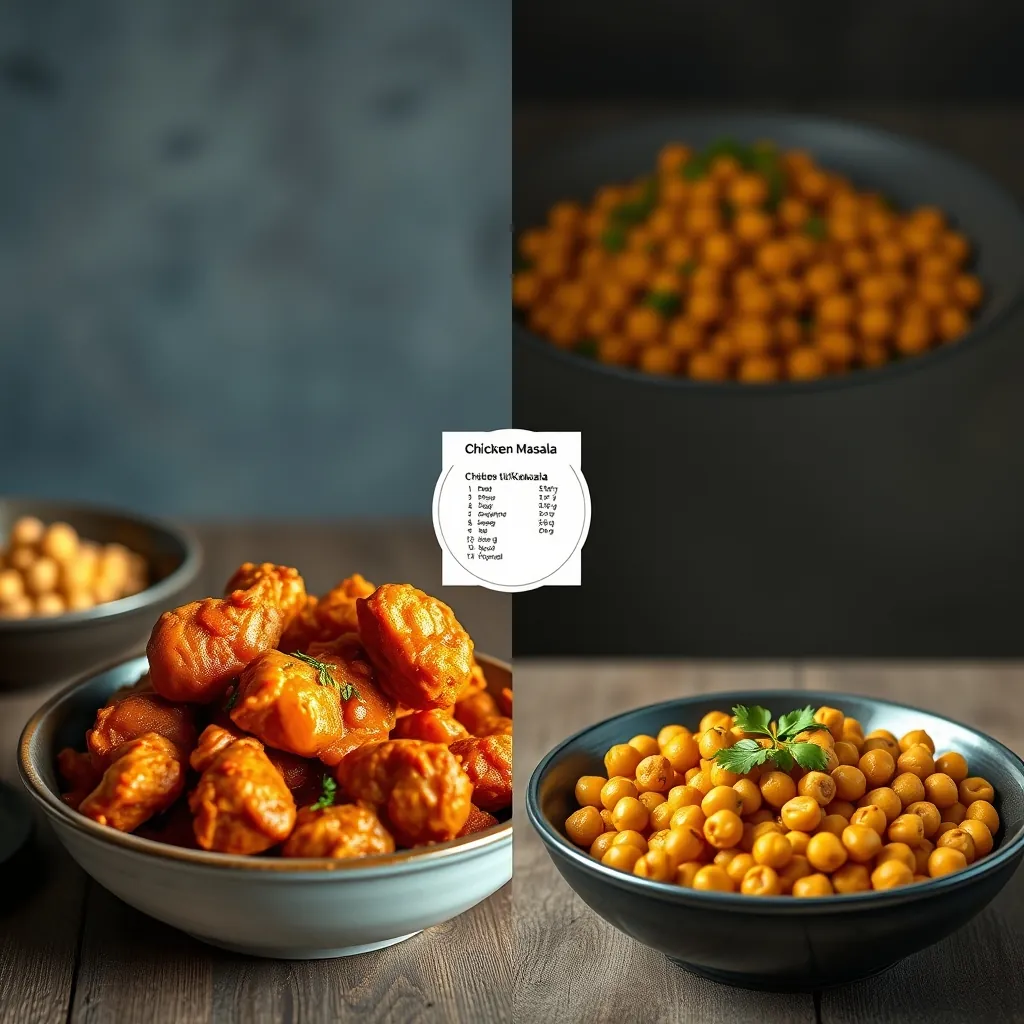
Chickpea tikka masala is not just a substitute. It offers distinct nutritional advantages over the chicken version.
| Nutrient | Chickpea Tikka Masala (1 serving) | Chicken Tikka Masala (1 serving) |
|---|---|---|
| Calories | 320 | 450 |
| Protein | 14g | 35g |
| Fiber | 12g | 2g |
| Fat | 14g | 28g |
| Saturated Fat | 8g | 14g |
| Iron | 25% DV | 10% DV |
The chickpea version is lower in calories and saturated fat while providing significantly more fiber and iron. It is a heart-healthier choice that still delivers substantial protein.
Environmental Impact: Canned vs. Dried Chickpeas
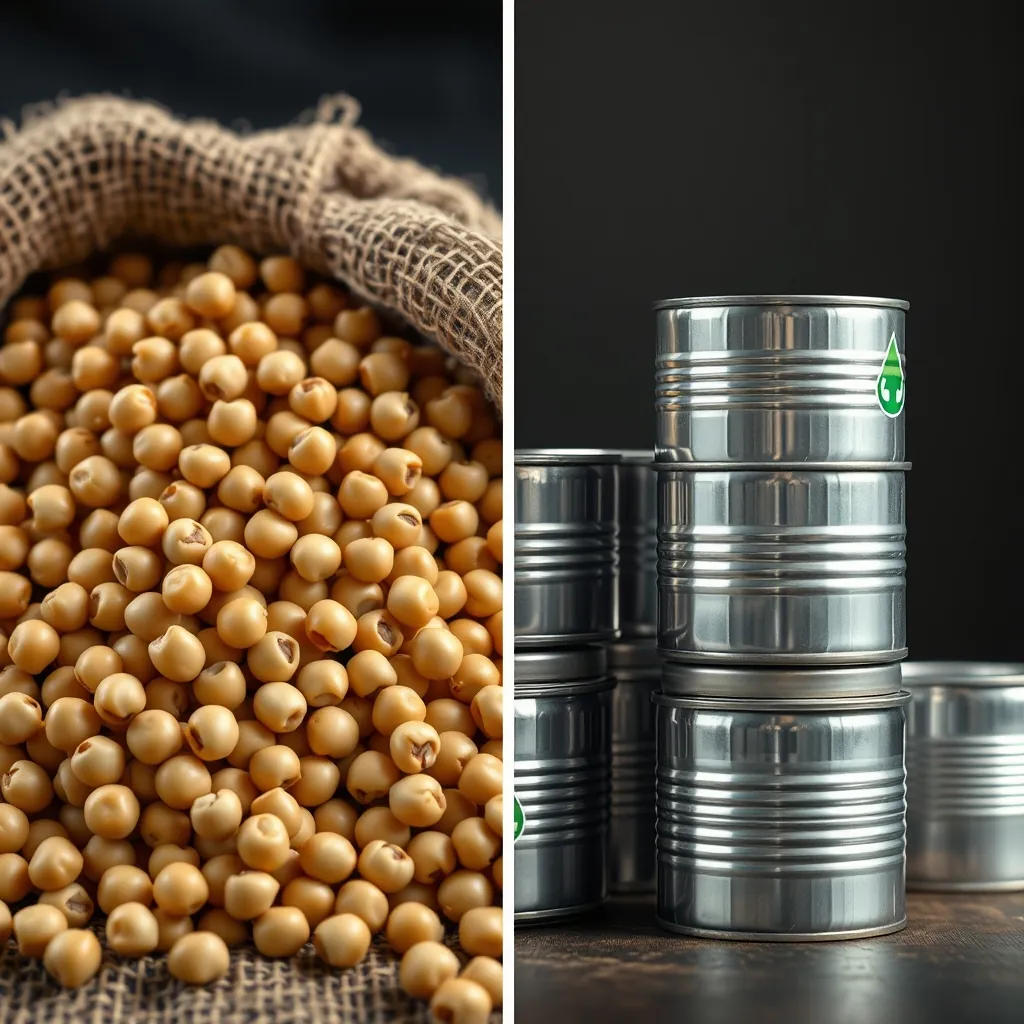
The choice between canned and dried chickpeas extends beyond convenience. It affects water usage, energy consumption, and packaging waste.
Canned chickpeas: Require significant energy for canning and transportation due to the weight of the water. The cans are recyclable but the lining often contains BPA. One 15-ounce can uses approximately 100 liters of water in its production cycle.
Dried chickpeas: Require soaking and cooking, which uses household energy and water. However, the total water footprint is roughly 40% lower than canned. They generate zero packaging waste if bought in bulk. The trade-off is time: dried chickpeas need overnight soaking and 60 minutes of cooking.
For a quick weeknight dinner, canned chickpeas are practical. For a lower-impact meal, cook dried chickpeas in bulk and freeze them in portions.
Beverage Pairings for Spiced Curries
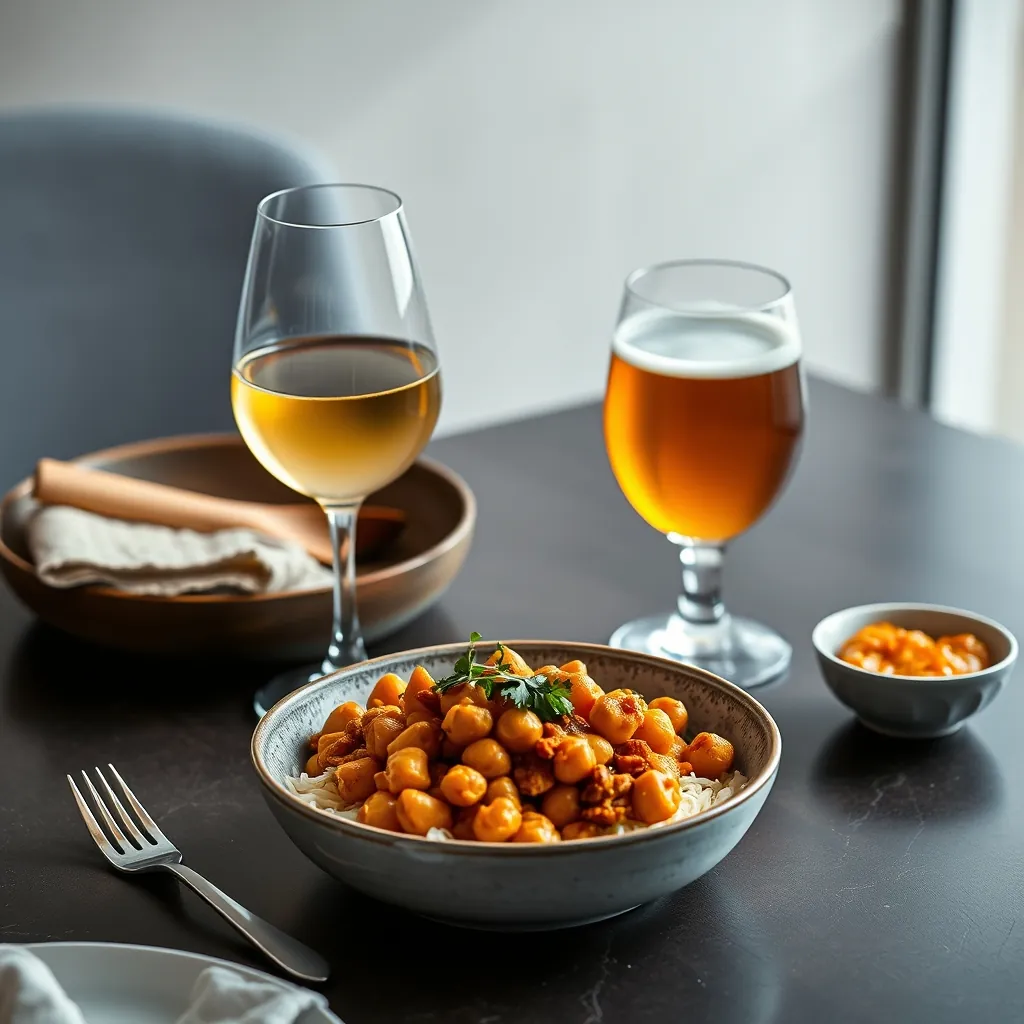
The warmth of garam masala and chili calls for beverages that can handle heat without being overwhelmed.
- Off-dry Riesling: The slight sweetness and high acidity cut through the creamy sauce and cool the palate. It is the best wine pairing.
- India Pale Ale (IPA): The hoppy bitterness stands up to the spices. A citrus-forward IPA complements the coriander and cumin.
- Mango Lassi: A classic non-alcoholic choice. The yogurt and mango provide a cooling, sweet contrast to the heat.
- Lager: A crisp, light lager works as a palate cleanser. Avoid heavy stouts or porters which clash with the spice profile.
Serve the wine slightly chilled, around 45 degrees Fahrenheit, to maximize its refreshing effect.
Storage and Meal Prep Instructions
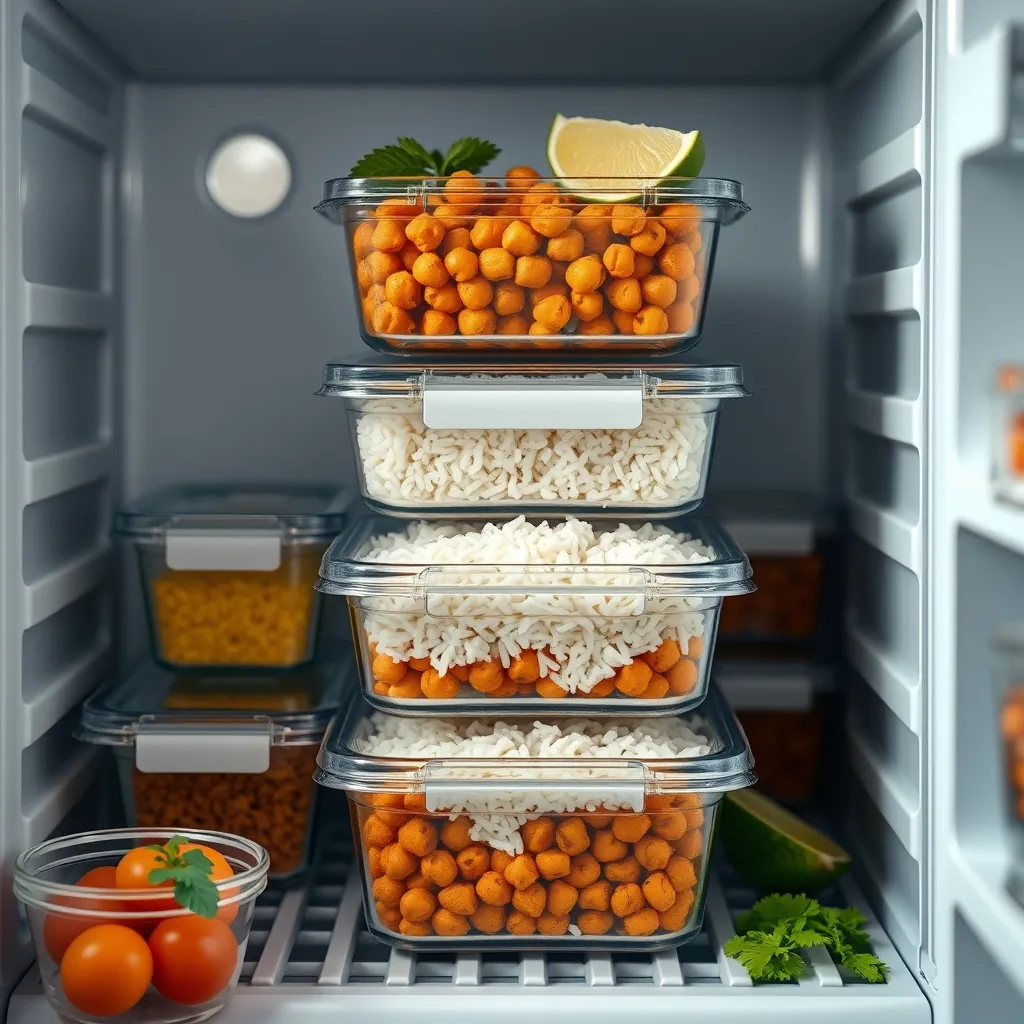
This dish stores exceptionally well. The flavors deepen overnight.
- Refrigeration: Store in an airtight container for up to 5 days. Reheat gently on the stovetop or in the microwave, adding a splash of water or coconut milk if the sauce thickens too much.
- Freezing: Freeze in individual portions for up to 3 months. Thaw overnight in the refrigerator. Do not freeze the rice or naan; make them fresh.
- Meal prep tip: Cook a double batch of the sauce base. Freeze it without the chickpeas. When ready to eat, thaw the sauce, add fresh chickpeas, and simmer for 15 minutes. This prevents the chickpeas from becoming mushy.
Do not leave the curry at room temperature for more than two hours. The coconut milk can spoil quickly.
Smoky Chickpea Tikka Masala
A rich, creamy, and spiced vegan curry with smoky chickpeas and a perfectly balanced sauce, ready in 40 minutes.
Ingredients
- 2 tablespoons coconut oil or ghee
- 1 teaspoon cumin seeds
- 4 green cardamom pods
- 1 tablespoon garam masala
- 1 teaspoon ground coriander
- 1 teaspoon turmeric
- 1/2 teaspoon chili powder
- 4 cloves garlic, minced
- 1 inch fresh ginger, grated
- 1 (14-ounce) can fire-roasted crushed tomatoes
- 1 (14-ounce) can chickpeas, drained and rinsed
- 1 bell pepper, diced
- 1 cup coconut milk
- Salt to taste
- Fresh cilantro for garnish
Instructions
- Heat coconut oil in a heavy-bottomed pan over medium heat. Add cumin seeds and cardamom pods. Stir for 30 seconds until fragrant.
- Reduce heat to medium-low. Add garam masala, ground coriander, turmeric, and chili powder. Stir constantly for 15 seconds.
- Add minced garlic and grated ginger. Stir for 30 seconds until fragrant.
- Add fire-roasted crushed tomatoes. Simmer for 5 minutes, stirring occasionally.
- In a separate cast iron skillet, pan-roast chickpeas and diced bell pepper over high heat until charred. Use the stovetop smoking method with charcoal and ghee for 2 minutes.
- Add smoked chickpeas and peppers to the sauce. Stir in coconut milk. Simmer for 10 minutes.
- Season with salt to taste. Garnish with fresh cilantro. Serve with basmati rice and naan.
Leave a Reply