Your cart is currently empty!
The Definitive Guide to Bakery-Style Blueberry Muffins (2025)
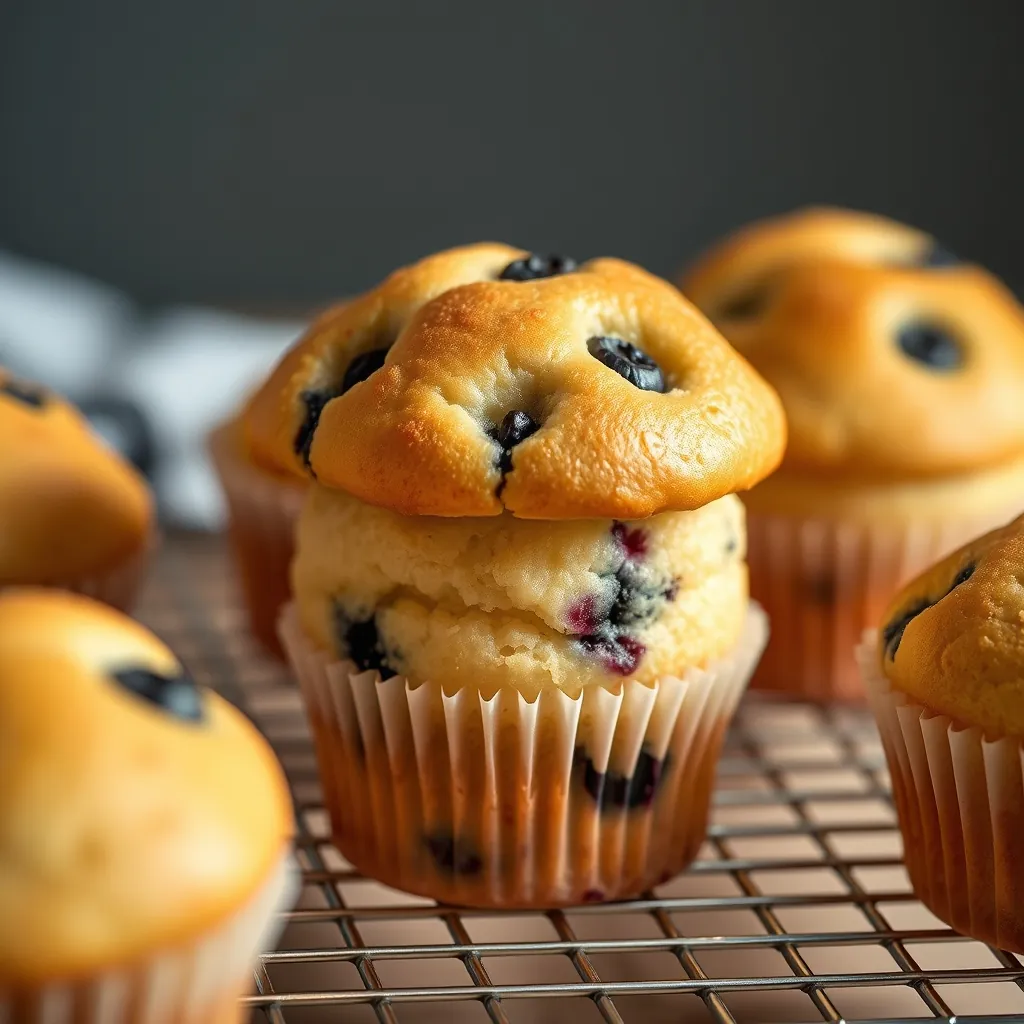
Making a truly fluffy blueberry muffin that rivals your local bakery is a matter of technique, not luck. The difference between a dense, flat muffin and a towering, tender one comes down to a few critical steps. This guide breaks down the science and the method so you can replicate that golden dome and soft crumb every time.
We skip the fluff and get straight to the facts. From ingredient temperature to oven tricks, these are the non-negotiable rules for the best blueberry muffins.
Why Room Temperature Ingredients Matter
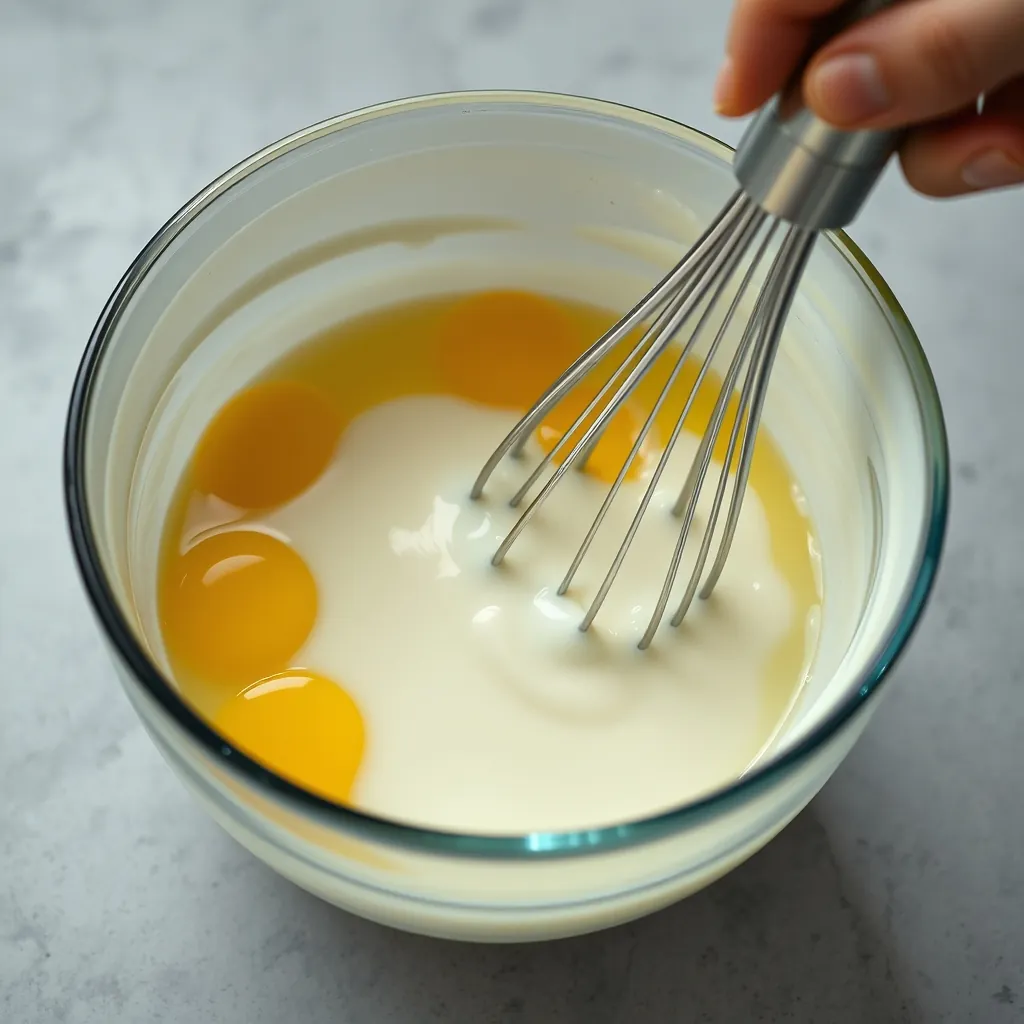
Cold ingredients do not emulsify properly. When butter, eggs, and buttermilk are at room temperature (around 68-72°F), they trap air more efficiently during mixing. This trapped air expands in the oven, creating a lighter, fluffier crumb.
Key rule: Take your eggs and buttermilk out of the fridge 30 minutes before you start. If you are short on time, place the eggs in a bowl of warm water for 5 minutes and gently warm the buttermilk in the microwave for 10 seconds.
Using cold butter in a creaming method can also lead to a dense texture. The fat needs to be soft enough to hold air bubbles. If your kitchen is cold, let the butter sit out for an hour.
The Flour Trick: Cornstarch for a Softer Crumb
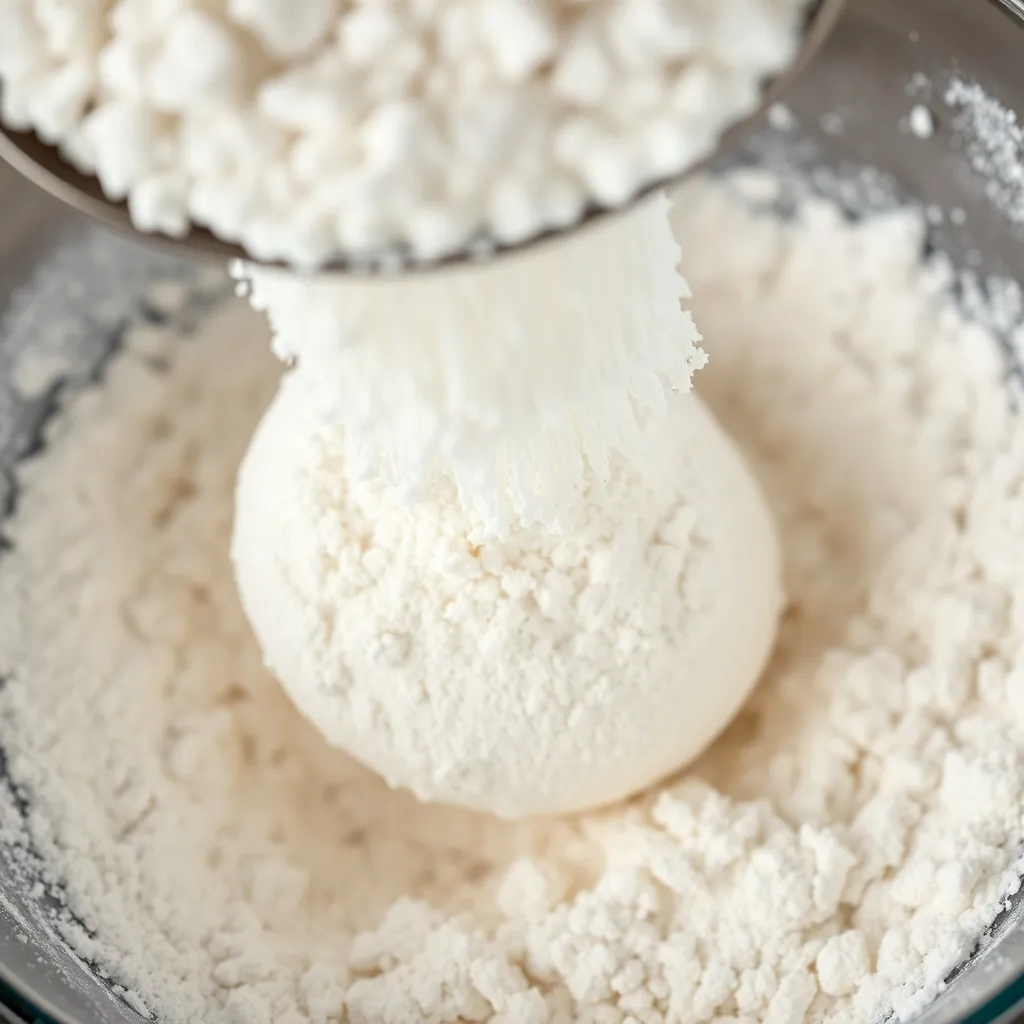
All-purpose flour has a protein content that develops gluten. More gluten means a tougher muffin. To mimic the softness of cake flour without buying a separate bag, replace 2 tablespoons of all-purpose flour with 2 tablespoons of cornstarch per cup of flour.
Cornstarch inhibits gluten formation. It breaks up the protein strands, resulting in a more tender, delicate crumb. This is a simple swap that professional bakers use to ensure a soft texture without sacrificing structure.
Batter Resting: The Secret to Taller Muffins
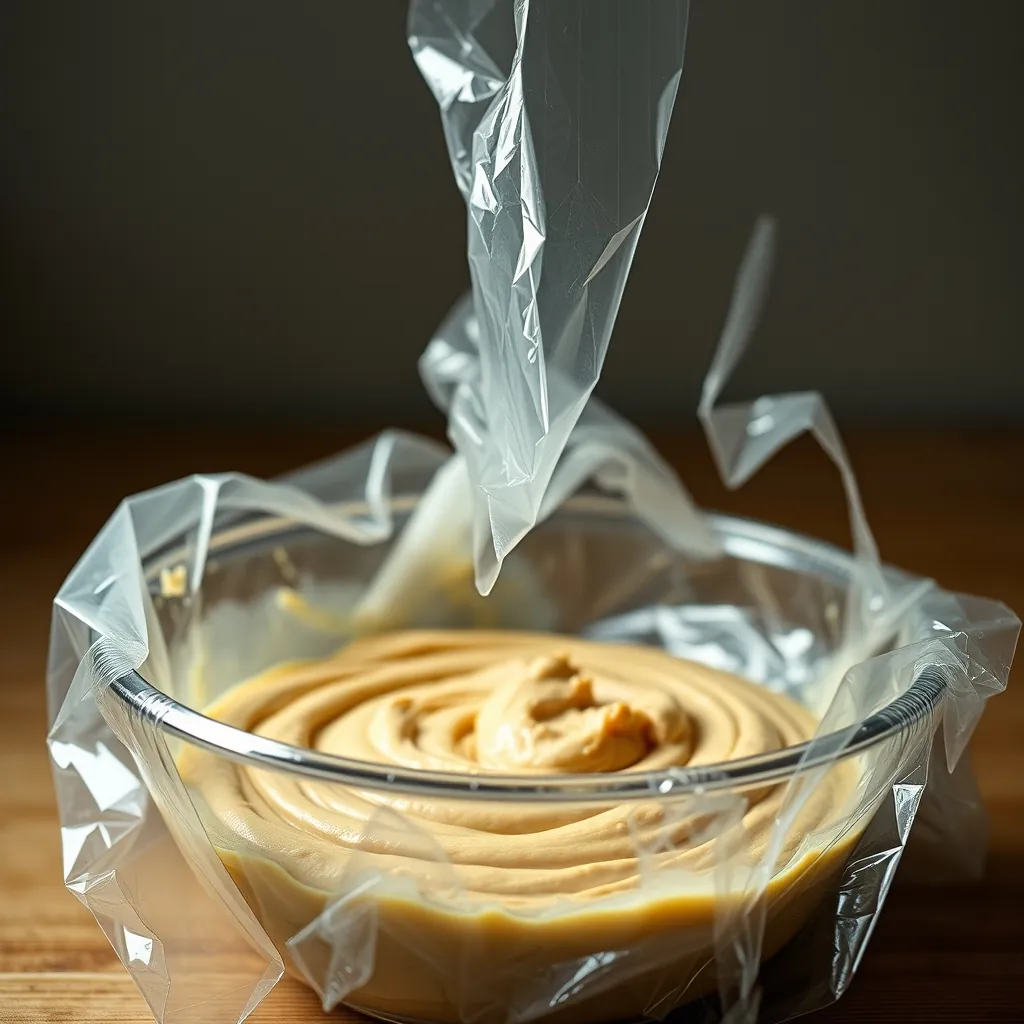
Here is a step most home bakers skip: let your batter rest for 15 to 30 minutes before baking. This is not a time-wasting trick. It is a chemical process.
During the rest, the starch granules in the flour absorb the liquid in the batter. This causes the batter to thicken and become more viscous. A thicker batter holds its shape better in the oven. Instead of spreading out into a flat disc, it pushes upward, creating a tall, rounded dome.
Science note: Resting also allows the gluten to relax. Overworked gluten creates a tough muffin. A short rest gives the gluten time to unwind, leading to a more tender bite.
The High Heat Dome Method (And an Alternative)
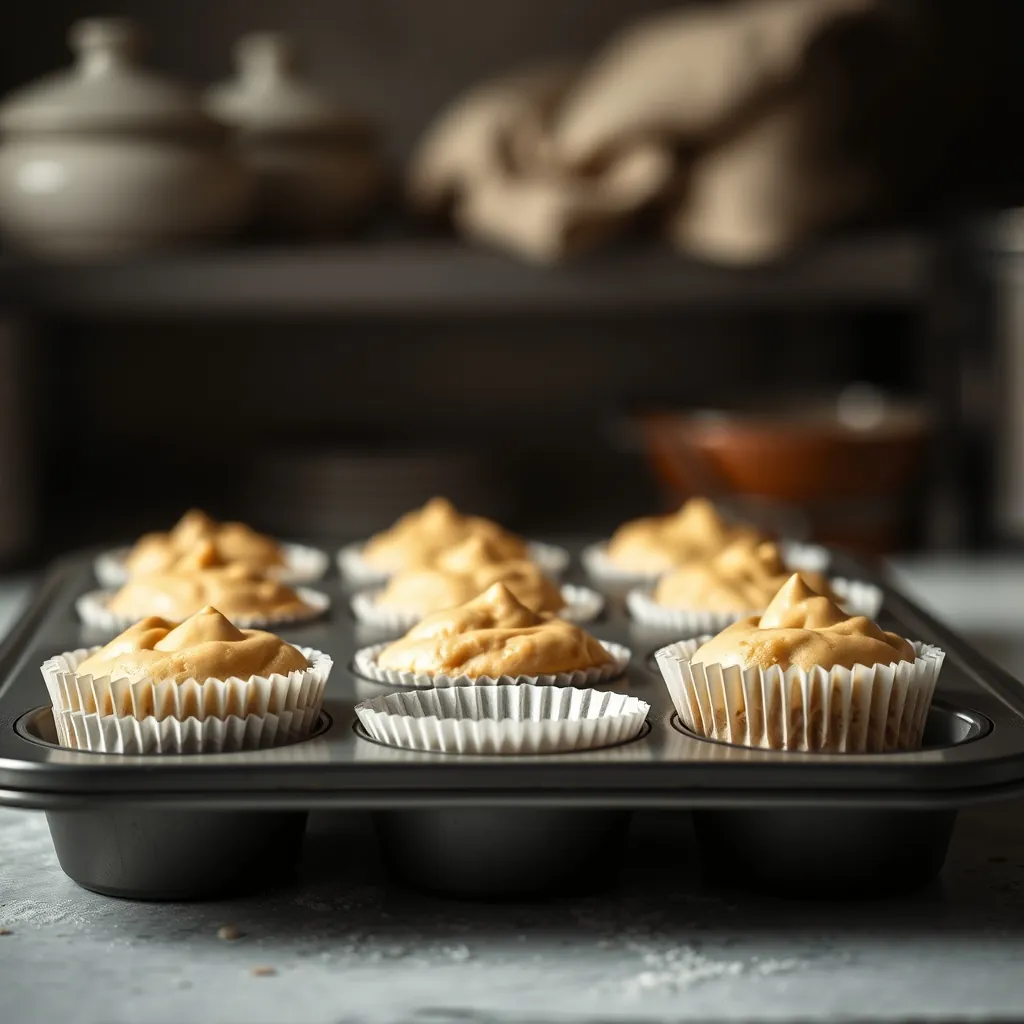
The standard method for a bakery dome is a blast of high heat. Start your oven at 425°F (220°C). Place the muffins in and bake for exactly 5 minutes. Then, without opening the door, reduce the temperature to 375°F (190°C) and finish baking for 10-15 minutes.
The initial heat shock sets the outer crust quickly. As the inside continues to expand, it has nowhere to go but upward. This creates the classic mushroom top.
Alternative method for dome without high heat: If your oven runs hot or you want a more controlled rise, use a steam bath. Place a shallow pan of boiling water on the bottom rack of the oven. The steam keeps the muffin surface moist longer, allowing the batter to expand more before the crust sets. This produces a softer, rounder dome rather than a sharp, cracked one.
Fat Comparison: Butter vs. Oil vs. Shortening
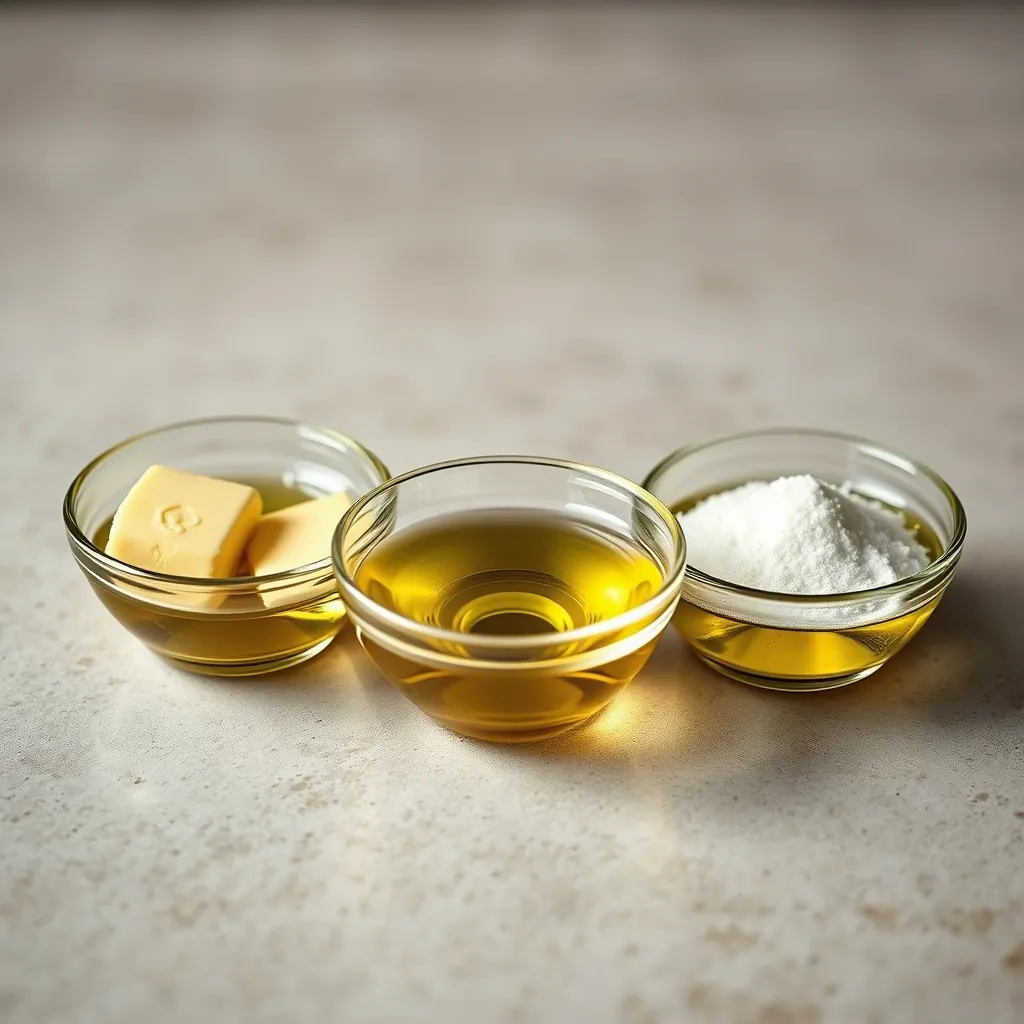
The type of fat you use directly impacts texture and shelf life.
- Butter: Provides the best flavor. It creates a slightly firmer crumb. Muffins made with butter are best eaten the same day.
- Oil: Produces a moister, softer muffin. Oil stays liquid at room temperature, so the muffin feels more tender. It also extends shelf life by 1-2 days. Use a neutral oil like canola or avocado.
- Shortening: Creates the tallest, fluffiest muffin with zero flavor. It has a high melting point, which means it holds air better during mixing. Use a 50/50 blend of butter and shortening for the best of both worlds.
For the fluffiest result with great taste, use half melted butter and half oil. This gives you the flavor of butter and the moisture of oil.
How to Prevent Blueberries from Sinking
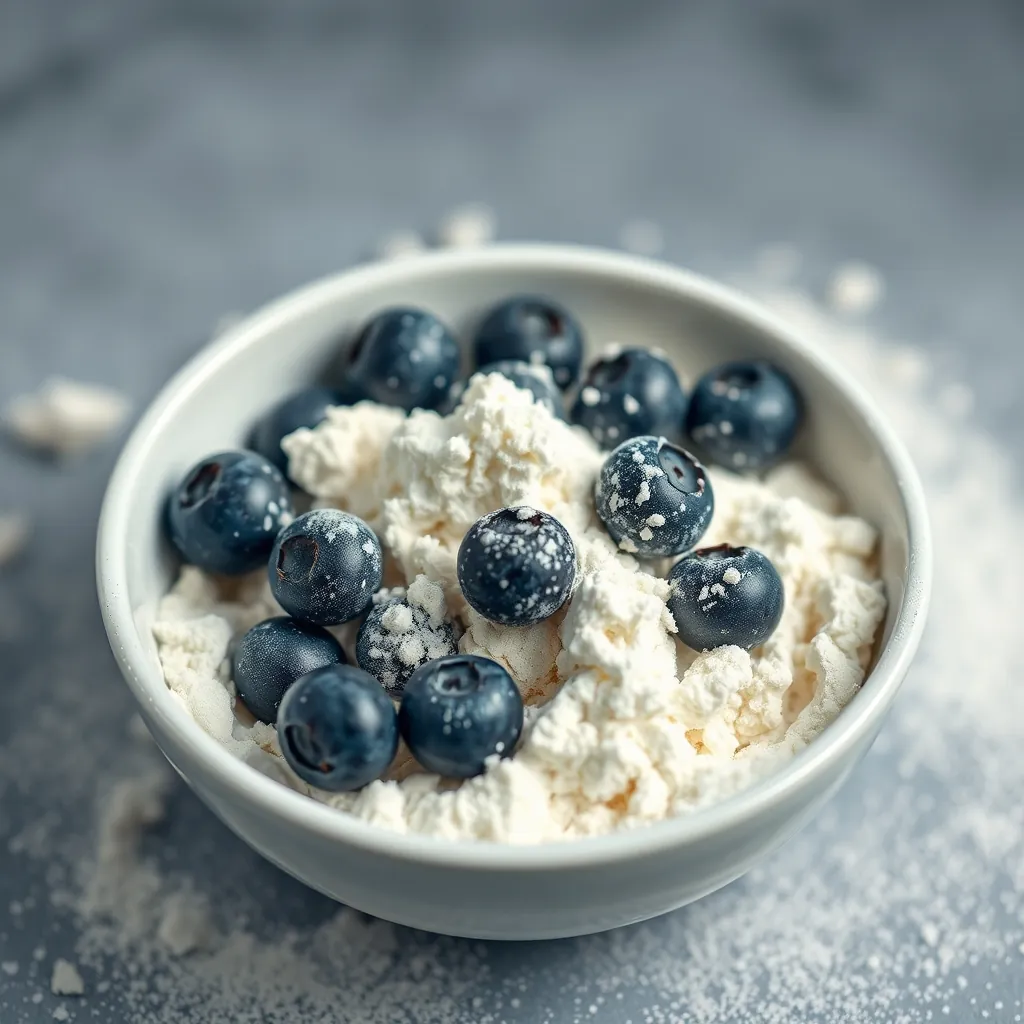
Nothing ruins a muffin like all the berries sitting at the bottom. The fix is simple and mechanical.
Toss your blueberries (fresh or frozen) in 1 to 2 tablespoons of the recipe flour before folding them into the batter. The flour coating creates friction. It grips the batter, suspending the berries evenly throughout the muffin.
Frozen blueberry warning: Do not thaw them. Thawed berries release juice that turns the batter purple. Fold them in quickly and gently. Overmixing with frozen berries guarantees a streaky, discolored crumb.
Troubleshooting Common Muffin Failures
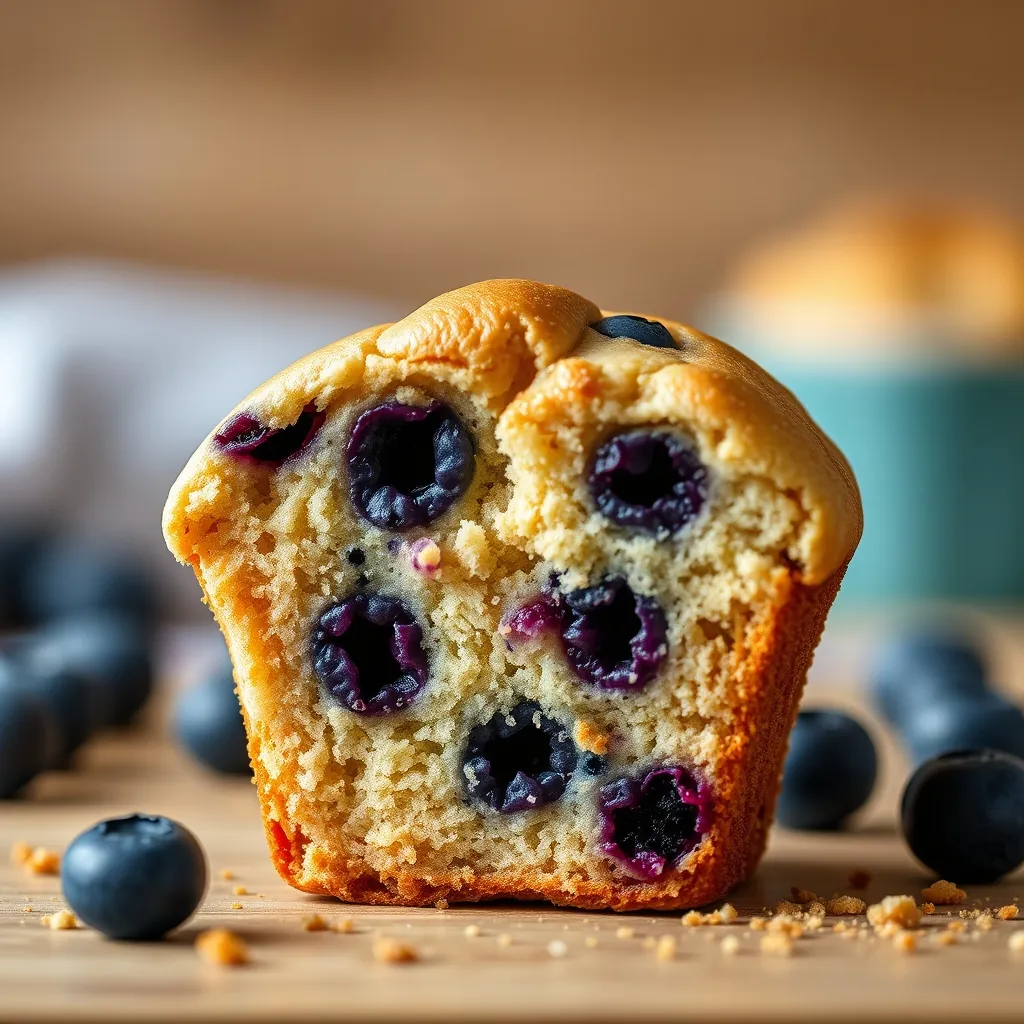
Even experienced bakers hit snags. Here is how to fix the most common issues.
Flat Tops
Your batter was too thin or your oven was not hot enough. Ensure you are resting the batter for 15 minutes. Check your oven temperature with a separate thermometer. Many home ovens run 25-50 degrees cooler than the dial says.
Gummy or Dense Centers
This is almost always caused by overmixing. Stir the dry ingredients into the wet ingredients until just combined. A few streaks of flour are fine. Overmixing develops gluten and knocks out the air bubbles.
Burnt Bottoms
Dark metal pans absorb more heat. Use a light-colored aluminum pan. If your oven has a hot spot on the bottom, place the muffin tin on a baking sheet to insulate it.
Dry or Crumbly Texture
You either overbaked the muffins or used too much flour. Weigh your flour with a kitchen scale for accuracy. A cup of flour should weigh 120-125 grams. Scooping directly from the bag can add 20% more flour.
Altitude Adjustments for High-Altitude Bakers

At altitudes above 3,000 feet, the lower air pressure changes how muffins bake. The batter rises too quickly and then collapses. Here are the specific adjustments.
- Reduce sugar: Decrease by 1 tablespoon per cup. Excess sugar weakens the structure.
- Increase liquid: Add 1 to 2 tablespoons of milk or buttermilk. The batter needs more moisture to compensate for faster evaporation.
- Increase oven temperature: Raise the initial blast to 450°F (230°C) for the first 5 minutes. The higher heat sets the crust faster to trap the expanding gas.
- Reduce leavening: Cut the baking powder by 1/8 teaspoon. Less leavening prevents the muffin from over-expanding and then falling.
Storage and Freezing for Maximum Freshness
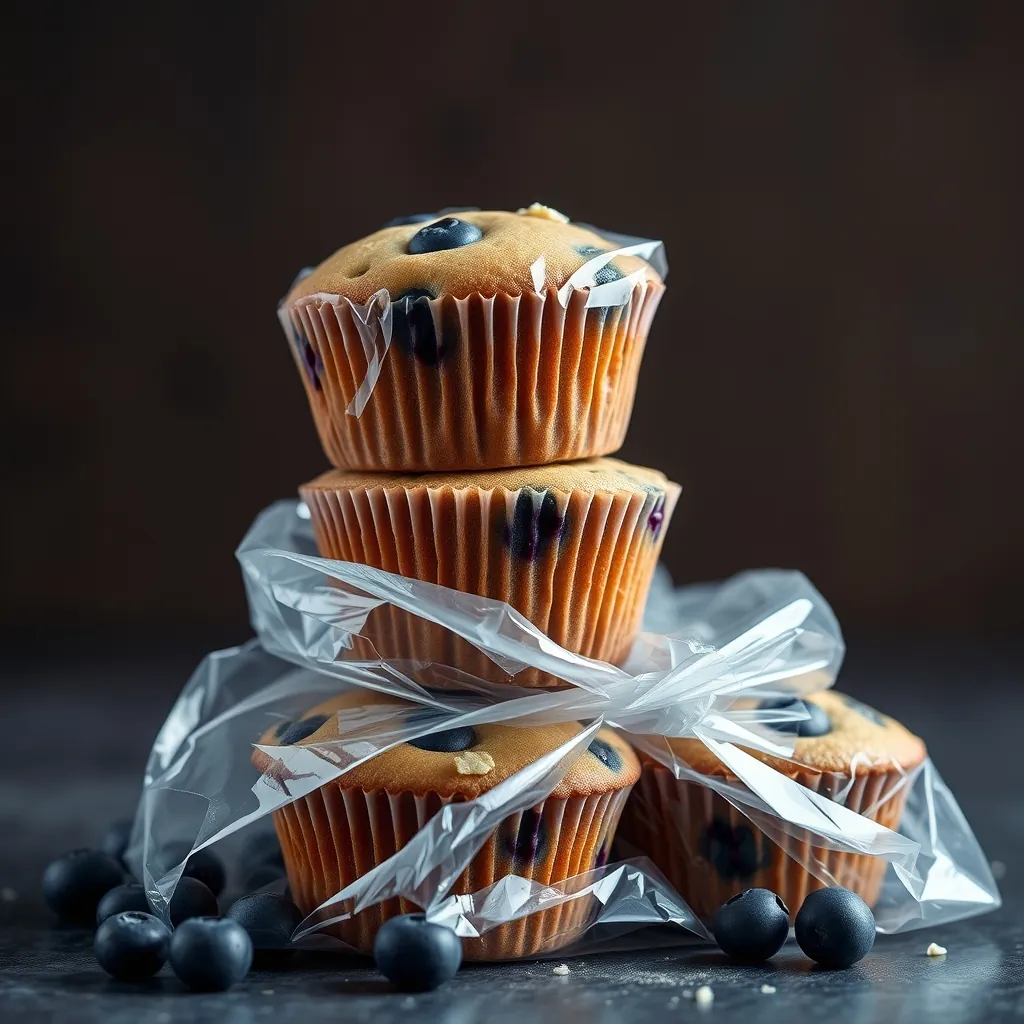
Bakery-style muffins are best on day one. But you can preserve their texture with the right storage method.
Room temperature: Store in an airtight container lined with a paper towel. The paper towel absorbs excess moisture that would make the tops soggy. Replace the towel every day. Muffins stay fresh for up to 3 days.
Freezing: Cool the muffins completely. Wrap each one individually in plastic wrap, then place them in a freezer-safe bag. Freeze for up to 3 months. To thaw, unwrap and microwave for 20-30 seconds. The crumb will be just as tender as the day you baked them.
Optional Variations for a Unique Twist
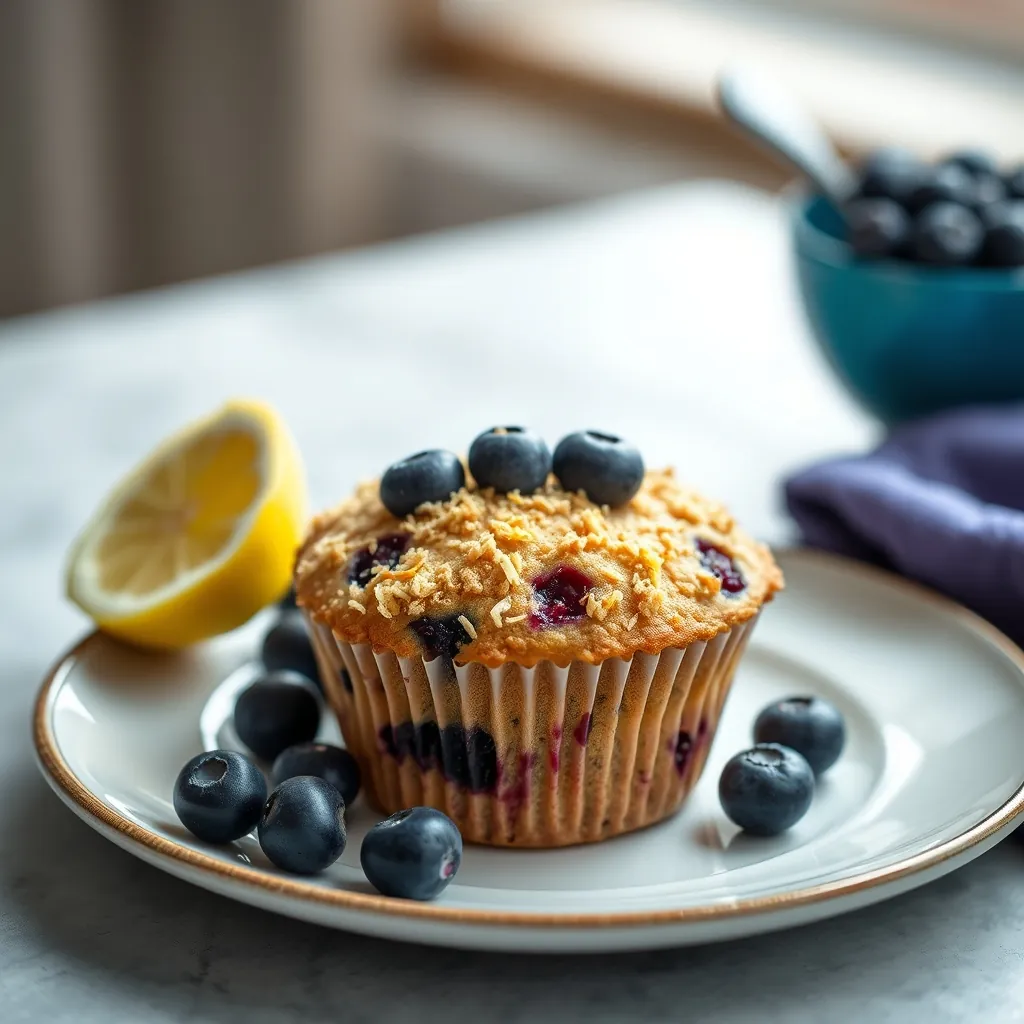
Once you master the base recipe, experiment with these additions.
- Lemon Blueberry: Add 1 tablespoon of lemon zest to the sugar. Rub the zest into the sugar with your fingers before mixing to release the oils.
- Streusel Topping: Combine 1/4 cup flour, 1/4 cup brown sugar, and 2 tablespoons cold butter. Cut the butter in until crumbly. Sprinkle on top before baking.
- Spiced Blueberry: Add 1/2 teaspoon of cinnamon and 1/4 teaspoon of nutmeg to the dry ingredients.
- White Chocolate Blueberry: Fold in 1/2 cup of white chocolate chips with the blueberries. The sweetness balances the tart berries.
These variations follow the same base technique. The key remains the same: do not overmix, do not skip the rest, and respect the oven heat.
Bakery-Style Blueberry Muffins
Master the art of making tall, fluffy bakery-style blueberry muffins at home with this definitive guide.
Ingredients
- 2 cups all-purpose flour
- 2 tablespoons cornstarch
- 1/2 cup granulated sugar
- 2 teaspoons baking powder
- 1/2 teaspoon salt
- 1/2 cup unsalted butter, melted
- 1/2 cup vegetable oil
- 2 large eggs, room temperature
- 1 cup buttermilk, room temperature
- 1 teaspoon vanilla extract
- 1 1/2 cups fresh or frozen blueberries
- 1-2 tablespoons flour (for tossing blueberries)
Instructions
- Preheat oven to 425°F (220°C). Line a 12-cup muffin tin with paper liners.
- In a medium bowl, whisk together flour, cornstarch, sugar, baking powder, and salt.
- In a large bowl, whisk together melted butter, oil, eggs, buttermilk, and vanilla extract until smooth.
- Pour the dry ingredients into the wet ingredients and stir until just combined. A few streaks of flour are fine.
- Toss blueberries with 1-2 tablespoons flour to coat, then gently fold them into the batter.
- Let the batter rest for 15-30 minutes at room temperature.
- Fill muffin cups to the top with batter.
- Bake at 425°F for 5 minutes, then reduce oven temperature to 375°F (190°C) without opening the door, and bake for 10-15 more minutes until golden and a toothpick inserted comes out clean.
- Cool in the pan for 5 minutes, then transfer to a wire rack.
Leave a Reply