Your cart is currently empty!
The Definitive Garlic Butter Shrimp Scampi Recipe (2024)
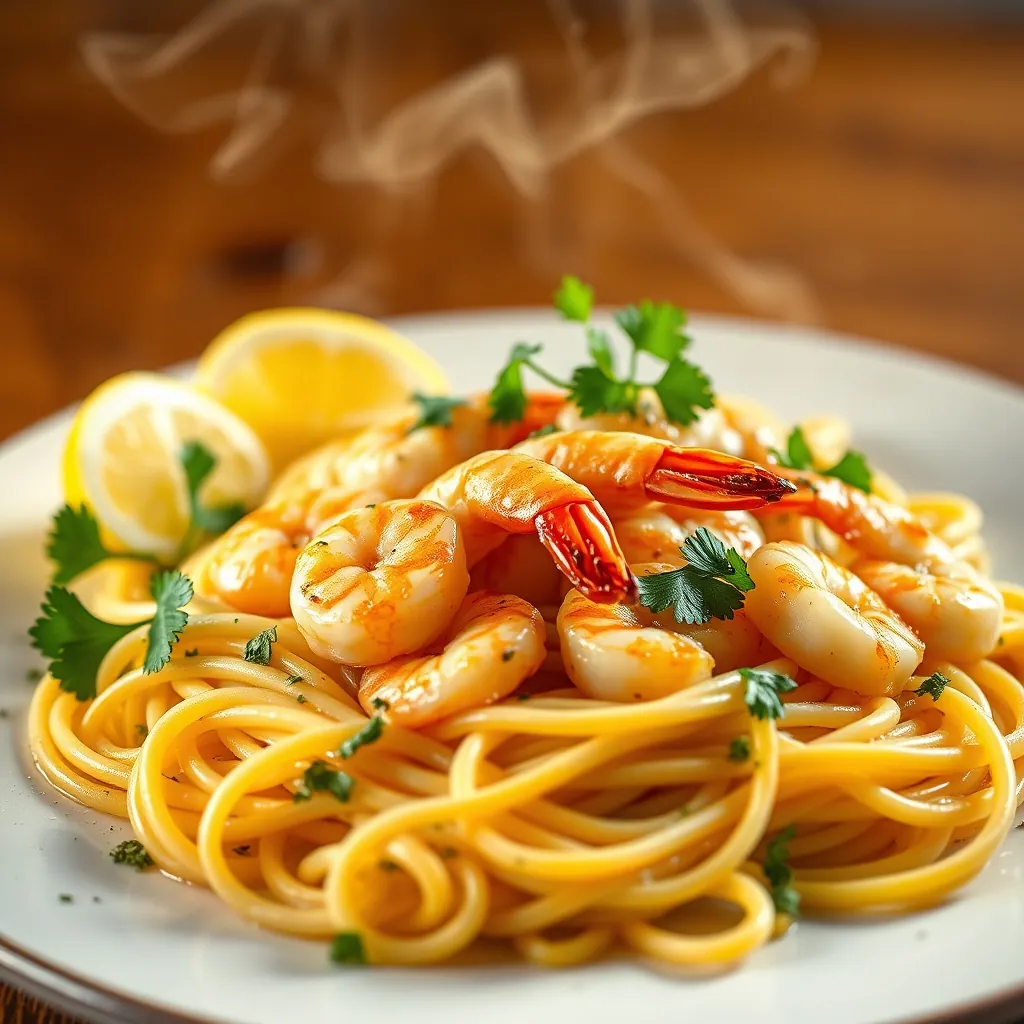
Why Most Homemade Shrimp Scampi Fails
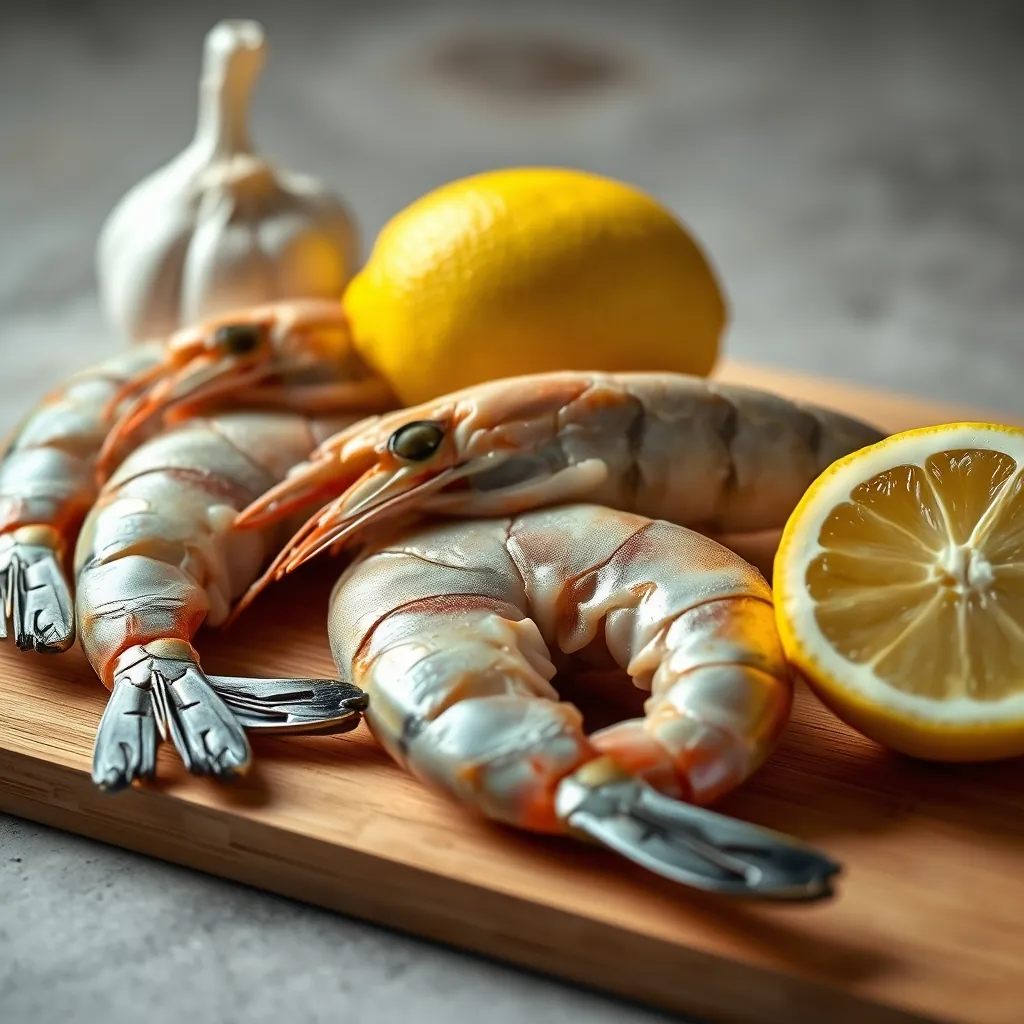
Rubbery shrimp. A watery, greasy sauce. Bland noodles. These are the hallmarks of a poorly executed shrimp scampi. The dish seems simple, but it demands precision. Timing, heat, and ingredient quality are everything. Cook the shrimp for even one minute too long, and you ruin the texture. Use low heat, and the garlic steams instead of toasting. The difference between a mediocre weeknight dinner and a restaurant-quality plate comes down to a few specific, non-negotiable techniques.
This guide fills the gaps most recipes ignore. You will learn the exact temperature for the pan, how to prepare the shrimp for maximum flavor absorption, and how to fix a broken sauce. These are the details that turn a recipe into a reliable skill.
The Only Ingredients You Need
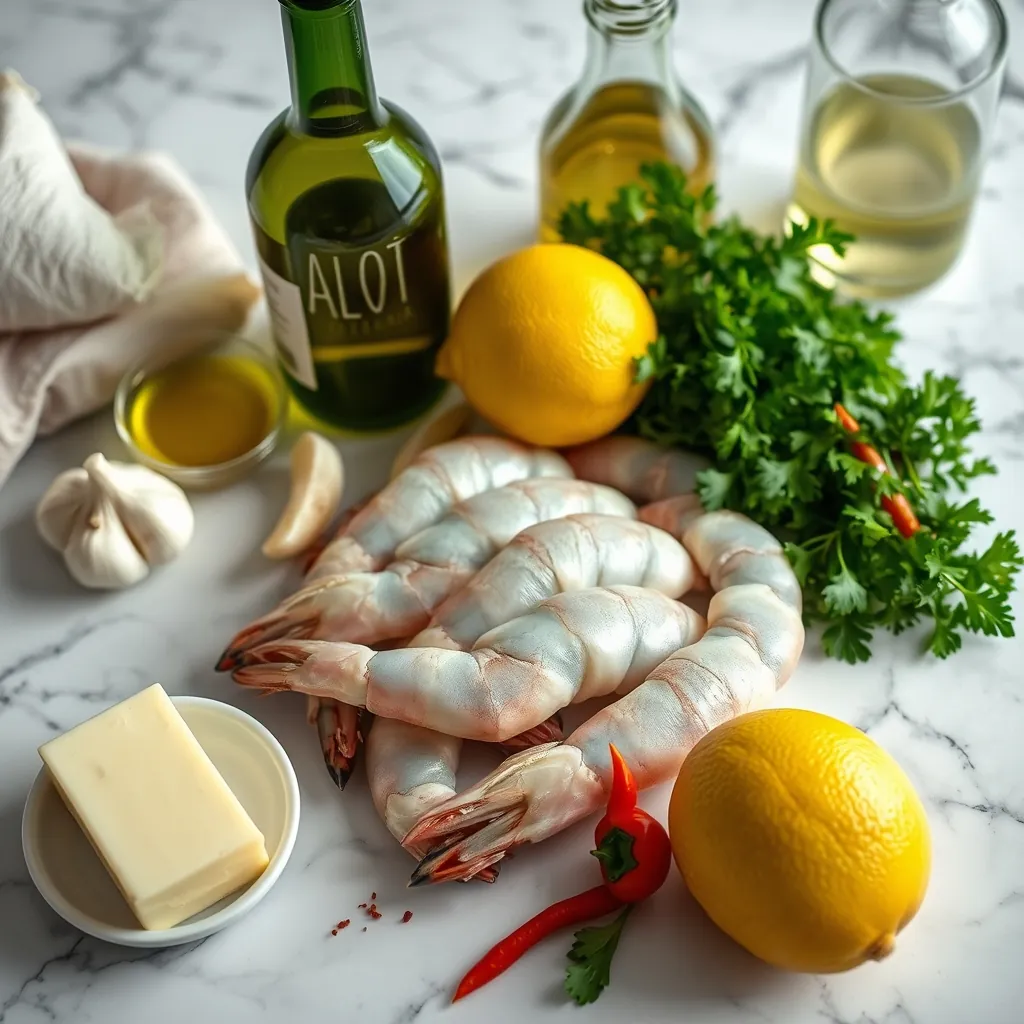
Quality matters more than quantity. Scampi is a short ingredient list. Every component must earn its place.
- Shrimp: Buy large (16/20 count) or jumbo shrimp. These sizes offer the best meat-to-shell ratio and stay juicy during the quick cook time.
- Fat: Use a mix of 2 tablespoons unsalted butter and 2 tablespoons extra-virgin olive oil. The butter provides flavor. The olive oil raises the smoke point and prevents burning.
- Aromatics: Use 4 fresh garlic cloves, minced. One pinch of red pepper flakes adds warmth without heat.
- Acid and Liquid: 1/2 cup dry white wine (like Pinot Grigio or Sauvignon Blanc) for deglazing. For a non-alcoholic version, use 1/2 cup low-sodium chicken broth mixed with 1 teaspoon white wine vinegar.
- Finishing: 2 tablespoons fresh lemon juice and 1/4 cup chopped fresh flat-leaf parsley. Salt and black pepper to taste.
- Pasta: 12 ounces of linguine or angel hair pasta. For a low-carb option, serve over zucchini noodles or cauliflower rice.
How to Prepare Shrimp Like a Pro
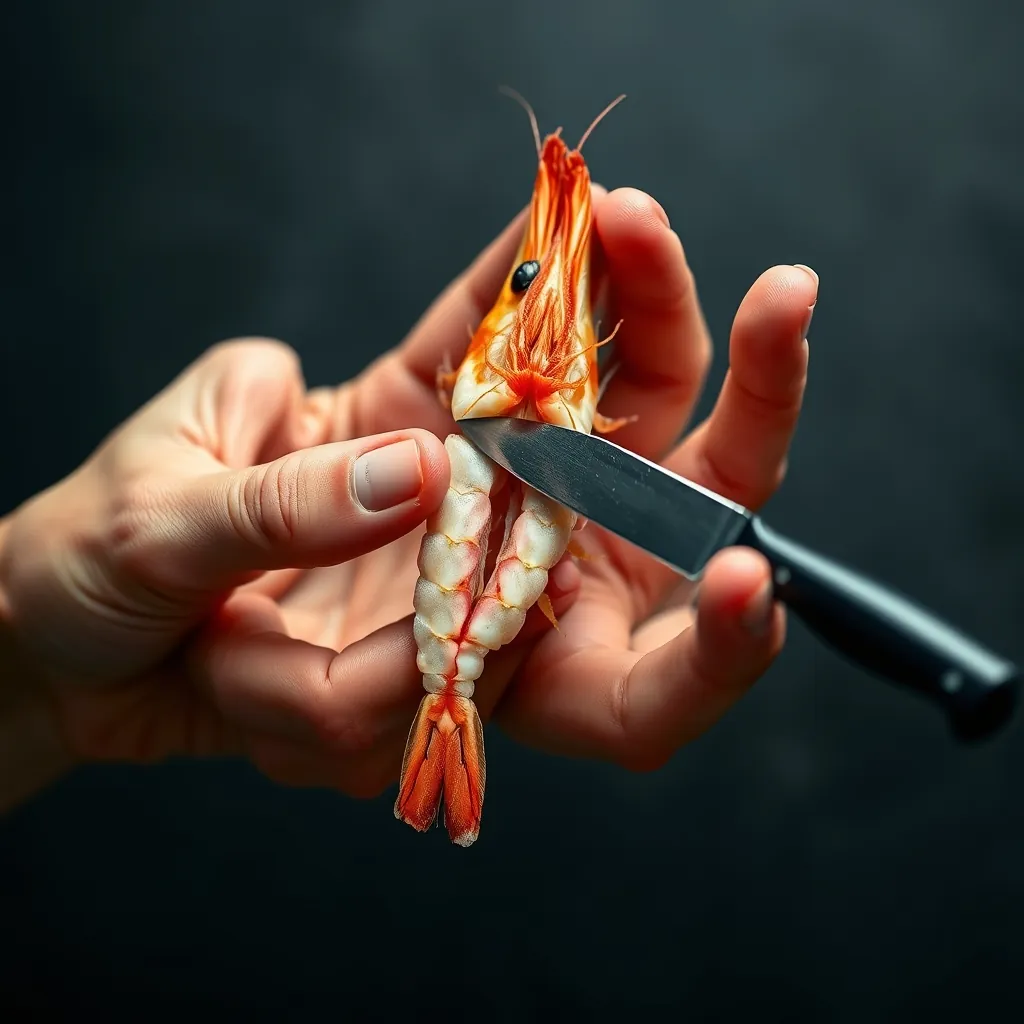
Skip this step, and your dish will suffer. Properly preparing the shrimp is the single most impactful action you can take.
Peel and Devein: Remove the shell, leaving the tail on for presentation. Use a paring knife to make a shallow slit down the back of the shrimp. Rinse out the dark digestive tract under cold water. Pat the shrimp completely dry with paper towels. Moisture is the enemy of a good sear.
Butterfly for Better Results: After deveining, cut slightly deeper along the back to open the shrimp like a book. Do not cut all the way through. This butterfly cut does two things. It creates more surface area for the garlic butter to cling to. It also ensures the shrimp cooks evenly in less time.
Season Generously: Toss the shrimp in a bowl with 1/2 teaspoon salt and 1/4 teaspoon black pepper. Set aside while you prepare the pasta and sauce.
The Cooking Method: Heat and Timing
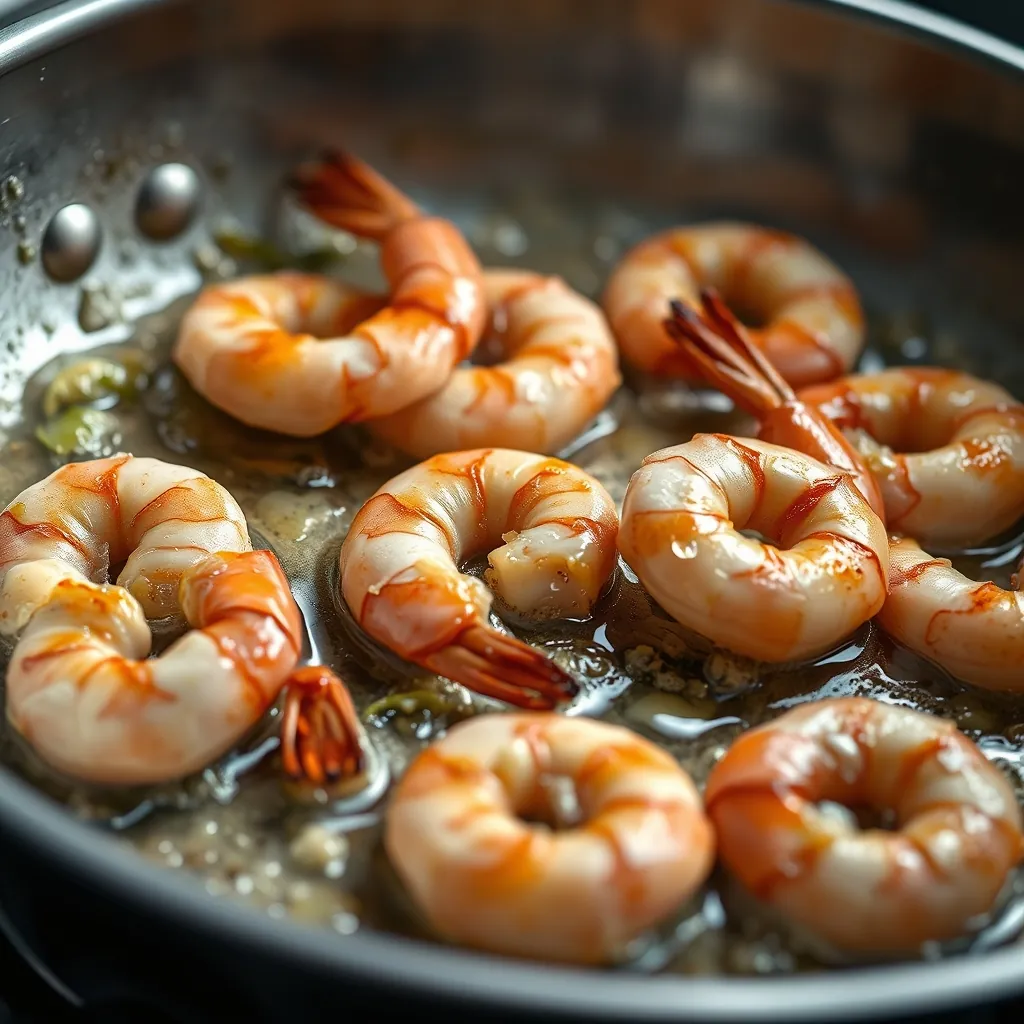
This is where most recipes go wrong. They tell you to cook the shrimp, but they do not tell you how to manage the heat. You need medium-high heat. This is the critical temperature window. It is hot enough to sear the shrimp quickly, but not so hot that the butter burns immediately.
Step 1: Cook the Shrimp
Heat the olive oil in a large skillet over medium-high heat. Wait until the oil shimmers. Add the shrimp in a single layer. Do not crowd the pan. Cook for 90 seconds. Flip the shrimp. Cook for another 90 seconds. The shrimp will turn opaque and pink with slight golden-brown char marks. Transfer the cooked shrimp to a plate. Do not leave them in the pan.
Step 2: Build the Sauce
Reduce the heat to medium. Add the butter to the pan. Once melted, add the minced garlic and red pepper flakes. Stir constantly for 30 seconds. The garlic should be fragrant and just barely golden. Do not let it turn brown or bitter.
Step 3: Deglaze
Pour in the white wine (or broth mixture). Use a wooden spoon to scrape up all the browned bits from the bottom of the pan. These bits are pure flavor. Let the liquid simmer for 2 minutes until it reduces by half.
Step 4: Combine and Finish
Add the cooked shrimp back to the pan. Toss to coat. Squeeze the lemon juice over everything. Sprinkle with fresh parsley. Taste and adjust salt and pepper. Serve immediately over your prepared pasta or base.
What to Serve with Shrimp Scampi
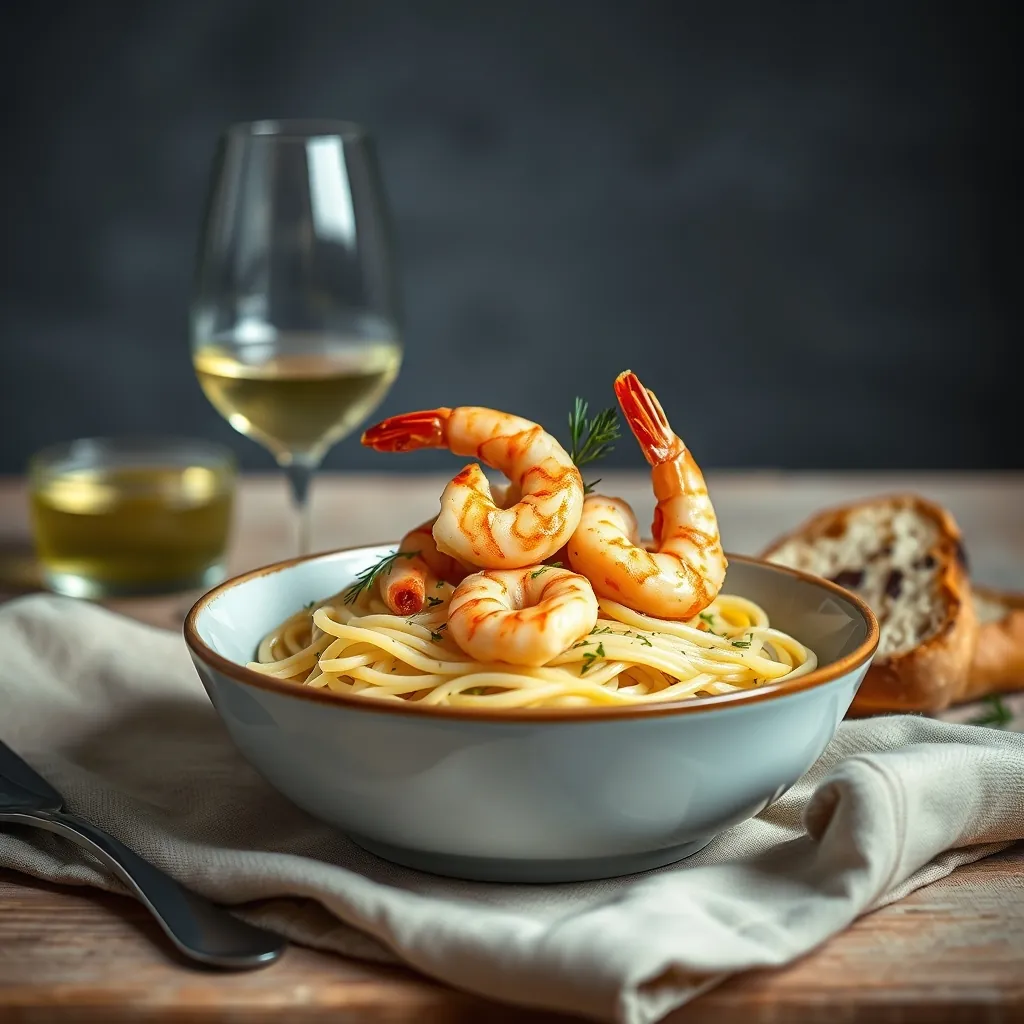
The classic pairing is pasta. But the dish is versatile. Here are three strong options.
- Pasta: Linguine or angel hair are traditional. Cook the pasta al dente. Reserve 1/2 cup of pasta water before draining. If your sauce seems too thick, add a splash of this starchy water to loosen it.
- Bread: A crusty baguette or sourdough is excellent for sopping up the remaining garlic butter sauce.
- Low-Carb: Serve over spiralized zucchini noodles (zoodles) sauteed for 2 minutes, or over steamed rice.
How to Store and Reheat Leftovers
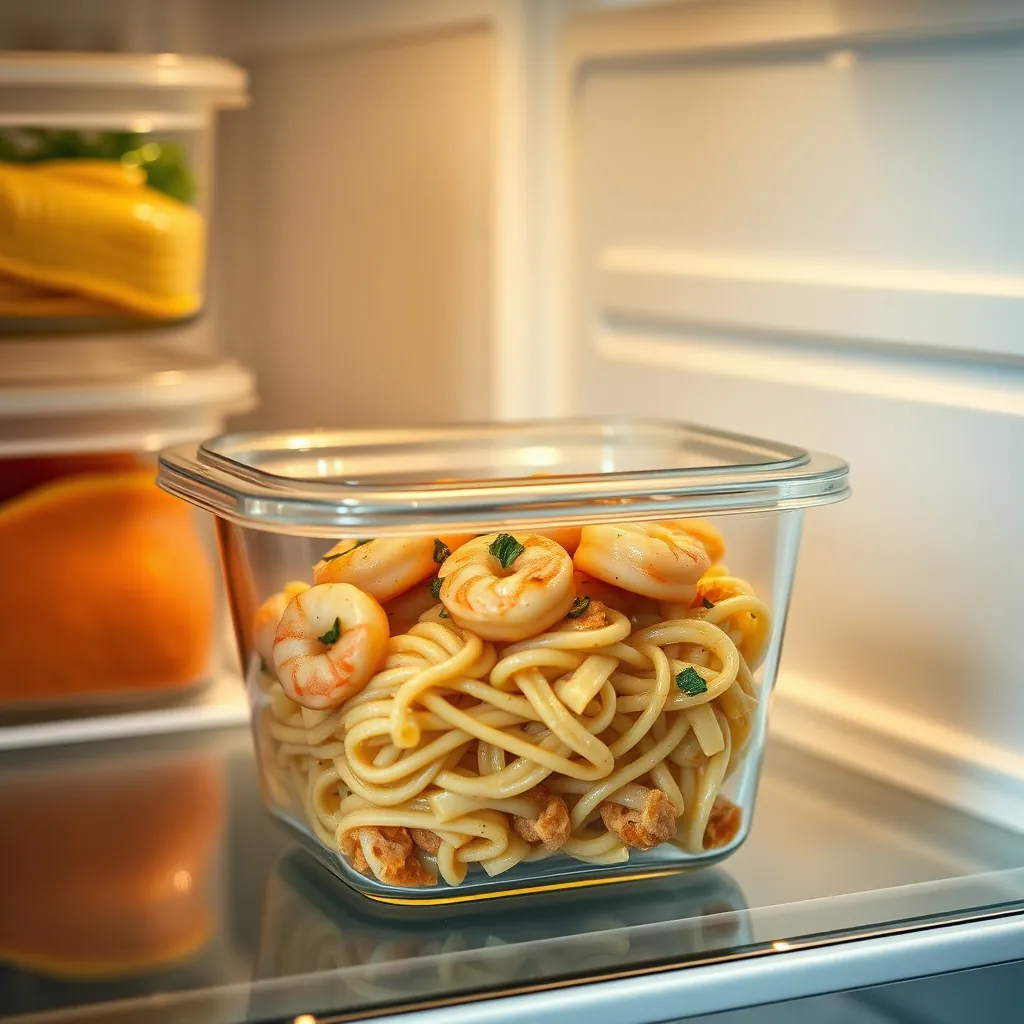
Shrimp scampi is best eaten fresh. But if you have leftovers, store them properly to avoid a mushy texture.
Place the shrimp and sauce in an airtight container. Store for up to 2 days. Do not freeze. The shrimp will become rubbery upon thawing.
To reheat, use a skillet over low heat. Add a tablespoon of water or chicken broth to revive the sauce. Warm gently for 2-3 minutes. Do not microwave. The microwave will overcook the shrimp and make the sauce separate.
Troubleshooting Common Problems
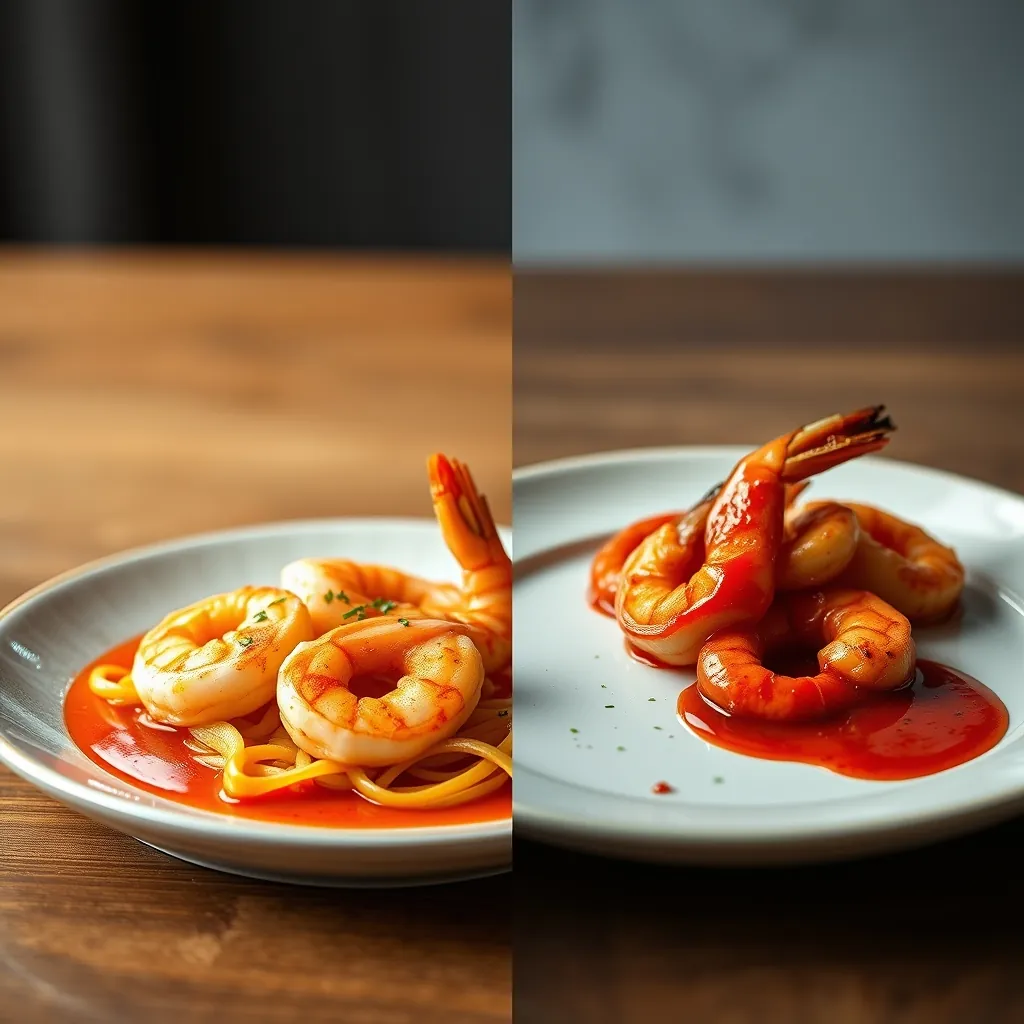
Even experienced cooks hit issues. Here is how to fix the three most common failures.
Problem: Rubbery Shrimp
Cause: Overcooking. Shrimp cook in 3 to 4 minutes total. If they curl into a tight ‘C’ shape, they are overdone. Solution: Cook for exactly 90 seconds per side. Remove them from the heat immediately when they turn opaque.
Problem: Bland Sauce
Cause: Not enough salt or acid. Solution: You need salt to season the shrimp and the sauce. Use 1/2 teaspoon in the shrimp and another pinch in the sauce. The lemon juice is non-negotiable. It brightens every other flavor.
Problem: Watery or Broken Sauce
Cause: Too much liquid or low heat. The sauce should emulsify into a light, glossy coating. Solution: Do not add extra wine. Stick to the 1/2 cup measurement. Make sure the pan is hot enough to reduce the liquid quickly. If the sauce separates, remove the pan from heat and whisk in one tablespoon of cold butter.
Dietary Adjustments
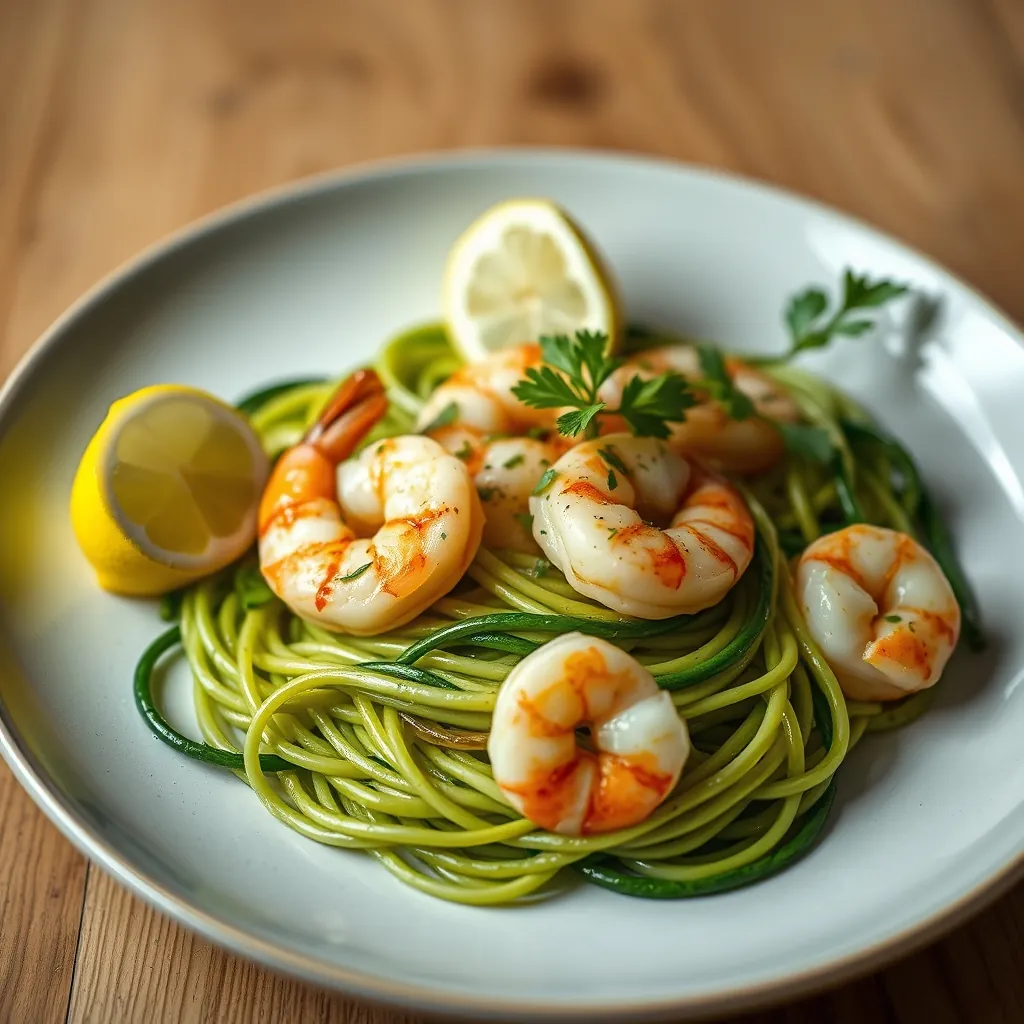
This recipe adapts easily to different diets without losing its core identity.
Gluten-Free: Use gluten-free pasta or zucchini noodles. The sauce itself contains no flour.
Keto / Low-Carb: Skip the pasta entirely. Increase the butter to 4 tablespoons. Serve the shrimp and sauce over sauteed spinach or cauliflower rice.
Low-Fat: Use only olive oil and omit the butter. Replace the butter with 2 additional tablespoons of olive oil. The flavor will be lighter but still satisfying.
Non-Alcoholic: Substitute the white wine with 1/2 cup low-sodium chicken broth plus 1 teaspoon of white wine vinegar. This provides the necessary acidity without the alcohol.
Garlic Butter Shrimp Scampi
Master the perfect garlic butter shrimp scampi with our definitive guide. Avoid rubbery shrimp and bland sauce with expert tips and troubleshooting.
Ingredients
- 1 pound large (16/20 count) or jumbo shrimp, peeled and deveined
- 2 tablespoons unsalted butter
- 2 tablespoons extra-virgin olive oil
- 4 garlic cloves, minced
- 1 pinch red pepper flakes
- 1/2 cup dry white wine (like Pinot Grigio or Sauvignon Blanc)
- 2 tablespoons fresh lemon juice
- 1/4 cup chopped fresh flat-leaf parsley
- Salt and black pepper to taste
- 12 ounces linguine or angel hair pasta
Instructions
- Cook the pasta al dente according to package directions. Reserve 1/2 cup pasta water before draining.
- Pat the shrimp dry and season with 1/2 teaspoon salt and 1/4 teaspoon black pepper.
- Heat olive oil in a large skillet over medium-high heat until shimmering. Add shrimp in a single layer and cook for 90 seconds per side until opaque and pink. Transfer to a plate.
- Reduce heat to medium. Add butter to the pan. Once melted, add garlic and red pepper flakes. Stir constantly for 30 seconds until fragrant.
- Pour in white wine and scrape up browned bits from the pan. Simmer for 2 minutes until reduced by half.
- Return shrimp to the pan. Toss to coat. Add lemon juice and parsley. Season with salt and pepper to taste. Serve immediately over pasta.
Leave a Reply