Your cart is currently empty!
Cast Iron Skillet Care: The Beginners Guide to Cleaning and Seasoning
Cast iron skillets are workhorses in the kitchen. They sear steaks, bake cornbread, and fry eggs with ease. But many beginners struggle with cleaning and seasoning. The good news is that maintaining a cast iron skillet is simple once you understand the basics. This guide covers everything from the first seasoning to fixing common beginner mistakes.
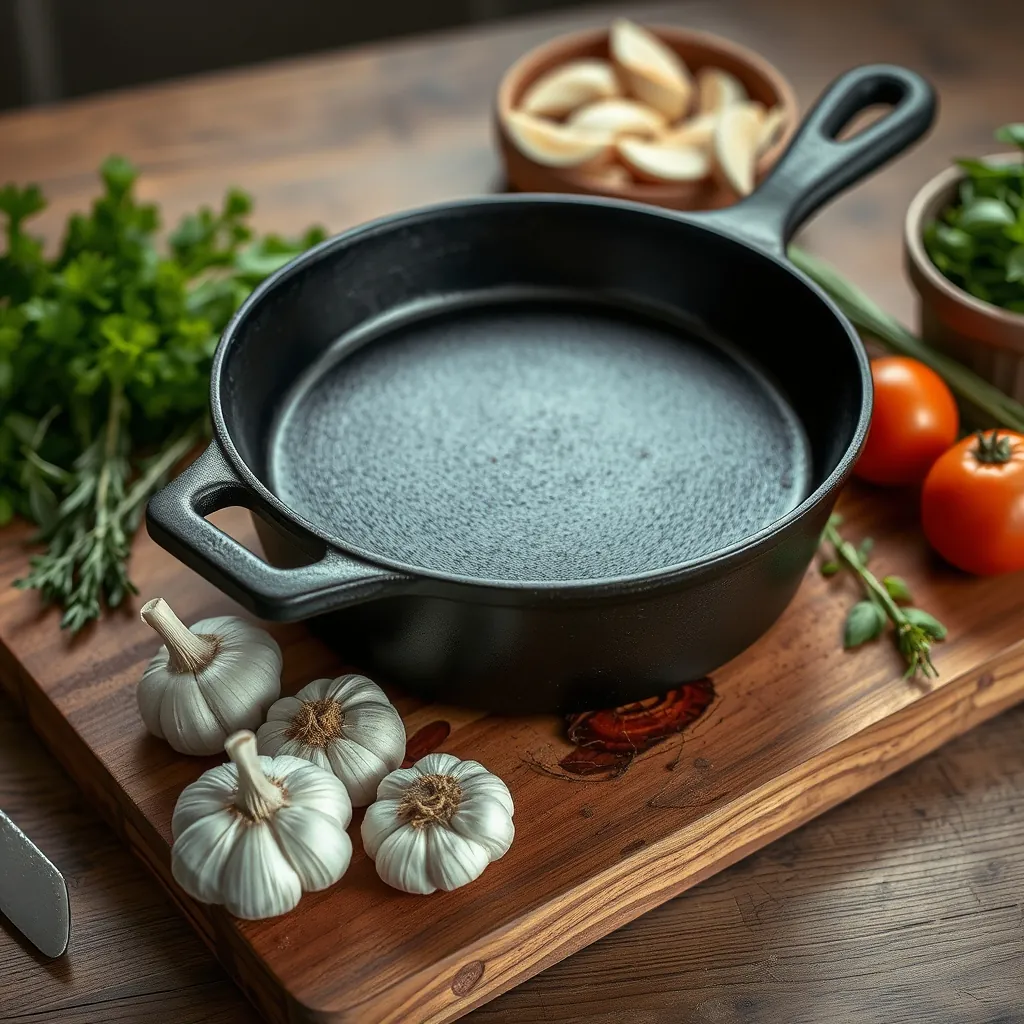
What Exactly Is Seasoning?
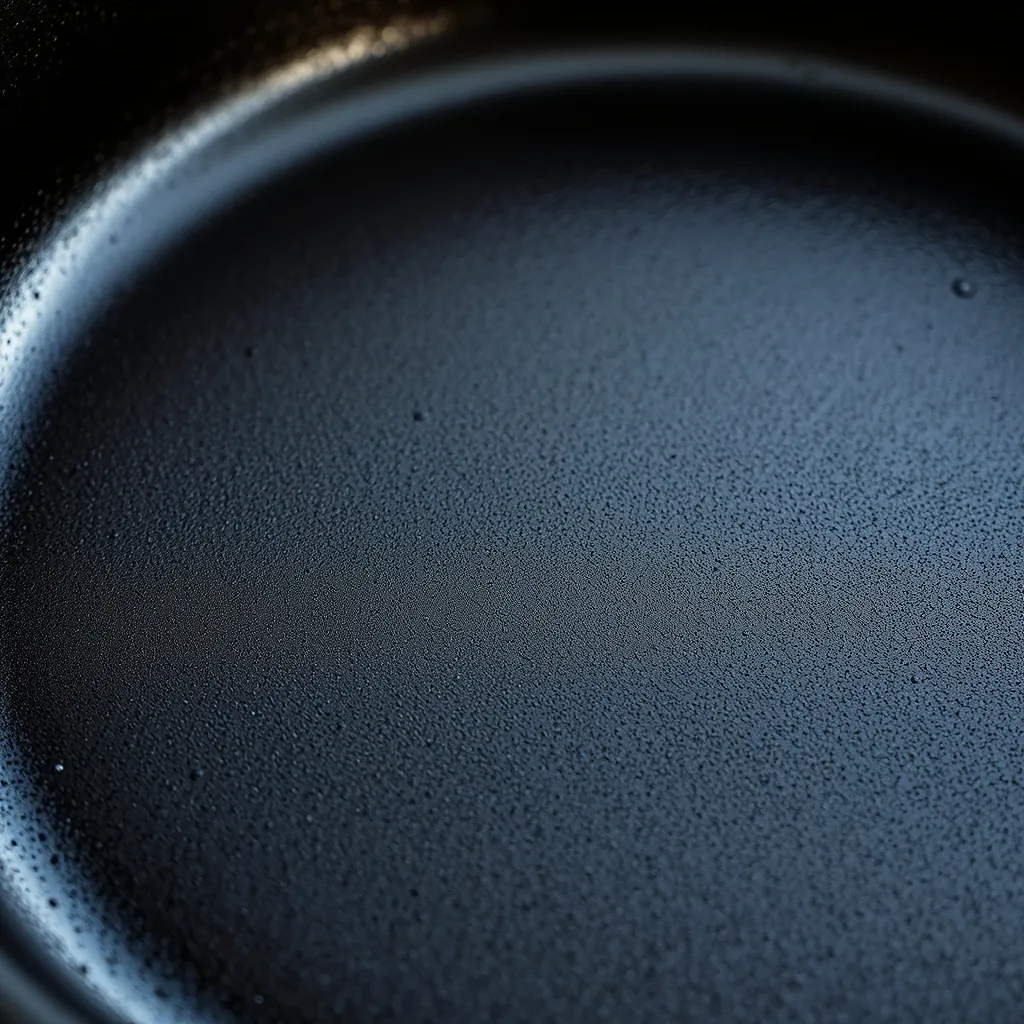
Seasoning is not a spice. It is a layer of polymerized oil bonded to the iron. When you heat oil on cast iron, the oil molecules break down and form a hard, plastic-like coating. This coating does two things: it creates a non-stick surface and it seals the iron against moisture. Without this layer, the skillet would rust almost immediately.
The science is straightforward. Oils with high smoke points work best because they can withstand the heat required for polymerization. Flaxseed oil, grapeseed oil, and vegetable shortening are top choices. Avoid butter or olive oil for seasoning. They burn at lower temperatures and leave a sticky residue.
How to Season a New Cast Iron Skillet
New skillets often come pre-seasoned from the factory. But that layer is thin. A home seasoning session strengthens it. Here is the oven method.
What You Need
- Cast iron skillet
- High smoke point oil (flaxseed, grapeseed, or vegetable shortening)
- Paper towels or a lint-free cloth
- Aluminum foil or a baking sheet
- Oven preheated to 450-500°F (232-260°C)
The Steps
- Wash the skillet with hot water and a stiff brush. Dry it thoroughly.
- Apply a thin layer of oil to the entire skillet, including the handle and bottom.
- Wipe off the excess oil. The pan should look dry, not greasy. A common mistake is leaving too much oil, which creates a sticky layer.
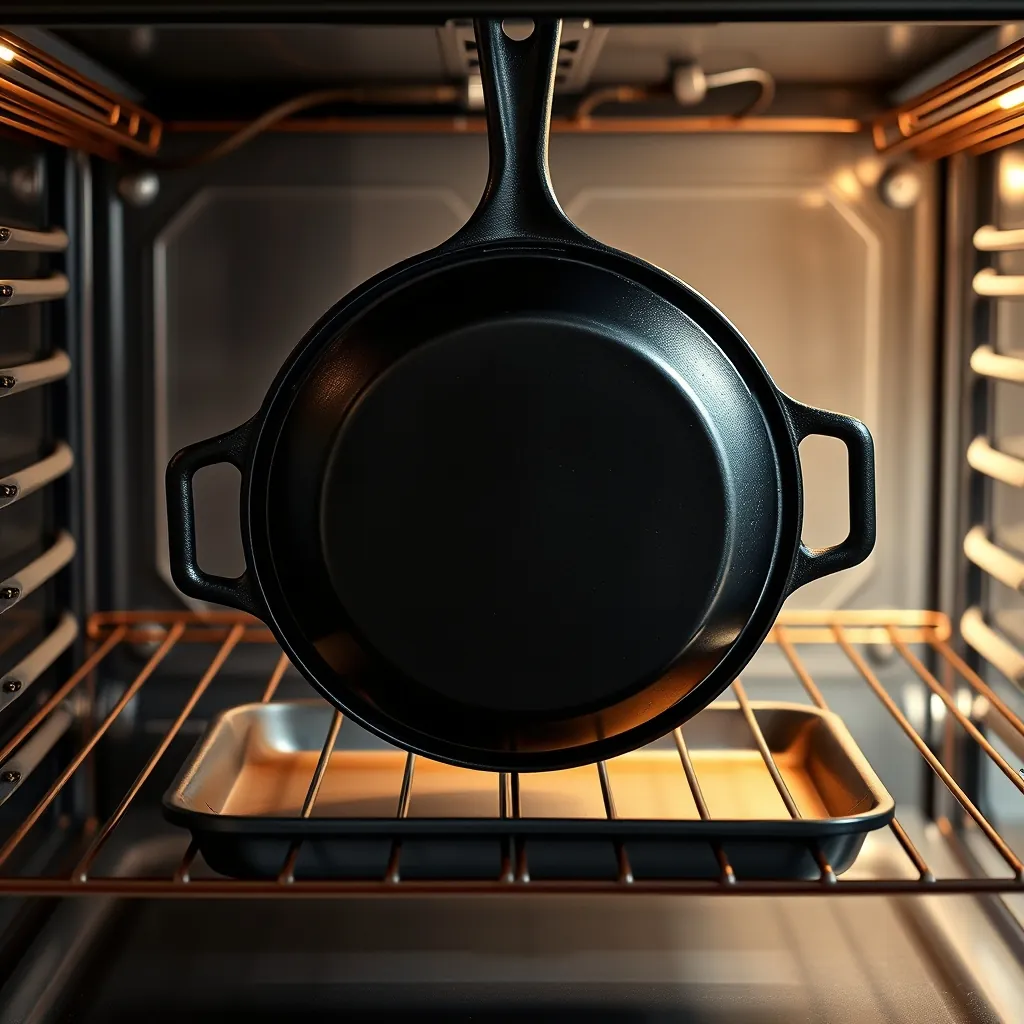
- Place the skillet upside down on the top rack of the oven. Put foil or a baking sheet on the bottom rack to catch drips.
- Bake for one hour. Turn off the oven and let the skillet cool inside.
Repeat this process two or three times for a robust seasoning layer. The skillet will darken with each cycle.
How to Clean a Cast Iron Skillet After Cooking
Cleaning is where most beginners make mistakes. Do not use soap. Do not soak the skillet. Do not put it in the dishwasher. Soap strips the seasoning. Soaking causes rust. The dishwasher is a disaster.
For Light Food Residue
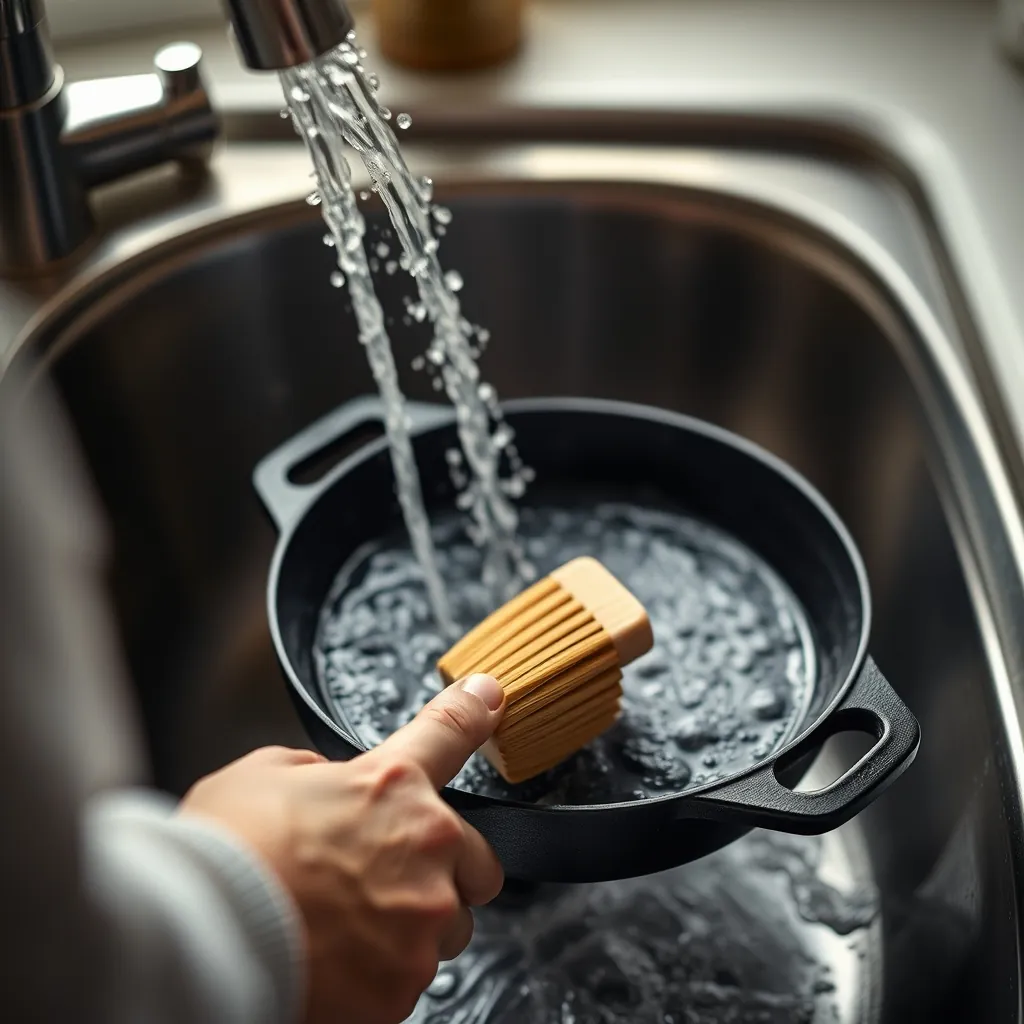
- Rinse the skillet with hot water while it is still warm.
- Use a stiff brush or a non-scratch scrub pad to remove bits.
- Dry the skillet immediately with a towel.
For Stuck-On Food
- Add a cup of water to the warm skillet.
- Bring it to a simmer. The steam loosens stuck particles.
- Scrub with a chainmail scrubber or a stiff brush.
- Rinse and dry thoroughly.
After cleaning, place the skillet on a low heat burner for two minutes. This evaporates any remaining moisture. Then apply a paper-thin layer of oil. Rub it in, then wipe it off. The skillet is ready for storage.
Fixing a Sticky or Gummy Seasoning Layer
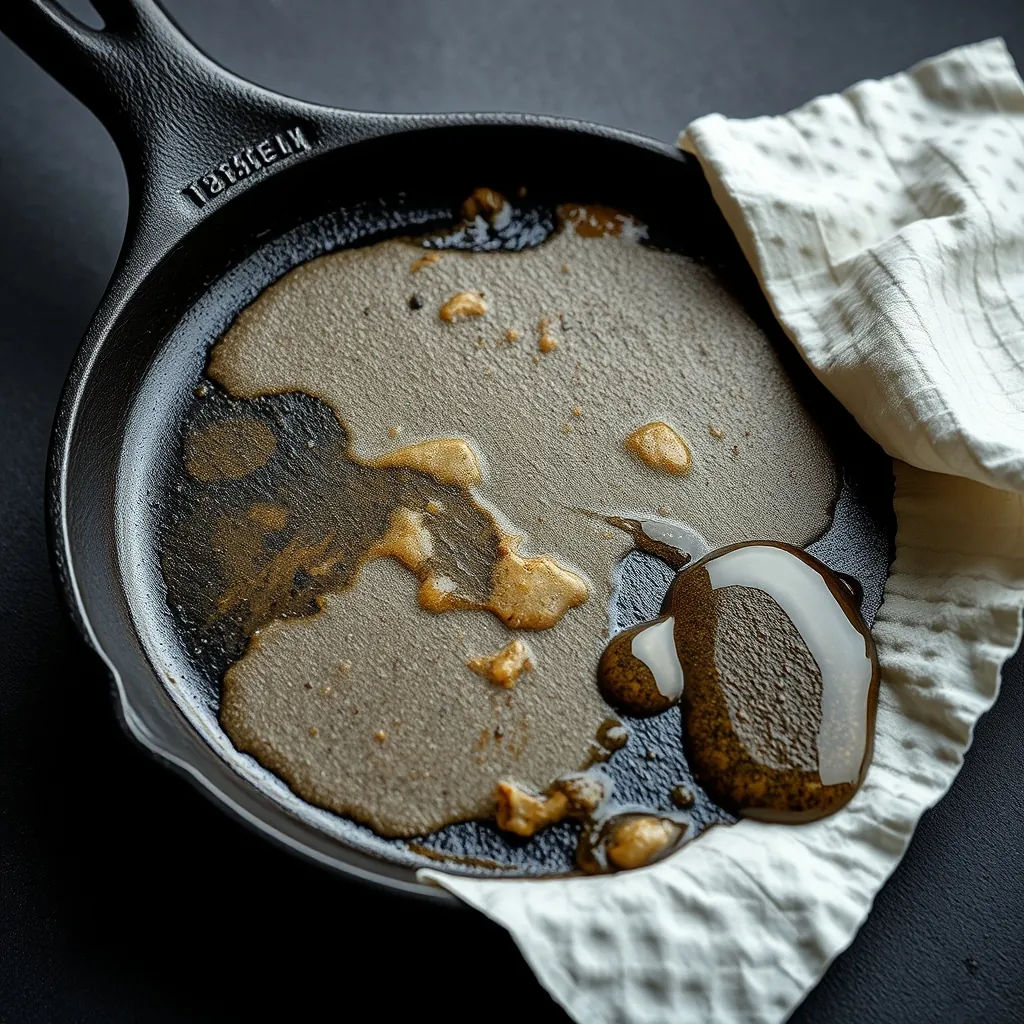
Sticky seasoning is a hallmark of beginner mistakes. It happens when too much oil is applied or the oil is heated at too low a temperature. The oil does not polymerize. It remains tacky.
To fix it, you need to strip the sticky layer and start fresh. Scrub the skillet with hot water and a steel wool pad. This removes the gummy residue. Dry it thoroughly. Then re-season using the oven method above. This time, use less oil. Wipe it off until the pan looks dry. The thin layer is the key.
Can You Use a Cast Iron Skillet on an Induction Cooktop?
Yes. Cast iron is magnetic, which is the requirement for induction cooking. The flat bottom of most skillets makes good contact with the induction surface. However, cast iron can scratch glass cooktops. Lift the skillet instead of sliding it. Also, preheat slowly on medium heat. Cast iron holds heat well, so rapid temperature changes can warp the pan or crack the cooktop.

What About Cooking Acidic Foods?
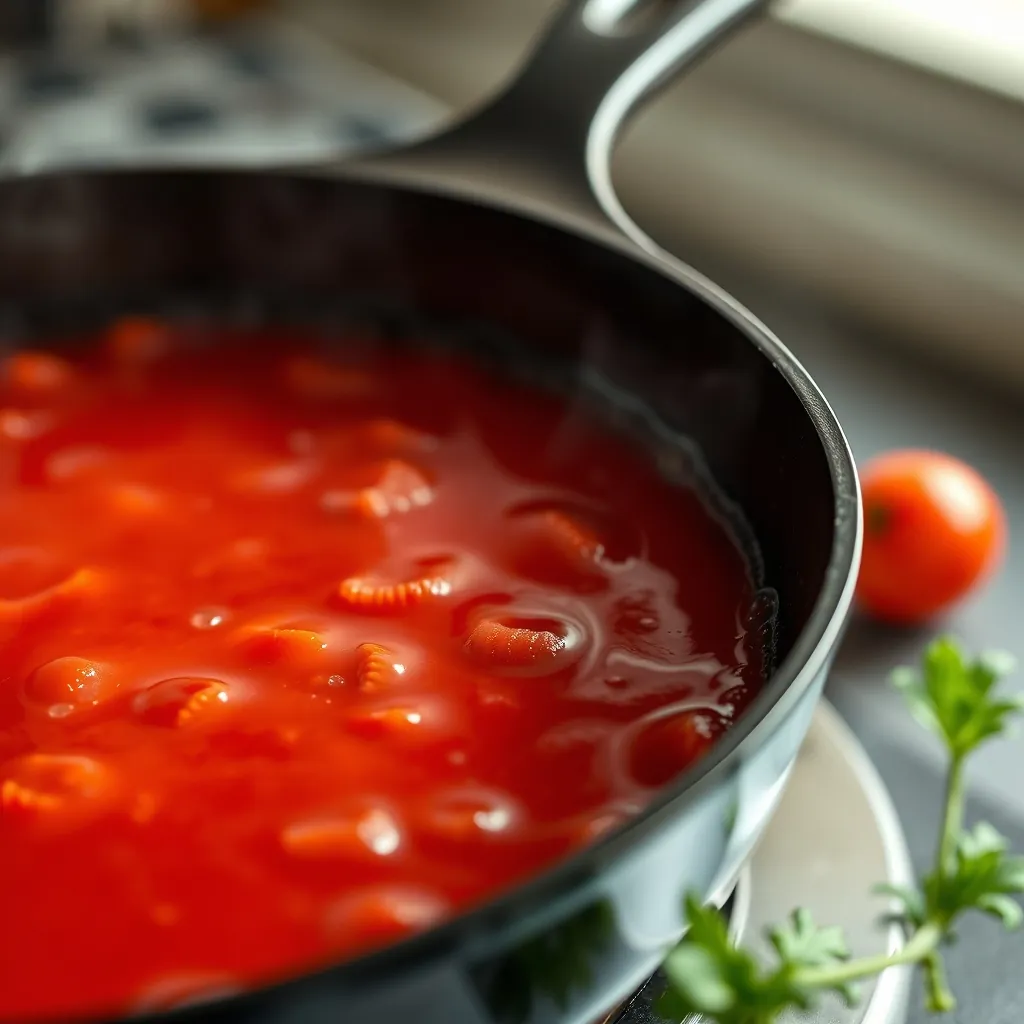
Acidic foods like tomato sauce, wine, or lemon juice can strip seasoning. The acid reacts with the iron, dissolving the polymerized oil layer. This leaves the pan looking dull and metallic. It also gives the food a metallic taste.
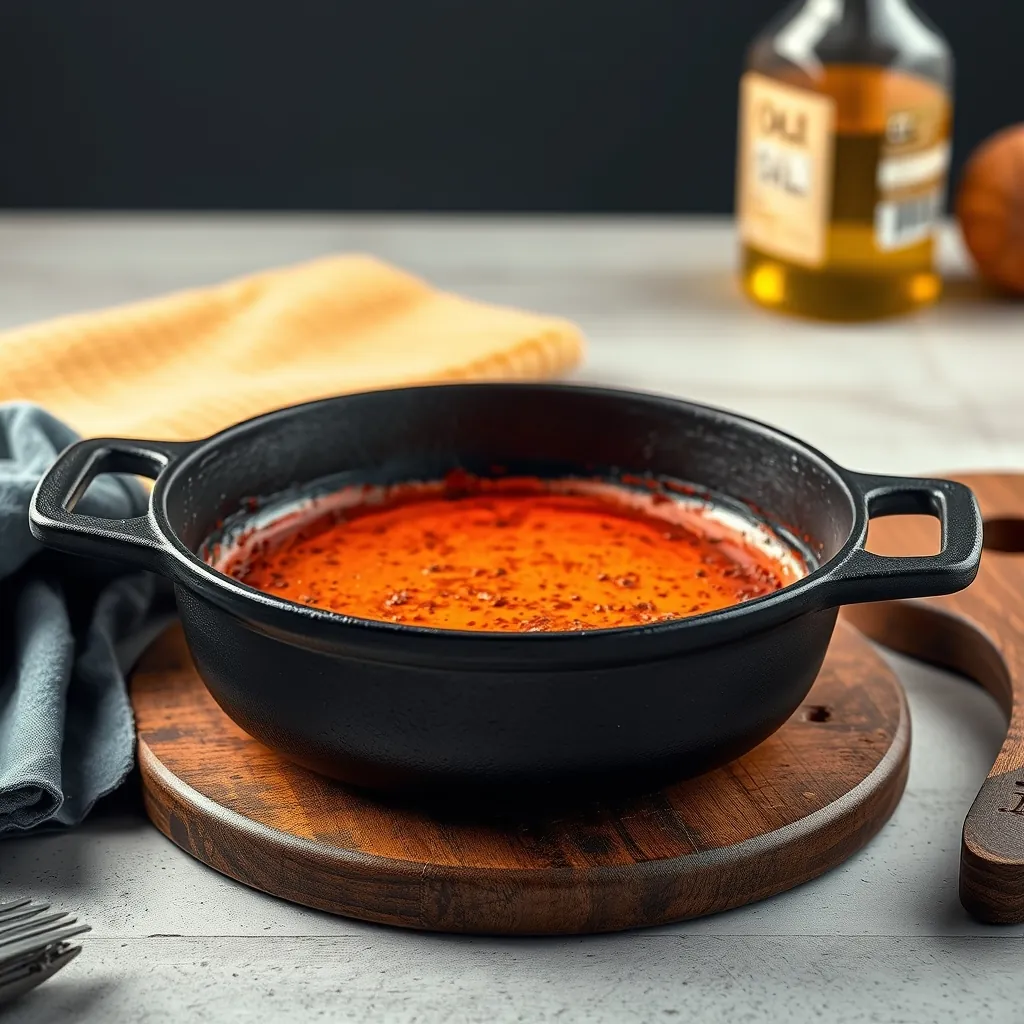
If you cook acidic foods, limit the cooking time. Do not simmer tomato sauce for hours. After cooking, clean the skillet immediately. If seasoning is lost, re-season using the oven method. For frequent acidic cooking, consider using an enameled cast iron Dutch oven instead.
Troubleshooting Common Cast Iron Problems
Flaking Seasoning
Flakes of seasoning in your food mean the layer is breaking off. This happens when the seasoning is too thick or when the skillet is heated too quickly. To fix it, scrub the flaking areas with steel wool. Re-season the skillet with thin layers. Heat the skillet gradually.
Uneven Seasoning
Patchy spots where the iron shows through indicate uneven oil application or hot spots in the oven. Strip the skillet and re-season. This time, ensure the oil is spread evenly and the skillet is centered in the oven.
Rust
Rust is orange and powdery. It appears when the skillet is left wet. Remove rust by scrubbing with steel wool and hot water. Dry the skillet immediately. Apply a thin layer of oil. Then re-season in the oven. Rust is not permanent. It can always be fixed.
Storing Your Cast Iron Skillet
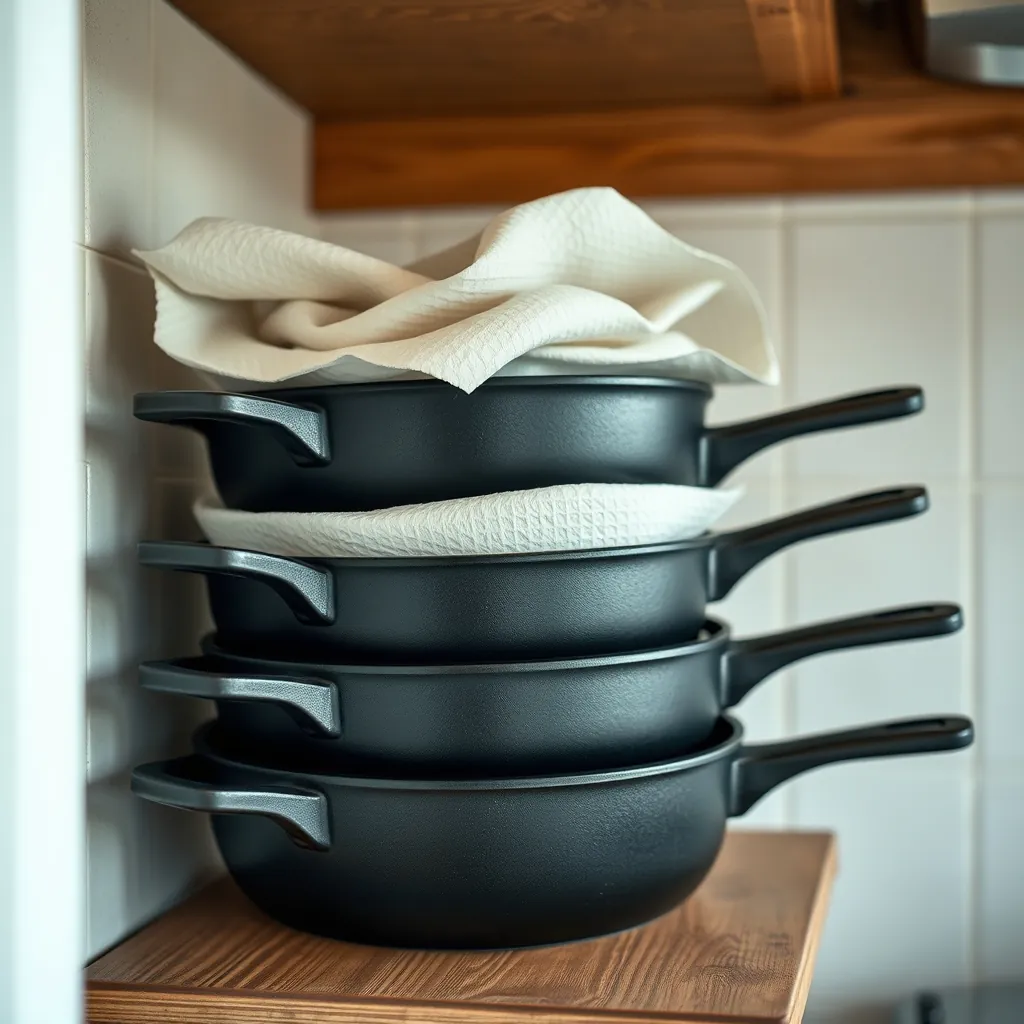
Store the skillet in a dry place. If you stack other pans on top, place a paper towel between them. This prevents scratches and absorbs moisture. Do not store food in the skillet. It will absorb moisture and rust. Keep the lid off to allow air circulation.
Cast iron care is not complicated. Clean it immediately after use. Dry it completely. Oil it lightly. With these three steps, your skillet will last for generations.
Frequently Asked Questions
- Can I use soap to clean my cast iron skillet? It is best to avoid soap as it strips the seasoning. Use hot water and a stiff brush instead.
- How often should I season my cast iron skillet? Season it when food starts sticking or the surface looks dull. For regular use, once every few months is sufficient.
- Why does my seasoning look sticky? This happens when too much oil is applied. Wipe off excess oil thoroughly before heating.
- Can I cook acidic foods in cast iron? Yes, but limit cooking time to avoid stripping seasoning. For long simmers, use enameled cast iron.
Leave a Reply