Your cart is currently empty!
7 Quick 30-Minute Dinners Under 500 Calories
Getting a nutritious dinner on the table in half an hour without blowing your calorie budget is easier than you think. The key is building a plate around lean protein, plenty of non-starchy vegetables, and a controlled portion of healthy carbs. Below you will find seven complete meals that hit that sweet spot of speed, flavor, and satiety.
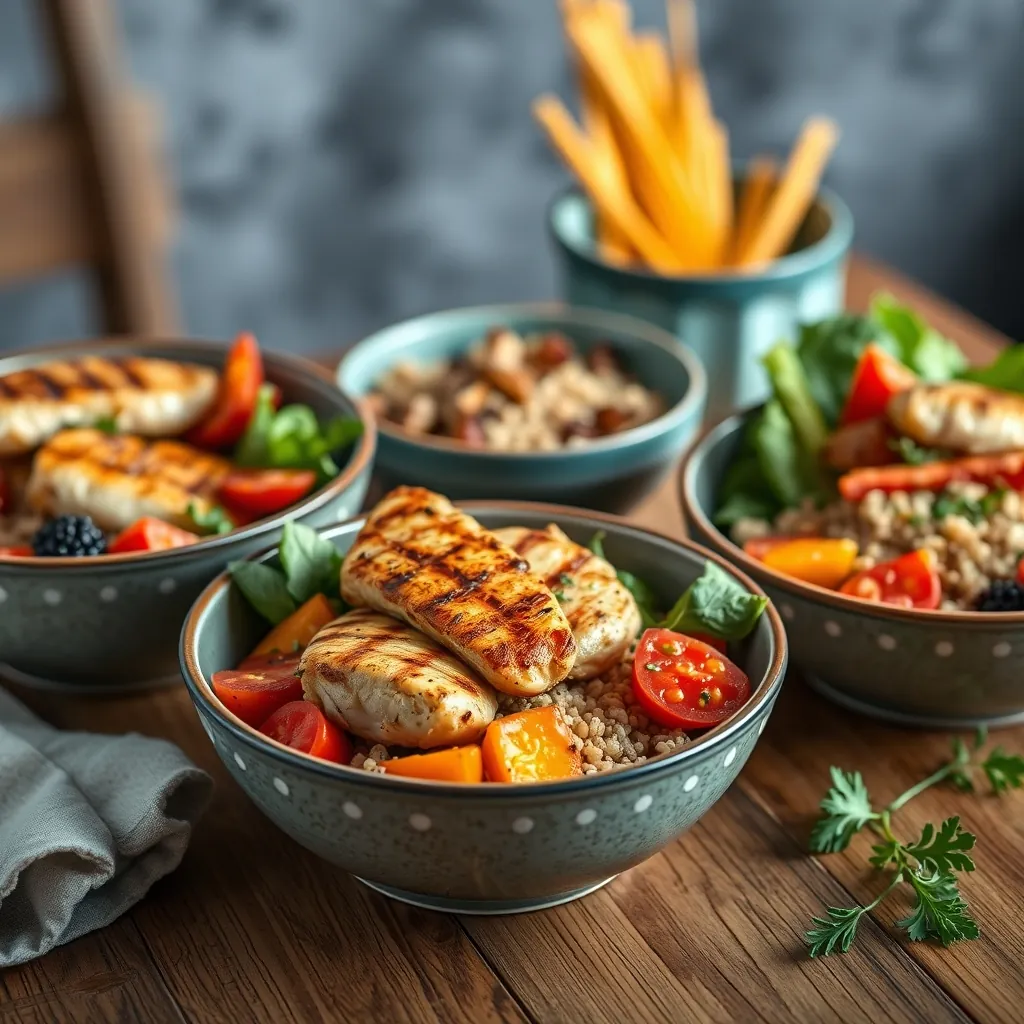
Lemon Herb Chicken with Zucchini Noodles
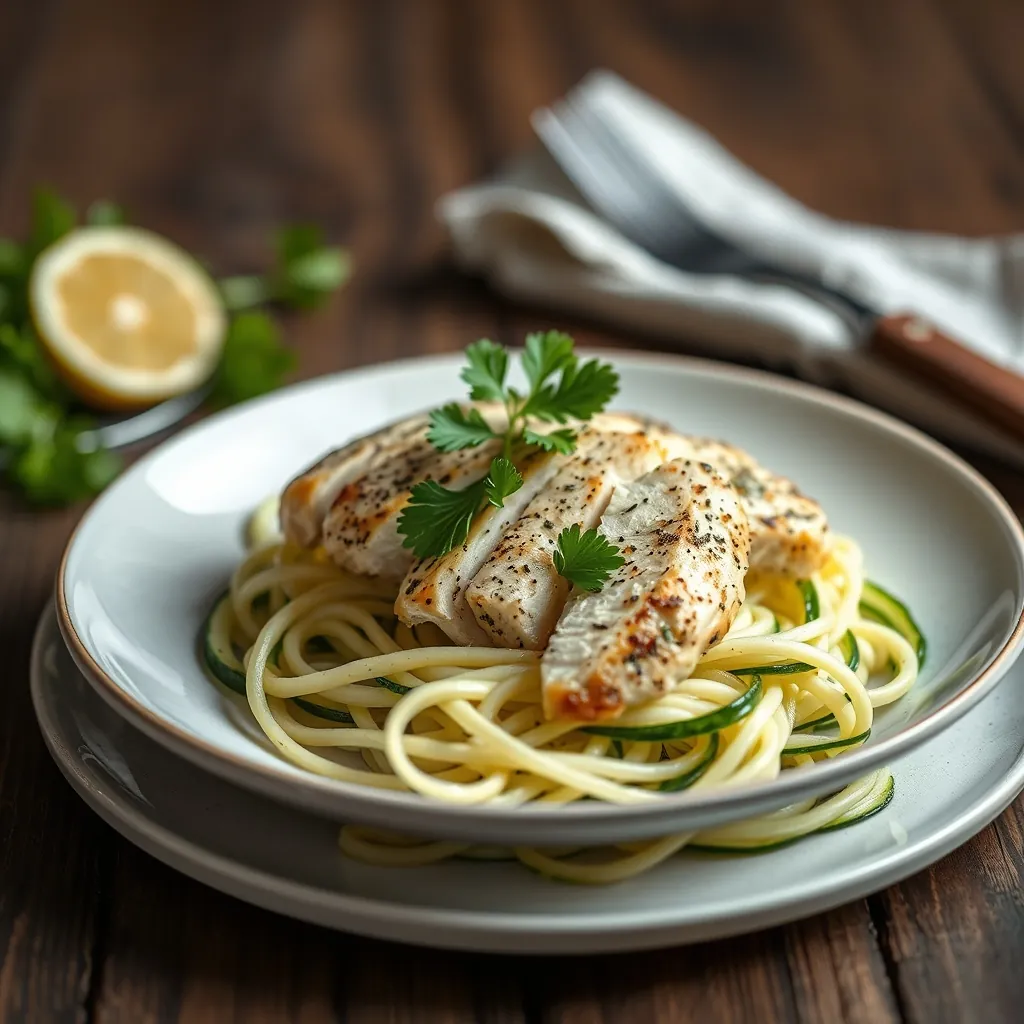
This dish swaps traditional pasta for spiralized zucchini to save over 200 calories per serving. Season a 4-ounce chicken breast with salt, pepper, and dried oregano. Pan-sear in one teaspoon of olive oil for six minutes per side. Meanwhile, spiralize two medium zucchinis. Remove the chicken, then toss the zucchini noodles in the same pan with a squeeze of lemon juice and minced garlic for two minutes. Slice the chicken and serve over the noodles. Each serving provides about 380 calories, 35 grams of protein, and 12 grams of fat.
Shrimp and Vegetable Stir-Fry
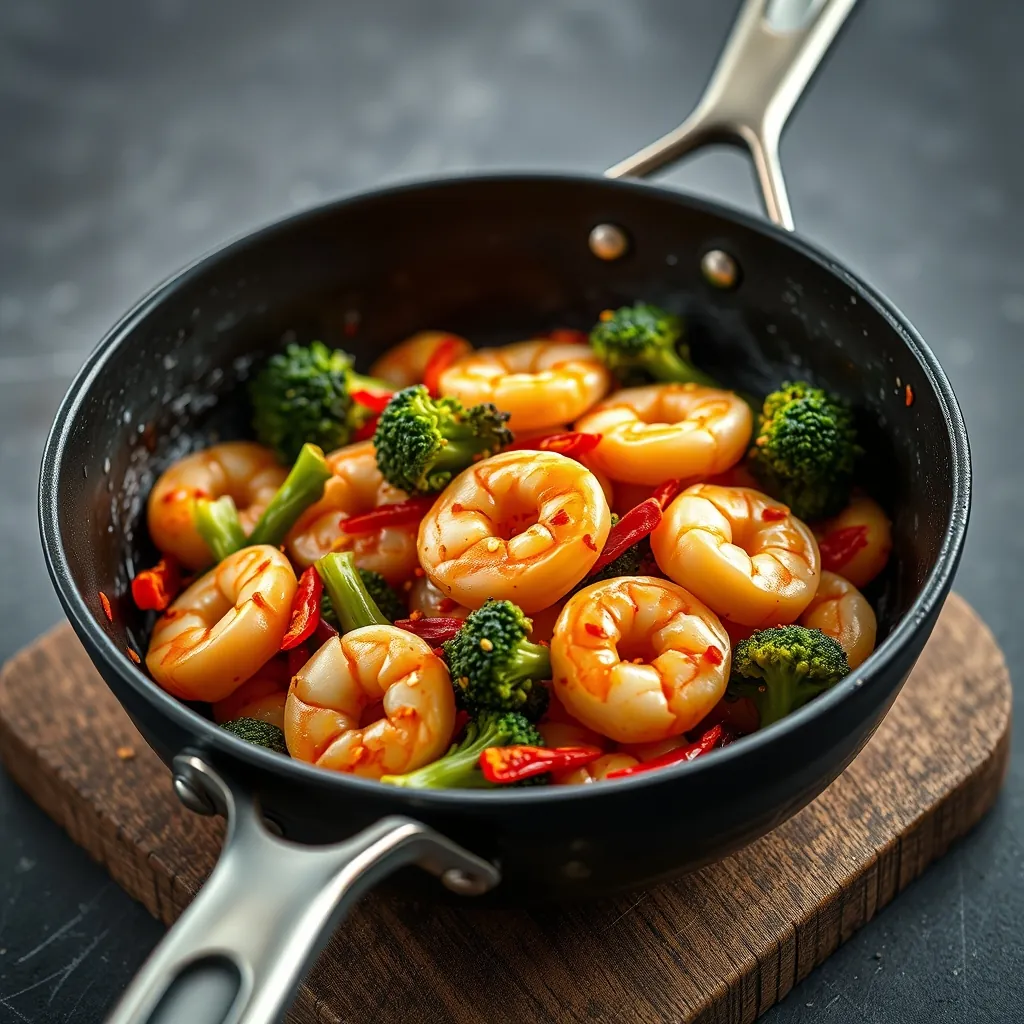
Stir-frying is one of the fastest cooking methods. Heat a non-stick wok over high heat. Add a tablespoon of low-sodium soy sauce, a teaspoon of sesame oil, and a minced garlic clove. Toss in 6 ounces of peeled shrimp and cook for two minutes. Add a bag of frozen stir-fry vegetables (broccoli, bell peppers, snap peas) and cook for another four minutes. Serve over a half cup of cooked brown rice. This meal totals roughly 420 calories with 28 grams of protein.
Turkey and Black Bean Lettuce Wraps
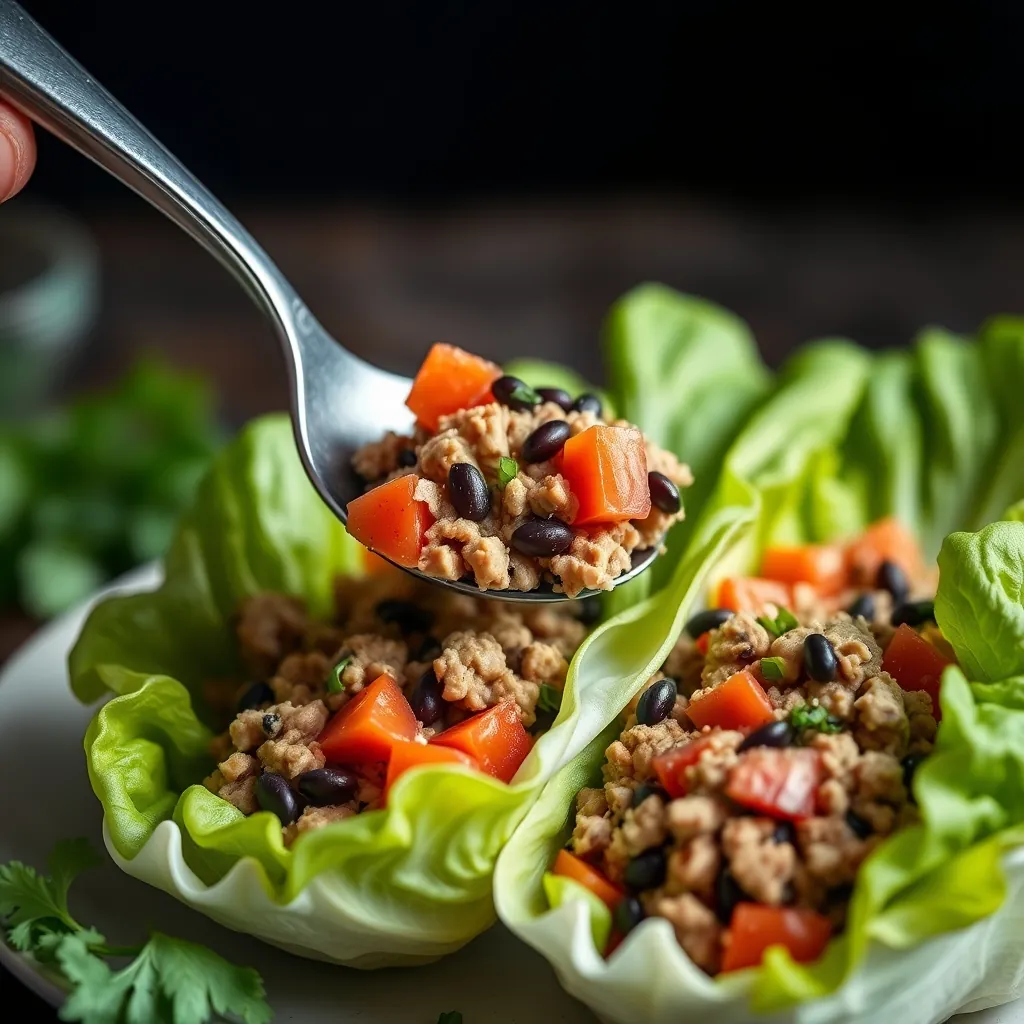
Skip the tortilla and use crisp butter lettuce leaves as your wrap. Brown 4 ounces of lean ground turkey in a skillet. Add half a can of drained black beans, a tablespoon of taco seasoning, and a quarter cup of water. Simmer for five minutes. Spoon the mixture into four large lettuce cups. Top with salsa and a tablespoon of Greek yogurt instead of sour cream. Each wrap set contains about 350 calories, 30 grams of protein, and 10 grams of fat.
One-Pan Salmon with Asparagus
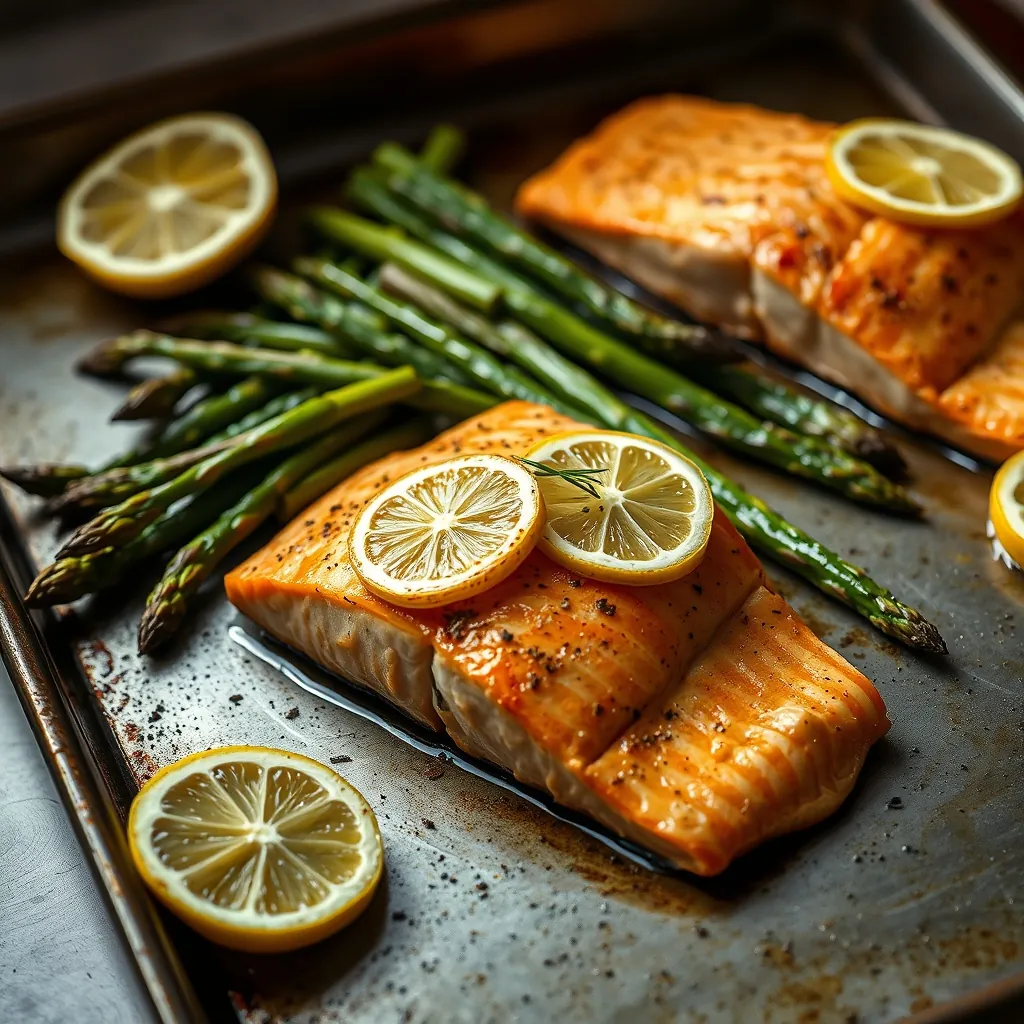
Sheet pan dinners require minimal cleanup and zero guesswork. Preheat your oven to 400°F. Place a 5-ounce salmon fillet on one side of a lined baking sheet. Arrange a bundle of asparagus on the other side. Drizzle everything with one tablespoon of olive oil, salt, pepper, and garlic powder. Bake for 15 minutes. The salmon comes out flaky and the asparagus tender-crisp. This meal delivers around 450 calories, 34 grams of protein, and a solid dose of omega-3 fatty acids.
Chickpea and Spinach Curry
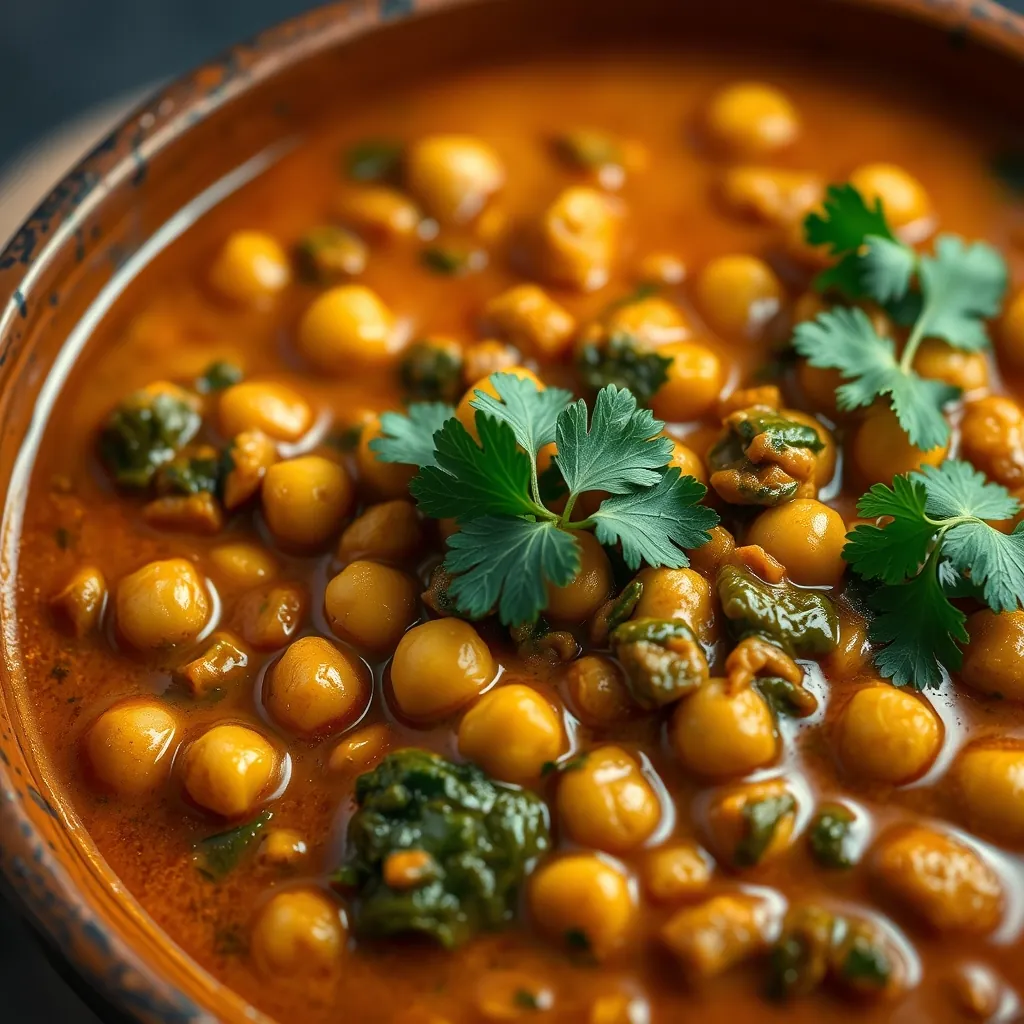
This vegetarian option comes together in a single pot. Sauté a diced onion and two minced garlic cloves in one teaspoon of coconut oil. Add a tablespoon of curry powder and cook for one minute. Pour in a 14-ounce can of diced tomatoes and a 15-ounce can of drained chickpeas. Simmer for ten minutes. Stir in three cups of fresh spinach and cook until wilted. Serve over a half cup of cooked quinoa. The entire bowl holds about 480 calories and 18 grams of protein.
How to Keep Your 500-Calorie Dinner on Track
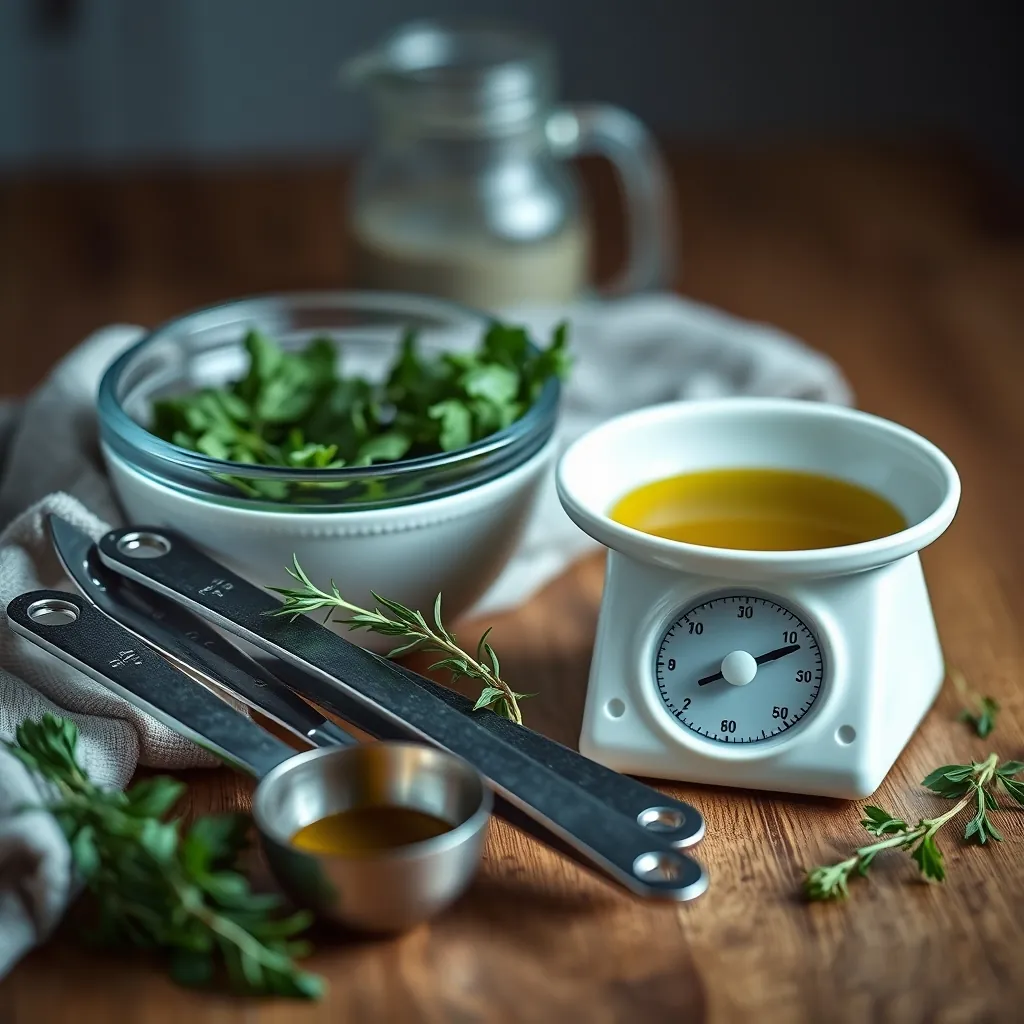
Many home cooks accidentally push their healthy dinners over the calorie limit with a few common mistakes. The biggest culprits are cooking oils, cheese, nuts, and creamy dressings. A single tablespoon of olive oil adds 120 calories. Swapping it for broth or a non-stick cooking spray can save you 80 calories per tablespoon. Grated cheese seems innocent but a quarter cup packs about 110 calories. Use a microplane to sprinkle just a teaspoon of Parmesan for flavor without the load.
High-calorie condiments also sneak in extra energy. Two tablespoons of teriyaki sauce contain around 70 calories and a lot of sugar. Opt for soy sauce, vinegar, or citrus juice to keep sauces under 50 calories per serving. Another trap is portion creep. A serving of cooked quinoa is half a cup at 110 calories. Scooping out a full cup doubles that number. Use a measuring cup until you get a feel for the right volume.
Calorie Budget Breakdown for a Balanced Plate
To consistently hit under 500 calories, allocate your budget across four components. Assign roughly 150 calories to your protein source, 100 calories to a starchy carbohydrate, 100 calories to non-starchy vegetables, and 50 calories to sauce or dressing. The remaining 100 calories can go toward a small healthy fat like avocado or a sprinkle of seeds. This framework ensures you get enough volume and nutrients without going over.
Smart Substitutions to Save Calories
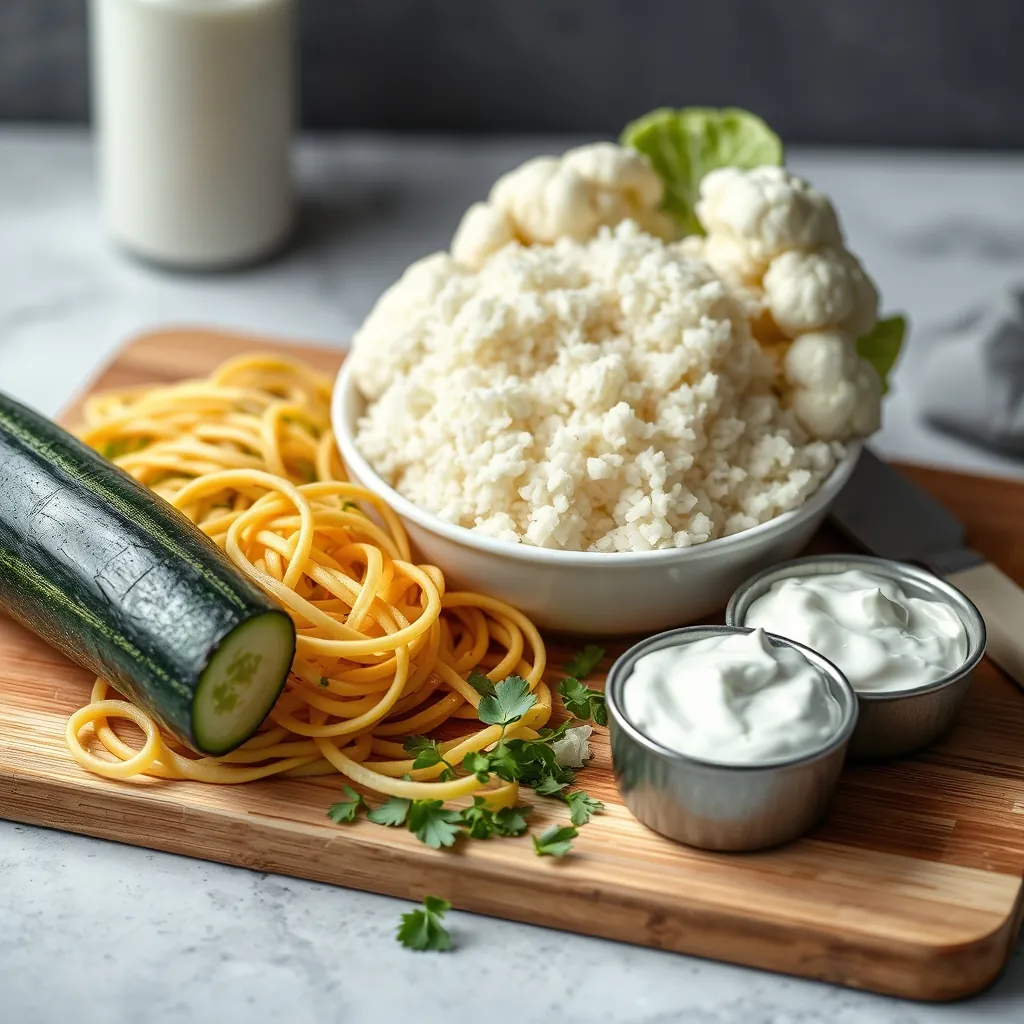
Making simple substitutions keeps your meals filling while cutting calories. Below is a quick reference table for common swaps.
- Pasta: Replace with spiralized zucchini or spaghetti squash. Saves about 150 calories per cup.
- White rice: Use cauliflower rice. Saves roughly 180 calories per cup.
- Ground beef (80/20): Use lean ground turkey or chicken. Saves about 80 calories per 4-ounce serving.
- Sour cream: Use plain Greek yogurt. Saves around 40 calories per two tablespoons.
- Bottled salad dressing: Use a vinaigrette of vinegar, mustard, and a splash of olive oil. Saves about 60 calories per two tablespoons.
Meal Prep Strategies for Faster Weeknight Dinners
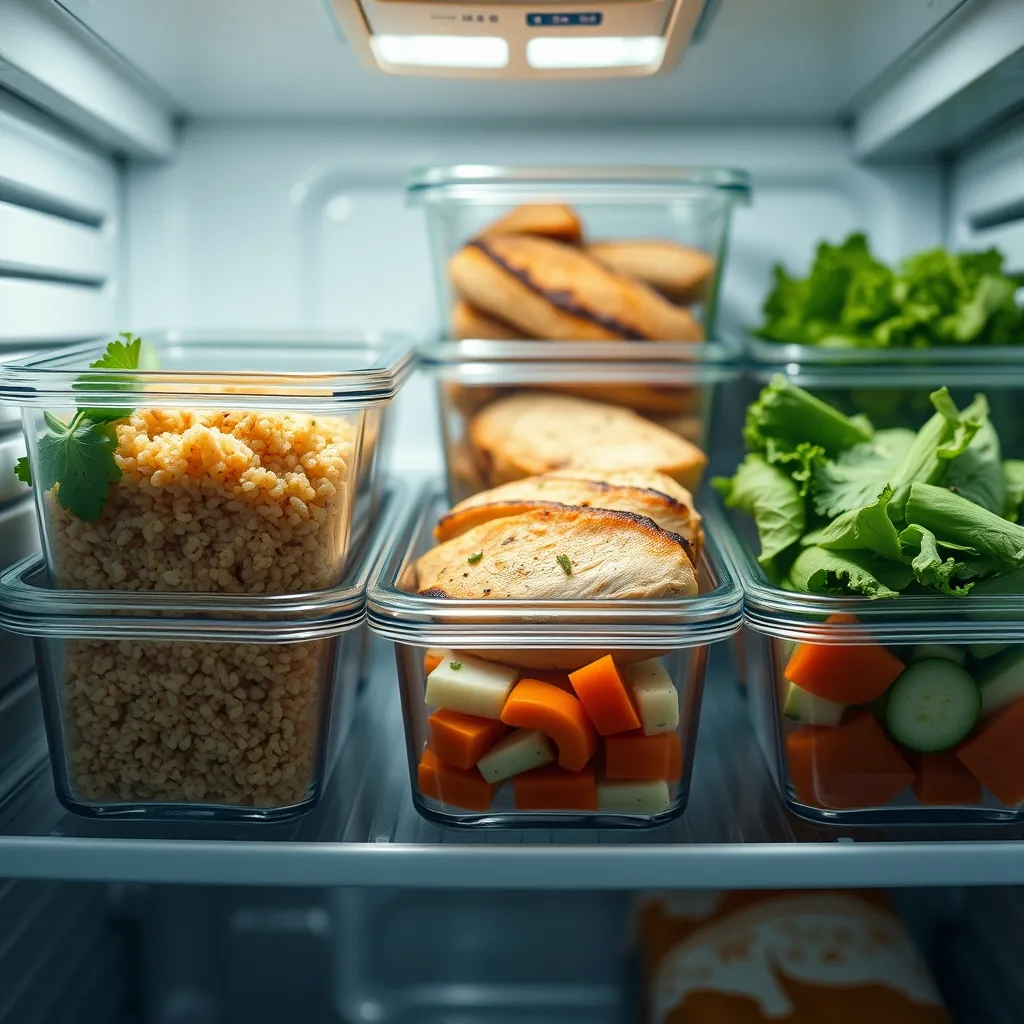
Even a 30-minute dinner can feel rushed after a long day. Spending 30 minutes on a Sunday to prep components cuts your active cooking time in half. Cook a batch of quinoa or farro and store it in the fridge. Marinate chicken breasts or tofu in a simple herb mixture. Wash and chop sturdy vegetables like bell peppers, broccoli, and onions. When you come home, you only need to cook the protein and heat the grains. The whole process takes about 15 minutes.
Frozen vegetables are your best friend for speed and nutrition. They are picked at peak ripeness and flash-frozen, so they retain more vitamins than fresh produce that has sat in a truck for days. Keep bags of frozen broccoli, spinach, and mixed stir-fry vegetables in your freezer. You can toss them directly into a pan without thawing, saving precious minutes.
Another time-saving trick is to double your recipe. Cook twice the amount of protein and grains you need for one meal. Use the leftovers for lunch the next day or repurpose them into a different dinner later in the week. This approach reduces your overall cooking time and keeps your calorie goals consistent.
Common Pitfalls That Push Dinners Over 500 Calories
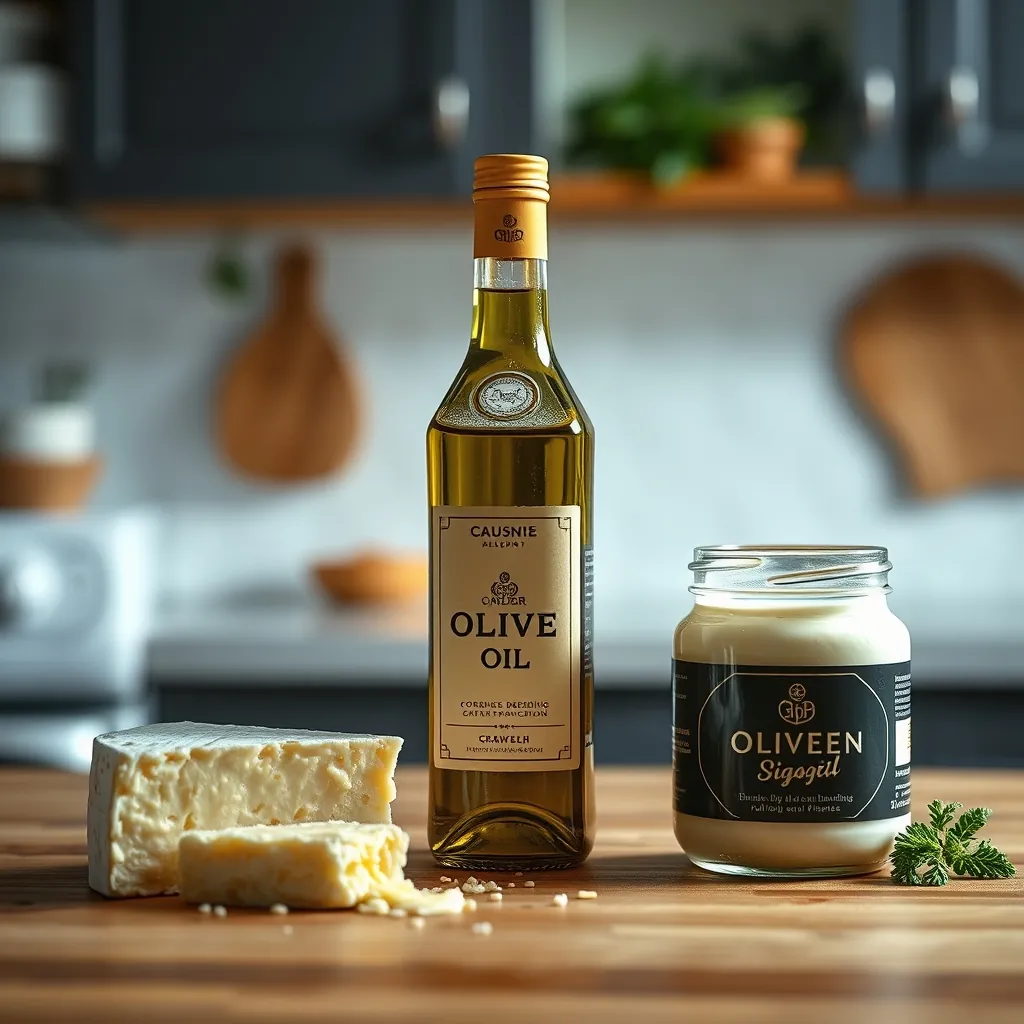
Even experienced home cooks run into these traps. Knowing them in advance helps you avoid them.
- Over-pouring oil: That glug from the bottle is often two tablespoons, not one. Measure every time or use a spray bottle.
- Adding cheese as a garnish: A handful of shredded cheddar can add 110 calories. Stick to a teaspoon of hard cheese.
- Using pre-made sauces: Many jarred pasta sauces and stir-fry sauces contain added sugar and oil. Read labels or make a quick sauce from crushed tomatoes and herbs.
- Snacking while cooking: Nibbling on nuts, crackers, or cheese while you prepare dinner can add 200 calories before you sit down. Keep a bowl of raw veggies nearby if you need to munch.
- Forgetting to account for beverages: A glass of wine or a sugary drink can add 150 calories. Stick to water, sparkling water, or unsweetened tea.
Build Your Own 500-Calorie Dinner Template
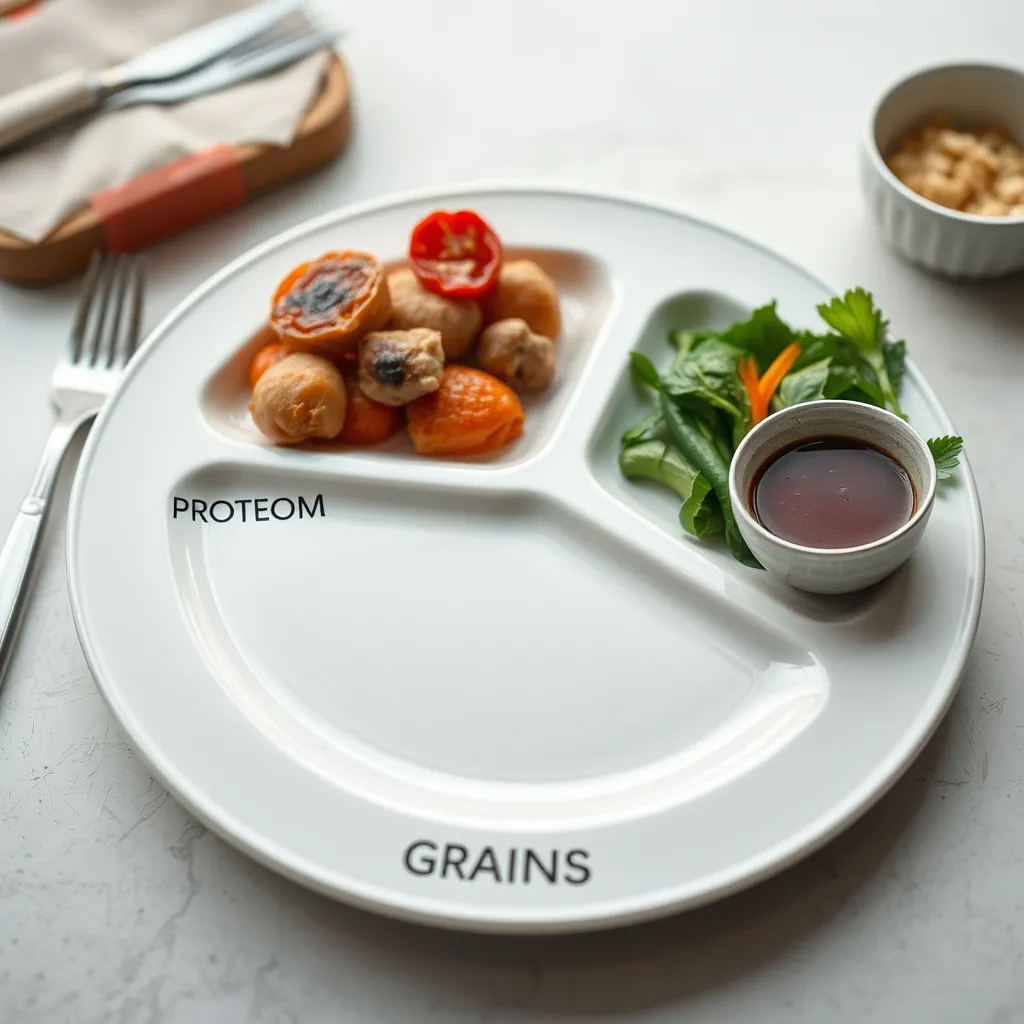
Once you understand the calorie budget, you can mix and match ingredients to create endless variations. Start with a protein from the list below and build from there.
- Protein (150 calories): 4 oz chicken breast, 5 oz shrimp, 5 oz tofu, 4 oz lean turkey, 1 cup canned lentils
- Starchy carb (100 calories): 1/2 cup cooked quinoa, 1/2 cup brown rice, 1 small sweet potato, 1/2 cup whole wheat couscous
- Non-starchy veggies (100 calories): 2 cups broccoli, 2 cups zucchini noodles, 2 cups spinach, 1 cup bell peppers and onions
- Sauce or dressing (50 calories): 1 tbsp vinaigrette, 2 tbsp salsa, 1 tbsp soy sauce, 2 tbsp Greek yogurt dip
- Healthy fat (100 calories): 1/4 avocado, 1 tbsp olive oil, 1 tbsp sesame seeds, 10 almonds
Mix one item from each category and you will land between 450 and 500 calories. Adjust the vegetable portion upward if you need more volume. You can eat a large plate of food for very few calories when the base is non-starchy vegetables.
These strategies and recipes give you a reliable system for quick, satisfying dinners that support your health goals. No complicated ingredients or long cooking times required. Just smart planning and a few simple techniques.
7 Quick 30-Minute Dinners Under 500 Calories
Discover 7 healthy 30-minute dinners under 500 calories. Fast recipes with lean protein, veggies, and smart swaps to keep you full.
Ingredients
- 4-ounce chicken breast
- 1 teaspoon olive oil
- 2 medium zucchinis
- Lemon juice
- Minced garlic
- 6 ounces peeled shrimp
- 1 tablespoon low-sodium soy sauce
- 1 teaspoon sesame oil
- 1 bag frozen stir-fry vegetables
- 1/2 cup cooked brown rice
- 4 ounces lean ground turkey
- 1/2 can black beans
- 1 tablespoon taco seasoning
- Butter lettuce leaves
- Salsa
- Greek yogurt
- 5-ounce salmon fillet
- Asparagus bundle
- 1 tablespoon olive oil
- Salt, pepper, garlic powder
- 1 onion
- 2 cloves garlic
- 1 teaspoon coconut oil
- 1 tablespoon curry powder
- 14-ounce can diced tomatoes
- 15-ounce can chickpeas
- 3 cups fresh spinach
- 1/2 cup cooked quinoa
Instructions
- Season a 4-ounce chicken breast with salt, pepper, and dried oregano. Pan-sear in one teaspoon of olive oil for six minutes per side. Meanwhile, spiralize two medium zucchinis. Remove the chicken, then toss the zucchini noodles in the same pan with a squeeze of lemon juice and minced garlic for two minutes. Slice the chicken and serve over the noodles.
- Heat a non-stick wok over high heat. Add a tablespoon of low-sodium soy sauce, a teaspoon of sesame oil, and a minced garlic clove. Toss in 6 ounces of peeled shrimp and cook for two minutes. Add a bag of frozen stir-fry vegetables and cook for another four minutes. Serve over a half cup of cooked brown rice.
- Brown 4 ounces of lean ground turkey in a skillet. Add half a can of drained black beans, a tablespoon of taco seasoning, and a quarter cup of water. Simmer for five minutes. Spoon the mixture into four large lettuce cups. Top with salsa and a tablespoon of Greek yogurt.
- Preheat your oven to 400°F. Place a 5-ounce salmon fillet on one side of a lined baking sheet. Arrange a bundle of asparagus on the other side. Drizzle everything with one tablespoon of olive oil, salt, pepper, and garlic powder. Bake for 15 minutes.
- Sauté a diced onion and two minced garlic cloves in one teaspoon of coconut oil. Add a tablespoon of curry powder and cook for one minute. Pour in a 14-ounce can of diced tomatoes and a 15-ounce can of drained chickpeas. Simmer for ten minutes. Stir in three cups of fresh spinach and cook until wilted. Serve over a half cup of cooked quinoa.
Leave a Reply