Your cart is currently empty!
7 High-Protein Breakfast Smoothie Bowls Under 10 Minutes
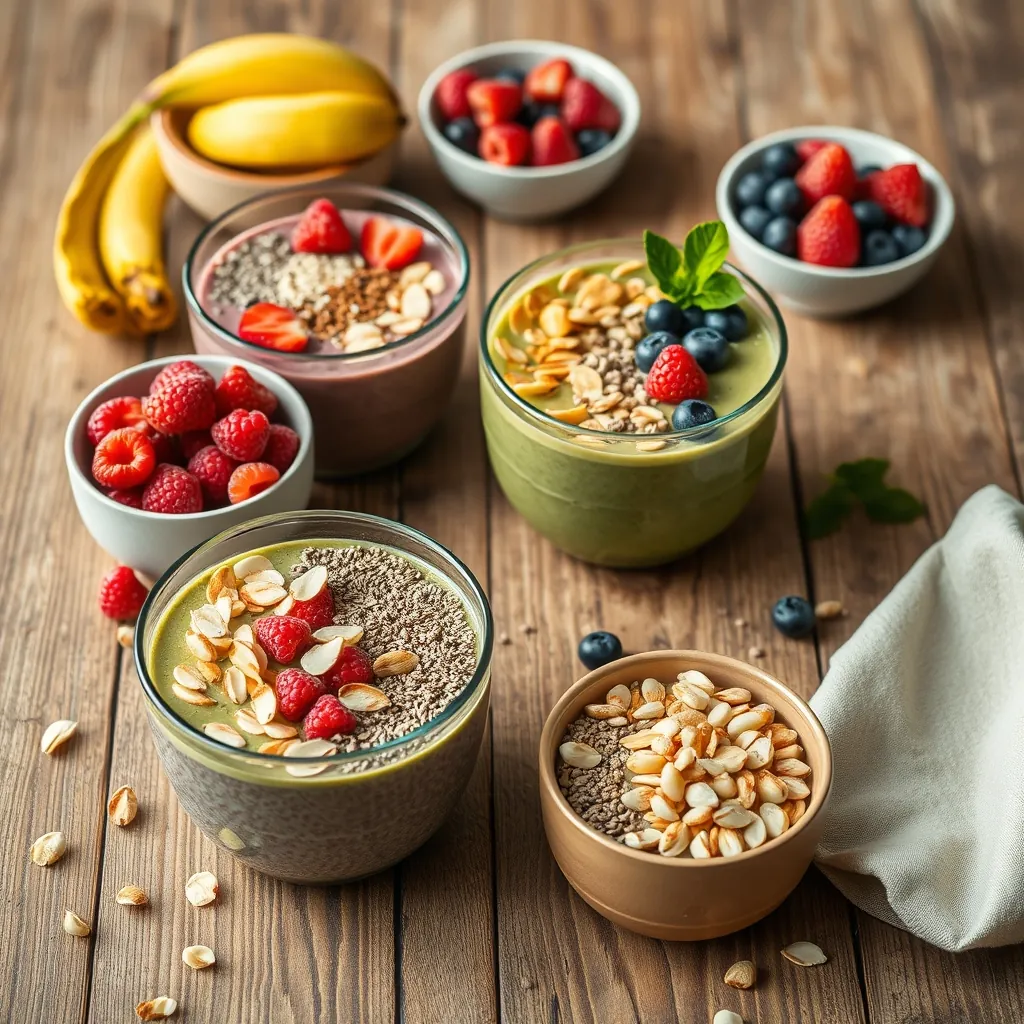
Starting the day with a high-protein breakfast sets the tone for steady energy and fewer cravings. Smoothie bowls deliver exactly that, and they come together faster than most hot meals. Each of the seven recipes here meets a 20-gram protein minimum and takes 10 minutes or less from start to finish. The focus is on real ingredients, smart shortcuts, and bowls that actually taste good.
What Defines a High-Protein Smoothie Bowl
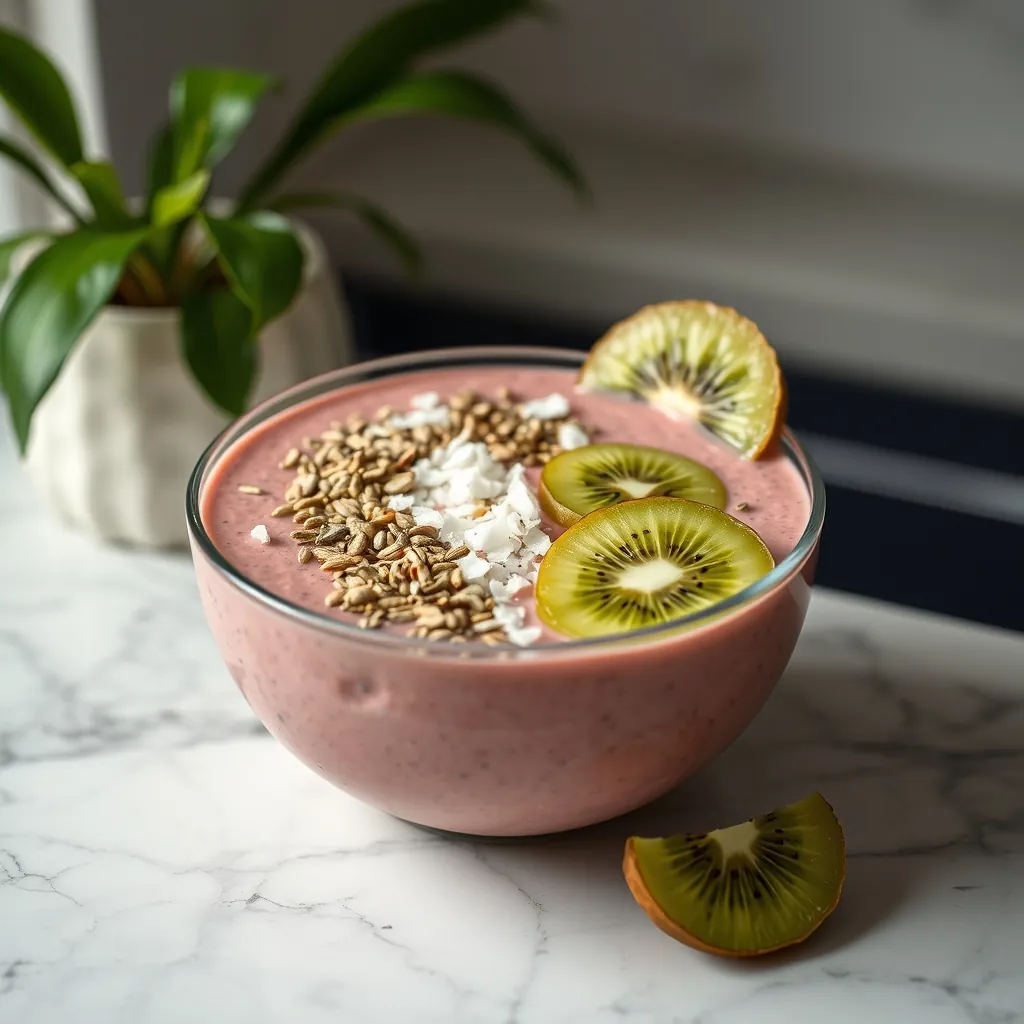
A smoothie bowl earns the high-protein label when it contains at least 20 grams of protein per serving. This threshold supports muscle repair, stabilizes blood sugar, and keeps hunger at bay until lunch. Protein powder is the most efficient way to hit that number. One scoop typically provides 20 to 30 grams. Greek yogurt adds 15 to 20 grams per cup, making it a strong whole-food option. Combining both sources pushes protein content even higher without making the bowl taste chalky.
Plant-based powders like pea, hemp, and brown rice work well for those avoiding dairy. Collagen powder blends seamlessly into any liquid but lacks the complete amino acid profile of whey or soy. For vegans, a mix of pea protein and hemp seeds delivers comparable results. Animal-based options such as whey concentrate or isolate mix easily with frozen fruit and milk alternatives.
How to Build a Smoothie Bowl in 10 Minutes
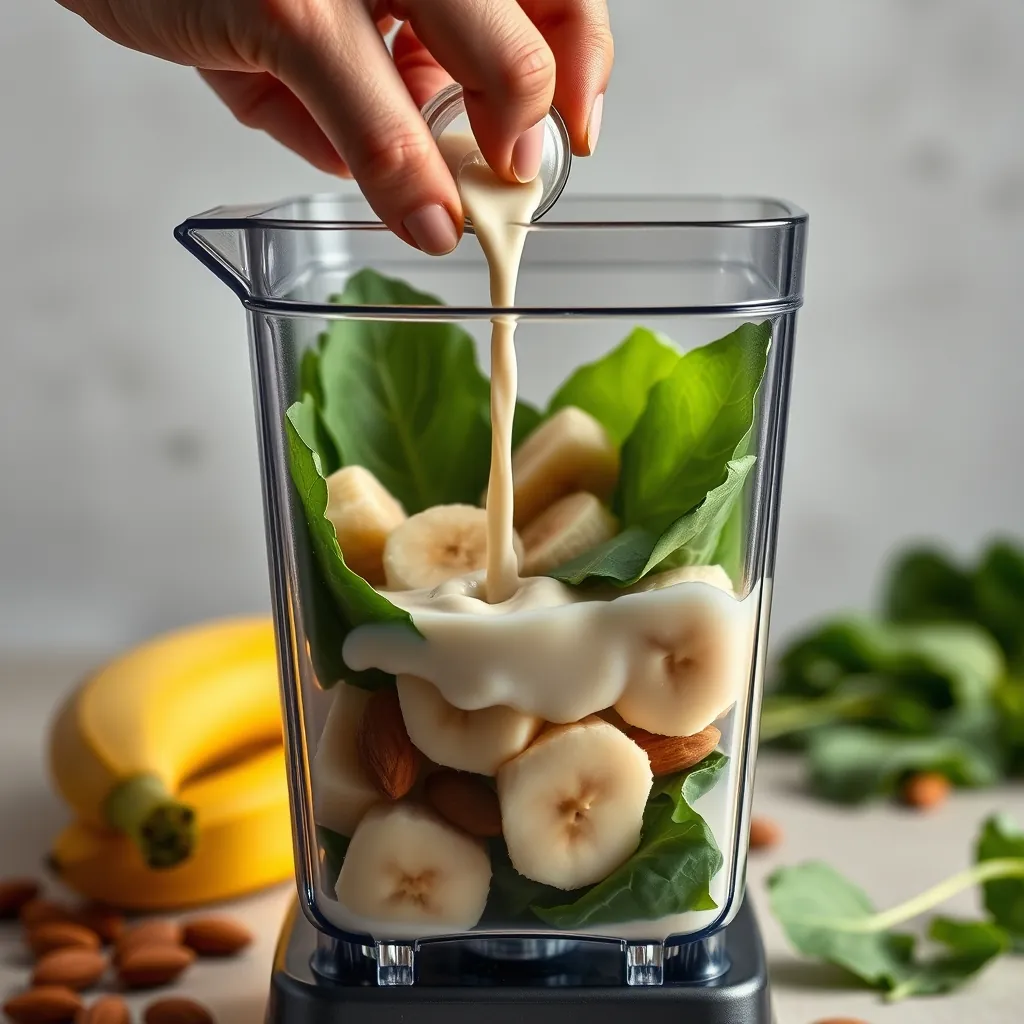
Speed depends on having the right setup. Keep frozen fruit, protein powder, and a liquid base within arm’s reach. The blender should be a high-speed model for the creamiest texture. Follow this sequence for consistent results every time.
- Start with liquid. Pour 1/2 to 3/4 cup of milk or milk alternative first. This prevents ingredients from sticking to the blades.
- Add protein powder. Scoop it in before the frozen fruit so it blends evenly.
- Layer frozen fruit. Use 1 to 1.5 cups of frozen bananas, berries, or mango for thickness.
- Blend on low, then high. Start low to break up chunks, then increase speed for 30 seconds.
- Adjust consistency. If the mixture is too thick to blend, add liquid one tablespoon at a time. If it is too thin, add a handful of frozen fruit or a tablespoon of chia seeds.
Pour the base into a bowl and add toppings. Nuts, seeds, coconut flakes, and fresh fruit add texture and extra protein. The entire process from gathering ingredients to sitting down takes under 10 minutes.
7 High-Protein Smoothie Bowl Recipes
Each recipe includes exact macros for protein, carbohydrates, and fat. Ingredient substitutions for common allergens appear at the end of the article. All bowls use a 1/2 cup liquid base unless otherwise noted.
1. Peanut Butter and Banana Protein Bowl
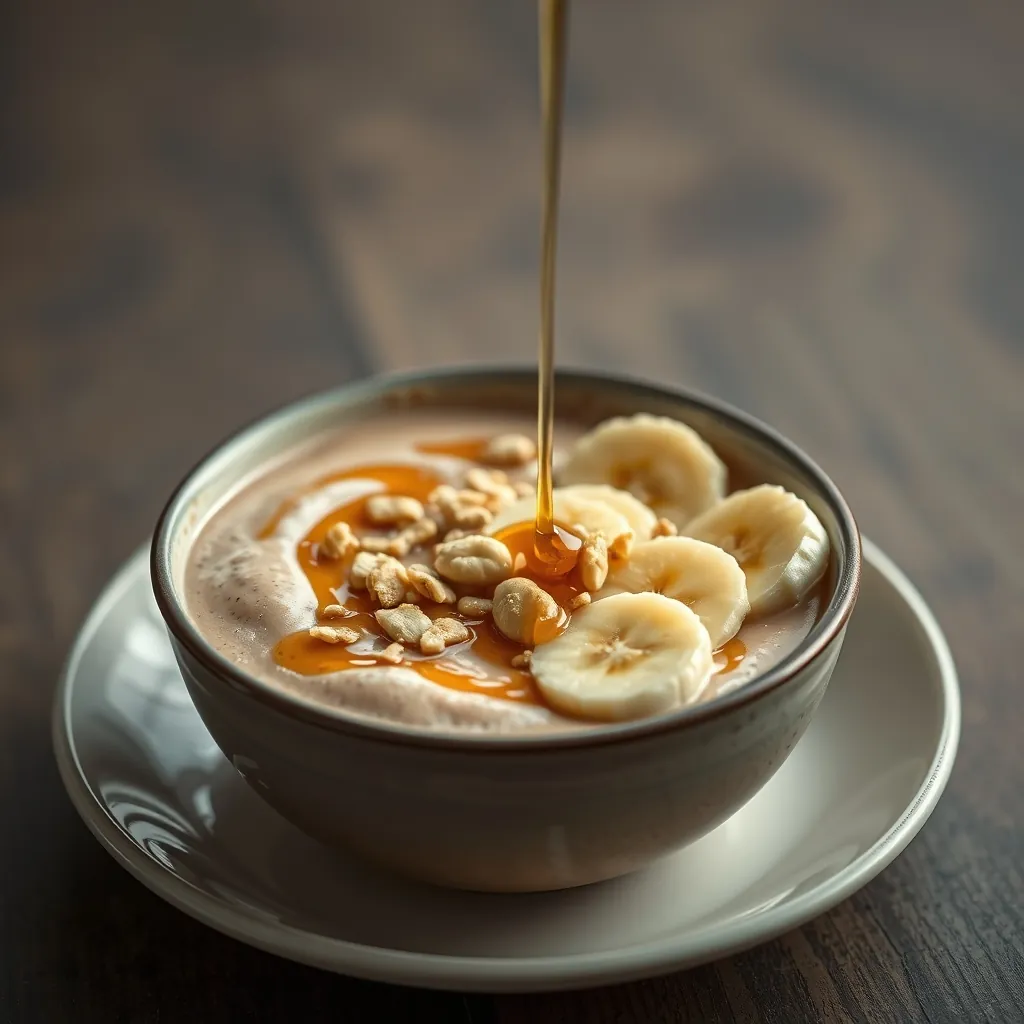
This classic combination delivers 28 grams of protein and a rich, creamy texture. Frozen bananas create the base while peanut butter adds healthy fats and flavor.
- Ingredients: 1 scoop vanilla whey protein, 1 frozen banana, 2 tablespoons peanut butter, 1/2 cup unsweetened almond milk
- Toppings: Sliced banana, crushed peanuts, chia seeds
- Macros: 28g protein | 42g carbs | 18g fat
2. Mixed Berry and Spinach Protein Bowl
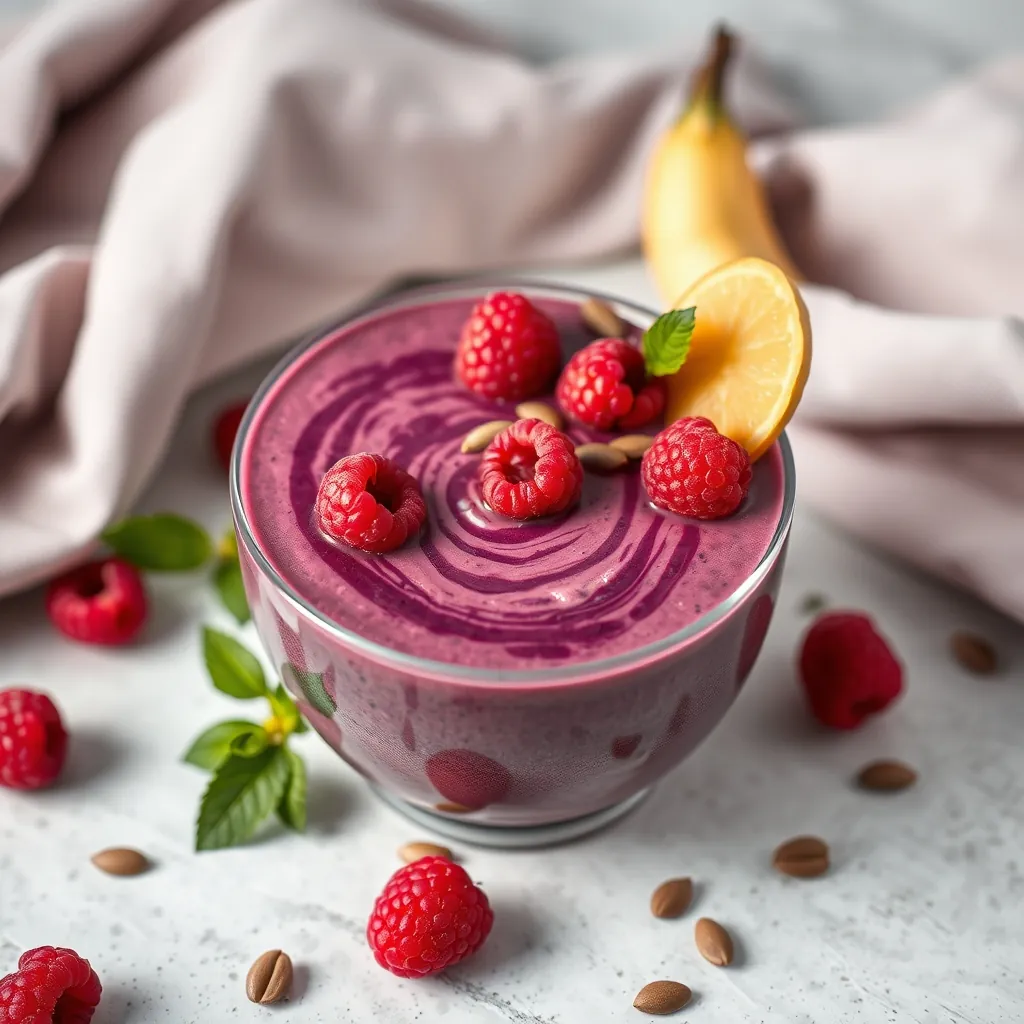
Hidden spinach boosts micronutrients without altering the taste. This bowl is lower in carbs than the peanut butter version and works well for lighter mornings.
- Ingredients: 1 scoop unflavored pea protein, 1 cup frozen mixed berries, 1 cup fresh spinach, 1/2 cup unsweetened oat milk
- Toppings: Pumpkin seeds, hemp hearts, fresh blueberries
- Macros: 22g protein | 30g carbs | 8g fat
3. Chocolate Cherry Protein Bowl
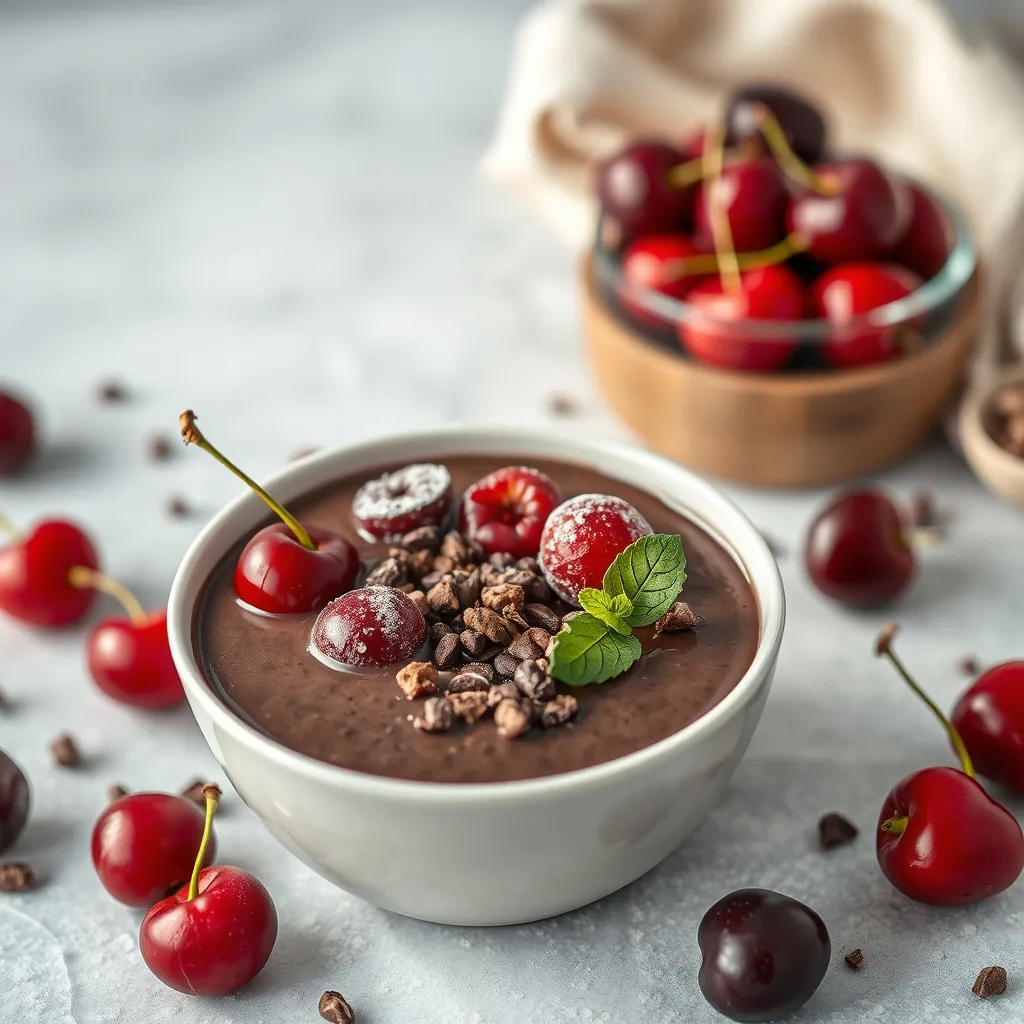
Chocolate and cherry is a flavor pairing that feels indulgent without added sugar. The cocoa powder provides antioxidants while cherries add natural sweetness.
- Ingredients: 1 scoop chocolate whey protein, 1 cup frozen cherries, 1 tablespoon unsweetened cocoa powder, 1/2 cup unsweetened coconut milk
- Toppings: Dark chocolate shavings, sliced almonds, coconut flakes
- Macros: 25g protein | 35g carbs | 12g fat
4. Tropical Mango and Coconut Protein Bowl
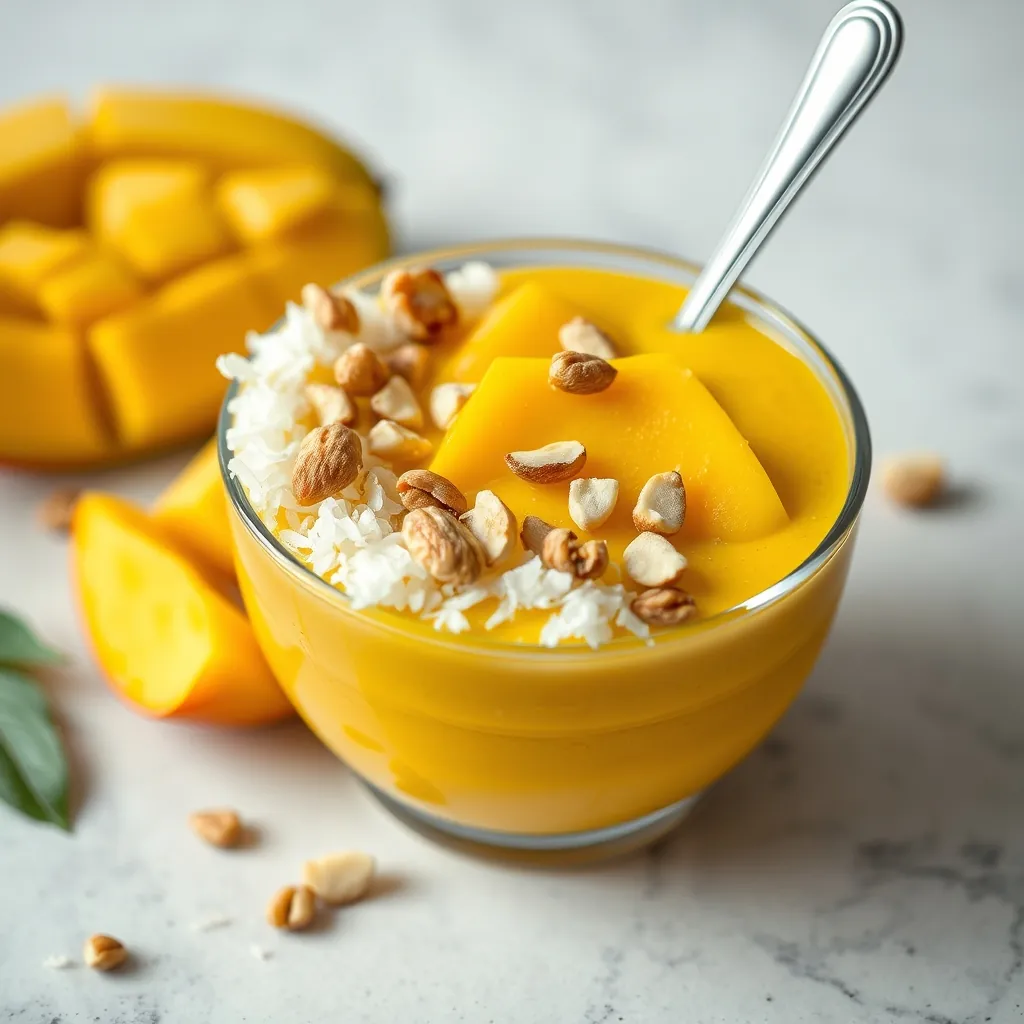
This bowl brings a taste of the tropics with 24 grams of protein. The combination of mango and coconut milk creates a naturally sweet and creamy base.
- Ingredients: 1 scoop vanilla collagen powder, 1 cup frozen mango, 1/2 cup unsweetened coconut milk, 1 tablespoon lime juice
- Toppings: Toasted coconut flakes, macadamia nuts, fresh pineapple chunks
- Macros: 24g protein | 38g carbs | 14g fat
5. Green Power Protein Bowl
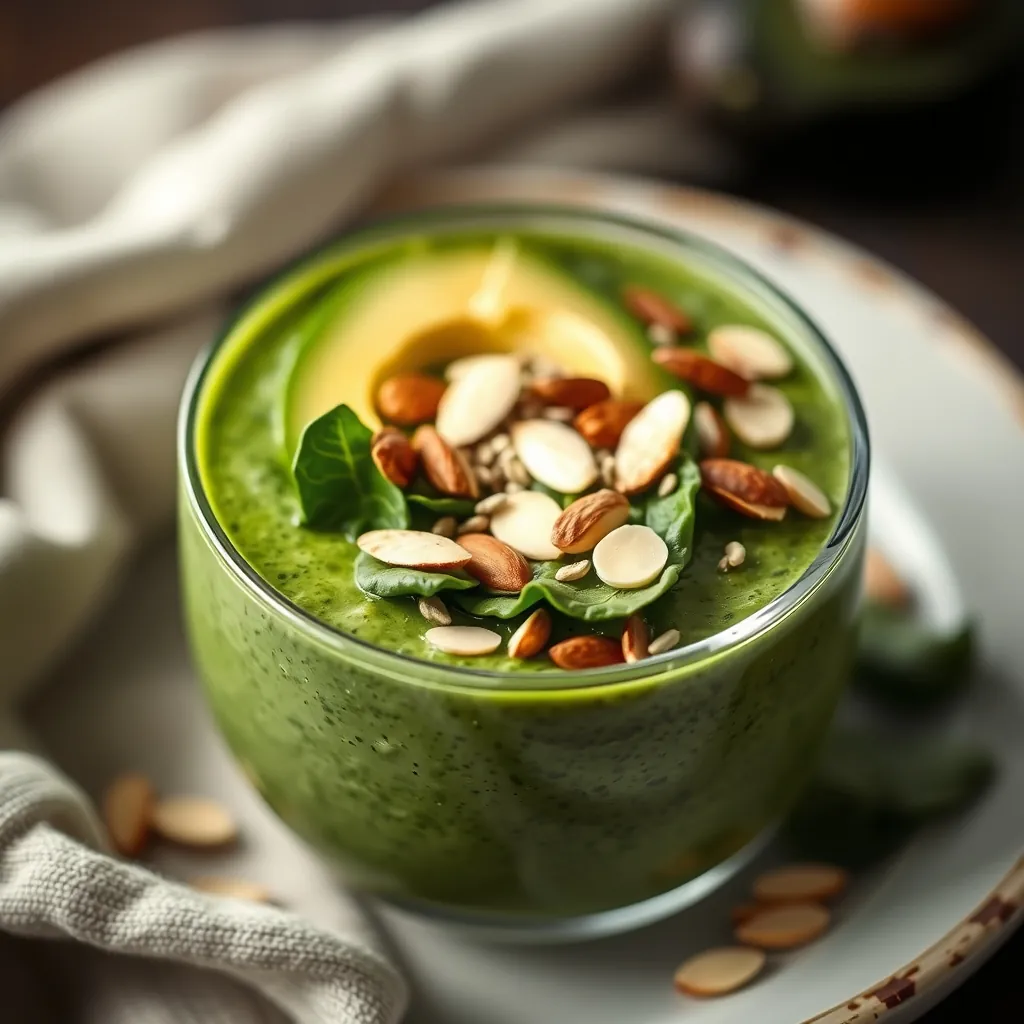
Avocado adds creaminess and healthy fats while keeping the bowl dairy-free. The protein comes from a combination of plant-based powder and hemp seeds.
- Ingredients: 1 scoop unflavored hemp protein, 1/2 avocado, 1 cup frozen spinach, 1/2 frozen banana, 1/2 cup unsweetened soy milk
- Toppings: Hemp seeds, sliced almonds, chia seeds
- Macros: 26g protein | 28g carbs | 20g fat
6. Coffee Lover’s Protein Bowl
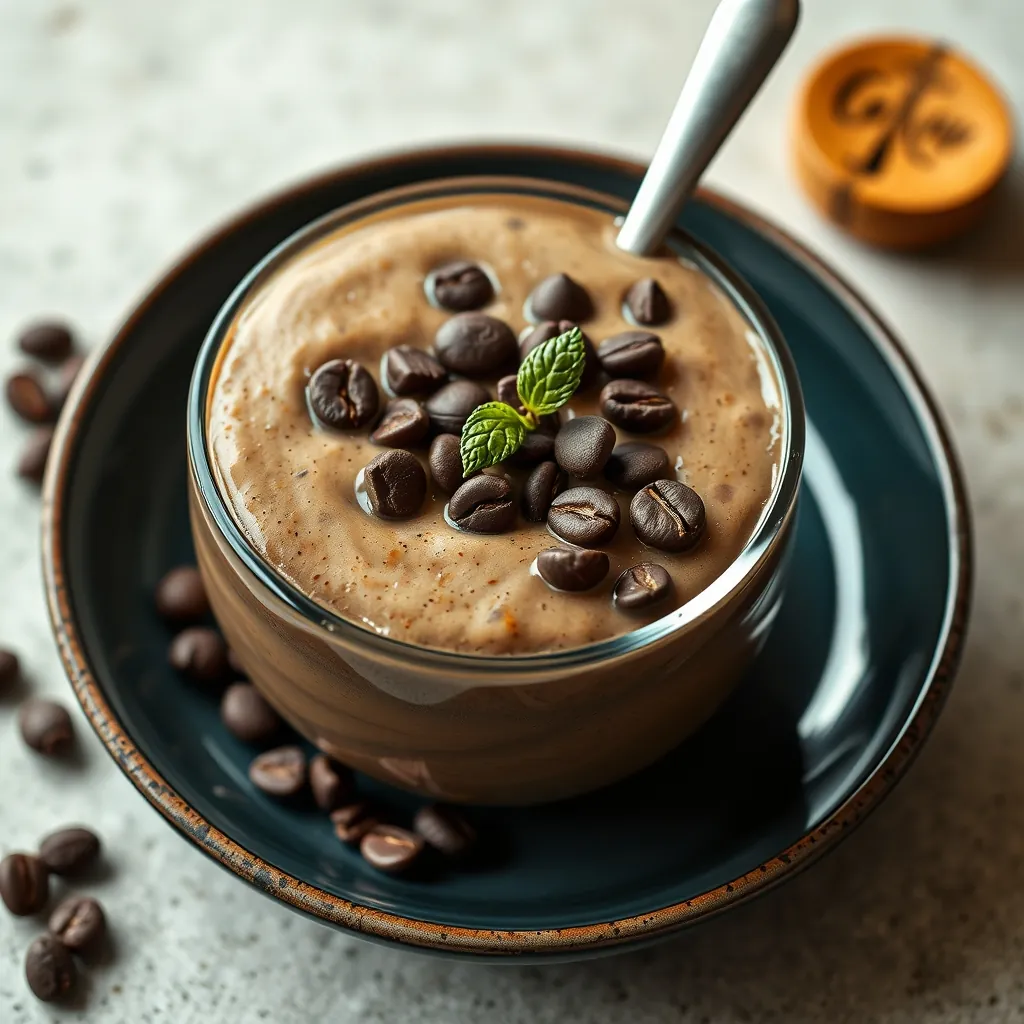
Cold brew concentrate gives this bowl a caffeine kick without watering it down. The chocolate and coffee flavors pair naturally with a scoop of chocolate protein powder.
- Ingredients: 1 scoop chocolate pea protein, 1 frozen banana, 1/4 cup cold brew concentrate, 1/4 cup unsweetened cashew milk
- Toppings: Cacao nibs, espresso beans, chopped dark chocolate
- Macros: 23g protein | 34g carbs | 10g fat
7. Vanilla Chia and Almond Protein Bowl
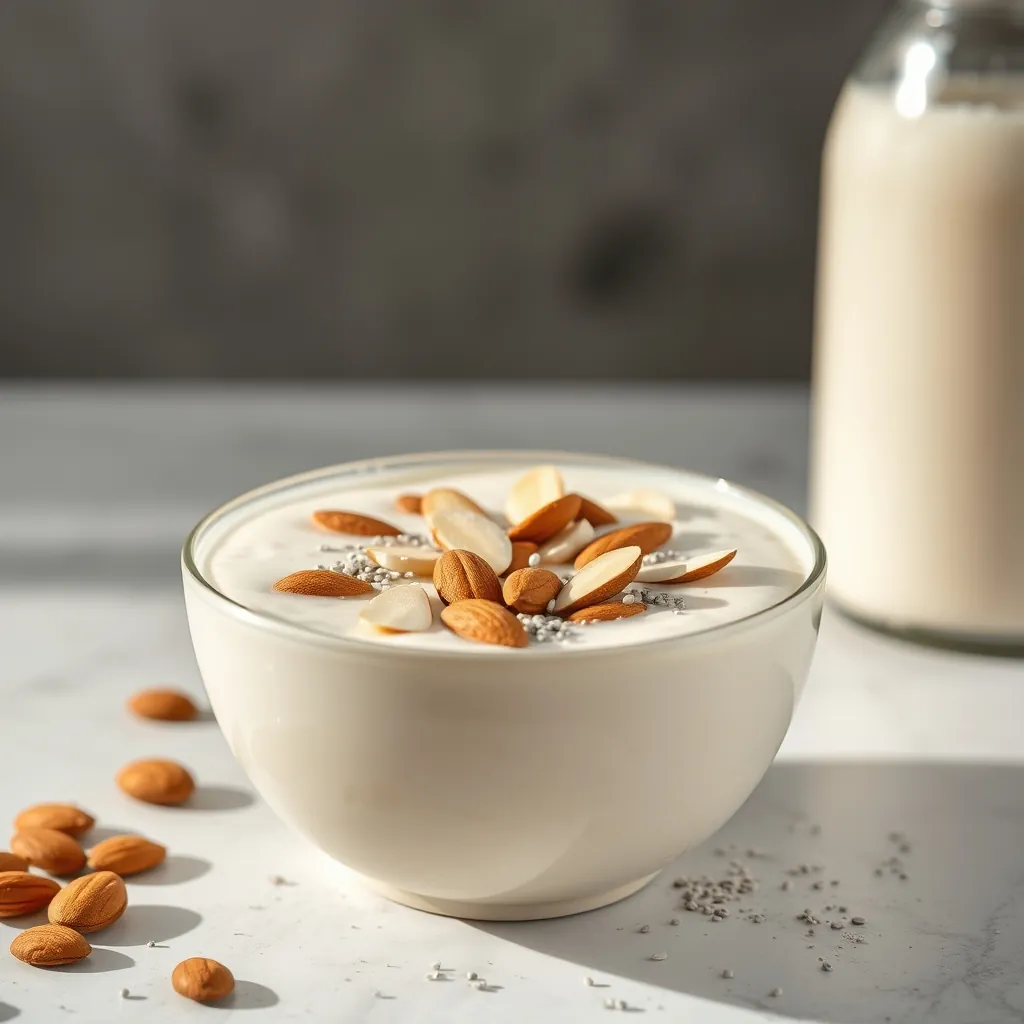
Chia seeds thicken the bowl naturally while adding omega-3 fatty acids. This recipe uses Greek yogurt for a tangy flavor and extra protein.
- Ingredients: 1/2 cup plain Greek yogurt, 1 scoop vanilla whey protein, 1/2 frozen banana, 1 tablespoon chia seeds, 1/2 cup unsweetened almond milk
- Toppings: Sliced almonds, white chia seeds, fresh figs
- Macros: 30g protein | 32g carbs | 12g fat
Fixing Common Smoothie Bowl Texture Problems
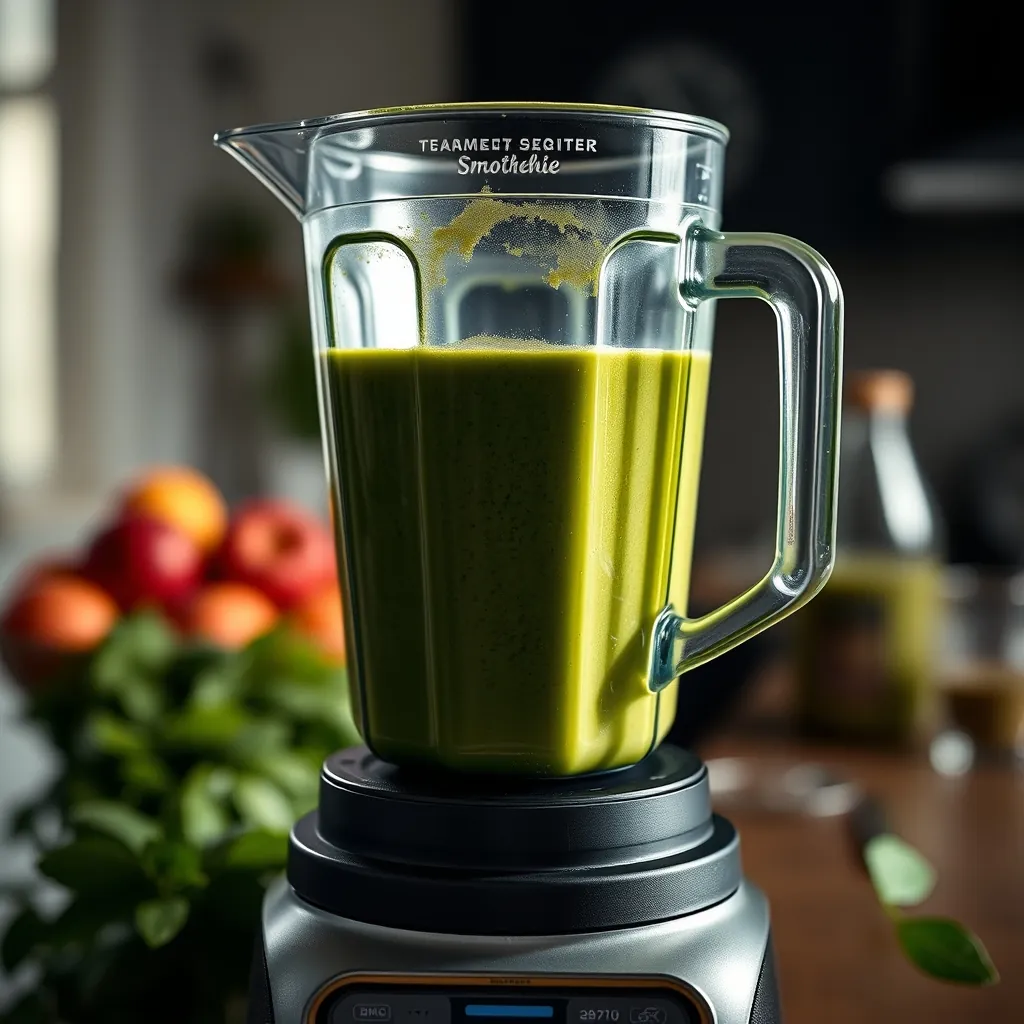
Texture issues happen to everyone. The solution depends on whether the bowl is too thin or too thick.
If the bowl is too thin: Add frozen fruit one piece at a time while blending. Bananas and mango work best. Alternatively, stir in a tablespoon of chia seeds and let the mixture sit for two minutes. The seeds absorb liquid and thicken the base.
If the bowl is too thick: Add liquid one tablespoon at a time. Almond milk, oat milk, or water all work without diluting flavor. Avoid adding more than 1/4 cup total. Too much liquid turns a bowl into a drink.
If the bowl is icy or grainy: This usually happens when frozen fruit is too large. Let the fruit sit at room temperature for five minutes before blending. Crushing ice cubes before adding them to the blender also helps.
Protein Powder Comparison: Plant-Based vs. Animal-Based
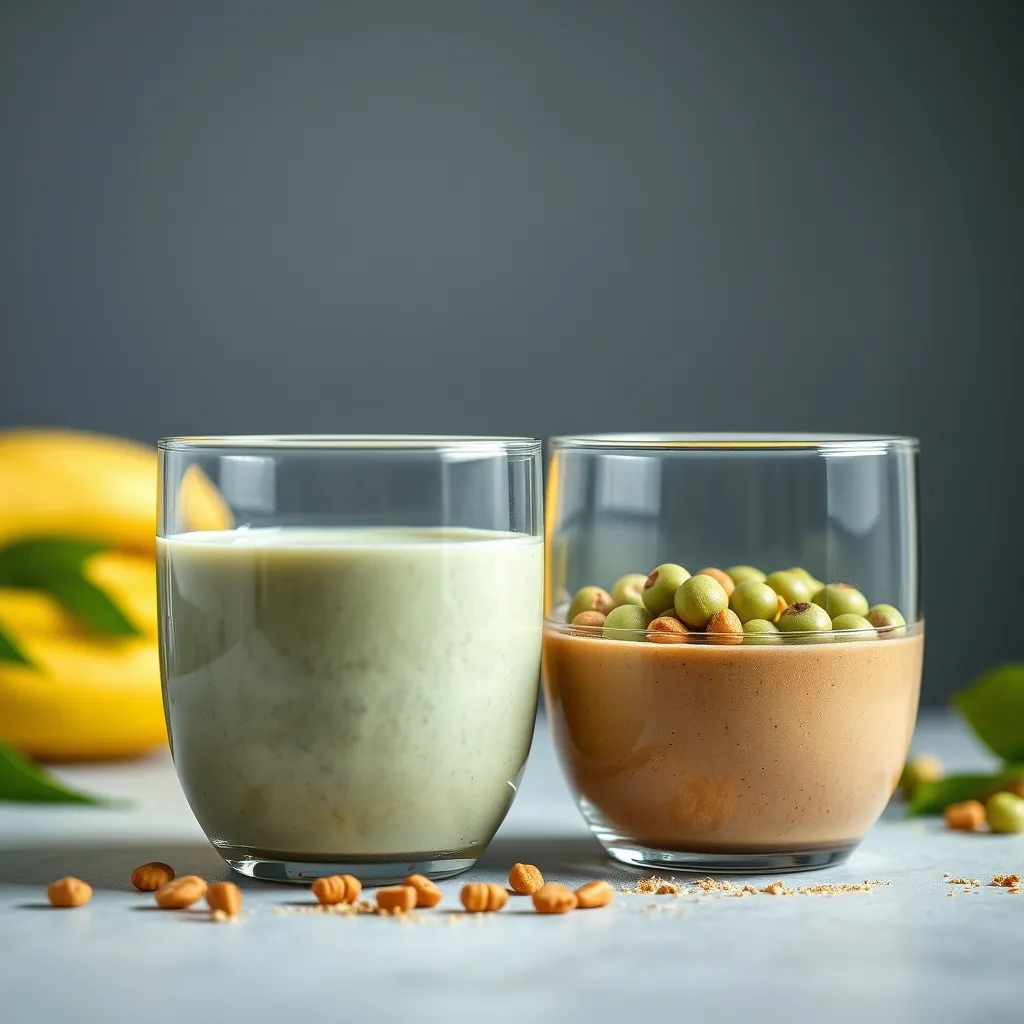
Choosing between plant-based and animal-based protein powders affects taste, texture, and nutrition. Here is a direct comparison for smoothie bowls.
| Type | Protein Per Scoop | Best For | Texture in Bowls |
|---|---|---|---|
| Whey Concentrate | 24g | Creamy bowls, post-workout | Smooth, dissolves easily |
| Whey Isolate | 27g | Low-carb diets | Thin, mixes well with liquids |
| Pea Protein | 22g | Vegan, nut-free diets | Slightly gritty, blends better with frozen fruit |
| Hemp Protein | 15g | Whole-food source, high fiber | Grainy, best paired with Greek yogurt |
| Collagen Peptides | 18g | Skin and joint health | Dissolves completely, no aftertaste |
For the best texture, whey protein blends most seamlessly into cold liquids. Pea protein benefits from extra blending time or a higher liquid ratio. Hemp protein works well when combined with yogurt or banana for creaminess.
Substitution Guide for Common Allergens
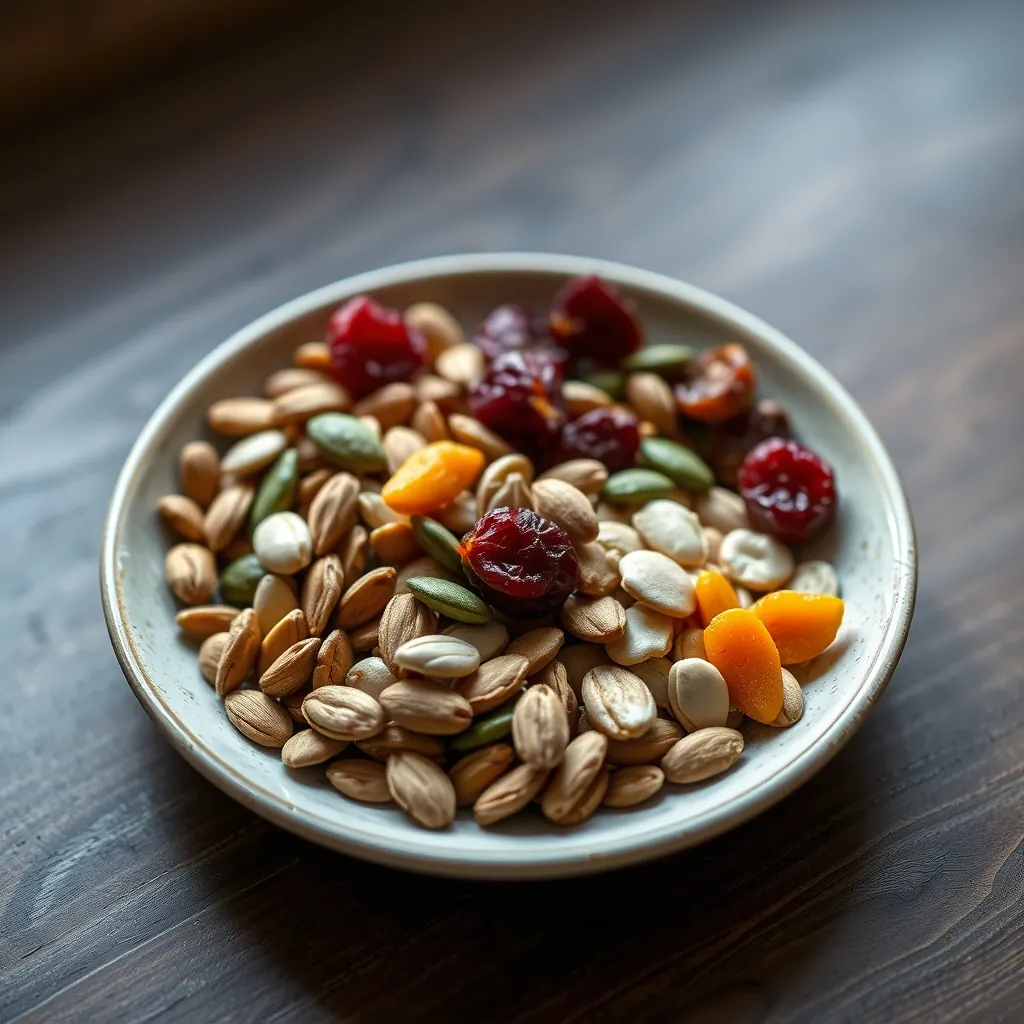
Not everyone can use standard ingredients. Here are direct swaps for common allergens without sacrificing protein content.
- Nut-free: Replace peanut butter or almond butter with sunflower seed butter or tahini. Use oat milk or coconut milk instead of almond milk. Top with pumpkin seeds or sunflower seeds instead of almonds.
- Dairy-free: Use plant-based protein powder (pea, hemp, or brown rice). Replace Greek yogurt with coconut yogurt or silken tofu. Use unsweetened oat milk or soy milk as the liquid base.
- Soy-free: Avoid soy milk and soy-based protein powders. Stick with pea protein, hemp protein, or collagen. Use almond milk, oat milk, or coconut milk instead.
- Gluten-free: Most protein powders are naturally gluten-free, but check labels for cross-contamination. Use certified gluten-free oats as a topping. Avoid granola that contains wheat.
Cost Comparison: Homemade vs. Store-Bought Smoothie Bowls
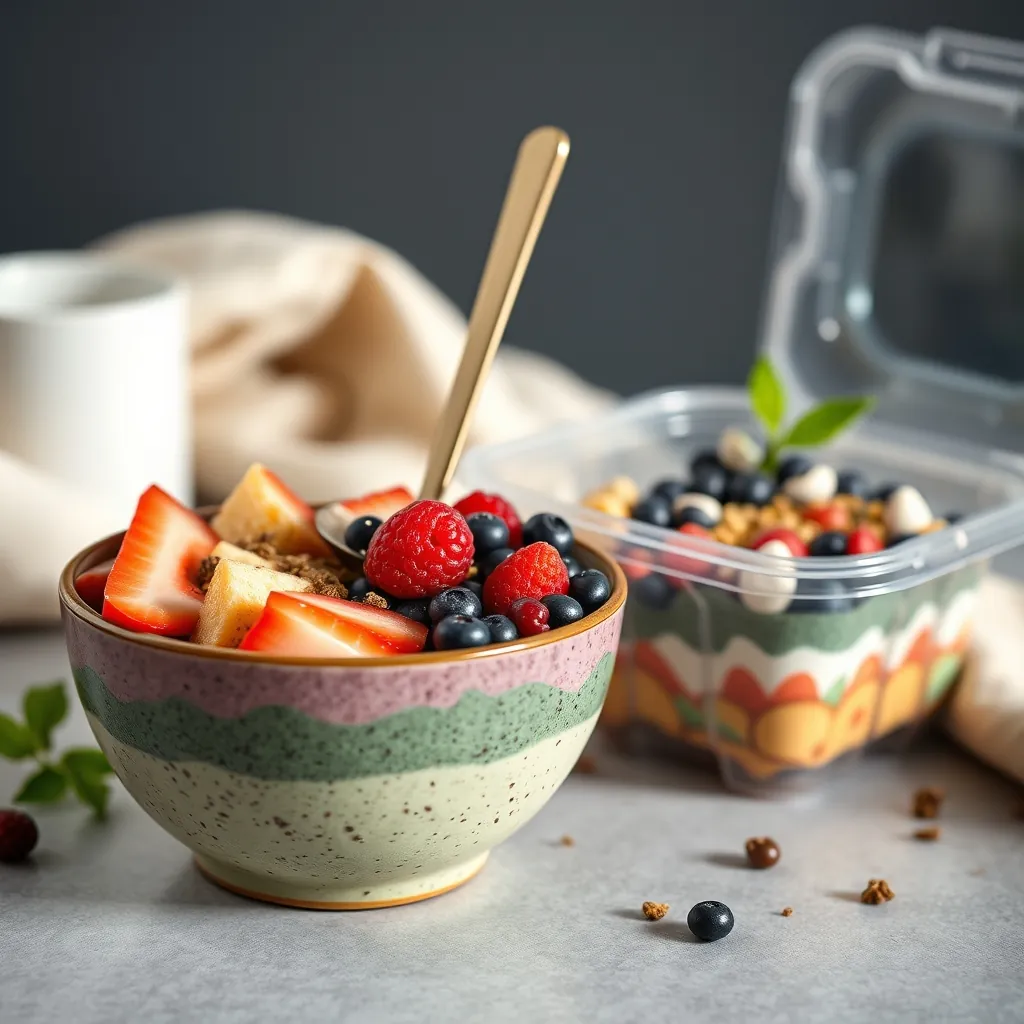
Making smoothie bowls at home saves money over time. A single store-bought bowl costs between $8 and $14 depending on location and toppings. Homemade bowls cost roughly $2 to $4 per serving when buying ingredients in bulk.
The biggest upfront expense is protein powder. A 2-pound tub costs $30 to $50 and provides 30 to 40 servings. That works out to about $1 per serving for the protein component. Frozen fruit costs $2 to $4 per bag and lasts for multiple bowls. Toppings like nuts and seeds cost pennies per serving when purchased in bulk.
Investing in a high-speed blender pays for itself after about 20 homemade bowls compared to buying them premade. The savings add up quickly for anyone who eats breakfast at home regularly.
Frequently Asked Questions
Can I prepare smoothie bowls the night before?
Yes. Blend the base without toppings and store it in an airtight container in the refrigerator. Give it a stir before adding toppings. The texture stays thick for up to 12 hours.
What is the best liquid for a thick smoothie bowl?
Unsweetened almond milk or oat milk work well because they add minimal flavor. Coconut milk creates a richer texture. Water thins the bowl too much and should be avoided.
How do I increase protein without powder?
Use Greek yogurt, cottage cheese, or silken tofu as the base. Add hemp seeds, chia seeds, and nut butters as toppings. These whole-food sources add protein without relying on supplements.
Are smoothie bowls good for weight loss?
Yes, when portioned correctly. Stick to one serving of fruit, one scoop of protein powder, and a tablespoon of healthy fat. Avoid high-calorie toppings like granola and dried fruit in large amounts.
7 High-Protein Breakfast Smoothie Bowls Under 10 Minutes
Discover 7 high-protein breakfast smoothie bowls under 10 minutes. Each recipe delivers 20+g protein with quick prep tips and customizations.
Ingredients
- 1 scoop vanilla whey protein
- 1 frozen banana
- 2 tablespoons peanut butter
- 1/2 cup unsweetened almond milk
- 1 cup frozen mixed berries
- 1 cup fresh spinach
- 1/2 cup unsweetened oat milk
- 1 scoop unflavored pea protein
- 1 cup frozen cherries
- 1 tablespoon unsweetened cocoa powder
- 1/2 cup unsweetened coconut milk
- 1 scoop chocolate whey protein
- 1 cup frozen mango
- 1 tablespoon lime juice
- 1 scoop vanilla collagen powder
- 1/2 avocado
- 1 cup frozen spinach
- 1/2 cup unsweetened soy milk
- 1 scoop unflavored hemp protein
- 1/4 cup cold brew concentrate
- 1/4 cup unsweetened cashew milk
- 1 scoop chocolate pea protein
- 1/2 cup plain Greek yogurt
- 1 scoop vanilla whey protein
- 1/2 frozen banana
- 1 tablespoon chia seeds
- 1/2 cup unsweetened almond milk
Instructions
- Pour 1/2 to 3/4 cup of milk or milk alternative first to prevent ingredients from sticking to the blades.
- Add protein powder before the frozen fruit so it blends evenly.
- Layer frozen fruit using 1 to 1.5 cups of frozen bananas, berries, or mango for thickness.
- Blend on low to break up chunks, then increase speed for 30 seconds.
- Adjust consistency by adding liquid one tablespoon at a time if too thick, or add a handful of frozen fruit or a tablespoon of chia seeds if too thin.
- Pour the base into a bowl and add toppings like nuts, seeds, coconut flakes, and fresh fruit.
Leave a Reply