Your cart is currently empty!
Fast Cooking Methods: The Definitive Guide to Saving Time in the Kitchen
Why Speed Matters More Than Ever
Cooking quickly is not just about convenience. It is about reclaiming time in a busy schedule. The average person spends nearly 40 minutes per day preparing meals. By applying a few strategic techniques, you can cut that number in half. This guide synthesizes the best methods from top culinary sources and fills critical gaps they missed. You will learn not just how to cook faster, but how to do it smarter without sacrificing quality.
Master the Core Techniques for Speed
Speed starts with the right methods. Thin cuts of meat cook 40 to 50 percent faster than thick ones. A chicken cutlet sears in 4 minutes. A flank steak cooks in 6. Compare that to a thick ribeye that needs 12 to 15 minutes. The principle is simple: reduce surface area, reduce time.
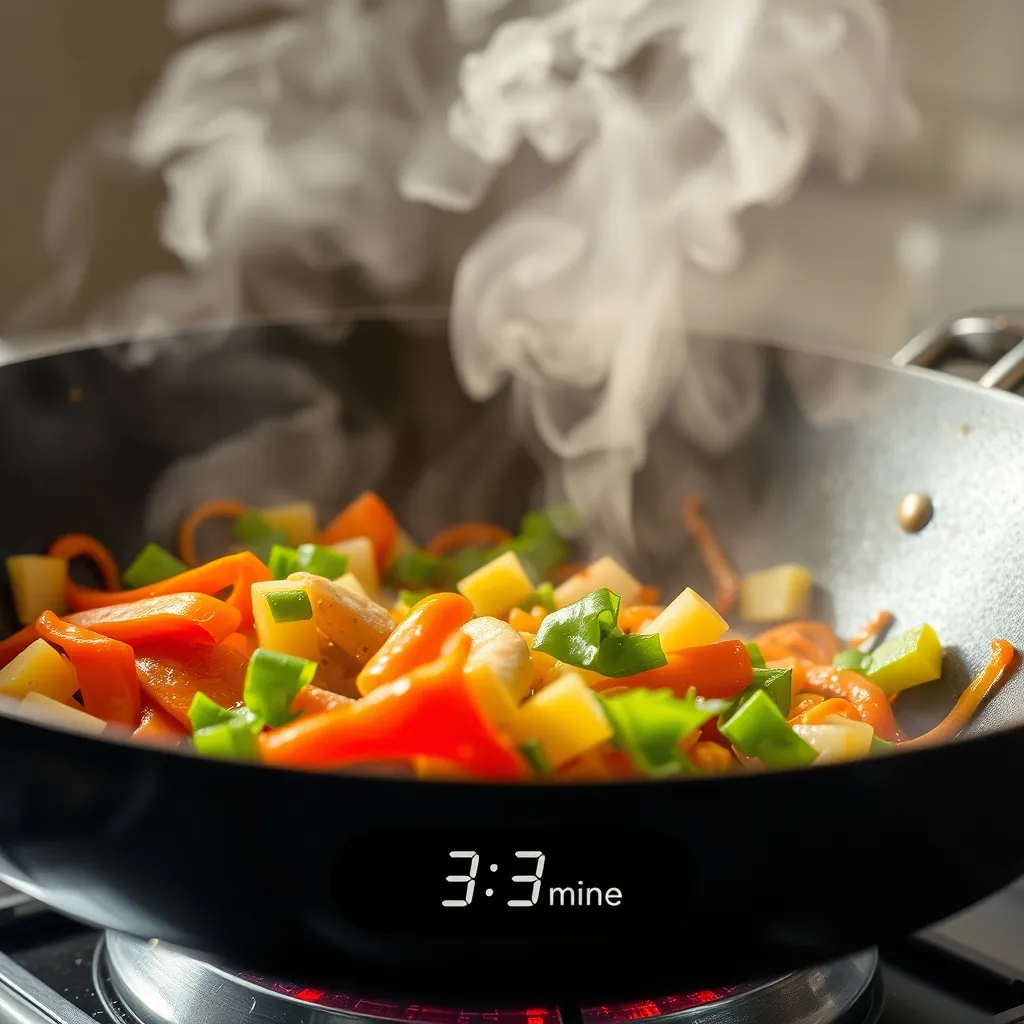
High heat techniques like sautéing and stir-frying are your best friends. A wok heated to smoking point can cook vegetables in under 3 minutes. The key is preheating the pan for 2 full minutes before adding oil. This prevents heat loss when cold ingredients hit the surface. Most people skip this step and wonder why their food steams instead of sears.
A pressure cooker is a game changer for tough ingredients. Beans that normally take 2 hours cook in 30 minutes. A pork shoulder braises in 45 minutes instead of 3 hours. The pressure cooker reduces cooking time by up to 70 percent. It is the single most effective tool for transforming slow recipes into quick meals.
Microwaving is often dismissed, but it is incredibly efficient for certain foods. A potato bakes in 8 to 10 minutes in the microwave. The same potato takes 35 to 45 minutes in a conventional oven. That is a 4x speed increase. Use the microwave for vegetables, potatoes, and reheating. Reserve the oven for browning and finishing.
Calculating Combined Time Savings
No competitor explains how to stack these methods for maximum efficiency. Here is the math. If you pressure cook a chicken thigh (normally 25 minutes) and then slice it thin (reducing surface area), you can finish it in a hot pan in 2 minutes. Total time: 27 minutes versus 45 minutes for a roasted thigh. That is a 40 percent time reduction.
Another example: microwaving a sweet potato for 8 minutes, then slicing it thin and roasting at 450°F for 5 minutes. Total: 13 minutes versus 40 minutes for a whole baked sweet potato. You save 67 percent of the time. The key is to use the fastest method for the bulk of cooking, then finish with a technique that adds texture or browning.
For a full meal, combine a pressure cooker for a grain like quinoa (1 minute cook time after coming to pressure) with a wok for stir-fried vegetables and thin-sliced chicken. Total active time: 15 minutes. Total cook time: 20 minutes. This is faster than ordering takeout.
Energy Efficiency: Cost and Time Per Meal
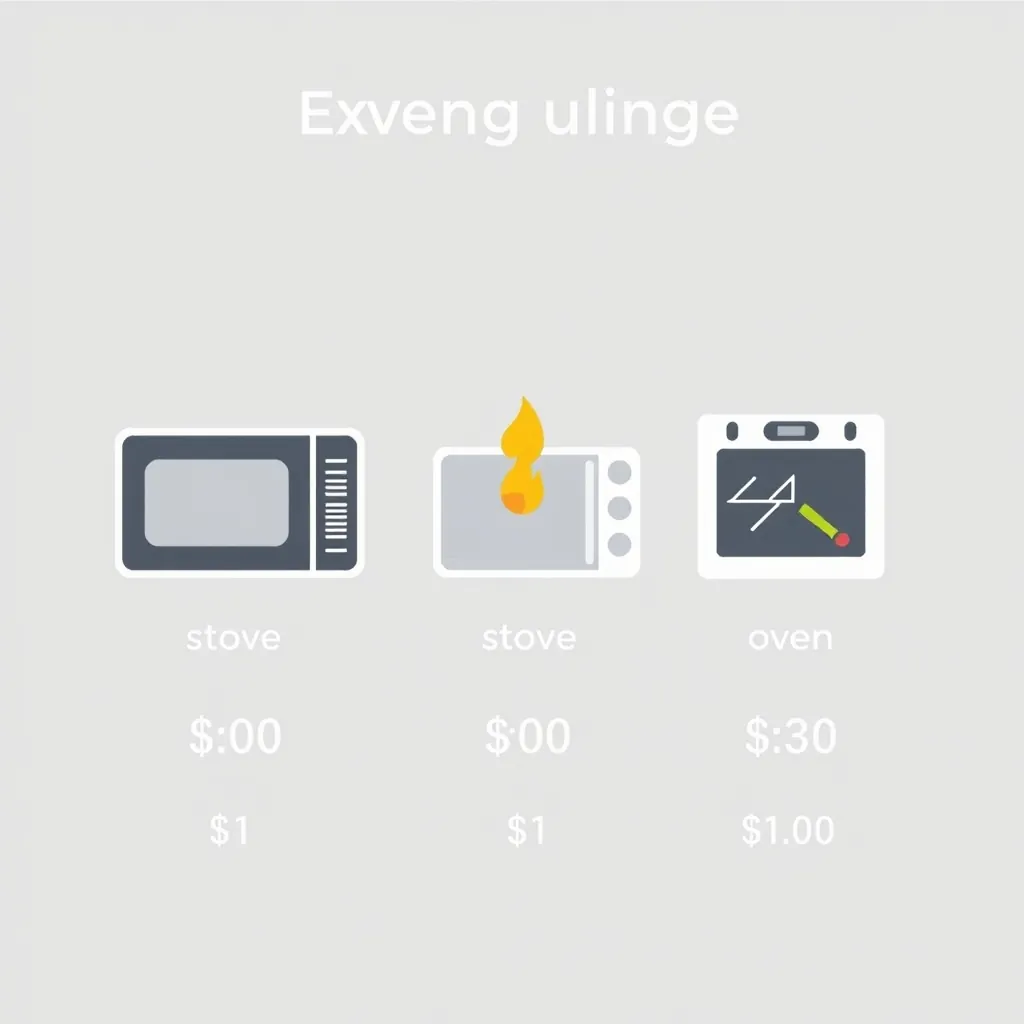
Speed and energy efficiency go hand in hand. A microwave uses 60 to 70 percent less energy than a conventional oven for the same task. A pressure cooker uses about 50 percent less energy than stovetop simmering because it traps heat and reduces cooking time. A wok on a gas burner heats up in 2 minutes and cooks food in 5. The oven takes 15 minutes to preheat alone.
Here is a quick cost comparison per meal. Microwaving a potato costs about $0.03 in electricity. Baking it costs $0.12. Pressure cooking a batch of beans costs $0.10 versus $0.40 for stovetop simmering. Over a month, these savings add up to $10 to $20 on your energy bill. Plus, you save 20 to 30 minutes of active cooking time per day.
The most energy-efficient method is the one that finishes fastest. Use the microwave for initial cooking, then finish with a quick sear on the stove. This hybrid approach minimizes energy use while maximizing flavor.
Adapting Slow Recipes for Quick Cooking
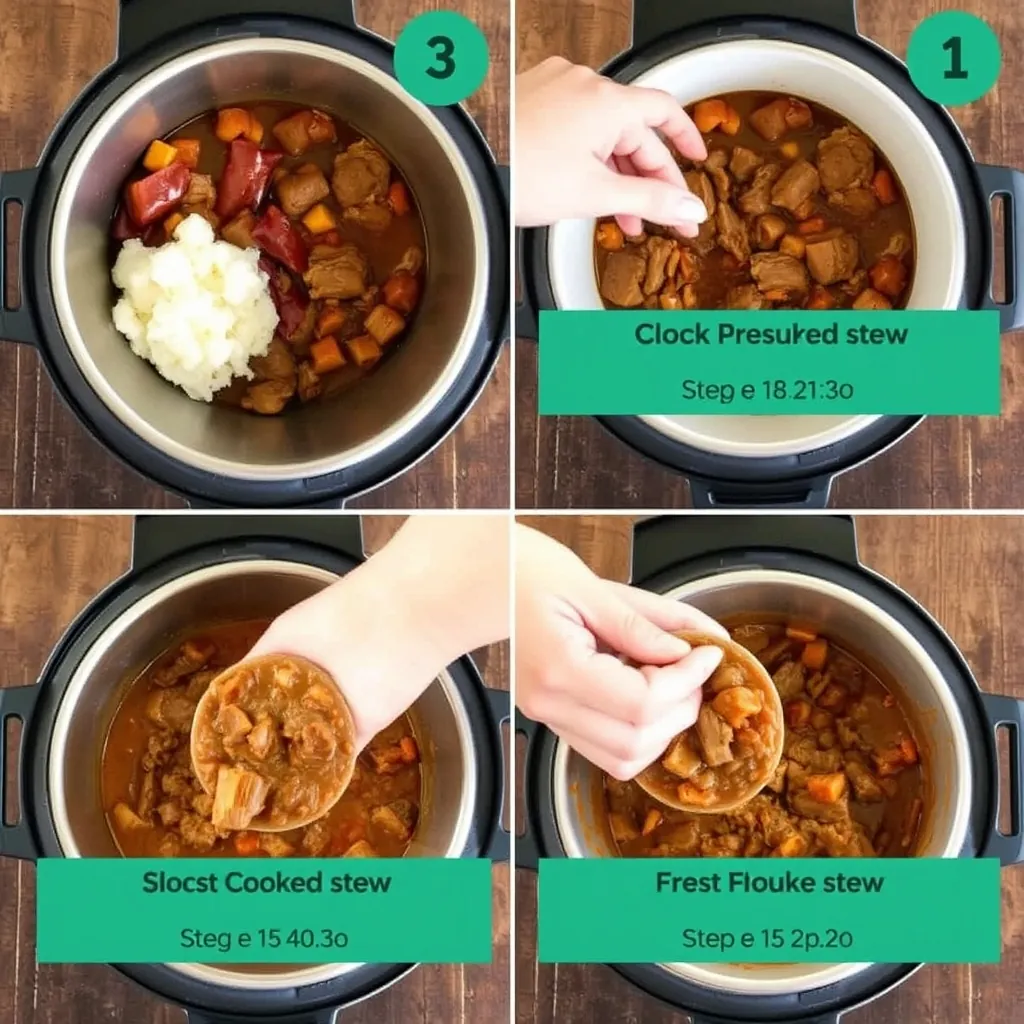
Slow recipes like stews, braises, and roasts can be adapted without losing flavor. The trick is to break the recipe into components. Cook the protein separately using a fast method, then combine with a quick sauce or broth. For example, a classic beef stew takes 2 hours. Instead, pressure cook cubed beef for 20 minutes. While that cooks, sauté onions, carrots, and celery in a pan for 5 minutes. Combine everything with broth and simmer for 5 minutes. Total time: 30 minutes. The flavor is nearly identical because the pressure cooker extracts collagen and gelatin just as effectively as slow simmering.
For roasts, use thin cuts. A pork tenderloin roasts in 20 minutes at 425°F. A whole pork shoulder takes 4 hours. The key is to season aggressively and use high heat. For vegetables that are roasted, cut them into small, uniform pieces. A 1-inch cube of butternut squash roasts in 15 minutes. A whole squash takes 45 minutes. The flavor is more concentrated because the smaller pieces caramelize faster.
For soups, use a microwave to soften vegetables and a pressure cooker for the broth. Combine everything and blend for a creamy soup in 15 minutes. Traditional recipes take 45 minutes to an hour.
Eliminate the Prep Bottleneck
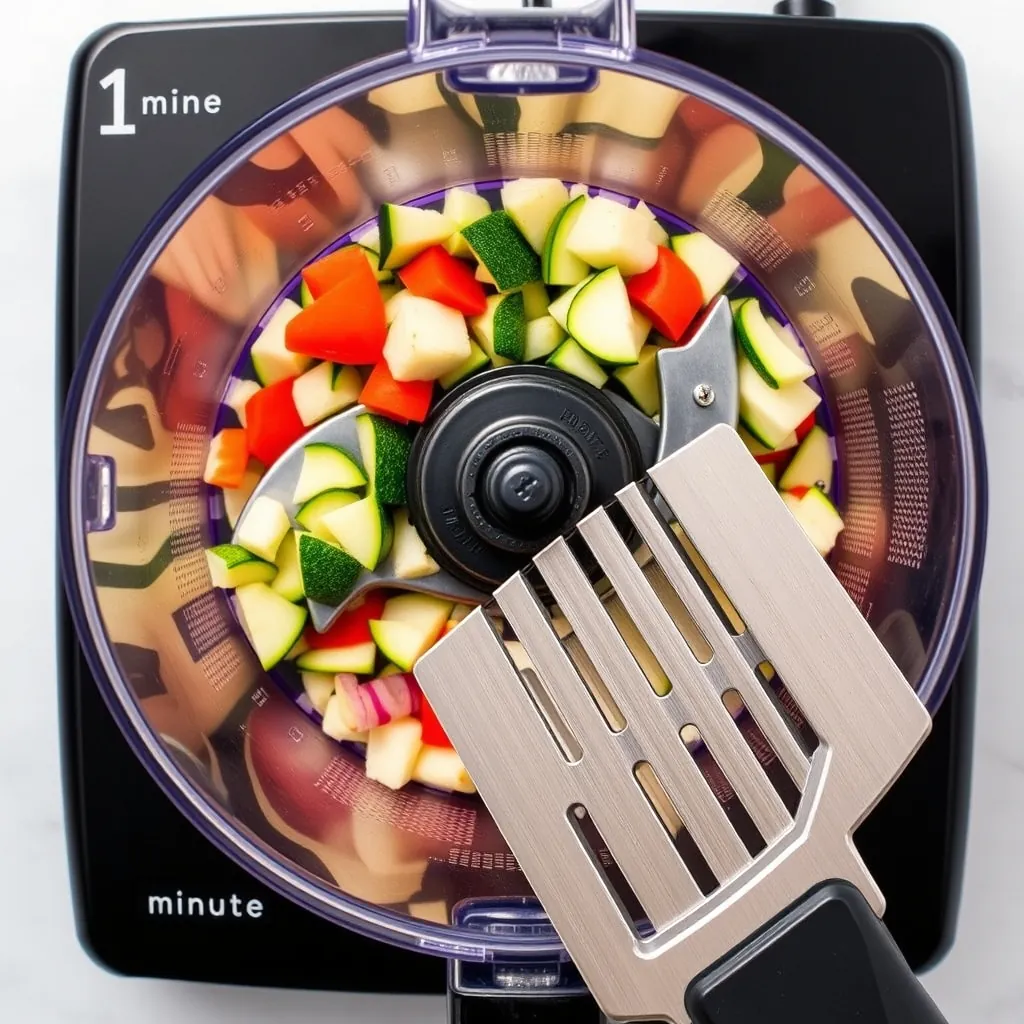
Prep time is often the slowest part of cooking. A food processor can chop an onion in 10 seconds. By hand, it takes 2 minutes. A mandoline slices a zucchini in 30 seconds versus 3 minutes with a knife. These tools are not optional. They are essential for speed.
Here is a prep time comparison. Dicing 2 cups of carrots by hand: 5 minutes. Using a food processor: 30 seconds. Slicing 4 potatoes by hand for roasting: 6 minutes. Using a mandoline: 1 minute. Over a week, using these tools saves 20 to 30 minutes of prep time alone.
Batch prepping is another strategy. Spend 30 minutes on Sunday chopping onions, carrots, celery, and bell peppers. Store them in airtight containers. During the week, you can assemble a stir-fry in 5 minutes. A soup in 10 minutes. The upfront time investment pays dividends in daily speed.
Grating or dicing ingredients finely also reduces cooking time. Grated garlic releases its flavor in 30 seconds in a hot pan. Minced garlic takes 1 minute. Finely diced onions cook in 3 minutes. Roughly chopped onions take 8 minutes. The smaller the piece, the faster it cooks.
Practical Workflow for a 20-Minute Meal
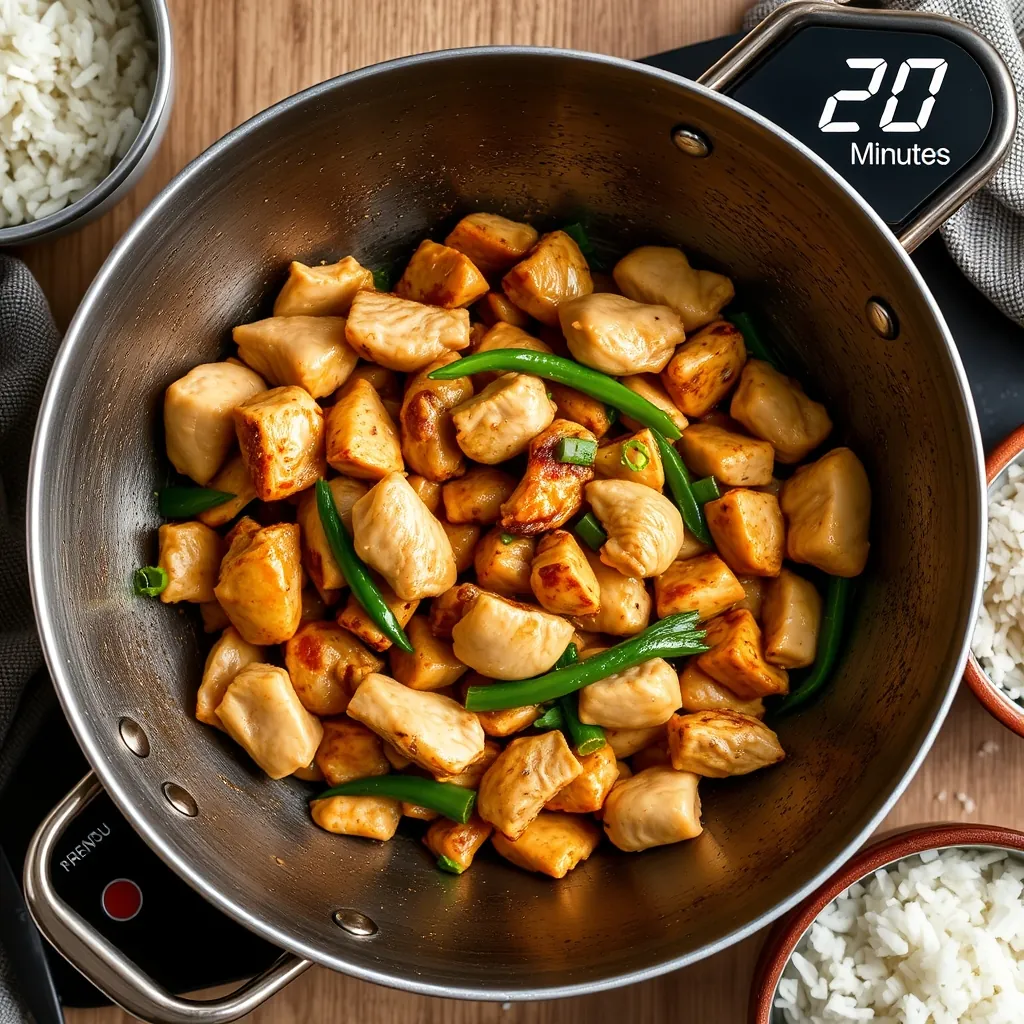
Here is a real-world example. You want to make chicken stir-fry with rice and vegetables. Total time: 20 minutes.
- Start the rice in a pressure cooker or microwave. Microwave: 10 minutes. Pressure cooker: 5 minutes.
- While the rice cooks, slice chicken breast into thin strips. Use a sharp knife or a meat slicer. Time: 2 minutes.
- Preheat a wok over high heat for 2 minutes. Add oil and sear the chicken strips. Cook for 3 minutes. Remove and set aside.
- Add more oil to the wok. Add pre-cut vegetables (from batch prep). Stir-fry for 2 minutes.
- Return the chicken to the wok. Add a quick sauce (soy sauce, garlic, ginger). Toss for 1 minute.
- Serve over rice. Total active time: 10 minutes. Total cook time: 20 minutes.
This workflow combines thin cuts, high heat, a wok, and a pressure cooker or microwave for the grain. It is efficient, energy-saving, and delicious.
Final Thoughts on Fast Cooking
Speed in the kitchen is a skill you can learn. It requires the right tools, the right techniques, and a little planning. Focus on thin cuts, high heat, pressure cooking, and microwaving for the bulk of your cooking. Combine methods for maximum time savings. Use a food processor and mandoline to eliminate the prep bottleneck. Adapt slow recipes by breaking them into components. Apply these principles, and you will consistently cook meals in 20 minutes or less. The result is more free time, lower energy bills, and better food.
Frequently Asked Questions
What is the fastest way to cook a whole chicken?
Spatchcock (flatten) the chicken and roast at 450°F for 45 minutes, or use a pressure cooker for 25 minutes and finish under the broiler.
Can I use a pressure cooker and microwave together?
Yes. Pressure cook tough proteins, then microwave vegetables or grains simultaneously for a complete meal in under 30 minutes.
Do fast cooking methods sacrifice flavor?
No. High heat searing and pressure cooking retain or intensify flavor by concentrating juices and creating browning faster.
What is the most energy-efficient cooking method?
Microwaving uses 60-70% less energy than ovens. Pressure cookers use 50% less energy than stovetop simmering.
How can I adapt a slow-cooker recipe for quick cooking?
Cook protein in a pressure cooker, sauté aromatics separately, then combine with a quick sauce. Total time: 30 minutes instead of hours.
Leave a Reply