Your cart is currently empty!
Authentic Hanoi Pho Recipe: A Definitive Guide
Introduction to Hanoi Pho
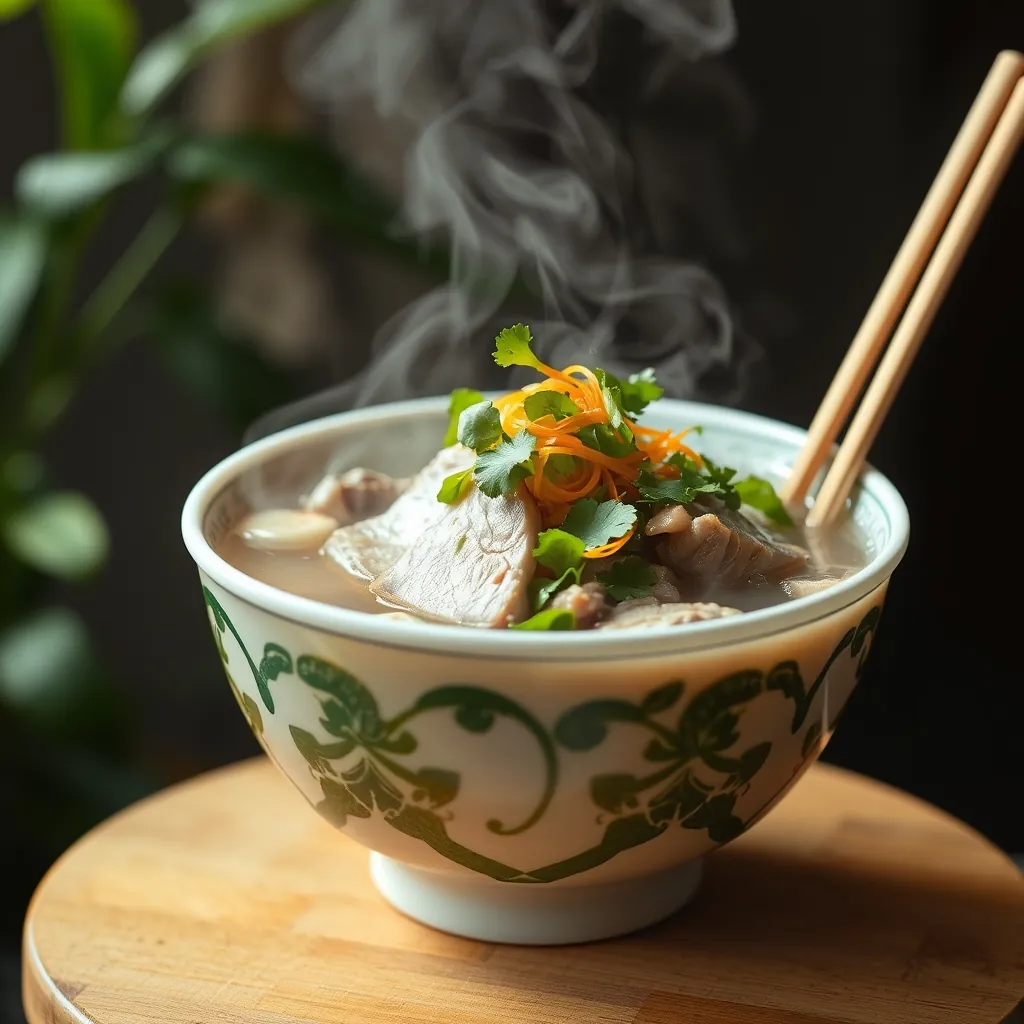
Hanoi Pho, a beloved dish in Vietnamese cuisine, traces its roots back to the early 20th century in Northern Vietnam. This iconic noodle soup has evolved into a culinary symbol, representing the rich flavors and traditions of Vietnamese cooking. The dish features a fragrant broth, typically made by simmering beef bones for hours, allowing the flavors to meld beautifully.
Central to the experience of enjoying Hanoi Pho is its aromatic broth, which is infused with spices such as star anise, cloves, and cinnamon. These ingredients contribute to the dish’s unique taste, setting it apart from other regional variations of pho found throughout Vietnam. Traditionally served with beef, particularly brisket or rare steak, each bowl is a harmonious blend of textures and flavors.
Beyond its delicious components, Hanoi Pho holds significant cultural importance. It is often enjoyed as a breakfast dish, showcasing the Vietnamese affinity for flavorful meals at any time of day. The act of sharing a bowl of pho with family or friends signifies hospitality and connection, making it more than just a meal—it is a cherished ritual that brings people together.
Essential Ingredients for Authentic Pho
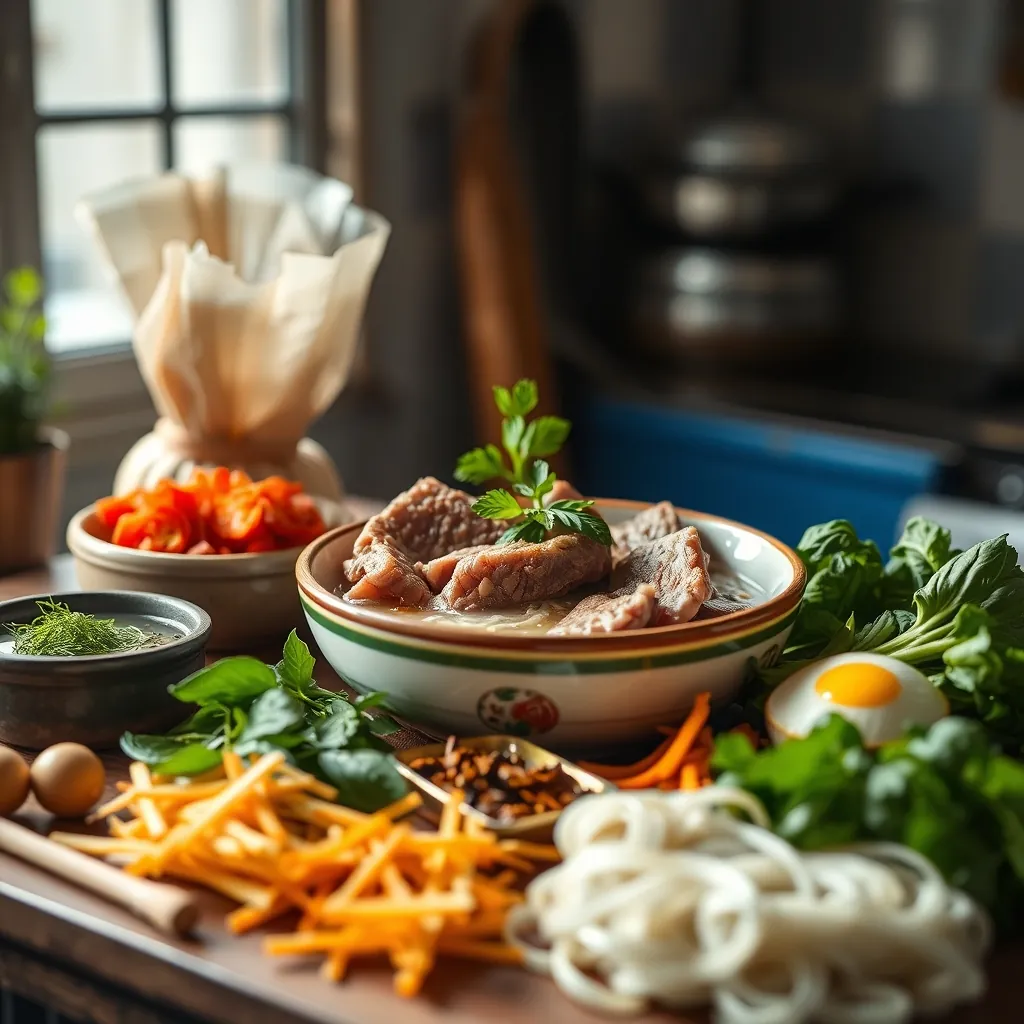
To create authentic Hanoi Pho, selecting the right ingredients is crucial. Each component contributes to the depth of flavor, aroma, and overall experience of this iconic dish. Below is a detailed list of essential ingredients required for making a traditional bowl of pho.
- Beef: The meat is the star of the dish. Common choices include brisket, which is known for its tenderness, and rare steak, which is cooked directly in the hot broth just before serving. Some recipes may also incorporate beef bones to enhance the broth’s richness.
- Rice Noodles: Flat rice noodles, known as bánh phở, are essential for the dish. They should be fresh and preferably wide to soak up the flavorful broth effectively.
- Spices: A well-balanced broth requires a mix of spices that typically includes star anise, cloves, and cinnamon. These spices are usually tied in a piece of cheesecloth to make removal easier after simmering.
- Herbs: Fresh herbs such as Thai basil, cilantro, and green onions are vital for garnishing. They add freshness and complexity to each bowl.
- Onion: Charred or raw onions can be added to the broth for sweetness. They enhance the overall flavor profile while providing a subtle crunch when served raw.
- Fish Sauce: A few dashes of high-quality fish sauce deepen the savory elements of the broth, giving it an umami boost that is characteristic of authentic pho.
- Lime: Fresh lime wedges are served on the side for squeezing into the soup, adding a bright acidity that complements the rich flavors.
Each ingredient plays a pivotal role in the creation of Hanoi Pho, ensuring that every bowl captures the essence of Vietnamese culinary tradition. By sourcing high-quality components, one can achieve a deliciously authentic experience.
Preparing the Broth: The Heart of Pho
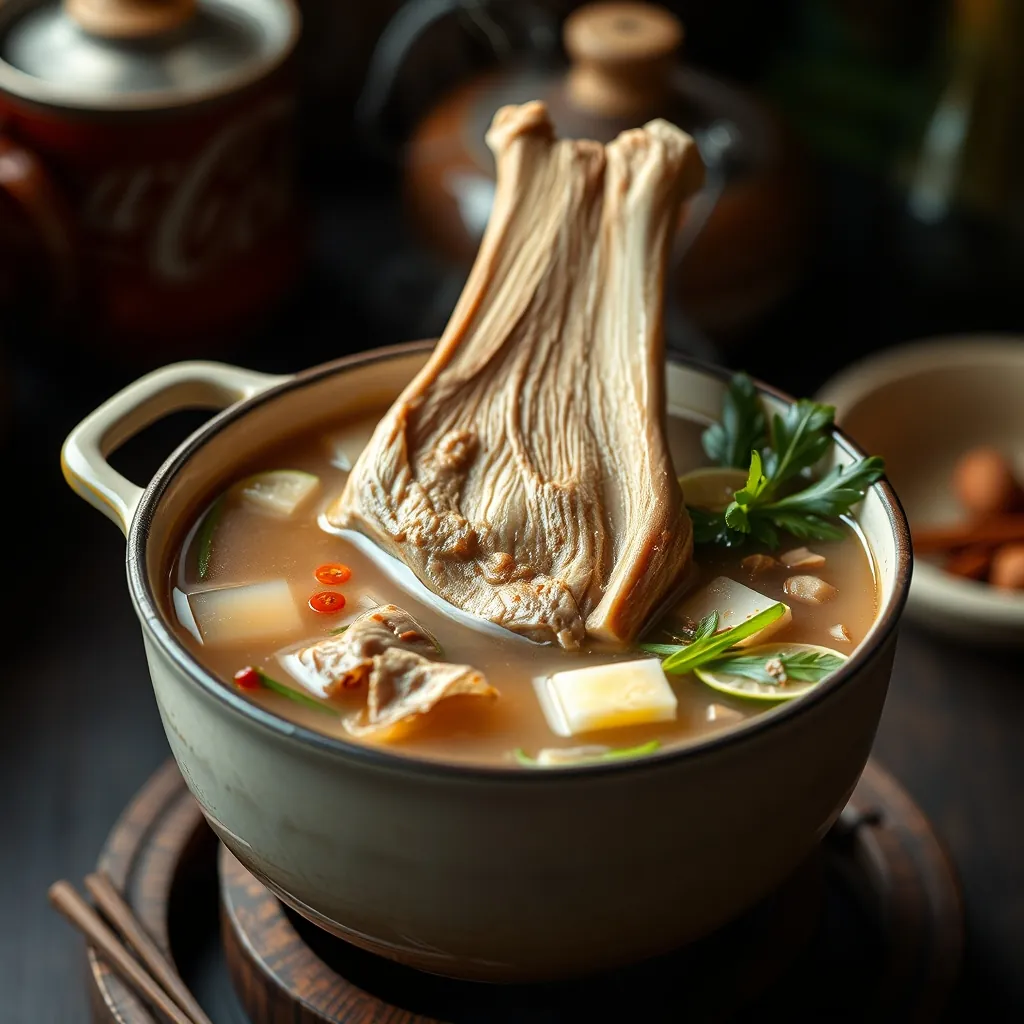
The broth is the soul of authentic Hanoi Pho, requiring careful preparation to achieve its rich flavor and clarity. The art of making pho broth involves simmering beef bones and spices for an extended period, allowing the flavors to meld beautifully.
Begin by selecting high-quality beef bones, preferably a mix of marrow and knuckle bones. This combination provides both flavor and body to the broth. The preparation steps are as follows:
- Blanching the Bones: Start by blanching the bones in boiling water for about 5-10 minutes. This process removes impurities and helps achieve a clearer broth. After blanching, rinse the bones under cold water to eliminate any remaining residue.
- Simmering: Place the cleaned bones in a large pot and cover them with cold water. Bring the water to a boil, then reduce the heat to a gentle simmer. It’s essential to maintain a low simmer for at least 6 hours. This long cooking time allows the collagen in the bones to break down, creating a rich and flavorful broth.
- Adding Aromatics: About halfway through the simmering process, add your aromatic spices wrapped in cheesecloth, including star anise, cloves, and cinnamon. Additionally, include charred onions and ginger for depth. These elements contribute essential flavors that define authentic pho.
- Skimming the Surface: Throughout the simmering, regularly skim the surface for any impurities or foam that rises. This step is crucial for achieving a clear and clean-tasting broth.
- Final Strain: After simmering for the full duration, carefully strain the broth through a fine-mesh sieve to remove bones and spices. The result should be a clear, golden liquid that will serve as the foundation of your pho.
The clarity of the broth is vital. It not only enhances the visual appeal of the dish but also reflects the care put into its preparation. With patience and attention to detail, anyone can create a broth that embodies the essence of Hanoi Pho, making it truly unforgettable.
Cooking Techniques for Perfect Pho
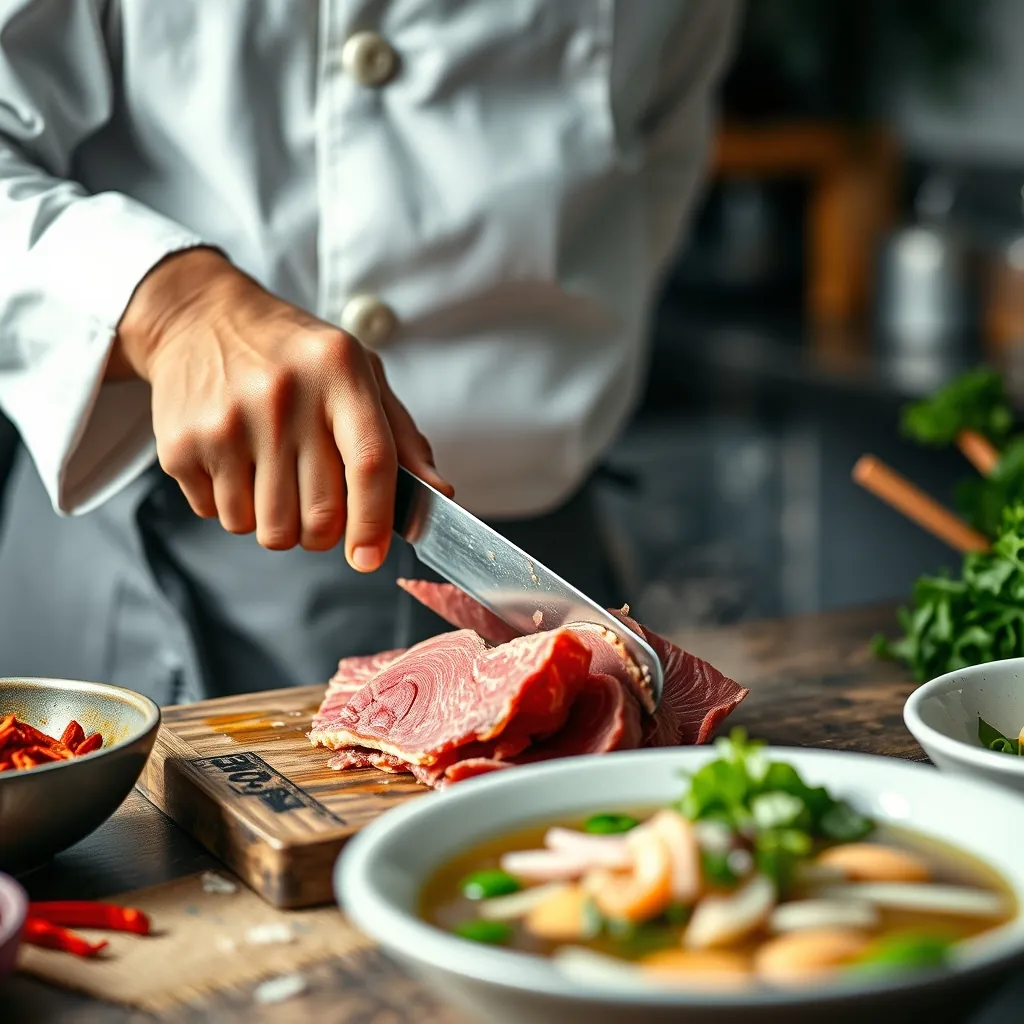
Mastering the cooking techniques for Hanoi Pho is essential to elevate this dish from good to extraordinary. Each step in the process contributes to the overall flavor and presentation of the final bowl. Here are key techniques to ensure your pho is perfect:
- Meat Preparation: Select high-quality cuts of beef, such as brisket or sirloin. For the best texture, freeze the meat slightly before slicing. This makes it easier to cut thin slices against the grain, ensuring tenderness. Aim for slices about 1/8 inch thick.
- Charred Aromatics: Enhancing the broth with charred aromatics adds depth to the flavor profile. Char onions and ginger directly over an open flame or under a broiler until slightly blackened. This technique not only intensifies the taste but also adds a smoky aroma that complements the broth.
- Simmering Meat: After the broth has simmered for several hours, add your beef slices directly into the pot for a brief cooking session. For optimal results, allow them to cook for just a few minutes until they are tender but not overcooked. This method infuses the meat with the rich flavors of the broth while keeping it juicy.
- Layering Flavors: Consider adding additional ingredients during the last stages of cooking to enhance the broth’s complexity. Ingredients like fish sauce and rock sugar can balance flavors, providing a subtle sweetness that enhances the overall taste.
- Finishing Touches: Just before serving, taste the broth and adjust seasoning as necessary. A final touch of salt or fish sauce can elevate the flavors. Ensure that the broth remains hot to keep all elements in your pho bowl at their best.
Employing these techniques will significantly improve your pho-making skills. Attention to detail during meat preparation and broth enhancement is what sets authentic Hanoi Pho apart from other variations, ensuring a rich and satisfying culinary experience.
Assembling Your Pho Bowl
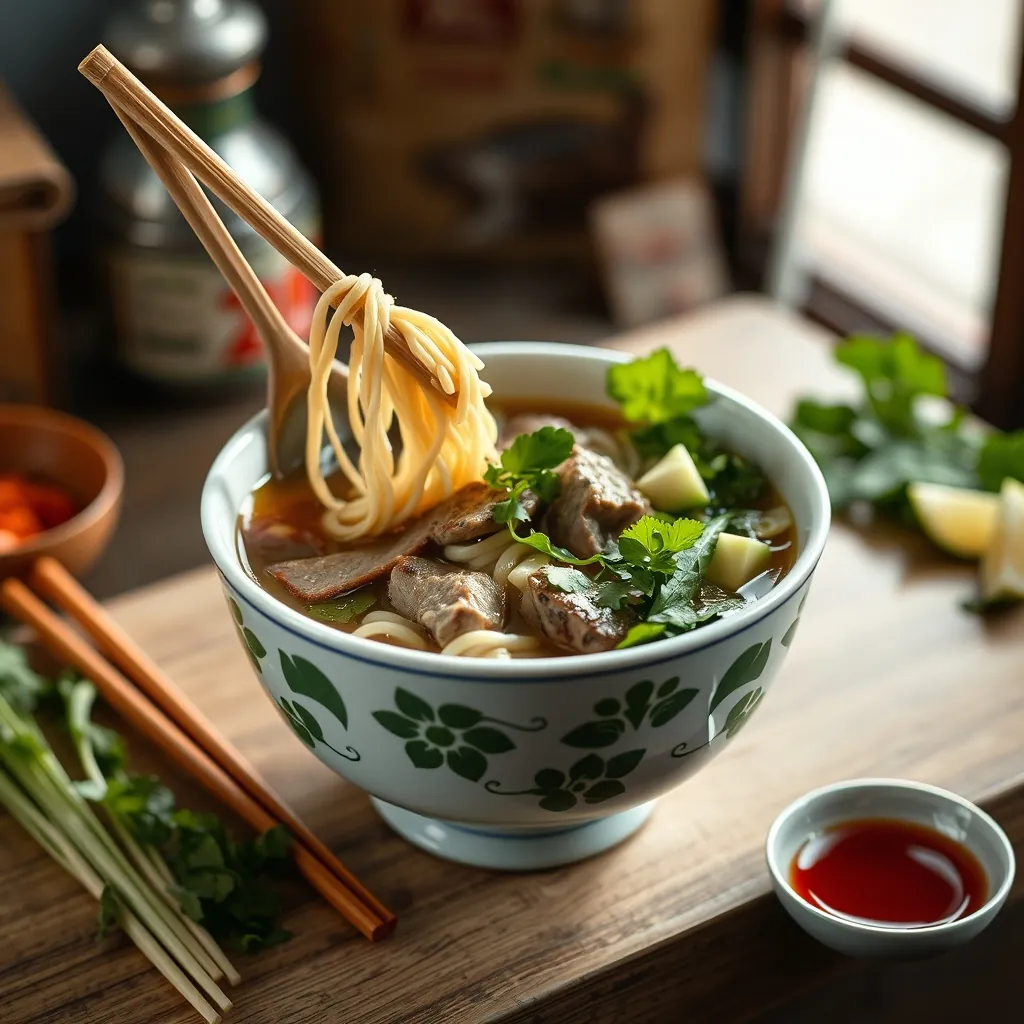
Assembling your pho bowl is a crucial step that showcases the harmony of ingredients and flavors. A well-constructed bowl enhances the dining experience and highlights the dish’s authenticity. Follow these steps to create the perfect pho bowl:
- Prepare the Noodles: Start with fresh rice noodles. If using dried noodles, soak them in hot water until softened, then drain. For an authentic texture, briefly blanch the noodles in boiling water just before assembly. This ensures they are warm and ready to absorb the flavors of the broth.
- Layering the Ingredients: Place a generous portion of noodles at the bottom of the bowl. Next, arrange slices of beef on top. The heat from the broth will gently cook the meat, enhancing its flavor while maintaining tenderness.
- Adding Fresh Herbs: Include fresh herbs such as Thai basil, cilantro, and mint. These herbs not only add vibrant color but also contribute aromatic freshness that complements the rich broth. Scatter them generously over the meat and noodles.
- Pouring the Broth: Heat your broth until it reaches a rolling boil. Carefully ladle the hot broth over the assembled ingredients in the bowl. The boiling broth will cook the beef slices further and meld all the flavors together.
- Final Touches: Garnish with bean sprouts, lime wedges, and sliced chili peppers for added texture and flavor. These elements allow diners to customize their pho according to their taste preferences.
By following these steps, you will create a visually appealing and flavorful pho bowl that captures the essence of authentic Hanoi Pho. Each ingredient plays a vital role in achieving a balanced and satisfying dish that is sure to impress.
Garnishing Your Pho: Best Herbs and Additions
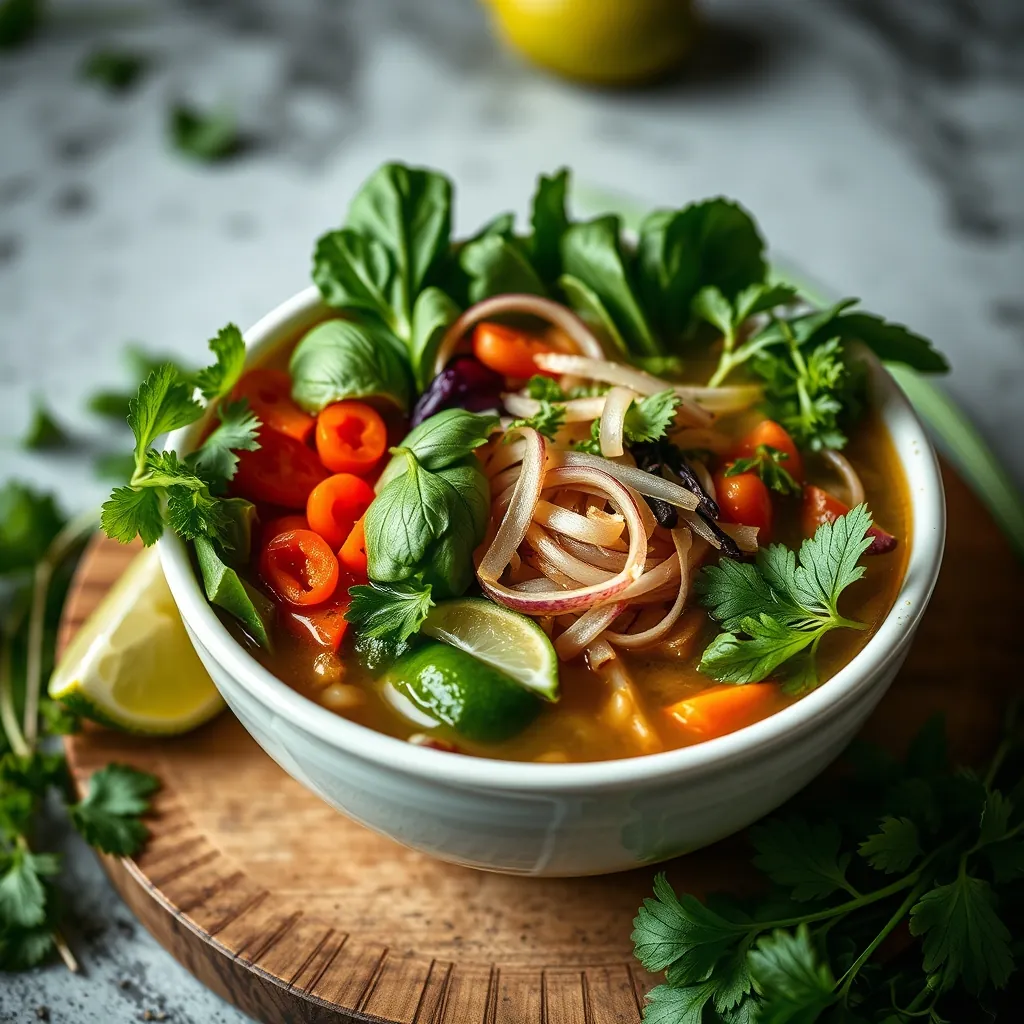
Garnishing your pho is essential for enhancing both its visual appeal and flavor profile. Authentic Hanoi Pho is typically accompanied by a selection of fresh herbs and garnishes that elevate the dish. Here are the best options to consider:
- Thai Basil: This aromatic herb is a staple in pho garnishing. Its slightly spicy and sweet flavor complements the rich broth beautifully. Add whole leaves or a few sprigs to your bowl for a burst of freshness.
- Cilantro: Known for its bright and citrusy notes, cilantro adds a refreshing contrast to the savory broth. Scatter chopped cilantro over the assembled ingredients to enhance the overall flavor.
- Mint: Mint brings a coolness that balances the warmth of the broth. Use fresh mint leaves to add an invigorating touch to your pho bowl.
- Bean Sprouts: These crunchy sprouts provide texture and a crisp bite, making them a perfect addition to pho. Place a handful on top of the noodles for added crunch.
- Lime Wedges: A squeeze of fresh lime juice brightens the flavors of the dish. Serve lime wedges on the side so diners can adjust the acidity to their liking.
- Sliced Chili Peppers: For those who enjoy heat, sliced red or green chili peppers can be added to the bowl. They introduce a spicy kick that enhances the overall flavor experience.
Incorporating these herbs and garnishes not only enriches the taste but also adds a vibrant visual element to your pho. Each ingredient plays a vital role in creating an authentic and satisfying dining experience that embodies the essence of Hanoi Pho.
Common Mistakes to Avoid When Making Pho
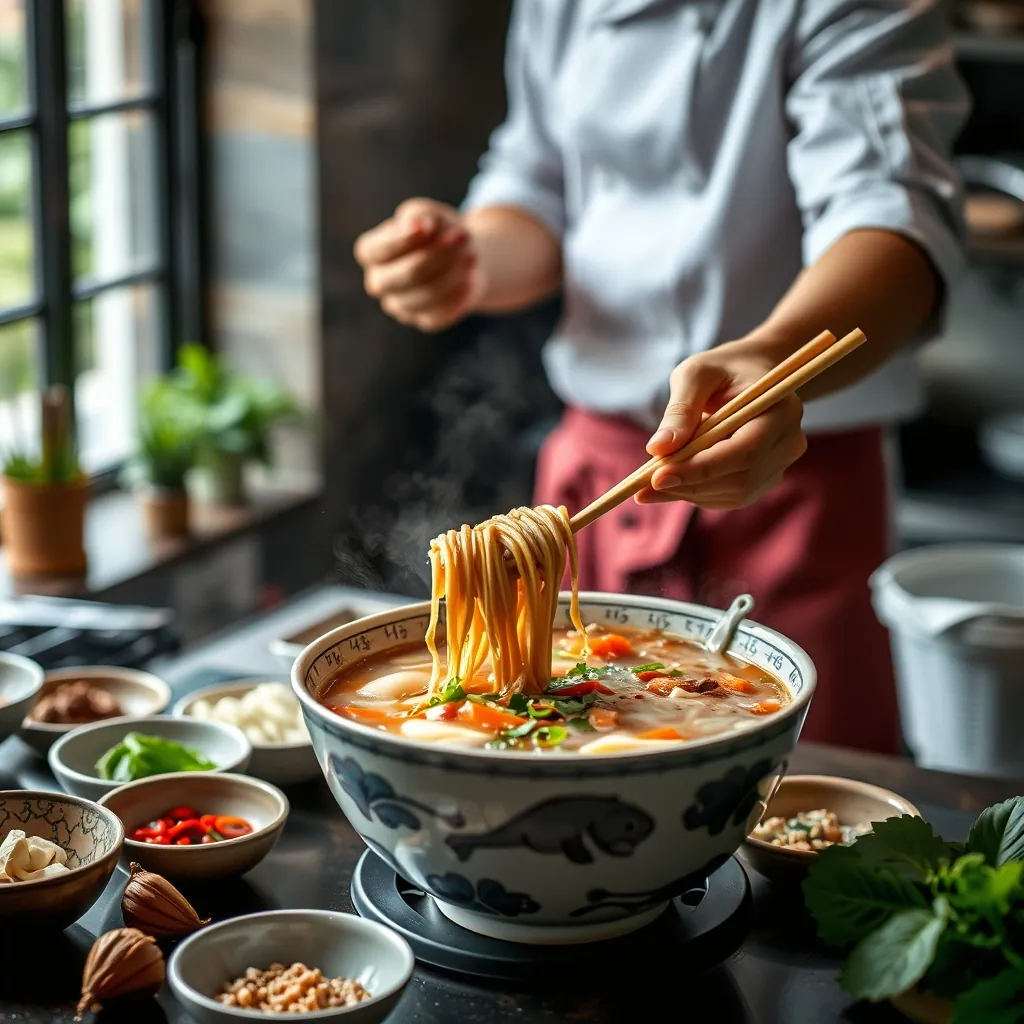
Making authentic Hanoi Pho can be a rewarding culinary adventure, but several common pitfalls can compromise the dish’s quality. Understanding these mistakes and how to avoid them is crucial for achieving the best results. Here are the key errors to watch out for:
- Rushing the Broth: One of the most significant mistakes is not allowing enough time for the broth to simmer. Authentic pho broth requires at least six hours of simmering to extract flavors from the bones and spices. Shortening this time results in a bland broth.
- Using Low-Quality Ingredients: The quality of ingredients directly impacts the final dish. Avoid using pre-packaged or low-grade meats and spices. Opt for fresh, high-quality cuts of beef and whole spices to create a rich and flavorful broth.
- Neglecting to Skim the Broth: During the simmering process, impurities and foam will rise to the surface. Failing to skim these off can lead to a cloudy broth. Regularly skimming ensures clarity and a more appealing presentation.
- Overcooking Noodles: The rice noodles should be cooked al dente before serving. Overcooking them leads to a mushy texture that detracts from the overall experience. Follow package instructions closely for perfect noodles.
- Forgetting About Herbs: Fresh herbs are essential for garnishing pho, but many people underestimate their importance. Skipping or using dried herbs misses out on the vibrant flavors they provide. Always include fresh herbs like Thai basil and cilantro.
- Ignoring Personal Preferences: Pho is a customizable dish, and personal preferences play a significant role in its enjoyment. Not offering various garnishes like lime wedges or sliced chilies can limit diners’ ability to tailor their bowls to their taste.
Avoiding these common mistakes will help ensure that your pho is not only authentic but also a delicious representation of Hanoi’s culinary heritage. Mastering these aspects will elevate your dish and impress anyone who has the pleasure of enjoying your homemade pho.
Serving Suggestions and Variations
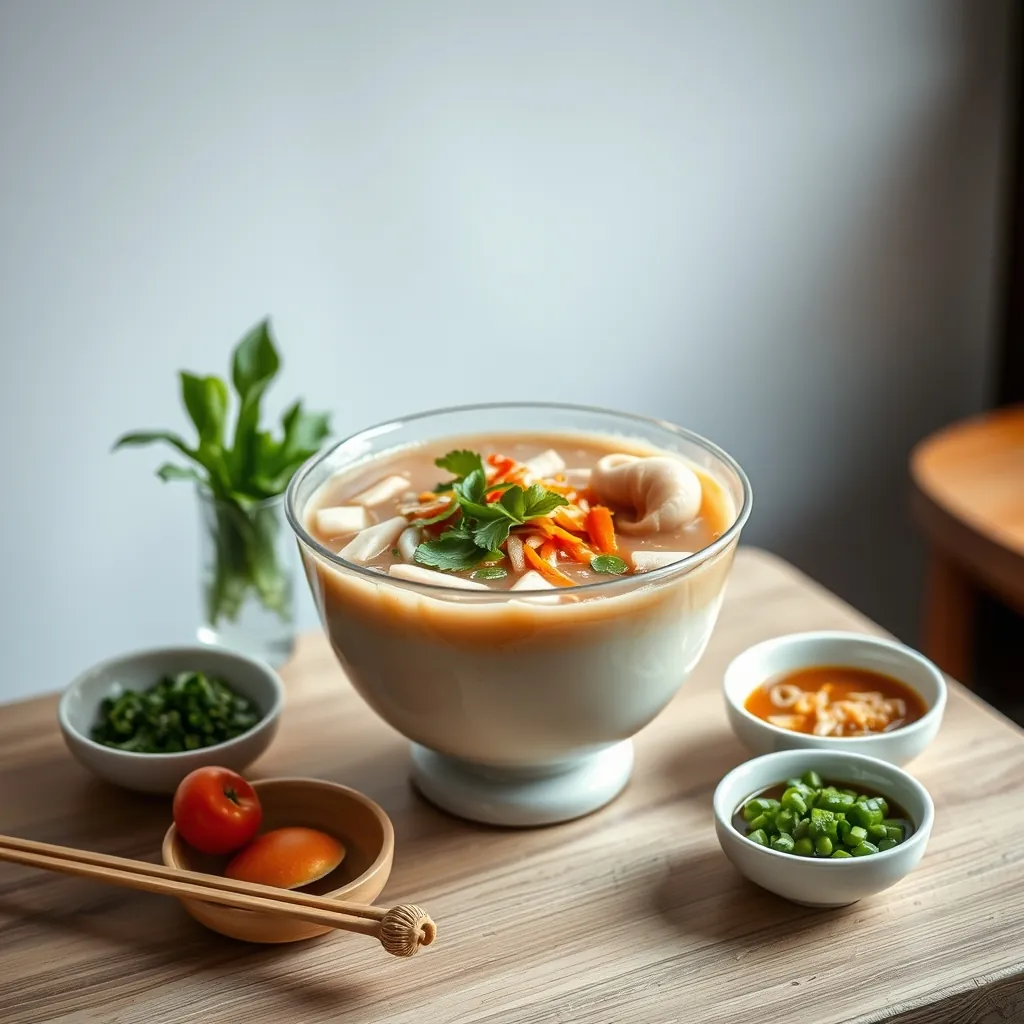
Hanoi Pho is not just a meal; it is an experience that can be tailored to individual tastes and preferences. Serving suggestions and variations can enhance the enjoyment of this beloved dish, making it even more appealing to diverse palates.
Classic Serving Suggestions
- Accompany with Fresh Herbs: Serve pho with a side of fresh herbs, including Thai basil, cilantro, and mint. These herbs add freshness and allow diners to customize their bowls.
- Include Lime Wedges: Lime wedges are essential for adding a zesty kick to the broth. Encourage diners to squeeze lime over their pho for an added layer of flavor.
- Offer Sliced Chilis: For those who enjoy heat, provide fresh sliced chilis or chili paste as an option. This allows each person to adjust the spice level to their liking.
- Serve with Bean Sprouts: Fresh bean sprouts can add crunch and texture to pho. Present them on the side for diners to mix in as desired.
Variations of Hanoi Pho
- Chicken Pho (Phở Gà): A popular alternative to beef pho, chicken pho features tender chicken meat in a fragrant broth, often garnished with green onions and herbs.
- Vegetarian Pho: For a meatless option, use vegetable broth and load the dish with an assortment of mushrooms, tofu, and fresh vegetables. This variation still captures the essence of pho while catering to vegetarians.
- Spicy Pho: For those who crave heat, add extra chili oil or spicy sauces directly into the broth. This variation can create a bold and exciting flavor profile.
- Regional Variations: Different regions in Vietnam have their own twists on pho. For example, Southern pho often includes a wider variety of fresh herbs and garnishes compared to its Northern counterpart.
These serving suggestions and variations not only enhance the dining experience but also celebrate the versatility of Hanoi Pho. By allowing diners to personalize their bowls, you create an inviting atmosphere that encourages exploration of flavors and textures.
Công Thức Phở Hà Nội Chính Hiệu: Hướng Dẫn Tận Tình
Mô Tả
Khám phá cách làm phở Hà Nội chính hiệu với công thức chi tiết của chúng tôi, bao gồm mẹo để có nước dùng hoàn hảo và các loại gia vị.
Thời Gian Chuẩn Bị
30 phút
Thời Gian Nấu
6 giờ
Số Lượng
4 phần ăn
Nguyên Liệu
- Thịt bò (brisket hoặc thịt bò sống)
- Bánh phở tươi
- Gia vị: hồi, đinh hương, quế
- Rau thơm: húng quế Thái, rau mùi, hành lá
- Hành tây
- Nước mắm
- Chanh tươi
Hướng Dẫn
- Blanch xương bò trong nước sôi để loại bỏ tạp chất.
- Đun sôi xương bò trong nồi lớn với nước lạnh, sau đó hạ lửa và ninh trong ít nhất 6 giờ.
- Thêm gia vị vào nồi nước dùng và ninh thêm để hương vị hòa quyện.
- Vớt xương và gia vị ra, lọc nước dùng qua rây.
- Chuẩn bị bát phở bằng cách cho bánh phở, thịt bò, rau thơm và nước dùng nóng lên trên.
- Thêm các loại gia vị như giá đỗ, chanh và ớt để tăng thêm hương vị.
Leave a Reply