Your cart is currently empty!
Travel to Vietnam: The Ultimate 2024 Guide
Why Vietnam Should Be Your Next Travel Destination
Vietnam offers a travel experience that blends dramatic natural beauty, a deep and complex history, and some of the most exciting street food on the planet. From the emerald waters of Ha Long Bay to the terraced rice fields of Sapa, the country presents a visual feast at every turn. The energy of Ho Chi Minh City contrasts sharply with the ancient tranquility of Hoi An, giving you two distinct worlds within one trip.
Cost is another major draw. A budget traveler can comfortably explore Vietnam for around $30 to $50 per day, covering decent accommodation, three meals, and local transport. That affordability does not come at the expense of quality. You can eat world-class pho from a street stall for a dollar or stay in a charming boutique hotel for the price of a hostel in Europe.
Most travel guides cover the basics: where to go and when. This guide goes further. It fills the gaps that other articles leave open. You will find a step-by-step e-visa application walkthrough, practical advice on using the Grab app for rides, and clear instructions for getting a local SIM card the moment you land. Whether you are a first-time visitor or a seasoned traveler to Southeast Asia, this guide gives you the specific, actionable details needed for a smooth and memorable journey.

Best Time to Visit Vietnam: A Region-by-Region Breakdown
Vietnam stretches over 1,600 kilometers from north to south. Its climate does not follow a single calendar. A trip that works in one region can mean rain and disappointment in another. Understanding these regional differences is the first step to a successful itinerary.
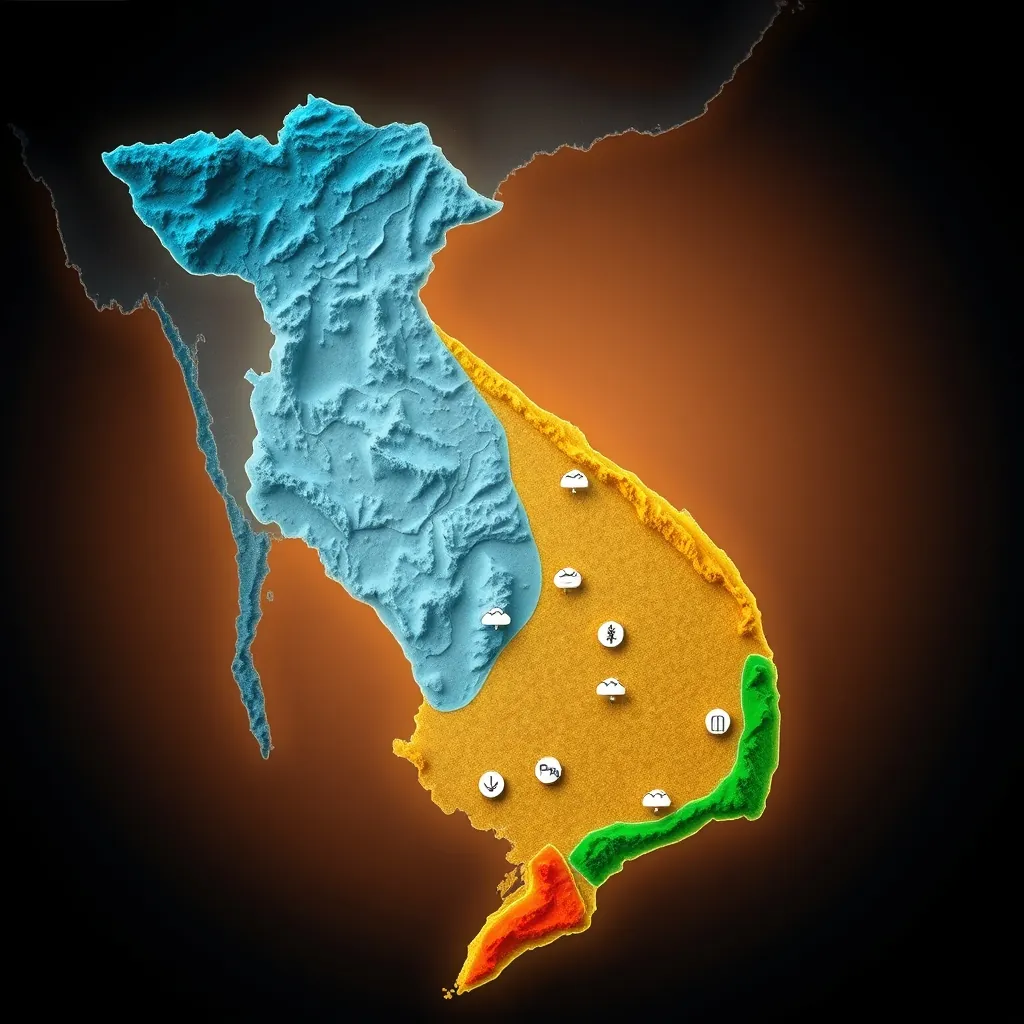
Northern Vietnam: October to April
Northern Vietnam experiences four distinct seasons. The ideal window runs from October to April. During these months, Hanoi enjoys mild temperatures between 15°C and 25°C. The skies stay clear, and the humidity drops to comfortable levels. This is also the prime time to visit Sapa for trekking through the rice terraces and to cruise Ha Long Bay without the risk of storms.
Summer months from May to September bring heavy rainfall and occasional typhoons. The heat can reach 38°C in Hanoi, making sightseeing uncomfortable. If you travel during this period, pack a lightweight rain jacket and plan indoor activities for the afternoon hours.
Central Vietnam: February to August
Central Vietnam has a drier season from February to August. This period offers the best conditions for exploring Hoi An, Da Nang, and Hue. Temperatures range from 25°C to 35°C, with the hottest months falling between June and August. The beaches near Da Nang are at their finest during these months, with calm waters and abundant sunshine.
The monsoon season hits central Vietnam hard from September to November. Flooding can occur in Hoi An and Hue, disrupting travel plans. If your itinerary includes these cities, avoid the late autumn months unless you are prepared for rain.
Southern Vietnam: December to April
Southern Vietnam follows a tropical monsoon pattern with two distinct seasons. The dry season runs from December to April. This is the best time to visit Ho Chi Minh City, the Mekong Delta, and Phu Quoc Island. Temperatures sit around 27°C to 35°C, and the humidity is lower than during the rainy months.
The wet season from May to November brings daily afternoon downpours. These rains are intense but usually short-lived. Travel during this period is still possible, but you should plan outdoor activities for the morning hours. The Mekong Delta can experience localized flooding, which may affect boat tours.
Planning Around Monsoon Seasons
If your trip covers multiple regions, plan your route to follow the best weather. Start in the south during December, move through central Vietnam in January, and finish in the north by February. This south-to-north progression keeps you ahead of the rain and maximizes your chances of clear skies at every stop.
Check the typhoon forecast before booking flights between September and November. The central coast is most vulnerable during this period. Travel insurance that covers weather-related disruptions is a wise investment for any trip planned during the shoulder seasons.
Vietnam Visa Requirements: Step-by-Step Application Guide
Visa rules for Vietnam change frequently. What worked for a friend last year may no longer apply today. The good news is that the process has become simpler for most nationalities. Understanding your options before booking your flight saves time, money, and frustration at the border.
Visa-Free Entry: Who Can Skip the Application
Citizens from several countries can enter Vietnam without a visa for stays ranging from 14 to 45 days. The list includes nationals from Japan, South Korea, Russia, the United Kingdom, France, Germany, Italy, and Spain. Travelers from Southeast Asian neighbors such as Thailand, Indonesia, and Cambodia also enjoy visa-free access for shorter periods.
Check the specific duration for your nationality before you travel. Overstaying even by one day results in a fine and can complicate future entries. The visa-free period begins on the day of arrival, not the following day.
E-Visa: The Most Convenient Option
Vietnam offers an electronic visa for citizens of 80 countries. The e-visa allows a single entry for up to 90 days. The entire application process happens online through the official Vietnam Immigration website. No need to visit an embassy or surrender your passport.
Step 1: Prepare Your Documents
Before starting the application, gather the following items:
- A valid passport with at least six months of remaining validity and two blank pages
- A digital passport photo with a white background (4×6 cm dimensions)
- A scanned copy of the passport data page
- A valid email address for receiving the e-visa approval letter
- A credit or debit card for the application fee
The photo must meet strict specifications. No glasses, no shadows on the face, and no tilted head. Many applications get rejected because of poor-quality photos. Use a passport photo app or visit a photo booth to get it right the first time.
Step 2: Complete the Online Form
Go to the official Vietnam e-visa portal at evisa.xuatnhapcanh.gov.vn. Fill in your personal details, passport information, and intended entry and exit dates. The form asks for your port of entry. List the specific airport, land border, or seaport where you plan to arrive.
Double-check every field before submitting. A single typo in your passport number or name can render the visa invalid. The system does not allow corrections after submission. You would need to pay the fee again and start over.
Step 3: Pay the Fee
The standard e-visa fee is $25 USD for a single entry. Payment is made online through the portal. Accepted methods include Visa, Mastercard, and some international debit cards. The fee is non-refundable even if the application is rejected.
Some third-party websites charge higher fees for the same service. Always use the official government portal to avoid overpaying. The official site clearly displays the fee before you proceed to payment.
Step 4: Wait for Processing
Processing time is typically three working days. Apply at least one week before your departure to account for any delays. You will receive the e-visa approval letter as a PDF attachment in your email. Print two copies. Keep one with your passport and store the other in your luggage.
During peak travel seasons, processing can take up to five working days. Do not book non-refundable flights or hotels until you receive the approved e-visa. Immigration officials at the airport will scan the barcode on your printed approval letter to confirm your entry.
Visa on Arrival: A Backup Option
Visa on arrival is available for travelers arriving by air. This option requires a pre-approval letter from a Vietnamese travel agency. Apply online through a reputable agency at least two days before your flight. The agency charges a service fee of around $10 to $20 USD. You pay the visa stamping fee of $25 USD in cash at the airport upon arrival.
Hand your passport, the pre-approval letter, two passport photos, and the stamping fee to the immigration officer at the “Visa on Arrival” counter. The process takes 15 to 30 minutes depending on the queue length. This option works well for travelers who missed the e-visa window or need a multiple-entry visa.
Important Reminders for a Smooth Entry
- Your passport must be valid for at least six months from your date of entry. Airlines check this requirement at check-in. If your passport expires sooner, you will be denied boarding.
- Carry a printed copy of your e-visa or visa approval letter. Digital copies on your phone are not always accepted by immigration officers.
- Have the address of your first hotel ready. Immigration forms require you to list your accommodation in Vietnam.
- Keep your visa document safe throughout your trip. You need it when checking into hotels and departing the country.
How to Get to Vietnam: Flights, Airports, and Entry Points
Vietnam connects to the world through a network of international airports and land border crossings. Most travelers arrive by air, but overland entry from Cambodia, Laos, or China offers an alternative for regional explorers. Choosing the right entry point depends on your itinerary and budget.

Major International Airports
Three airports handle the vast majority of international arrivals. Each serves as a gateway to a different region of the country.
- Tan Son Nhat International Airport (SGN) in Ho Chi Minh City. This is the busiest airport in Vietnam. It serves southern destinations including the Mekong Delta and coastal cities like Nha Trang. The airport sits just 8 kilometers from District 1, the city center.
- Noi Bai International Airport (HAN) in Hanoi. The main entry point for northern Vietnam. Access to Sapa, Ha Long Bay, and Hanoi itself. Located about 45 kilometers from the city center, the drive takes 40 to 60 minutes.
- Da Nang International Airport (DAD) in central Vietnam. The most convenient airport for reaching Hoi An, Hue, and the beaches of Da Nang. The airport is only 3 kilometers from Da Nang city center and 30 kilometers from Hoi An.
Other international airports include Cam Ranh (Nha Trang), Phu Quoc, and Cat Bi (Hai Phong). These handle direct flights from select Asian cities and seasonal charter flights from Europe and Australia.
Airlines That Fly to Vietnam
Vietnam is served by both full-service carriers and budget airlines. The national carrier Vietnam Airlines operates direct flights from major cities across Asia, Europe, and Australia. Their hub in Hanoi connects to London, Paris, Frankfurt, and Moscow.
Budget carriers expand the options considerably. VietJet Air and Bamboo Airways offer competitive fares from Asian hubs like Bangkok, Singapore, Kuala Lumpur, and Tokyo. These airlines frequently run promotions with fares as low as $30 USD for regional routes.
International carriers with direct flights include Qatar Airways, Emirates, Singapore Airlines, Cathay Pacific, Korean Air, and Japan Airlines. These airlines typically offer one-stop connections through their respective hubs, often at competitive prices when booked in advance.
Typical Flight Durations from Key Regions
Flight times vary depending on your departure city and whether the flight is direct or includes a layover.
- From Bangkok, Thailand: 2 hours direct
- From Singapore: 2.5 hours direct
- From Kuala Lumpur, Malaysia: 2.5 hours direct
- From Tokyo, Japan: 5.5 hours direct
- From Seoul, South Korea: 4.5 hours direct
- From Dubai, UAE: 7 hours direct
- From London, UK: 12 hours direct (Vietnam Airlines)
- From Paris, France: 11.5 hours direct
- From Sydney, Australia: 8.5 hours direct
- From Los Angeles, USA: 15 hours with one stop
Flights from the United States typically require one connection in Tokyo, Seoul, or Taipei. Total travel time ranges from 15 to 20 hours depending on the layover duration.
Tips for Finding Cheap Flights to Vietnam
Airfare to Vietnam fluctuates significantly throughout the year. The cheapest months to fly are typically May, June, and September, which fall outside peak tourist seasons. Avoid traveling during Tet (Lunar New Year) in January or February, when domestic and international fares spike dramatically.
Book flights at least six to eight weeks in advance for the best rates. Use flight comparison tools like Skyscanner or Google Flights to track prices across multiple airlines. Set price alerts for your preferred route and wait for a drop.
Consider flying into one city and out of another. An open-jaw ticket arriving in Hanoi and departing from Ho Chi Minh City saves you from backtracking. This strategy often costs the same as a round-trip ticket to a single city.
Budget airlines like VietJet and AirAsia frequently offer flash sales on their websites. Sign up for their newsletters to receive notifications. These sales typically last 24 to 48 hours and offer discounts of 30 to 50 percent off standard fares.
Overland Entry Points
Travelers arriving by land have several options. The most popular border crossings include:
- Moc Bai from Cambodia to Ho Chi Minh City. The busiest land crossing, with frequent bus services from Phnom Penh. The journey takes about 6 hours.
- Lao Bao from Laos to central Vietnam. A scenic route through the mountains. Buses run daily from Savannakhet to Hue.
- Lao Cai from China to northern Vietnam. The crossing connects Kunming to Sapa. Trains and buses operate on both sides of the border.
Land border crossings require the same visa as air arrivals. Ensure your visa covers the specific port of entry you plan to use. Some crossings have limited operating hours, typically from 7 AM to 5 PM. Arrive early to allow time for immigration processing.
Getting Around Vietnam: Trains, Buses, Flights, and Motorbikes
Vietnam stretches over 1,650 kilometers from north to south. Moving between cities requires planning, but the country offers diverse transport options to match any budget and schedule. Each mode of travel comes with distinct trade-offs in cost, speed, and experience.

Reunification Express: The Iconic Train Journey
The Reunification Express connects Hanoi to Ho Chi Minh City along a 1,726-kilometer railway. The full journey takes 30 to 36 hours depending on the service class. This is not the fastest way to travel, but it offers the most scenic view of Vietnam’s countryside.
Trains offer several seating and sleeping options. Hard seats are the cheapest but uncomfortable for long distances. Soft seats provide more comfort for daytime travel. Sleeper cabins with four or six berths are the best choice for overnight journeys. Book a soft sleeper in a four-berth cabin for the best balance of comfort and privacy.
Key routes worth taking by train include the stretch from Hanoi to Lao Cai for Sapa access, the coastal run from Da Nang to Hue, and the full north-south journey for travelers with time to spare. Tickets can be purchased online through the official Vietnam Railways website or through travel agencies that add a small service fee.
Domestic Flights: Covering Long Distances Fast
Budget airlines dominate Vietnam’s domestic air travel market. VietJet Air, Bamboo Airways, and Vietnam Airlines operate frequent flights between major cities. A flight from Hanoi to Ho Chi Minh City takes about two hours, compared to 30 hours by train.
Fares on budget carriers start around $20 to $40 USD for one-way tickets when booked in advance. Last-minute tickets can cost three to four times more. Book domestic flights at least two weeks ahead for the best rates. Luggage allowances on budget airlines are limited, so check baggage fees before booking.
The most popular domestic routes include Hanoi to Da Nang, Da Nang to Ho Chi Minh City, and Ho Chi Minh City to Phu Quoc Island. Consider flying for legs longer than 500 kilometers to save time. For shorter distances, ground transport often proves more efficient when factoring in airport transfer and security wait times.
Intercity Buses: Budget-Friendly but Slow
Buses connect virtually every town and city in Vietnam. Open-tour bus companies like Sinh Tourist and The Sinh Tourist offer hop-on-hop-off tickets that cover the entire country. These tickets cost around $40 to $60 USD for a full north-south route and allow unlimited stops over a set period.
Sleeping buses with reclining seats are common for overnight journeys. These buses depart in the evening and arrive the next morning, saving both time and accommodation costs. The experience is not luxurious, but it works for budget travelers. Bring a jacket as air conditioning runs cold, and pack earplugs for engine noise.
Local bus stations can be chaotic. Arrive at least 30 minutes before departure. Confirm your bus number and platform with station staff, as English signage is limited outside major cities.
Motorbike Rentals: Freedom on Two Wheels
Renting a motorbike gives you complete control over your schedule and route. Rental costs range from $5 to $15 USD per day for a standard Honda or Yamaha scooter. Automatic scooters are easier to ride than manual bikes and suit most travelers.
Riding a motorbike in Vietnam requires confidence and caution. Traffic rules are loosely followed. Helmets are mandatory by law. International driving permits are not officially recognized, but rental shops rarely ask for them. Carry your passport as a deposit, and take photos of the bike before riding to document existing damage.
The most popular motorbike route is the Ha Giang Loop in northern Vietnam. This 300-kilometer circuit passes through dramatic mountain landscapes and remote ethnic minority villages. Other scenic rides include the Hai Van Pass near Da Nang and the roads around Sapa.
Consider joining a guided motorbike tour if you lack experience. Companies like Vietnam Easy Riders provide experienced drivers who take you as a passenger on their bike. This option costs more but eliminates the risk of navigating unfamiliar roads alone.
Urban Transport: Navigating Cities with Grab
Walking through Vietnam’s major cities can be exhausting due to heat, traffic, and limited sidewalks. Ride-hailing apps solve this problem efficiently. Grab is the dominant app in Vietnam, functioning like Uber. It operates in Hanoi, Ho Chi Minh City, Da Nang, Nha Trang, and other major urban centers.
Download the Grab app before you arrive. Connect a credit card or add cash to your account. The app offers several service types:
- GrabCar for standard cars. Best for groups or airport transfers. Fares are fixed and displayed before booking.
- GrabBike for motorcycle taxis. The cheapest option for solo travelers. Drivers wear green jackets and helmets. Fares start around $1 to $3 USD for most city trips.
- GrabTaxi for metered taxis. Less common than GrabCar but available in some areas.
Grab eliminates the need to negotiate fares with street taxis. It also provides driver details and GPS tracking for safety. Avoid hailing taxis on the street in tourist areas, as overcharging is common. Stick to Grab for all urban transport needs.
For short distances, consider renting a bicycle or using electric scooter rentals available through apps like Dat Bike. These options work well in compact cities like Hoi An or the Old Quarter of Hanoi.
Choosing the Right Transport for Your Trip
Your choice of transport depends on your itinerary length, budget, and travel style. For a two-week trip covering both north and south, combine domestic flights for long distances with trains for scenic segments. Use Grab for city travel and consider a motorbike rental for specific day trips.
For budget travelers on a month-long journey, open-tour buses and overnight trains offer the best value. Motorbike rentals suit adventurous travelers who want to explore off-the-beaten-path destinations. Domestic flights save time but eat into your budget.
Plan your transport sequence before arriving. Book long-distance train and flight tickets in advance during peak season from November to April. Leave flexibility for shorter bus and motorbike trips that can be arranged on the ground.
Top Destinations in Vietnam: Must-See Cities and Natural Wonders
Vietnam packs an extraordinary range of landscapes and experiences into one narrow country. From the misty mountains of the north to the floating markets of the south, each destination offers something distinct. The key to a successful trip is matching your interests to the right places and allocating enough time for each.

Hanoi: The Heart of Northern Vietnam
Hanoi serves as the cultural and political capital of Vietnam. The city blends centuries-old pagodas with French colonial architecture and modern skyscrapers. The Old Quarter is the main attraction, with its maze of narrow streets where each lane historically specialized in a specific trade.
Spend your first day exploring Hoan Kiem Lake and the surrounding walking streets. Visit the Temple of Literature, Vietnam’s first university dating back to 1076. The Ho Chi Minh Mausoleum complex requires a full morning, including the Presidential Palace and One Pillar Pagoda.
Food lovers should book a street food walking tour through the Old Quarter. Sample bun cha, pho bo, and egg coffee at family-run stalls. The city’s night market on weekends transforms Hang Dao Street into a pedestrian zone with live music and local crafts.
Recommended stay: 3 to 4 days. This allows time for a day trip to Ninh Binh, known as “Ha Long Bay on land,” located two hours south of the city.
Ha Long Bay: Limestone Karsts and Floating Villages
Ha Long Bay is a UNESCO World Heritage site featuring thousands of limestone islands rising from jade-green waters. The bay spans 1,553 square kilometers and contains 1,969 islands, many uninhabited and covered in dense jungle vegetation.
The most popular way to experience the bay is on an overnight cruise. These boats range from budget junk boats to luxury vessels with private balconies and fine dining. Most itineraries include kayaking through caves, visiting floating fishing villages, and hiking to viewpoints on Cat Ba Island.
Book a cruise that includes Bai Tu Long Bay, the less crowded neighbor to the northeast. This area offers similar scenery with fewer tourist boats. Avoid day trips from Hanoi, as the four-hour drive each way leaves only a few hours on the water.
Recommended stay: 2 nights on a cruise. This gives you a full day and two mornings on the bay, plus sunset and sunrise views.
Hoi An: Ancient Town and Tailor Shops
Hoi An is a preserved trading port from the 15th to 19th centuries. The Old Town is a pedestrian-friendly maze of yellow-walled buildings, lantern-lit streets, and wooden shop houses. The city is famous for its tailoring industry, where skilled seamstresses can create custom clothing in 24 hours.
Walk through the Japanese Covered Bridge, visit the Fujian Assembly Hall, and explore the night market along the Thu Bon River. The full moon lantern festival on the 14th day of each lunar month turns the Old Town into a magical display of silk lanterns and candlelit offerings floating on the river.
Take a cooking class in the nearby Tra Que Vegetable Village. The class typically starts with a market tour, followed by hands-on preparation of classic dishes like cao lau and banh xeo. Rent a bicycle to explore the surrounding countryside, including rice paddies and water buffalo pastures.
Recommended stay: 3 to 4 days. This allows time for the Old Town, a cooking class, a day trip to My Son Sanctuary, and a visit to An Bang Beach.
Da Nang: Beaches and Bridges
Da Nang sits on the central coast between Hanoi and Ho Chi Minh City. The city boasts some of Vietnam’s best beaches, including My Khe Beach, a 30-kilometer stretch of white sand. The Dragon Bridge, which breathes fire and water on weekend nights, has become the city’s iconic landmark.
The Marble Mountains are a cluster of five limestone hills with caves, tunnels, and Buddhist shrines. Climb to the top for panoramic views of Da Nang and the coastline. The Ba Na Hills resort, located 1,487 meters above sea level, features the famous Golden Bridge held up by giant stone hands.
Da Nang serves as a convenient base for exploring Hoi An, located just 30 minutes south. The Hai Van Pass, a dramatic mountain road hugging the coast, connects Da Nang to Hue. Rent a motorbike or hire a driver for this scenic drive.
Recommended stay: 2 to 3 days. This covers the beaches, Marble Mountains, and Ba Na Hills, with a day trip to Hoi An.
Sapa: Rice Terraces and Hill Tribes
Sapa is a mountain town in northern Vietnam near the Chinese border. The region is home to several ethnic minority groups, including the Hmong, Dao, and Tay people. The landscape is defined by terraced rice fields carved into steep hillsides, creating a patchwork of green and gold depending on the season.
The best way to experience Sapa is on a multi-day trek. Homestay treks take you through villages like Cat Cat, Ta Van, and Lao Chai, where you sleep in traditional stilt houses and eat meals prepared by local families. The trekking difficulty ranges from easy walks to challenging climbs through muddy trails.
Visit the Sapa Market on weekends for handwoven textiles, silver jewelry, and local produce. The market is also a social gathering point for hill tribes who travel from remote villages to trade goods. The Fansipan cable car, the longest in the world, takes you to the summit of Indochina’s highest peak at 3,143 meters.
Recommended stay: 3 to 4 days. This allows for a 2-day trek with a homestay, plus time to explore the town and ride the Fansipan cable car.
Ho Chi Minh City: Energy and History
Ho Chi Minh City, still commonly called Saigon, is Vietnam’s economic powerhouse. The city pulses with energy, from the constant flow of motorbikes on the streets to the rooftop bars overlooking the skyline. The War Remnants Museum provides a sobering look at the Vietnam War from the Vietnamese perspective.
The Cu Chi Tunnels, located 60 kilometers northwest of the city, are an extensive network of underground passages used by Viet Cong soldiers during the war. Tours include crawling through narrow tunnels, watching propaganda films, and handling vintage weapons. The experience is educational but intense.
Explore District 1 for colonial landmarks like the Notre-Dame Cathedral Basilica of Saigon and the Central Post Office. Ben Thanh Market is a chaotic but essential experience for souvenirs, spices, and street food. For a more relaxed vibe, head to District 2’s Thao Dien area for international restaurants and craft breweries.
Recommended stay: 3 to 4 days. This covers the city’s main attractions, the Cu Chi Tunnels, and a day trip to the Mekong Delta.
Mekong Delta: Floating Markets and River Life
The Mekong Delta is a vast network of rivers, swamps, and islands in southern Vietnam. Life here revolves around the water. Floating markets like Cai Rang and Phong Dien are the region’s main attractions, where vendors sell produce directly from their boats.
Take a boat tour through the delta’s canals to see stilt houses, fruit orchards, and coconut candy workshops. The town of Ben Tre is a popular starting point for these tours. Visit the Tra Su Bird Sanctuary for a chance to see storks, herons, and other water birds in their natural habitat.
The delta is best explored on a multi-day tour that includes a homestay on an island. You will sleep in a simple room above a family home, eat home-cooked meals, and cycle through rural villages. This experience offers a genuine glimpse into Vietnamese rural life.
Recommended stay: 2 to 3 days. This covers the floating markets, a boat tour, and a homestay experience. Combine with a visit to Ho Chi Minh City for a complete southern Vietnam itinerary.
Phu Quoc Island: Beaches and Relaxation
Phu Quoc Island sits in the Gulf of Thailand, closer to Cambodia than to mainland Vietnam. The island is known for its white-sand beaches, clear turquoise water, and laid-back atmosphere. Sao Beach and Long Beach are the most popular stretches, with powdery sand and calm swimming conditions.
The Phu Quoc National Park covers more than half the island, protecting tropical rainforest and hiking trails. The night market in Duong Dong town offers fresh seafood grilled on open coals, served with local dipping sauces. Fish sauce factories and pearl farms provide insight into the island’s traditional industries.
Phu Quoc has direct international flights from several Asian cities, making it a convenient entry point for a Vietnam trip. The island also offers world-class diving and snorkeling at the An Thoi Archipelago, with coral reefs and diverse marine life.
Recommended stay: 3 to 5 days. This allows time for beach relaxation, snorkeling trips, and exploring the national park.
Suggested Itineraries for 1, 2, and 3 Weeks
Vietnam stretches over 1,650 kilometers from north to south. Travel time between major destinations eats into your schedule faster than most travelers expect. These itineraries account for actual transit hours and give you a realistic framework for planning your trip.
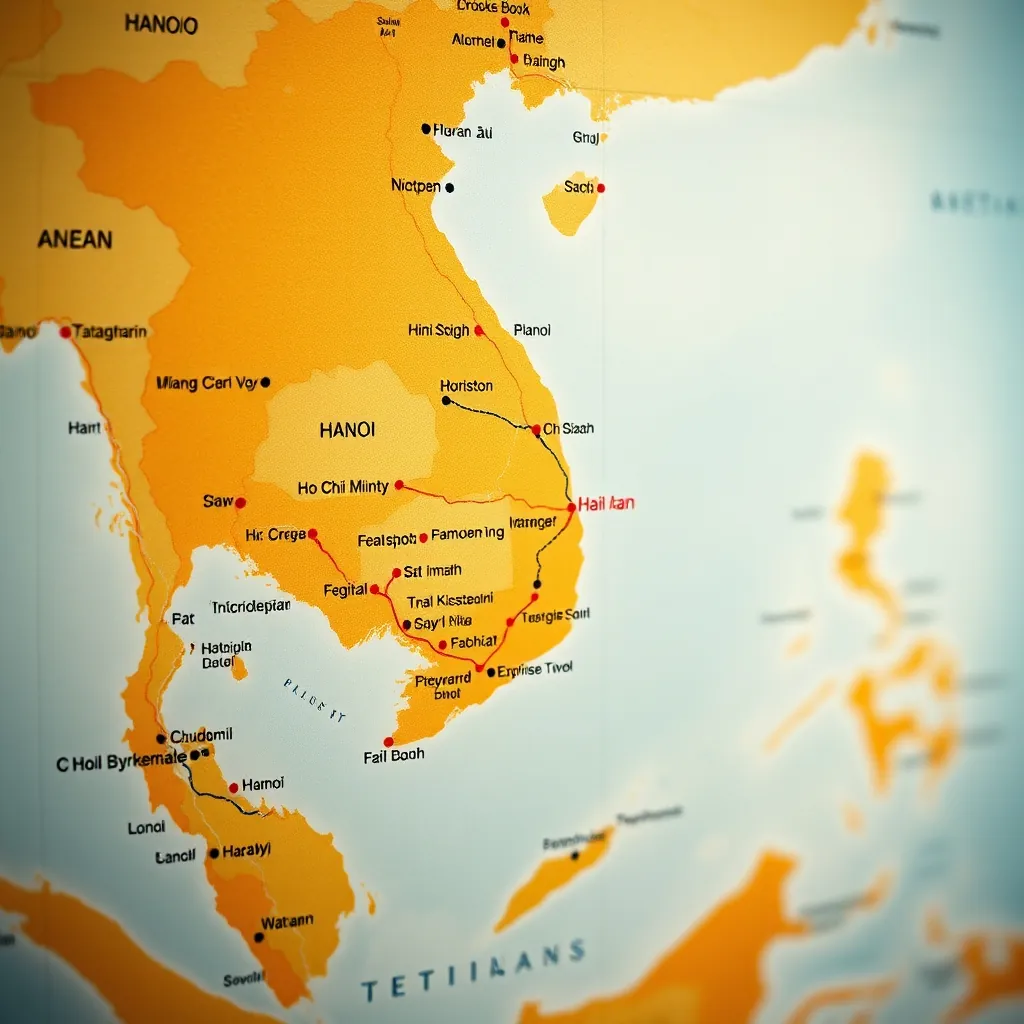
One-Week Itinerary: Northern Vietnam Focus
A single week works best when you stick to one region. The north offers the most concentrated variety in the shortest distance.
- Days 1-3: Hanoi. Explore the Old Quarter, Hoan Kiem Lake, and Temple of Literature. Take a street food walking tour on your second evening.
- Days 4-5: Ha Long Bay. Book a two-day one-night cruise. Kayak through caves and visit floating villages. Return to Hanoi by late afternoon on day five.
- Days 6-7: Ninh Binh. Take the two-hour bus from Hanoi. Cycle through Tam Coc, visit the ancient capital of Hoa Lu, and climb Hang Mua viewpoint. Fly home from Hanoi on day seven.
Travel time breakdown: Hanoi to Ha Long Bay is 4 hours by bus. Ha Long Bay to Hanoi is 4 hours. Hanoi to Ninh Binh is 2 hours by bus or train.
One-Week Itinerary: Southern Vietnam Focus
The south delivers a mix of urban energy and river life within easy reach of Ho Chi Minh City.
- Days 1-3: Ho Chi Minh City. Visit the War Remnants Museum, Notre-Dame Cathedral, and Ben Thanh Market. Spend one evening at a rooftop bar in District 1.
- Day 4: Cu Chi Tunnels. Half-day tour from the city. Return by early afternoon for free time.
- Days 5-7: Mekong Delta. Take a two-day one-night tour from Ho Chi Minh City. Visit Cai Rang floating market, cycle through Ben Tre, and sleep in a homestay on an island. Return to the city on day seven for your departure flight.
Travel time breakdown: Ho Chi Minh City to Cu Chi Tunnels is 1.5 hours by bus. Ho Chi Minh City to Ben Tre is 2 hours by bus.
Two-Week Itinerary: Hanoi to Ho Chi Minh City
This classic route covers the highlights from north to south. You will move every few days, so pack light and book transport in advance.
- Days 1-3: Hanoi. See the main sights and eat your way through the Old Quarter.
- Days 4-5: Ha Long Bay. Overnight cruise with kayaking and cave exploration.
- Day 6: Fly from Hanoi to Da Nang. Transfer to Hoi An. Evening lantern walk in the Old Town.
- Days 7-8: Hoi An. Cooking class, tailor visit, and bicycle ride through the countryside.
- Day 9: Fly from Da Nang to Ho Chi Minh City. Evening exploration of District 1.
- Days 10-11: Ho Chi Minh City. Cu Chi Tunnels half-day tour. War Remnants Museum and markets.
- Days 12-14: Mekong Delta. Two-day one-night tour with floating market and homestay. Return to Ho Chi Minh City for departure.
Travel time breakdown: Hanoi to Ha Long Bay is 4 hours. Ha Long Bay to Hanoi is 4 hours. Hanoi to Da Nang is 1.5 hours by flight. Da Nang to Hoi An is 45 minutes by taxi. Da Nang to Ho Chi Minh City is 1.5 hours by flight. Ho Chi Minh City to Mekong Delta is 2 hours by bus.
Three-Week Itinerary: The Complete Vietnam Experience
Three weeks allows you to explore the entire country at a comfortable pace. This itinerary includes the northern mountains,
Leave a Reply