Your cart is currently empty!
The Definitive Chocolate Chip Cookies Recipe (2024)
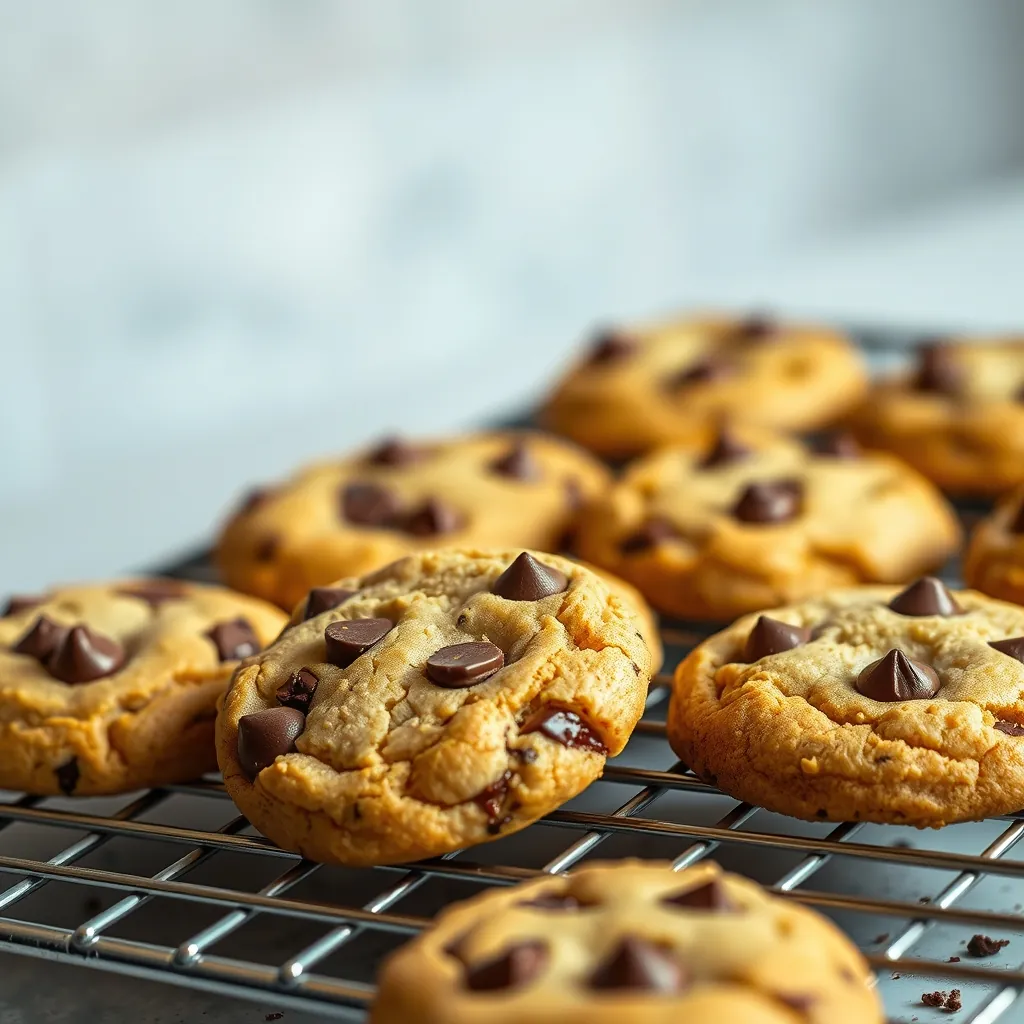
Baking chocolate chip cookies is a science of small details. The difference between a flat, crunchy disc and a thick, chewy delight often comes down to two things: sugar ratios and dough temperature. This guide synthesizes the best techniques to give you a reliable, crowd-pleasing result every time.
Why the Brown to White Sugar Ratio Matters
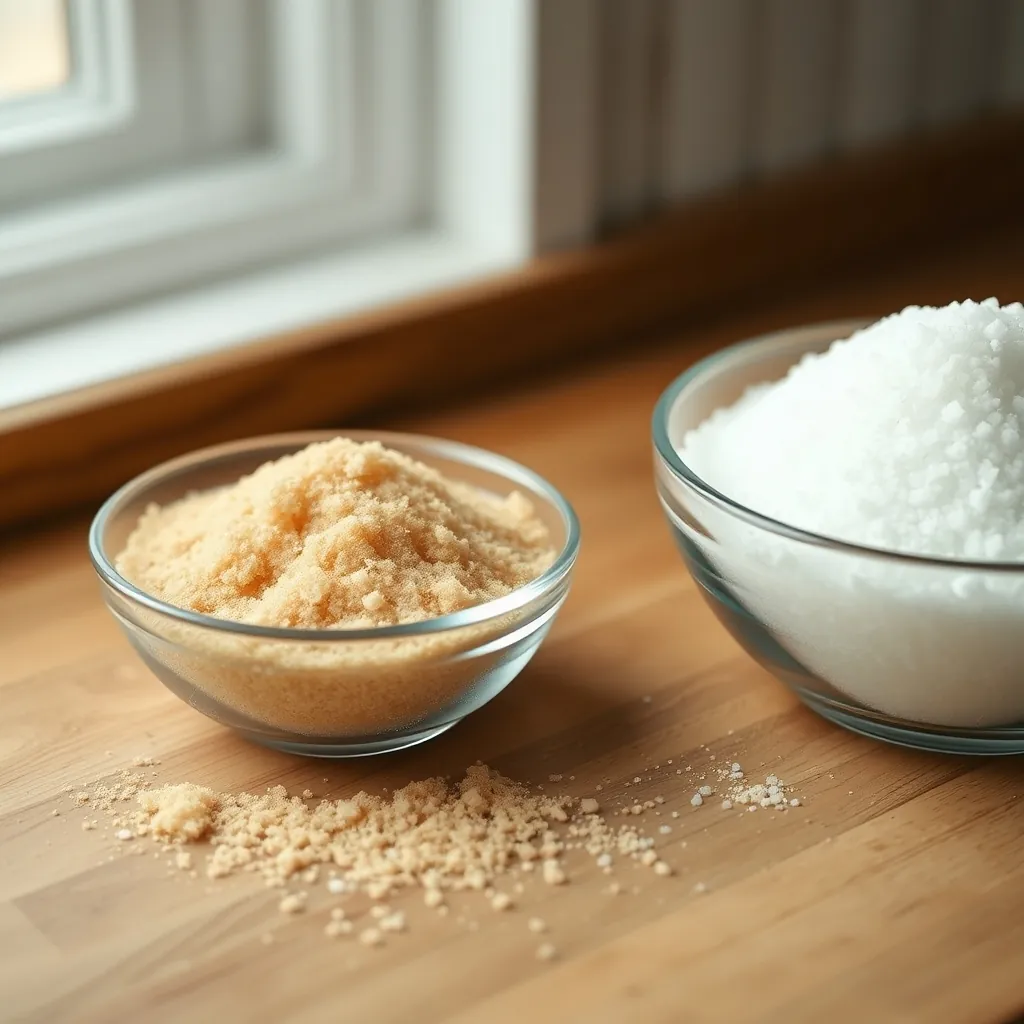
The type of sugar you use dictates the cookie’s texture. Brown sugar contains molasses, which is acidic and attracts moisture. This creates a denser, chewier cookie. White sugar, being pure sucrose, promotes spreading and a crisper edge. A 1:1 ratio by weight gives you the best of both worlds. Use 100 grams of each for a standard batch of 24 cookies.
Essential Ingredients and Equipment
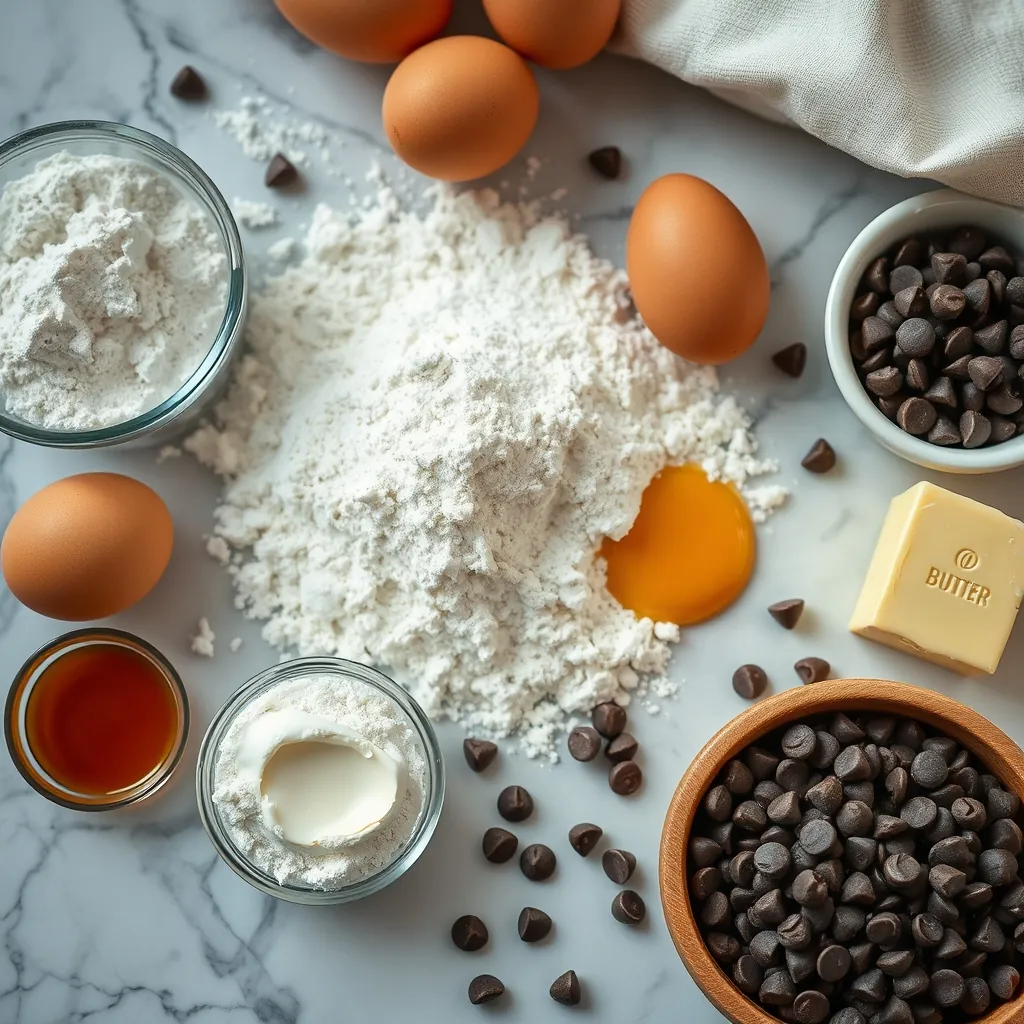
Quality ingredients make a measurable difference. Use unsalted butter so you control the salt level. Room temperature eggs are critical. Cold eggs seize the butter, creating a dense dough that bakes unevenly. For the chocolate, choose a mix of semi-sweet chips and dark chocolate chunks for a complex flavor profile.
Ingredient Checklist
- Flour: 2 1/4 cups (280g) all-purpose flour
- Fats: 1 cup (226g) unsalted butter, softened
- Sugars: 1 cup (200g) brown sugar, 1/2 cup (100g) white sugar
- Eggs: 2 large eggs, at room temperature
- Leavening: 1 teaspoon baking soda, 1 teaspoon salt
- Flavor: 2 teaspoons vanilla extract
- Chocolate: 2 cups (340g) chocolate chips and chunks
The Baking Process for Perfect Results
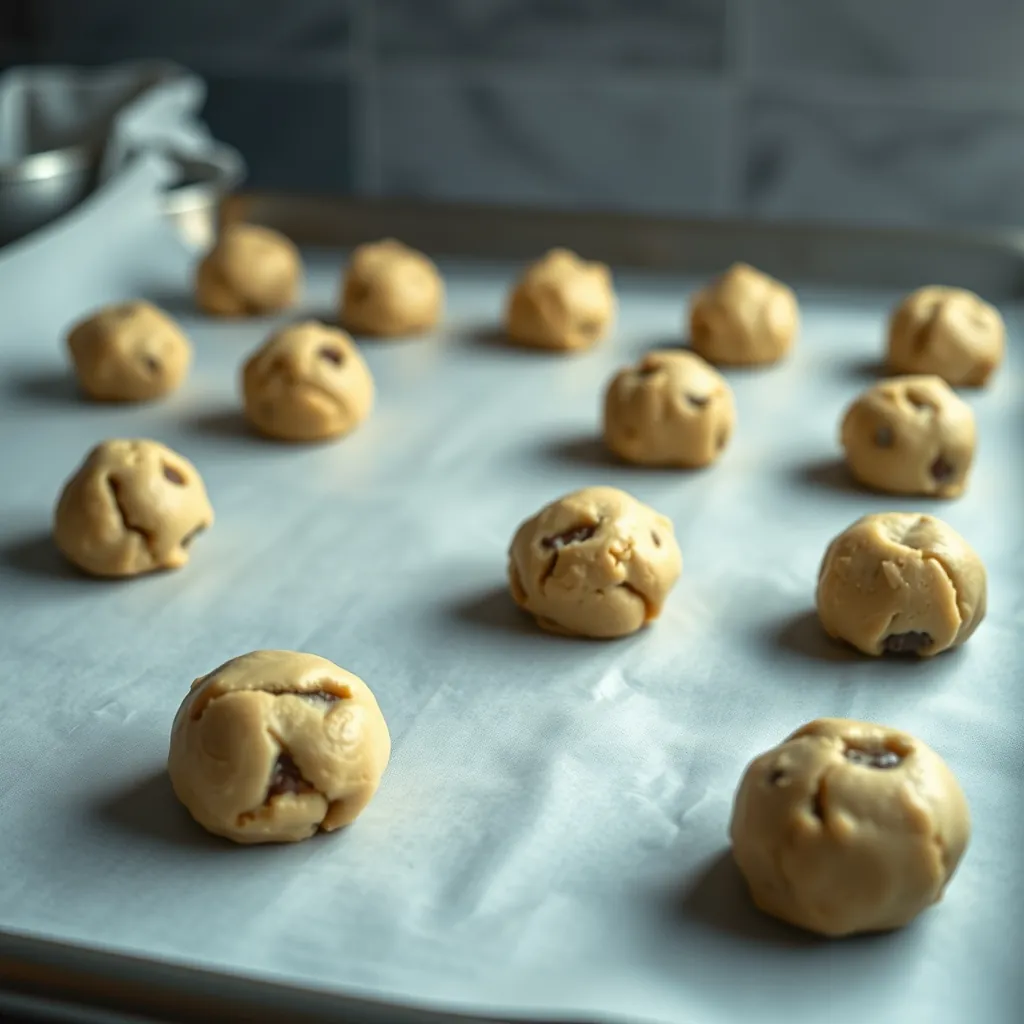
Follow these steps precisely. Cream the butter and both sugars together for exactly 3 minutes until light and fluffy. Add the eggs one at a time, beating well after each. This ensures proper emulsification. Mix the dry ingredients separately and fold them in gently. Overmixing develops gluten, leading to tough cookies.
Chill the dough for a minimum of 30 minutes. This solidifies the butter fat. When the cookie hits the hot oven, the butter melts slowly, allowing the structure to set before the cookie spreads too thin. For a thicker cookie, chill for 2 hours.
Bake at 350°F (175°C) for 10 to 12 minutes. Rotate the tray halfway through. The cookies are done when the edges are golden brown and the center is still slightly soft. Let them rest on the hot baking sheet for 5 minutes before transferring to a wire rack.
Adjusting for High Altitude Baking
Standard recipes often fail above 3,500 feet. Lower air pressure allows cookies to spread faster and dry out quicker. To compensate, reduce the white sugar by 2 tablespoons to limit spread. Add 1 extra tablespoon of all-purpose flour to strengthen the structure. Increase the oven temperature by 25°F to 375°F. This sets the crust faster, trapping moisture inside. Reduce the baking time by 1 to 2 minutes.
Gluten Free Flour Substitutions
Swapping all-purpose flour for a gluten free blend requires a conversion chart. Not all blends behave the same. Use this guide for a 1:1 replacement:
- General all-purpose blend (e.g., King Arthur Measure for Measure): Use exactly 2 1/4 cups. No other changes needed.
- Rice flour based blend: Use 2 cups plus 2 tablespoons. Add 1/4 teaspoon xanthan gum if the blend lacks it.
- Almond flour: Use 1 3/4 cups. Reduce butter by 1 tablespoon. Bake at 325°F for 12 minutes.
Storage and Shelf Life
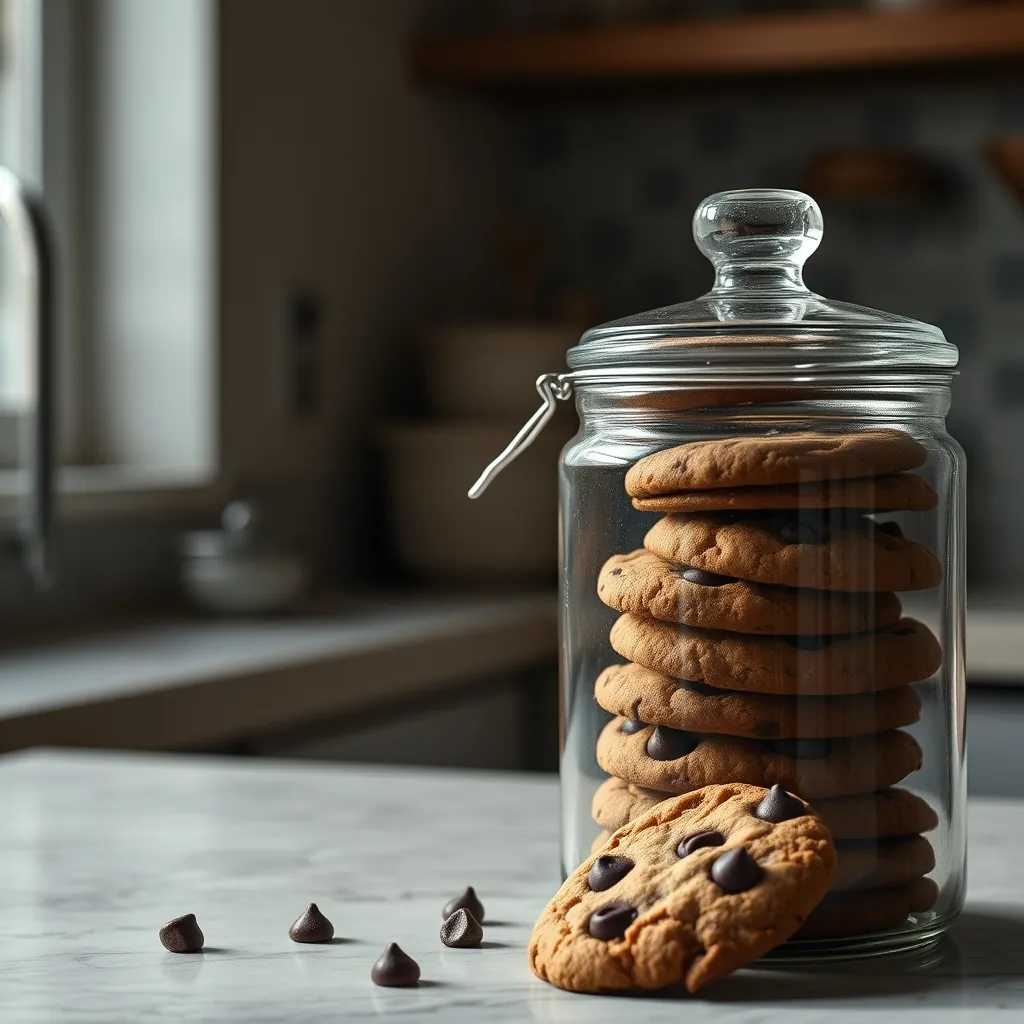
Proper storage is essential for maintaining texture. Store fully cooled cookies in an airtight container at room temperature. They stay fresh for up to 5 days. Adding a slice of bread to the container absorbs excess air and keeps cookies soft for an extra day.
Homemade cookies without commercial preservatives have a shorter shelf life than store bought versions. After day 5, they begin to stale and lose flavor. For longer storage, freeze the unbaked dough balls on a tray, then transfer them to a freezer bag. Bake directly from frozen, adding 2 minutes to the baking time. This method preserves the dough for up to 3 months.
Common Mistakes and How to Avoid Them
Two errors cause most baking failures. First, using melted butter instead of softened butter. Melted butter coats the flour proteins differently, creating a greasy, flat cookie. Second, skipping the chill step. Warm butter spreads immediately in the oven. If your dough is sticky or warm, refrigerate it for 15 minutes before scooping.
Recipe Variations
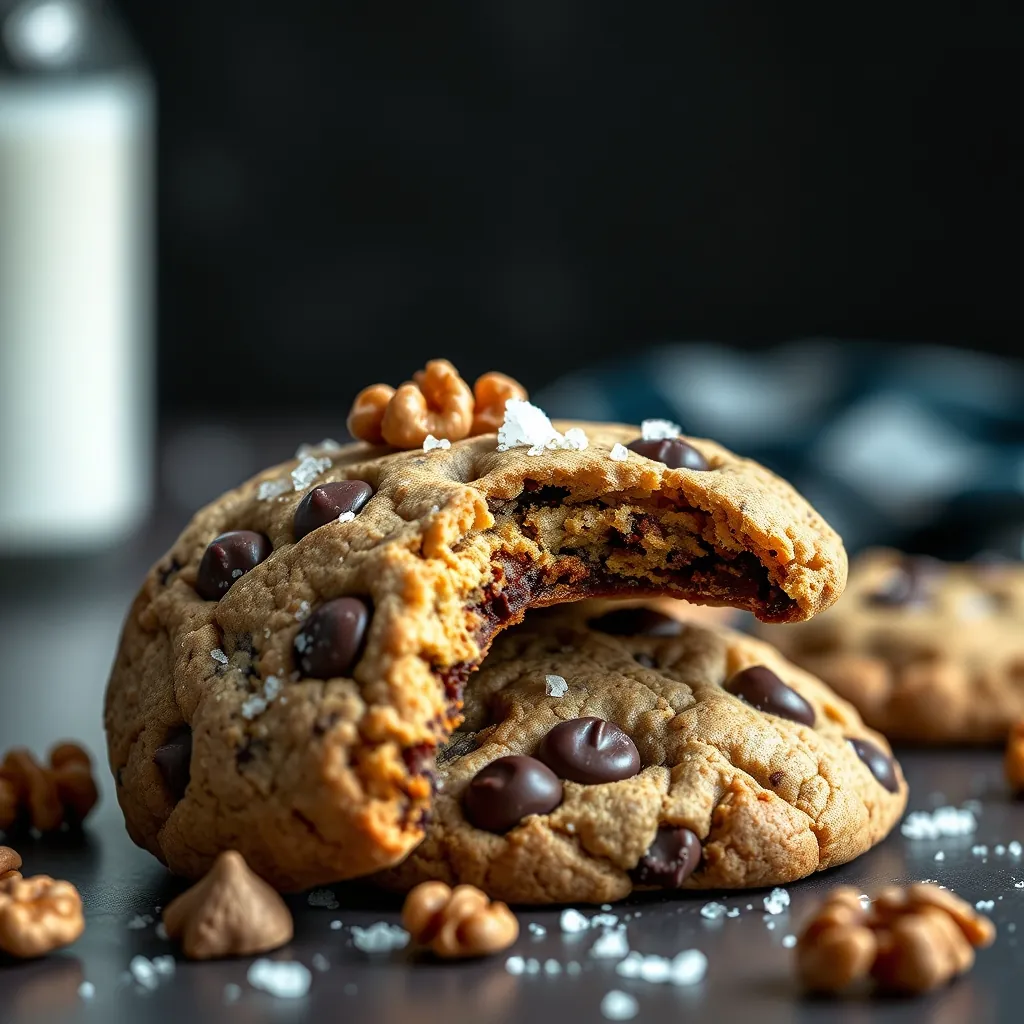
Customize the base recipe with these tested additions:
- Nutty Crunch: Fold in 1/2 cup toasted pecans or walnuts.
- Sea Salt Finish: Sprinkle flaky sea salt on the cookies immediately after baking.
- Double Chocolate: Replace 1/4 cup of flour with unsweetened cocoa powder.
- Citrus Zest: Add the zest of one orange to the butter mixture for a bright note.
This chocolate chip cookies recipe gives you a reliable foundation. Adjust the sugar ratio for your preferred texture, chill the dough for the right structure, and modify the process for your specific altitude or dietary needs. Small changes yield big results.
The Definitive Chocolate Chip Cookies Recipe (2024)
Master the perfect chocolate chip cookies recipe with our guide on sugar ratios, dough chilling, and high-altitude baking tips.
Ingredients
- 2 1/4 cups (280g) all-purpose flour
- 1 cup (226g) unsalted butter, softened
- 1 cup (200g) brown sugar
- 1/2 cup (100g) white sugar
- 2 large eggs, at room temperature
- 1 teaspoon baking soda
- 1 teaspoon salt
- 2 teaspoons vanilla extract
- 2 cups (340g) chocolate chips and chunks
Instructions
- Cream the butter and both sugars together for exactly 3 minutes until light and fluffy.
- Add the eggs one at a time, beating well after each.
- Mix the dry ingredients separately and fold them in gently.
- Chill the dough for a minimum of 30 minutes.
- Bake at 350°F (175°C) for 10 to 12 minutes, rotating the tray halfway through.
- Let the cookies rest on the hot baking sheet for 5 minutes before transferring to a wire rack.
Leave a Reply