Your cart is currently empty!
The Definitive Guide to Authentic Thai Green Curry
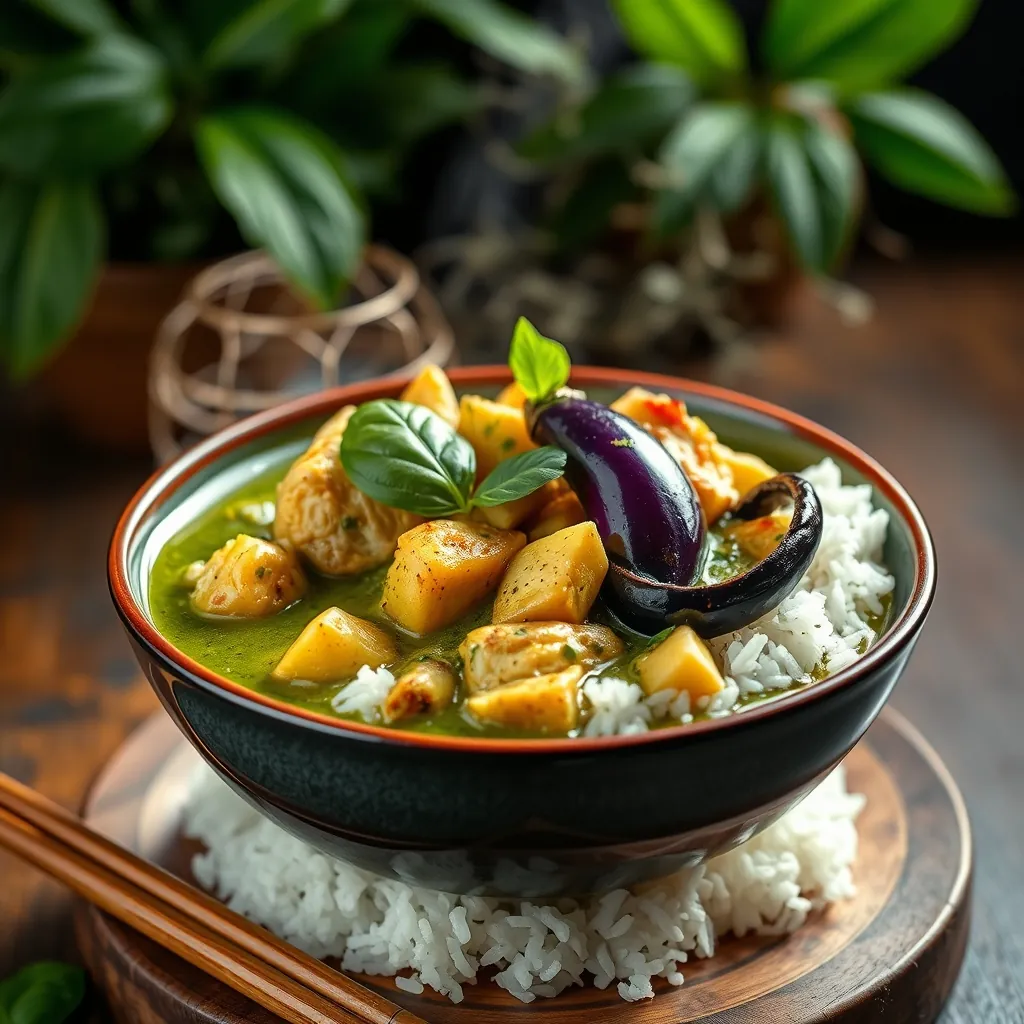
The Essence of a Central Thai Classic
Thai green curry, known as “Gaeng Keow Wan” in its homeland, originates from central Thailand. Its name translates to “sweet green curry,” a reference to the sweet, creamy coconut milk and the vibrant green color of the paste. This dish is a masterclass in balancing salty, sweet, sour, and spicy flavors. Unlike many Indian curries, it uses a thinner, more aromatic sauce built on fresh herbs and chilies. Getting the balance right is the key to an unforgettable meal.
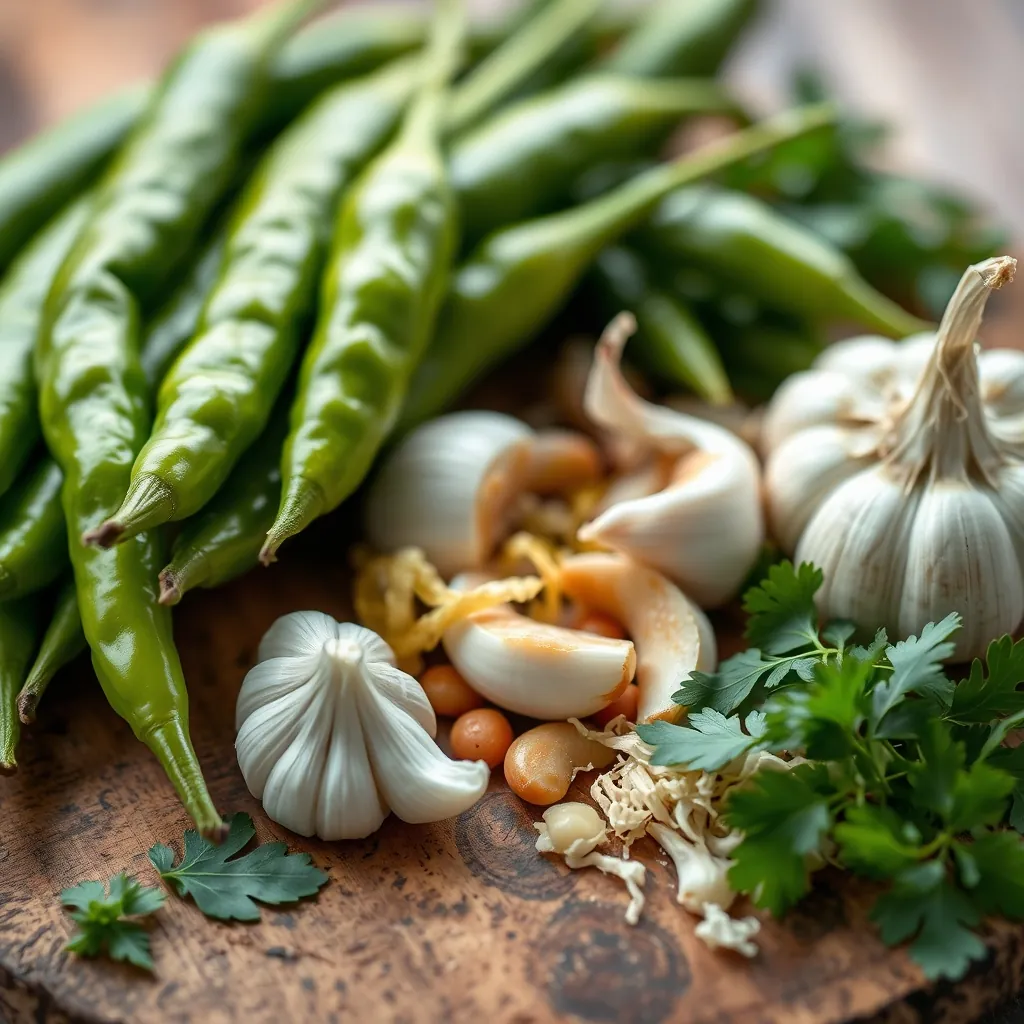
Why Homemade Paste Wins Every Time
Store-bought pastes are convenient but often rely on preservatives, excess salt, and artificial coloring. The vibrant green of an authentic paste comes purely from fresh green bird’s eye chilies and herbs. Homemade paste delivers a brighter, more complex flavor that defines the dish. It also allows you to control the heat and sodium levels. While the initial effort is greater, the taste difference is undeniable. You can also make a large batch and freeze it for months.
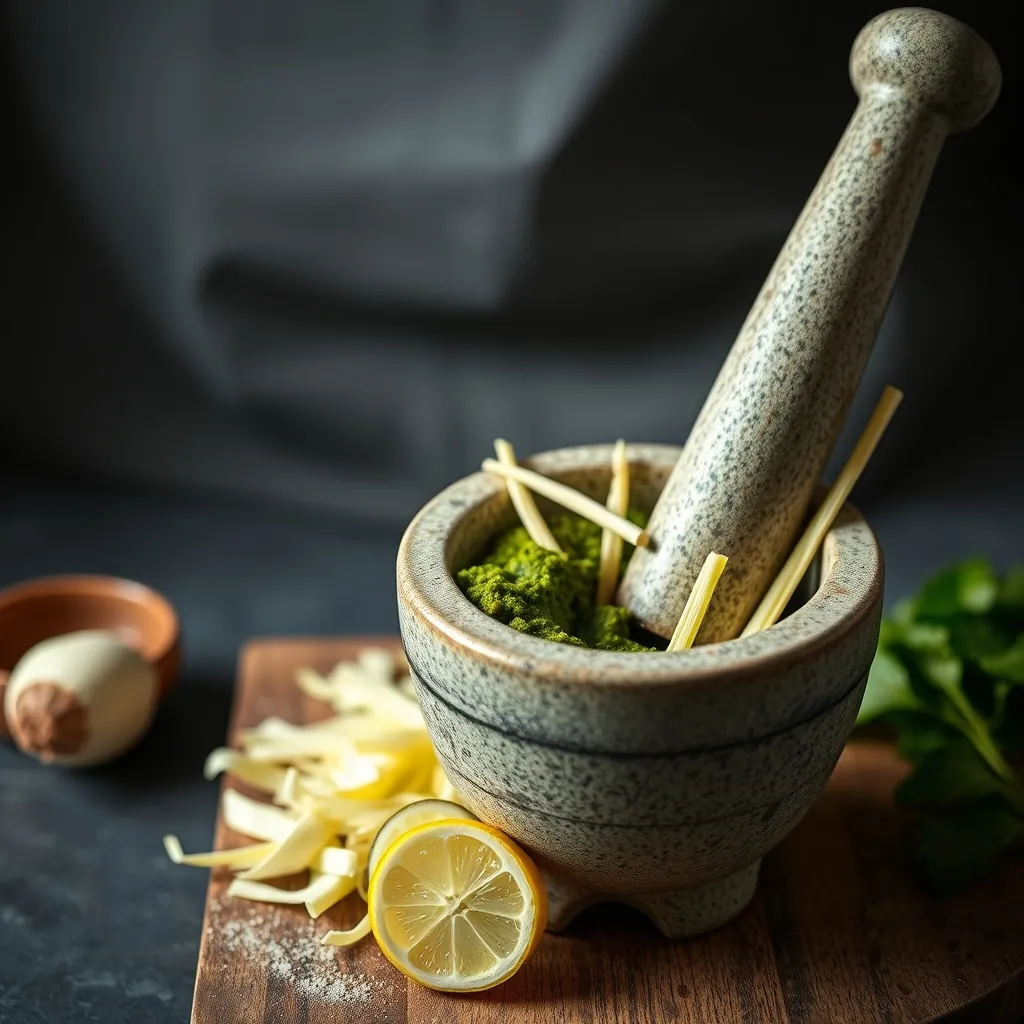
Mastering the Paste Ingredients
Each ingredient in the paste plays a specific role. Understanding them prevents common mistakes.
- Green Bird’s Eye Chilies: Provide the heat and the primary green color. For less spice, remove the seeds and white pith before using.
- Galangal: A cousin of ginger, but with a sharper, more citrusy, and pine-like flavor. It is not a substitute for ginger. Galangal is tough and fibrous; slice it thinly before pounding.
- Lemongrass: Adds a fresh, lemony note. Use only the tender white and light green parts of the stalk. Remove the tough outer layers.
- Kaffir Lime Zest: Provides an intense, floral citrus aroma that is essential. If you cannot find fresh kaffir limes, use the zest of a regular lime as a last resort, but the flavor will be less complex.
- Shrimp Paste (Kapi): A fermented paste that adds a deep, savory umami note. It is the secret weapon for authentic flavor.
- Coriander Roots: More flavorful than the leaves, they add an earthy, nutty undertone. Scrub them well before use.
- Shallots and Garlic: Provide the aromatic base and natural sweetness.
Building the Perfect Curry: A Step-by-Step Method
Follow this sequence to avoid a watery or burnt curry. The order of operations is critical for flavor development.
- Fry the Paste: In a wok or pot, heat a few tablespoons of the thick coconut cream (the top layer of the can) over medium heat. Add the homemade paste and fry for 2-3 minutes until fragrant. This “blooms” the spices and deepens their flavor. Do not burn the paste.
- Add the Protein: Add your chosen protein (chicken thighs, sliced beef, or tofu) and cook until lightly seared on the outside.
- Add the Liquid: Pour in the remaining coconut milk. Bring to a gentle simmer, not a rolling boil.
- Season: Add fish sauce for saltiness and palm sugar for sweetness. Start with a tablespoon of each and adjust at the end.
- Add Vegetables: Add hard vegetables like Thai eggplant and bamboo shoots first. Cook for 5 minutes. Add softer vegetables like bell peppers or snow peas in the last 2 minutes.
- Finish: Tear a few kaffir lime leaves into the pot for fragrance. Do not eat them. Add a squeeze of fresh lime juice for acidity. Stir in a handful of Thai basil leaves just before serving.
The sauce should be thin enough to coat the back of a spoon. It will thicken naturally from the paste and coconut milk. Do not use cornstarch.
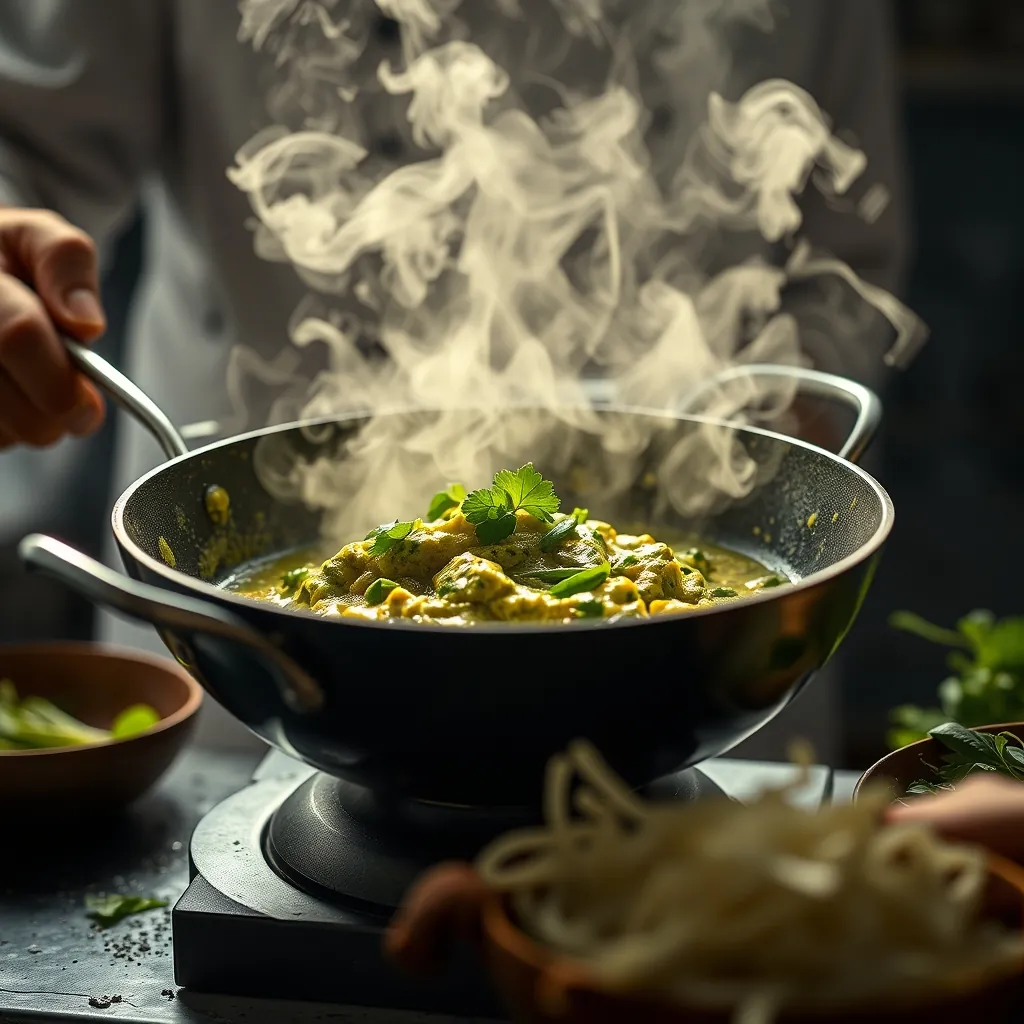
Fixing Common Curry Problems
Even experienced cooks can face issues. Here is how to fix them.
- Curry tastes flat: It likely needs more salt (fish sauce), sweetness (palm sugar), or acidity (lime juice). Add them one at a time and taste.
- Curry is too watery: You added too much coconut milk or water. Simmer uncovered for 5-10 minutes to reduce the liquid.
- Coconut milk curdled: You boiled it too hard. Always simmer gently. If it curdles, whisk in a tablespoon of cold coconut milk to help re-emulsify it.
- Paste is too spicy: You used too many seeds or too many chilies. Balance it by adding more coconut milk and a touch more palm sugar.
Ingredient Sourcing and Smart Substitutions
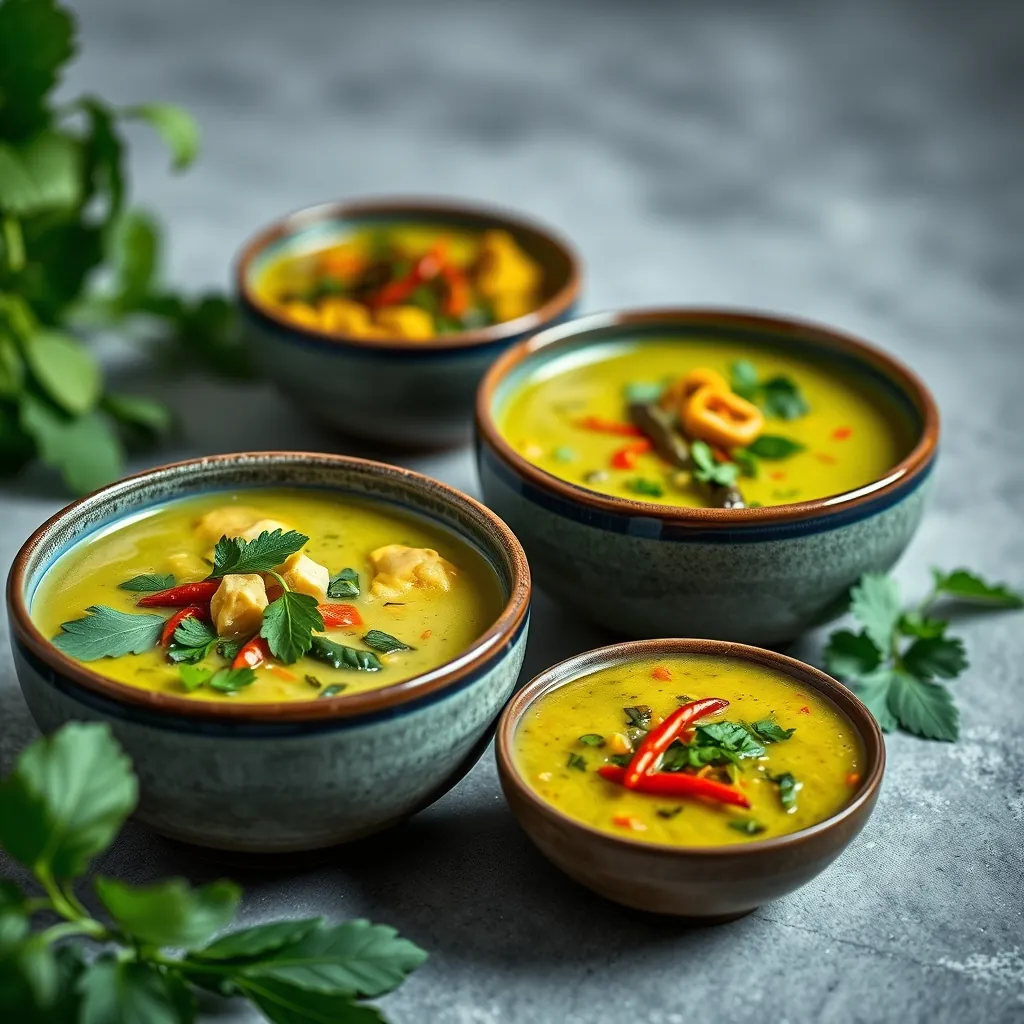
Finding authentic ingredients can be a challenge. Here is where to look and what to use in a pinch.
- Galangal: Found fresh in Asian grocery stores or frozen. Dried galangal is a poor substitute. If you cannot find it, use a smaller amount of fresh ginger with a squeeze of lime juice, but know the flavor will differ.
- Kaffir Lime Leaves: Available fresh, frozen, or dried in Asian markets. If using dried, soak them in warm water for 10 minutes before use. A strip of lime zest can add some citrus note, but it is not a perfect replacement.
- Shrimp Paste: Sold in jars or blocks. It is worth seeking out. If you must skip it, the curry will lack depth. A tiny splash of anchovy sauce can mimic some umami.
- Thai Eggplant: Small, round, and green. Regular globe eggplant cut into chunks works fine.
- Thai Basil: Has a distinct anise-like flavor. Sweet basil is an acceptable substitute, but the flavor profile will shift.
Scaling and Storing for Meal Prep
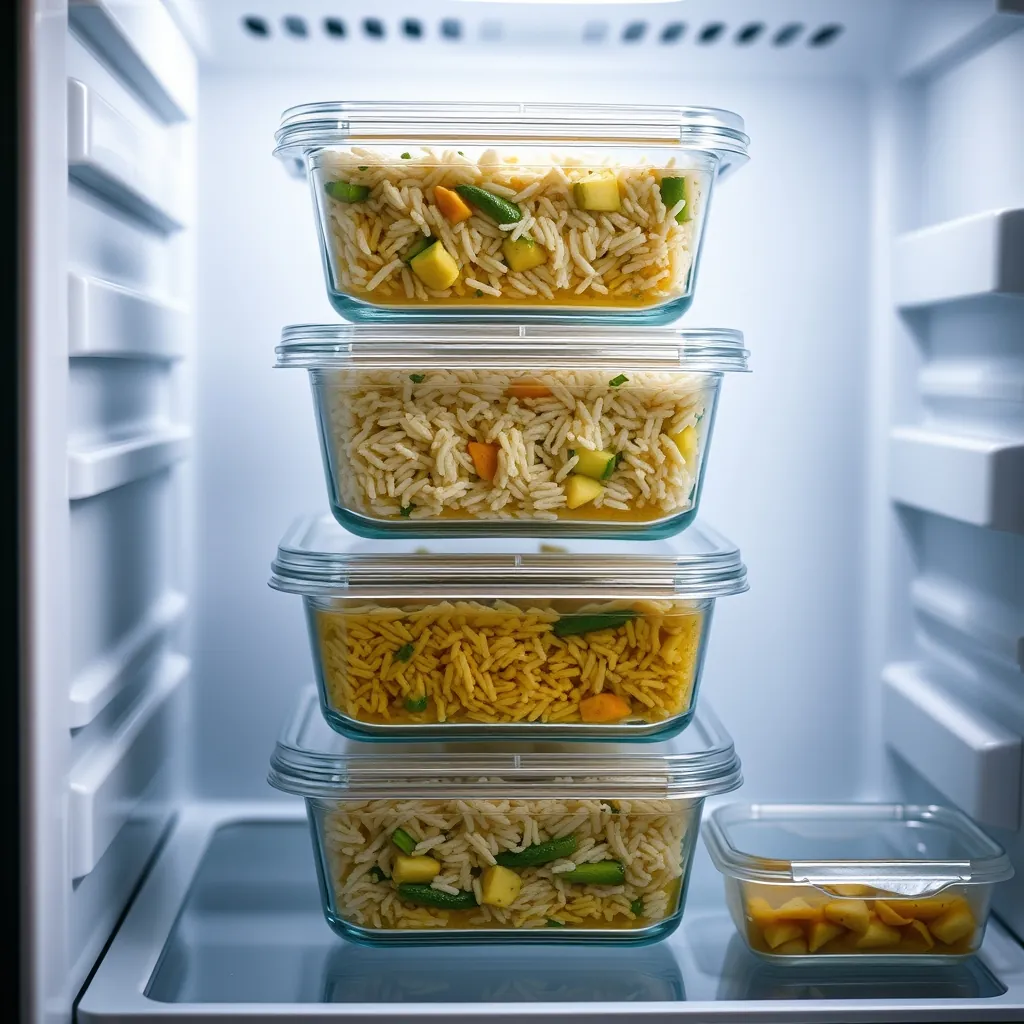
Thai green curry is excellent for meal prep. The flavors actually meld and improve after a day in the refrigerator.
- Paste: Store in an airtight container in the fridge for up to 2 weeks or freeze in ice cube trays for up to 6 months. Pop out a cube whenever you need it.
- Finished Curry: Cool completely and store in the fridge for up to 4 days. Reheat gently on the stovetop, adding a splash of water or coconut milk if it has thickened too much.
- Freezing: Freeze the finished curry (without the rice) in freezer-safe bags or containers for up to 3 months. Thaw overnight in the fridge before reheating.
Pairing Your Curry with Beverages
A well-paired drink enhances the dining experience. The spicy, creamy, and aromatic nature of the curry calls for specific choices.
- Thai Iced Tea: The sweet, creamy, and slightly spiced tea is a classic counterpoint to the heat of the curry.
- Light Lager: A crisp, cold beer like Singha or Chang cuts through the richness and refreshes the palate.
- Off-Dry Riesling: The slight sweetness and high acidity of this wine balance the spice and complement the coconut milk.
Dietary Modifications Without Sacrificing Flavor
This recipe adapts well to different diets.
- Vegan: Replace fish sauce with soy sauce or tamari. Omit the shrimp paste or use a vegan mushroom-based paste. Use tofu or extra vegetables for protein.
- Gluten-Free: Ensure your fish sauce and soy sauce (if using) are certified gluten-free. The core ingredients are naturally gluten-free.
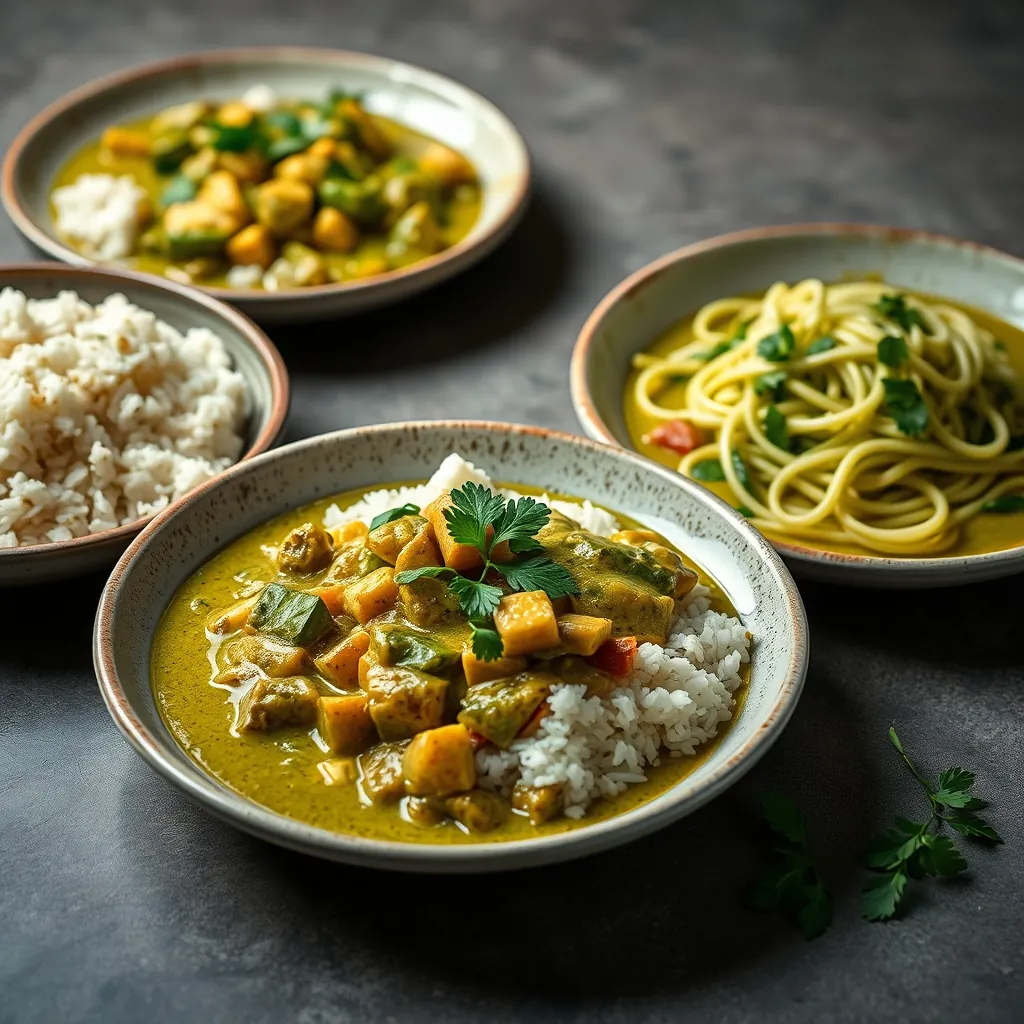
- Low-Carb: Serve the curry over cauliflower rice or zucchini noodles instead of jasmine rice.
Frequently Asked Questions
Can I use store-bought paste?
Yes, but look for brands with minimal ingredients and no artificial colors. Fry the store-bought paste in coconut cream first to improve its flavor. It will never match the depth of homemade paste.
How do I adjust the spiciness?
Control the heat by adjusting the number of green chilies and whether you include the seeds. For a milder curry, use fewer chilies and remove all seeds. For more heat, add more chilies or include a few dried red chilies.
Is it supposed to be thin?
Yes. Authentic Thai green curry has a sauce that is thinner than many Westernized versions. It should coat the back of a spoon but still be pourable. It is not a thick stew.
What is the cultural significance of this dish?
Gaeng Keow Wan is a staple of central Thai cuisine, representing the region’s mastery of fresh herbs and balanced flavors. It is a dish served in homes and street stalls alike, reflecting the importance of fresh, aromatic ingredients in Thai daily life.
Authentic Thai Green Curry
Master the art of authentic Thai green curry at home. This guide covers homemade paste, ingredient roles, and pro tips for perfect flavor.
Ingredients
- Green Bird’s Eye Chilies
- Galangal
- Lemongrass
- Kaffir Lime Zest
- Shrimp Paste (Kapi)
- Coriander Roots
- Shallots and Garlic
- Coconut milk
- Chicken thighs (or protein of choice)
- Fish sauce
- Palm sugar
- Thai eggplant
- Bamboo shoots
- Kaffir lime leaves
- Thai basil
- Lime juice
Instructions
- Fry the Paste: In a wok or pot, heat a few tablespoons of the thick coconut cream (the top layer of the can) over medium heat. Add the homemade paste and fry for 2-3 minutes until fragrant.
- Add the Protein: Add your chosen protein (chicken thighs, sliced beef, or tofu) and cook until lightly seared on the outside.
- Add the Liquid: Pour in the remaining coconut milk. Bring to a gentle simmer, not a rolling boil.
- Season: Add fish sauce for saltiness and palm sugar for sweetness. Start with a tablespoon of each and adjust at the end.
- Add Vegetables: Add hard vegetables like Thai eggplant and bamboo shoots first. Cook for 5 minutes. Add softer vegetables like bell peppers or snow peas in the last 2 minutes.
- Finish: Tear a few kaffir lime leaves into the pot for fragrance. Do not eat them. Add a squeeze of fresh lime juice for acidity. Stir in a handful of Thai basil leaves just before serving.
Leave a Reply