Your cart is currently empty!
The Definitive Classic Italian Lasagna Recipe (2024)
Lasagna is a dish that demands respect. A truly classic Italian lasagna is not a sloppy, watery casserole. It is a structured, layered masterpiece of slow-cooked ragù, silky béchamel, and perfectly tender pasta. This guide skips the shortcuts and delivers the authentic method, backed by culinary science.
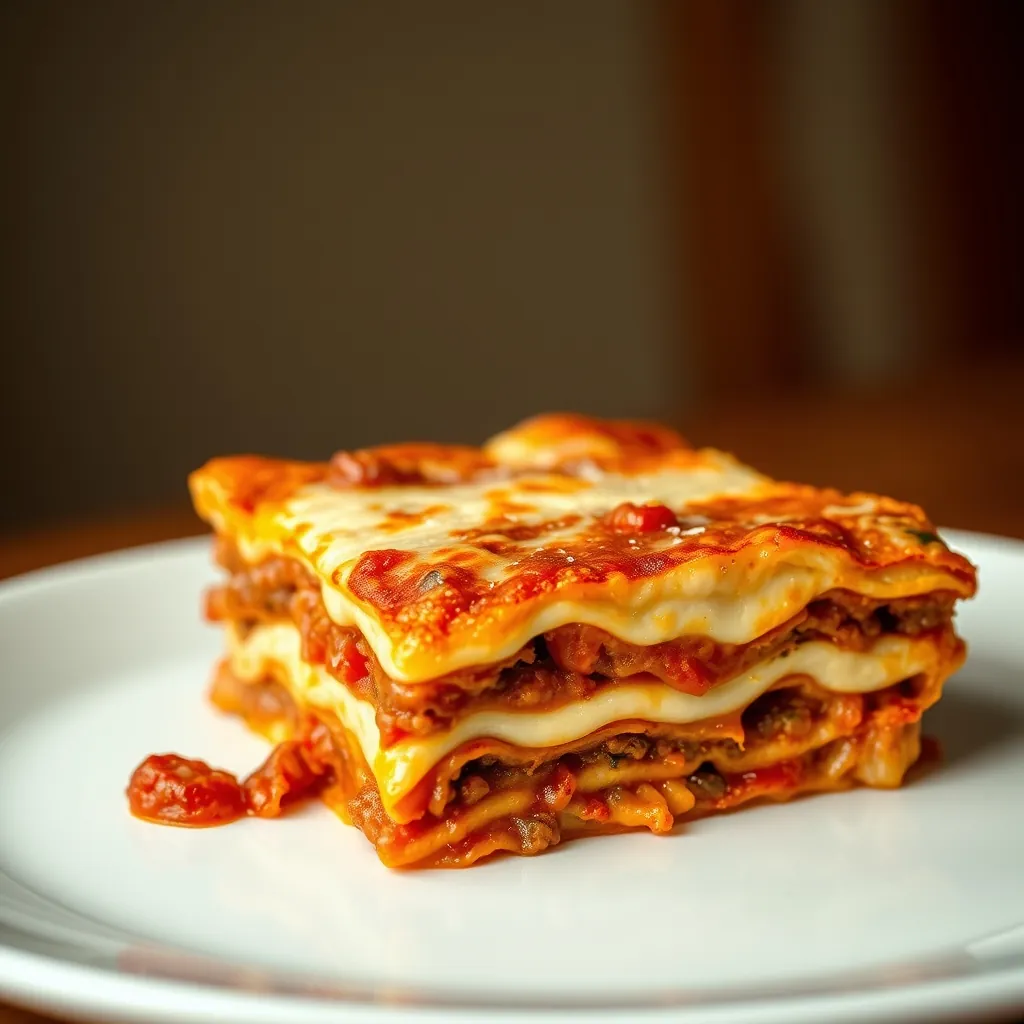
Why Béchamel Beats Ricotta for a Superior Texture
Many American recipes lean on ricotta cheese for the creamy layer. A classic Italian lasagna uses béchamel sauce. The reason is structural. Ricotta is high in moisture. When baked, this water releases into the pasta, turning your lasagna into a soupy mess.
Béchamel is a stable emulsion of butter, flour, and milk. It creates a silky, stable matrix that holds its shape. This allows the lasagna to set firmly, producing clean, sharp slices. The fat in the milk also carries flavor better, creating a richer mouthfeel. A pinch of nutmeg in the béchamel adds a subtle warmth that complements the meat.
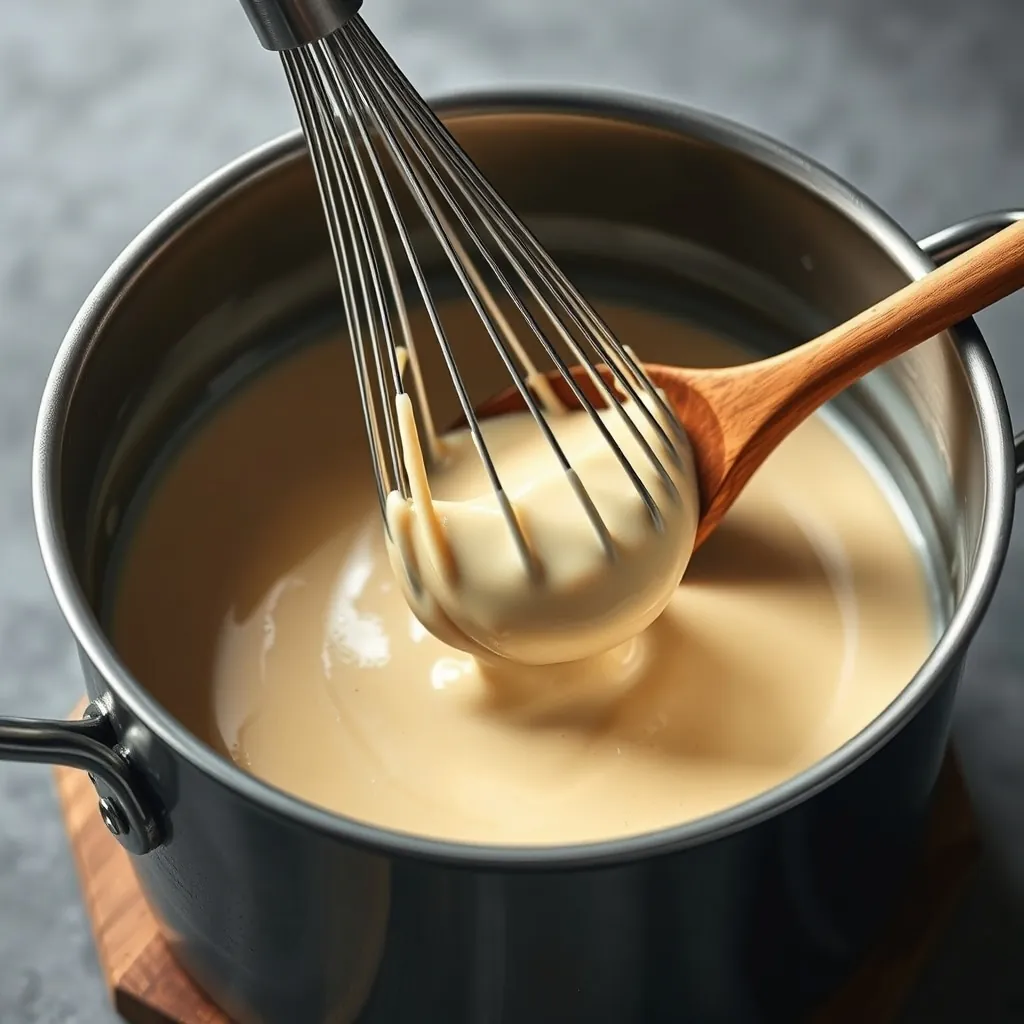
The Ragù: A Slow-Cooked Foundation
A great lasagna starts with a great ragù. This is not a quick weeknight meat sauce. It requires patience. The traditional soffritto of finely diced onion, carrot, and celery provides the aromatic base.
- The Meat: Use a mix of ground beef and pork. The pork adds fat and richness that beef alone cannot provide.
- The Cook: Brown the meat in batches. Crowding the pan steams the meat, preventing that deep, savory crust. Deglaze the pan with dry red wine, scraping up the browned bits.
- The Simmer: Add crushed tomatoes and a splash of milk. Simmer uncovered for at least 1.5 hours. This reduces the sauce, concentrates the flavor, and breaks down the meat into a tender, cohesive sauce.
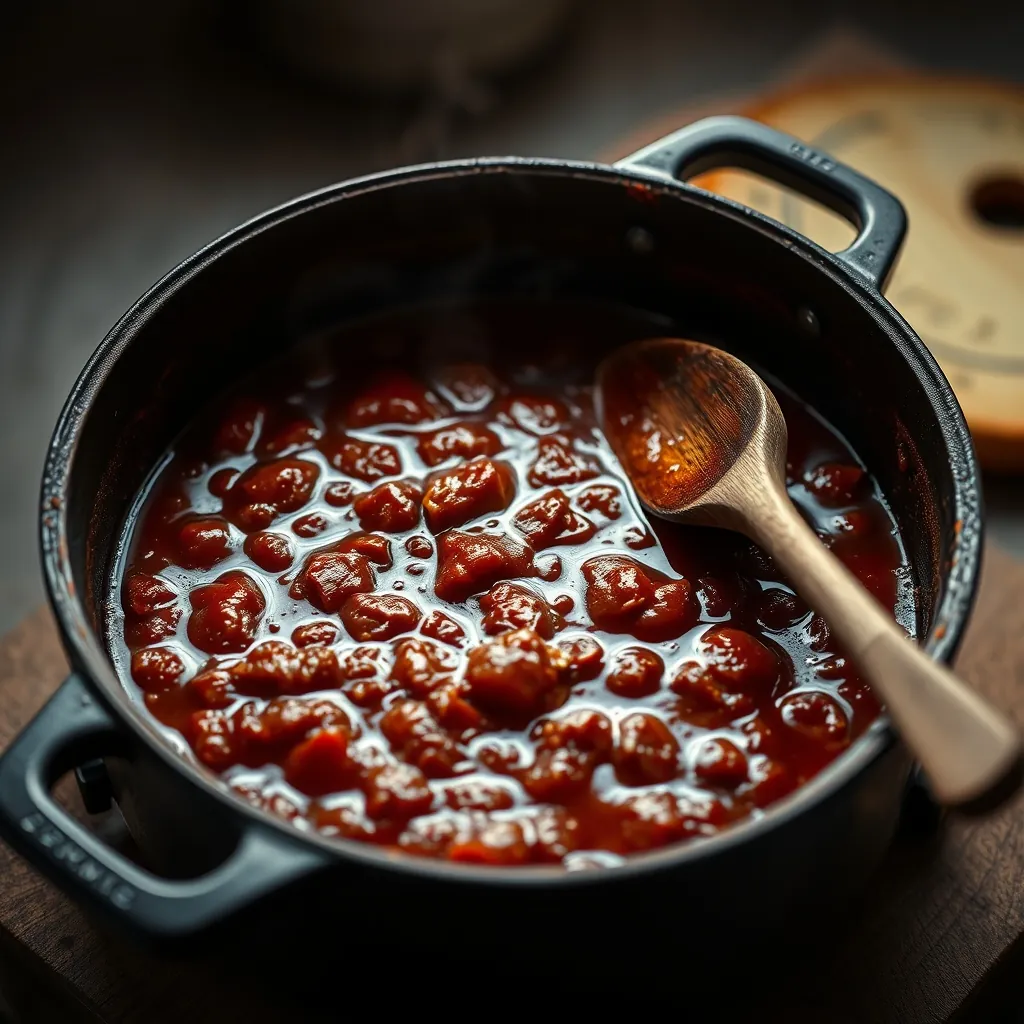
Regional Variations: Bolognese vs. Napoletana
Italy is a country of distinct culinary regions. The classic lasagna most people know is Lasagna alla Bolognese from Emilia-Romagna. It uses a beef and pork ragù, béchamel, and Parmigiano-Reggiano. It is refined and balanced.
However, Lasagna Napoletana from Naples is a different beast. It often includes small meatballs, hard-boiled eggs, ricotta cheese, and a thicker, chunkier tomato sauce. This version is heavier and more rustic. Understanding these regional differences helps you choose the style that suits your taste. This recipe focuses on the Bolognese style, which offers the most elegant texture and flavor profile.
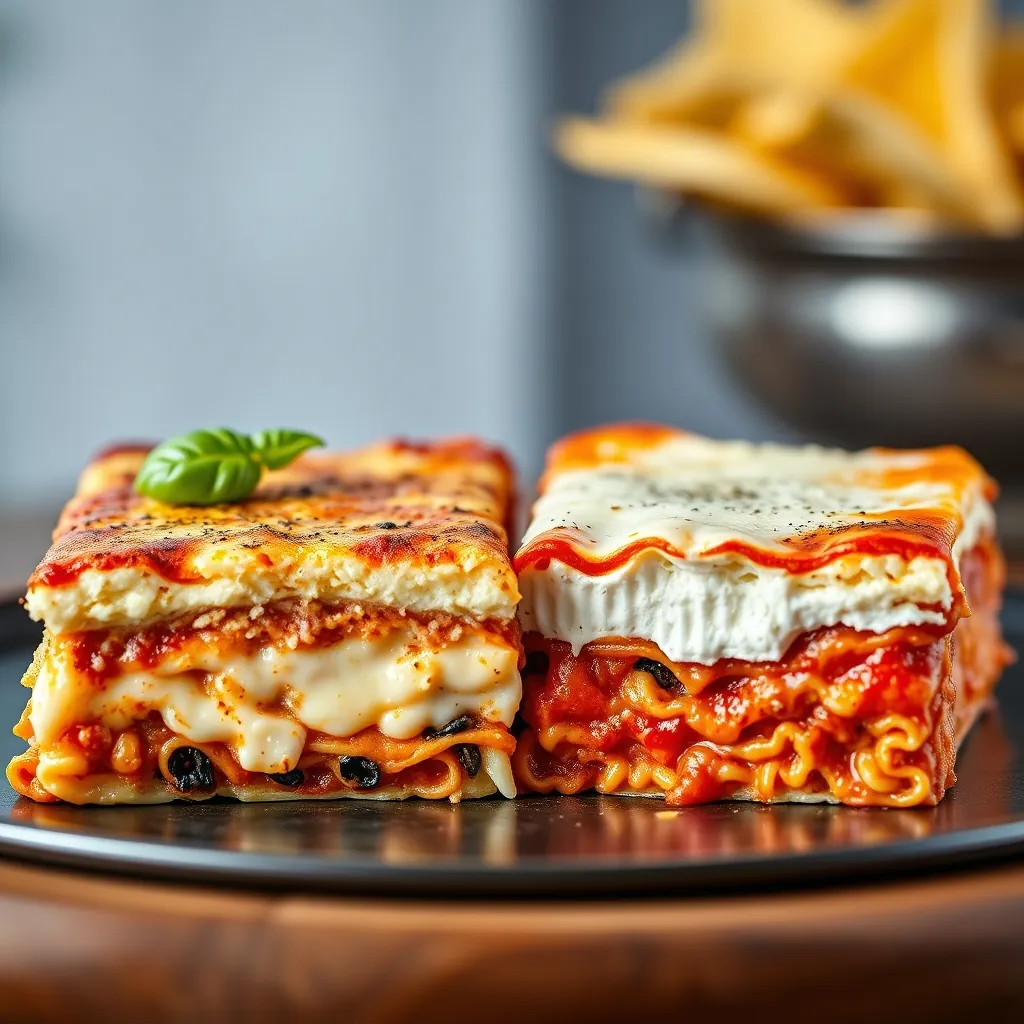
Pasta Selection: Fresh, Dry, or No-Boil?
The type of pasta sheet you choose directly impacts the final dish. Each has a specific use case.
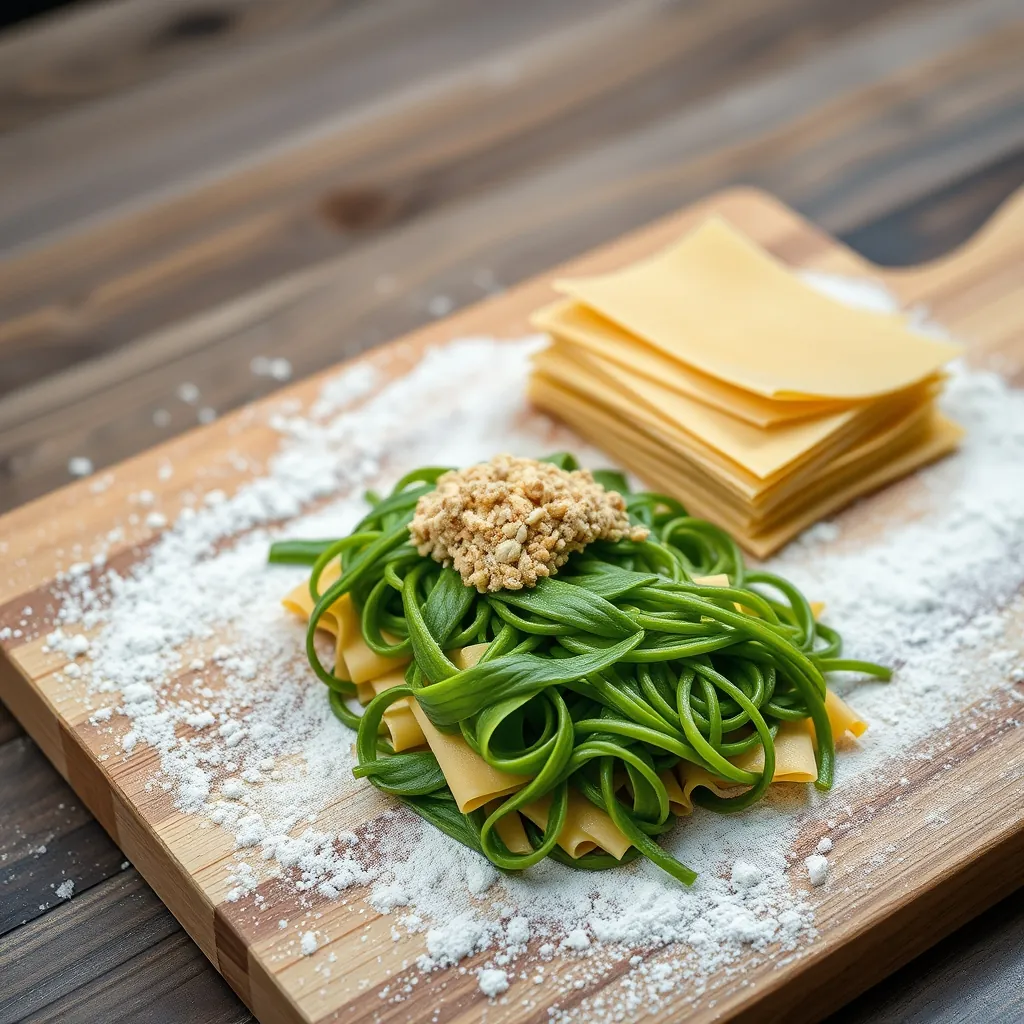
- Fresh Egg Pasta: This is the gold standard for a classic lasagna. It cooks quickly, absorbs sauce beautifully, and creates a tender, delicate texture. It requires boiling for 1-2 minutes before assembly.
- Dry Durum Wheat Pasta: These sheets are more robust. They hold up well to long baking. Boil them until just al dente. They are firmer than fresh pasta but provide a satisfying chew.
- No-Boil Sheets: These are convenient but risky. They require a very wet sauce to hydrate properly. If your ragù is too thick, the pasta will remain crunchy. If you use them, ensure your béchamel and sauce are thinner than usual.
For a foolproof classic result, invest in fresh pasta sheets from a deli or specialty store.
How to Assemble and Bake for a Perfect Golden Top
Proper assembly prevents a watery, collapsing lasagna. Follow this order:
- Base layer: Spread a thin layer of ragù on the bottom of your baking dish. This prevents the pasta from sticking.
- First layer: Place a layer of pasta sheets, slightly overlapping.
- Second layer: Spread a layer of ragù, followed by a layer of béchamel, and a sprinkle of Parmesan and mozzarella.
- Repeat: Continue this sequence for 3-4 layers, ending with a thick layer of béchamel and a generous topping of cheese.
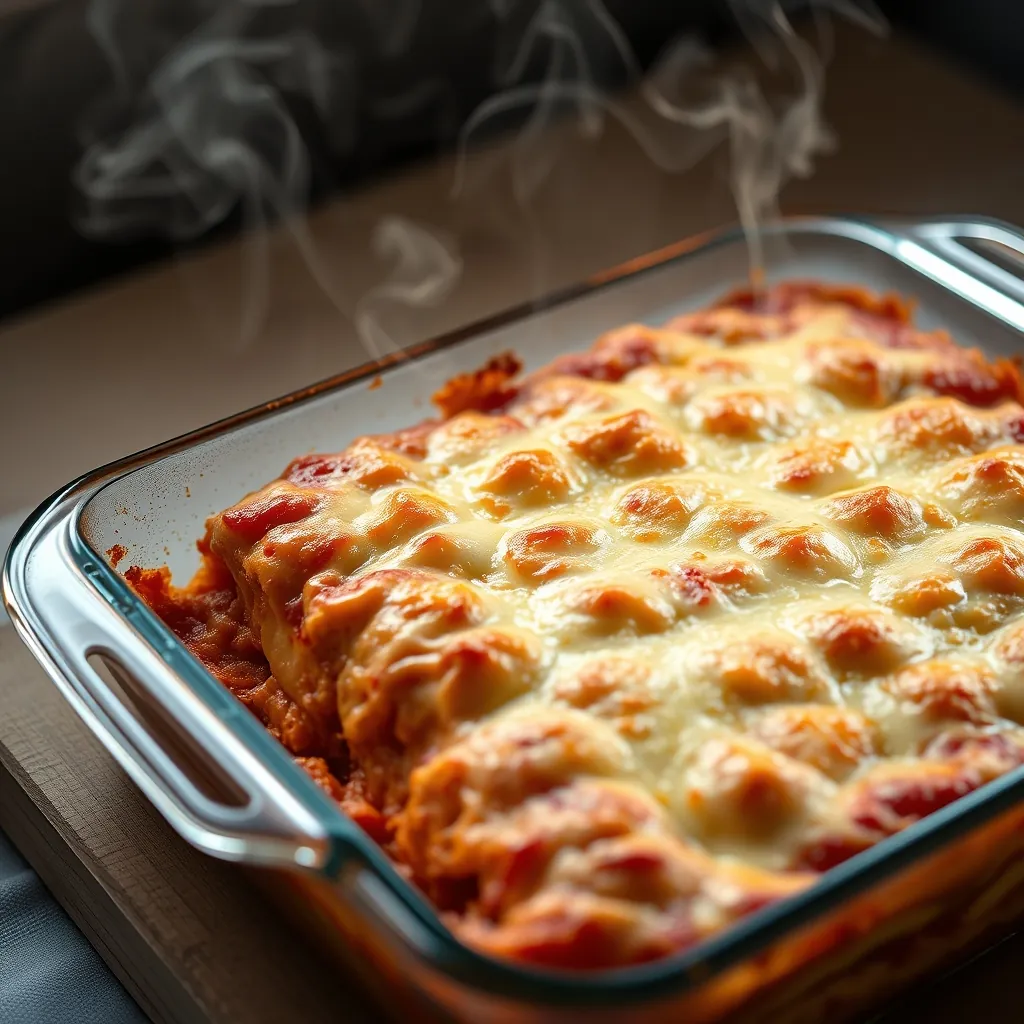
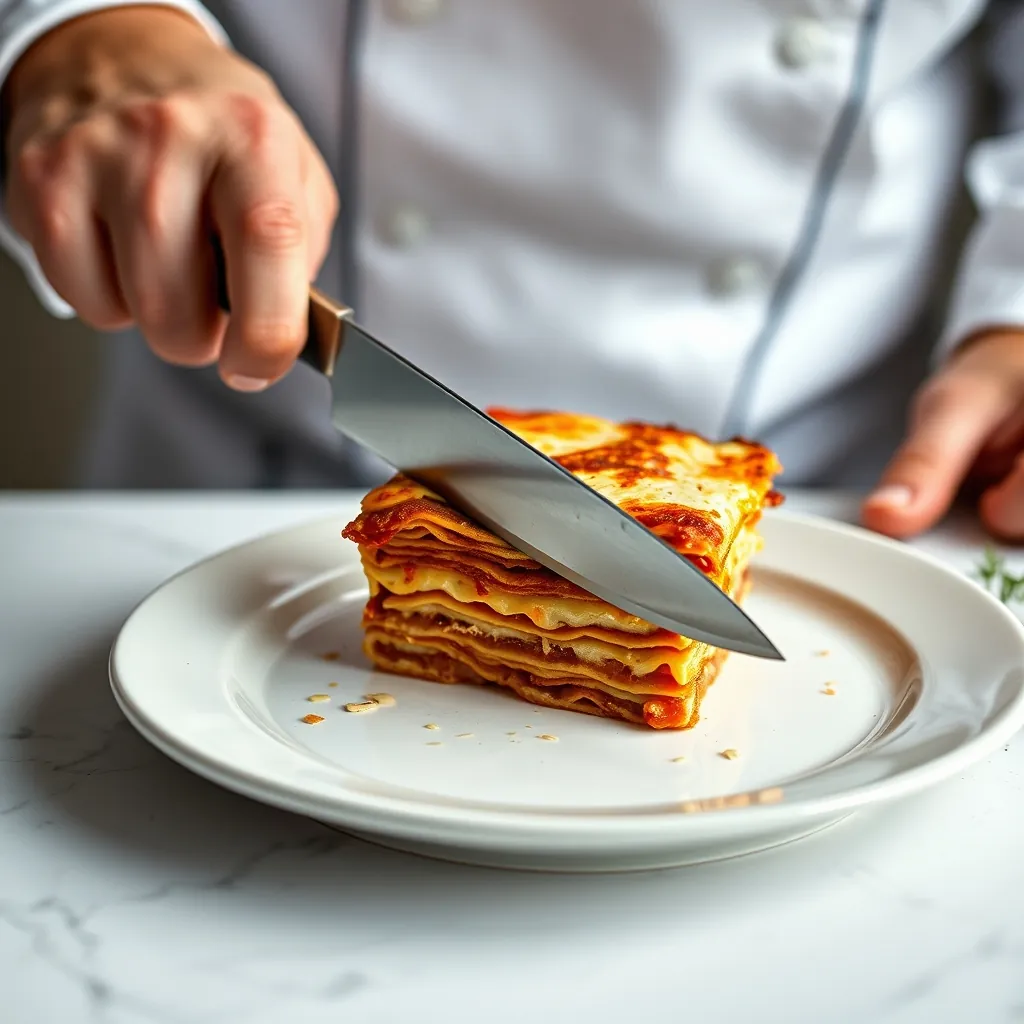
Bake at 375°F (190°C). Cover with foil for the first 30 minutes to trap steam and ensure the pasta cooks evenly. Remove the foil for the final 15 minutes to achieve that bubbly, golden brown crust. The resting period is non-negotiable. Let the lasagna rest for 10-15 minutes after baking. This allows the starches to set, making slicing clean and preventing a runny plate.
Troubleshooting a Watery Lasagna
A watery lasagna is a common failure point. Here is how to fix it before it happens.
- Drain the vegetables: If you add spinach, mushrooms, or zucchini, sauté them first to remove excess moisture.
- Reduce the sauce: Your ragù should be thick, not watery. Simmer it until it holds its shape on a spoon.
- Don’t over-sauce: A common mistake is adding too much béchamel or ragù. Each layer should be thin and even.
- Check your pasta: If using no-boil sheets, ensure your sauce is thin enough to hydrate them. If using boiled pasta, drain it thoroughly and do not rinse it.
Scaling for Dietary Restrictions
This classic recipe can be adapted without losing its soul.
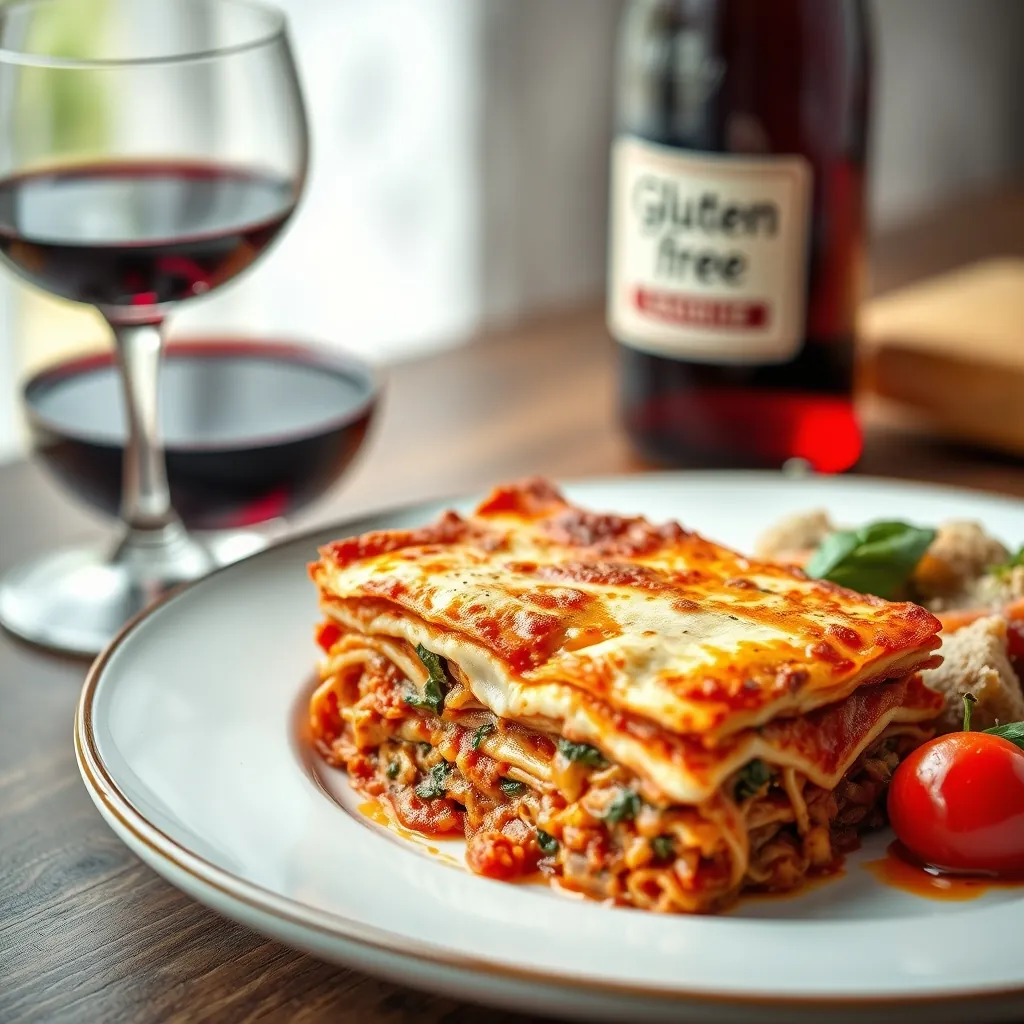
- Gluten-Free: Use high-quality gluten-free lasagna sheets. Make a gluten-free béchamel using a 1:1 gluten-free flour blend. Ensure the flour is cooked through to avoid a raw taste.
- Lactose-Free: Substitute lactose-free milk for the béchamel. Use lactose-free mozzarella and Parmesan. The flavor profile remains nearly identical.
- Vegetarian: Replace the meat ragù with a rich mushroom and lentil ragù. Use a mix of cremini, shiitake, and portobello mushrooms for deep umami.
Storage and Reheating
Lasagna tastes even better the next day. Store leftovers in an airtight container in the refrigerator for up to 4 days. To reheat, place a slice in a 350°F oven for 15 minutes. Avoid the microwave, which ruins the texture of the pasta and béchamel. For freezing, assemble the lasagna completely but do not bake it. Wrap tightly in plastic wrap and foil. Freeze for up to 3 months. Bake from frozen, adding 20-30 minutes to the cooking time.
This is not just a recipe. It is a blueprint for a perfect, authentic Italian lasagna. Follow these principles, and you will never settle for a soggy, mediocre version again.
Classic Italian Lasagna
Master the classic Italian lasagna recipe with a rich ragù, silky béchamel, and expert tips. Avoid watery layers and achieve a perfect golden top every time.
Ingredients
- 1 lb ground beef
- 1/2 lb ground pork
- 1 onion, finely diced
- 1 carrot, finely diced
- 1 celery stalk, finely diced
- 1/2 cup dry red wine
- 28 oz crushed tomatoes
- 1/4 cup milk
- 4 tbsp butter
- 4 tbsp all-purpose flour
- 4 cups milk (for béchamel)
- 1/4 tsp nutmeg
- 1 lb fresh lasagna sheets
- 2 cups grated Parmesan cheese
- 2 cups shredded mozzarella cheese
- Salt and pepper to taste
Instructions
- Prepare the soffritto: sauté finely diced onion, carrot, and celery in olive oil until softened.
- Brown the ground beef and pork in batches, ensuring a deep crust forms. Deglaze the pan with red wine.
- Add crushed tomatoes and milk. Simmer uncovered for 1.5 hours until thickened.
- Make the béchamel: melt butter, whisk in flour, cook for 2 minutes, then gradually whisk in milk. Cook until thickened. Season with nutmeg, salt, and pepper.
- Boil fresh lasagna sheets for 1-2 minutes, then drain.
- Assemble: spread thin layer of ragù in baking dish. Layer pasta, ragù, béchamel, Parmesan, and mozzarella. Repeat for 3-4 layers.
- Top with remaining béchamel and cheese. Bake covered at 375°F (190°C) for 30 minutes, then uncovered for 15 minutes until golden.
- Let rest for 10-15 minutes before slicing and serving.
Leave a Reply