Your cart is currently empty!
Sheet Pan Sausage and Veggies: The Ultimate Meal Prep Shortcut
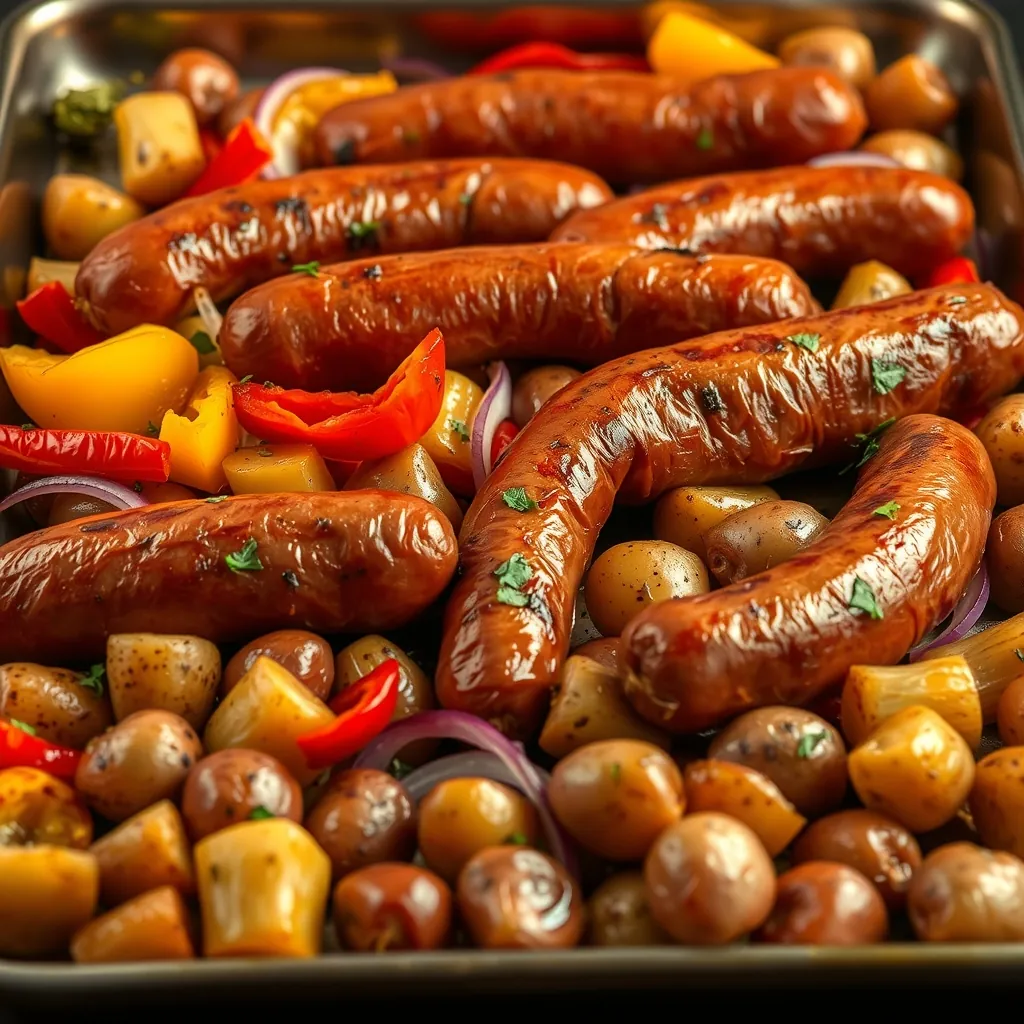
Sheet pan meals are a workhorse of efficient cooking. They deliver a complete dinner with minimal cleanup and straightforward steps. When you add meal prep to the equation, this method becomes a weekly lifesaver. You can roast a full tray of sausages and vegetables on Sunday and enjoy ready-to-reheat lunches or dinners for the next four days.
This guide goes beyond basic assembly. It addresses the specific challenges of meal prepping with a sheet pan. You will learn how to handle different sausage types, adjust for frozen vegetables, and keep your oven clean. These details separate a soggy, uneven meal from a crisp, flavorful one.
The standard oven temperature for sheet pan meals is 400°F (200°C). Most combinations cook in 20 to 30 minutes. But the real skill lies in managing the variables. Sausage fat content, vegetable density, and altitude all change the equation. We cover each factor so you can replicate success every time.
Choosing the Best Sausage for Roasting
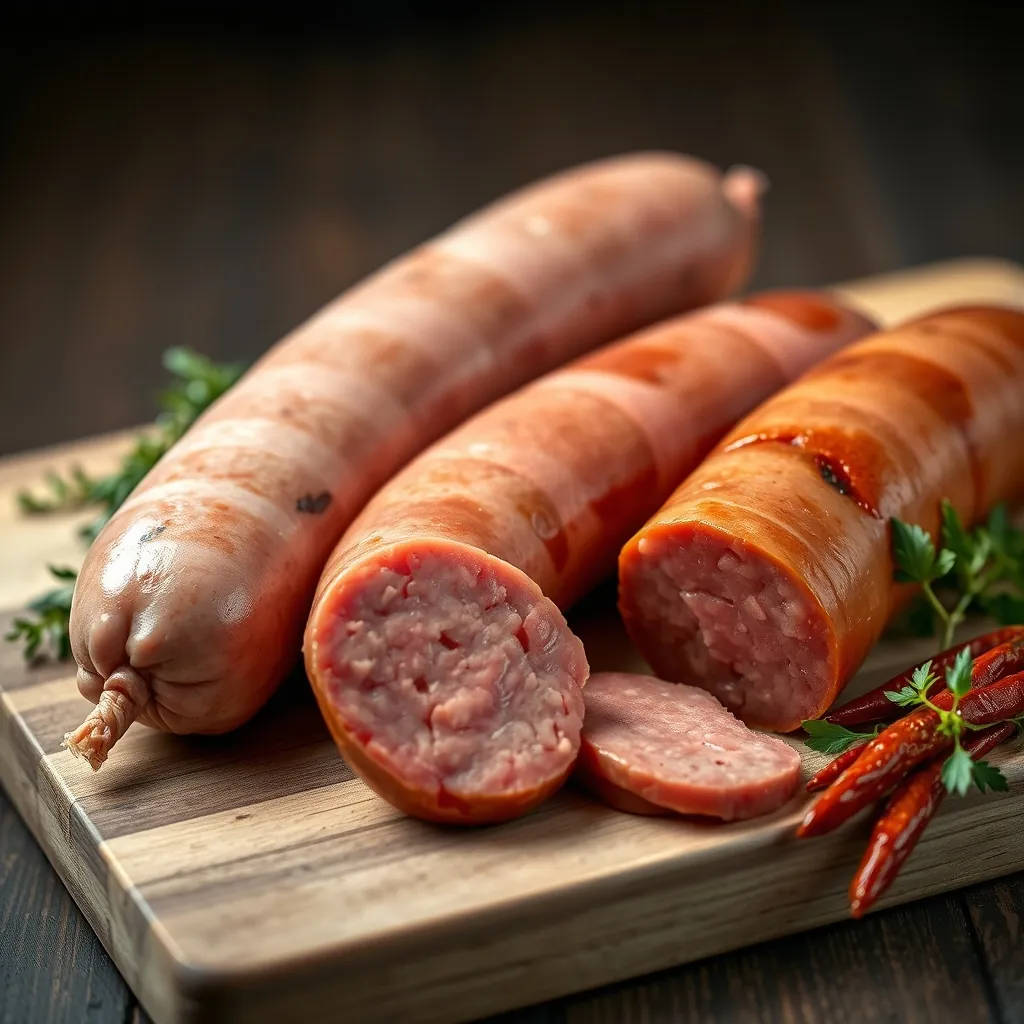
Not all sausages behave the same way in a hot oven. Fat content is the primary driver of flavor and texture. Pork-based Italian sausages contain a higher fat percentage. This fat renders during roasting, keeping the meat moist and basting the surrounding vegetables. The result is a richer taste and a more forgiving cooking window.
Chicken or turkey sausages are leaner. They cook faster and dry out if left in the oven too long. For these varieties, check for doneness at the 18-minute mark. Use an instant-read thermometer. The internal temperature should reach 160°F for poultry sausages and 165°F for pork.
Smoked sausages like kielbasa or andouille are fully cooked before packaging. Your goal with these is to warm them through and develop a browned exterior. They need only 15 to 20 minutes in the oven. Place them on the pan after the harder vegetables have had a head start.
Adjusting for Frozen Vegetables
Frozen vegetables are convenient but release significant moisture as they thaw. This extra water can steam your sausages and create a soggy final dish. To counter this, spread frozen vegetables in a single layer on one side of the pan. Roast them alone for 10 minutes before adding the sausages to the other side. This initial blast drives off surface moisture. Then toss the vegetables with oil and seasonings before returning the pan to the oven with the sausages for the remaining 15 to 20 minutes.
Vegetable Selection and Cutting Strategy
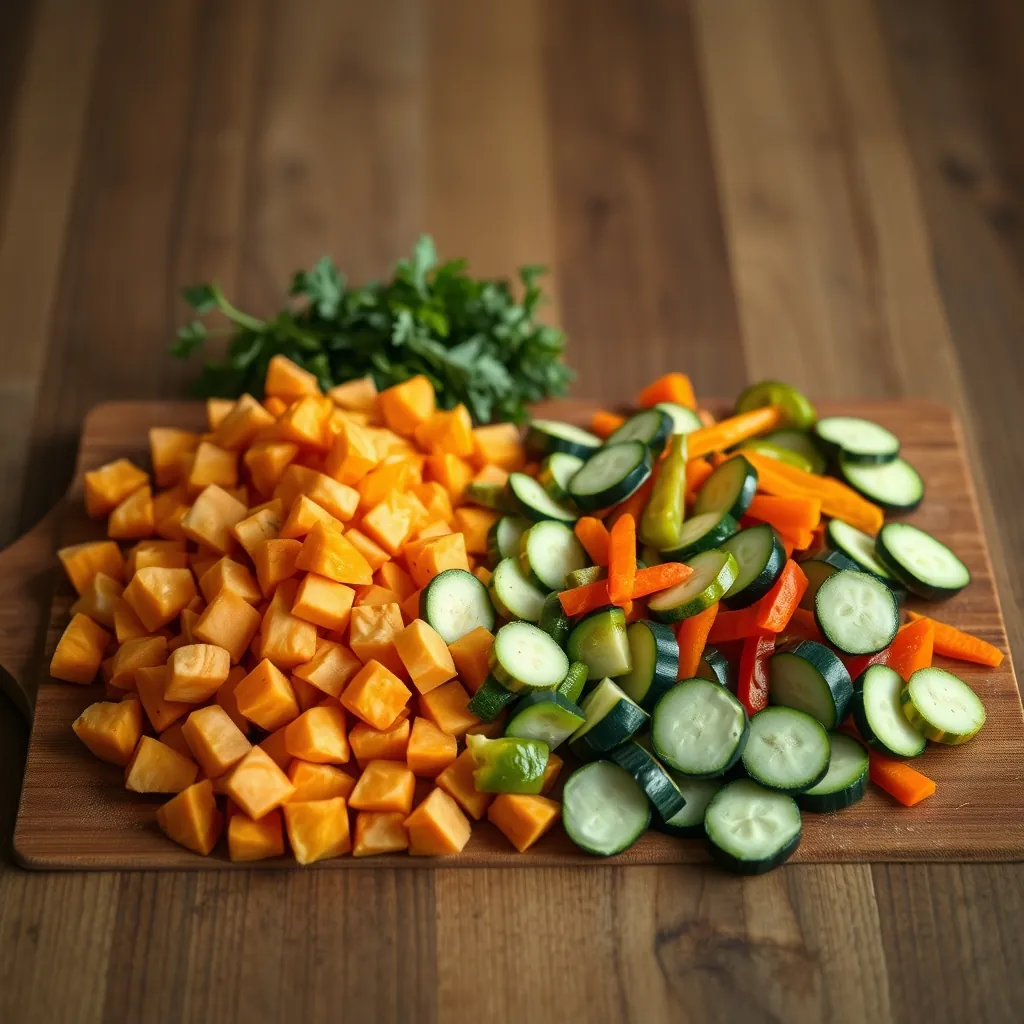
Dense vegetables require smaller pieces to match the cooking speed of softer options. Sweet potatoes, carrots, and parsnips should be cut into half-inch cubes. This size allows them to soften and caramelize in the same 25-minute window as bell peppers, zucchini, and broccoli florets.
Parboiling is an option for very large chunks of potato or carrot. Drop them into boiling salted water for 3 minutes, drain, and toss with oil. This step guarantees a tender interior without burning the exterior.
Layering matters. Place the densest vegetables directly on the pan in a single layer. Do not crowd them. Overlapping pieces trap steam instead of allowing dry heat to circulate. Leave space between each piece. If your pan is too small, use two pans or stagger the baking time.
Sheet Pan Assembly for Even Cooking
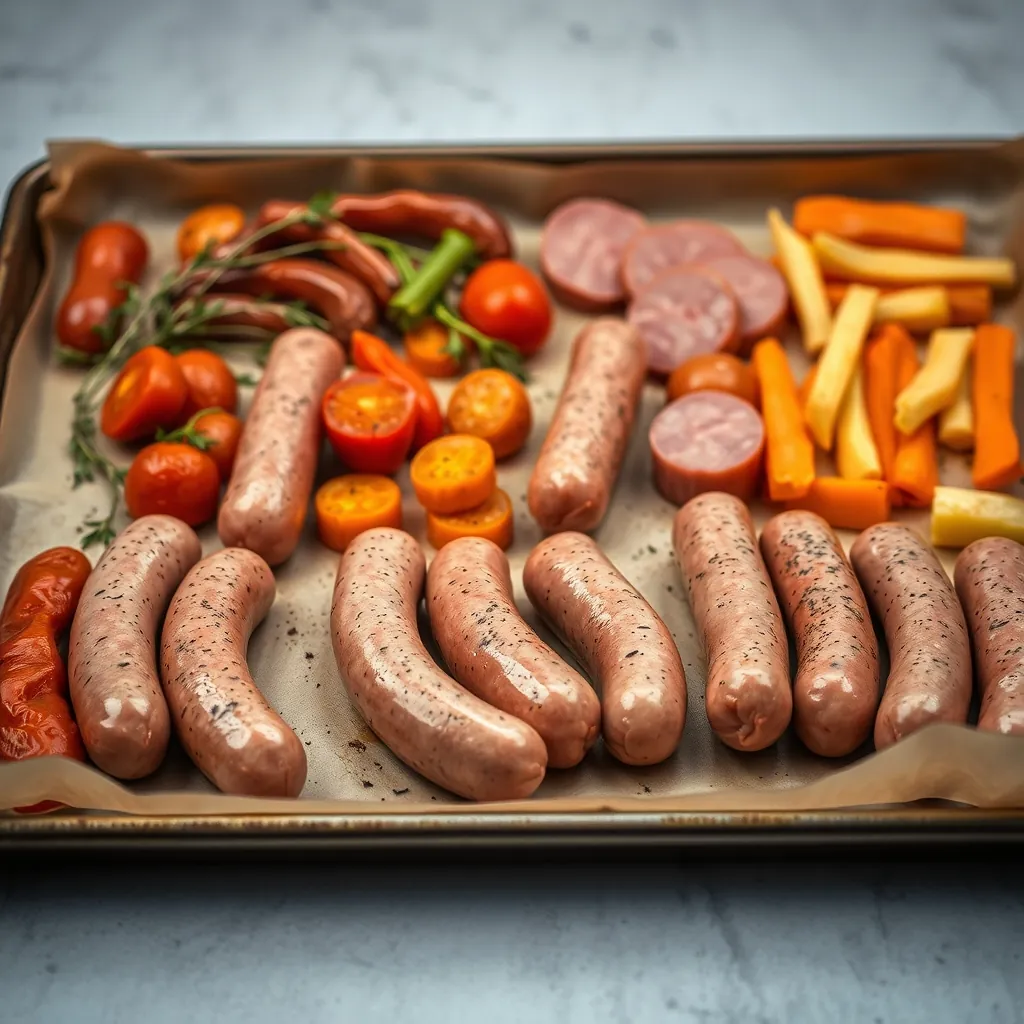
Arrange the pan with intention. Group the hardest vegetables together on one side. Place the sausages in the center or on the opposite side. Softer vegetables like bell peppers and zucchini go in the middle. This zoning approach lets you pull components out at different times if needed.
Oil the vegetables generously but not the sausages. Sausages release their own fat. Extra oil on them leads to splatter inside the oven. To prevent oil splatter from high-fat sausages, line the pan with parchment paper. The paper catches drips and makes cleanup trivial. For even better results, use a rimmed baking sheet. The raised edges contain any grease that pools.
Season the vegetables with salt, pepper, and a dry herb blend like oregano, thyme, and rosemary. Avoid wet marinades on the vegetables. Excess moisture is the enemy of browning. Toss the vegetables in oil and seasonings directly on the pan to keep the coating even without a separate bowl.
Baking Time and Temperature Adjustments
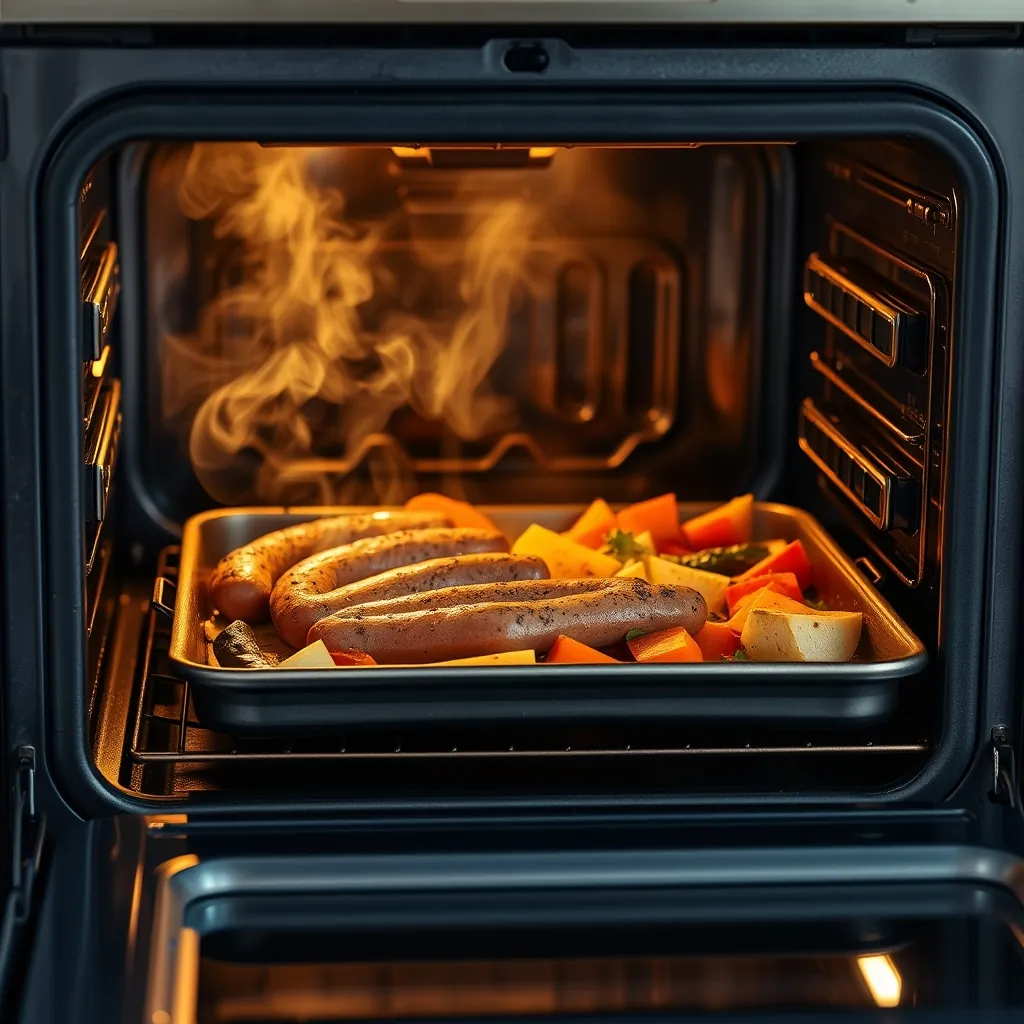
The baseline is 400°F for 25 minutes. But you should check at 20 minutes. The vegetables should be fork-tender and the sausages should show deep browning on at least two sides. If the sausages are browning too fast, cover them loosely with a small piece of foil for the final 5 minutes.
High-altitude cooking changes the game. At elevations above 3,500 feet, water boils at a lower temperature and food takes longer to cook. Increase your oven temperature to 425°F. Extend the cooking time by 5 to 8 minutes. Check the vegetables with a fork. They should offer no resistance.
For lean sausages, drop the temperature to 375°F and extend the time to 30 minutes. The lower heat prevents the exterior from burning before the inside is done. For fully cooked smoked sausages, 375°F for 18 minutes is sufficient.
Meal Prep Storage and Reheating
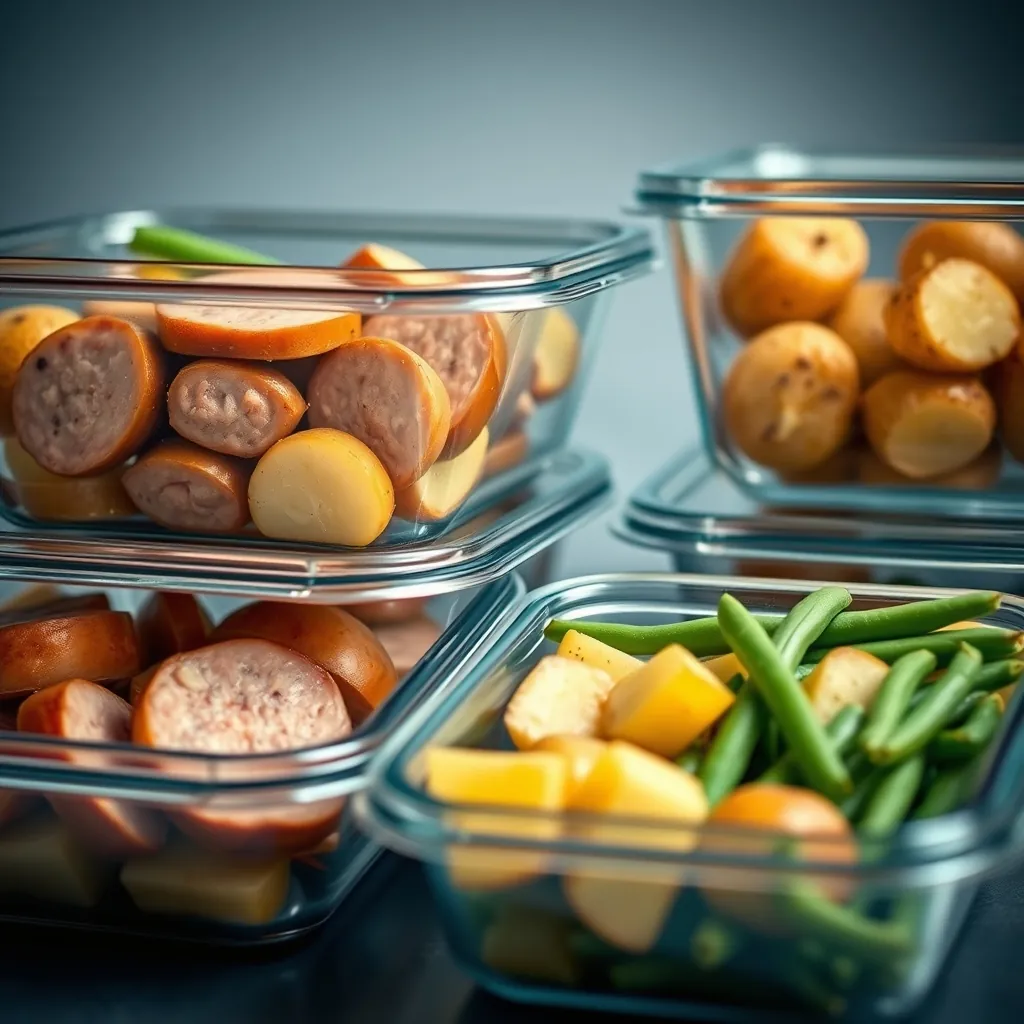
Let the pan cool completely before portioning. Hot food trapped in a sealed container creates condensation. That moisture turns crisp vegetables soft. Allow 15 to 20 minutes of cooling on the counter.
Divide the sausages and vegetables into airtight containers. Glass containers with snap-lock lids work best. They do not absorb odors and they reheat evenly. Store in the refrigerator for up to 4 days. Do not freeze this dish. The texture of roasted vegetables degrades significantly after thawing. The sausage becomes rubbery.
Reheating is where most meal prep fails. The microwave turns roasted vegetables into mush. Use the oven or an air fryer instead. Set the temperature to 350°F. Spread the contents on a small baking sheet or in the air fryer basket. Heat for 5 to 7 minutes. The vegetables regain their edges and the sausage casing crisps up again.
Variations and Substitutions
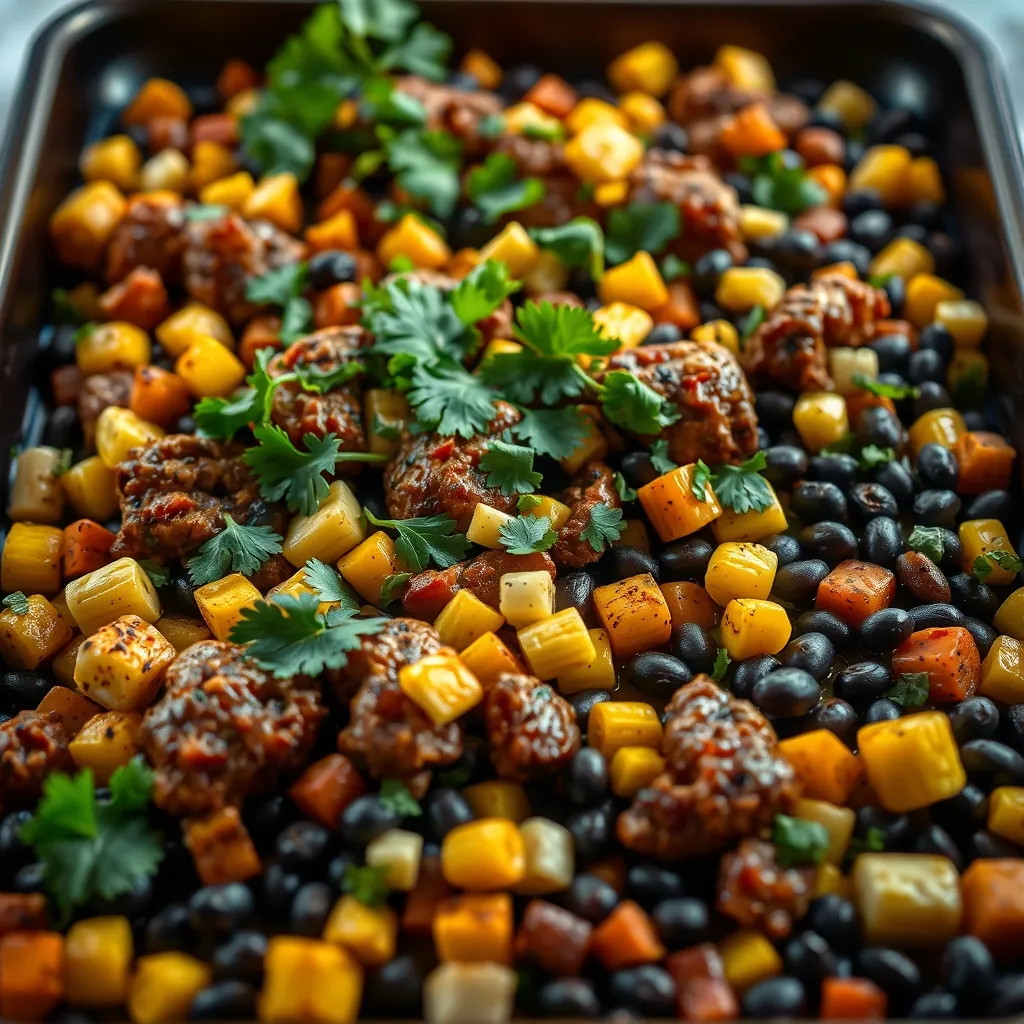
Switch the protein to change the entire flavor profile. Chorizo adds a smoky, spicy kick. Pair it with corn, black beans, and poblano peppers for a southwestern twist. Bratwurst works well with sauerkraut, apples, and red potatoes for a German-inspired plate.
For a lower-carb version, replace potatoes with cauliflower florets or broccoli. Cut the cauliflower into one-inch pieces. Roast them at 425°F for 20 minutes alongside the sausages. The higher temperature helps cauliflower brown without becoming mushy.
Herb and spice blends are easy to rotate. Use za’atar and sumac for a Middle Eastern profile. Try smoked paprika, garlic powder, and cumin for a barbecue vibe. Keep the seasoning dry. Wet pastes and sauces introduce moisture that prevents browning.
Sheet pan sausage and vegetables is a flexible, forgiving system. Once you understand the principles of heat management, vegetable density, and moisture control, you can adapt it to any ingredient you have on hand. The result is a week of satisfying meals with one hour of active work.
Sheet Pan Sausage and Veggies: The Ultimate Meal Prep Shortcut
Master the art of sheet pan sausage and veggies for quick meal prep. Get tips on cooking times, sausage choices, and storage for up to 4 days.
Ingredients
- 4 Italian sausages (pork or chicken)
- 2 cups baby potatoes, halved
- 1 red bell pepper, sliced
- 1 yellow bell pepper, sliced
- 1 red onion, sliced
- 2 tablespoons olive oil
- 1 teaspoon dried oregano
- 1 teaspoon dried thyme
- Salt and pepper to taste
Instructions
- Preheat oven to 400°F (200°C).
- Cut baby potatoes into halves, slice bell peppers and red onion.
- Toss vegetables with olive oil, oregano, thyme, salt, and pepper.
- Arrange vegetables in a single layer on a rimmed sheet pan lined with parchment paper.
- Place sausages in the center or opposite side of the vegetables.
- Roast for 25 minutes, checking at 20 minutes for doneness.
- Let cool for 15-20 minutes before portioning into containers.
- Store in refrigerator for up to 4 days. Reheat at 350°F for 5-7 minutes.
Leave a Reply