Your cart is currently empty!
Top Black Hair Styles in 2026: The Definitive Trend Guide
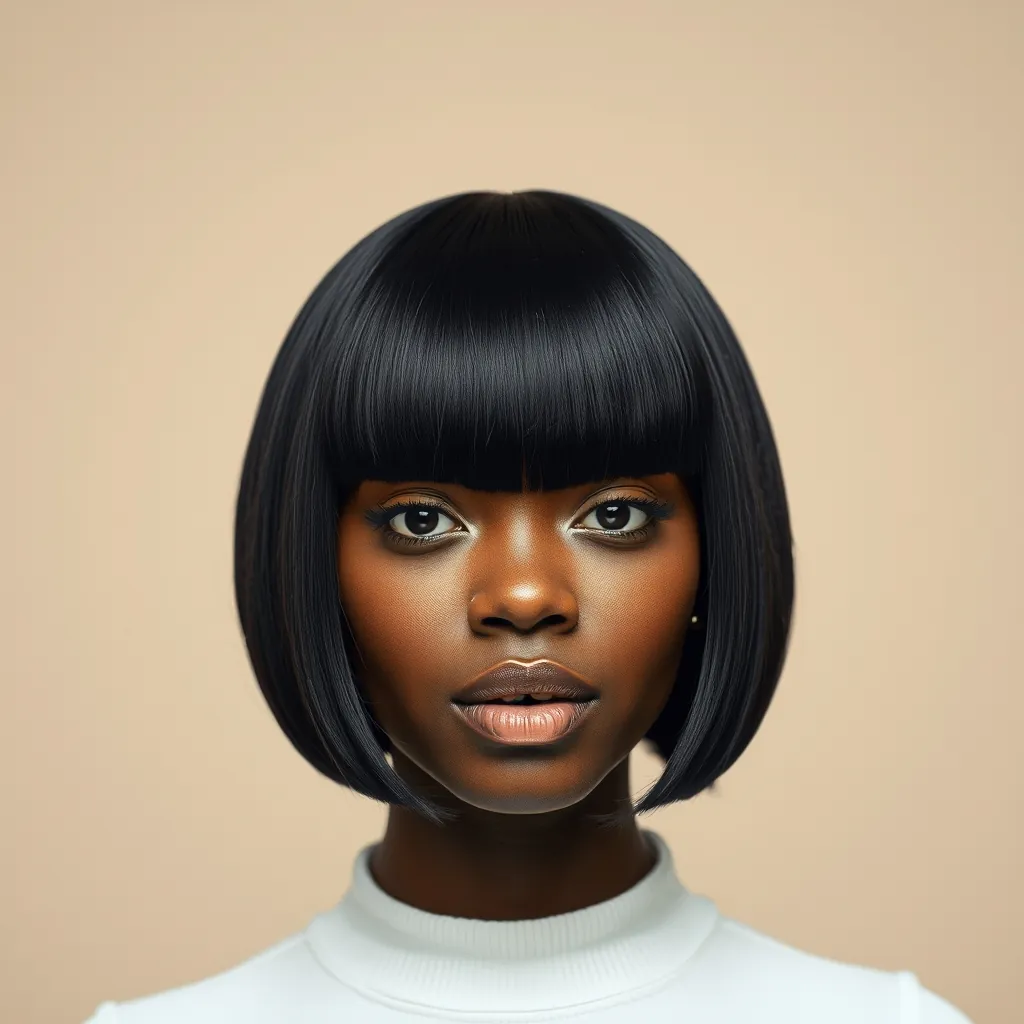
The Defining Silhouette: Why the ’90s Bob Leads 2026
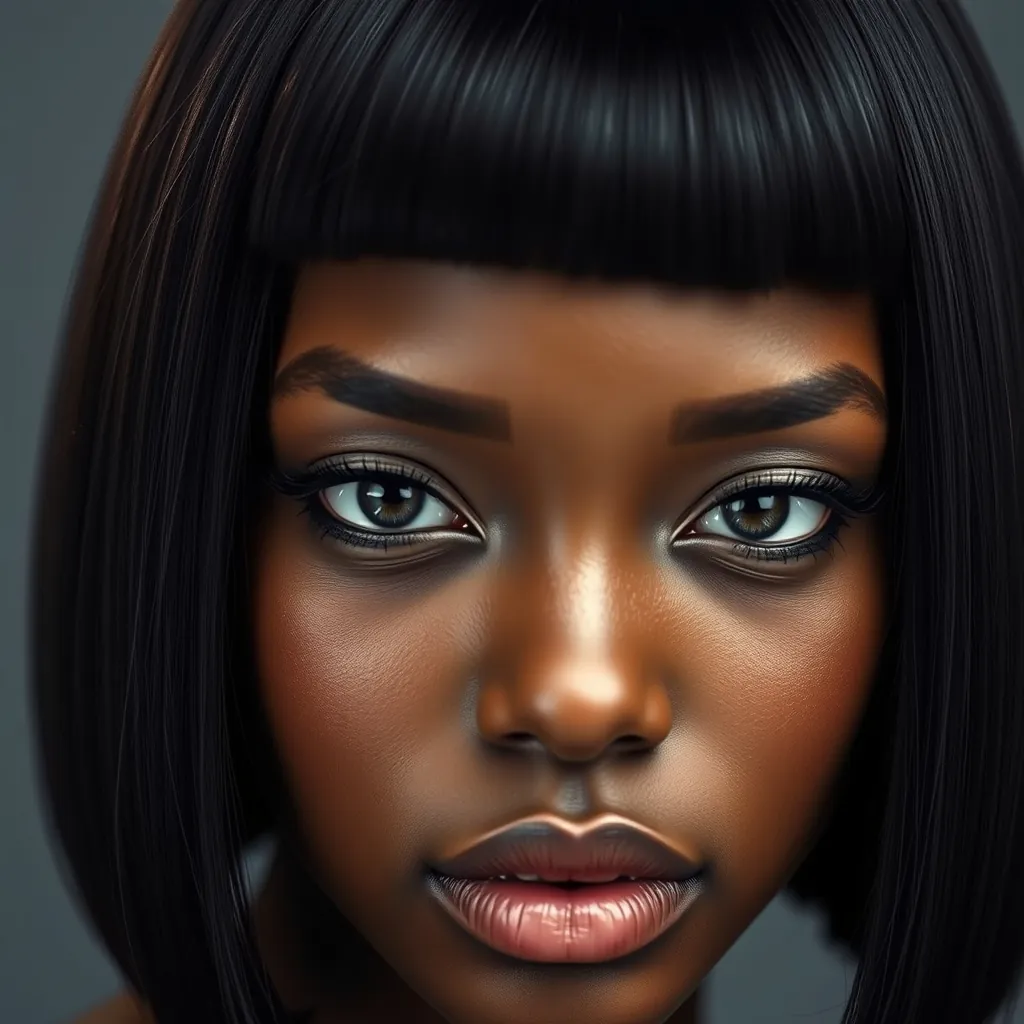
The ’90s bob is not a mere throwback. It is a calculated return to sharp, geometric lines that frame the face with authority. This chin-length cut works on natural, relaxed, or transitioned hair. For women moving away from chemical relaxers, the bob offers a clean slate. You can cut off damaged ends and start fresh with a healthy, blunt shape. Stylists recommend a precision cut every six to eight weeks to maintain the line. Use a lightweight oil or serum on the ends to prevent split ends from showing.
Transitioning from Relaxed Hair Without Breakage
Going from chemically processed hair to a natural bob requires patience. Do not chop it all at once if you have long relaxed hair. Instead, work with a stylist to gradually cut off the relaxed ends over three to four months. This method prevents the shock of a drastic change and reduces stress on the hair shaft. Deep condition weekly with a protein-moisture balance treatment. Brands like SheaMoisture and Mielle Organics offer strengthening masks that support the transition zone where natural and relaxed hair meet.
Protective Styles That Actually Promote Growth
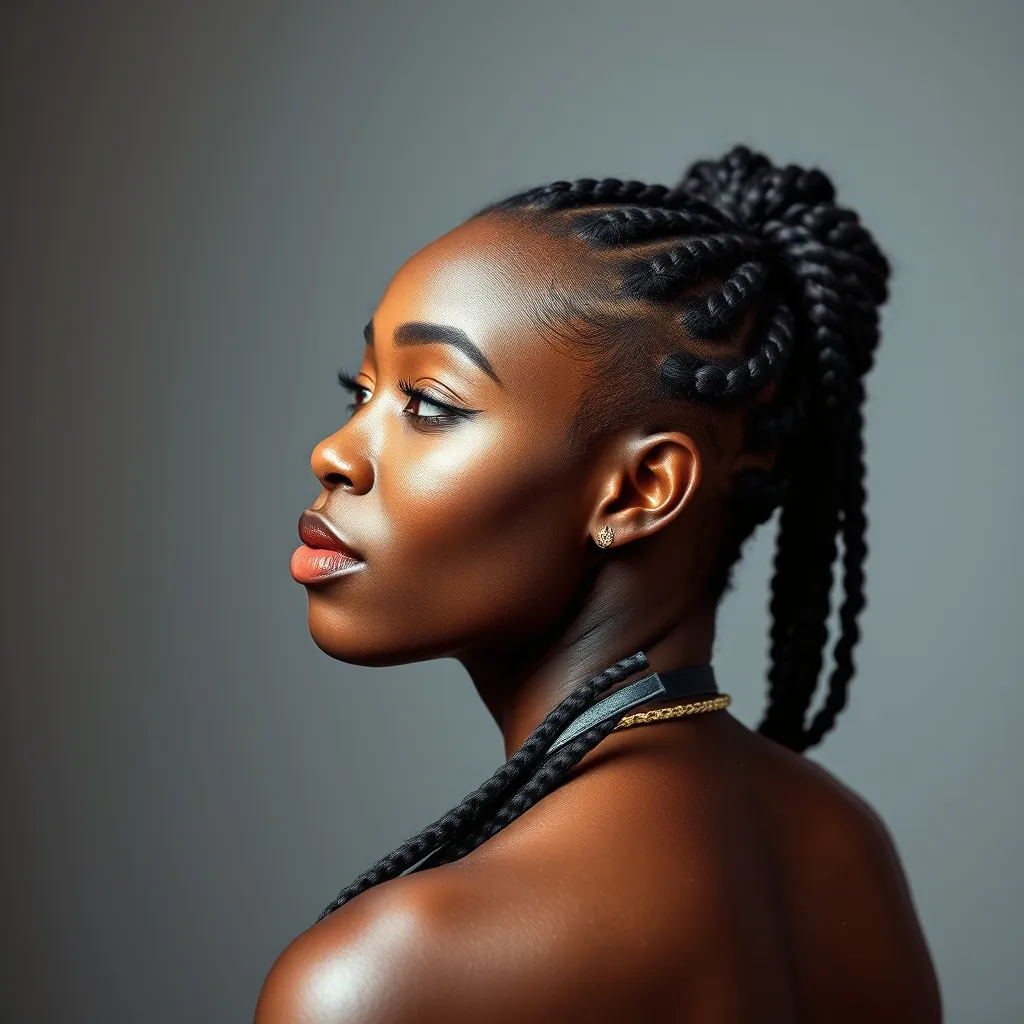
Knotless braids and faux locs remain the heavy lifters of protective styling. They reduce daily manipulation and shield ends from the elements. But not all protective styles are created equal. The key is avoiding tension at the root. Knotless braids start with your natural hair, so there is no bulky knot pulling on the scalp. For fine hair, choose smaller sections and lighter extensions. For coarse or dense hair, larger braids work better and reduce installation time.
Product Picks for Braid Maintenance
Your scalp needs moisture even when your hair is braided. Use a spray bottle with water, aloe vera juice, and a few drops of tea tree oil. Mist your scalp every other day. Avoid heavy oils that can clog follicles. For the braids themselves, a lightweight mousse keeps flyaways smooth without buildup. The Doux Mousse Def is a favorite for its hold without stickiness. Wash your braids every two weeks with a diluted sulfate-free shampoo.
Heatless Styling: The New Standard for Curl Definition
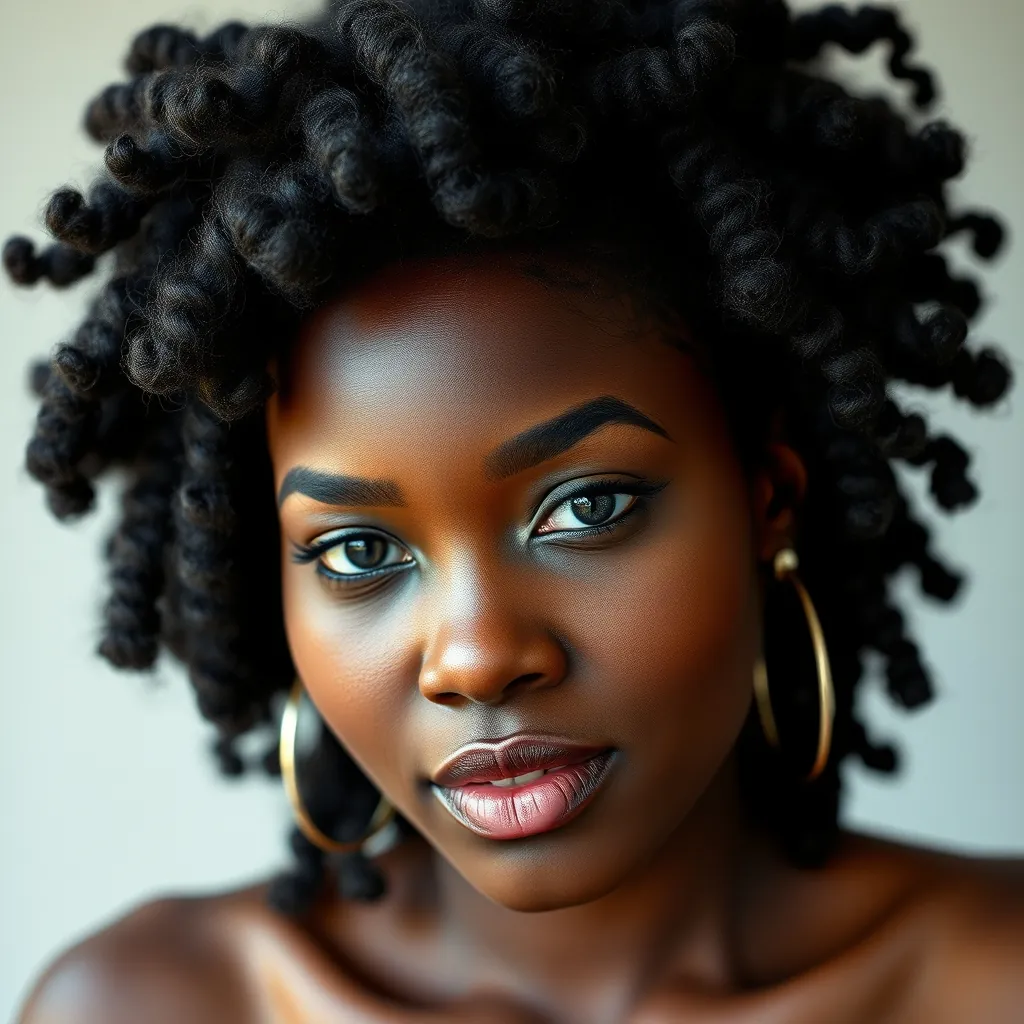
Heat damage is the enemy of curl pattern retention. In 2026, the smartest tools are satin rollers, flexi rods, and perm rods. These methods create bouncy curls without a single pass of a flat iron. A twist-out or braid-out done on damp hair with a good holding cream can last three to four days. Sleep on a satin pillowcase to preserve the style. For humidity-prone climates, set the style with a lightweight gel. Eco Styler Krystal Gel provides hold without flakes. In dry climates, focus on sealing moisture with a butter like shea butter before twisting.
Budget-Friendly DIY Alternatives
You do not need a salon visit to achieve a salon-quality heatless style. Use old t-shirts cut into strips as makeshift flexi rods. Paper bags work as impromptu perm rods for tight curls. The key is setting the hair while damp, not wet. Wet hair takes too long to dry and can lead to mildew. Air drying overnight on rods gives the best results. In the morning, apply a drop of argan oil to your palms and gently separate the curls.
Scalp Health as the Foundation for Every Style
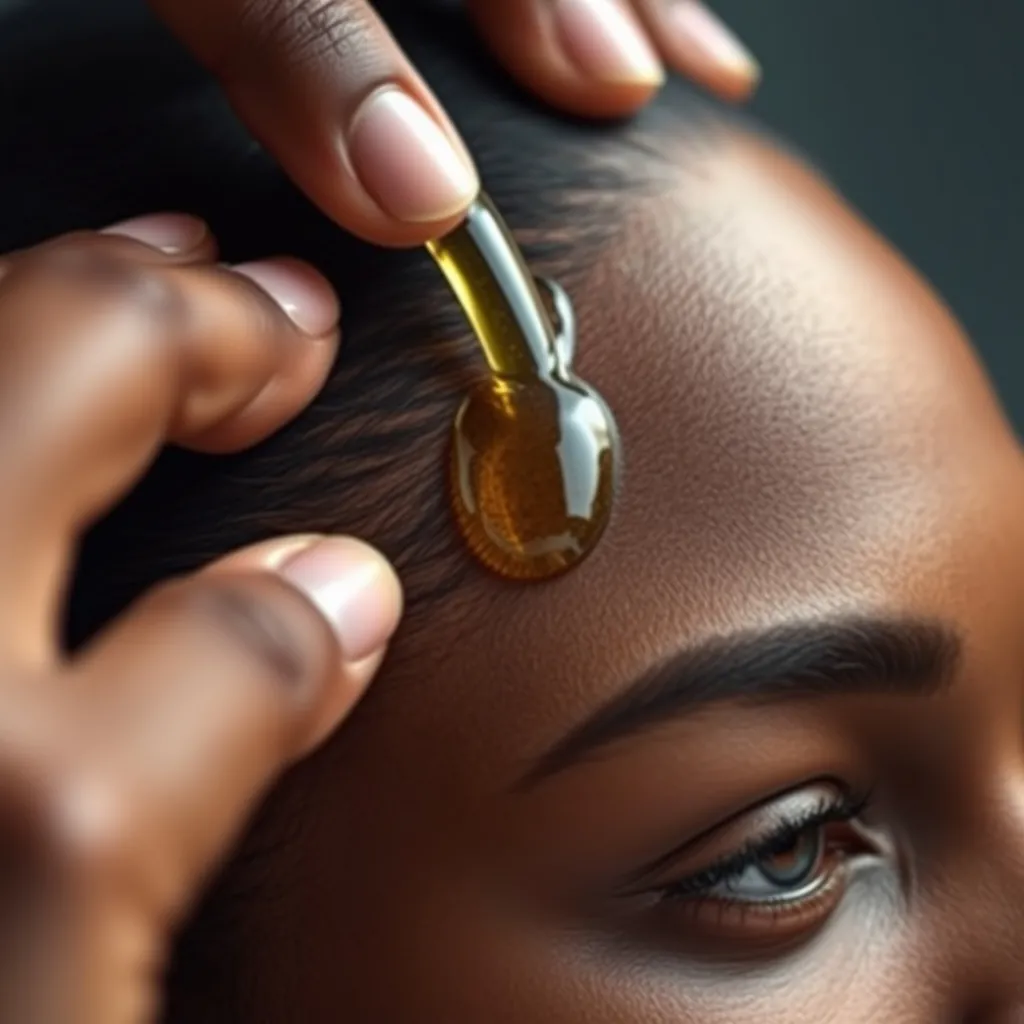
No style looks good on an unhealthy scalp. Dandruff, dryness, and product buildup are silent killers of hair growth. A clean scalp is the prerequisite for any style, whether it is a sleek ponytail or a voluminous fro. Use a clarifying shampoo once a month to remove residue. Follow with a moisturizing shampoo. For daily care, a scalp massager stimulates blood flow. Apply a few drops of jojoba oil to the scalp before massaging. This mimics the scalp’s natural sebum without clogging pores.
Adapting to Your Climate
Humidity can turn a sleek style into a frizzy mess within hours. In humid regions, use an anti-humidity spray or a silicone-based serum to seal the cuticle. In dry climates, focus on deep conditioning and sealing with an oil like avocado or grapeseed. The wrong approach can shorten the lifespan of your style by days. Know your environment and adjust your products accordingly.
Bold Color Accents: Honey Blonde and Burgundy on Black Hair
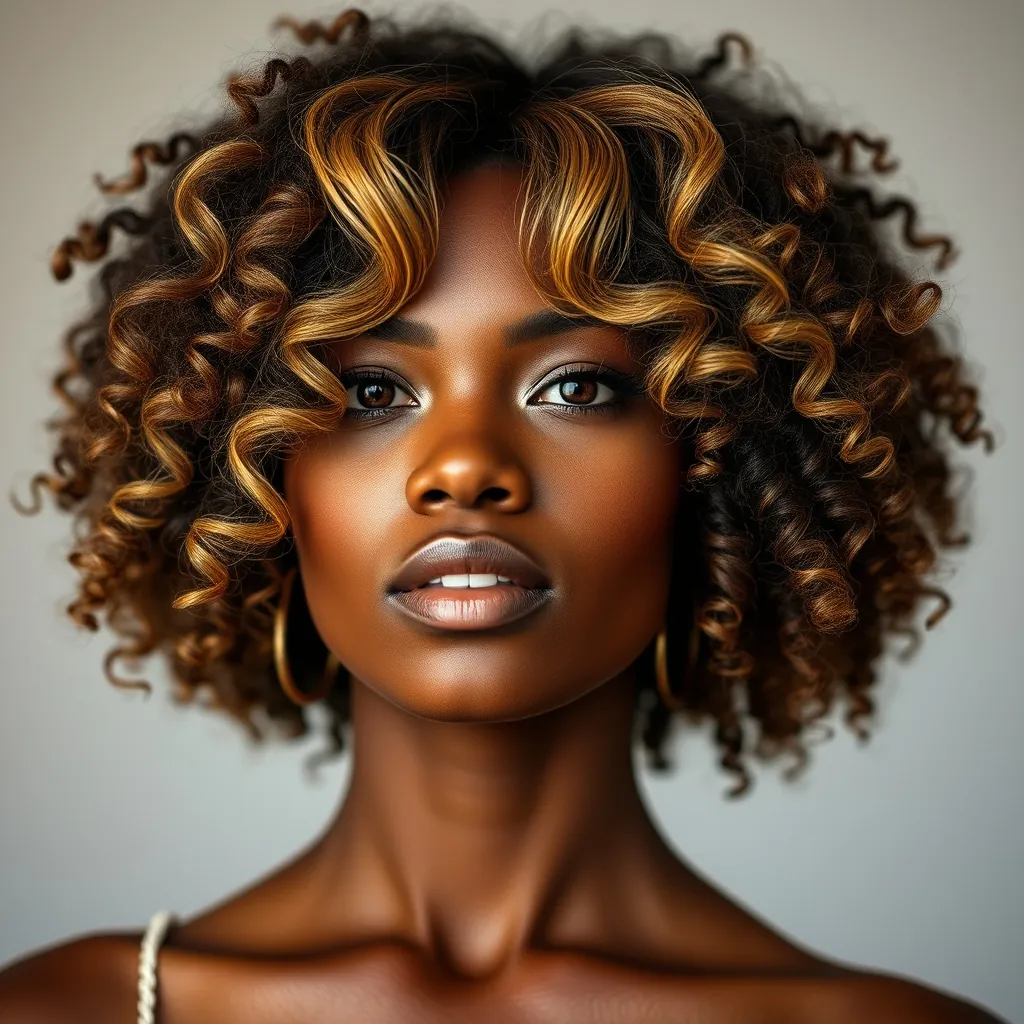
Color adds dimension and personality. But coloring black hair requires care to avoid breakage. The safest route is to color only the extensions in a protective style. For example, pre-colored knotless braids in honey blonde or burgundy give you the look without chemical damage to your natural hair. If you want to color your natural hair, seek a professional who specializes in black hair. They will use a bond builder like Olaplex to protect the hair structure. After coloring, deep condition every wash and avoid heat styling for at least two weeks.
Maintaining Color Longevity
Colored hair fades faster with heat and sun exposure. Wear a hat or use a UV protectant spray when outdoors. Wash with cool water and a color-safe shampoo. Avoid washing more than twice a week. Dry shampoo can extend the time between washes. Red and burgundy tones fade the fastest, so refresh them with a color-depositing conditioner once a month.
Short Cuts and Tapered Fades: Low Maintenance, High Impact
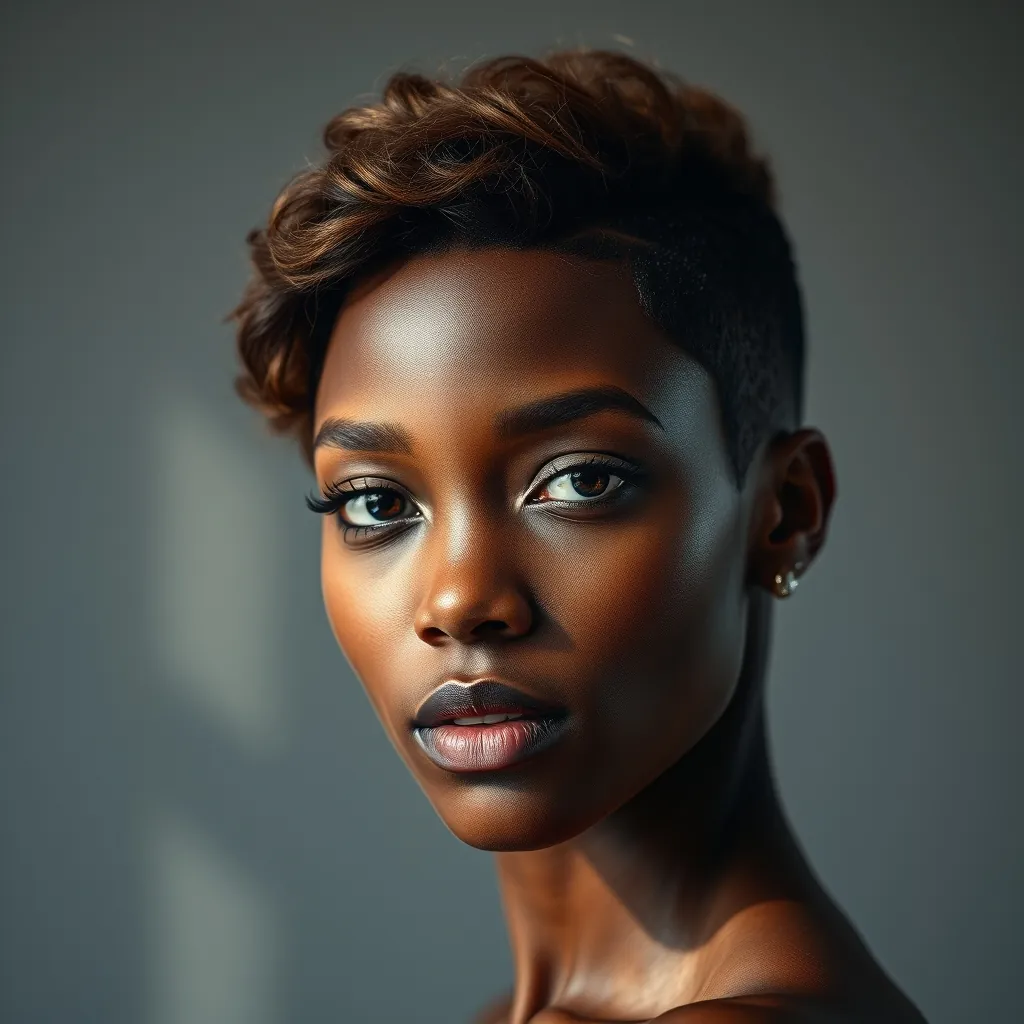
The tapered fade is a powerhouse for women who want minimal daily effort. The sides and back are clipped short, leaving length on top. This cut works for all face shapes. For fine hair, ask for a higher fade to create the illusion of volume. For coarse hair, a lower fade keeps the shape clean without too much bulk. Edge control is essential. Use a gel with strong hold and a small brush to lay edges flat. A satin scarf at night preserves the shape.
DIY Maintenance Between Salon Visits
You can maintain a fade at home with a good trimmer. Use a guard that matches your current length. Trim the nape and sideburns every two weeks. Do not try to reshape the top yourself. Leave that to a professional. For the top, keep it moisturized with a leave-in conditioner and a light oil. A weekly hot oil treatment keeps the scalp healthy and the hair soft.
Accessories and Headwraps: The Final Touch
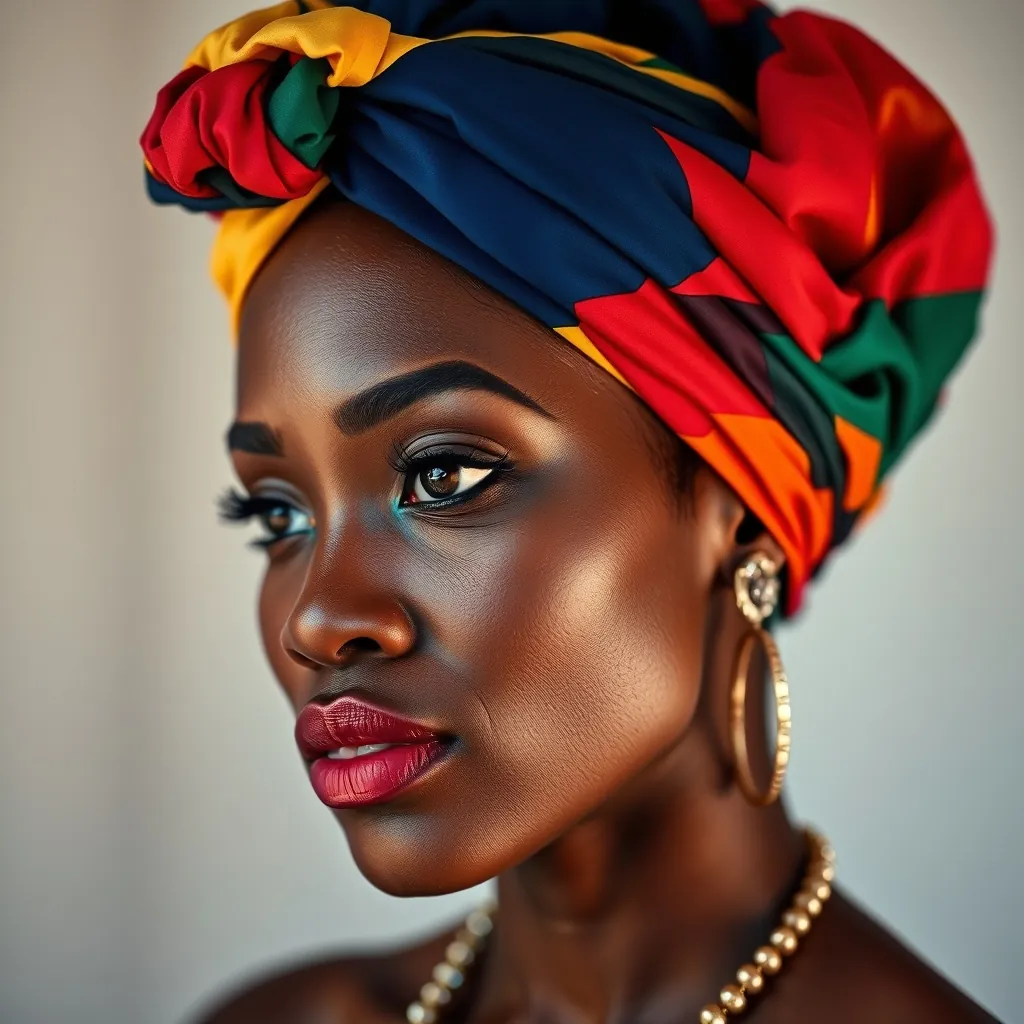
Headwraps are not just for bad hair days. They are a style statement. In 2026, expect to see bold patterns, silk scarves, and velvet wraps. A wrap can protect your style from wind and dust while adding a pop of color. Learn a few basic tying techniques. The turban style works for all lengths. The bow style is feminine and playful. Use a silk or satin material to prevent friction on your edges. Cotton wraps can cause breakage over time.
Choosing the Right Wrap for Your Face Shape
Round faces benefit from wraps that add height on top. Oval faces can pull off any style. Heart-shaped faces look best with wraps that sit lower on the forehead. Square faces should soften the look with a side knot. Experiment with different folds and knots to find your signature look. A good wrap can elevate a simple style into something special.
Final Thoughts: Building Your 2026 Hair Routine
The best style is the one that fits your life. If you have limited time, a tapered fade or a wash-and-go is your friend. If you love versatility, knotless braids or a bob give you options. The common thread across all these trends is health. Healthy hair holds a style better, grows longer, and looks more vibrant. Invest in your scalp, avoid heat when possible, and protect your hair at night. That is the real secret behind every stunning black hair style in 2026.
Frequently Asked Questions
How often should I trim my ’90s bob to maintain the shape?
You should trim your ’90s bob every six to eight weeks to keep the blunt line sharp and prevent split ends from showing.
Can I achieve heatless curls on natural black hair without damage?
Yes, using satin rollers, flexi rods, or perm rods on damp hair with a holding cream creates bouncy curls without heat damage.
What is the best protective style for fine black hair?
Knotless braids are ideal for fine hair because they start with your natural hair, reducing tension at the root and preventing breakage.
How do I maintain scalp health under braids or extensions?
Mist your scalp every other day with a mix of water, aloe vera juice, and tea tree oil, and wash braids every two weeks with a diluted sulfate-free shampoo.
What is the safest way to add honey blonde color to black hair?
The safest method is to use pre-colored knotless braids or extensions, avoiding chemical damage to your natural hair.
Leave a Reply